Confidentiality Agreement and Non-Disclosure between Party and Healthcare Provider for purposes of creating a Community Health Needs Assesment and Other Reports
Overview of this form
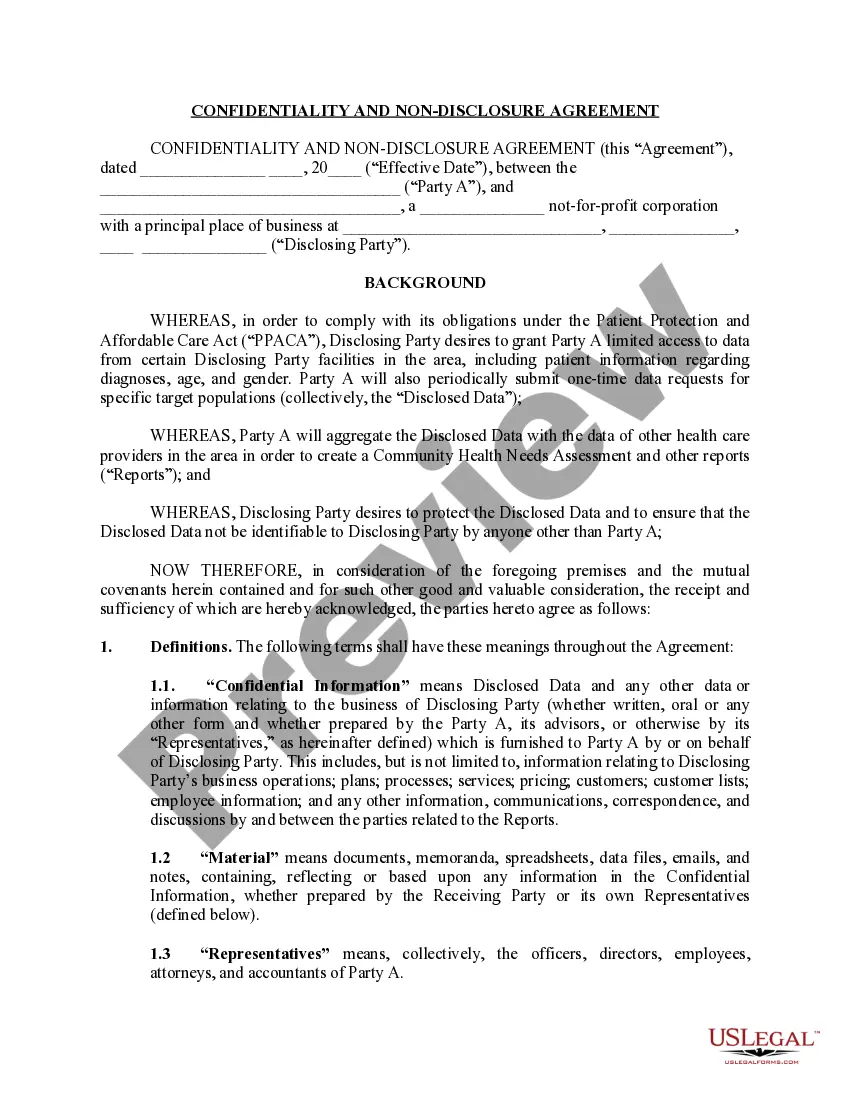
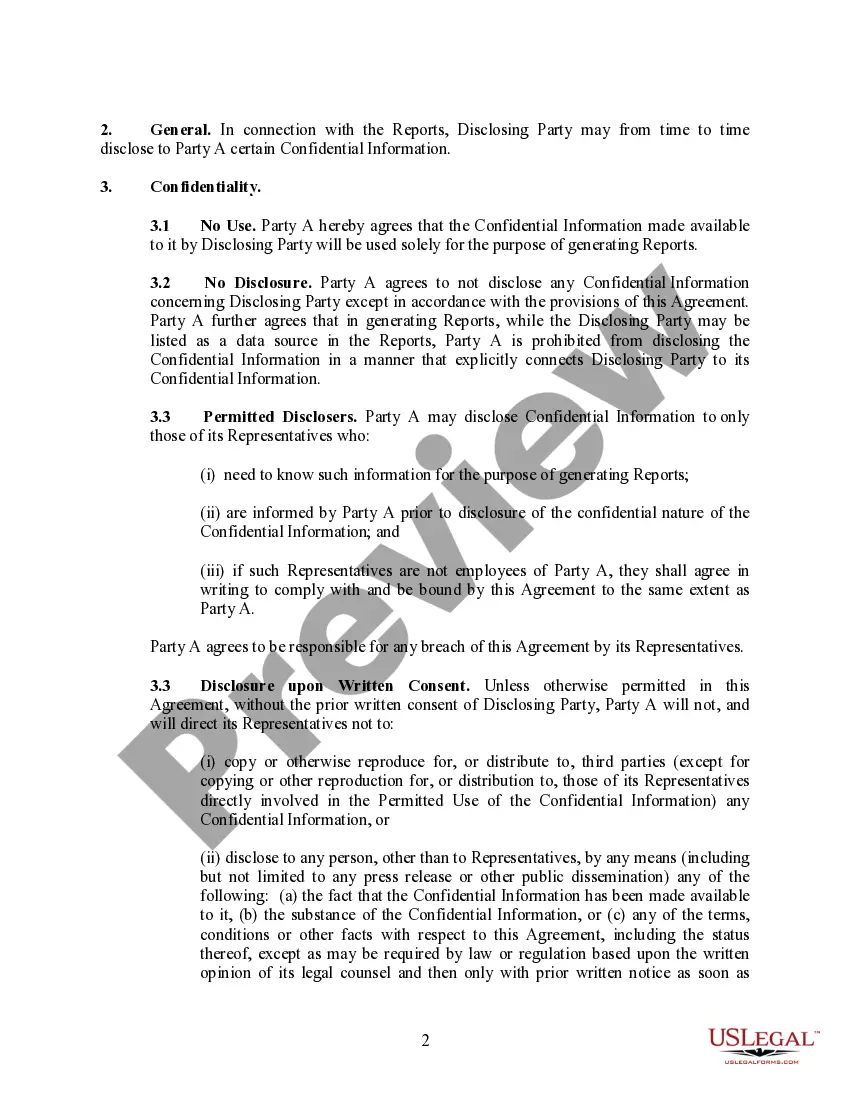
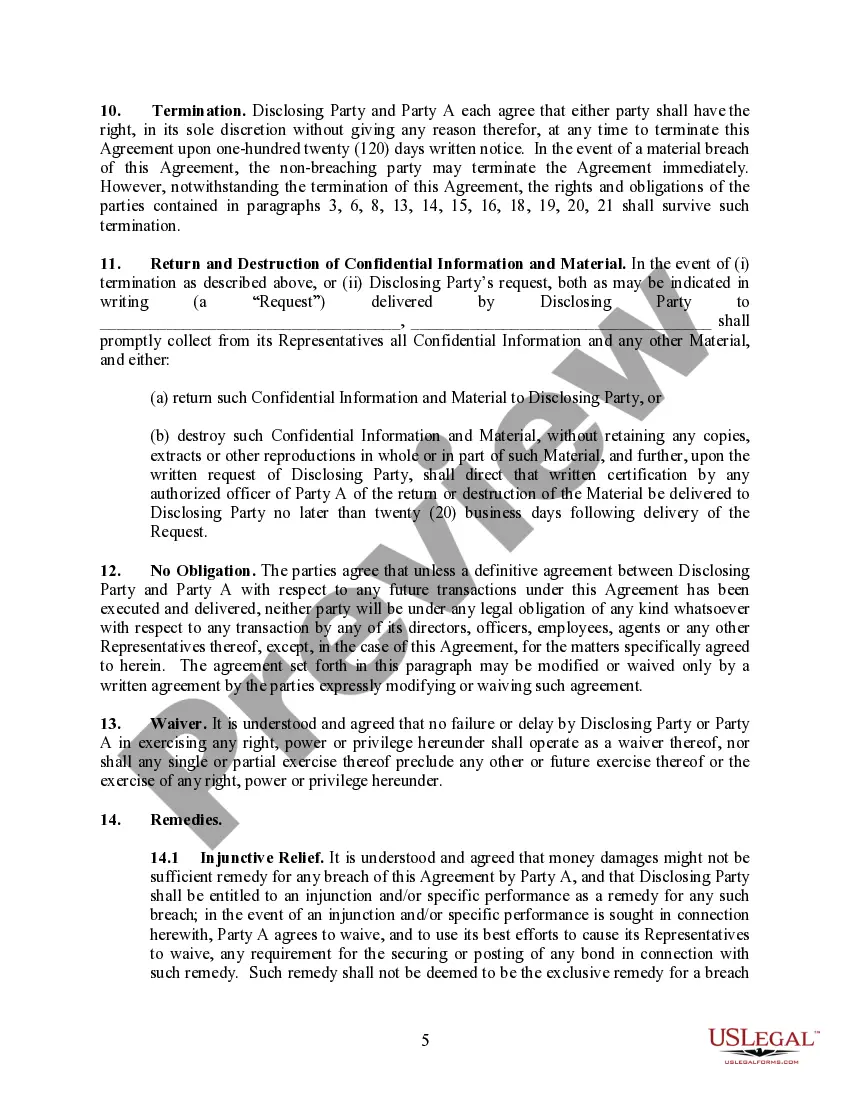
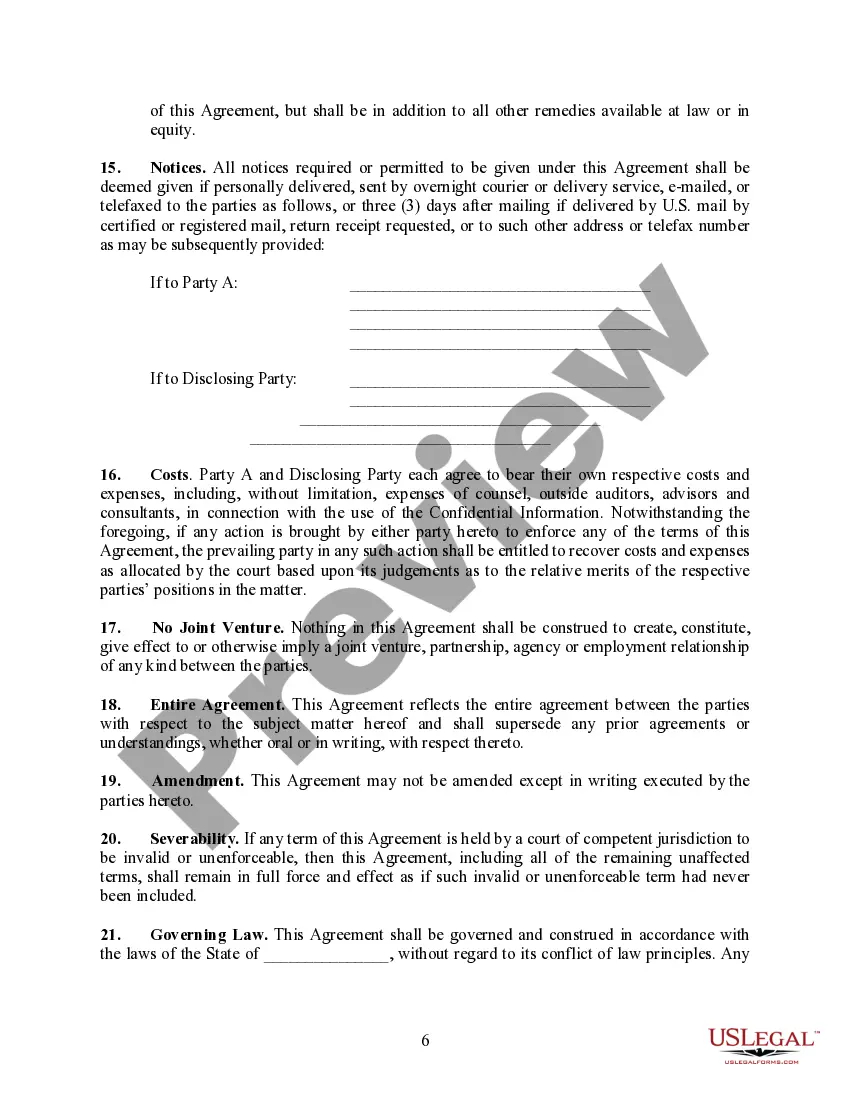
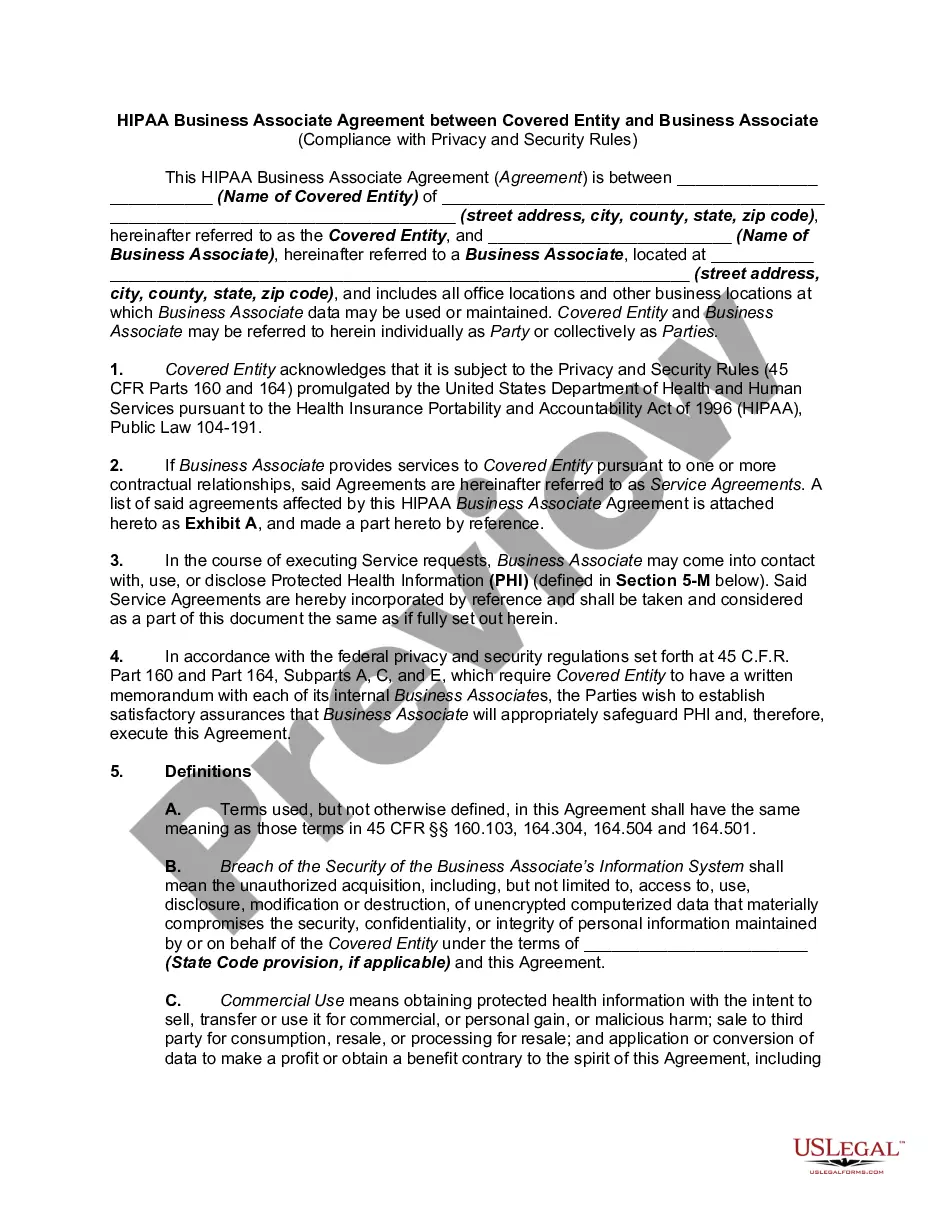
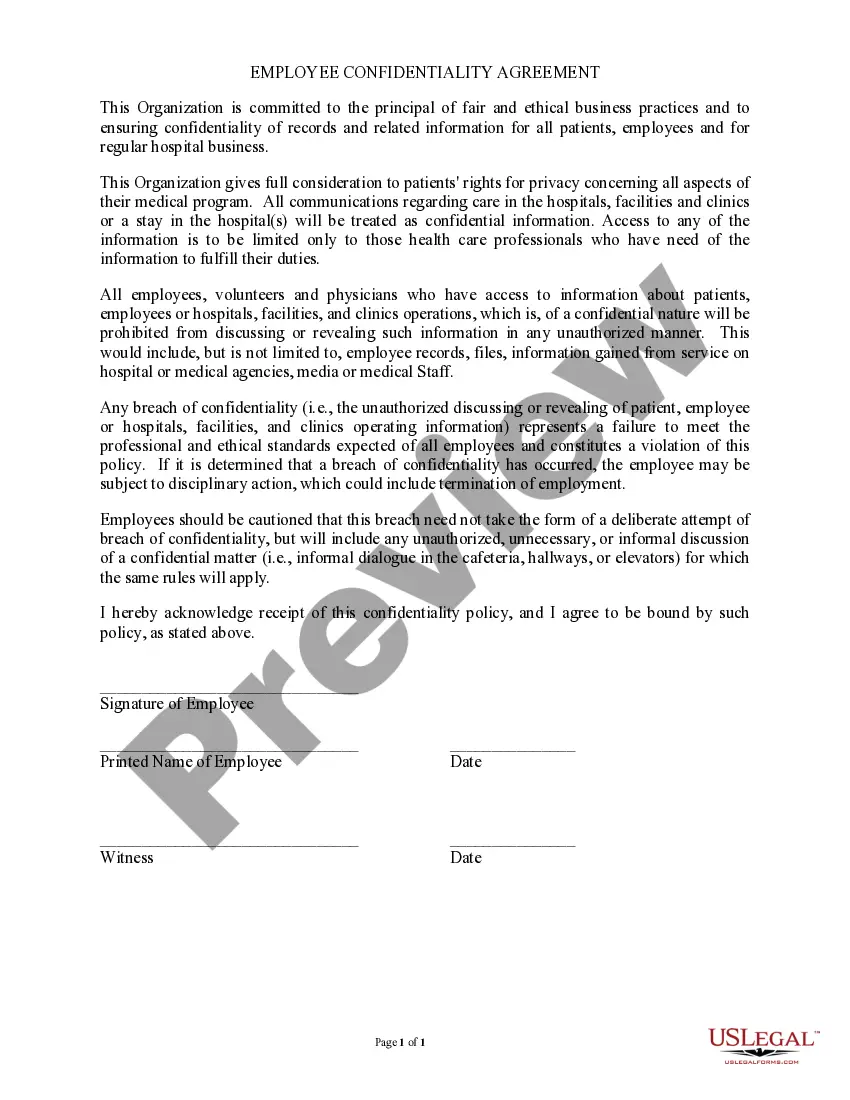
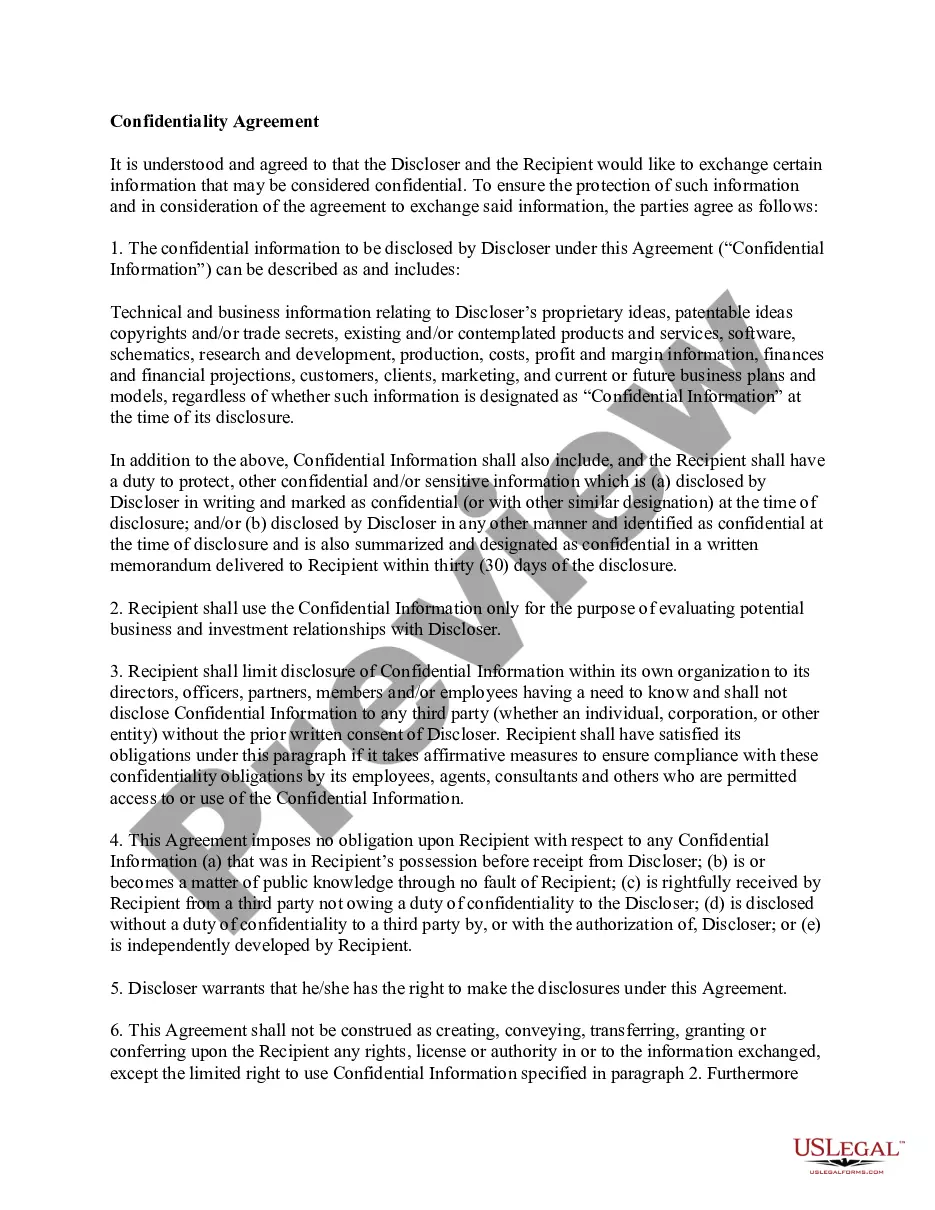
This Confidentiality Agreement and Non-Disclosure form is designed for use between a party and a healthcare provider for creating a Community Health Needs Assessment and other related reports. This legal document outlines the obligation to protect confidential information shared during the data collection process, specifically regarding patient information and operational data. Unlike other confidentiality agreements, this specific form addresses the unique requirements of healthcare settings and compliance with the Patient Protection and Affordable Care Act (PPACA).
Key parts of this document
- Definitions of Confidential Information and Material.
- Obligations regarding the use and disclosure of Confidential Information.
- Provisions for maintaining confidentiality and limits on data sharing.
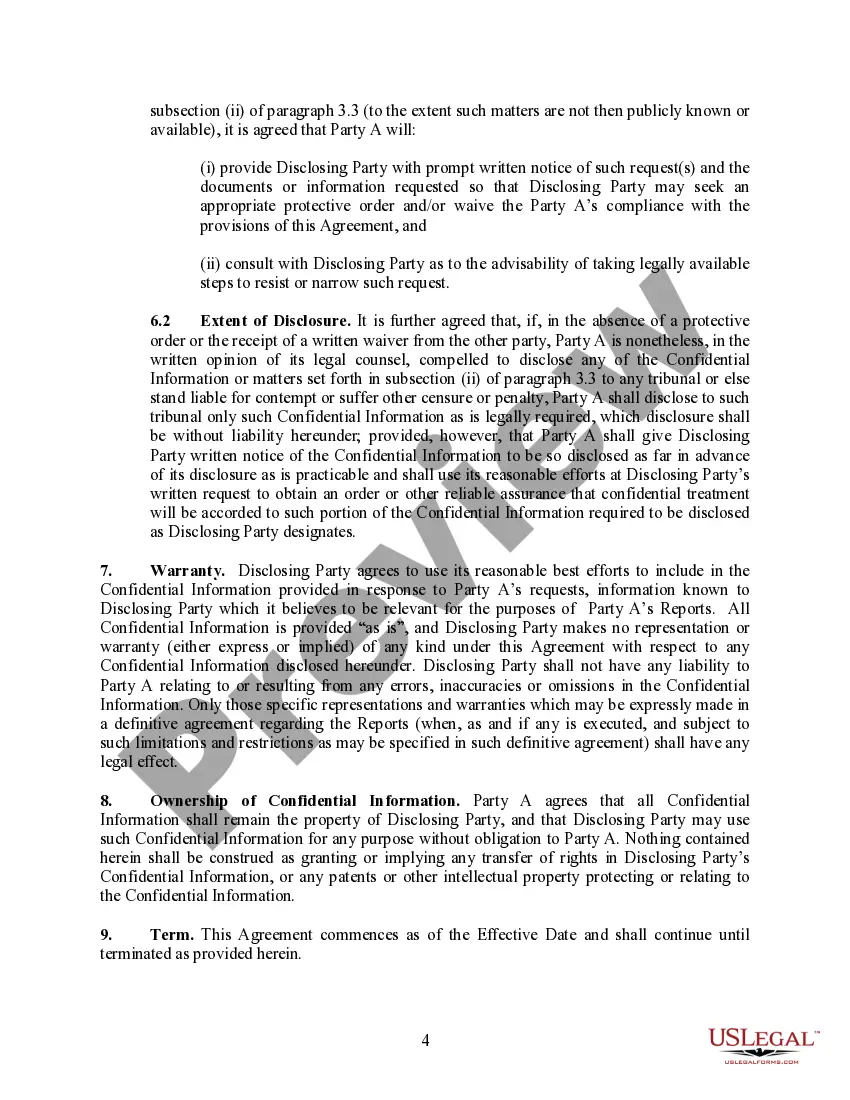
- Terms regarding the return or destruction of Confidential Information after termination.
- Legal remedies and obligations under applicable state law.

When to use this form
This form is essential in situations where a healthcare provider needs to share sensitive patient data with another party for the purpose of creating health assessments or reports. It is especially important when compliance with federal regulations regarding patient confidentiality is required. Use this agreement when data will be aggregated with information from other providers to analyze community health needs.
Who needs this form
- Healthcare providers looking to share patient information securely.
- Organizations conducting community health assessments.
- Data analysts working on reports involving sensitive patient data.
- Contracted parties collaborating with healthcare organizations for research and analysis.
Completing this form step by step
- Identify the parties involved, including the healthcare provider and the receiving party.
- Specify the effective date of the agreement at the top of the form.
- Define the Confidential Information to be disclosed, ensuring that it meets the requirements outlined in the agreement.
- Detail the obligations regarding confidentiality and use of the information in accordance with the agreement.
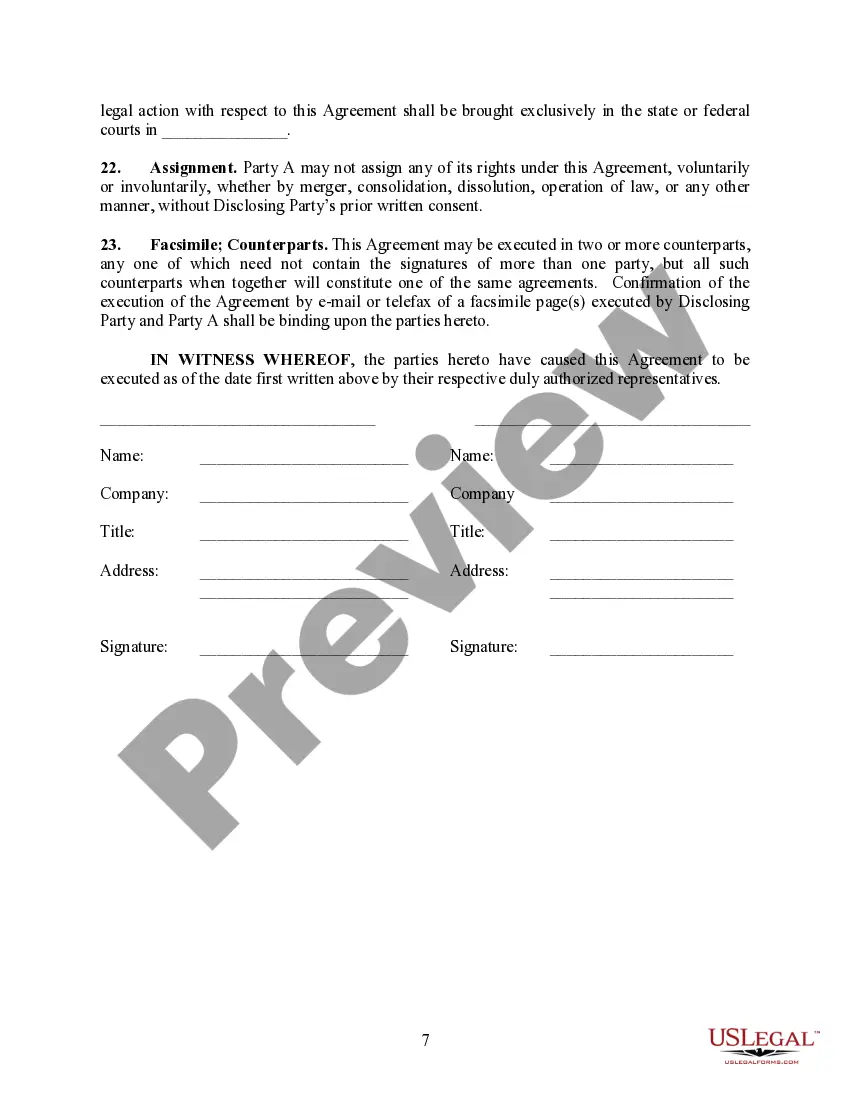
- Ensure both parties sign and date the agreement to validate it legally.
Is notarization required?
This form does not typically require notarization unless specified by local law. It is always advisable to check state-specific requirements to ensure full compliance.
Get your form ready online
Our built-in tools help you complete, sign, share, and store your documents in one place.
Make edits, fill in missing information, and update formatting in US Legal Forms—just like you would in MS Word.
Download a copy, print it, send it by email, or mail it via USPS—whatever works best for your next step.
Sign and collect signatures with our SignNow integration. Send to multiple recipients, set reminders, and more. Go Premium to unlock E-Sign.
If this form requires notarization, complete it online through a secure video call—no need to meet a notary in person or wait for an appointment.
We protect your documents and personal data by following strict security and privacy standards.

Make edits, fill in missing information, and update formatting in US Legal Forms—just like you would in MS Word.

Download a copy, print it, send it by email, or mail it via USPS—whatever works best for your next step.

Sign and collect signatures with our SignNow integration. Send to multiple recipients, set reminders, and more. Go Premium to unlock E-Sign.

If this form requires notarization, complete it online through a secure video call—no need to meet a notary in person or wait for an appointment.

We protect your documents and personal data by following strict security and privacy standards.
Common mistakes
- Failing to clearly define what constitutes Confidential Information.
- Not specifying the intended use of the data, which can lead to misunderstandings.
- Neglecting to get all necessary signatures before sharing any confidential data.
- Overlooking the need for compliance with specific state law requirements.
Advantages of online completion
- Convenience of instant downloads and easy access to the form.
- Editable templates that allow customization to address specific needs.
- Reliable and legally vetted documents that ensure compliance with applicable laws.
Looking for another form?
Form popularity
FAQ
4 ways of protecting patient privacy Build a security culture in your organization. Perform a security risk assessment. Create a PHI security improvement plan. Encrypt all patient data.
What does the HIPAA Privacy Rule do? It gives patients more control over their health information. It sets boundaries on the use and release of health records. It establishes appropriate safeguards that health care providers and others must achieve to protect the privacy of health information.
The information protected by HIPAA is all health information relating to an individual´s past, present, or future physical or mental health or condition, the provision of health care to the individual; or the past, present, or future payment for the provision of health care to the individual.
Federal regulations, 42 CFR, Part 2, prohibit you from making any further disclosure of it without the specific written consent of the person to whom it pertains, or as otherwise permitted by such regulations.
Patient confidentiality is necessary for building trust between patients and medical professionals. Patients are more likely to disclose health information if they trust their healthcare practitioners. Trust-based physician-patient relationships can lead to better interactions and higher-quality health visits.
For example, without your authorization, your provider generally cannot: Give your information to your employer. Use or share your information for marketing or advertising purposes or sell your information.
General Rules Ensure the confidentiality, integrity, and availability of all e-PHI they create, receive, maintain or transmit; Identify and protect against reasonably anticipated threats to the security or integrity of the information; Protect against reasonably anticipated, impermissible uses or disclosures; and.
Scenario 1: Patient Check-In Why do healthcare practices have patients sign their names on removable mediums? It's all about patient confidentiality and keeping information out of eyesight. Covered entities need to remove the names and signatures of their patients from public view to protect their privacy.