501(c)(1) Non-Profit Charter School Consent and Agreement of Trip Procedures and Use or Possession of Illegal Substances
About this form
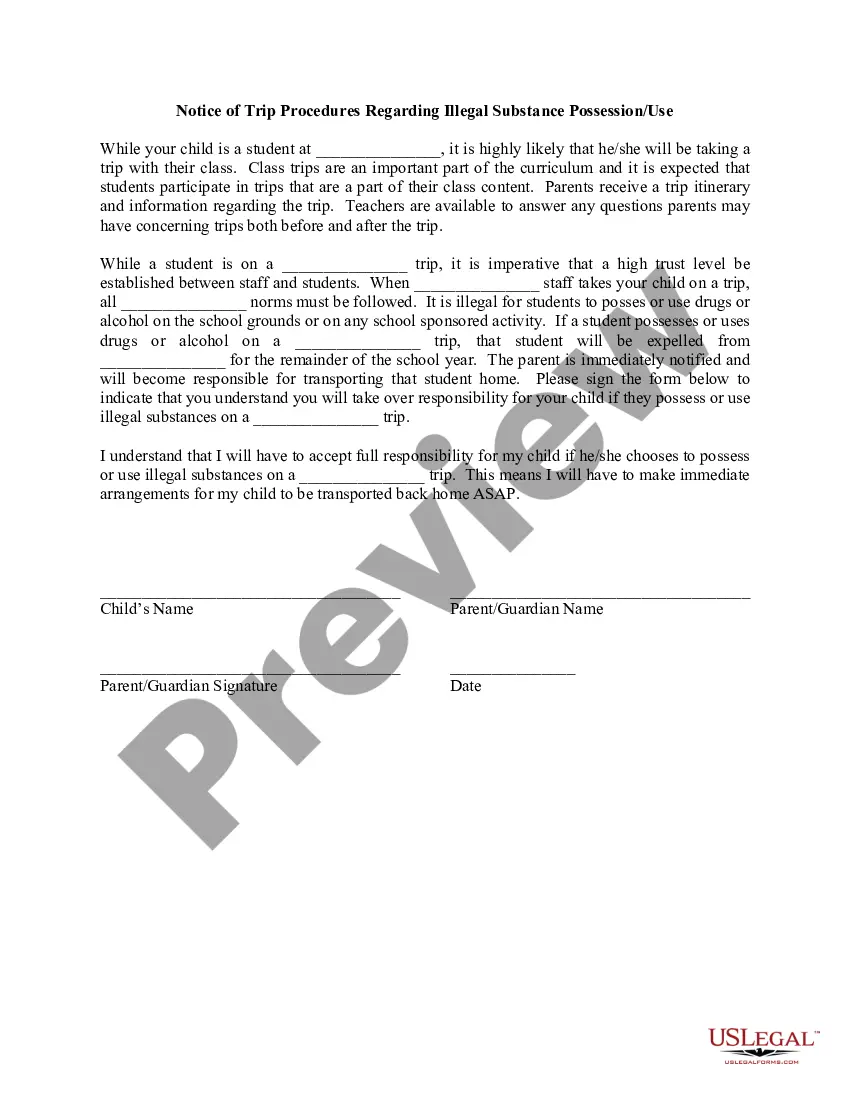
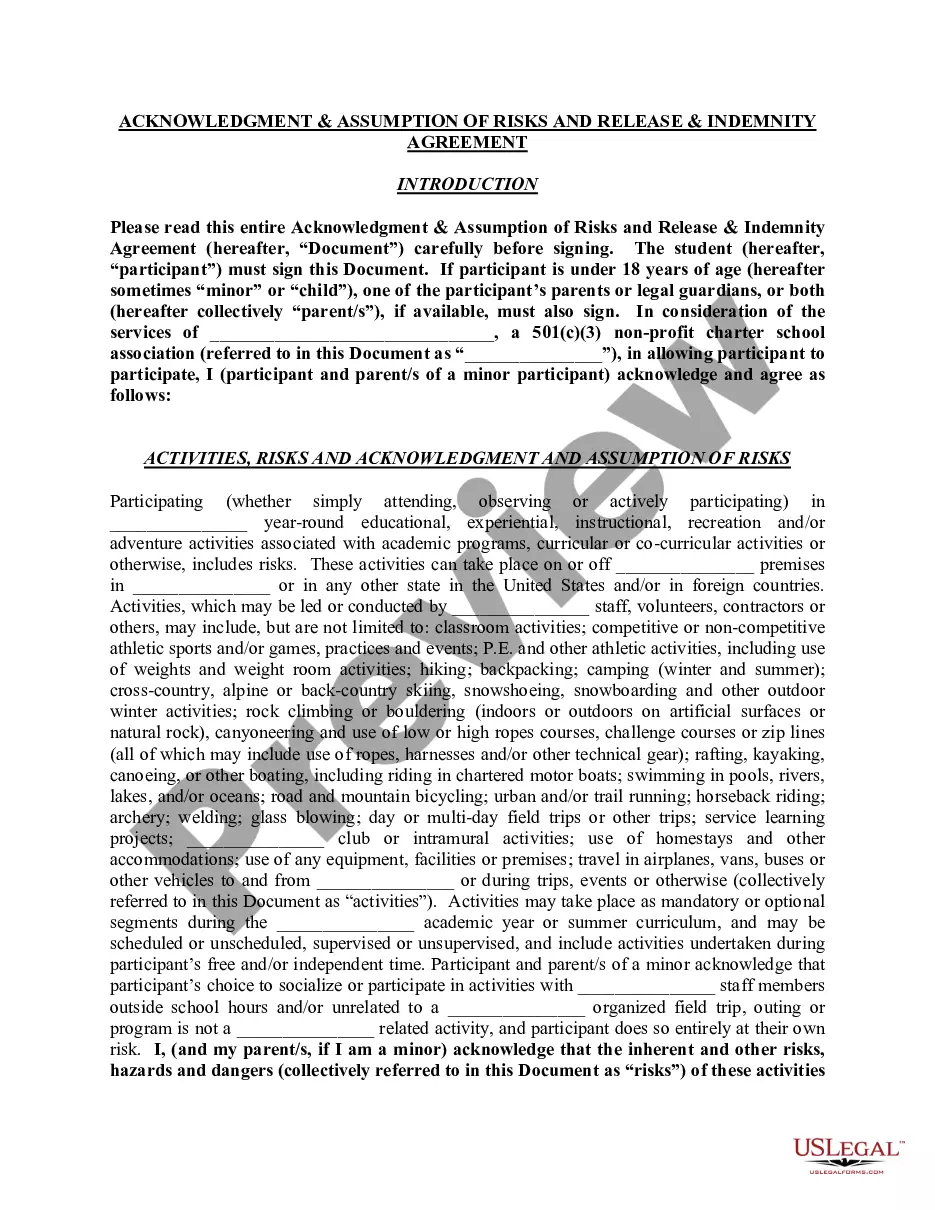
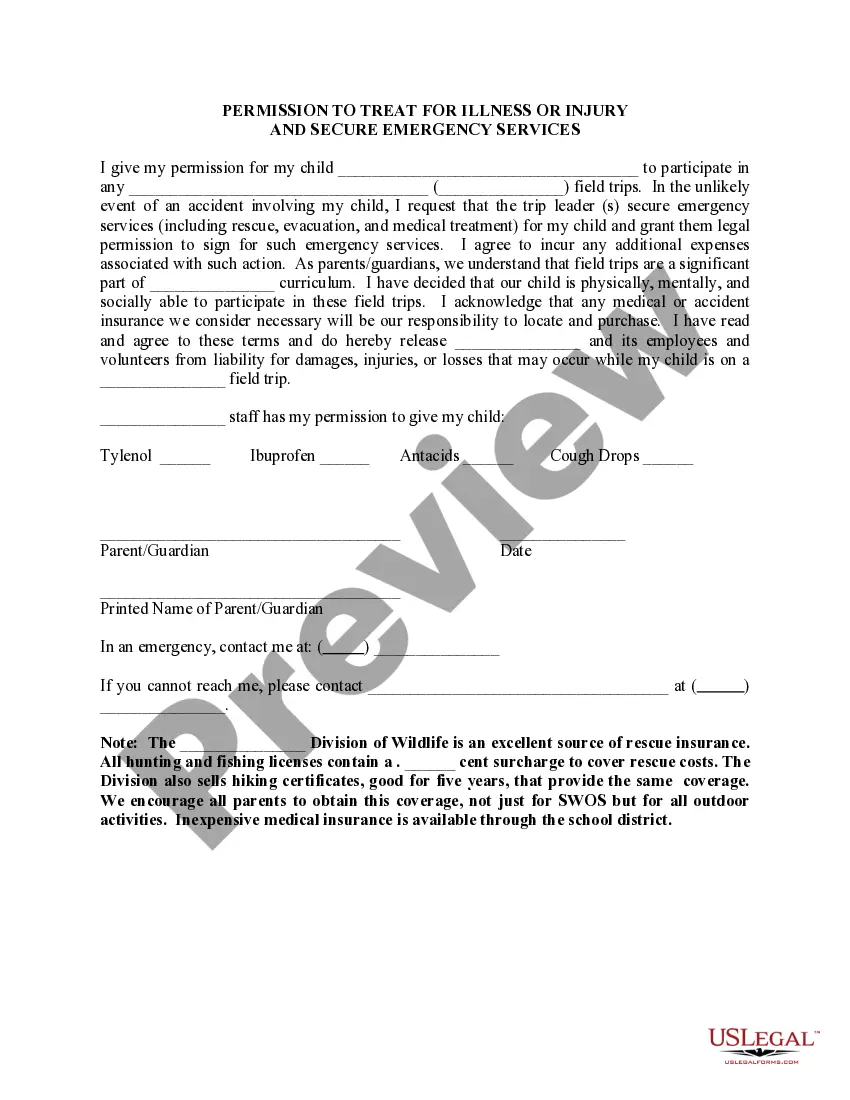
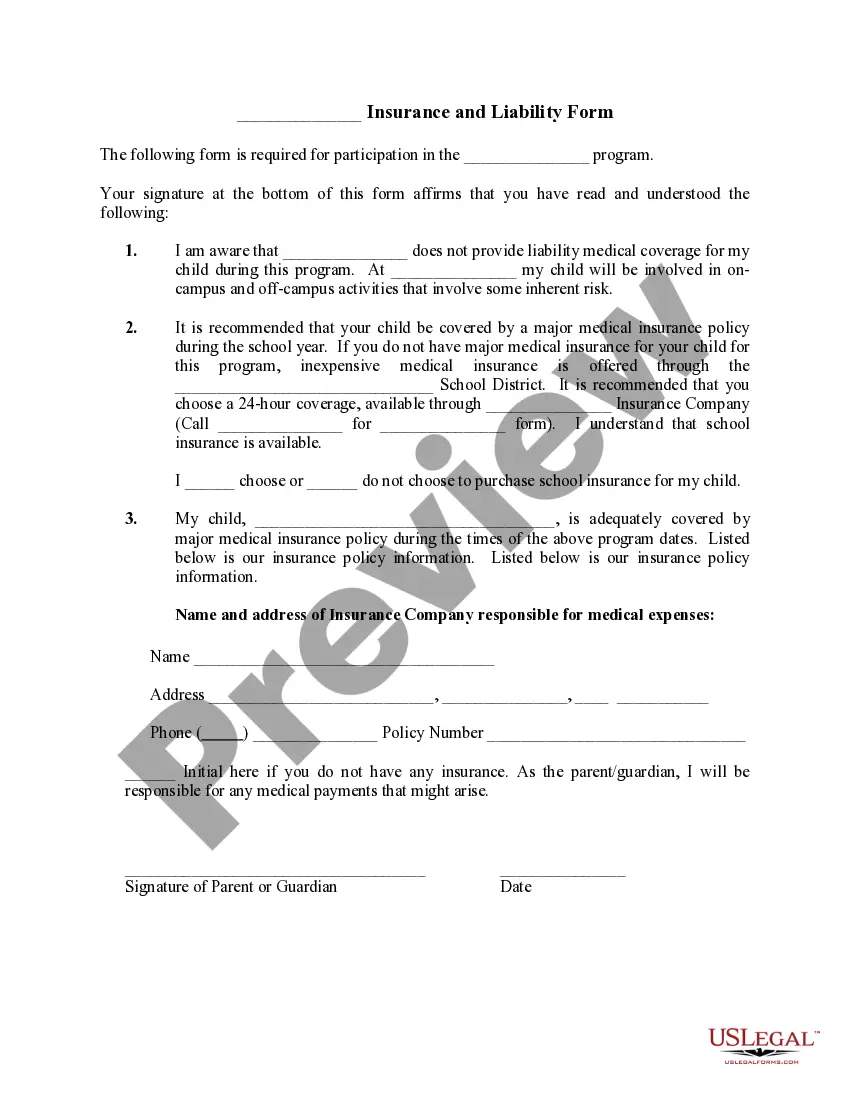
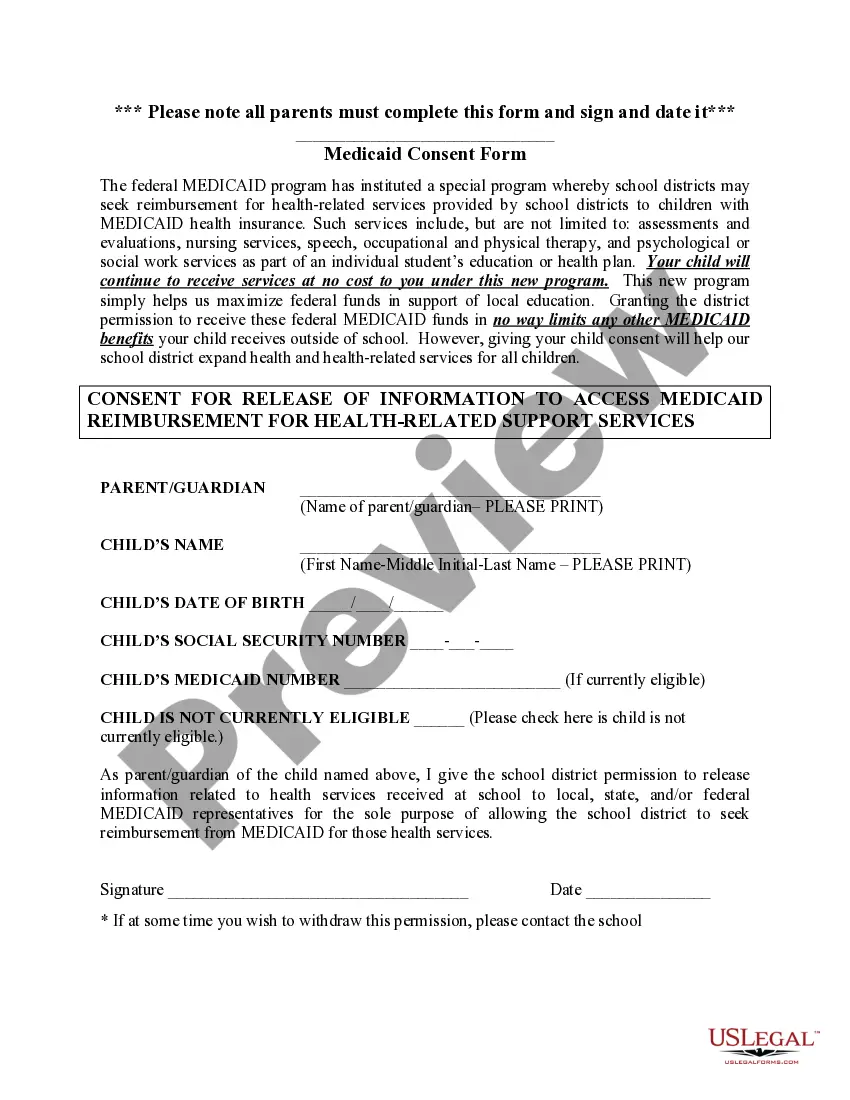
The 501(c)(1) Non-Profit Charter School Consent and Agreement of Trip Procedures and Use or Possession of Illegal Substances is a legal document used by parents or guardians to acknowledge and agree to the schoolâs policies regarding illegal substances during class trips. This form serves to reinforce the schoolâs expectations about student behavior on such trips to ensure safety and compliance with legal standards, setting it apart from general consent forms which may not specifically address substance use policies.
Form components explained
- A notice outlining expectations regarding the use and possession of illegal substances during school-sponsored trips.
- Clear definition of consequences, including potential expulsion for violations of the substance policy.
- Field for the child's name and parent/guardian details to be filled out.
- Signature lines for the parent/guardian indicating their acceptance of responsibility.
- Date field to validate when the agreement was signed.
When this form is needed
This form should be used whenever a child is scheduled to participate in a class trip organized by the charter school. It is particularly important for trips that involve travel outside of the school premises where the child will be under school supervision. By completing this document, parents ensure they are informed and compliant with school policies regarding substance use during such activities.
Who should use this form
This form is intended for:
- Parents or guardians of students enrolled in a 501(c)(1) non-profit charter school.
- School administrators seeking to establish clear guidelines for student behavior on trips.
- Teachers who need a formal acknowledgment from parents regarding trip conduct expectations.
Completing this form step by step
- Fill in the child's name at the top of the form.
- Provide the name of the parent or guardian who is signing.
- Read through the trip procedures and the expectations regarding substance use carefully.
- Sign and date the form to indicate understanding and acceptance of the policy.
- Return the completed form to the child's teacher or school administration as instructed.
Notarization guidance
This form does not typically require notarization unless specified by local law. It is a straightforward consent document that parents can sign without the need for a notary's verification.
Get your form ready online
Our built-in tools help you complete, sign, share, and store your documents in one place.
Make edits, fill in missing information, and update formatting in US Legal Forms—just like you would in MS Word.
Download a copy, print it, send it by email, or mail it via USPS—whatever works best for your next step.
Sign and collect signatures with our SignNow integration. Send to multiple recipients, set reminders, and more. Go Premium to unlock E-Sign.
If this form requires notarization, complete it online through a secure video call—no need to meet a notary in person or wait for an appointment.
We protect your documents and personal data by following strict security and privacy standards.

Make edits, fill in missing information, and update formatting in US Legal Forms—just like you would in MS Word.

Download a copy, print it, send it by email, or mail it via USPS—whatever works best for your next step.

Sign and collect signatures with our SignNow integration. Send to multiple recipients, set reminders, and more. Go Premium to unlock E-Sign.

If this form requires notarization, complete it online through a secure video call—no need to meet a notary in person or wait for an appointment.

We protect your documents and personal data by following strict security and privacy standards.
Common mistakes to avoid
- Ignoring to read the entire document before signing.
- Failing to provide the childâs full name, which can lead to misidentification.
- Not signing or dating the form, rendering it invalid.
Advantages of online completion
- Easy access to download and print the form at your convenience.
- Editable fields allow for precise information entry, reducing errors.
- Secure storage of completed forms for future reference if needed.
Summary of main points
- The form is essential for ensuring adherence to school policies regarding illegal substances on school trips.
- Parents must accept responsibility for their childâs behavior if violations occur.
- Completion of the form is a prerequisite for student participation in class trips.
Looking for another form?
Form popularity
FAQ
501c3s are exempt from federal, state, and local taxes as long as they file form 1023 or 1023-EZ with the IRS, which can cost either $600 or $275. A 501c6 is exempt from federal taxes, but they may not be from state and local taxes.
A 501 C (6) organization is tax speak for a business association such as a chamber of commerce. Although they're organized to promote business, they don't generate a profit and don't pay shares or dividends. That qualifies them as non-profit organizations, exempt from paying income tax.
501c3s are exempt from federal, state, and local taxes as long as they file form 1023 or 1023-EZ with the IRS, which can cost either $600 or $275. A 501c6 is exempt from federal taxes, but they may not be from state and local taxes.
Section 501(c)(6) of the Internal Revenue Code provides for the exemption of business leagues, chambers of commerce, real estate boards, boards of trade and professional football leagues, which are not organized for profit and no part of the net earnings of which inures to the benefit of any private shareholder or
No Private Inurement or Private Benefit: Similar to 501(c)(3) and 501(c)(4) organizations, 501(c)(6) organizations cannot use revenue or assets to benefit insiders (such as board members or key employees) or to provide special benefits to a restricted group of private individuals.
Section 501(c)(6) of the Internal Revenue Code provides for the exemption of the following types of organizations: Business leagues. Chambers of commerce. Real estate boards. Boards of trade. Professional football leagues.