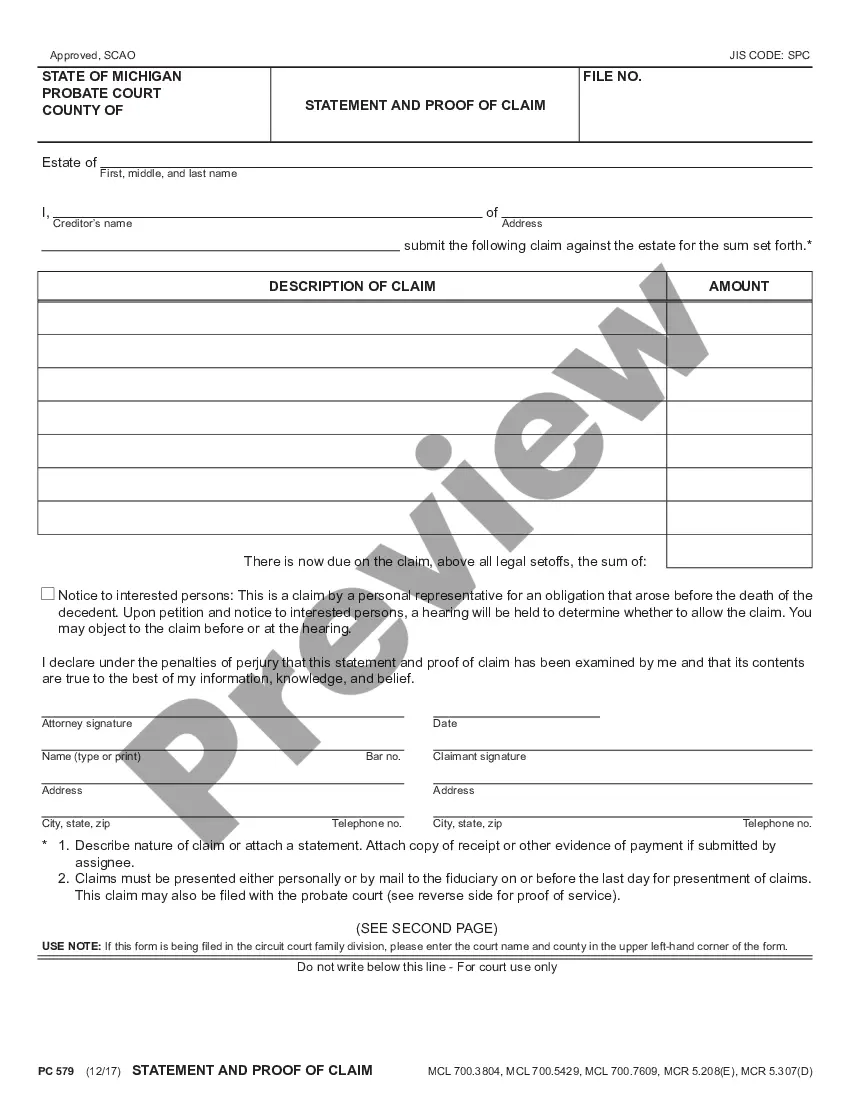
16.05 EXPLANATORY: SALARY BASIS
What is this form?
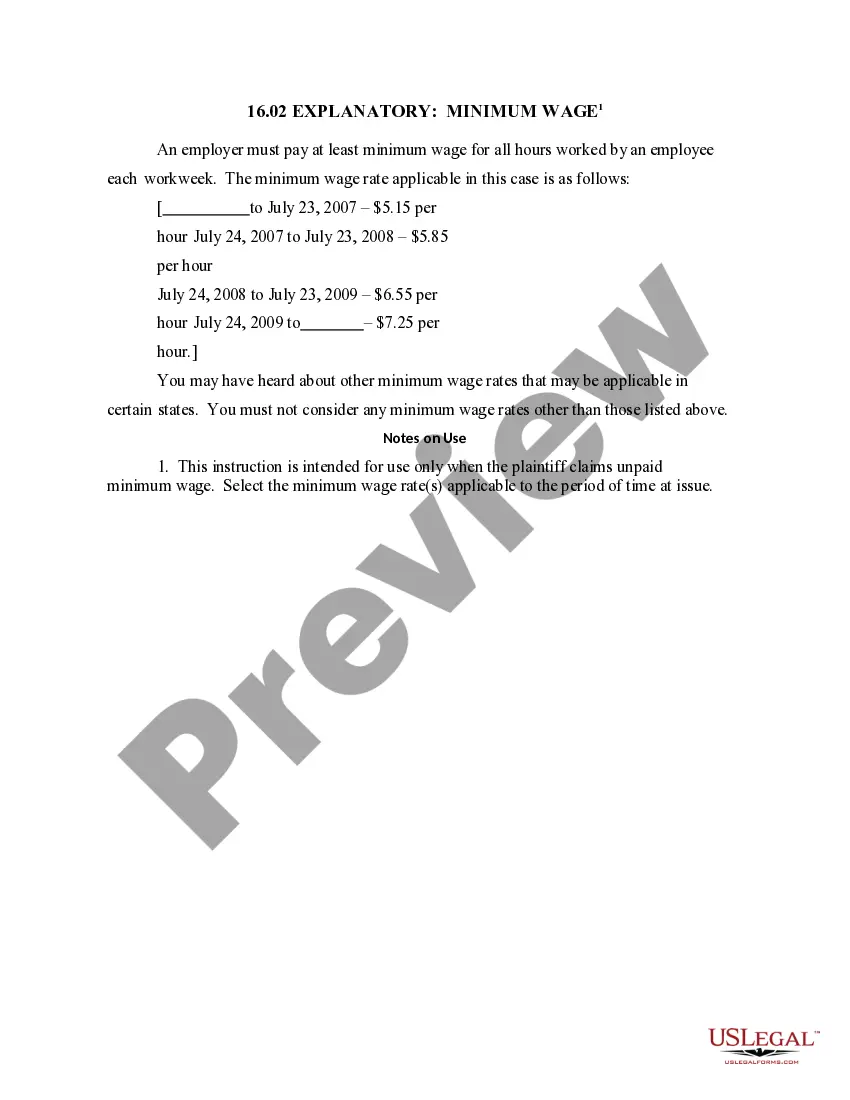
The 16.05 Explanatory: Salary Basis form is a guide that outlines the conditions under which an employee is considered to be paid on a salary basis. This form explains specific permissible deductions from an employee's salary and helps employers understand the legal framework surrounding salary payments, differentiating between various salary types and ensuring compliance with wage laws.
Key components of this form
- Definition of salary basis and payment frequency.
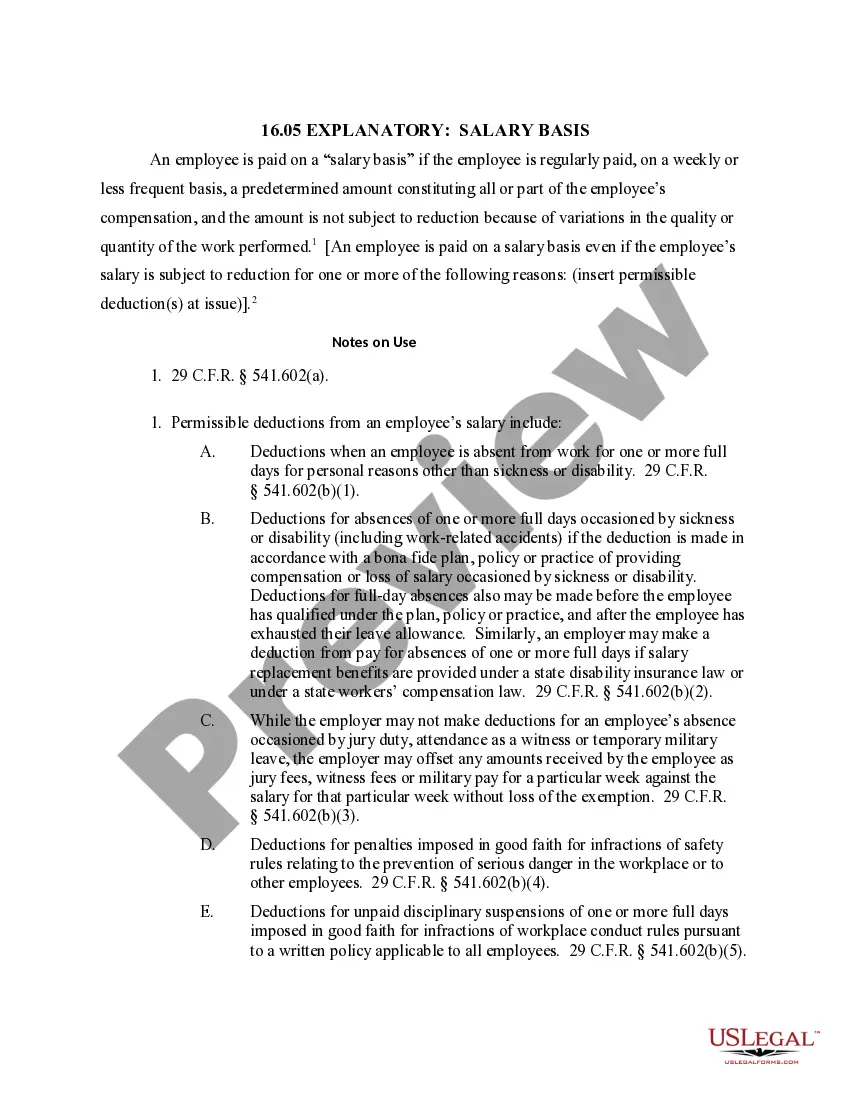
- Permissible reasons for salary deductions, including personal absences, illness, and workplace infractions.
- Legal references to the applicable federal regulations governing salary basis (29 C.F.R. § 541.602).
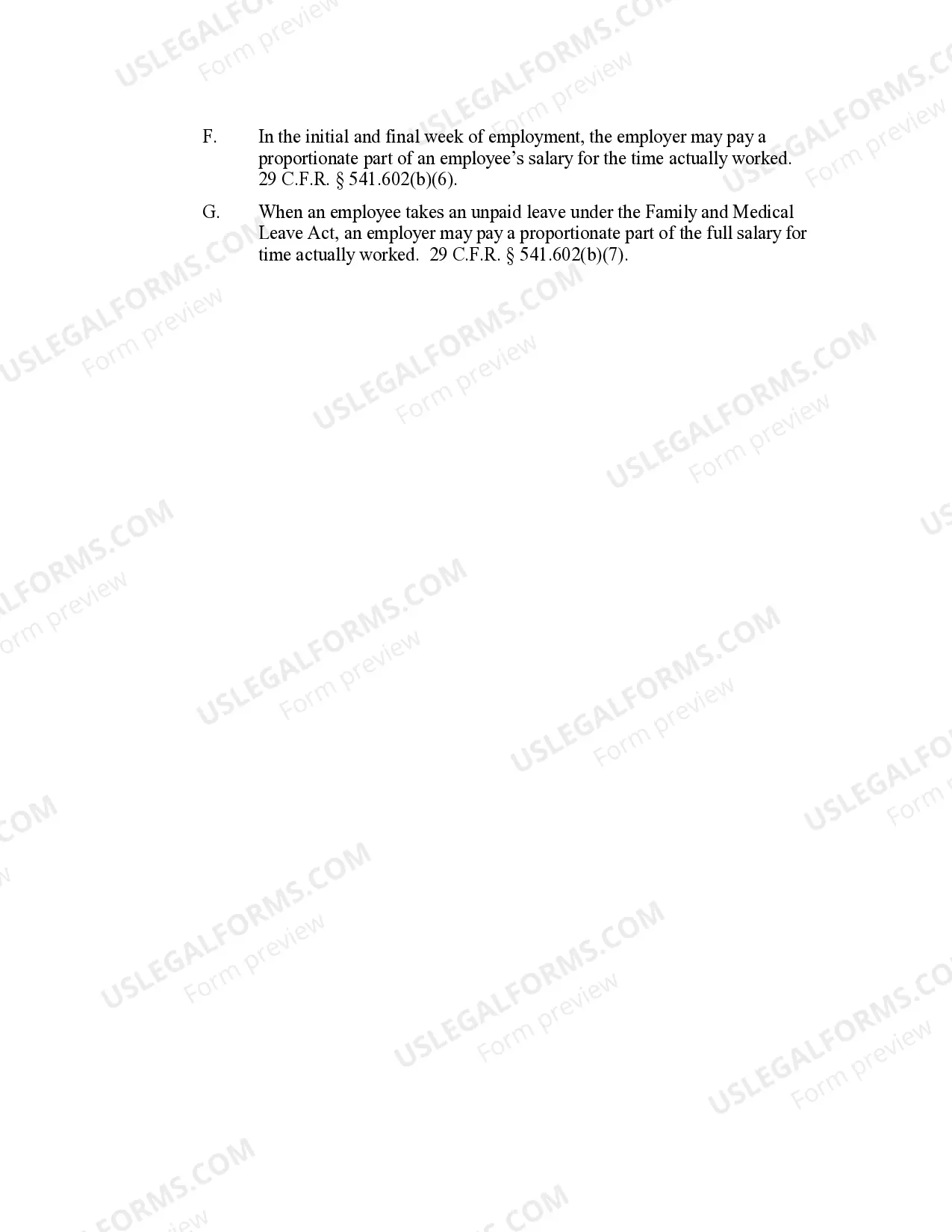
- Conditions for salary adjustments in specific circumstances, such as Family and Medical Leave Act (FMLA) leave.
Common use cases
Use this form whenever you need to clarify the terms and conditions under which an employee is compensated on a salary basis. It is especially important when establishing payroll policies, determining permissible deductions, or addressing employee inquiries about salary reductions. This form is often utilized during employment negotiations and when updating workplace salary policies.
Who should use this form
This form is intended for:
- Employers or HR professionals responsible for payroll management.
- Business owners looking to ensure compliance with labor laws regarding salary payments.
- Employees seeking to understand their salary structure and permissible deductions.
Steps to complete this form
- Identify the predetermined salary amount and payment schedule for the employee.
- List permissible reasons for any deductions from the employee's salary.
- Reference applicable federal regulations regarding salary basis in the appropriate section.
- Consult a licensed attorney if unsure about any specific deductions or compliance issues.
Notarization requirements for this form
This form does not typically require notarization unless specified by local law. Users should confirm any additional requirements based on their jurisdiction.
Get your form ready online
Our built-in tools help you complete, sign, share, and store your documents in one place.
Make edits, fill in missing information, and update formatting in US Legal Forms—just like you would in MS Word.
Download a copy, print it, send it by email, or mail it via USPS—whatever works best for your next step.
Sign and collect signatures with our SignNow integration. Send to multiple recipients, set reminders, and more. Go Premium to unlock E-Sign.
If this form requires notarization, complete it online through a secure video call—no need to meet a notary in person or wait for an appointment.
We protect your documents and personal data by following strict security and privacy standards.

Make edits, fill in missing information, and update formatting in US Legal Forms—just like you would in MS Word.

Download a copy, print it, send it by email, or mail it via USPS—whatever works best for your next step.

Sign and collect signatures with our SignNow integration. Send to multiple recipients, set reminders, and more. Go Premium to unlock E-Sign.

If this form requires notarization, complete it online through a secure video call—no need to meet a notary in person or wait for an appointment.

We protect your documents and personal data by following strict security and privacy standards.
Common mistakes
- Failing to provide clear definitions of permissible salary deductions.
- Not referencing applicable federal regulations or state laws.
- Making unauthorized deductions from an employee's salary without a proper policy in place.
Benefits of using this form online
- Easy access to the latest legal guidelines related to salary payments.
- Immediate download for quick implementation in payroll practices.
- Editable format allows for customization based on specific business needs.
Legal use & context
- This form helps establish clear guidelines for salary payments and deductions, reducing the risk of legal disputes.
- Understanding the legal framework can assist in defending against potential claims of improper salary deductions.
Key takeaways
- The 16.05 Explanatory: Salary Basis form is essential for understanding salary structure and regulations.
- It clarifies permissible deductions, ensuring compliance with federal standards.
- Using the form helps prevent legal issues related to salary payments and deductions.
Looking for another form?
Form popularity
FAQ
There are no maximum or minimum hour requirements for salaried employees. If an employee works more than 40 hours, their pay will not reflect overtime hours. Likewise, if an employee works fewer than 40 hours, an employer can't reduce their pay.
Benefits and perks: Salaried jobs typically offer benefits such as medical, dental and vision insurance. They also provide perks like paid time off, which many hourly jobs do not. Flexible hours: You have more flexibility in your workday when you receive a salary, and you may be able to set your own hours.
The salary basis test is a series of stipulations that may exempt an employee from being eligible for overtime pay. The salary basis test says the employee must be paid a predetermined, fixed salary. This means their salary cannot go up or down based on the quality or quantity of their work.
Being paid on a ?salary basis? means an employee regularly receives a predetermined amount of compensation each pay period on a weekly, or less frequent, basis. The predetermined amount cannot be reduced because of variations in the quality or quantity of the employee's work.
Basic salary, also called base salary, is the amount of money a salaried employee regularly earns before any additions or deductions are applied to their earnings. Additions and deductions to basic salary can significantly affect the size of an employee's paycheck.
Part 541. The FLSA requires that most employees in the United States be paid at least the federal minimum wage for all hours worked and overtime pay at not less than time and one-half the regular rate of pay for all hours worked over 40 hours in a workweek.
A salaried employee is someone who receives a fixed amount of pay regardless of how many hours they work each week. This means a salaried employee is paid for 40 hours a week, even if they work fewer hours. Additionally, overtime pay of time-and-a-half is not usually offered for working more than 40 hours per week.
To be considered "exempt," these employees must generally satisfy three tests: Salary-level test. Employers must pay employees a salary of at least $684 per week.