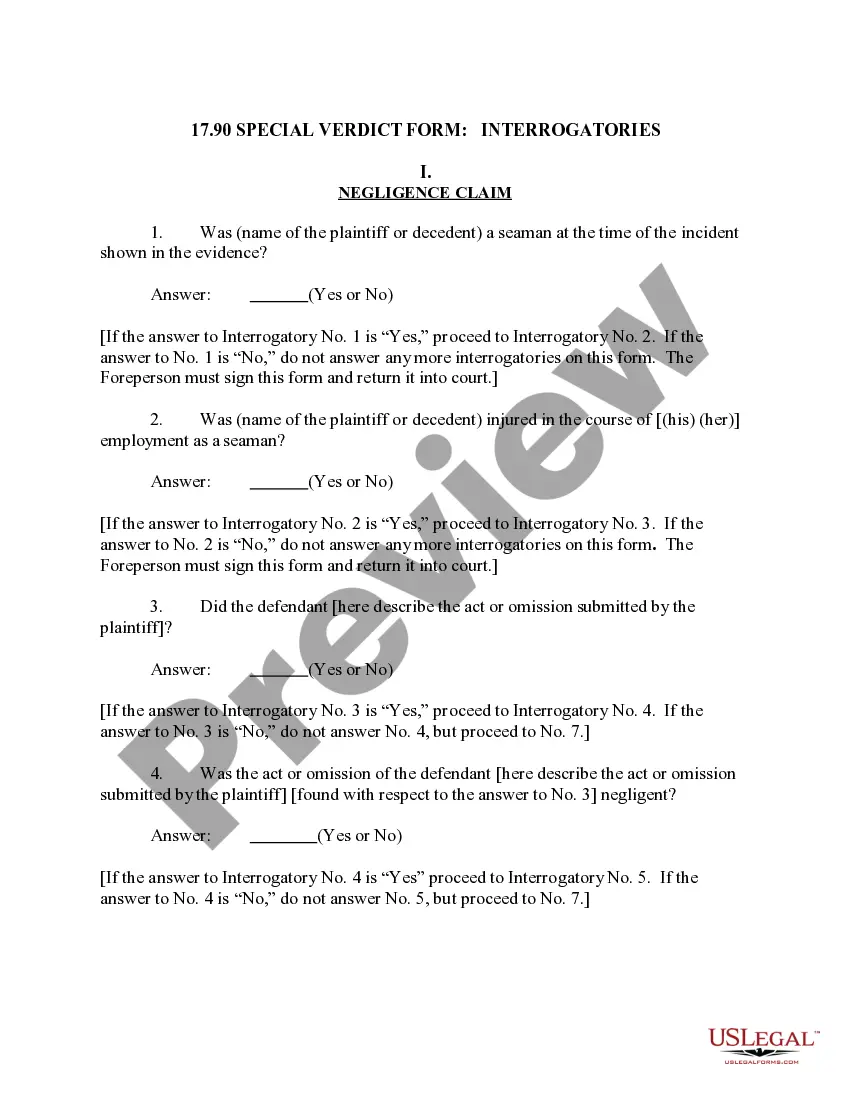
17.90 SPECIAL VERDICT FORM: INTERROGATORIES I
Overview of this form
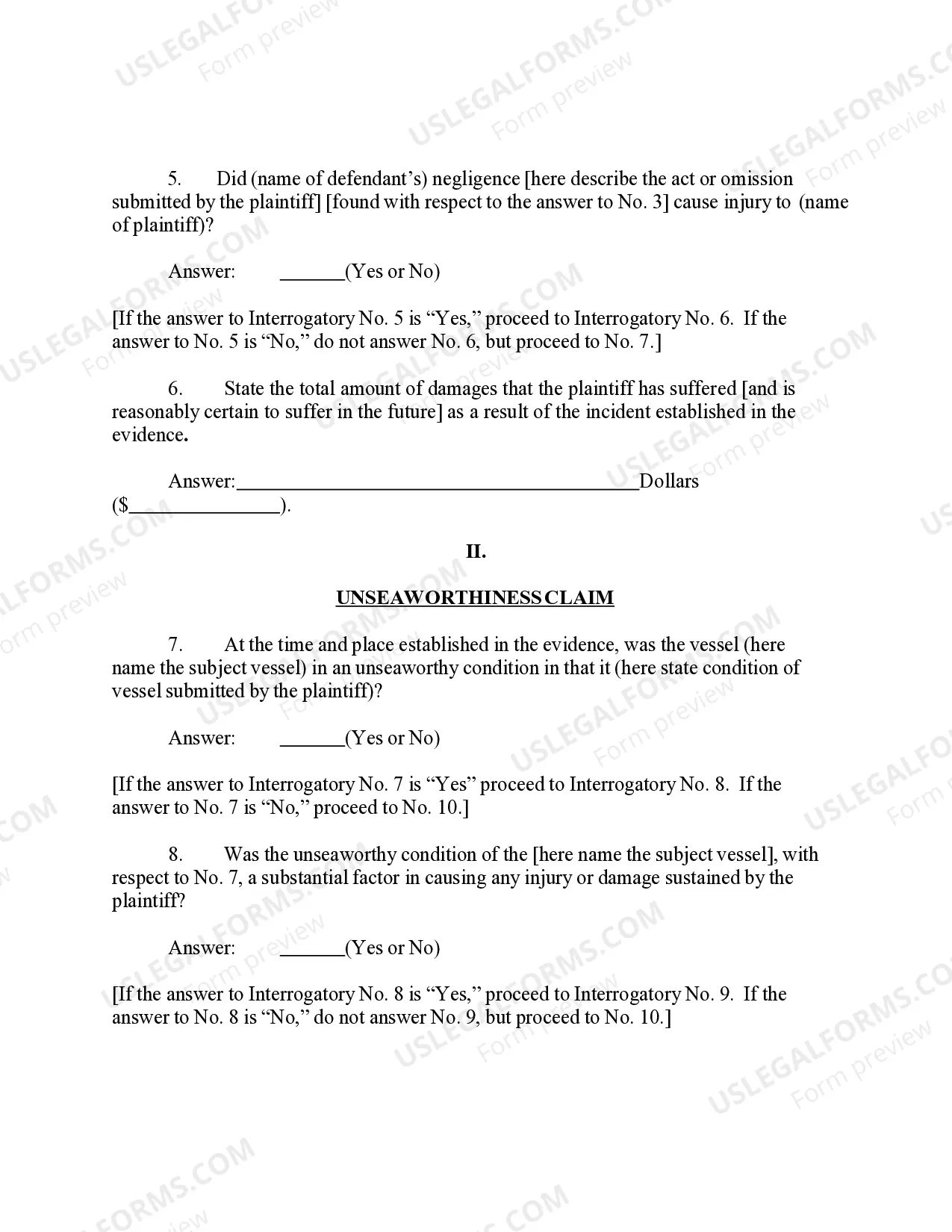
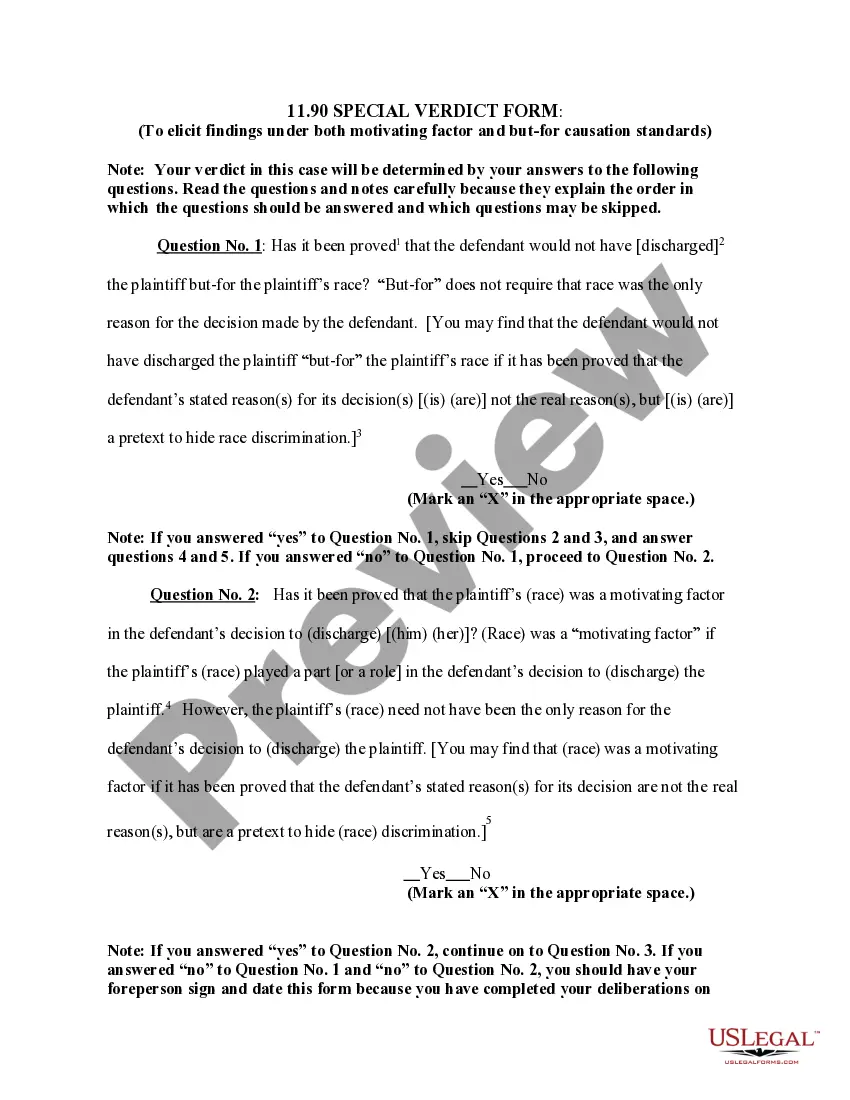
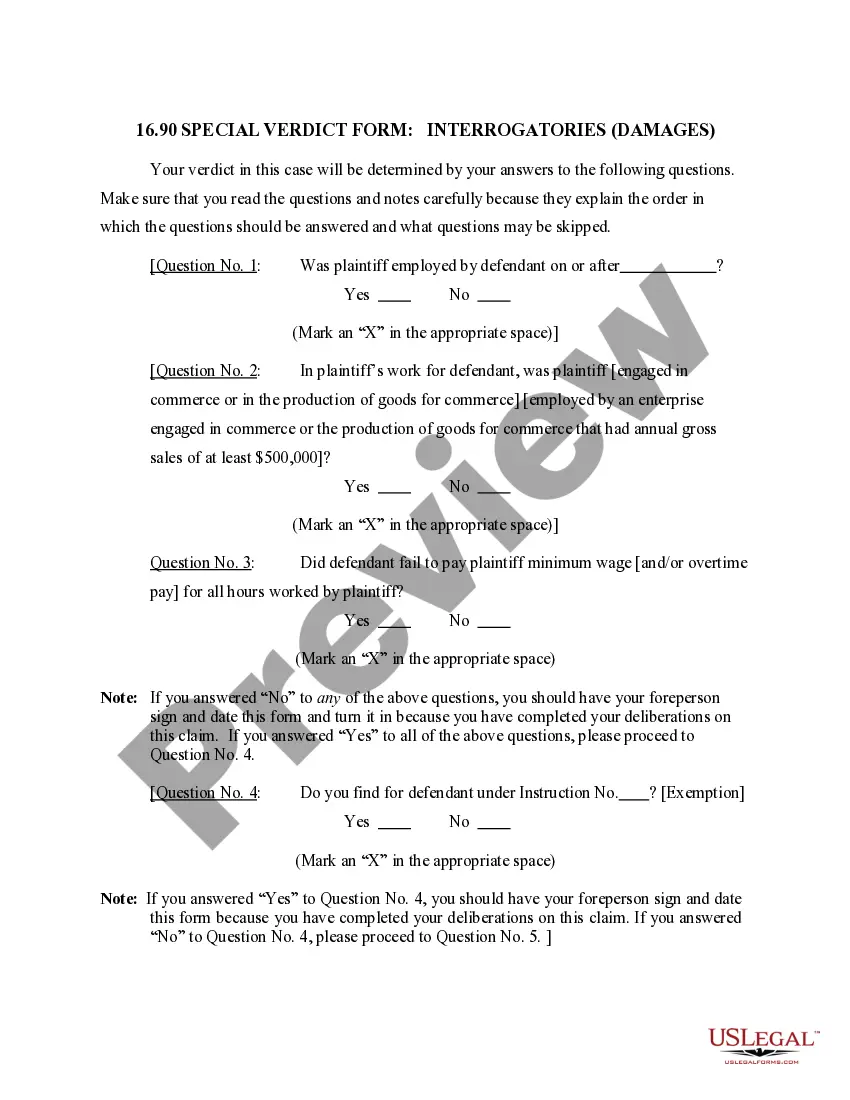
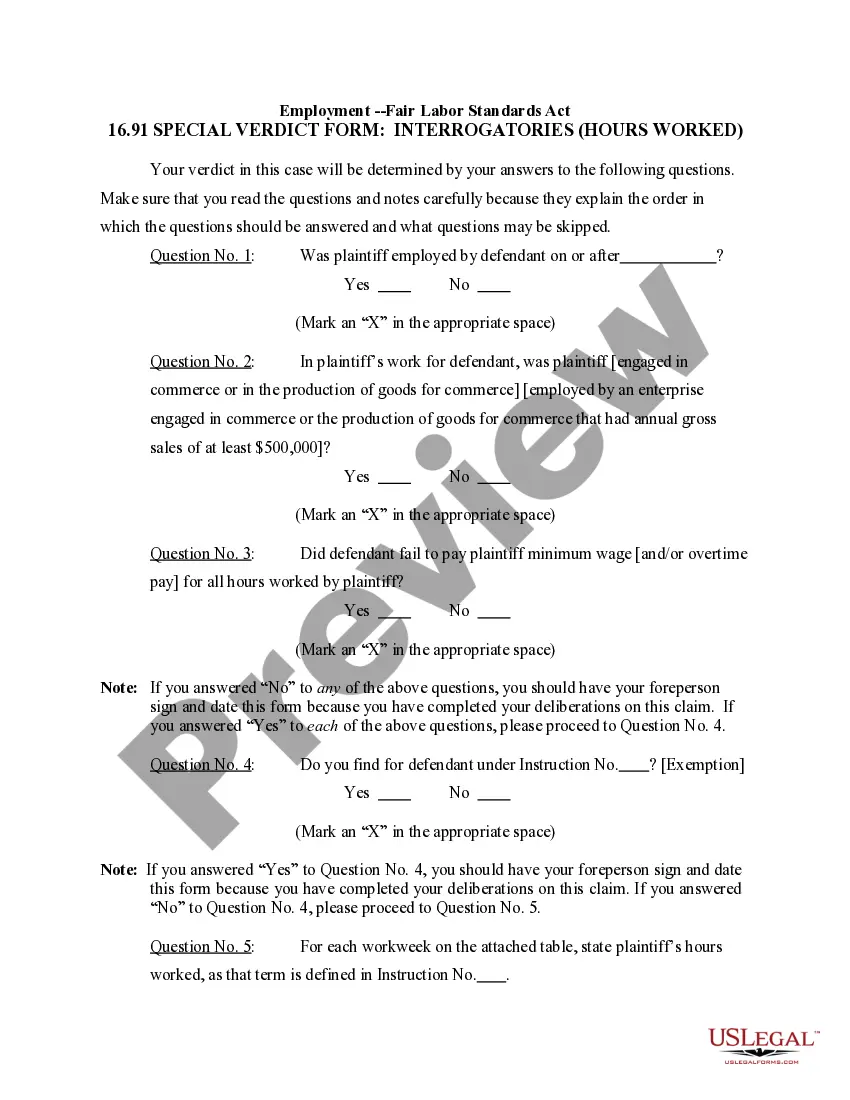
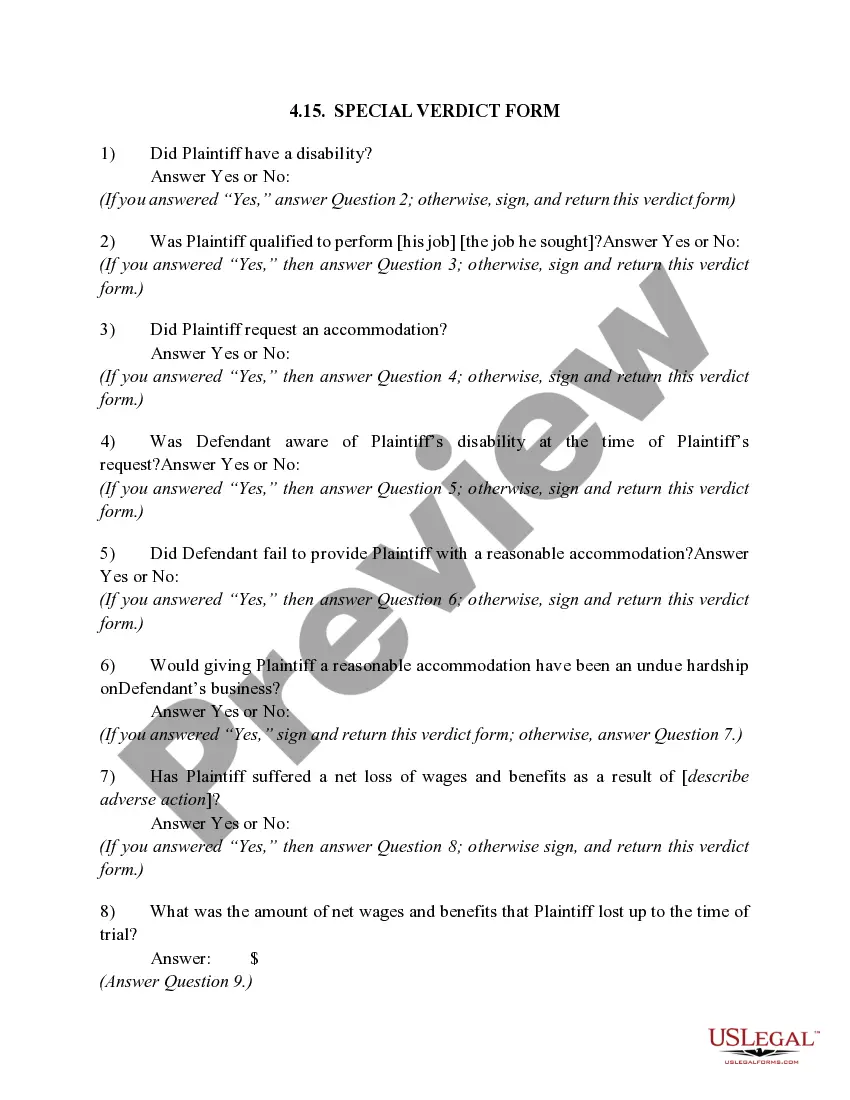
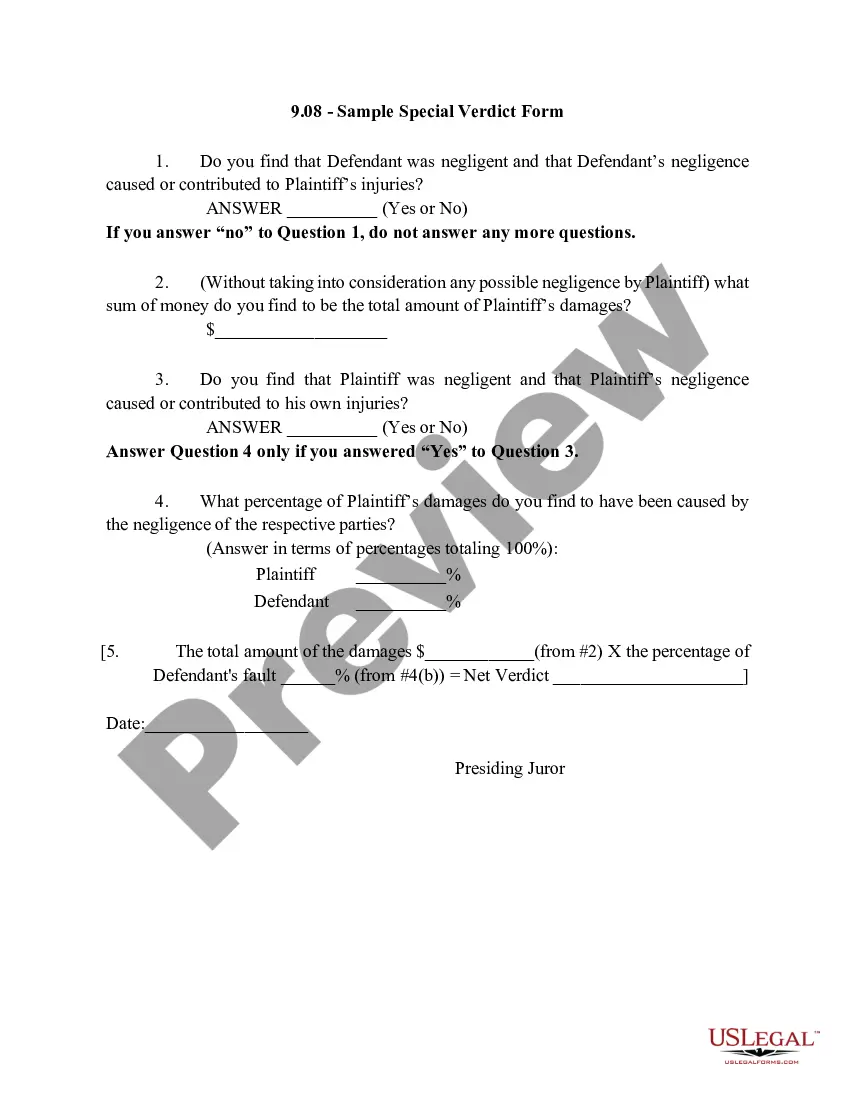
The 17.90 Special Verdict Form: Interrogatories I is a legal document used in civil court cases, particularly those involving negligence and unseaworthiness claims related to maritime law. This form helps juries systematically evaluate evidence and provide clear responses to specific questions posed during a trial. Unlike other verdict forms, this one focuses solely on detailed interrogatories to ascertain facts needed to determine liability and damages.
Main sections of this form
- Negligence claim section that asks about the seaman status and injury related to employment.
- Questions regarding the defendant's negligent acts and whether they caused harm to the plaintiff.
- Unseaworthiness claim inquiries assessing the condition of the vessel and its contribution to damages.
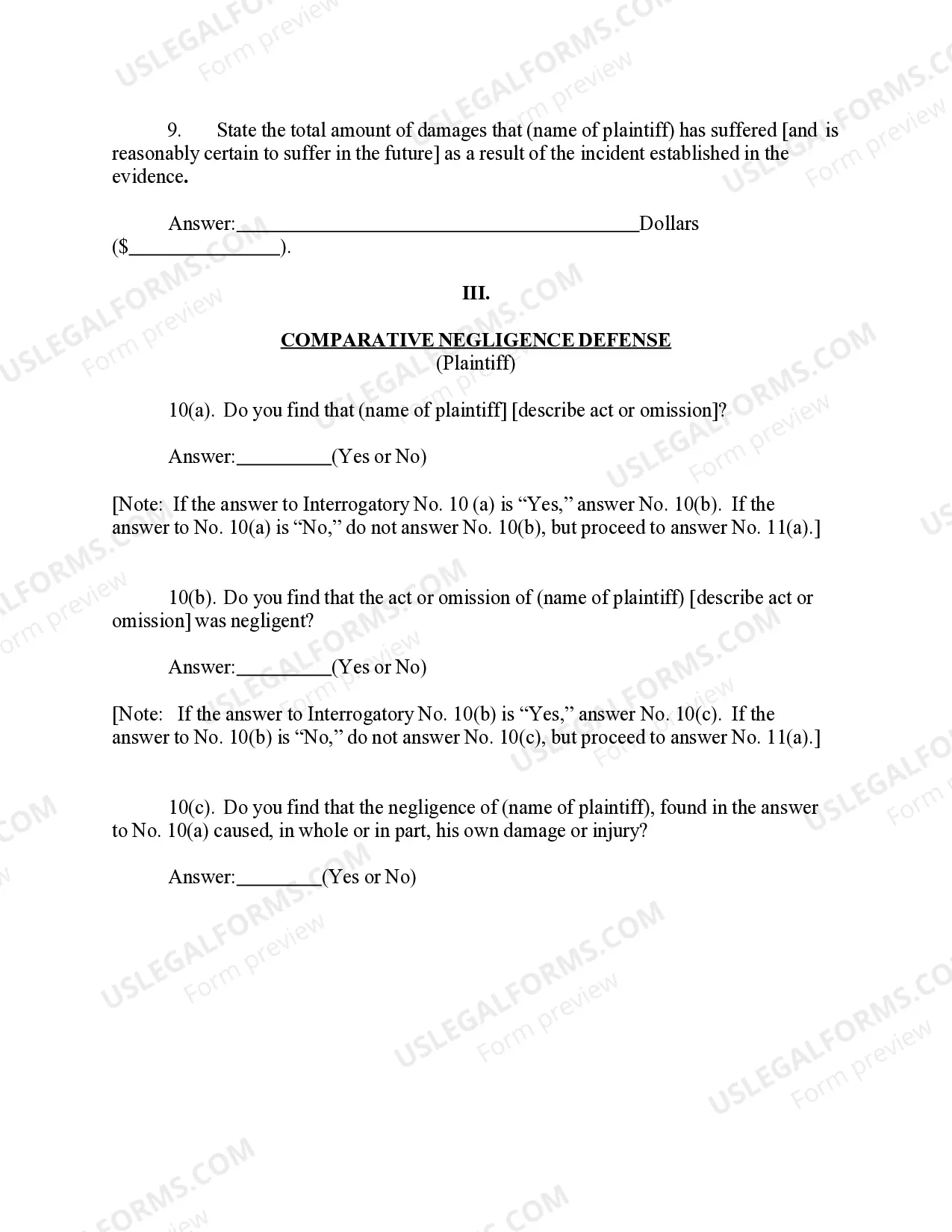
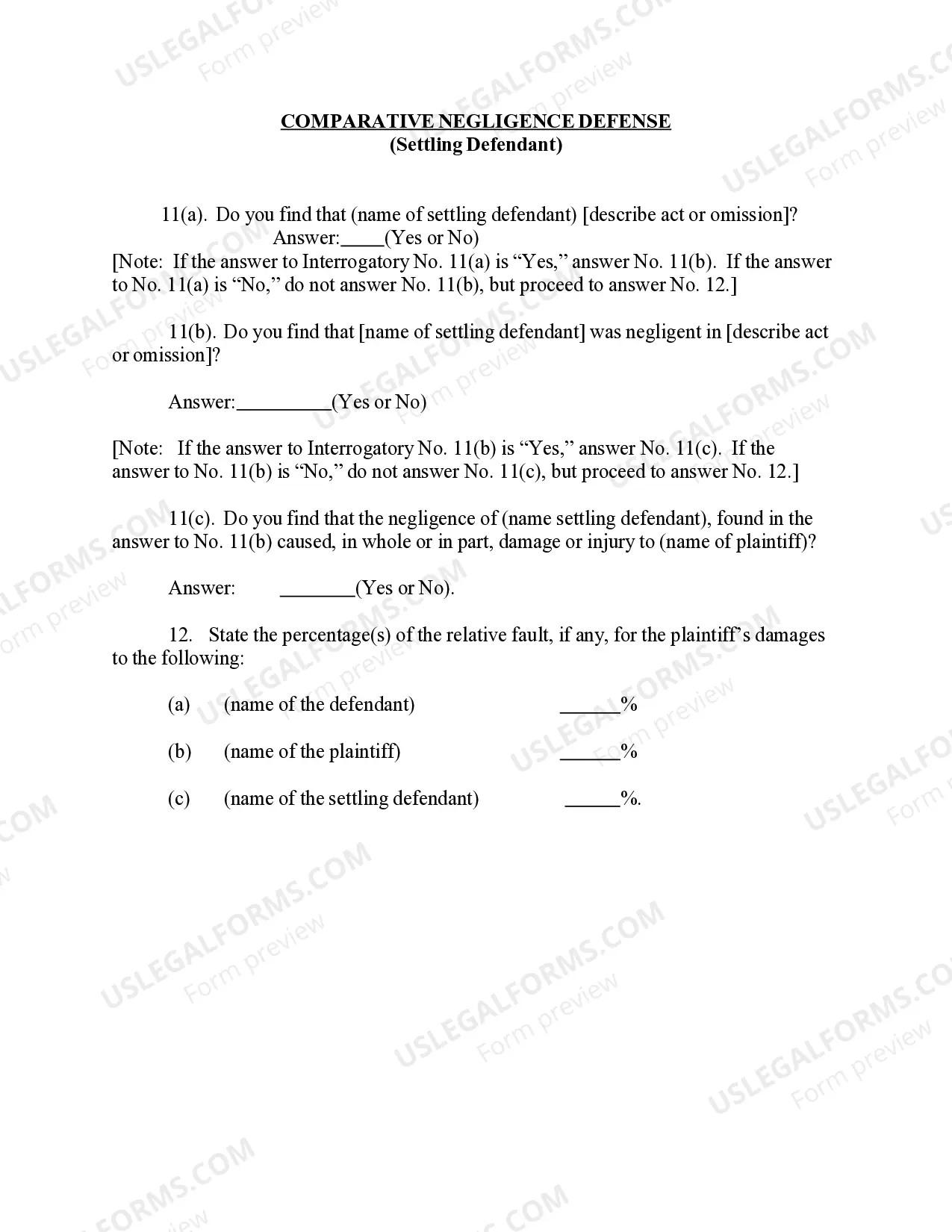
- Comparative negligence defense questions evaluating the role of the plaintiff's actions in causing their own injury.
- Presentation of total damages sought by the plaintiff as a result of the incident.
When to use this document
This form should be used during civil litigation cases involving maritime law, particularly when a plaintiff alleges negligence against a seaman or unseaworthiness of a vessel. It is utilized after evidence has been presented in court, allowing the jury to answer specific questions that will guide their decision on liability and potential damages.
Who this form is for
- Juries tasked with determining the outcome of maritime negligence cases.
- Legal representatives involved in civil trials concerning seamen or vessel conditions.
- Parties looking to understand their potential liabilities in maritime law scenarios.
Completing this form step by step
- Begin by identifying the parties involved, such as the plaintiff and defendant.
- Answer the interrogatories sequentially, ensuring to follow instructions based on previous answers.
- Clearly state any injuries sustained and correlate them with the actions or omissions of the defendant.
- Calculate and specify the total amount of damages as supported by evidence.
- Have the foreperson sign and date the form before returning it to the court.
Notarization guidance
Notarization is not commonly needed for this form. However, certain documents or local rules may make it necessary. Our notarization service, powered by Notarize, allows you to finalize it securely online anytime, day or night.
Get your form ready online
Our built-in tools help you complete, sign, share, and store your documents in one place.
Make edits, fill in missing information, and update formatting in US Legal Forms—just like you would in MS Word.
Download a copy, print it, send it by email, or mail it via USPS—whatever works best for your next step.
Sign and collect signatures with our SignNow integration. Send to multiple recipients, set reminders, and more. Go Premium to unlock E-Sign.
If this form requires notarization, complete it online through a secure video call—no need to meet a notary in person or wait for an appointment.
We protect your documents and personal data by following strict security and privacy standards.

Make edits, fill in missing information, and update formatting in US Legal Forms—just like you would in MS Word.

Download a copy, print it, send it by email, or mail it via USPS—whatever works best for your next step.

Sign and collect signatures with our SignNow integration. Send to multiple recipients, set reminders, and more. Go Premium to unlock E-Sign.

If this form requires notarization, complete it online through a secure video call—no need to meet a notary in person or wait for an appointment.

We protect your documents and personal data by following strict security and privacy standards.
Avoid these common issues
- Failing to read and follow instructions for each interrogatory, especially which ones to answer based on previous responses.
- Inaccurately stating or omitting evidence that supports the damages claimed.
- Not having the foreperson sign the form, which is crucial for validity.
Benefits of using this form online
- Convenience of completing the form from anywhere, eliminating the need for paper forms.
- Editability allows users to adjust details as needed before final submission.
- Access to legally vetted templates, ensuring adherence to legal standards.
Looking for another form?
Form popularity
FAQ
A general verdict is one that decides which party should win but does not make findings on any specific factual issues. A special verdict is one in which the jury provides its findings on specific factual issues.
If it makes factual findings in addition to the ultimate legal conclusions, it returns a general verdict with interrogatories. (Ibid.) ?If it returns only factual findings, leaving the court to determine the ultimate legal result, it returns a special verdict.? (Ibid.)
A verdict in which the jury gives its findings on factual issues in the case, without necessarily stating which party should win. The judge decides what questions the jury should answer, and the judge can draw legal implications from the jury's answers.
A general verdict with special interrogatories is sort of an amalgam of both a general and special verdict. It instructs the jury to return a general verdict, while also answering specific questions of fact.
624. The verdict of a jury is either general or special. A general verdict is that by which they pronounce generally upon all or any of the issues, either in favor of the plaintiff or defendant; a special verdict is that by which the jury find the facts only, leaving the judgment to the Court.
There are several types of verdicts that are imposed in a civil trial: General Verdict. Special Verdict. Directed Verdict.
A general verdict is one that decides which party should win but does not make findings on any specific factual issues. A special verdict is one in which the jury provides its findings on specific factual issues.