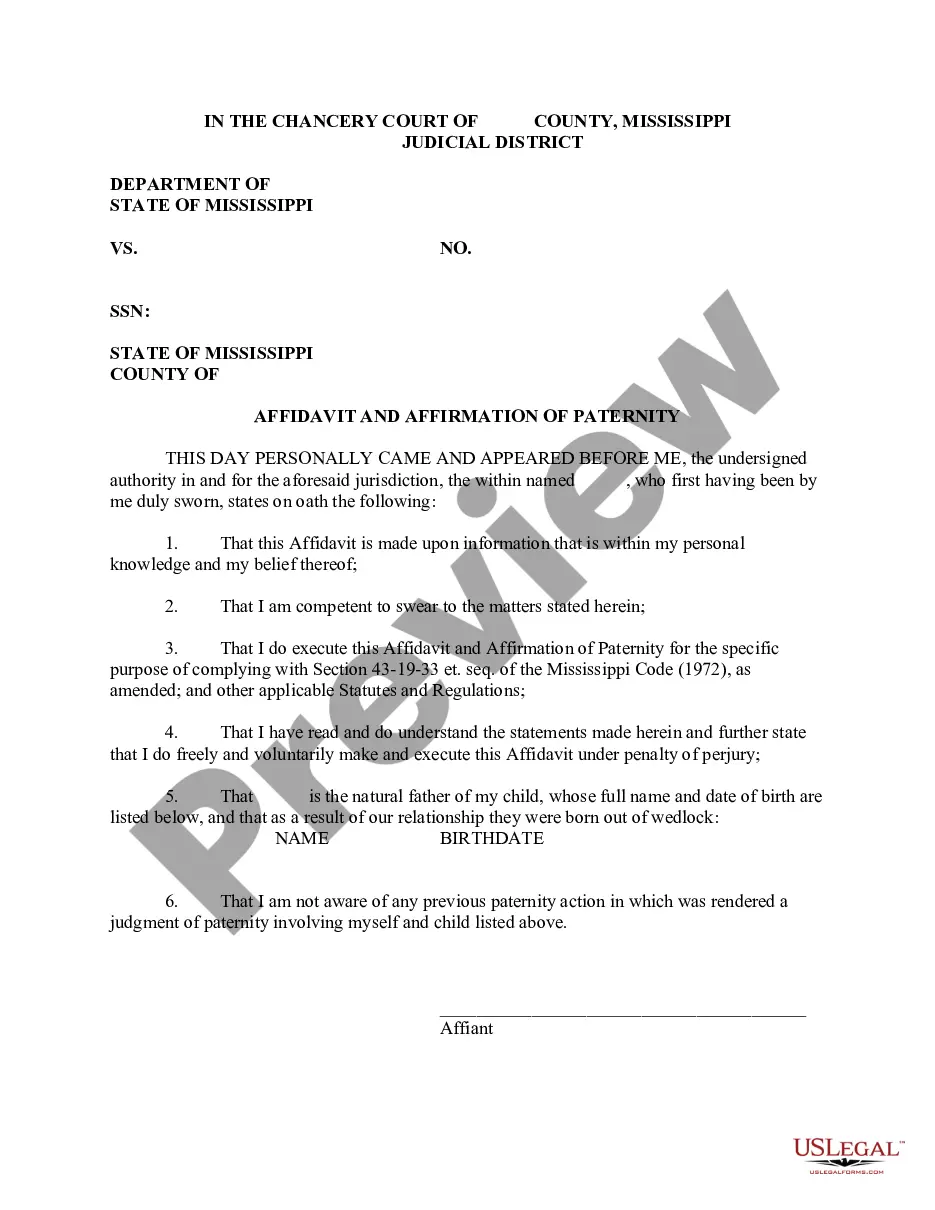
Motion for relief from stay regarding collateral - hearing
What this document covers
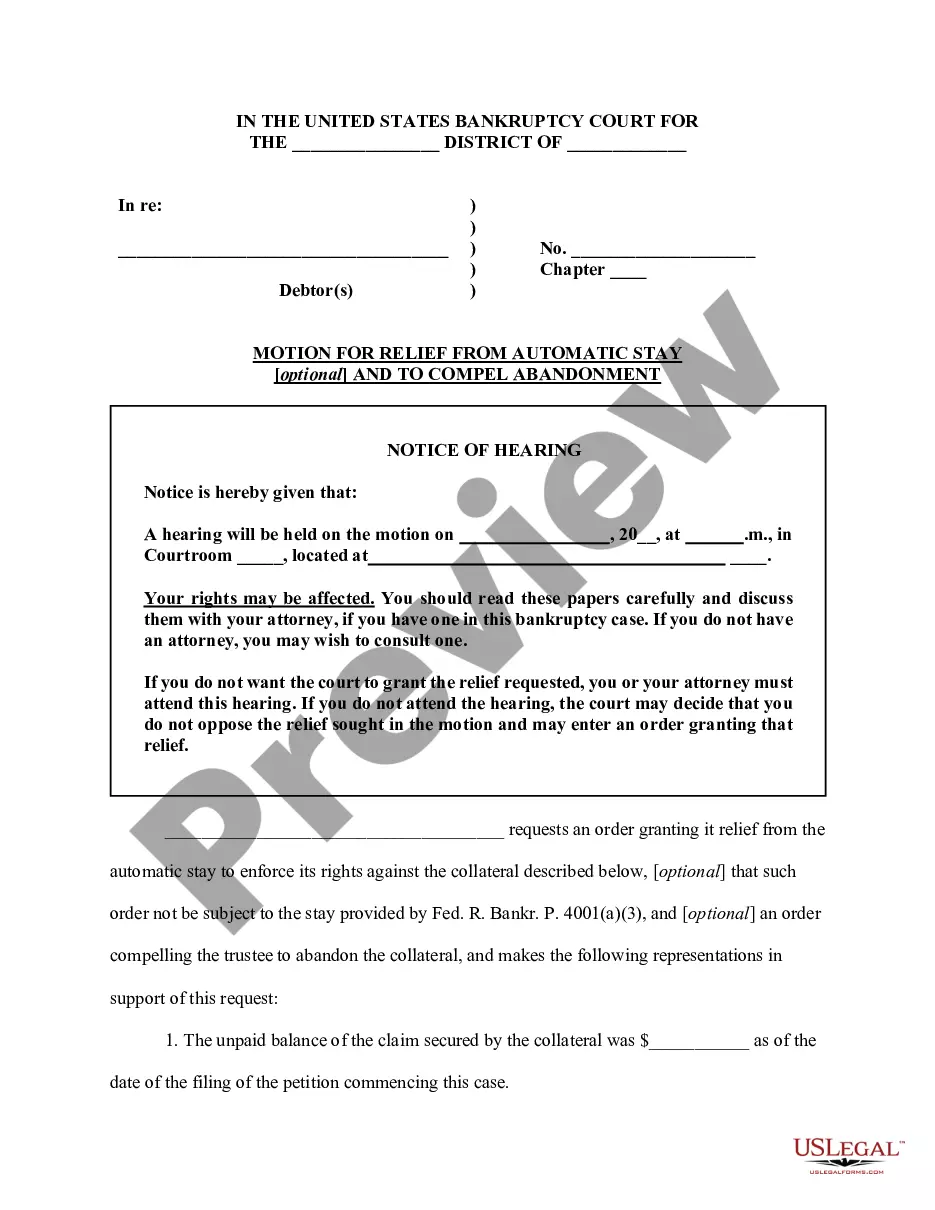
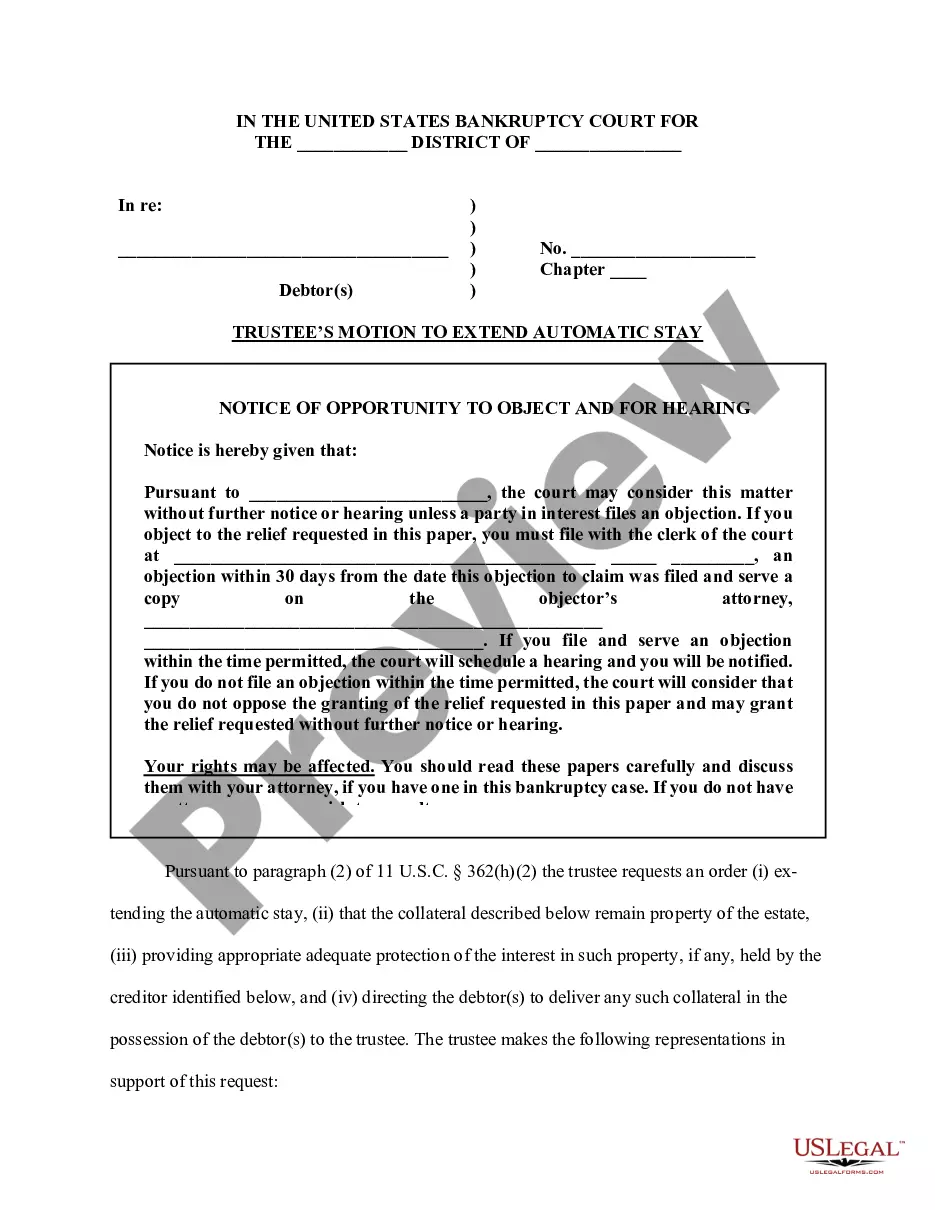
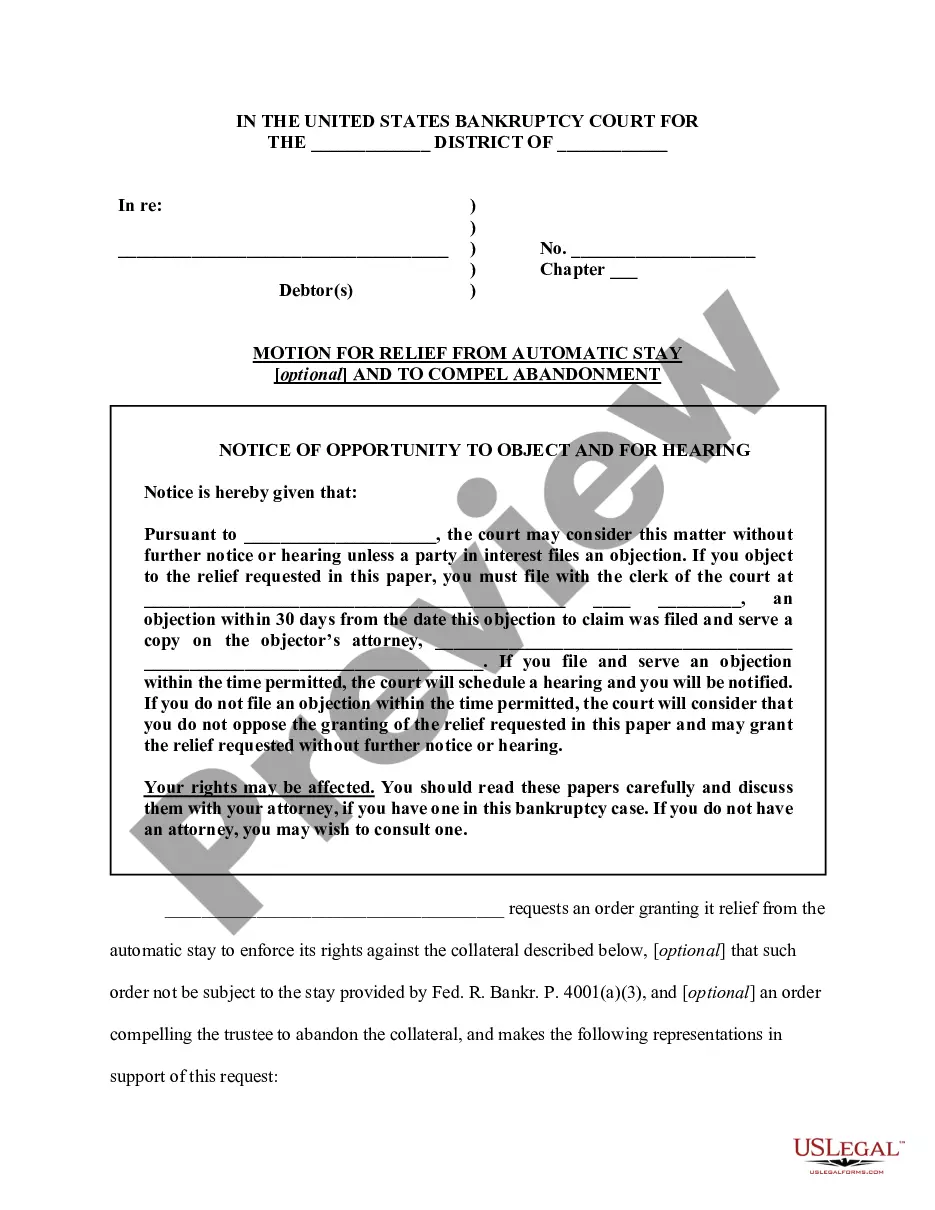
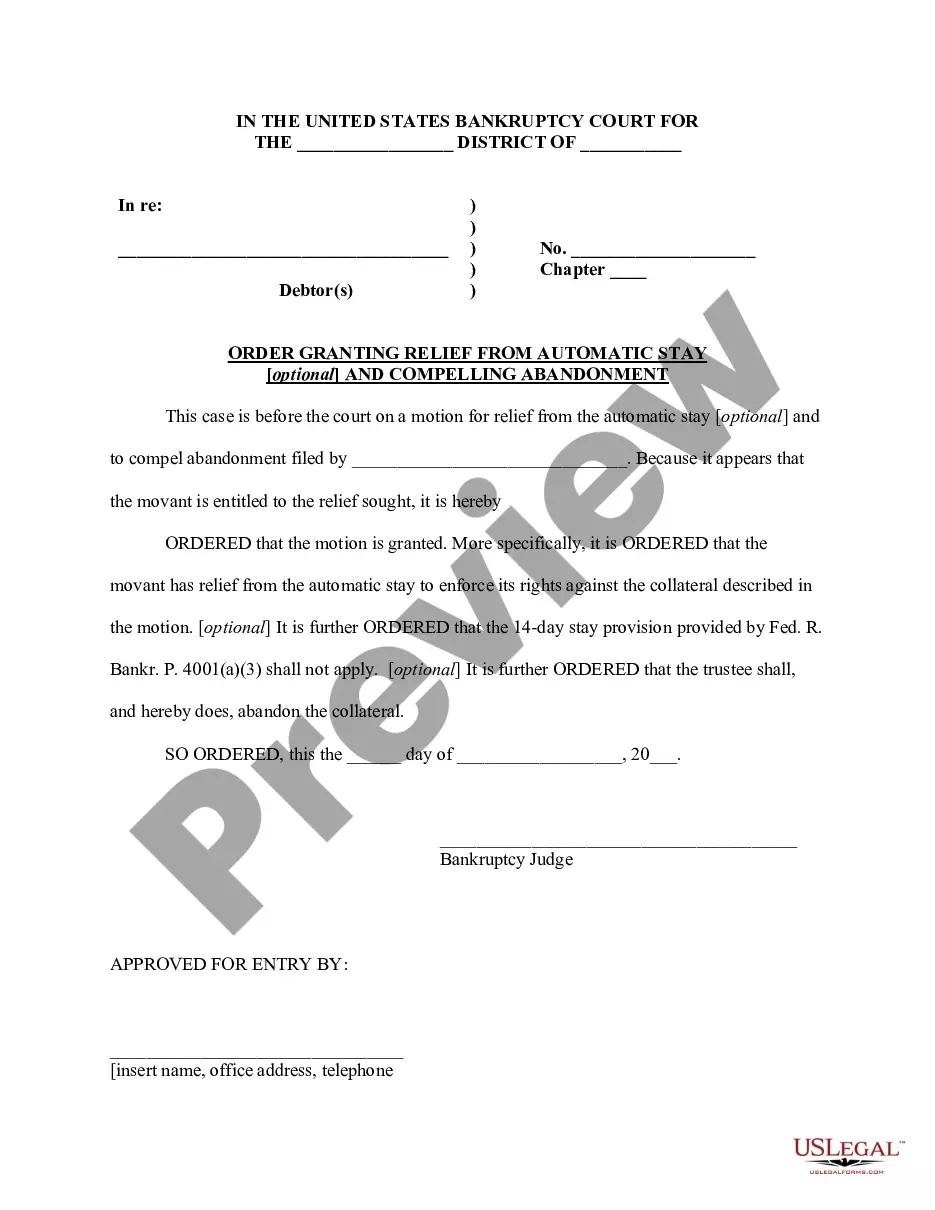
The Motion for Relief from Stay Regarding Collateral is a legal document used in bankruptcy proceedings. This form allows a creditor to request that the court lift the automatic stay in order to enforce rights against specific collateral, such as property or equipment, that secures a debt. Unlike other motions in bankruptcy that may not involve specific collateral, this motion focuses on the rights of a secured creditor and includes optional requests for abandonment of the collateral by the trustee, making it crucial in protecting the creditor's interests.
Key parts of this document
- Identification of the bankruptcy court and party involved.
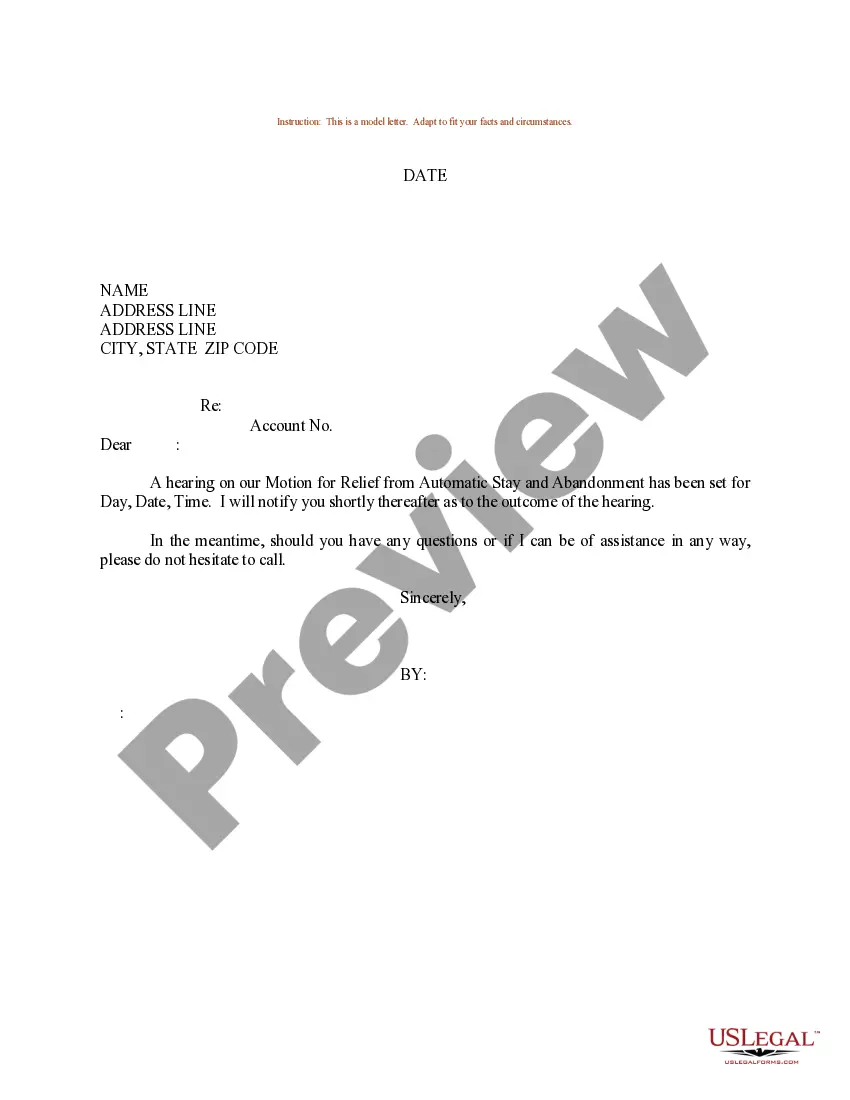
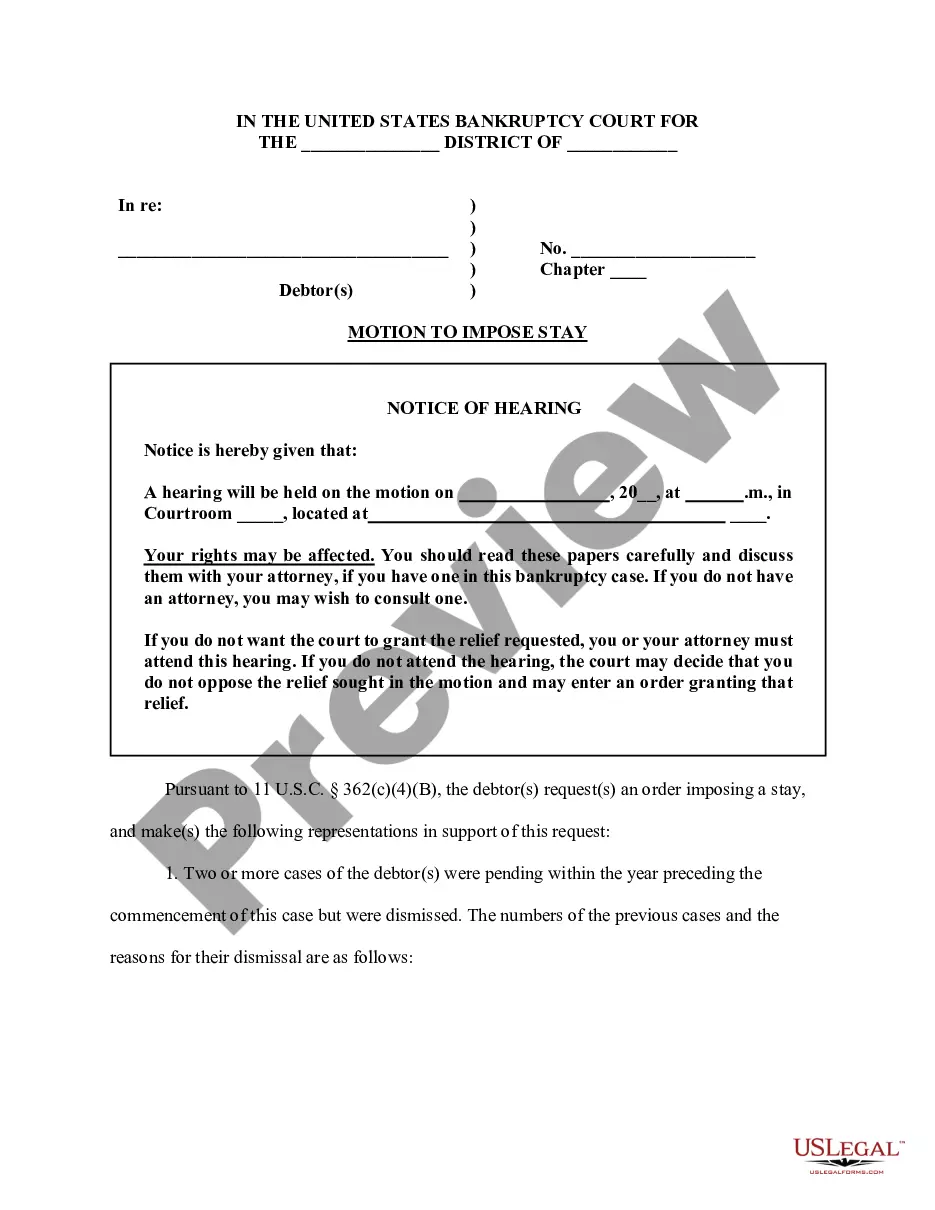
- Details of the hearing, including date and time.
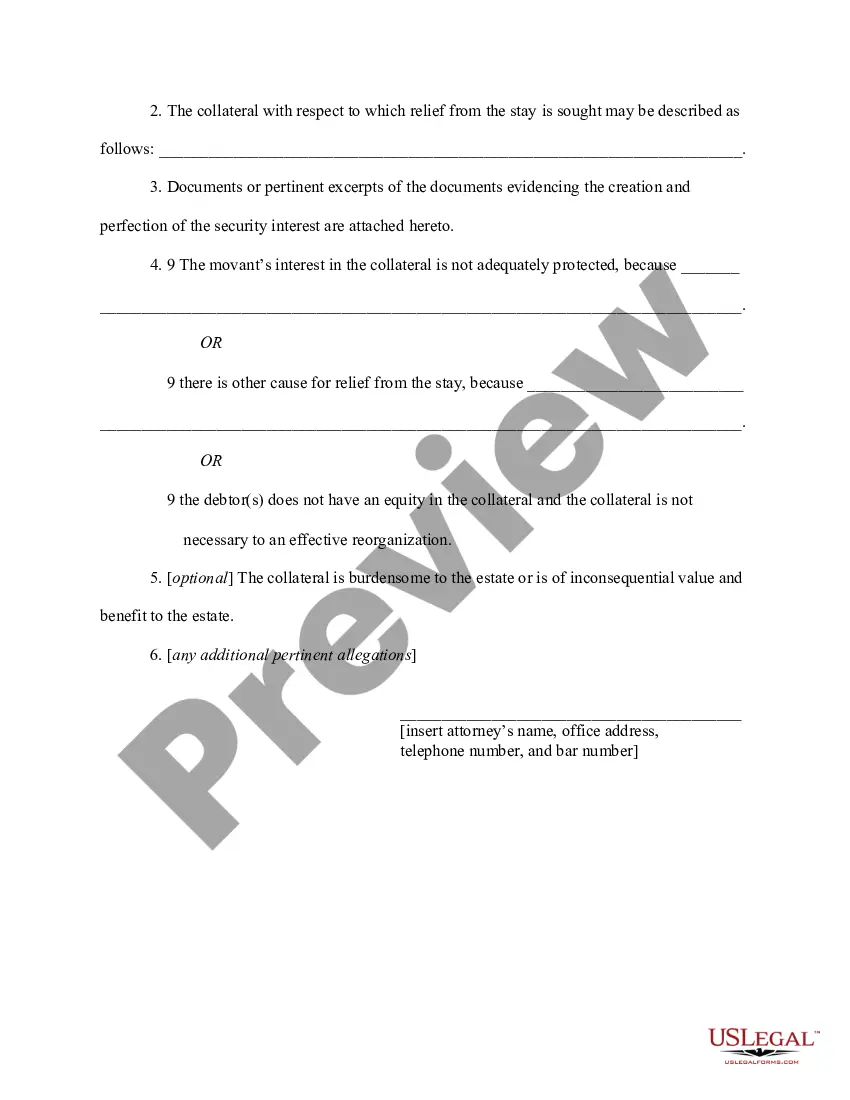
- Clear specification of the collateral under discussion.
- Declaration of the reasons for seeking relief from the stay.
- Optional request for the trustee to abandon the collateral.
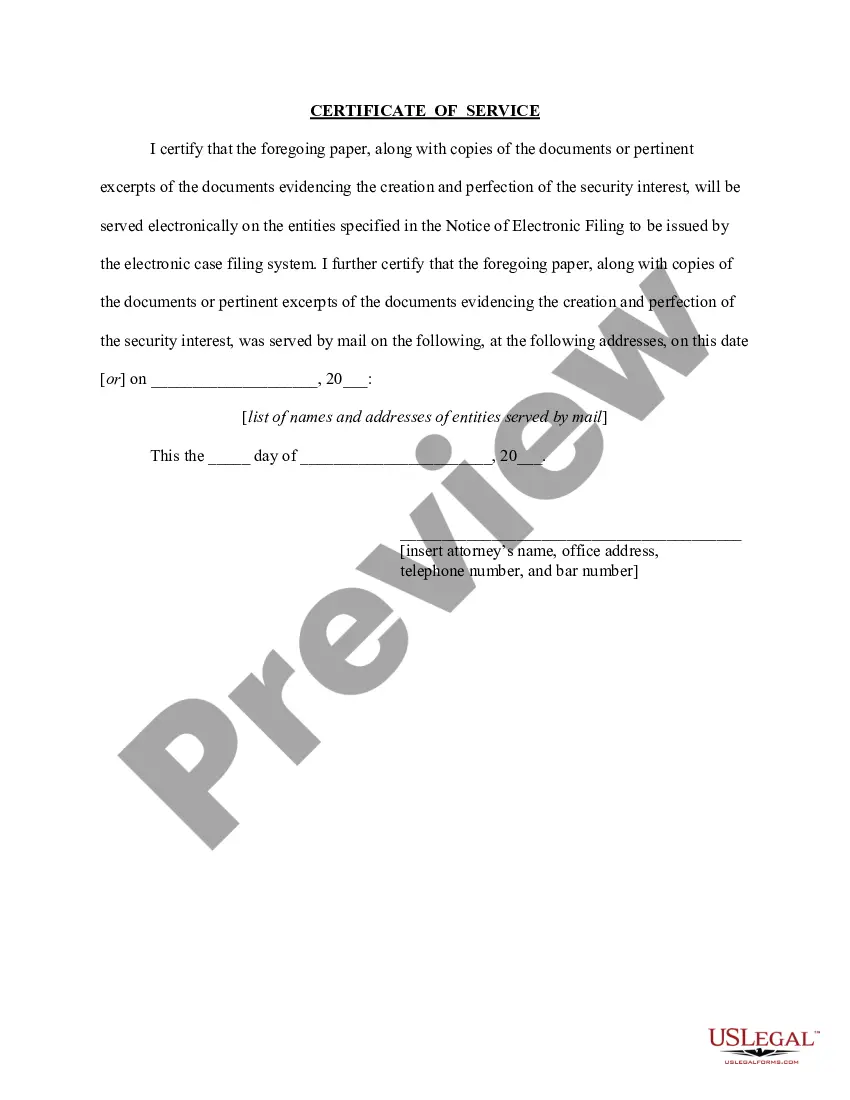
- Certificate of service confirming delivery of the motion to relevant parties.
When this form is needed
This form is necessary when a creditor wishes to regain access to collateral that they believe is not adequately protected under the automatic stay provisions of bankruptcy law. It is often utilized when the debtor is in default on secured loans or when the collateral has depreciated and is not needed for the debtor's reorganization plan. Filing this motion allows creditors to seek necessary remedies through the court.
Who should use this form
- Secured creditors seeking relief from the automatic stay.
- Attorneys representing creditors in bankruptcy cases.
- Debtors wishing to understand their creditors' actions regarding their collateral.
Completing this form step by step
- Identify the U.S. Bankruptcy Court and the debtor(s) involved.
- Fill in the details for the hearing, including the date, time, and courtroom location.
- Clearly describe the collateral and any supporting documents such as security interest evidence.
- Specify the reasons for requesting relief from the stay or compel abandonment of the collateral.
- Certify that all relevant parties have been served with copies of the motion.
Is notarization required?
This form usually doesn’t need to be notarized. However, local laws or specific transactions may require it. Our online notarization service, powered by Notarize, lets you complete it remotely through a secure video session, available 24/7.
Get your form ready online
Our built-in tools help you complete, sign, share, and store your documents in one place.
Make edits, fill in missing information, and update formatting in US Legal Forms—just like you would in MS Word.
Download a copy, print it, send it by email, or mail it via USPS—whatever works best for your next step.
Sign and collect signatures with our SignNow integration. Send to multiple recipients, set reminders, and more. Go Premium to unlock E-Sign.
If this form requires notarization, complete it online through a secure video call—no need to meet a notary in person or wait for an appointment.
We protect your documents and personal data by following strict security and privacy standards.

Make edits, fill in missing information, and update formatting in US Legal Forms—just like you would in MS Word.

Download a copy, print it, send it by email, or mail it via USPS—whatever works best for your next step.

Sign and collect signatures with our SignNow integration. Send to multiple recipients, set reminders, and more. Go Premium to unlock E-Sign.

If this form requires notarization, complete it online through a secure video call—no need to meet a notary in person or wait for an appointment.

We protect your documents and personal data by following strict security and privacy standards.
Mistakes to watch out for
- Failing to serve all relevant parties before the hearing.
- Neglecting to provide adequate detail about the collateral.
- Missing the filing deadlines set by the court.
- Not specifying reasons clearly for seeking relief from the stay.
Why complete this form online
- Easy access and immediate download of the motion.
- Editable template allows for customization to fit specific cases.
- Reliable, attorney-drafted content ensures compliance with legal standards.
- Convenient filing options reduce stress associated with paper forms.
Legal use & context
- This motion serves to uphold the rights of secured creditors during bankruptcy proceedings.
- A granted motion may lead to recovery of collateral through court enforcement.
- Understanding the automatic stay provisions is critical for effective use of this form.
Main things to remember
- The Motion for Relief from Stay Regarding Collateral is vital for creditors wanting to act on secured collateral during bankruptcy.
- Filing correctly and attending the hearing is crucial for the success of this motion.
- Consulting with a legal professional can help ensure all criteria are met for the motion.
Looking for another form?
Form popularity
FAQ
The automatic stay is one of the fundamental debtor protections provided by the bankruptcy laws. It gives the debtor a breathing spell from his creditors. It stops all collection efforts, all harassment, and all foreclosure actions.
What are the exceptions to the automatic stay under 11 U.S.C § 362? Establishing paternity; Establishing or modifying domestic support obligations, including child support and alimony; Child custody or visitation matters; Divorce proceedings; Domestic violence matters.
Motion for Relief from the Automatic Stay is a request by a creditor to allow the creditor to take action against the debtor or the debtor's property that would otherwise be prohibited by the automatic stay.
Filing a Motion and Setting a Hearing Date -- A Motion for Relief from the Automatic Stay is commenced by filing the appropriate motion and setting the motion for a hearing date. To file a Motion for Relief from the Automatic Stay, the Local Bankruptcy Rules require parties to use mandatory forms.
This Standard Clause for use in a forbearance or restructuring agreement provides for a defaulting borrower to waive its right to assert the automatic stay against a lender if it later files for bankruptcy. This Standard Clause has integrated notes with important explanations and drafting tips.
Now the Bankruptcy Code provides that the automatic stay is terminated if a debtor fails to (1) file a timely statement of intention with the bankruptcy court to reaffirm, redeem, or surrender property, AND (2) take timely action to perform the stated intention.
Creditors Obtaining Relief From the Automatic Stay -- If a creditor properly files and serves a Motion for Relief from the Automatic Stay, and a bankruptcy judge grants the Motion, the Automatic Stay will either be removed or modified so that the creditor can resume collection efforts against the debtor.