Complex Will - Max. Credit Shelter Marital Trust to Children
What is this form?
The Complex Will - Max. Credit Shelter Marital Trust to Children is a legal document that serves as a last will and testament, specifically designed to establish a complex marital trust for the benefit of children. This will type uniquely addresses issues like maximizing the credit shelter available to the surviving spouse and ensuring that the children inherit property under specific conditions. It differs from simpler wills by incorporating advanced provisions for tax mitigation and asset allocation among beneficiaries.
Form components explained
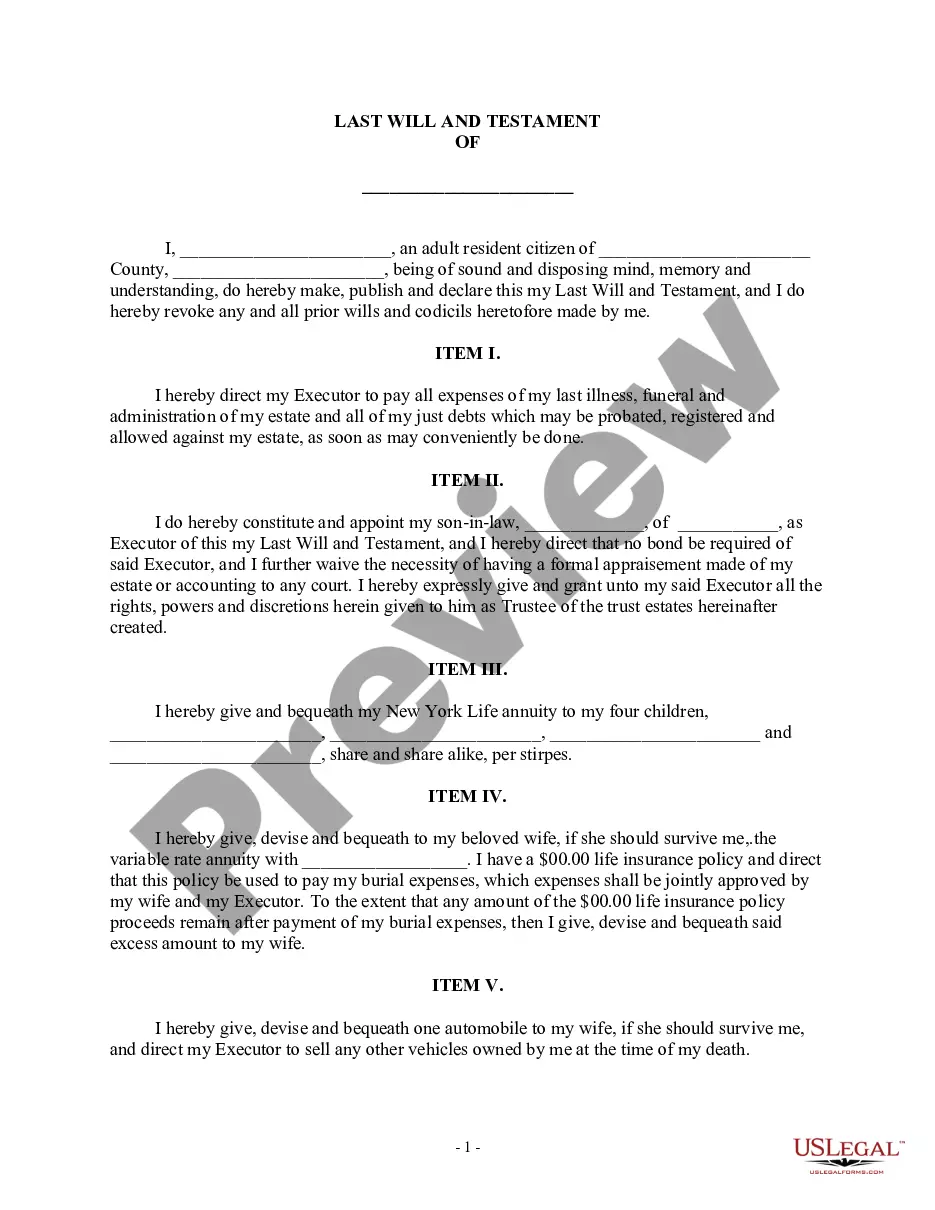
- A declaration naming the individual and revoking previous wills.
- Instructions for the payment of debts and taxes upon death.
- Designation of a personal representative to manage the estate.
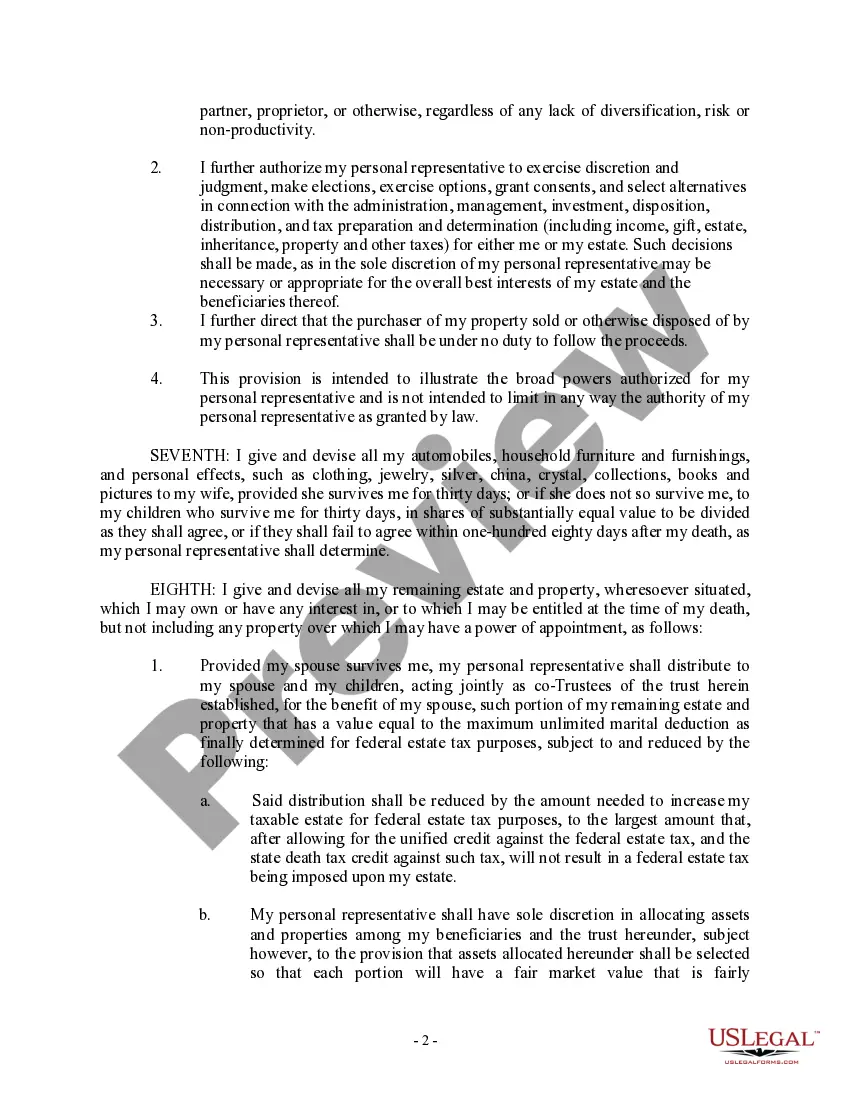
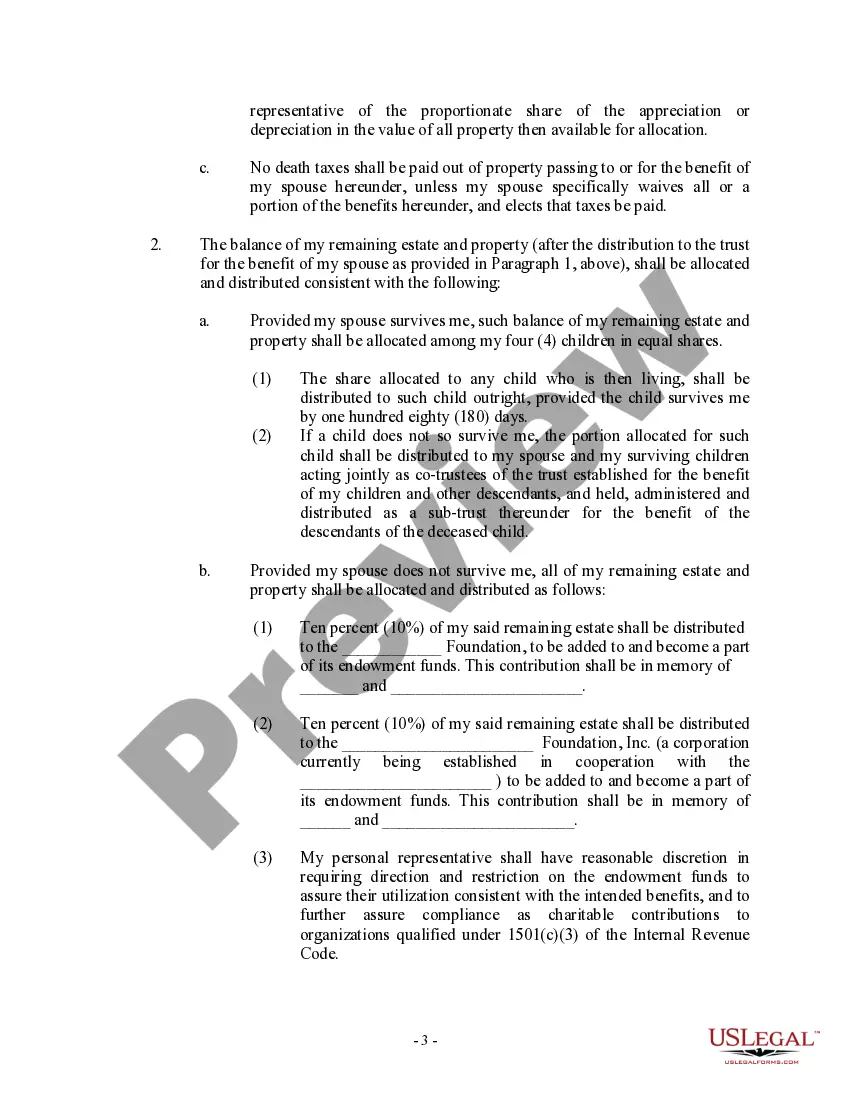
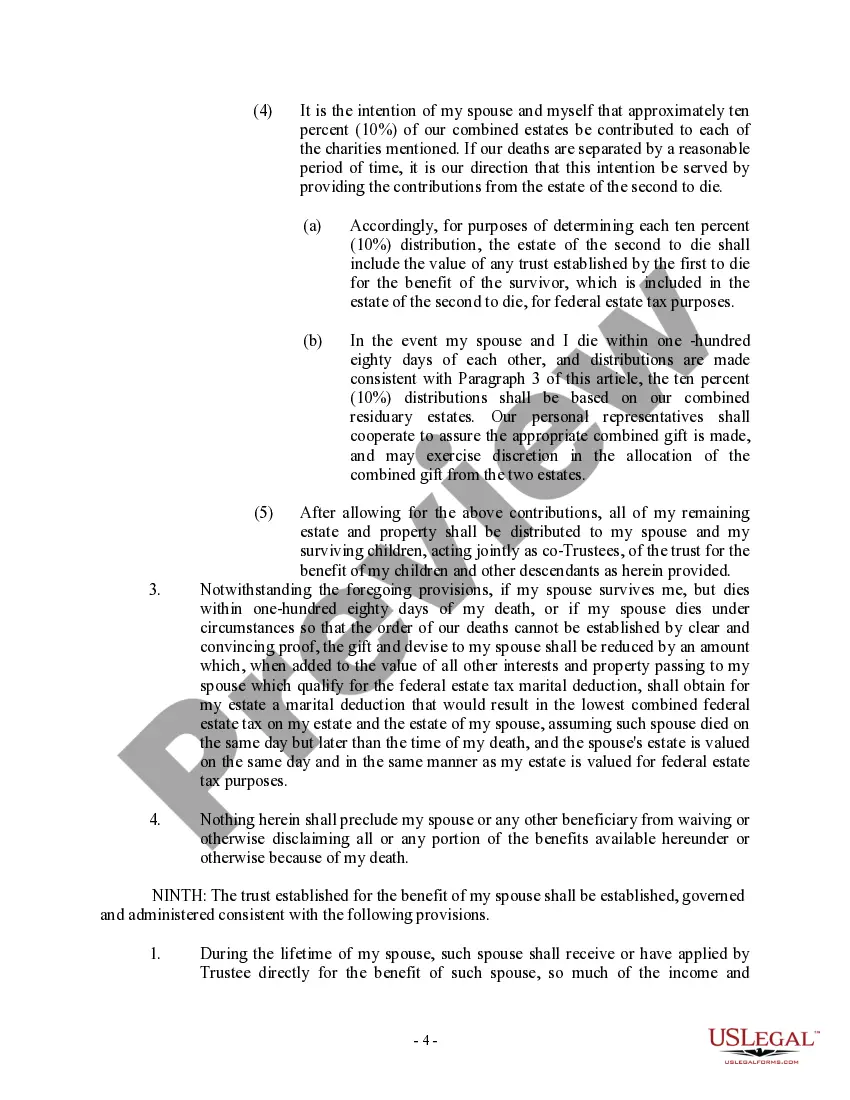
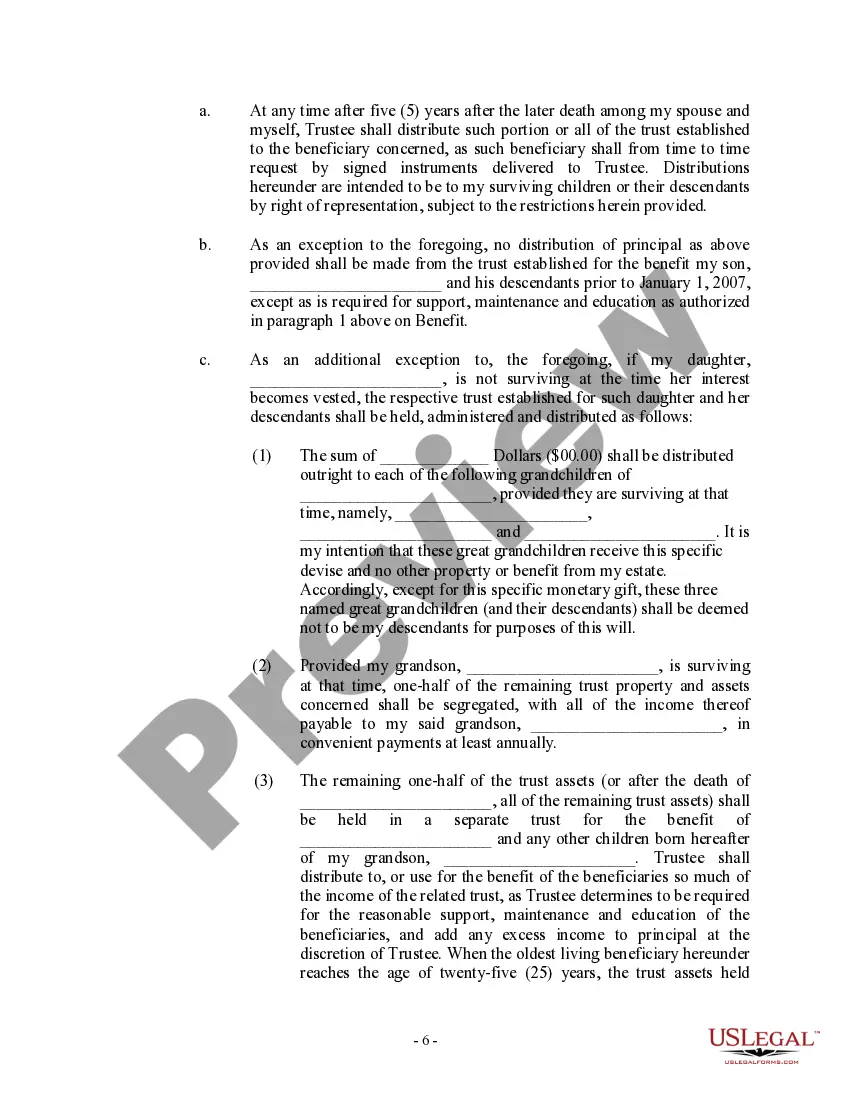
- Specific distributions of personal and real property to a surviving spouse and children, including trust provisions.
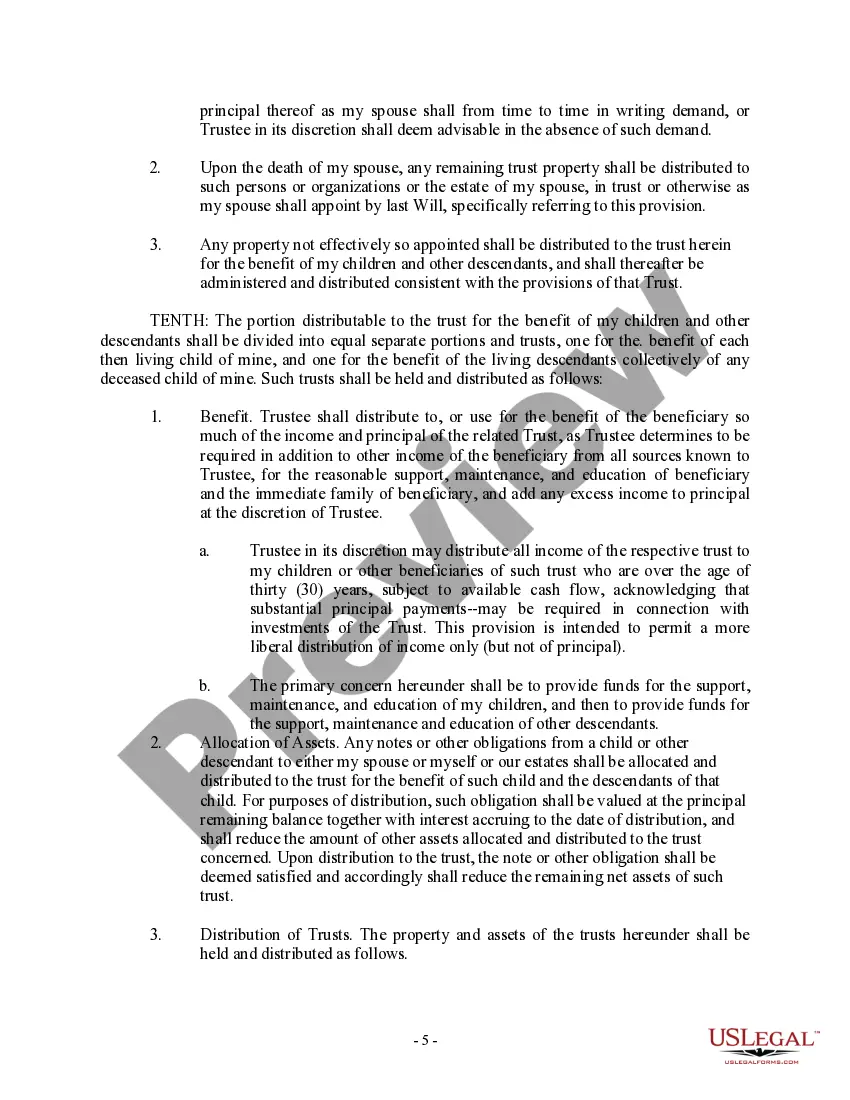
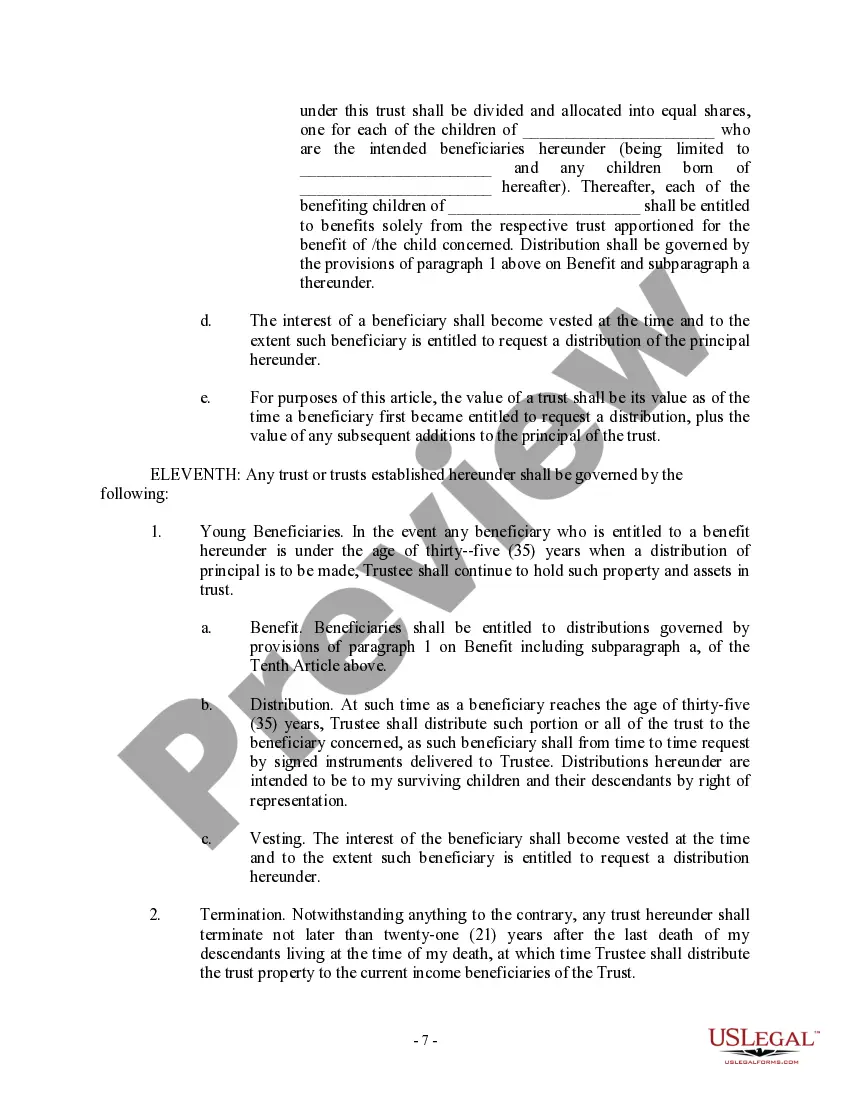
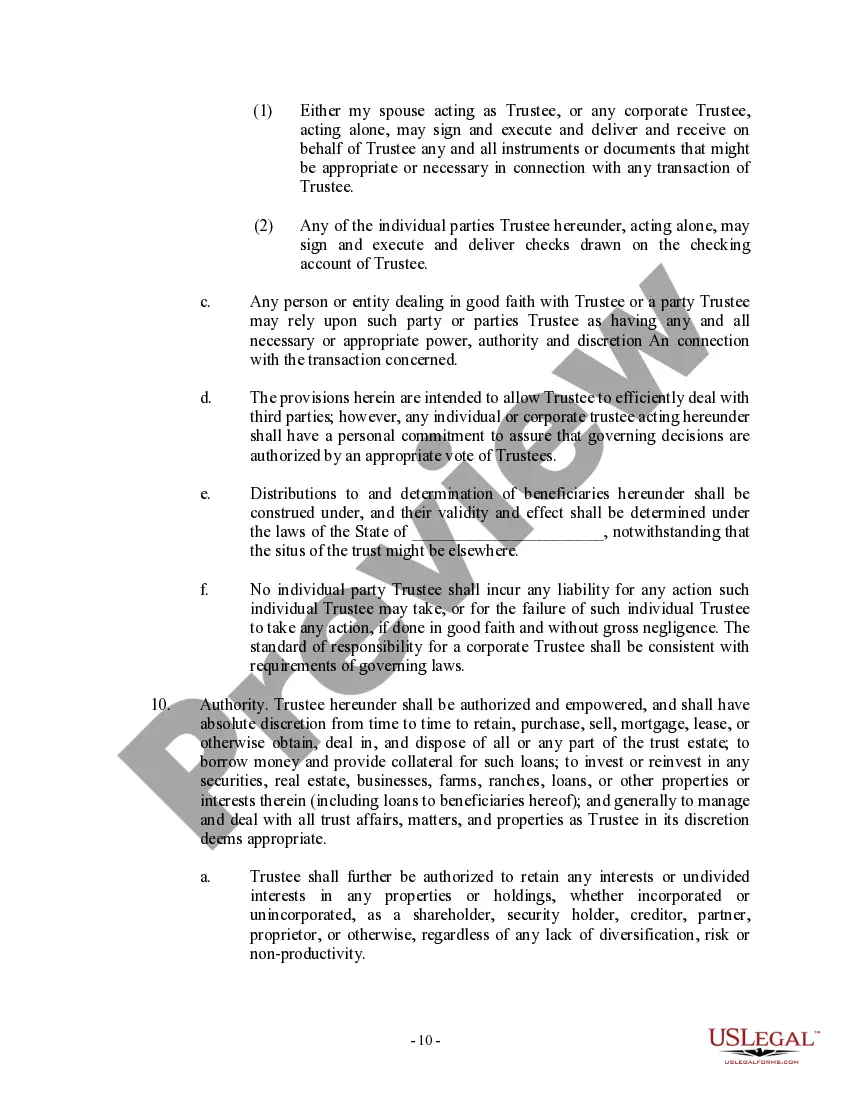
- Provisions outlining the management and distribution of assets held in trust for children and descendants.
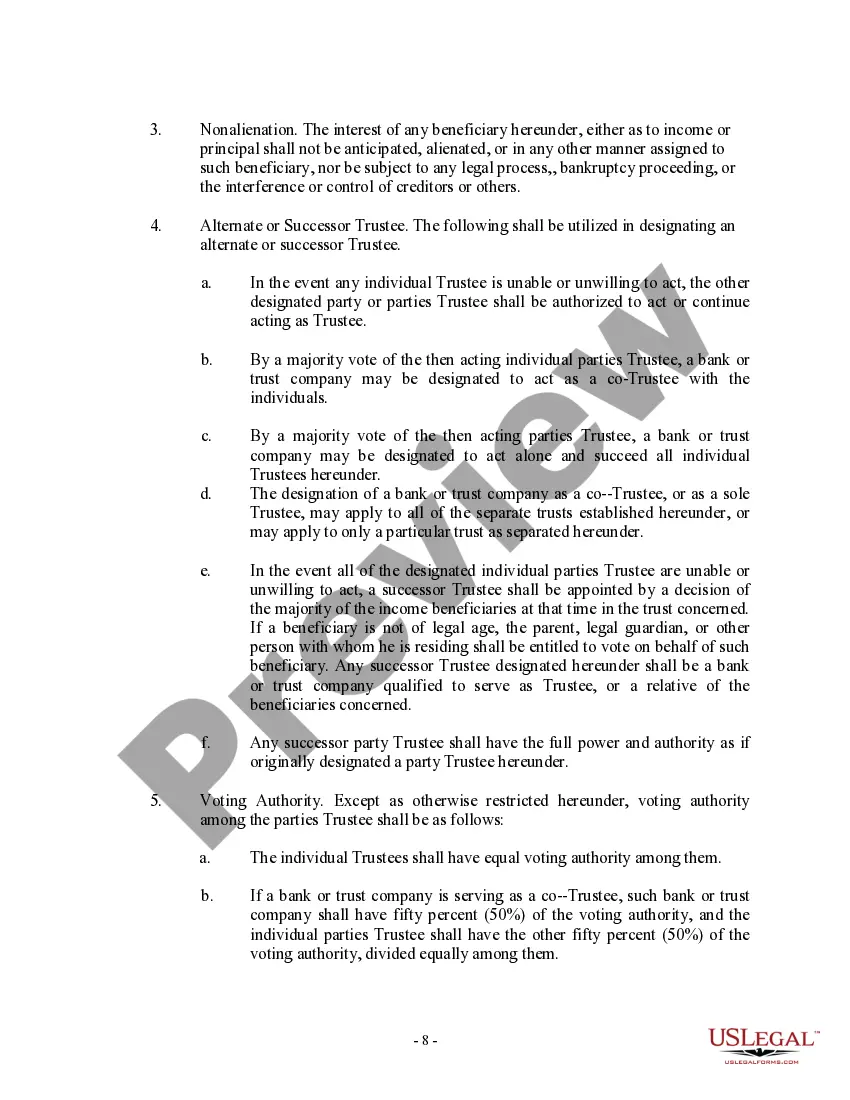
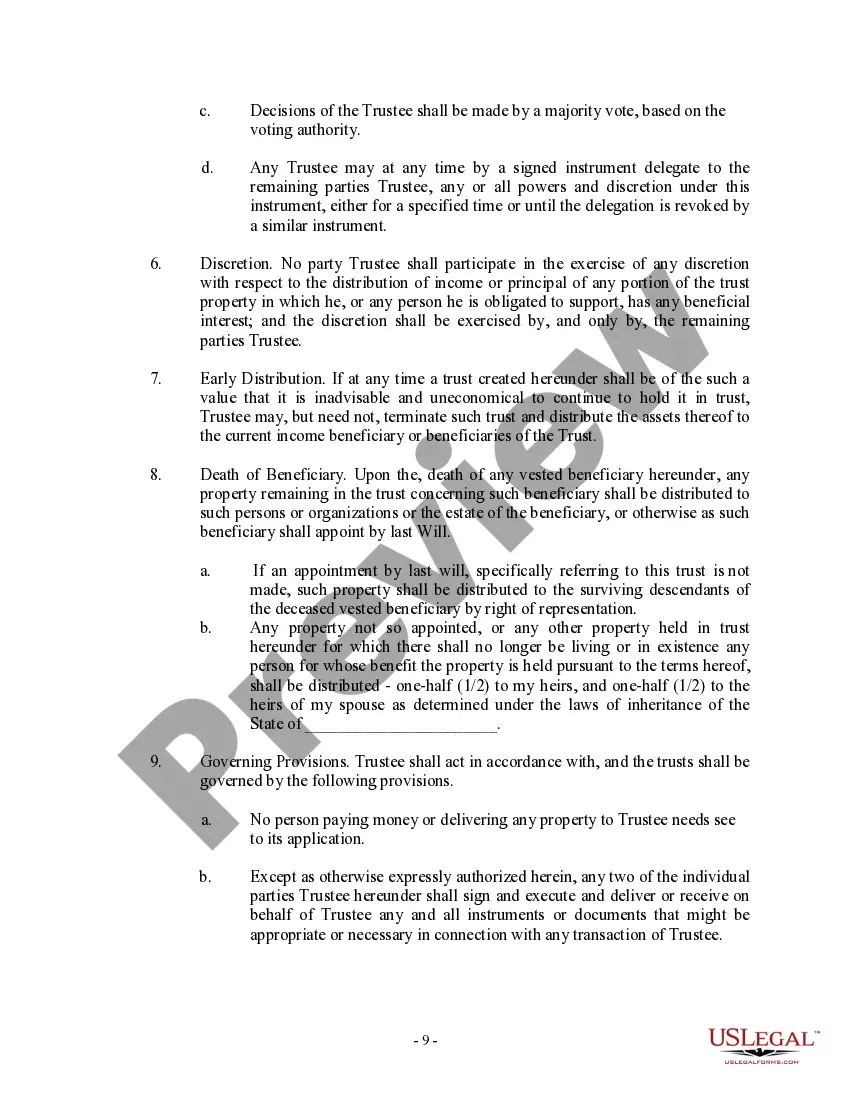
- Alternate trusteeship and limitations on asset alienation.





Common use cases
This form is particularly beneficial when an individual wishes to create a complex estate plan that integrates family trusts, optimize tax benefits, and ensure that minor children or descendants receive their share of the estate under stipulated conditions. It is also used when the estate includes significant assets that may be subject to estate taxes, helping in their avoidance or reduction.
Who this form is for
- Individuals with substantial assets who wish to minimize estate taxes.
- Parents wanting to ensure children are financially supported after their death.
- Married couples looking to set up trusts for each other and their children.
- Anyone planning their estate with considerations for complex family dynamics and tax matters.
Completing this form step by step
- Identify yourself as the testator, adding your full name and personal details.
- Specify your spouse's name and list all children by name.
- Designate your personal representative and any successors in the event they are unable to serve.
- Outline specific bequests to your spouse and children within the designated trust frameworks.
- Sign the document in the presence of witnesses and a notary, if required, for it to be legally binding.
Notarization requirements for this form
This document requires notarization to meet legal standards. US Legal Forms provides secure online notarization powered by Notarize, allowing you to complete the process through a verified video call, available 24/7.
Common mistakes
- Failing to revoke previous wills and testaments, leading to confusion about intentions.
- Not clearly identifying all beneficiaries or their relationships, which could lead to legal disputes.
- Overlooking the need for witnesses or notarization in certain jurisdictions.
- Neglecting to update the will after significant life events like marriages, divorces, or the birth of children.
Why use this form online
- Convenience of completing the form at your own pace from any location.
- Editability allows for easy adjustments as circumstances change.
- Reliability, as the forms are drafted by licensed attorneys ensuring legal validity.
Quick recap
- This will allows for complex estate planning, ensuring maximum benefits for your spouse and children.
- Clear identification of beneficiaries and proper execution are crucial for validity.
- Consultation with a legal professional is recommended for state-specific compliance.
Form popularity
FAQ
Paperwork. Setting up a living trust isn't difficult or expensive, but it requires some paperwork.Record Keeping. After a revocable living trust is created, little day-to-day record keeping is required.Transfer Taxes.Difficulty Refinancing Trust Property.No Cutoff of Creditors' Claims.
A trust is traditionally used for minimizing estate taxes and can offer other benefits as part of a well-crafted estate plan. A trust is a fiduciary arrangement that allows a third party, or trustee, to hold assets on behalf of a beneficiary or beneficiaries.
Revocable Trusts. Irrevocable Trust. Asset Protection Trust. Charitable Trust. Constructive Trust. Special Needs Trust. Spendthrift Trust. Tax By-Pass Trust.
Two main types of trusts: Revocable and irrevocable trust All trusts fall into one of two categories: revocable or irrevocable.
Livings Trusts. A living trust is usually created by the grantor, during the grantor's lifetime, through a transfer of property to a trustee. Testamentary Trusts. Irrevocable Life Insurance Trust. Charitable Remainder Trust.
Assets of minor children should always be held in trust. You do not want children under 18 inheriting assets. While they are under 18, their guardian or conservator will control the money for them.
Less than 2 percent of the U.S. population receives a trust fund, usually as a means of inheriting large sums of money from wealthy parents, according to the Survey of Consumer Finances. The median amount is about $285,000 (the average was $4,062,918) enough to make a major, lasting impact.
Revocable Trusts. Irrevocable Trusts. Testamentary Trusts.
A trust gives you the ability to name specific beneficiaries, and once you do, your intentions cannot be changed after the fact. This means that you will be able to specifically name your children as beneficiaries of the trustand even exclude certain children if that is your choiceand your wishes will be carried out.