Easement Dedication
What is this form?
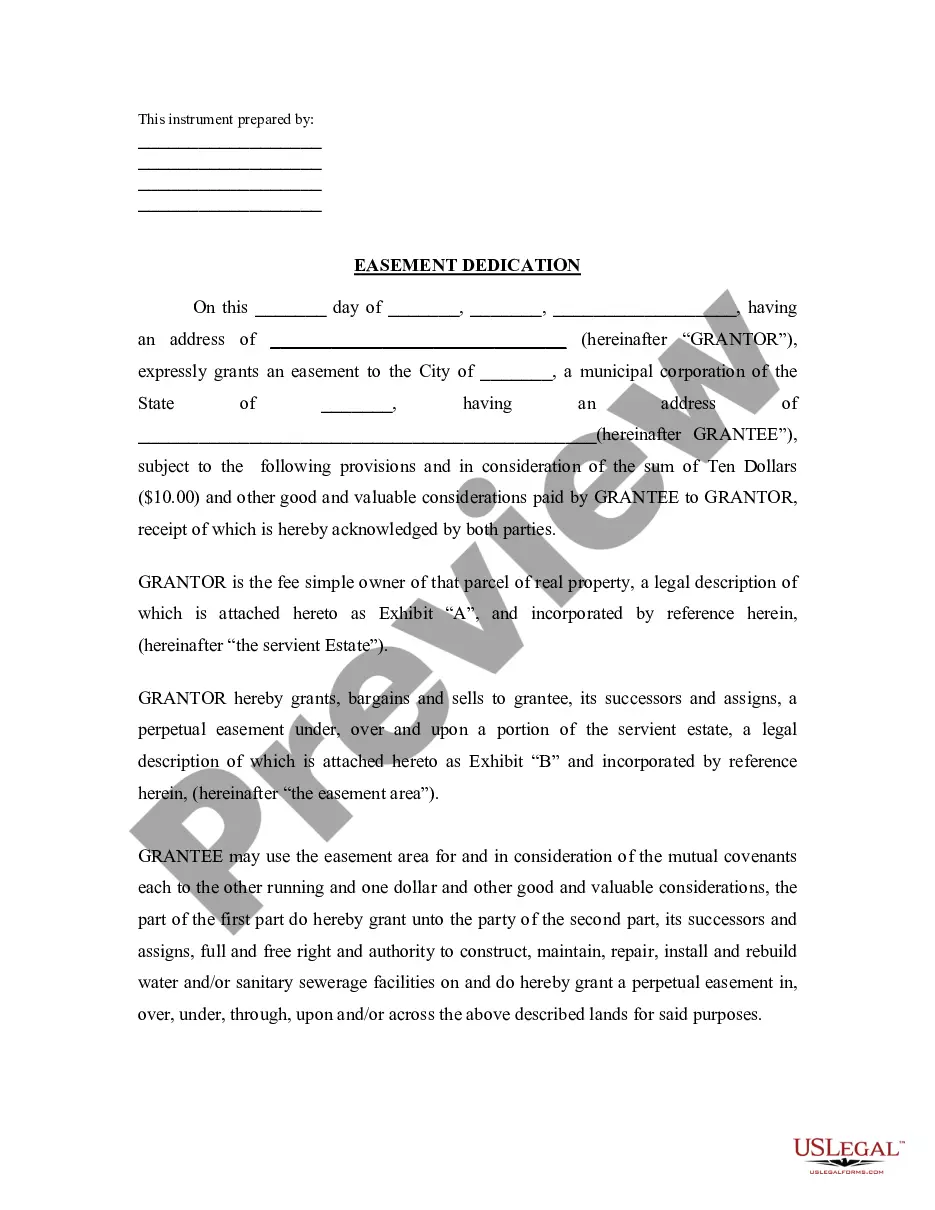
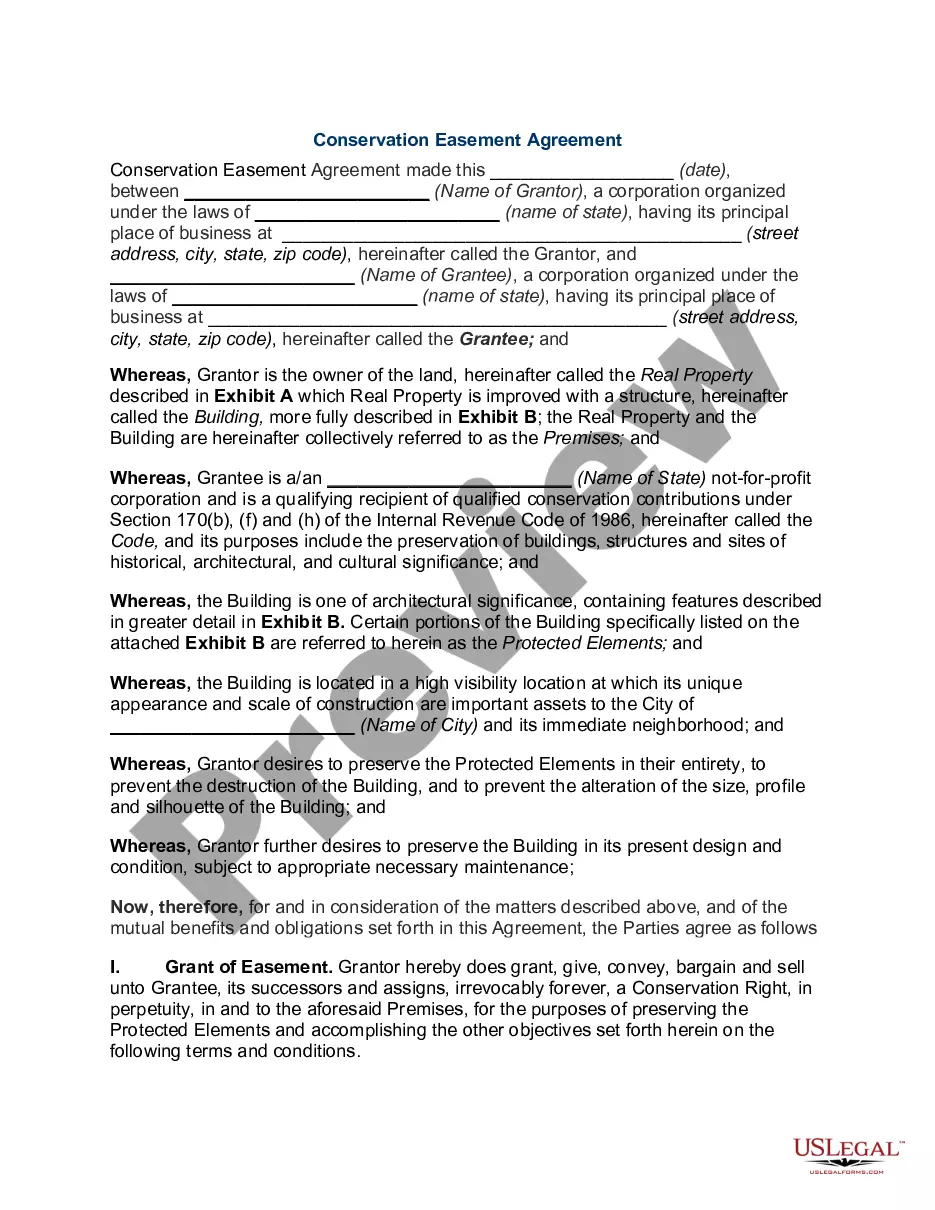
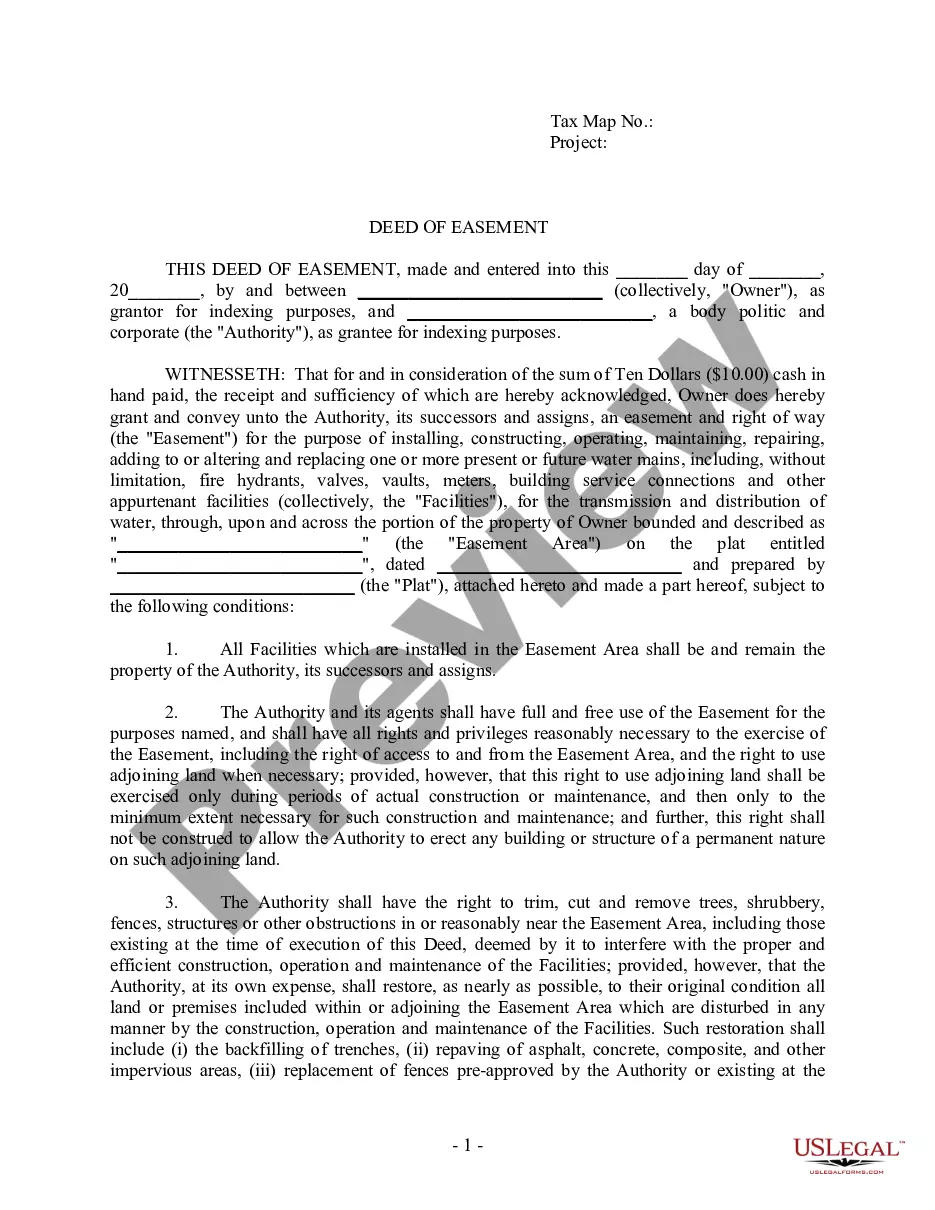
The Easement Dedication form is a legal document through which a property owner (the grantor) grants a right to another party (the grantee) to use a portion of their land for a specific purpose. This form allows the grantee to use the land without transferring ownership or possession, which distinguishes it from other land-related agreements.
What’s included in this form
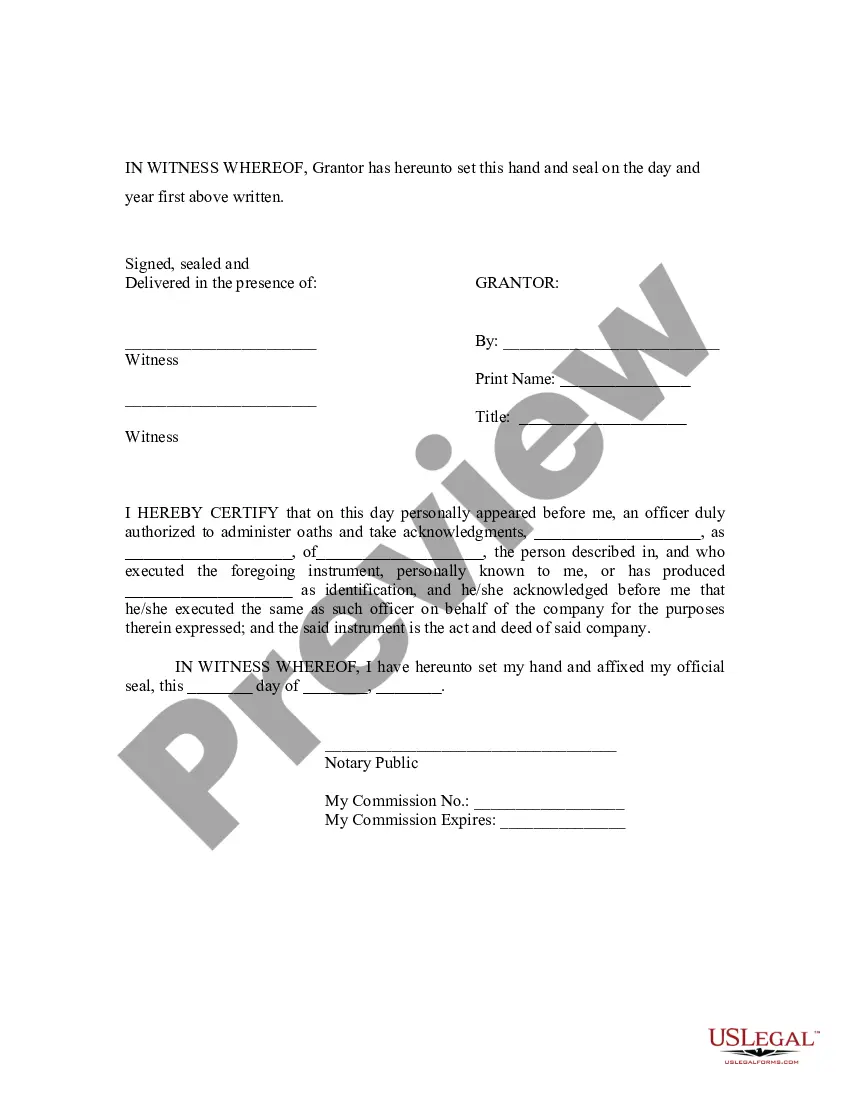
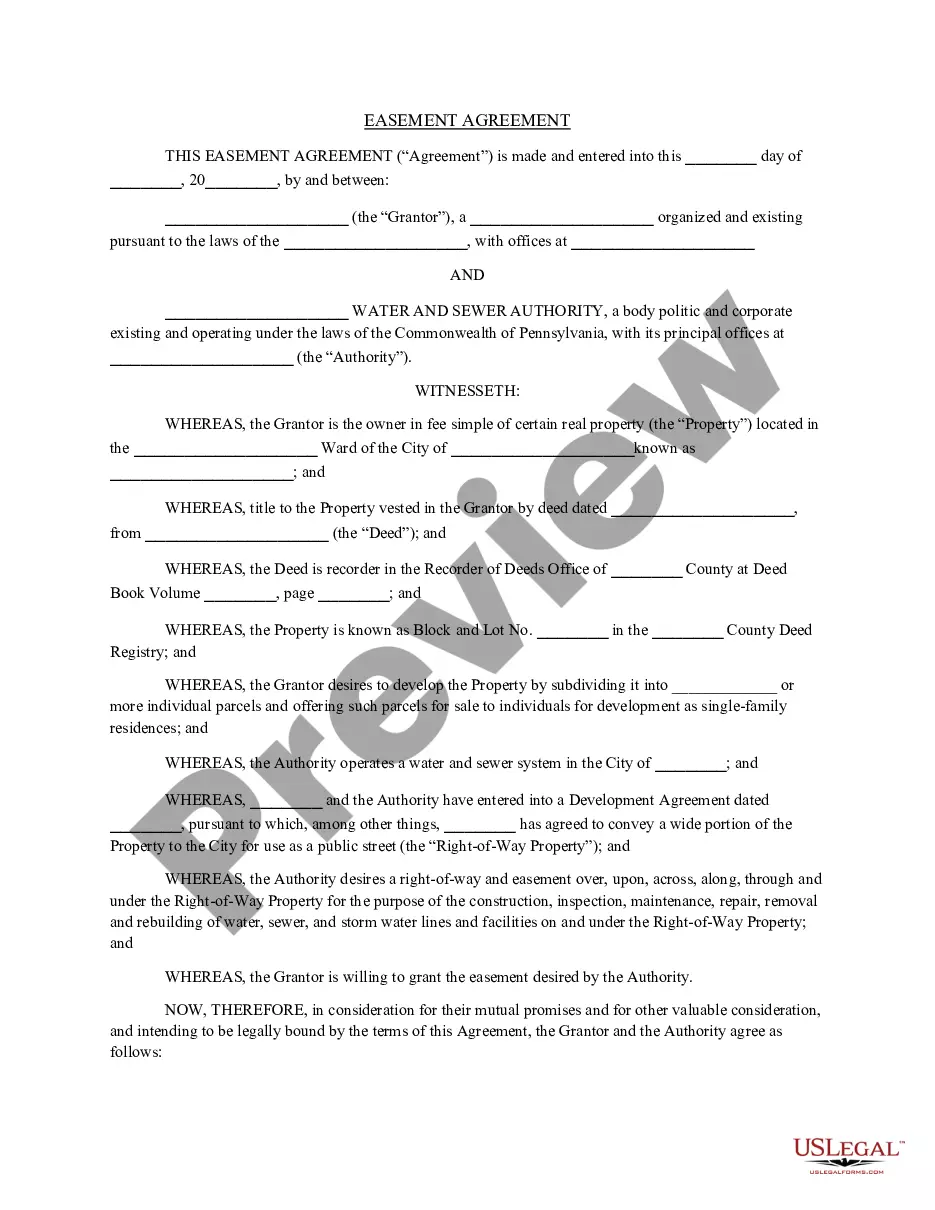
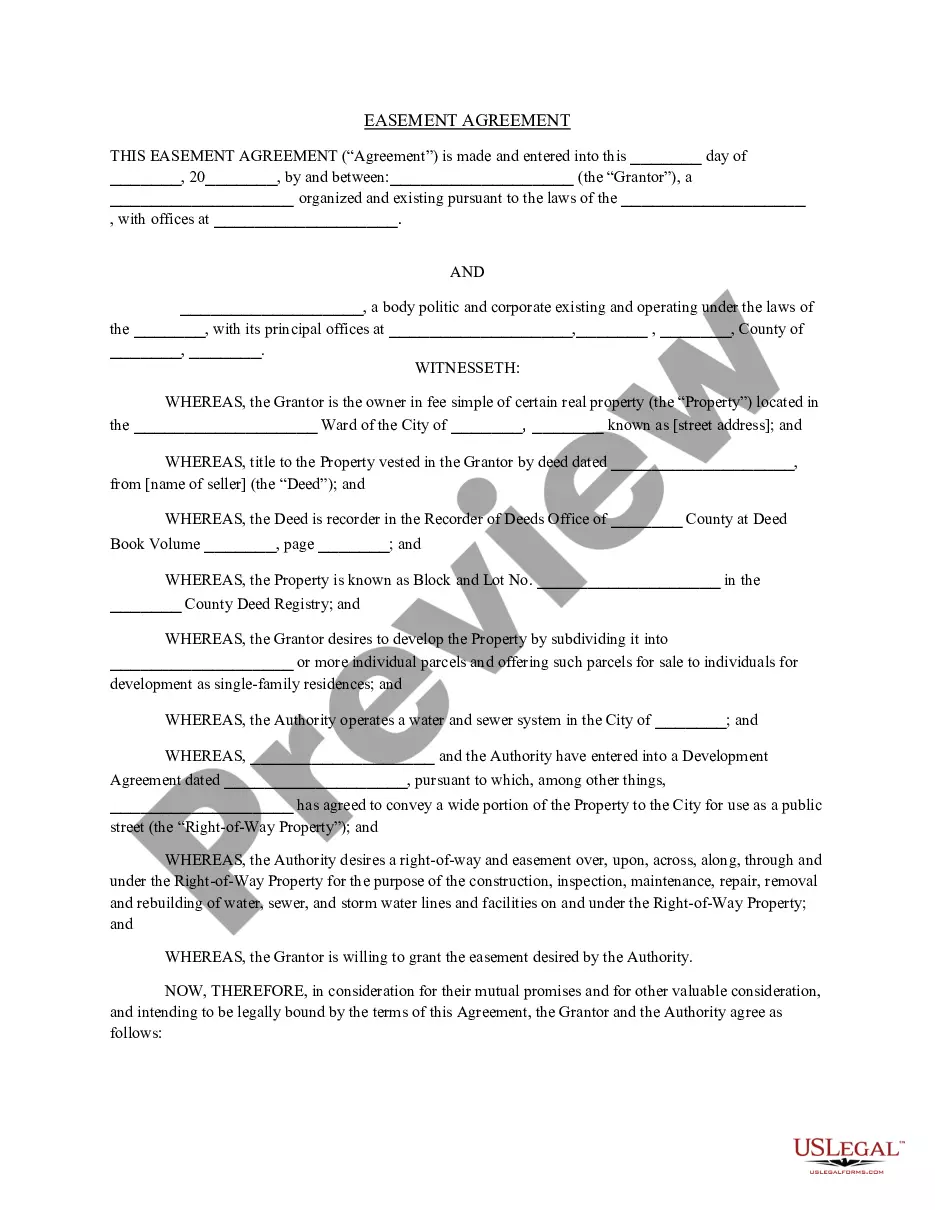
- Grantor and Grantee Identification: Names and addresses of both parties involved in the easement.
- Description of the Property: Detailed legal description of the parcel of land being dedicated.
- Easement Area: Specific area of the property that is subject to the easement.
- Purpose of the Easement: Specifies what the grantee can do with the easement, such as installing utilities.
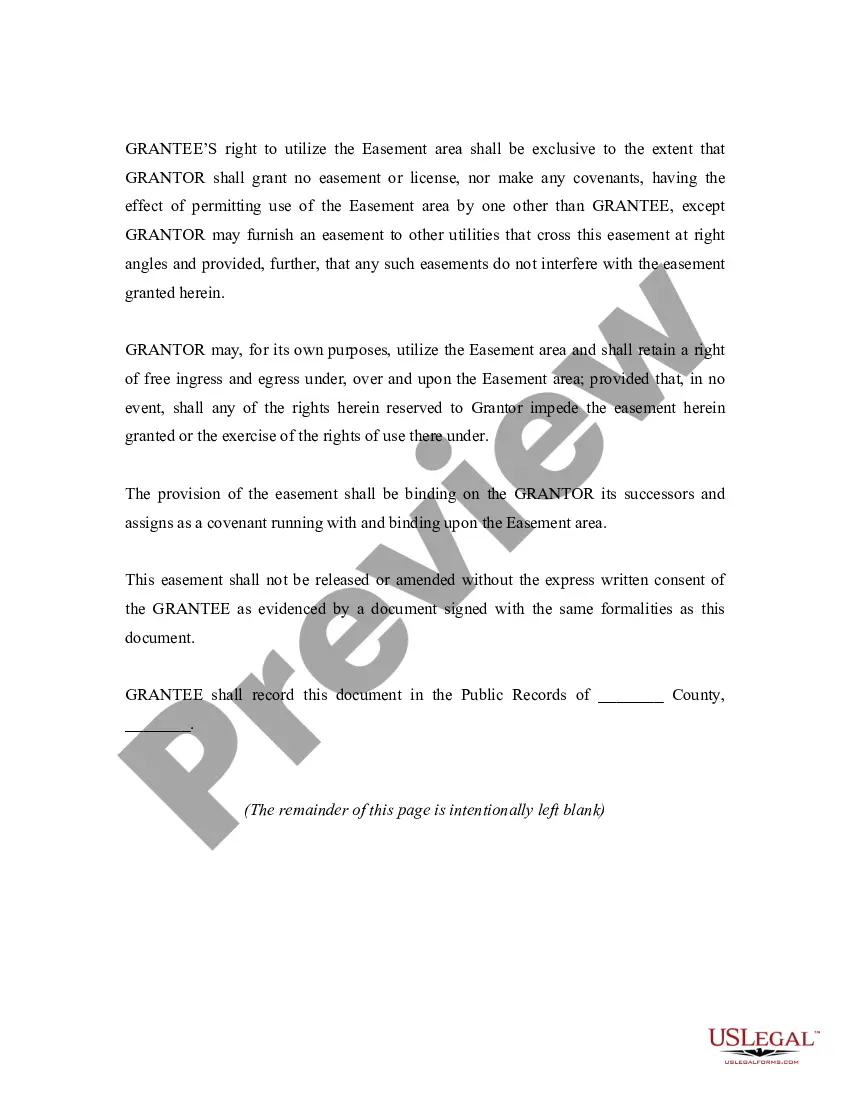
- Binding Provisions: Clauses regarding the enforceability and modification of the easement.
- Signatures and Notarization: Sections for signatures of the involved parties and a notary public to validate the agreement.

Common use cases
This form is used when a property owner wishes to allow another party to utilize a designated part of their land for specific purposes, such as installing water or sanitary sewer facilities. It is particularly relevant for municipalities or utility companies that require access to private land for public service construction or maintenance.
Who should use this form
- Property owners (grantors) who want to allow access to their land.
- Municipalities or utility companies (grantees) that require easement rights to construct or maintain public utilities.
- Legal representatives or agents managing property rights and easement negotiations.
How to complete this form
- Identify the parties: Enter the names and addresses of the grantor and grantee.
- Describe the property: Include the legal description of the parcel of land being dedicated.
- Define the easement area: Specify the dimensions and location of the easement within the property.
- State the purpose: Clearly outline what the easement will be used for by the grantee.
- Obtain signatures: Ensure both parties sign the document; a witness and notary public must also be present for validation.
Does this document require notarization?
Yes, this form must be notarized to be legally valid. This ensures that the signatures are authenticated, which helps prevent future disputes regarding the legitimacy of the agreement.
Get your form ready online
Our built-in tools help you complete, sign, share, and store your documents in one place.
Make edits, fill in missing information, and update formatting in US Legal Forms—just like you would in MS Word.
Download a copy, print it, send it by email, or mail it via USPS—whatever works best for your next step.
Sign and collect signatures with our SignNow integration. Send to multiple recipients, set reminders, and more. Go Premium to unlock E-Sign.
If this form requires notarization, complete it online through a secure video call—no need to meet a notary in person or wait for an appointment.
We protect your documents and personal data by following strict security and privacy standards.

Make edits, fill in missing information, and update formatting in US Legal Forms—just like you would in MS Word.

Download a copy, print it, send it by email, or mail it via USPS—whatever works best for your next step.

Sign and collect signatures with our SignNow integration. Send to multiple recipients, set reminders, and more. Go Premium to unlock E-Sign.

If this form requires notarization, complete it online through a secure video call—no need to meet a notary in person or wait for an appointment.

We protect your documents and personal data by following strict security and privacy standards.
Mistakes to watch out for
- Failing to provide accurate legal descriptions of the property.
- Not clearly specifying the purpose of the easement, which can lead to disputes.
- Omitting signatures or not having the document notarized as required.
- Neglecting to record the easement with the local public records office.
Why use this form online
- Convenient access to a professionally drafted legal form at any time.
- Editable templates allow users to customize the document according to their specific needs.
- Reduction of errors through guided prompts and easy-to-follow instructions.
Key takeaways
- The Easement Dedication form is essential for granting land use rights without transferring ownership.
- Careful completion and notarization are critical for legal enforceability.
- Consult local laws to ensure compliance with any state-specific requirements.
Looking for another form?
Form popularity
FAQ
To create an easement by necessity one must prove: There was a unity of ownership with the alleged dominant and servient estates. The access is a necessity, not a mere convenience. The necessity existed at the time of the severance of the estates.
Application Fee: $1,000 ? $1,500 Applicants seeking a purchased easement will be required to submit additional fees for grant funding applications.
Public Easements In Texas Public easements give the right of enjoyment and use to the public generally or to an entire community. A public easement may be created (a) by a dedication from the owner, (b) by prescription (use by the public for many years), or (c) by condemnation by the government.
Offer to Dedicate (OTD) -- Public Access Easement Program. An OTD is an offer by a landowner to grant a public access easement across their property for future public recreational use. The OTD simply offers the area; several steps must then be taken to turn the easement into a useable public accessway.
For the most part, a property owner can't block an easement if it was already mentioned in the property's deed. If the property owner tries to contest the easement's boundaries, then it's a good idea to have a property survey conducted by a reputable local company in Guadalupe County, TX.
If a city has an easement, the city has authority to maintain the easement in a way that protects the city's property rights while still allowing some use by the property owner.
Private, access and prescriptive easements are different. The property owner must still maintain those types of easements. The property owner will also be the party who must take responsibility if an accident occurs on the easement.
ofway is, in itself, an easement. It's a type of affirmative easement. But while a conventional easement gives the grantee the legal goahead to use the property for an agreedupon purpose, a rightofway only allows the grantee to cross over?or under?another owner's property.