Deed of Easement for Sidewalk Purposes
What this document covers
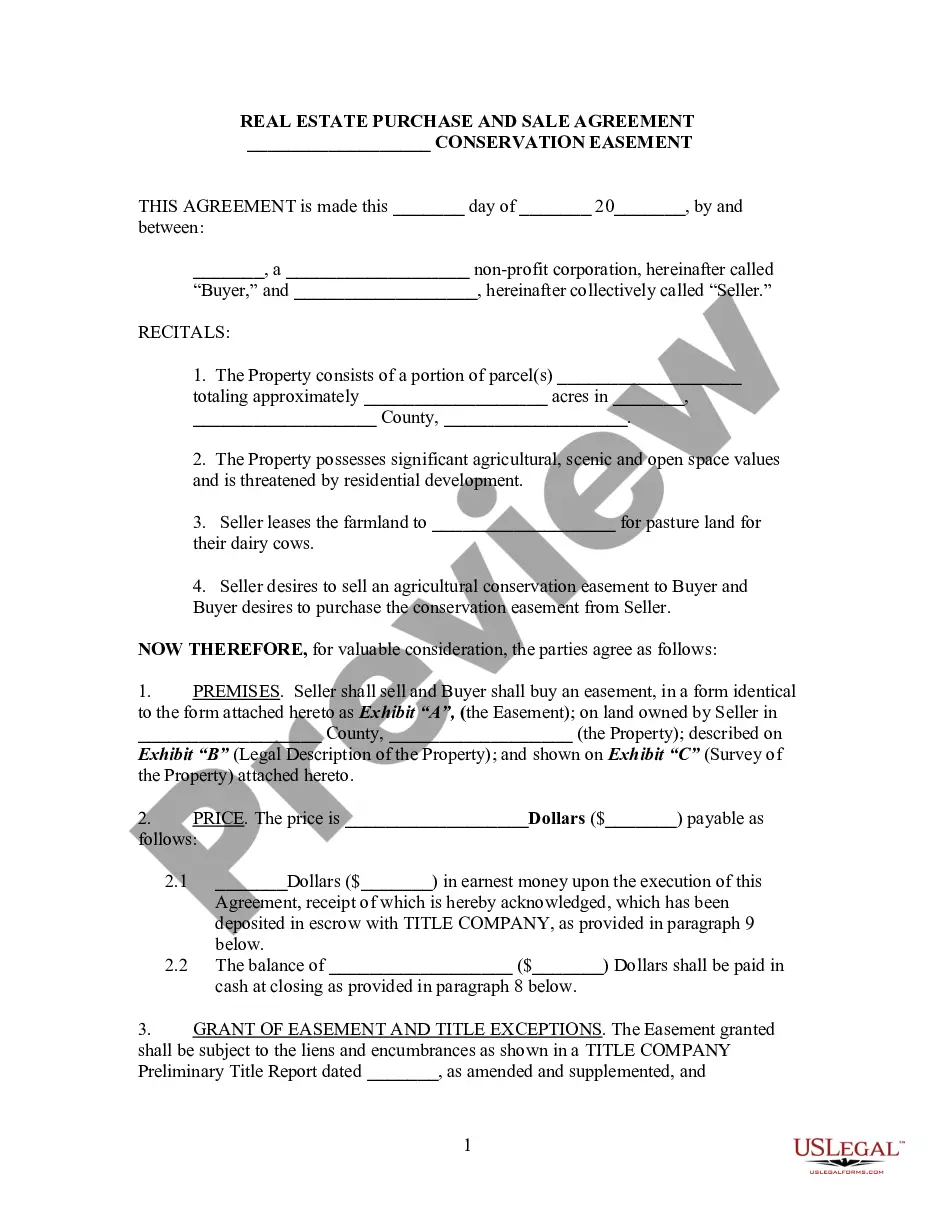
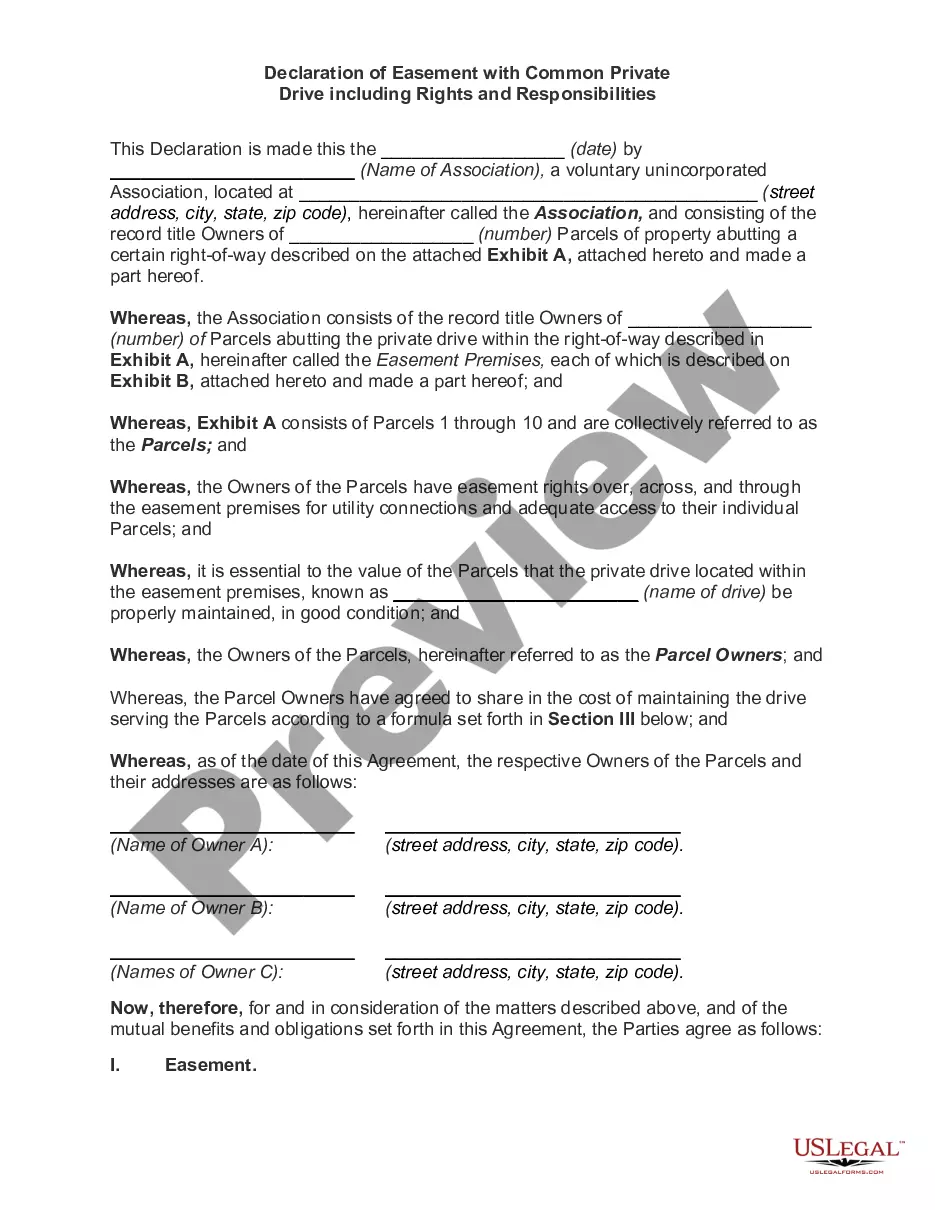
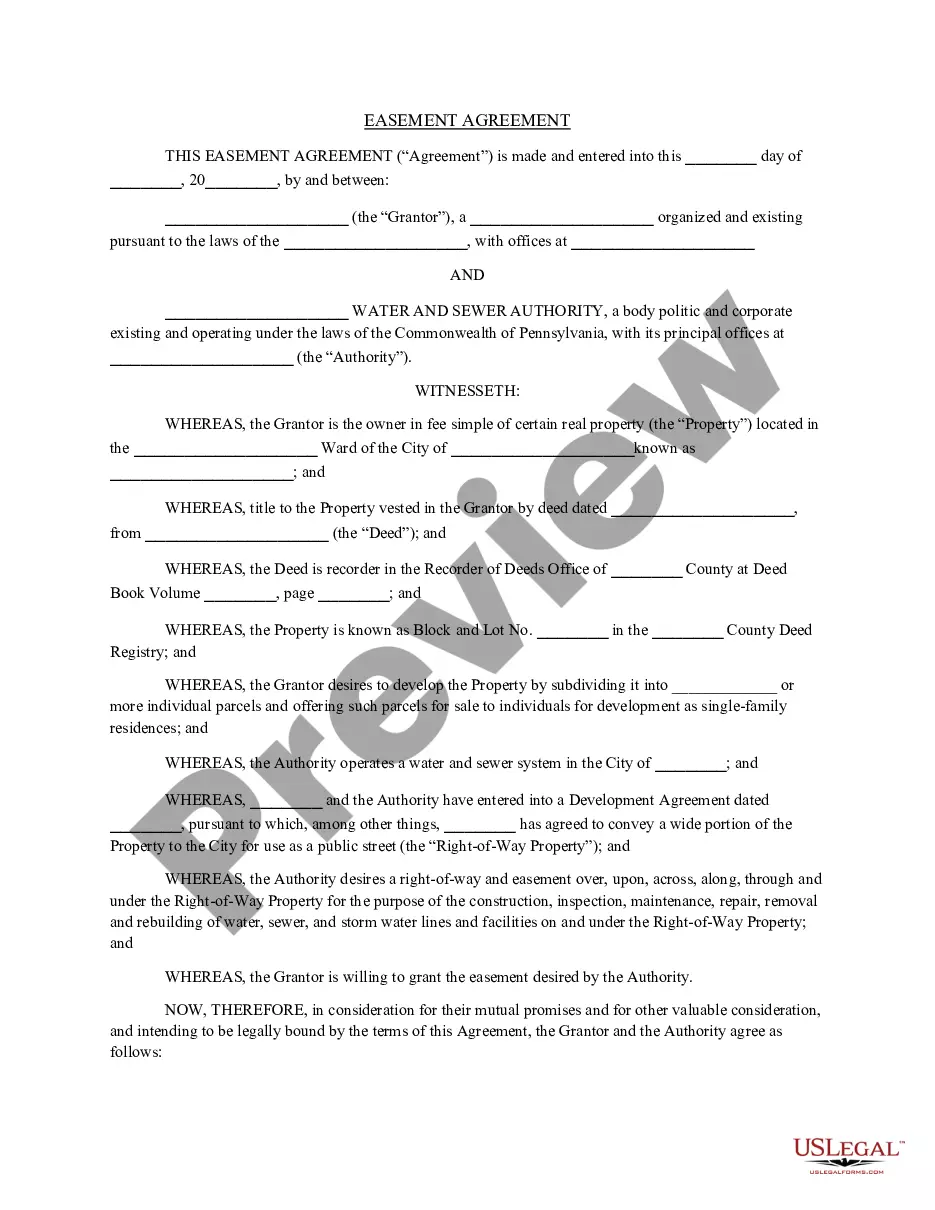
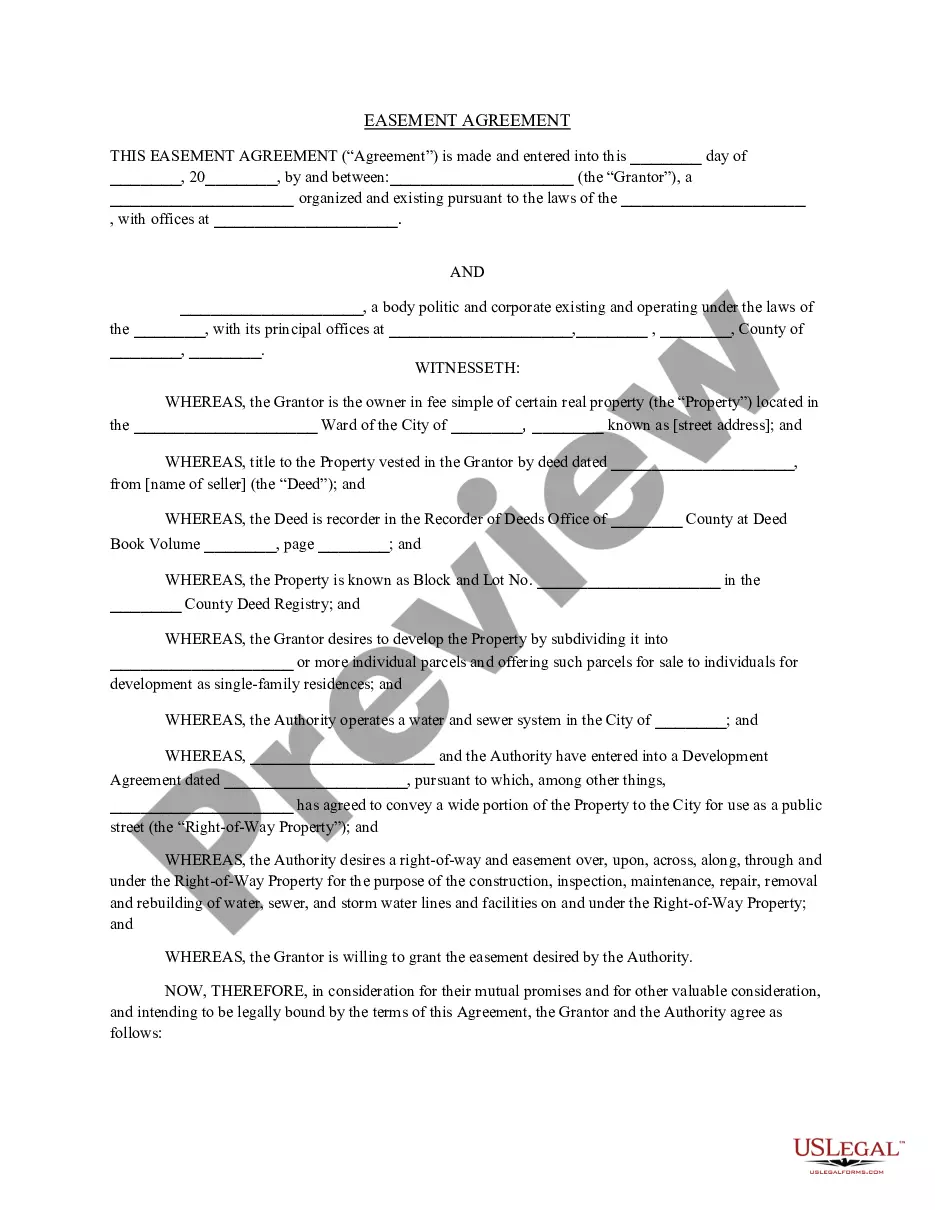
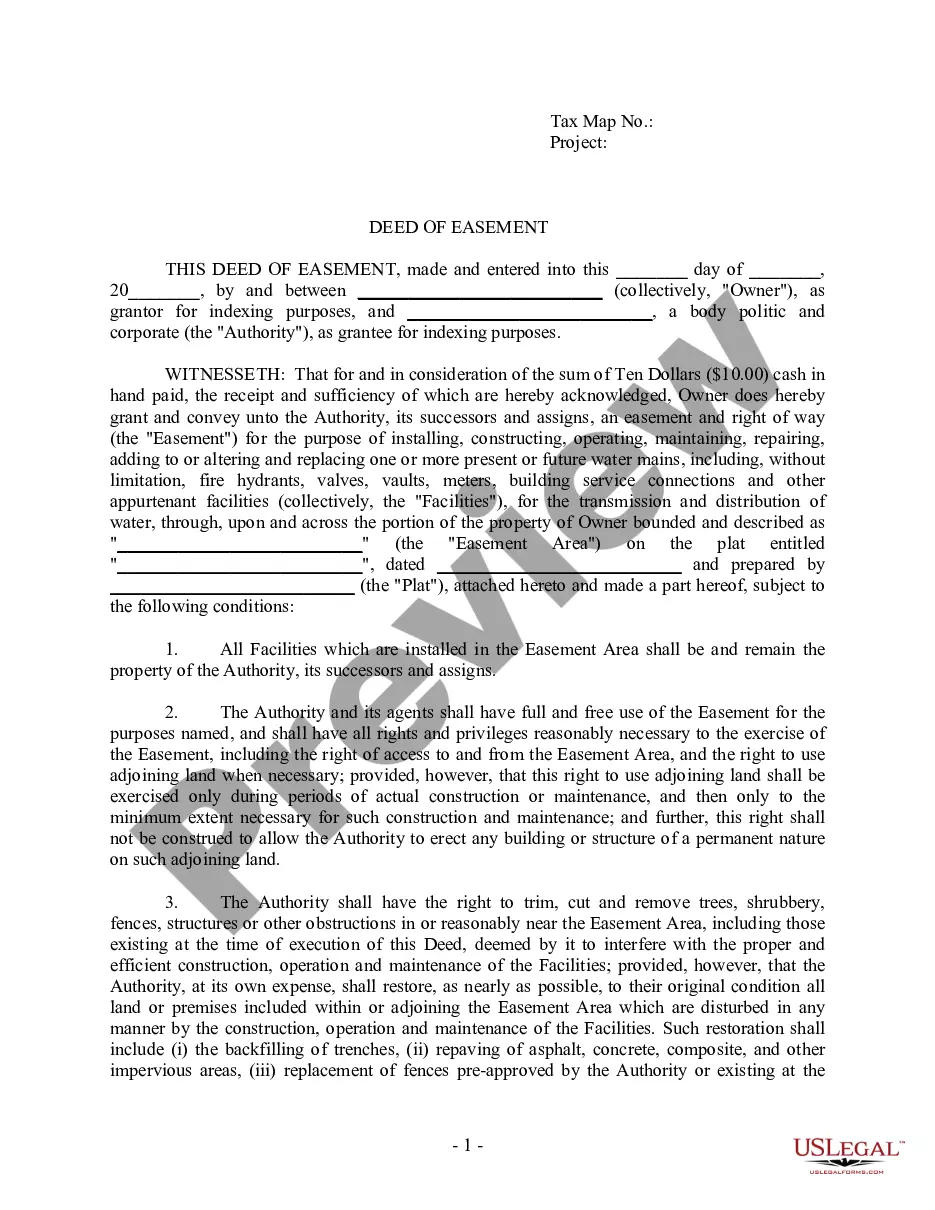
The Deed of Easement for Sidewalk Purposes is a legal document that allows one party to use a portion of another party's land for specific purposes without transferring ownership. This form is specifically designed for the creation of easements that benefit public access and safety, distinguishing it from other easements that might grant more extensive rights, such as commercial use or residential development. Its primary focus is to facilitate the construction and use of sidewalks, thus promoting community welfare while maintaining the landowner's rights over their property.
Form components explained
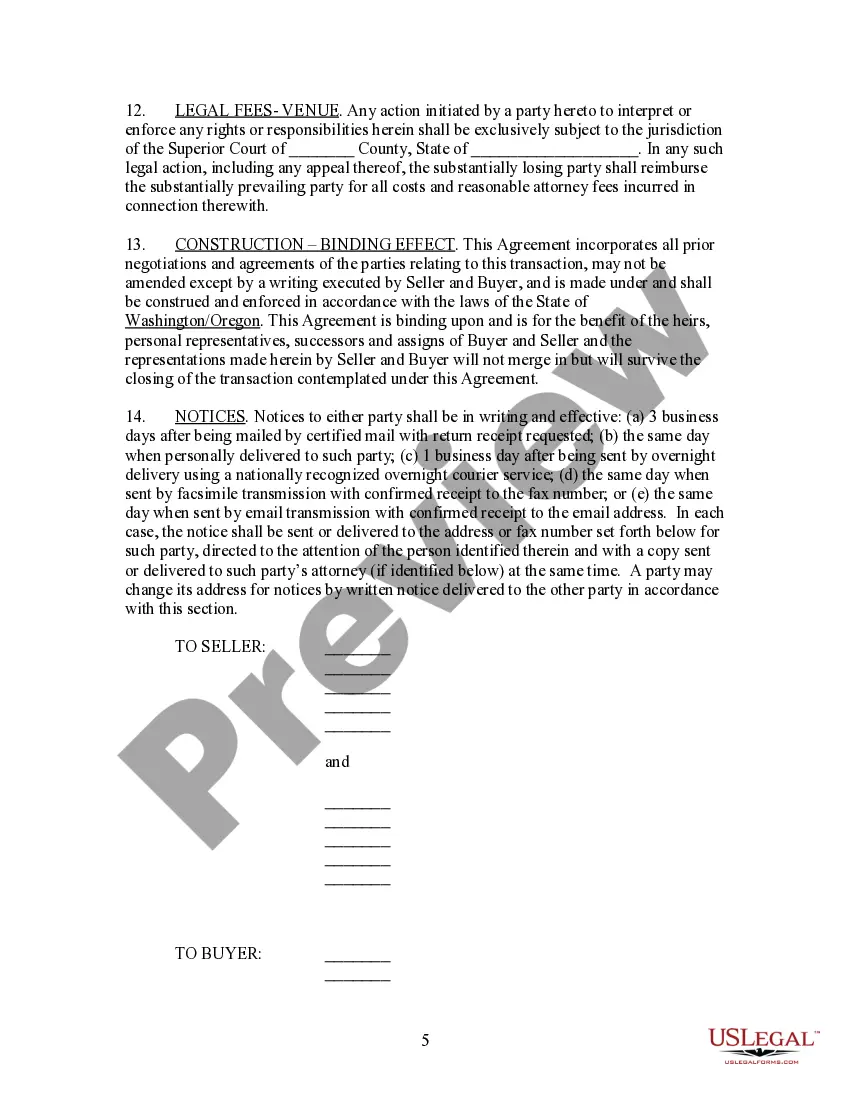
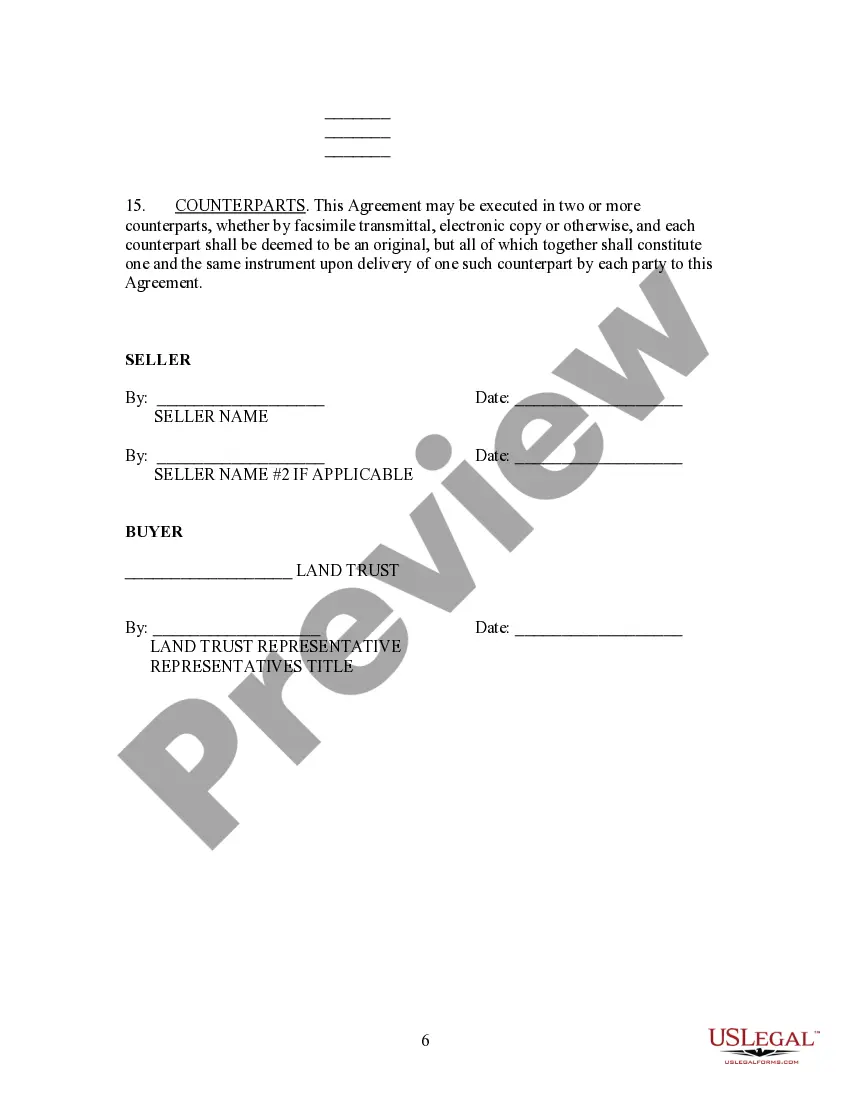
- Parties involved: Identifies the buyer and seller involved in the easement agreement.
- Property description: Details the specific tract of land affected by the easement.
- Easement terms: Outlines the terms of the easement, including usage rights and any restrictions.
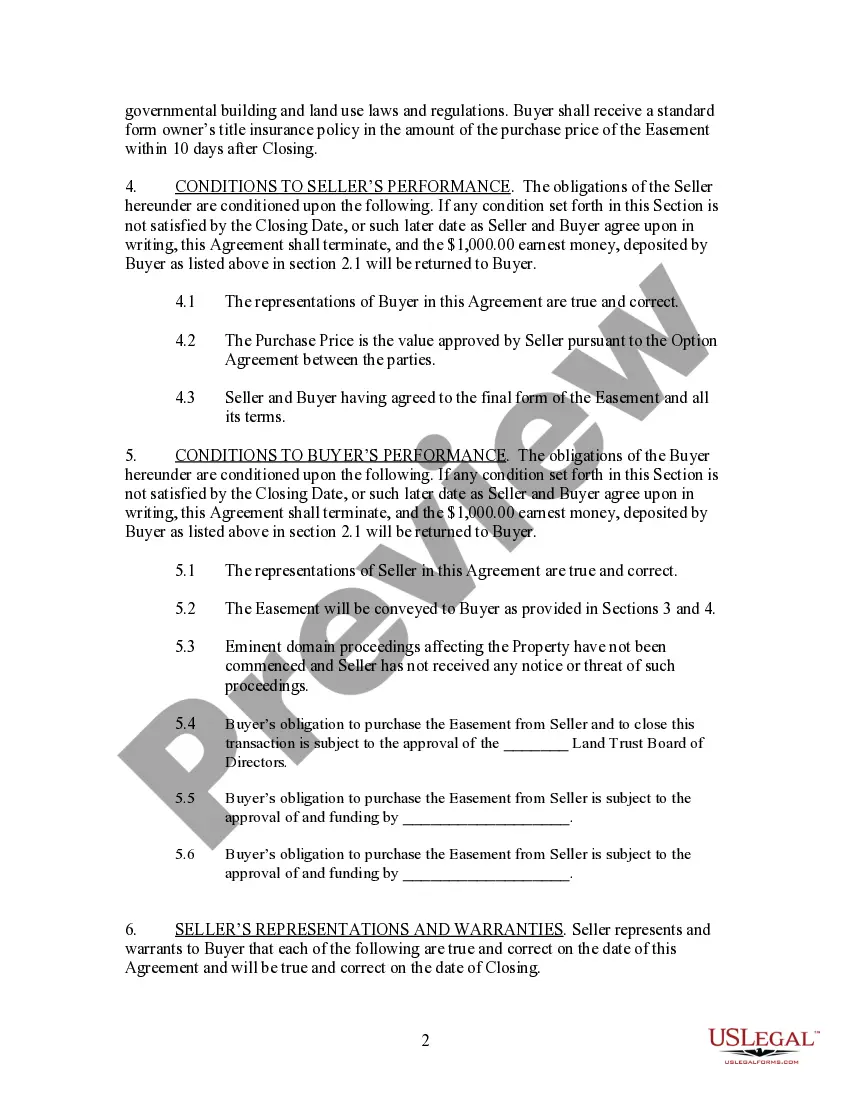
- Price and payment terms: Specifies the financial aspects of the transaction, including earnest money and payment structure.
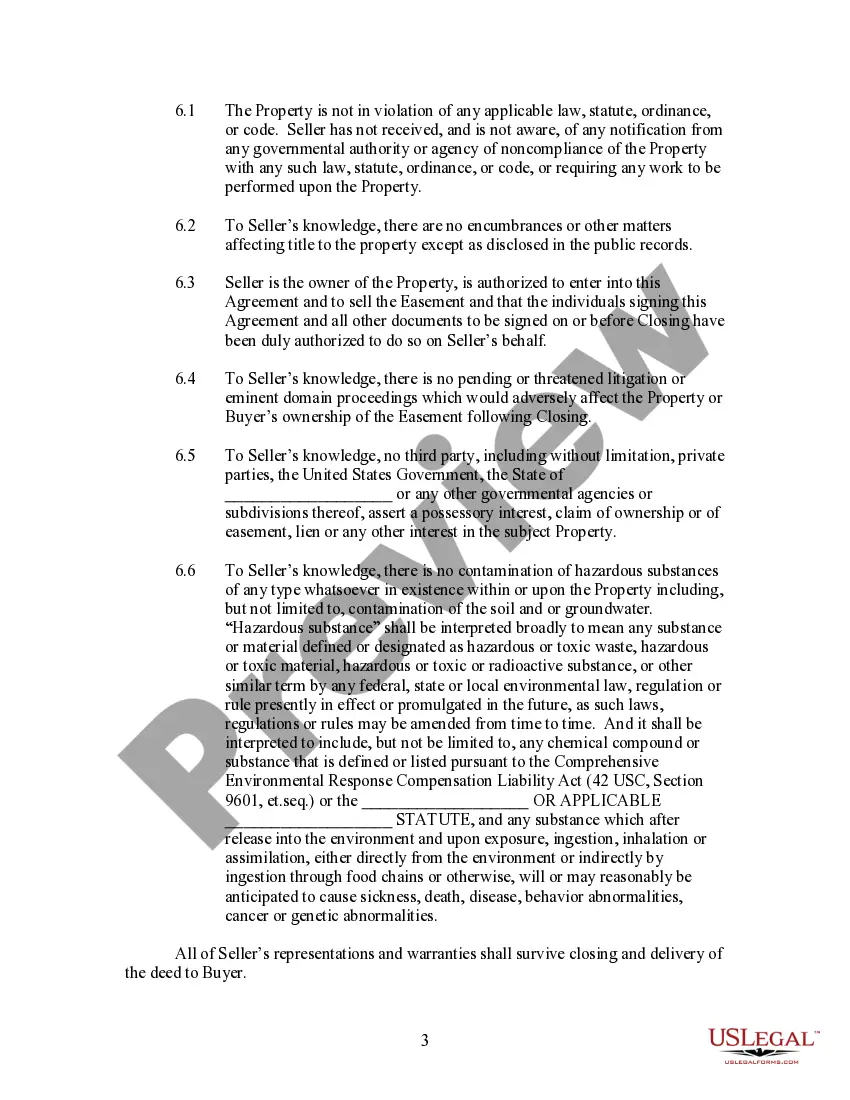
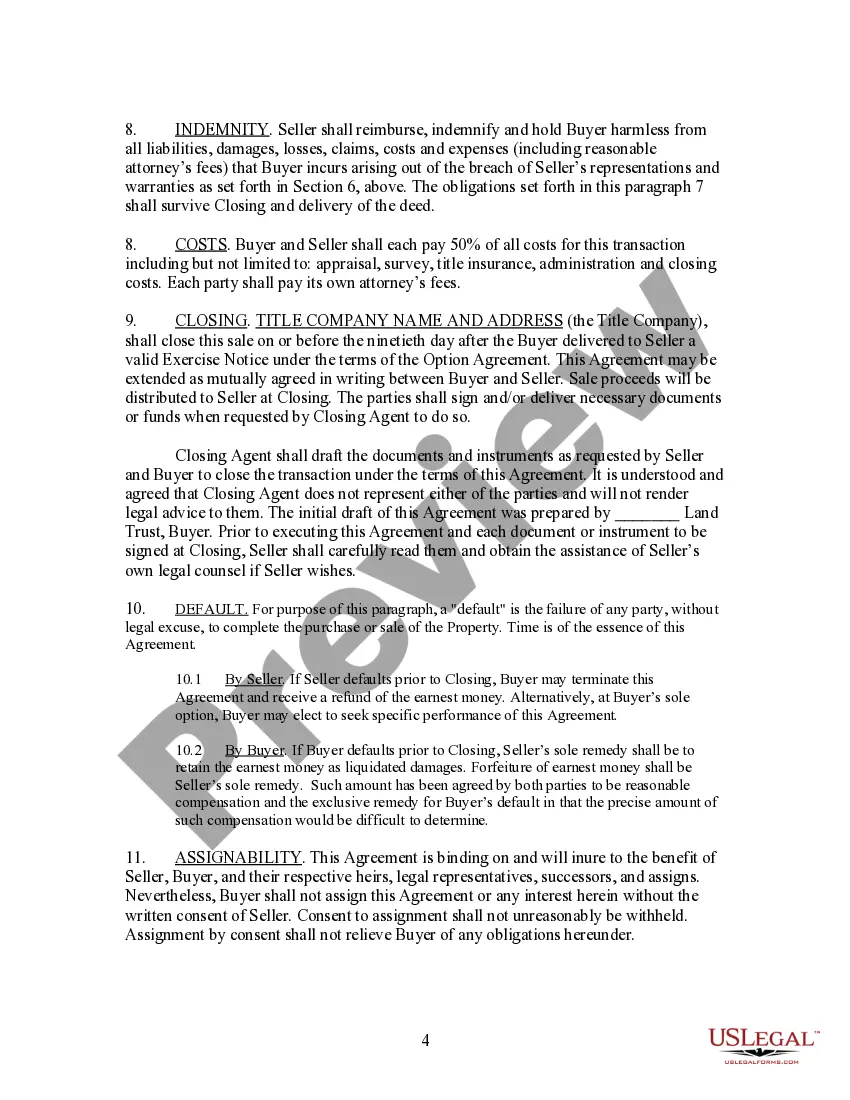
- Conditions for performance: Discusses the obligations of both parties and conditions required for closing the transaction.



When to use this document
This form is applicable in situations where a party wishes to establish a footpath or sidewalk on another party's land for public use. It is often used by municipalities, developers, or non-profit organizations seeking to enhance accessibility in an area. Additionally, this form is relevant when there is a need to formalize the use of a property for pedestrian purposes without infringing on the property owner's broader rights.
Intended users of this form
- Municipalities looking to create public sidewalks.
- Non-profit organizations advocating for pedestrian rights and accessibility.
- Developers planning residential or commercial projects that require easement for sidewalks.
- Private landowners willing to grant limited access for community purposes.
Completing this form step by step
- Identify the parties: Clearly state the names of the buyer and seller involved in the transaction.
- Specify the property: Include a detailed description of the property subject to the easement.
- Enter the financial terms: Detail the purchase price and payment schedule, including any earnest money required.
- Outline the easement rights: Define how the sidewalk can be used and any limitations on that use.
- Sign and date: Ensure all parties sign the document and indicate the date of signing to validate the agreement.
Does this form need to be notarized?
This form does not typically require notarization unless specified by local law.
Get your form ready online
Our built-in tools help you complete, sign, share, and store your documents in one place.
Make edits, fill in missing information, and update formatting in US Legal Forms—just like you would in MS Word.
Download a copy, print it, send it by email, or mail it via USPS—whatever works best for your next step.
Sign and collect signatures with our SignNow integration. Send to multiple recipients, set reminders, and more. Go Premium to unlock E-Sign.
If this form requires notarization, complete it online through a secure video call—no need to meet a notary in person or wait for an appointment.
We protect your documents and personal data by following strict security and privacy standards.

Make edits, fill in missing information, and update formatting in US Legal Forms—just like you would in MS Word.

Download a copy, print it, send it by email, or mail it via USPS—whatever works best for your next step.

Sign and collect signatures with our SignNow integration. Send to multiple recipients, set reminders, and more. Go Premium to unlock E-Sign.

If this form requires notarization, complete it online through a secure video call—no need to meet a notary in person or wait for an appointment.

We protect your documents and personal data by following strict security and privacy standards.
Common mistakes
- Failing to accurately describe the property, which can lead to misunderstandings or legal disputes.
- Not including all necessary parties in the agreement, which can invalidate the easement.
- Neglecting to specify the limitations on sidewalk use, potentially causing conflicts in the future.
Why complete this form online
- Immediate access to professionally drafted forms ensures that the document meets legal standards.
- Easy customization allows users to tailor the agreement to their specific needs and circumstances.
- Convenience of online completion means forms can be filled out anytime, anywhere, without needing to visit a lawyer's office.
Legal use & context
- The easement must be clearly defined to enforce the rights granted to the buyer.
- It is essential to ensure all local laws and zoning regulations are adhered to when completing this form.
- Proper execution of this form is vital for the legal protection of both parties involved.
Looking for another form?
Form popularity
FAQ
An easement gives the grantee the right to use the property for a certain purpose, but ownership remains with the grantor.
Yes, in most cases, you can build a fence on an easement. Fences are regularly built along or across easements.
Forming Easements in Ohio However, the document must be signed by the grantor and properly witnessed by two disinterested parties and recorded in the real estate records of the county in which the property is located.
A utility easement is a designated parcel of land that gives utility companies the right to access private property for the good of the community. For example, a utility company may have the right to trim a tree in your backyard if it's interfering with telephone lines.
When the grant of a right of way or easement is not in the form of a lawfully executed deed or lease, the county recorder of the county where the land is situated, upon the request of the company owning the right of way or easement, shall record such grant in the official records and index it.
Under Ohio law, the party seeking a prescriptive easement has the ?burden of proof? and must establish in Court that they have been using a neighbor's property in a manner that is (1) open; (2) notorious; (3) adverse to the neighbor's property rights; (4) continuous; and (5) at least 21 years in duration. J.F.
Generally, the owner of any easement has a duty to maintain the easement. If the easement is owned by more than one person, or is attached parcels of land under different ownership, each owner must share in the cost of maintaining the easement pursuant to their agreement.
What is a Deed of Easement? A deed of easement is a legal document that sets out the right to use another person's land for something you have agreed on. In every deed of easement case, there is one person that wants to use another person's land in a certain way.