Grant of Easement with Warranty
Overview of this form
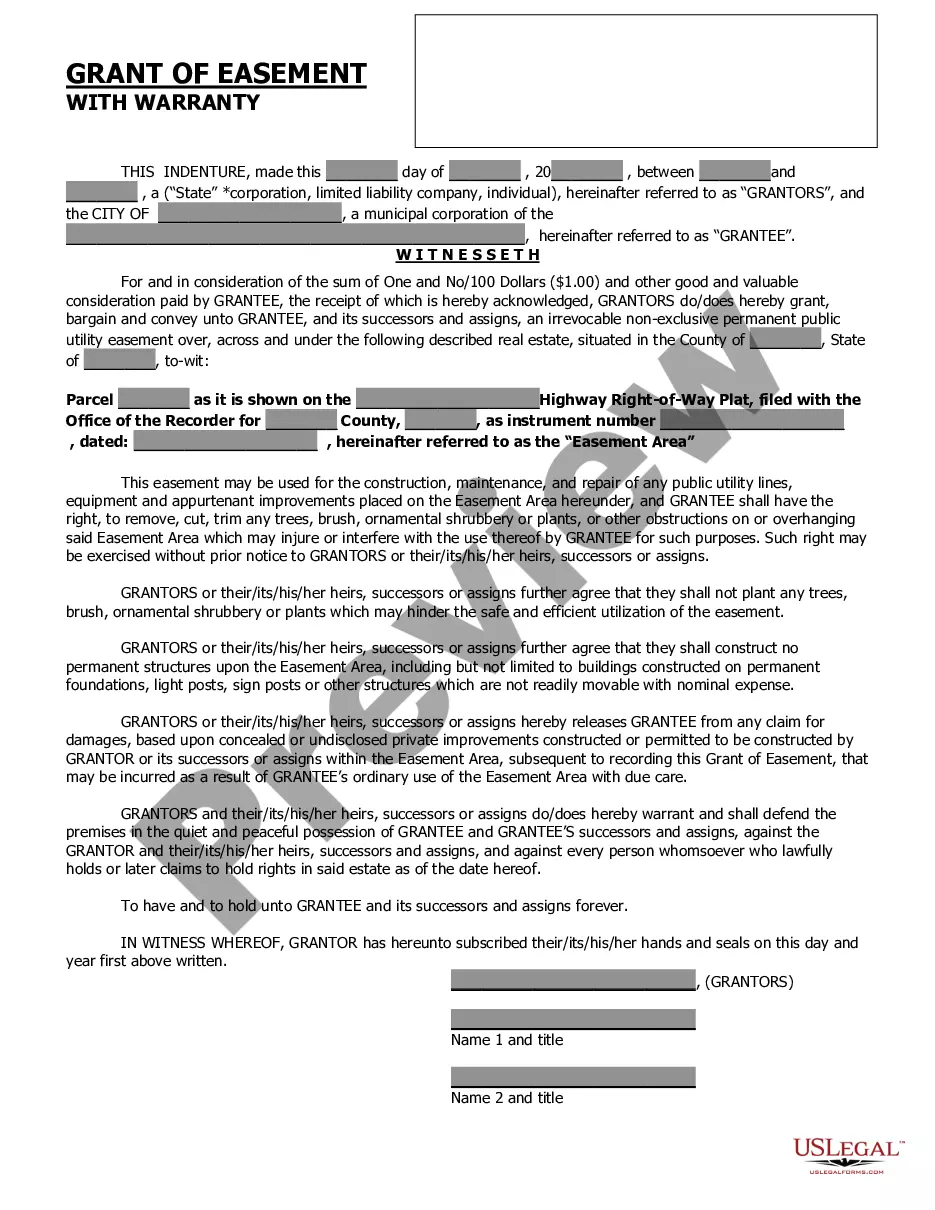
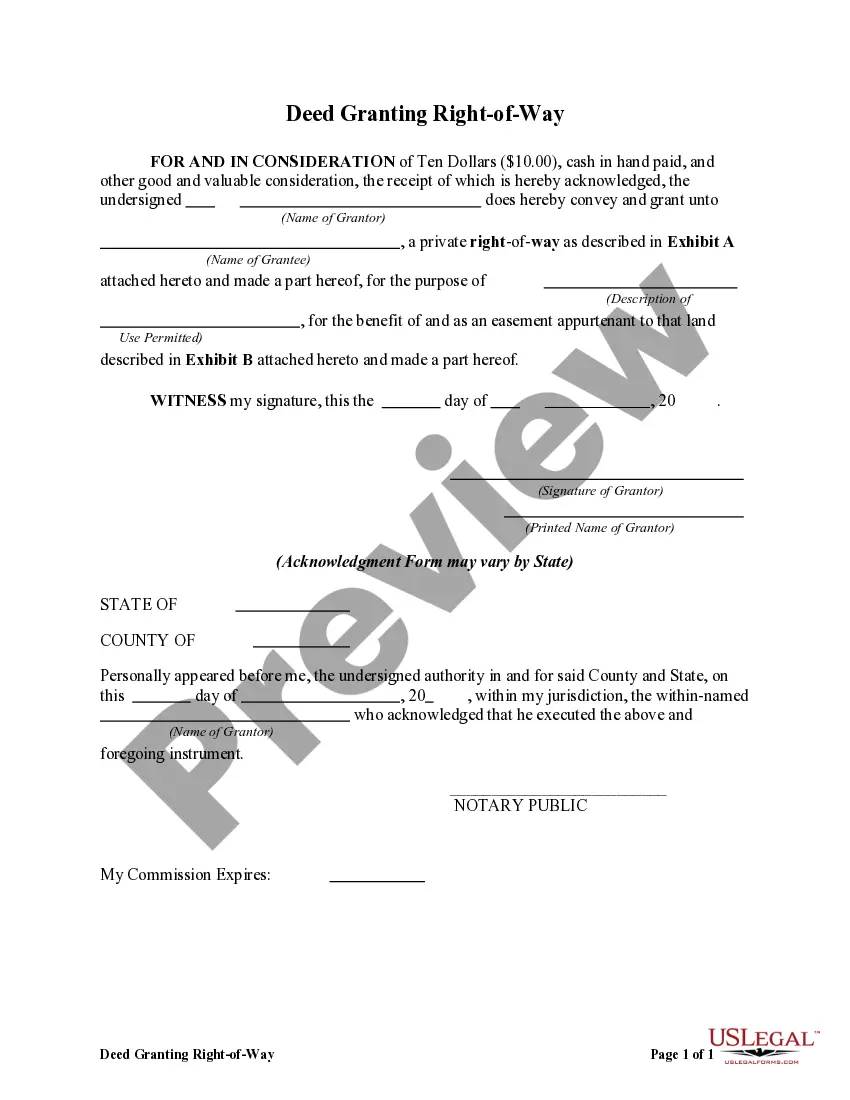
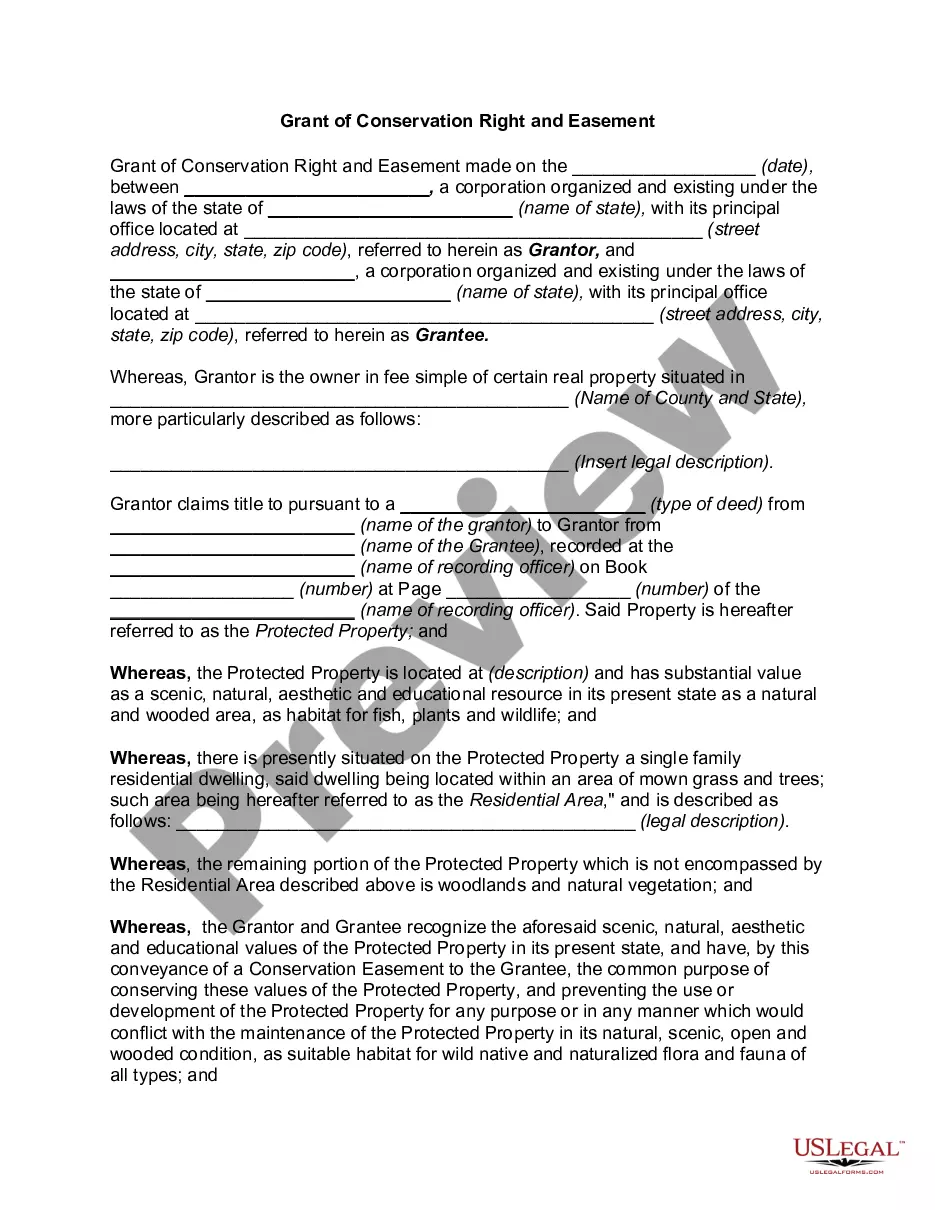
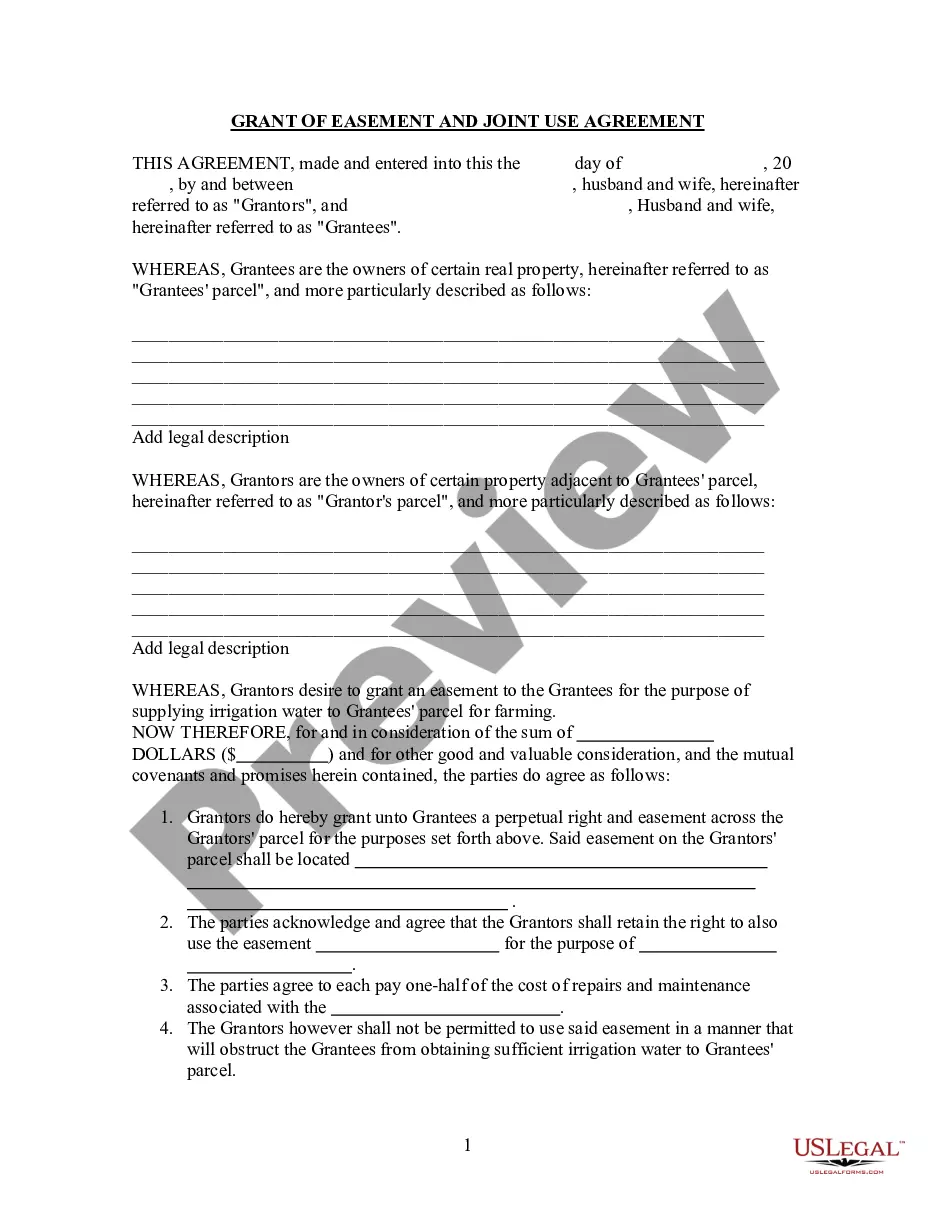
The Grant of Easement with Warranty is a legal document that allows one party to convey specific rights to another party regarding the use of a tract of land for a limited purpose. This form ensures that the easement is granted without transferring possession of the land itself. Different from a lease or license, this easement allows the grantee to use the property for utility purposes while providing protections for both parties involved.
What’s included in this form
- Grantor and Grantee Identification: Names and details of the parties involved in the easement agreement.
- Consideration Clause: A declaration acknowledging compensation for the easement.
- Easement Description: Detailed description of the property subject to the easement, including legal descriptions.
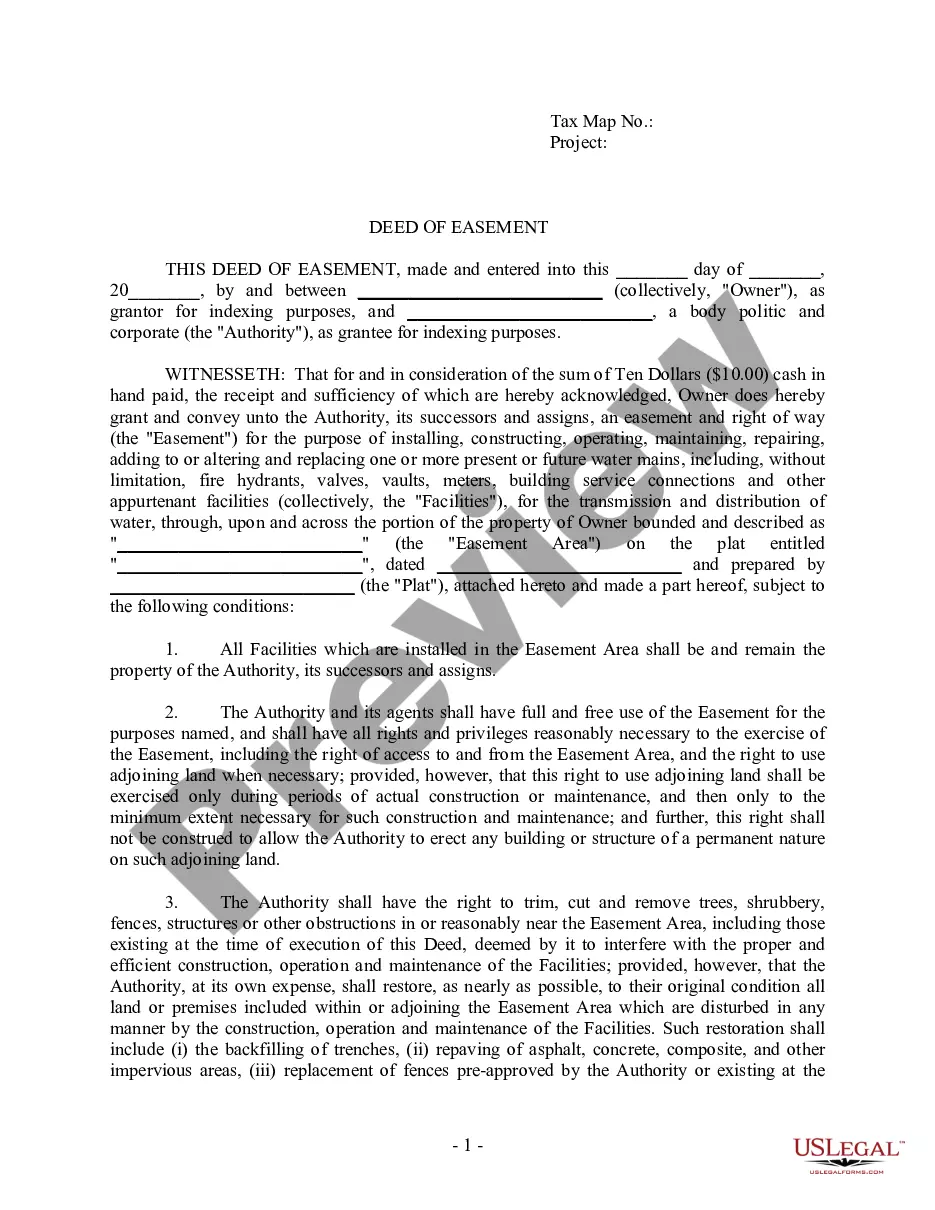
- Use Rights: Specific rights granted to the grantee for constructing, maintaining, and repairing utility lines.
- Obligations of Grantors: Restrictions on planting and constructing on the easement area.
- Warranties: Assurance from the grantor regarding peaceful possession and defend against claims.

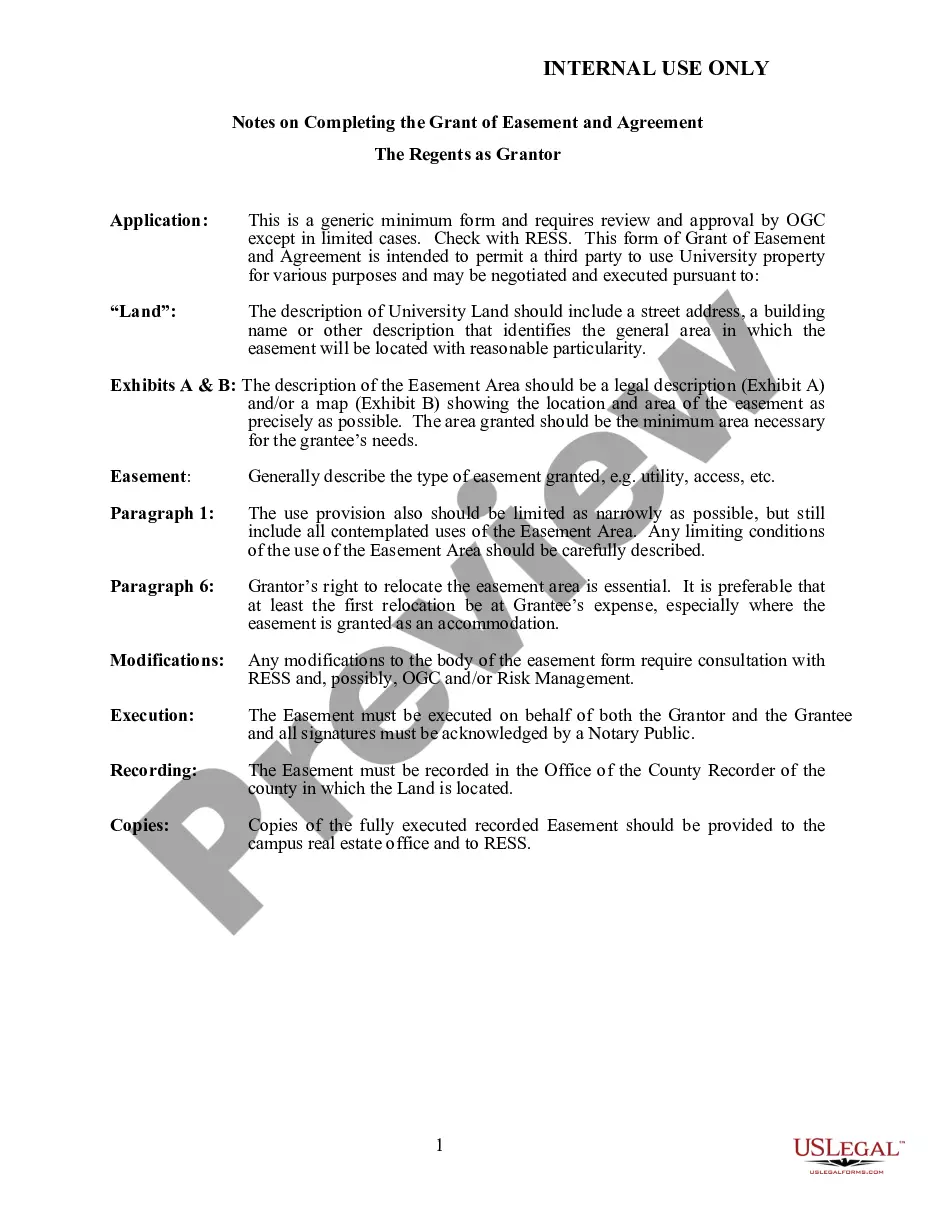
Situations where this form applies
This form is necessary when a landowner (grantor) needs to allow a utility company or municipality (grantee) to access their property for the installation or maintenance of public utilities. Situations may include granting access for power lines, water pipes, or telecommunications infrastructure where the underlying property remains under the ownership of the grantor.
Who this form is for
This form is intended for:
- Property owners looking to grant an easement to a utility provider.
- Municipalities that require rights to access and use private land for public utility services.
- Landowners who want to ensure clear legal rights and responsibilities regarding easement use.
Steps to complete this form
- Identify the parties involved: clearly fill in the information for both the grantor(s) and grantee.
- Specify the property: accurately describe the property being granted for the easement.
- Enter the consideration: input the agreed monetary value or other consideration for the easement.
- Outline the rights granted: detail the specific uses allowable under the easement.
- Obtain signatures: ensure all parties sign and date the document in the designated locations.
- Arrange for notarization: if required, get the form notarized to validate the agreement.
Is notarization required?
Yes, this form must be notarized to be legally valid. Notarization ensures that the signatures are genuine and that the parties involved have entered into the agreement knowingly. US Legal Forms offers integrated online notarization services available twenty-four hours a day, providing a secure and legal method to complete this process without the need for in-person meetings.
Get your form ready online
Our built-in tools help you complete, sign, share, and store your documents in one place.
Make edits, fill in missing information, and update formatting in US Legal Forms—just like you would in MS Word.
Download a copy, print it, send it by email, or mail it via USPS—whatever works best for your next step.
Sign and collect signatures with our SignNow integration. Send to multiple recipients, set reminders, and more. Go Premium to unlock E-Sign.
If this form requires notarization, complete it online through a secure video call—no need to meet a notary in person or wait for an appointment.
We protect your documents and personal data by following strict security and privacy standards.

Make edits, fill in missing information, and update formatting in US Legal Forms—just like you would in MS Word.

Download a copy, print it, send it by email, or mail it via USPS—whatever works best for your next step.

Sign and collect signatures with our SignNow integration. Send to multiple recipients, set reminders, and more. Go Premium to unlock E-Sign.

If this form requires notarization, complete it online through a secure video call—no need to meet a notary in person or wait for an appointment.

We protect your documents and personal data by following strict security and privacy standards.
Typical mistakes to avoid
- Failing to provide a complete legal description of the property.
- Not specifying the rights and limitations clearly.
- Neglecting to obtain necessary signatures or notarization, if required.
- Leaving out important details about the grantorsâ obligations.
Why complete this form online
- Immediate access to a professionally drafted legal document.
- The ability to fill out and customize the form at your convenience.
- Reliability from using templates created by licensed attorneys.
Looking for another form?
Form popularity
FAQ
Section 845 - Owner of easement in nature of private right-of-way (a) The owner of any easement in the nature of a private right-of-way, or of any land to which any such easement is attached, shall maintain it in repair.
An example of an easement by necessity is any property that is landlocked by the surrounding property will not have travel access to other areas. This means that, by necessity, occupants of the landlocked properties will have to travel through a road or path to gain access to public roads.
Section 803 - Dominant tenement, servient tenement. The land to which an easement is attached is called the dominant tenement; the land upon which a burden or servitude is laid is called the servient tenement.
No person shall drive a motor vehicle upon a private road unless they hold a driver's license issued under the provisions of the California Vehicle Code, except such persons as are expressly exempted under the California Vehicle Code.
Section 845 of the California Civil Code provides in part that the owner of an easement is responsible for maintaining it.
FHA: A Private Road Maintenance Agreement is not required, however you will be asked to provide a recorded road easement.
"Private road or driveway" is a way or place in private ownership and used for vehicular travel by the owner and those having express or implied permission from the owner but not by other members of the public. Ca.