Gutter Services Contract - Self-Employed
About this form
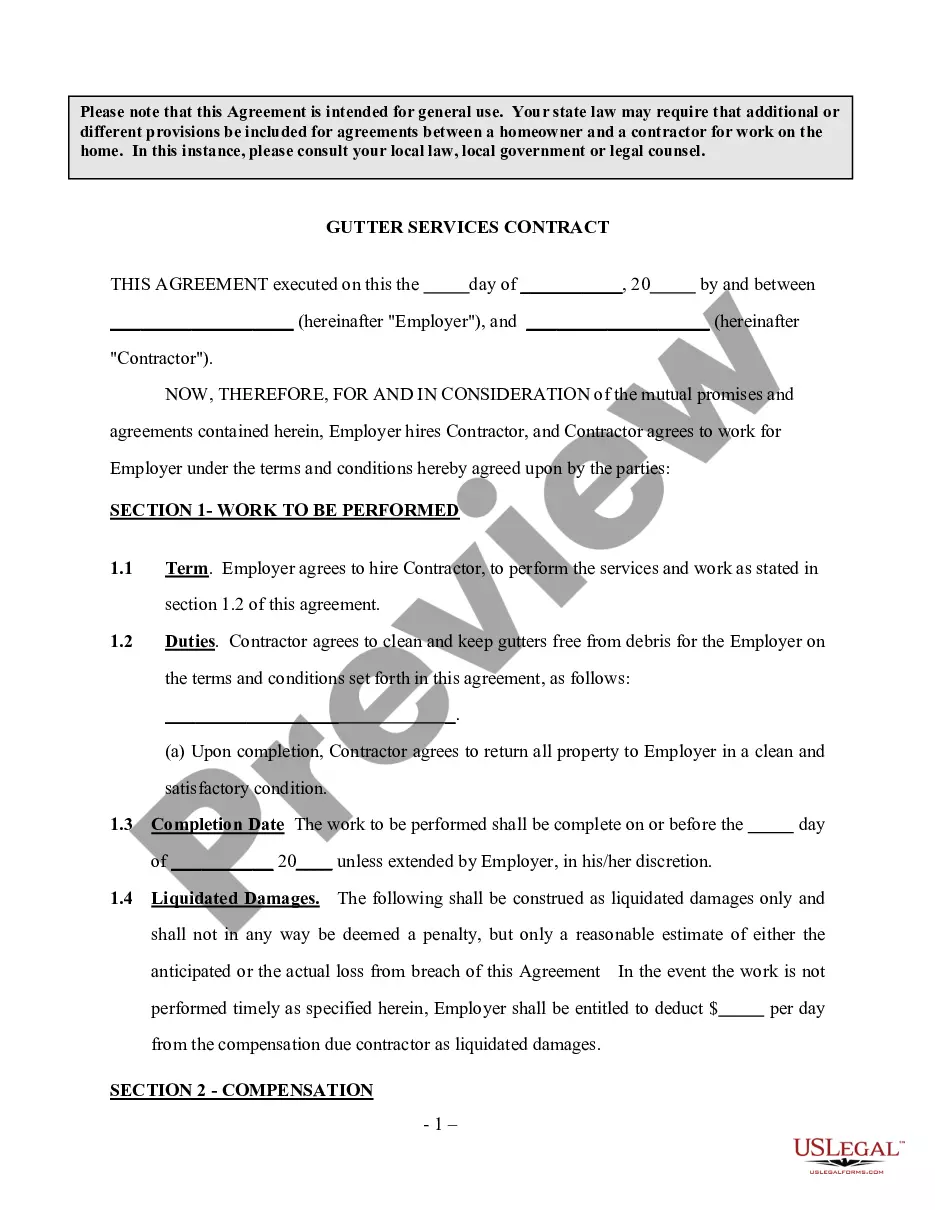
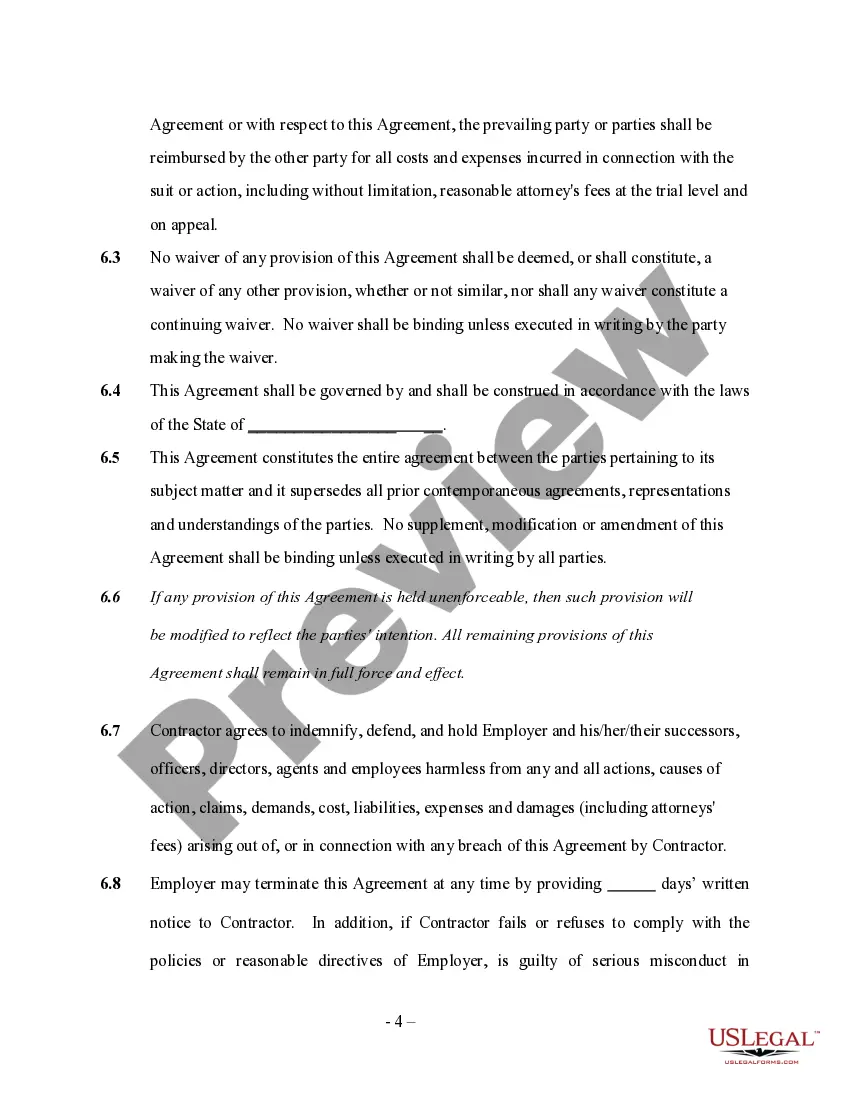
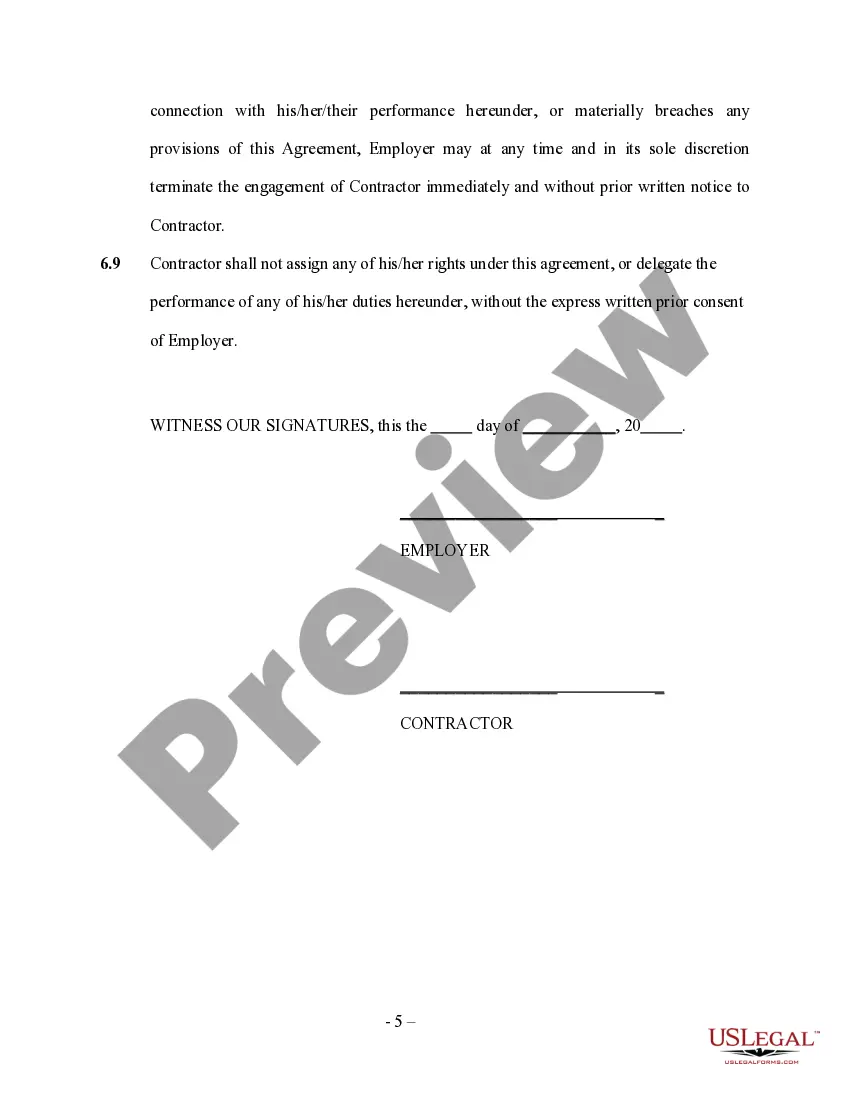
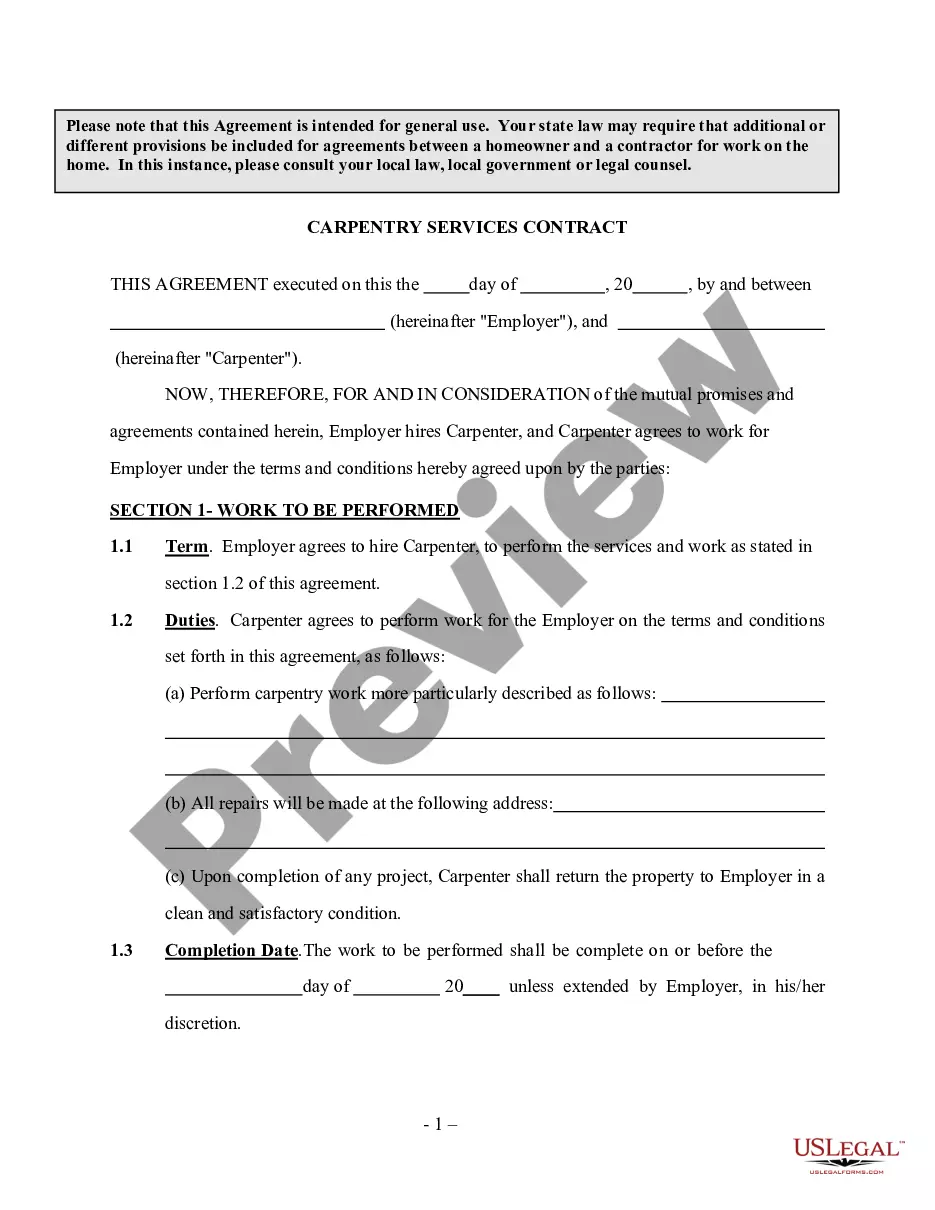
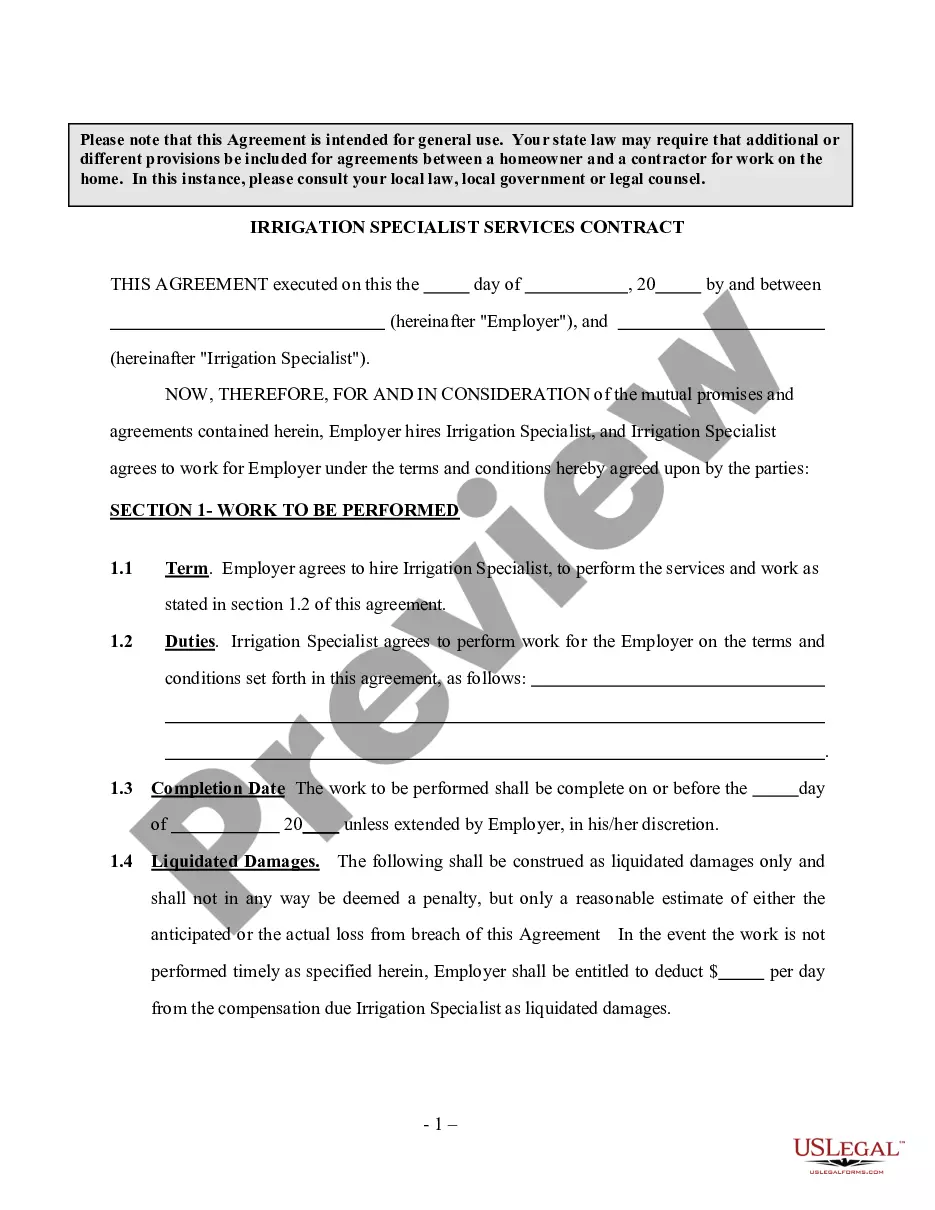
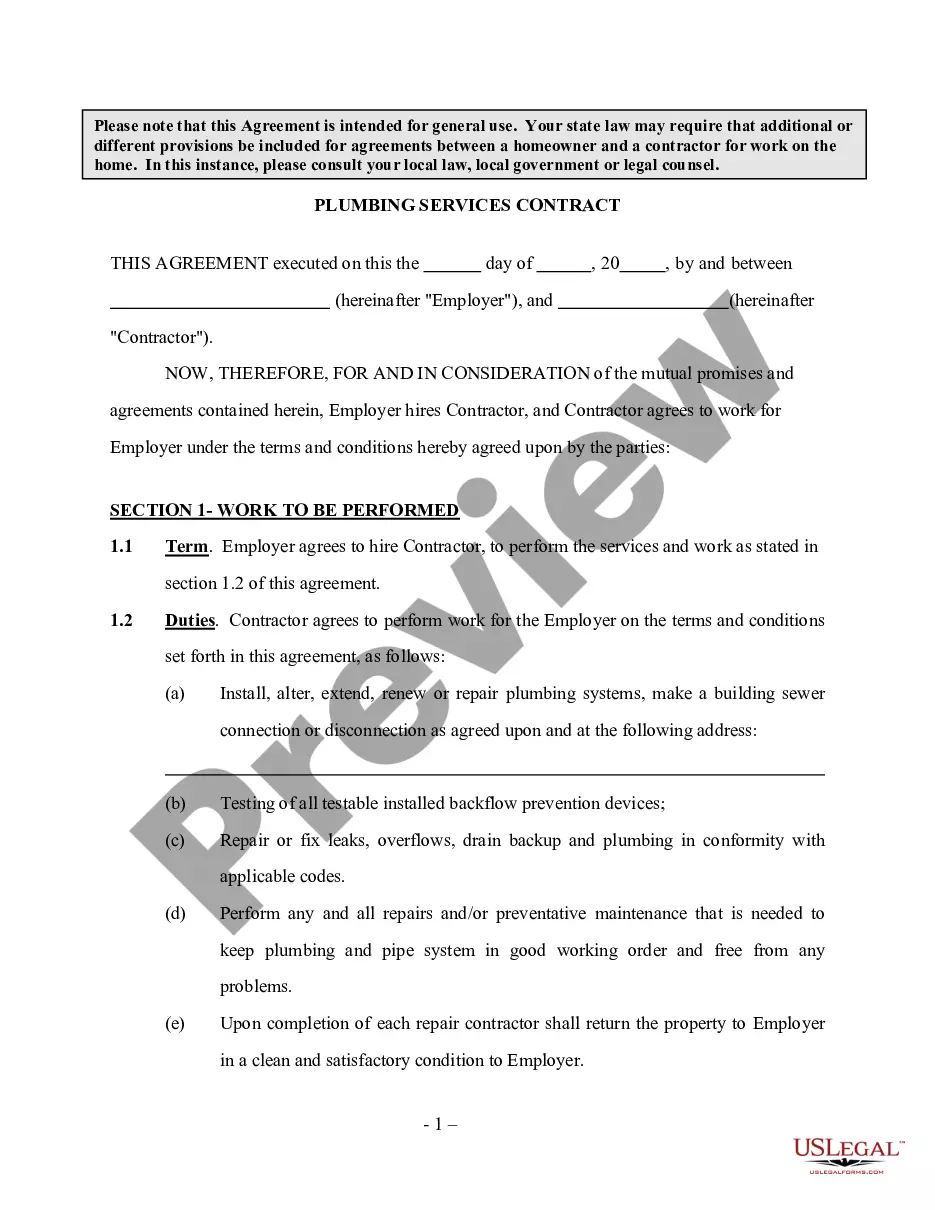
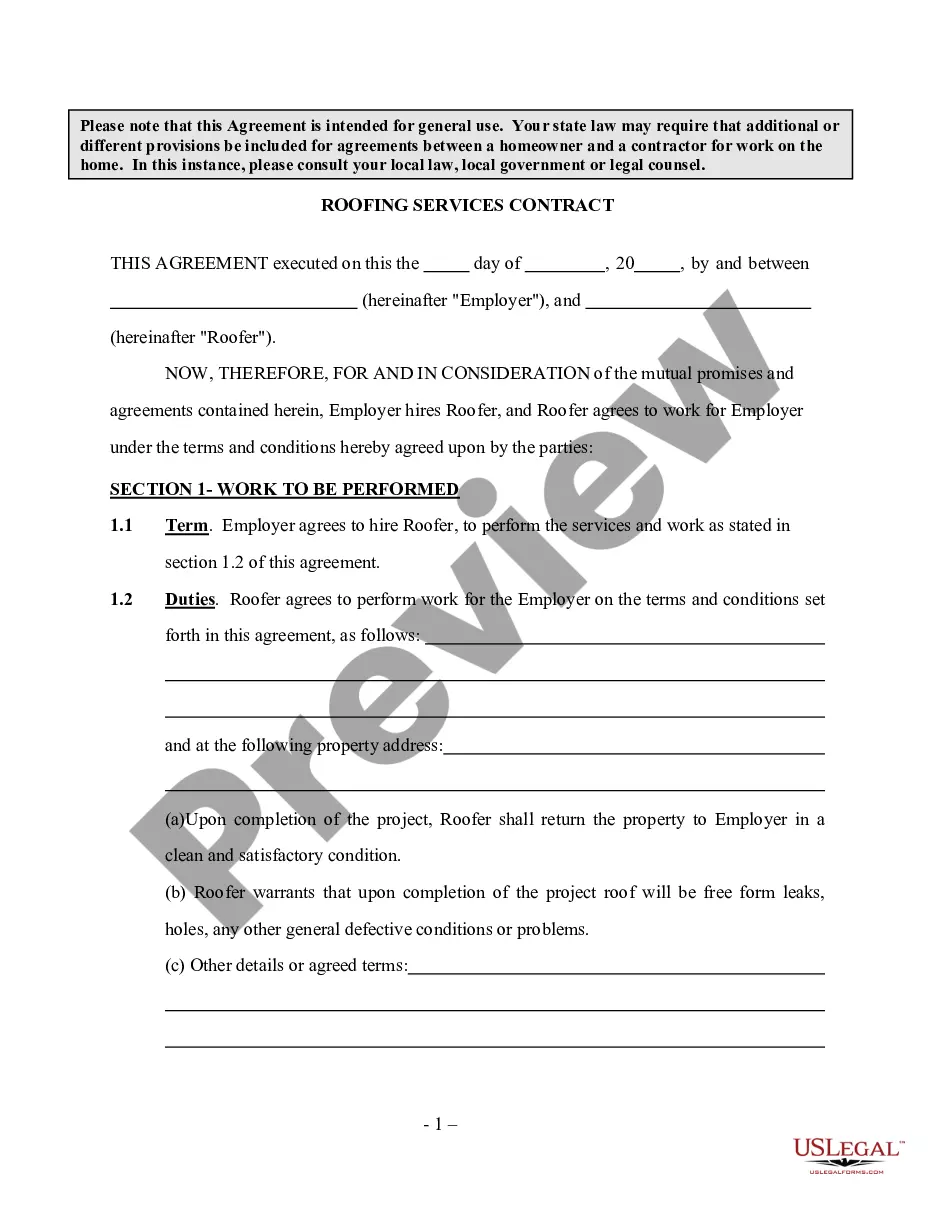
The Gutter Services Contract - Self-Employed is a legal agreement between an employer and an independent contractor for gutter installation, servicing, and cleaning. This contract ensures that both parties are clear on their responsibilities, compensation, and the independent status of the contractor. Unlike employment contracts, this form emphasizes that the contractor operates independently and is responsible for their own taxes and liabilities.
Form components explained
- Details of the work to be performed, including services like cleaning and installing gutters.
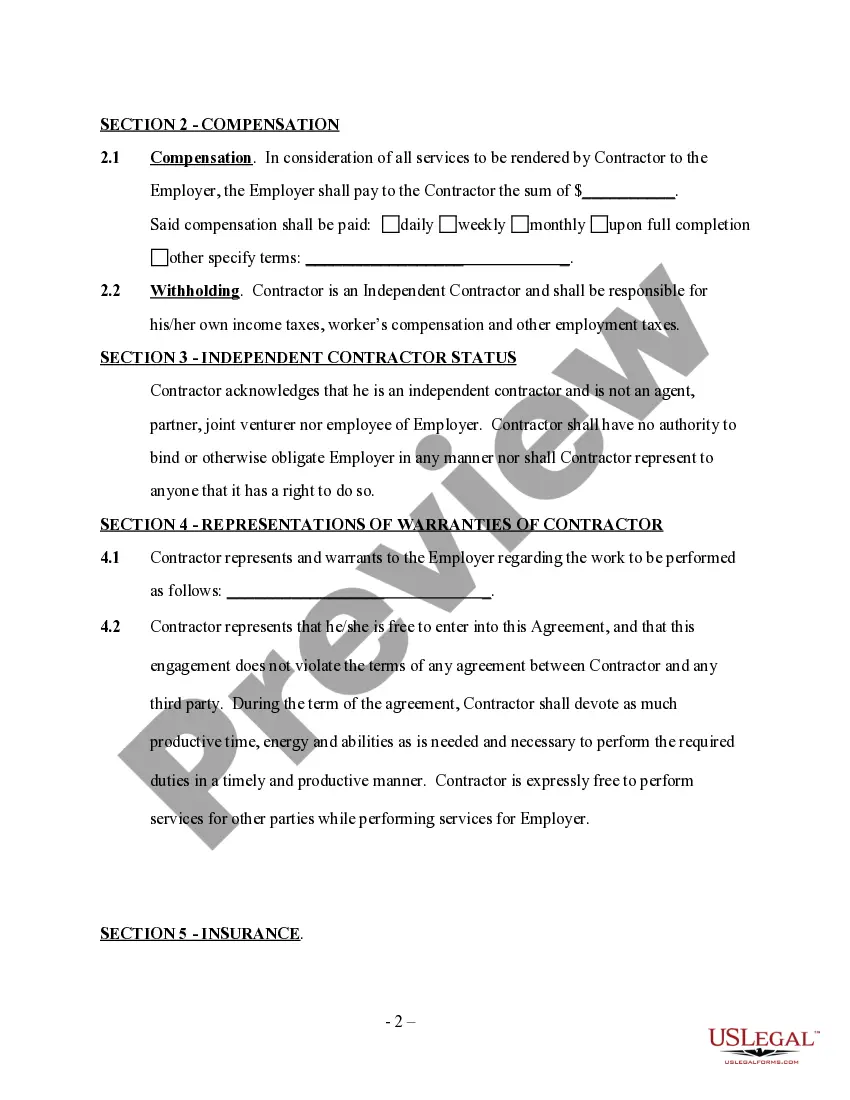
- Terms of compensation, specifying the payment structure (e.g., daily, weekly, or upon completion).
- A declaration of the contractor's independent status and clarification that they are not an employee.
- Warranties made by the contractor regarding their ability to fulfill the contract.
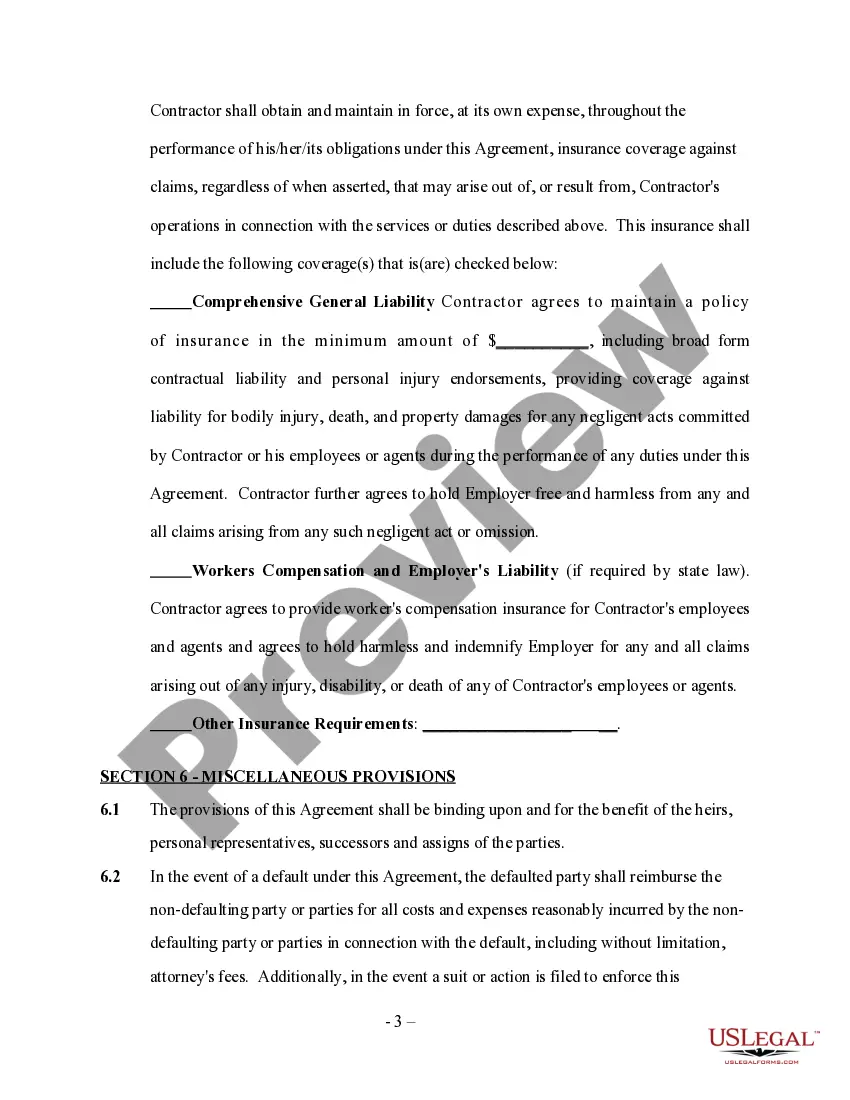
- Provisions concerning insurance and liabilities in case of default.
When this form is needed
This form is ideal for homeowners or businesses seeking to hire a contractor for gutter-related services. Use this contract when you need a clear, written agreement that outlines the expectations, responsibilities, and payment terms for the work to be done. It is especially useful for maintaining a formal record in case of disputes or misunderstandings about the scope of work or compensation.
Intended users of this form
- Homeowners hiring independent contractors for gutter cleaning or installation services.
- Contractors offering gutter services who want to formalize agreements with clients.
- Property management companies that engage contractors for maintenance work on residential or commercial properties.
How to complete this form
- Identify the parties involved by filling in the names and addresses of the employer and contractor.
- Specify the services to be performed by the contractor, detailing the nature of gutter installation or cleaning services.
- Outline the terms of compensation, including the total amount and payment schedule.
- Include any warranties or representations made by the contractor regarding their qualifications and ability to perform the work.
- Both parties should sign and date the agreement to formalize the contract.
Notarization guidance
Notarization is not commonly needed for this form. However, certain documents or local rules may make it necessary. Our notarization service, powered by Notarize, allows you to finalize it securely online anytime, day or night.
Get your form ready online
Our built-in tools help you complete, sign, share, and store your documents in one place.
Make edits, fill in missing information, and update formatting in US Legal Forms—just like you would in MS Word.
Download a copy, print it, send it by email, or mail it via USPS—whatever works best for your next step.
Sign and collect signatures with our SignNow integration. Send to multiple recipients, set reminders, and more. Go Premium to unlock E-Sign.
If this form requires notarization, complete it online through a secure video call—no need to meet a notary in person or wait for an appointment.
We protect your documents and personal data by following strict security and privacy standards.

Make edits, fill in missing information, and update formatting in US Legal Forms—just like you would in MS Word.

Download a copy, print it, send it by email, or mail it via USPS—whatever works best for your next step.

Sign and collect signatures with our SignNow integration. Send to multiple recipients, set reminders, and more. Go Premium to unlock E-Sign.

If this form requires notarization, complete it online through a secure video call—no need to meet a notary in person or wait for an appointment.

We protect your documents and personal data by following strict security and privacy standards.
Common mistakes
- Not clearly defining the scope of work, which can lead to misunderstandings.
- Failing to specify payment terms, leading to disputes over compensation.
- Neglecting to include clauses regarding insurance and liabilities.
- Omitting signatures or dates from the contract, which may affect enforceability.
Advantages of online completion
- Convenience of completing the form at any time from anywhere.
- Editable fields allow for customization based on specific service agreements.
- Access to legal templates drafted by licensed attorneys enhances reliability.
- Quick downloads ensure immediate use without the need for physical paperwork.
Legal use & context
- This contract is legally binding once signed by both parties.
- The independent contractor is responsible for their own tax obligations.
- Contracts should comply with applicable state laws regarding contractor agreements.
Quick recap
- The Gutter Services Contract - Self-Employed formalizes the relationship between a homeowner and a contractor.
- Clearly outlining services and payment terms is essential to prevent disputes.
- Always consider state-specific regulations that may impact the agreement.
Looking for another form?
Form popularity
FAQ
Writing Your Construction Contract. Write the title and a little preamble. Your title should describe the purpose of the contract. The preamble should simply state basics like: the date the agreement was entered into, the parties' names, the project, the work site location, and work commencement and end dates.
Workers who complete tasks or work on individual projects will fall under a 1099. An independent contractor is able to earn a living on his or her own rather than depending on an employer.
Yes, employees still have better benefits and job security, but now 1099 contractors and self-employed individuals will pay considerably lower taxes on equivalent pay so long as you qualify for the deduction and stay under certain high income limits.
An independent contractor agreement, also known as a '1099 agreement', is a contract between a client willing to pay for the performance of services by a contractor.In most cases, the contractor is paid on a per-job basis and not by the hour, unless, the contractor is a lawyer, accountant, or equivalent.
Terms. This is the first section of any agreement or contract and states the names and locations of the parties involved. Responsibilities & Deliverables. Payment-Related Details. Confidentiality Clause. Contract Termination. Choice of Law.
An Independent Contractor Agreement is a written contract that spells out the terms of the working arrangement between a contractor and client, including: A description of the services provided. Terms and length of the project or service. Payment details (including deposits, retainers, and other billing details)
For most types of projects you hire an independent contractor (IC) to do, the law does not require you to put anything in writing. You can meet with the IC, agree on the terms of your arrangement, and have an oral contract or agreement that is legally binding. Just because you can doesn't mean you should, however.
The IRS requires contractors to fill out a Form W-9, request for Taxpayer Identification Number and Certification, which you should keep on file for at least four years after the hiring. This form is used to request the correct name and Taxpayer Identification Number, or TIN, of the worker or their entity.
An independent contractor agreement is a document that an employer uses to hire a freelancer for a specific job. By extension, it distinguishes the independent contractor from an employee of the business for legal and tax purposes.