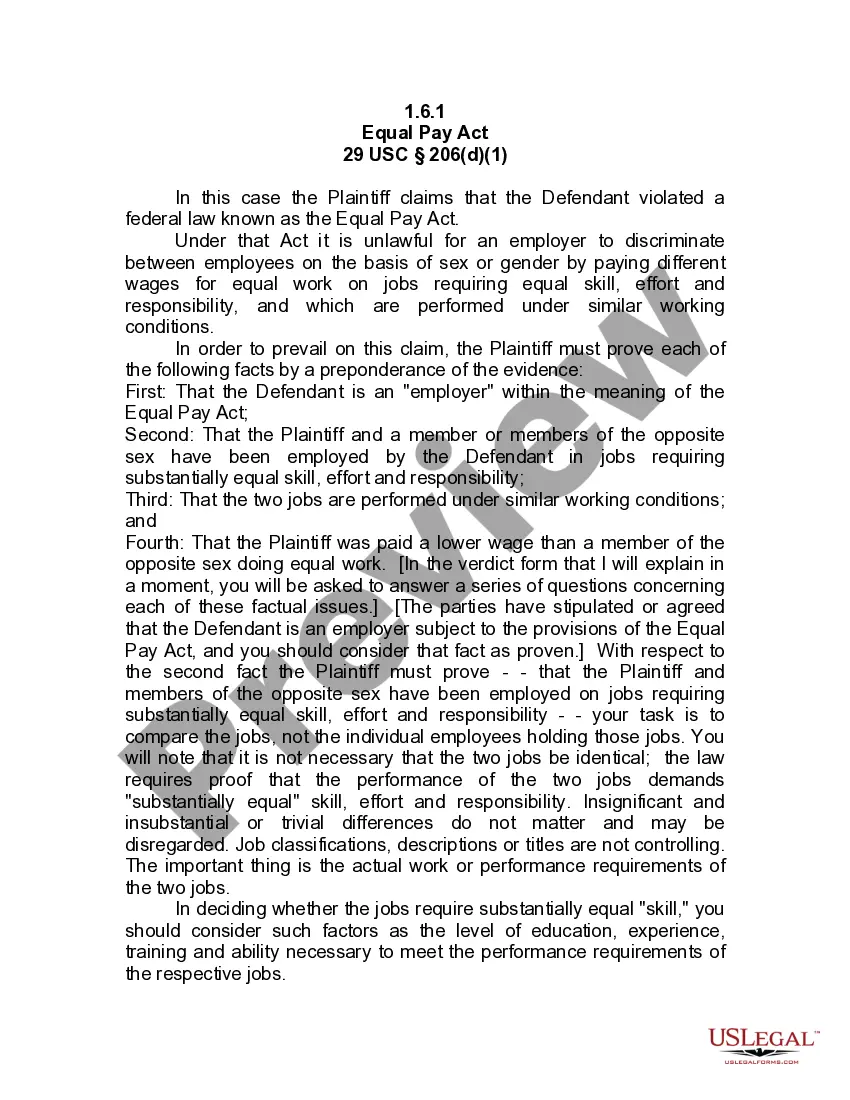
The Equal Pay Act is a federal law passed in 1963 that prohibits discrimination in pay based on sex. It is a part of the Fair Labor Standards Act and applies to all employers in the United States with more than 15 employees. The Equal Pay Act requires that men and women be given equal pay for equal work in the same establishment. This includes equal pay for work that is substantially equal in skill, effort, and responsibility, and performed under similar working conditions. The Equal Pay Act also prohibits employers from providing compensation to employees of one sex at a rate less than that of the opposite sex for equal work. The Equal Pay Act applies to wages, salary, overtime pay, bonuses, profit-sharing, stock options, life insurance, vacation and holiday pay, cleaning or laundry allowances, and other benefits. It applies to all forms of compensation, including salary, overtime, bonuses, profit-sharing, stock options, life insurance, vacation and holiday pay, and other benefits. There are two different types of Equal Pay Acts: the Equal Pay Act of 1963 and the Lilly Led better Fair Pay Act of 2009. The Equal Pay Act of 1963 prohibits wage discrimination based on sex. The Lilly Led better Fair Pay Act of 2009 expands the scope of the Equal Pay Act of 1963 to include a broader range of discriminatory practices, such as those related to pay secrecy, pay equity, and retaliation for filing a wage discrimination complaint.
Equal Pay Act
Description
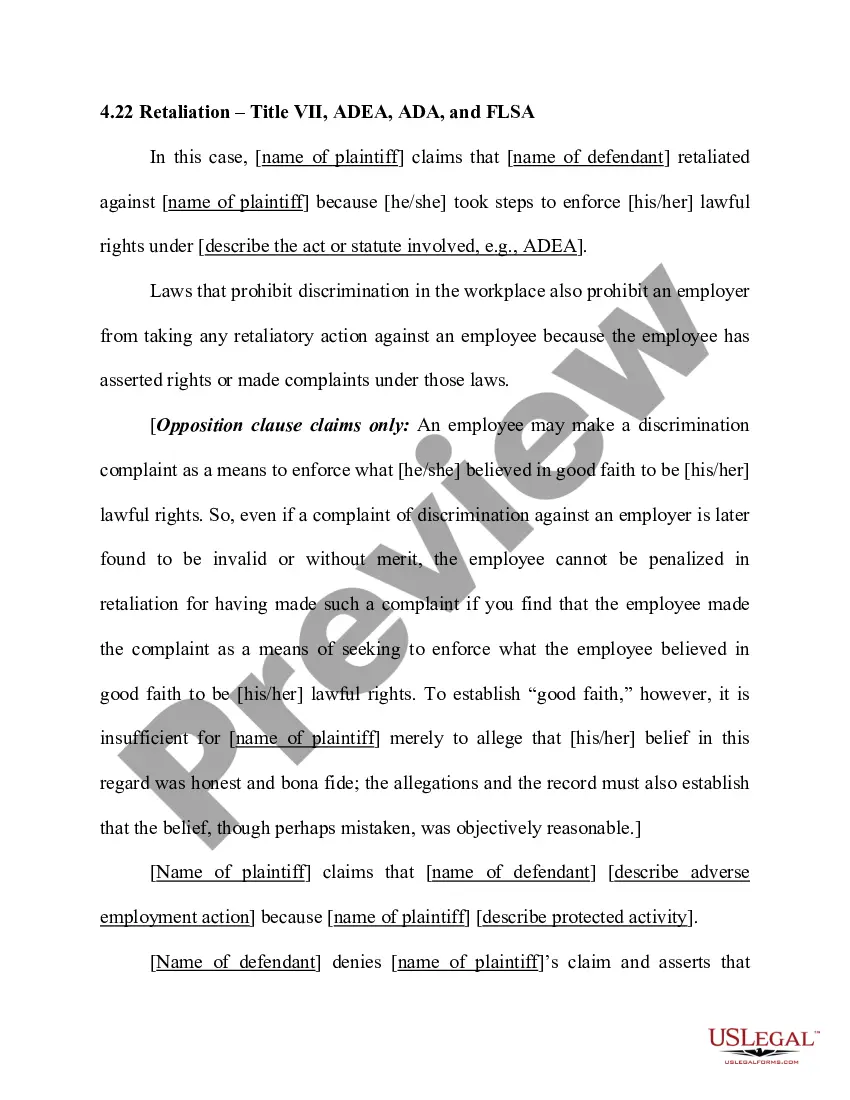
How to fill out Equal Pay Act?
If you’re looking for a way to properly complete the Equal Pay Act without hiring a lawyer, then you’re just in the right spot. US Legal Forms has proven itself as the most extensive and reputable library of formal templates for every individual and business situation. Every piece of documentation you find on our online service is drafted in accordance with nationwide and state regulations, so you can be certain that your documents are in order.
Adhere to these straightforward guidelines on how to obtain the ready-to-use Equal Pay Act:
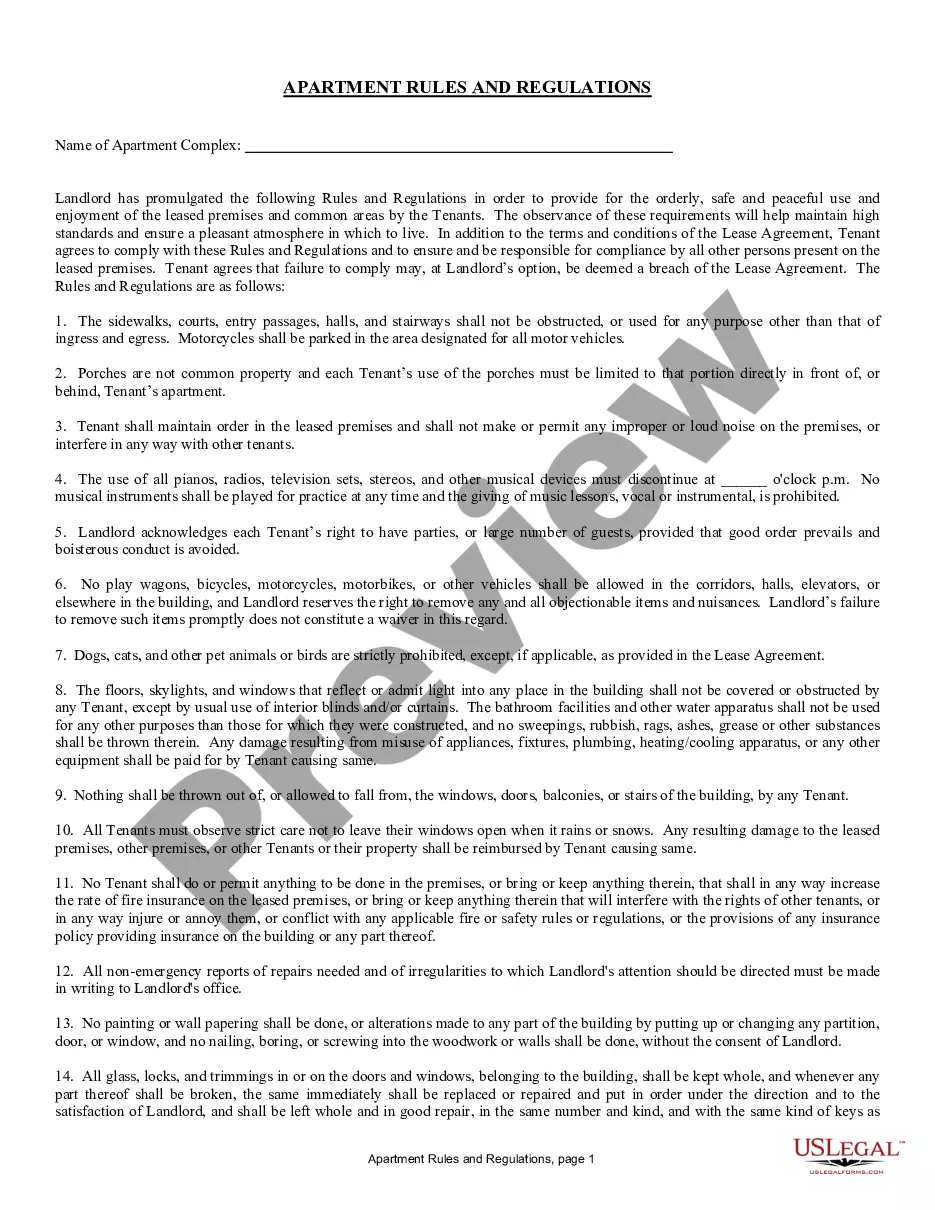
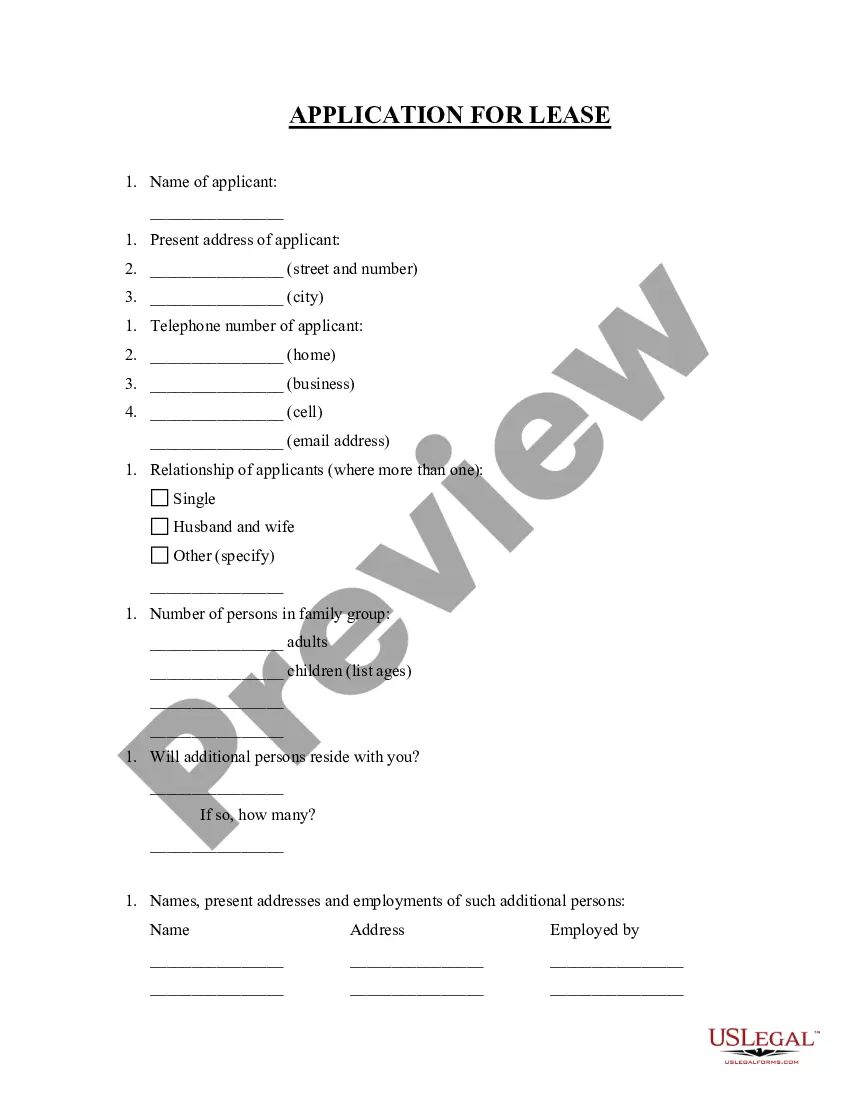
- Make sure the document you see on the page meets your legal situation and state regulations by checking its text description or looking through the Preview mode.
- Type in the document name in the Search tab on the top of the page and choose your state from the list to locate an alternative template if there are any inconsistencies.
- Repeat with the content check and click Buy now when you are confident with the paperwork compliance with all the requirements.
- Log in to your account and click Download. Sign up for the service and select the subscription plan if you still don’t have one.
- Use your credit card or the PayPal option to purchase your US Legal Forms subscription. The blank will be available to download right after.
- Choose in what format you want to save your Equal Pay Act and download it by clicking the appropriate button.
- Add your template to an online editor to complete and sign it rapidly or print it out to prepare your hard copy manually.
Another wonderful thing about US Legal Forms is that you never lose the paperwork you purchased - you can find any of your downloaded templates in the My Forms tab of your profile whenever you need it.
Form popularity
FAQ
The Equal Pay Act 1970 was an Act of the Parliament of the United Kingdom that prohibited any less favourable treatment between men and women in terms of pay and conditions of employment. The Act was proposed by the then Labour government, and was based on the Equal Pay Act of 1963 of the United States.
The Equal Pay Act (EPA) protects individuals of all sexes. All forms of compensation are covered, including salary, overtime pay, bonuses, life insurance, vacation and holiday pay, cleaning or gasoline allowances, hotel accommodations, reimbursement for travel expenses, and benefits.
To prohibit discrimination on account of sex in the payment of wages by employers engaged in commerce or in the production of goods for commerce.
An example of a violation of the Equal Pay Act is when a male manager receives a higher salary than a female manager with the same job title or duties.
The Equal Pay Act requires that men and women in the same workplace be given equal pay for equal work. The jobs need not be identical, but they must be substantially equal.
The Lilly Ledbetter Fair Pay Act of 2009 is a law enacted by Congress to bolster worker protections against pay discrimination. The Act allows individuals facing pay discrimination to seek rectification under federal anti-discrimination laws.
To prohibit discrimination on account of sex in the payment of wages by employers engaged in commerce or in the production of goods for commerce. Be it enacted by the Senate and House of Representatives of the United States of America in Congress assembled, That this Act may be cited as the "Equal Pay Act of 1963."
The Equal Pay Act of 1963, amending the Fair Labor Standards Act, protects against wage discrimination based on sex. The Equal Pay Act (EPA) protects individuals of all sexes.