Miscellaneous Issues - Joint Employers
What is this form?
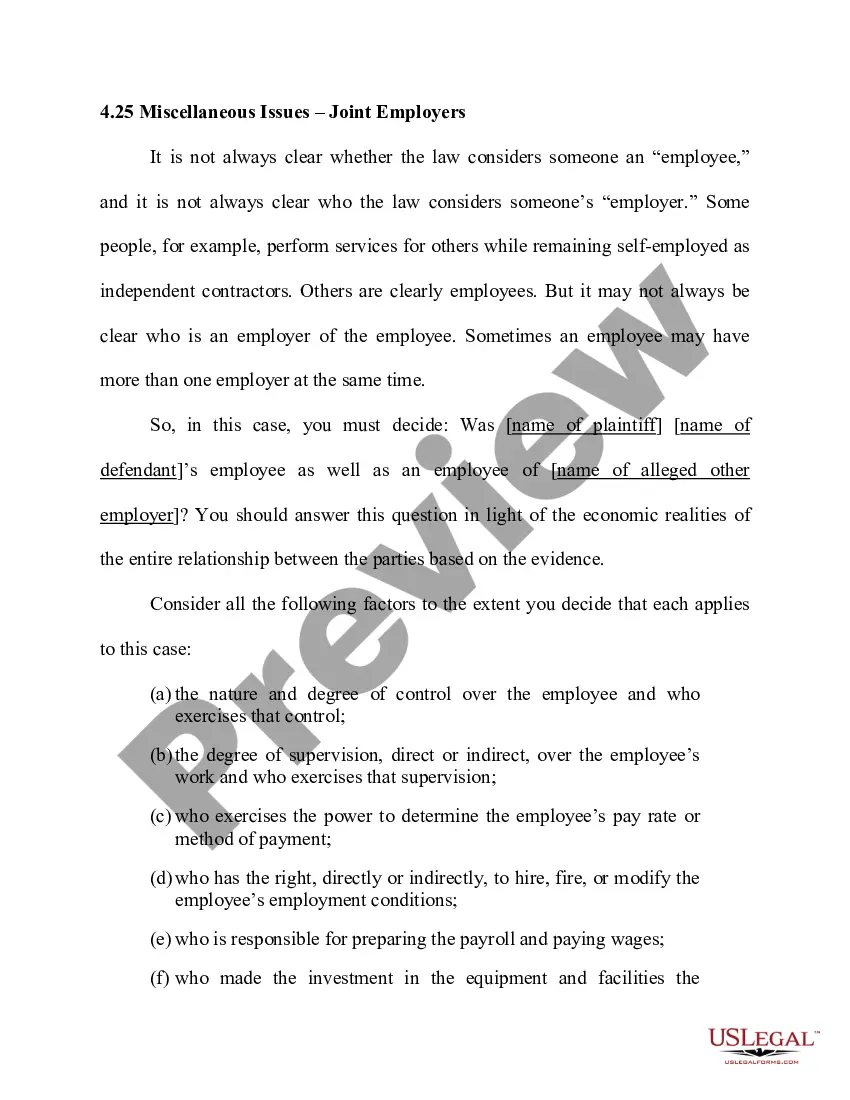
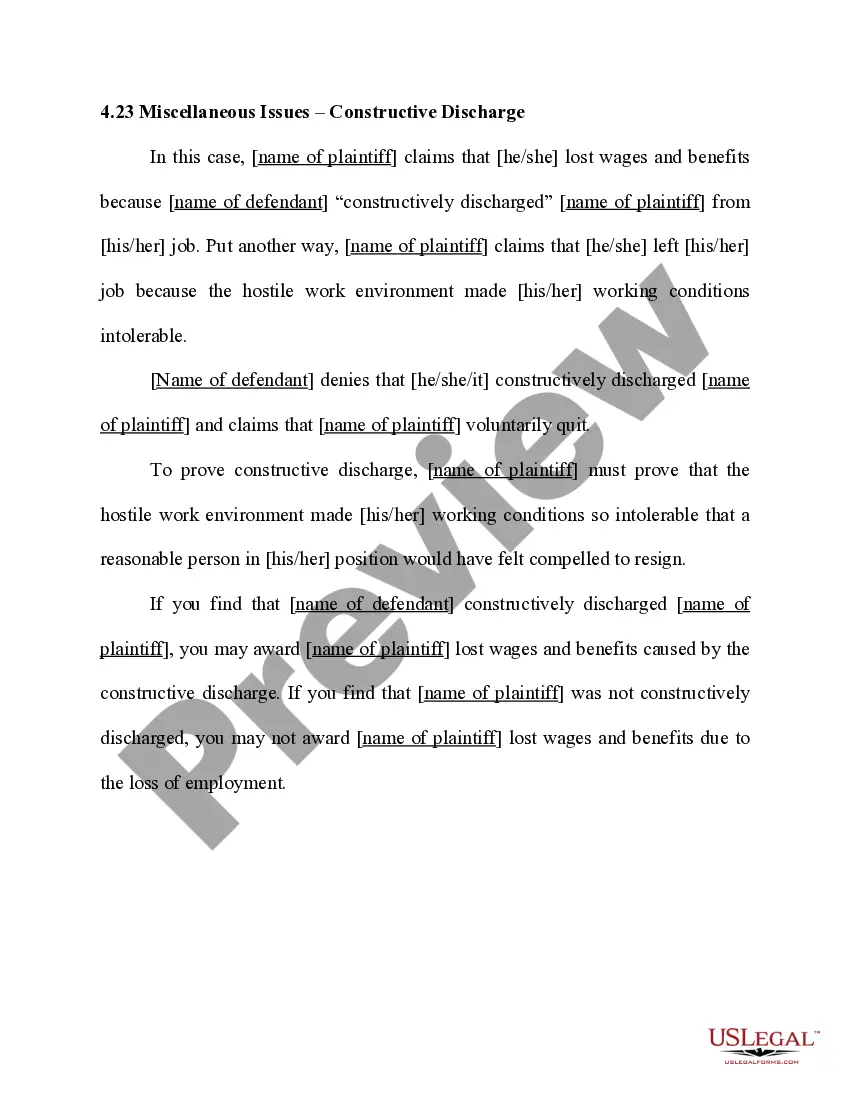
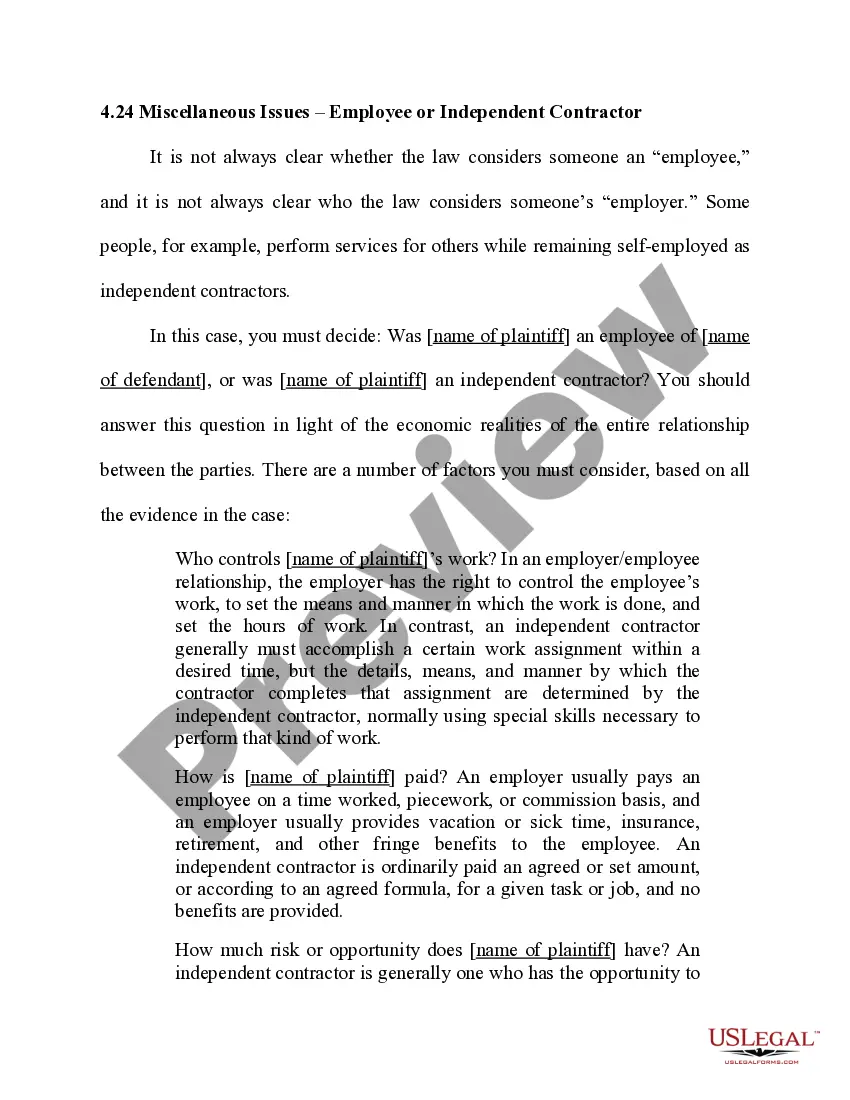
The Miscellaneous Issues - Joint Employers form assists in determining the relationship between an employee and multiple employers. This form is particularly important in situations where it is unclear who is considered the employer. It guides users in evaluating various factors to assess if an employee may have multiple employers, providing clarity in complex work relationships.
What’s included in this form
- Definition of employee and employer roles in a joint employment scenario
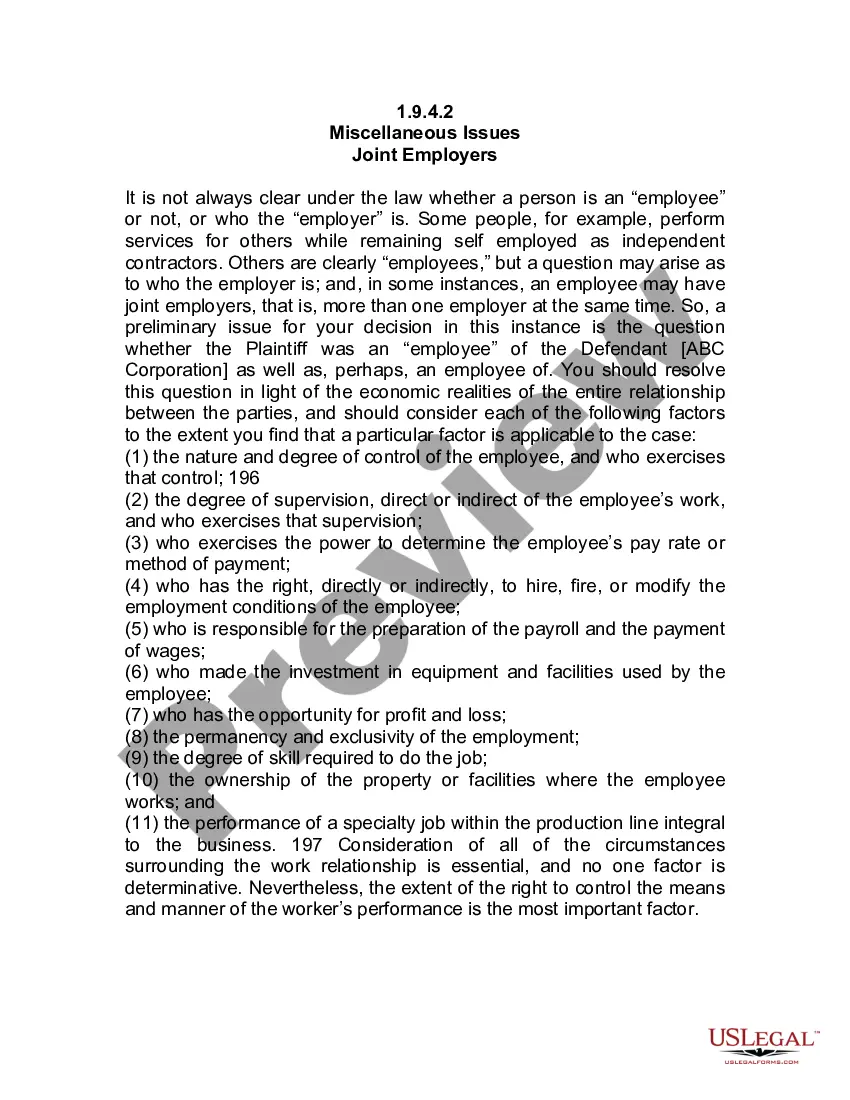
- Factors to consider when identifying the primary employer
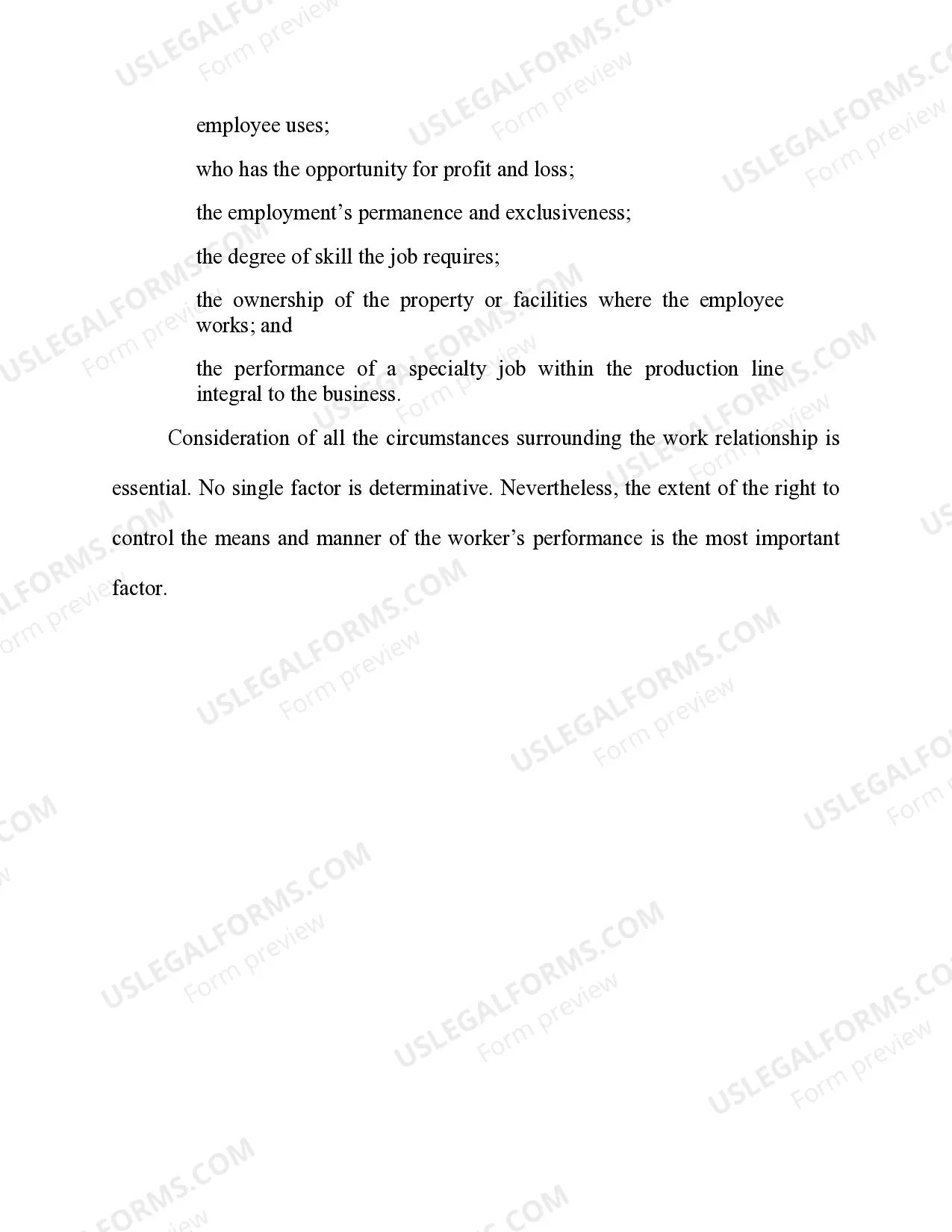
- Guidelines for evaluating control, supervision, and payment responsibilities
- Canvassing the economic realities of the employment relationship
- Consideration of ownership and investment in equipment and facilities
Situations where this form applies
This form is needed in situations where there is uncertainty about who qualifies as an employer in a joint employment scenario. It is particularly useful for legal cases involving independent contractors and employees working for multiple entities simultaneously. Use it during any legal disputes or clarifications regarding employment relationships that may affect rights and responsibilities.
Who can use this document
- Employees seeking clarity on their employment status with multiple employers
- Employers involved in disputes over joint employment issues
- Attorneys representing clients in employment-related cases
- Human resource professionals managing complex employment relationships
Steps to complete this form
- Identify the parties involved in the employment relationship.
- Assess the nature and degree of control exercised by each party over the employee.
- Evaluate who has the authority to determine pay and employment conditions.
- Consider the economic realities and factors affecting the work relationship.
- Document all findings clearly, supporting your conclusion with evidence.
Notarization requirements for this form
This form does not typically require notarization to be legally valid. However, some jurisdictions or document types may still require it. US Legal Forms provides secure online notarization powered by Notarize, available 24/7 for added convenience.
Get your form ready online
Our built-in tools help you complete, sign, share, and store your documents in one place.
Make edits, fill in missing information, and update formatting in US Legal Forms—just like you would in MS Word.
Download a copy, print it, send it by email, or mail it via USPS—whatever works best for your next step.
Sign and collect signatures with our SignNow integration. Send to multiple recipients, set reminders, and more. Go Premium to unlock E-Sign.
If this form requires notarization, complete it online through a secure video call—no need to meet a notary in person or wait for an appointment.
We protect your documents and personal data by following strict security and privacy standards.

Make edits, fill in missing information, and update formatting in US Legal Forms—just like you would in MS Word.

Download a copy, print it, send it by email, or mail it via USPS—whatever works best for your next step.

Sign and collect signatures with our SignNow integration. Send to multiple recipients, set reminders, and more. Go Premium to unlock E-Sign.

If this form requires notarization, complete it online through a secure video call—no need to meet a notary in person or wait for an appointment.

We protect your documents and personal data by following strict security and privacy standards.
Common mistakes to avoid
- Ignoring the importance of economic realities in the employment assessment.
- Failing to thoroughly evaluate all relevant factors for joint employment.
- Overlooking the influence of indirect control over the employee's work.
Benefits of using this form online
- Convenient access to legal templates from anywhere with internet connectivity.
- Edit and customize the form easily according to your specific circumstances.
- Reliable resources drafted by licensed attorneys, ensuring legal accuracy.
Legal use & context
- This form aids in clarifying employment status in disputes, influencing rights under the law.
- It is best used when assessing scenarios involving potential joint employment.
- Correct usage of this form can prevent misclassification of employees.
Looking for another form?
Form popularity
FAQ
Risks for Joint Employers In other words, you could be liable for hour and wage violations under the FLSA resulting from the other joint employer's error. In addition, under the National Labor Relations Act (NLRA), both joint employers need to bargain with any union that represents a jointly employed worker.
Co-employment and joint employment are not the same, largely because of workforce management. In a co-employment arrangement, only one party makes labor-related decisions, but in joint employment, both parties have input on wages, hours, new hires, terminations, etc.
The main consequence of a joint employment relationship is that the primary employer is held responsible for the secondary employer's employment liabilities. Here are some examples. 1. Wage and Hour Violations.
For businesses to avoid joint employer liability, they should carefully structure the employment relationship to avoid ambiguities and limit control to the business that intends to accept liability for the employee.
Under the FLSA, an employee may have?in addition to his or her employer?one or more joint employers. A joint employer is any additional individual or entity who is jointly and severally liable with the employer for the employee's wages.
For example, you need a temporary administrative assistant for six weeks while another employee is out on leave. You contact Staffing Agency A to locate a temporary employee for your business. The temporary employee works for you but Staffing Agency A officially employs the temporary employee.
Under the Board's current Trump-era rule that took effect in 2020 (the 2020 Rule), an entity can only be considered a joint employer of another employer's employees if it exercises actual ?substantial direct and immediate control? over the employees' essential terms and conditions of employment.
Co-employment and joint employment are not the same, largely because of workforce management. In a co-employment arrangement, only one party makes labor-related decisions, but in joint employment, both parties have input on wages, hours, new hires, terminations, etc.