Willfully is a legal term which refers to an act that was done intentionally and deliberately, with knowledge of its consequences. It is used to describe a conscious, knowing, and voluntary act, and is often used when determining whether an individual has committed a crime or breach of contract. There are two types of willfulness: general willfulness and specific willfulness. General willfulness refers to an act that was done with knowledge of its consequences or with the intent to carry out the act. Specific willfulness is when an act is done with an intention to harm or cause injury, or with a reckless disregard for the consequences. Willful conduct is also used to determine civil liability, meaning a person may be held responsible for damages if they are found to have acted willfully. In civil cases, willful conduct is often determined on a case-by-case basis.
WILLFULLY
Description

How to fill out WILLFULLY?
Handling legal paperwork requires attention, precision, and using properly-drafted blanks. US Legal Forms has been helping people across the country do just that for 25 years, so when you pick your WILLFULLY template from our service, you can be certain it complies with federal and state regulations.
Working with our service is easy and fast. To get the necessary paperwork, all you’ll need is an account with a valid subscription. Here’s a brief guideline for you to find your WILLFULLY within minutes:
- Make sure to carefully check the form content and its correspondence with general and legal requirements by previewing it or reading its description.
- Look for an alternative official blank if the previously opened one doesn’t suit your situation or state regulations (the tab for that is on the top page corner).
- Log in to your account and download the WILLFULLY in the format you need. If it’s your first experience with our website, click Buy now to continue.
- Create an account, decide on your subscription plan, and pay with your credit card or PayPal account.
- Decide in what format you want to obtain your form and click Download. Print the blank or add it to a professional PDF editor to prepare it electronically.
All documents are drafted for multi-usage, like the WILLFULLY you see on this page. If you need them in the future, you can fill them out without re-payment - just open the My Forms tab in your profile and complete your document any time you need it. Try US Legal Forms and accomplish your business and personal paperwork rapidly and in full legal compliance!
Form popularity
FAQ
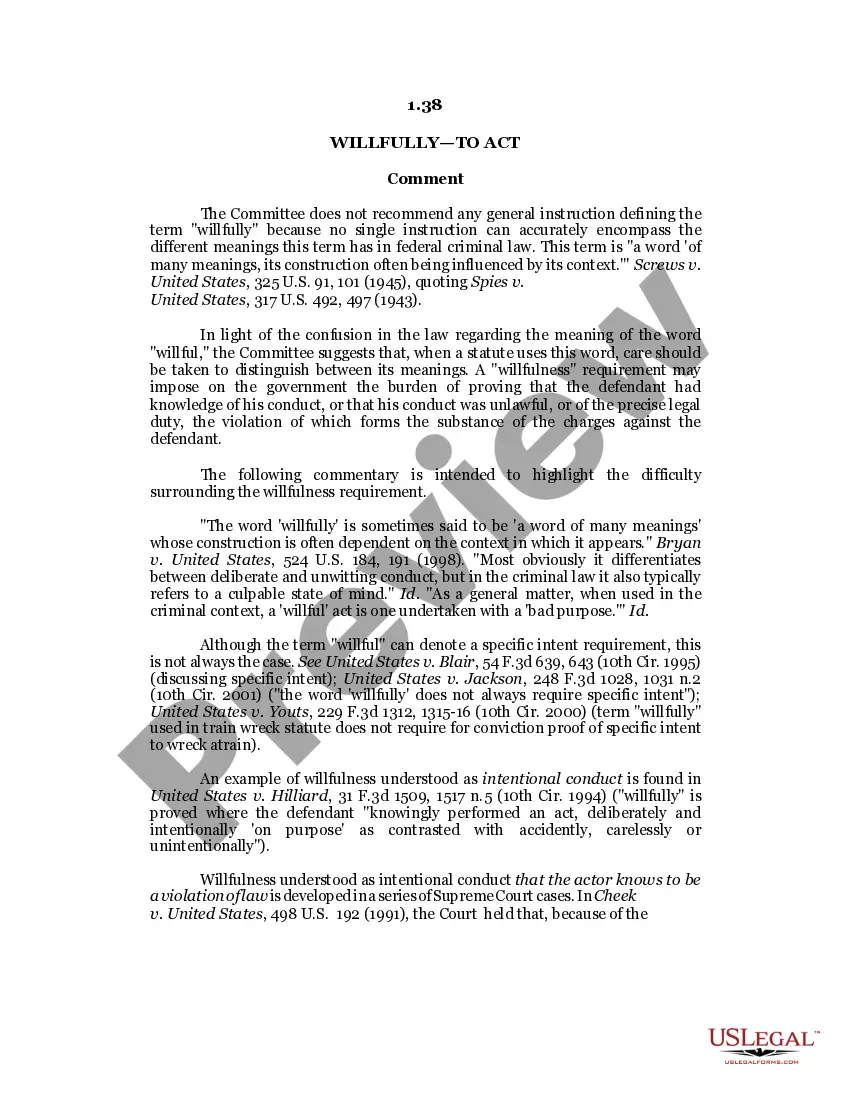
When applied to the intent with which an act is done or omitted, ?willfully? implies simply a purpose or willingness to commit the act, or the omission. It does not require any intent to violate the law, or to injure another, or to acquire any advantage.
Knowingly and willfully means that the person or entity had actual knowledge of the falsity of the claim, or acted with deliberate ignorance or reckless disregard of the truth or falsity of the claim.
Willful. Black's Law Dictionary: 2nd Edition. Definition: Proceeding from a conscious motion of the will; intending the result which actually comes to pass; designed; intentional ; malicious.
Knowingly and willfully means that the person or entity had actual knowledge of the falsity of the claim, or acted with deliberate ignorance or reckless disregard of the truth or falsity of the claim. Persons or entities that violate the federal False Claims Act are subject to civil monetary penalties (42 U.S.C.
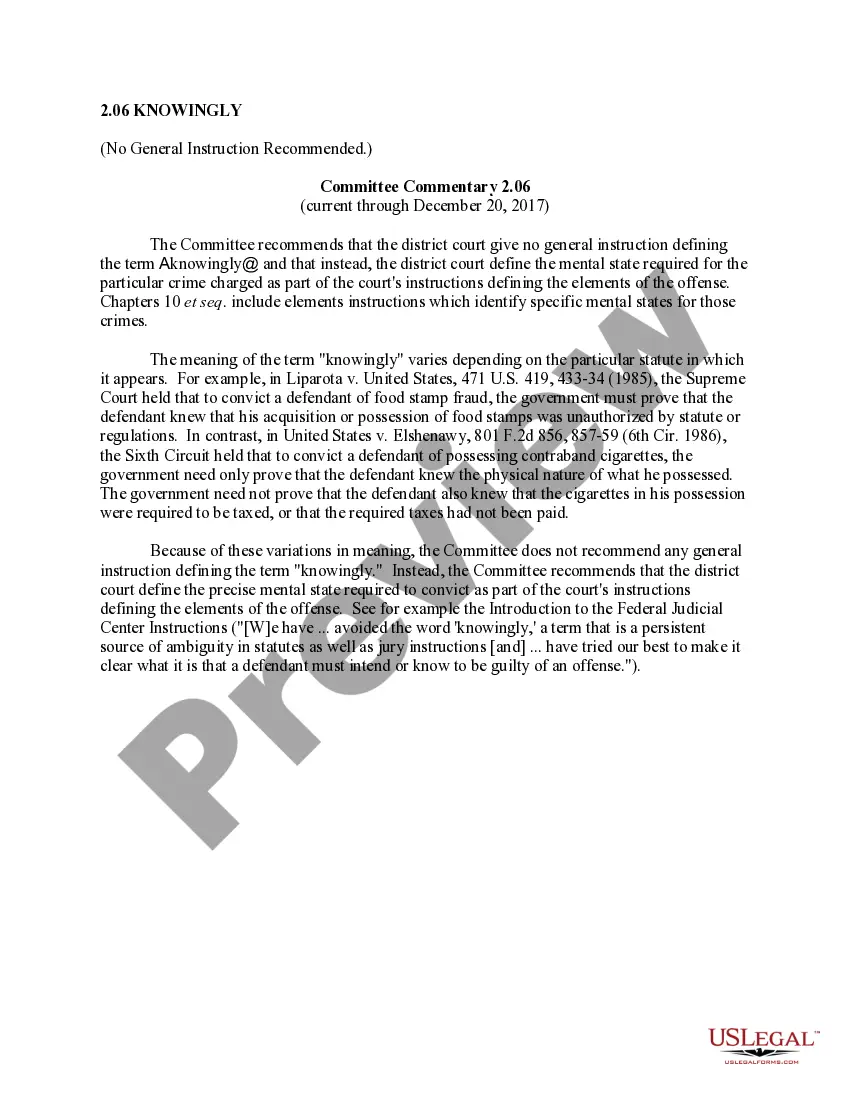
Black's Law Dictionary defines ?knowingly? as ?with knowledge; consciously; intelligently; willfully; inten- tionally. An individual acts 'knowingly' when he acts with awareness of the nature of his conduct.?
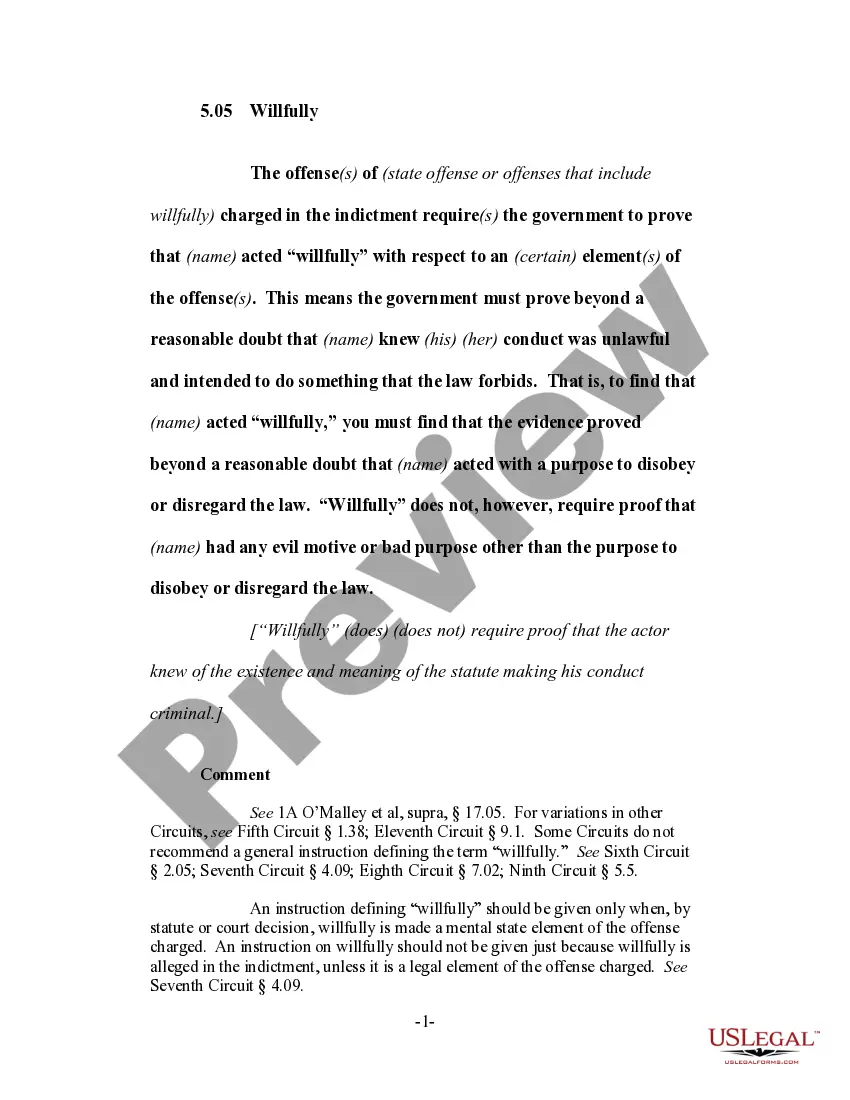
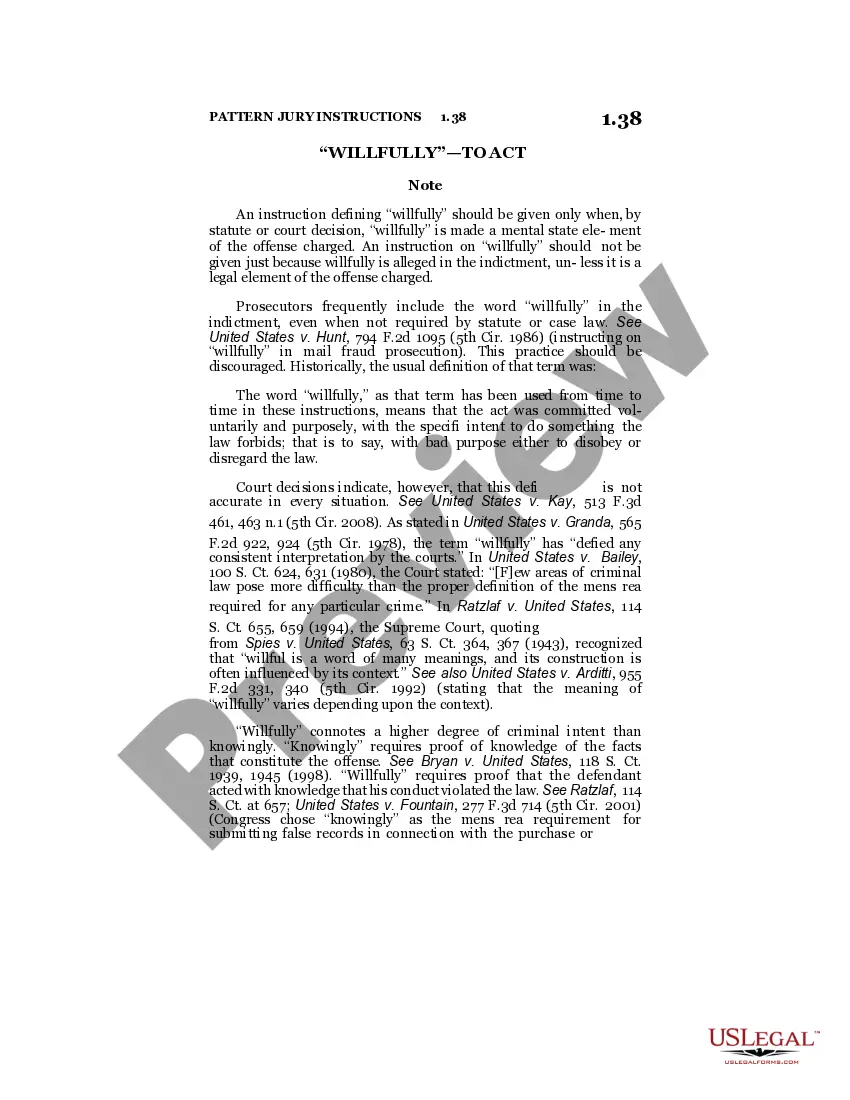
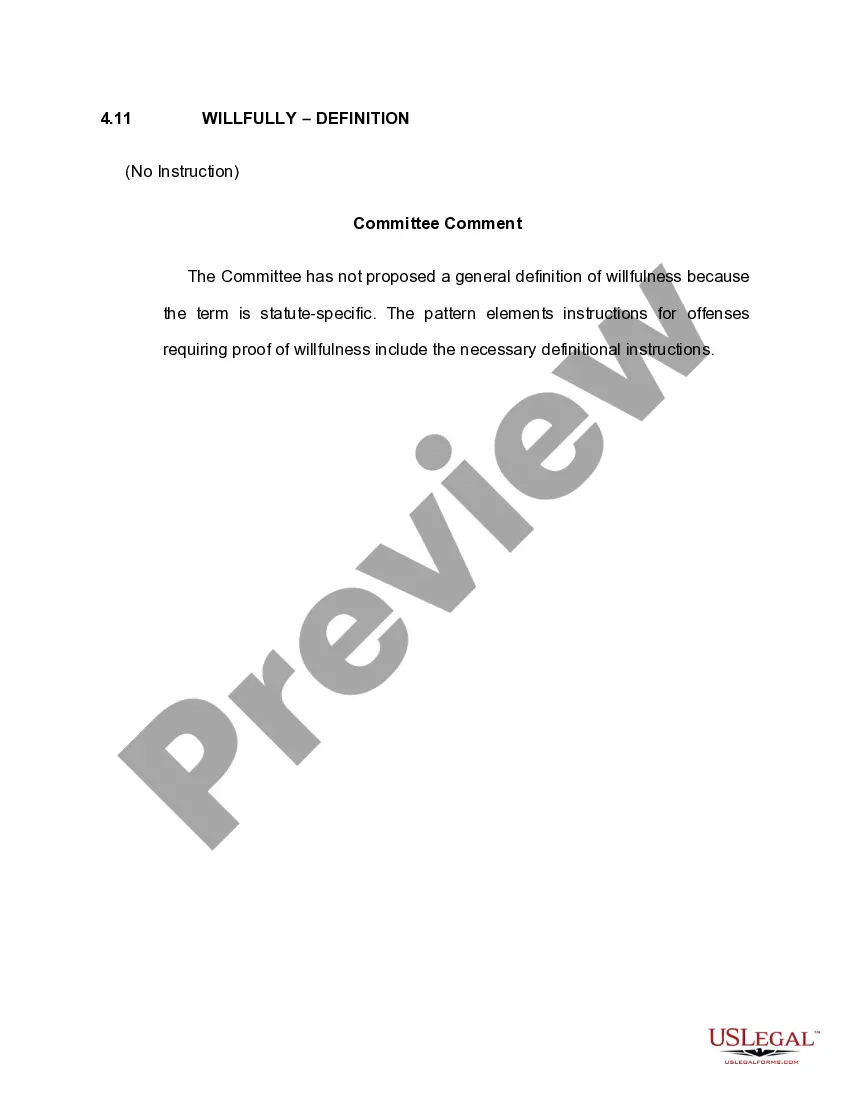
The important difference between willfully as defined in this instruction and the most frequently used definition of knowingly, as stated in Instruction 5.02, is that willfully requires proof beyond a reasonable doubt that the defendant knew his or her conduct was unlawful and intended to do something that 16 Page 17
The term knowingly, with respect to conduct, a circumstance, or a result, means that a person has actual knowledge, or should have known, of the conduct, the circumstance, or the result.