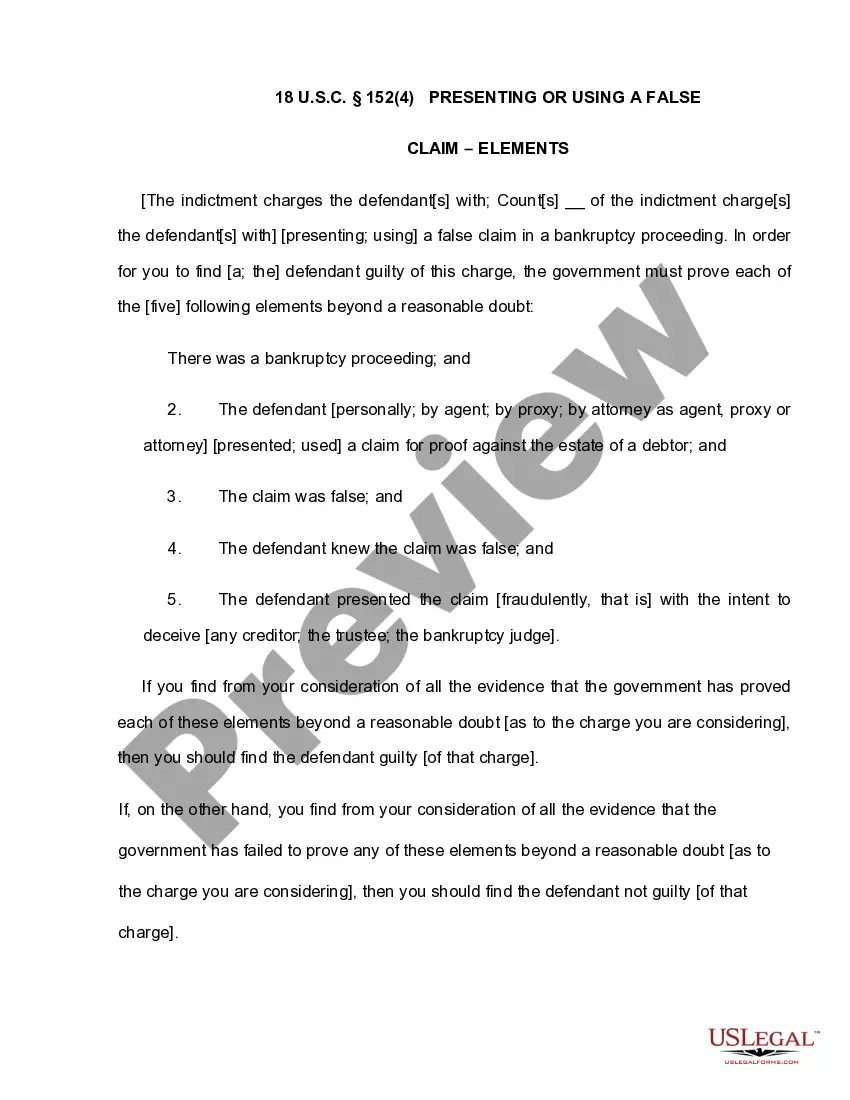
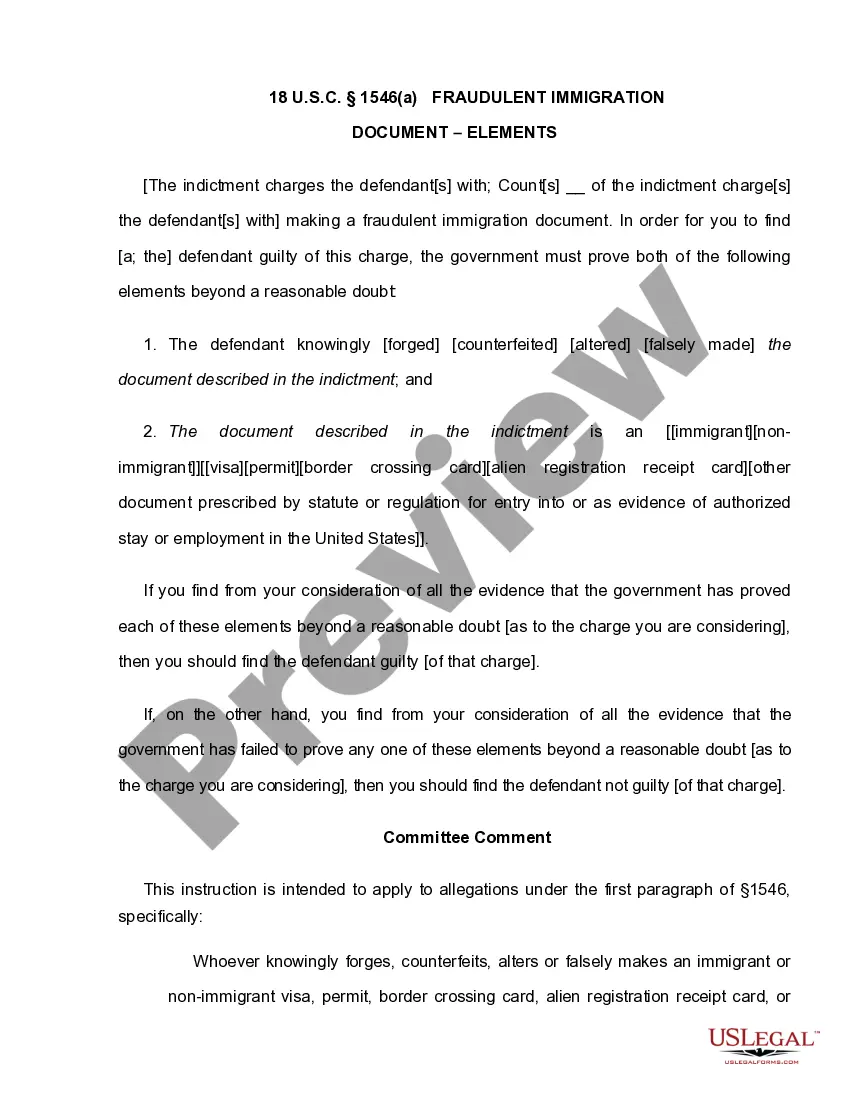
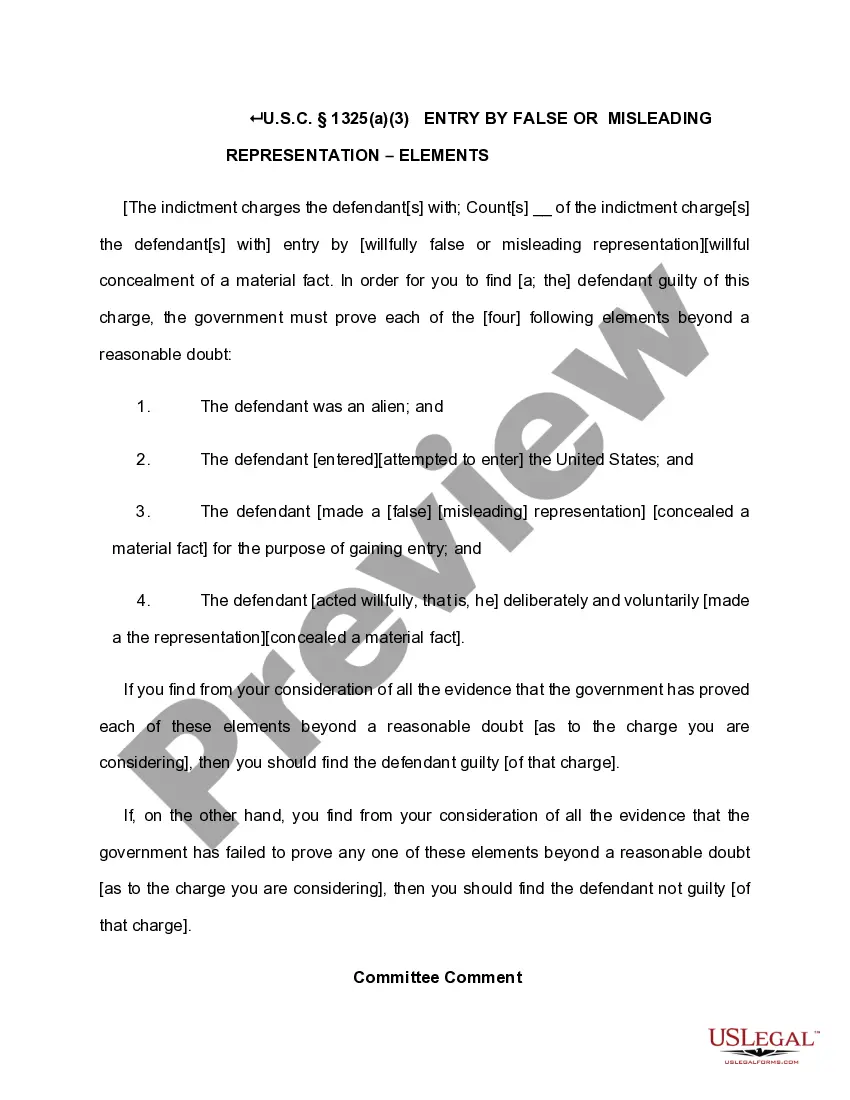
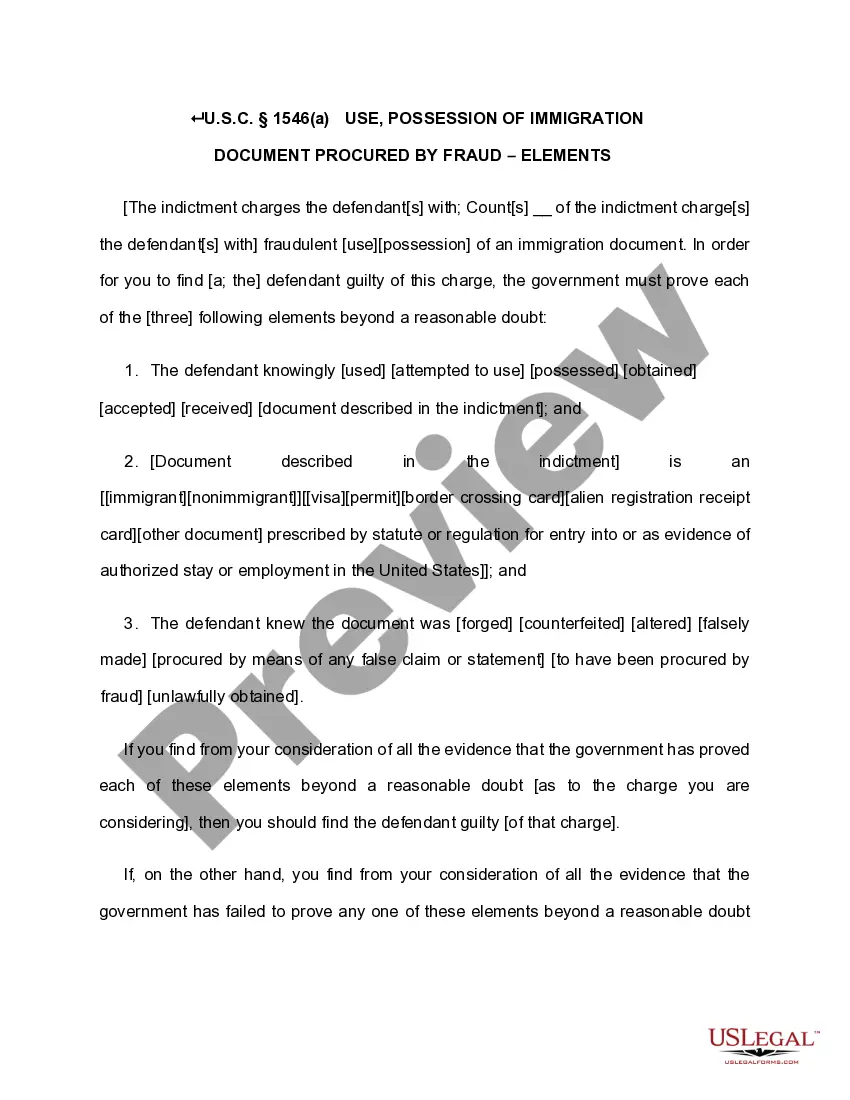
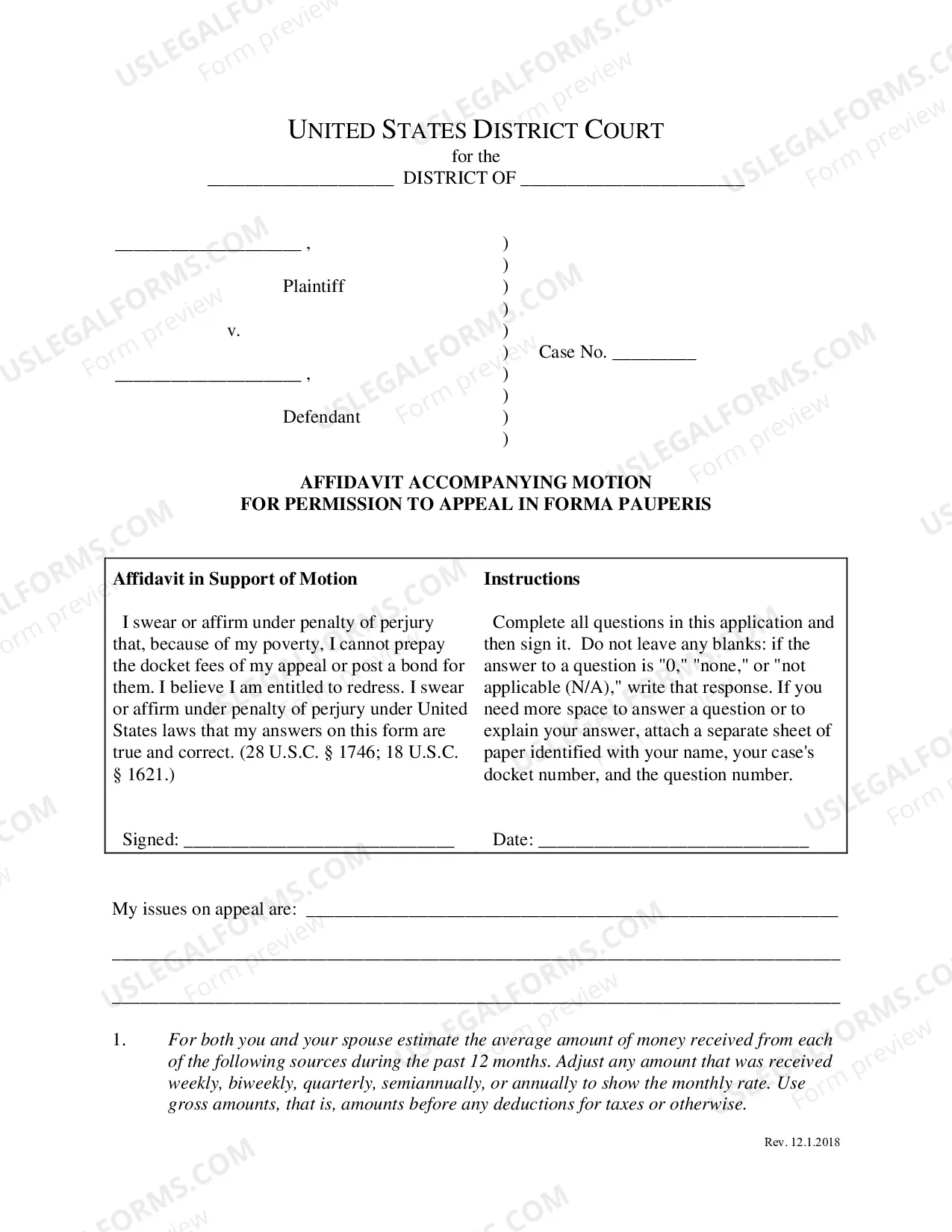
18 U.S.C. Sec. 152(4) PRESENTING OR USING A FALSE CLAIM - ELEMENTS 138
Is notarization required?
Notarization is not commonly needed for this form. However, certain documents or local rules may make it necessary. Our notarization service, powered by Notarize, allows you to finalize it securely online anytime, day or night.
Get your form ready online
Our built-in tools help you complete, sign, share, and store your documents in one place.
Make edits, fill in missing information, and update formatting in US Legal Forms—just like you would in MS Word.
Download a copy, print it, send it by email, or mail it via USPS—whatever works best for your next step.
Sign and collect signatures with our SignNow integration. Send to multiple recipients, set reminders, and more. Go Premium to unlock E-Sign.
If this form requires notarization, complete it online through a secure video call—no need to meet a notary in person or wait for an appointment.
We protect your documents and personal data by following strict security and privacy standards.

Make edits, fill in missing information, and update formatting in US Legal Forms—just like you would in MS Word.

Download a copy, print it, send it by email, or mail it via USPS—whatever works best for your next step.

Sign and collect signatures with our SignNow integration. Send to multiple recipients, set reminders, and more. Go Premium to unlock E-Sign.

If this form requires notarization, complete it online through a secure video call—no need to meet a notary in person or wait for an appointment.

We protect your documents and personal data by following strict security and privacy standards.
Looking for another form?
Form popularity
FAQ
Common Examples of False Claims Failing to report government overpayments. Misrepresenting costs or records related to performance or quality. Billing for non-FDA approved drugs or devices. Performing unnecessary medical procedures.
18 U.S. Code § 152 - Concealment of assets; false oaths and claims; bribery.
18 U.S.C. § 152 "attempts to cover all the possible methods by which a bankrupt or any other person may attempt to defeat the Bankruptcy Act through an effort to keep assets from being equitably distributed among creditors." Stegeman v.
The False Claims Act defines knowledge broadly to include the following: Actual knowledge. Deliberate ignorance of the truth or falsity of the information. Reckless disregard of the truth or falsity of the information.
§ 152(4) Subsection (4) of Section 152 sets out the offense of filing a false bankruptcy claim. A "claim" is a document filed in a bankruptcy proceeding by a creditor of the debtor.
§ 157 prohibits devising or intending to devise a scheme or artifice to defraud and, for purposes of executing or concealing the scheme either (1) filing a bankruptcy petition; (2) filing a document in a bankruptcy proceeding; or (3) making a false statement, claim, or promise (a) in relationship to a bankruptcy
The False Claims Act proscribes: (1) presenting a false claim; (2) making or using a false record or statement material to a false claim; (3) possessing property or money of the U.S. and delivering less than all of it; (4) delivering a certified receipt with intent to defraud the U.S.; (5) buying public property from a