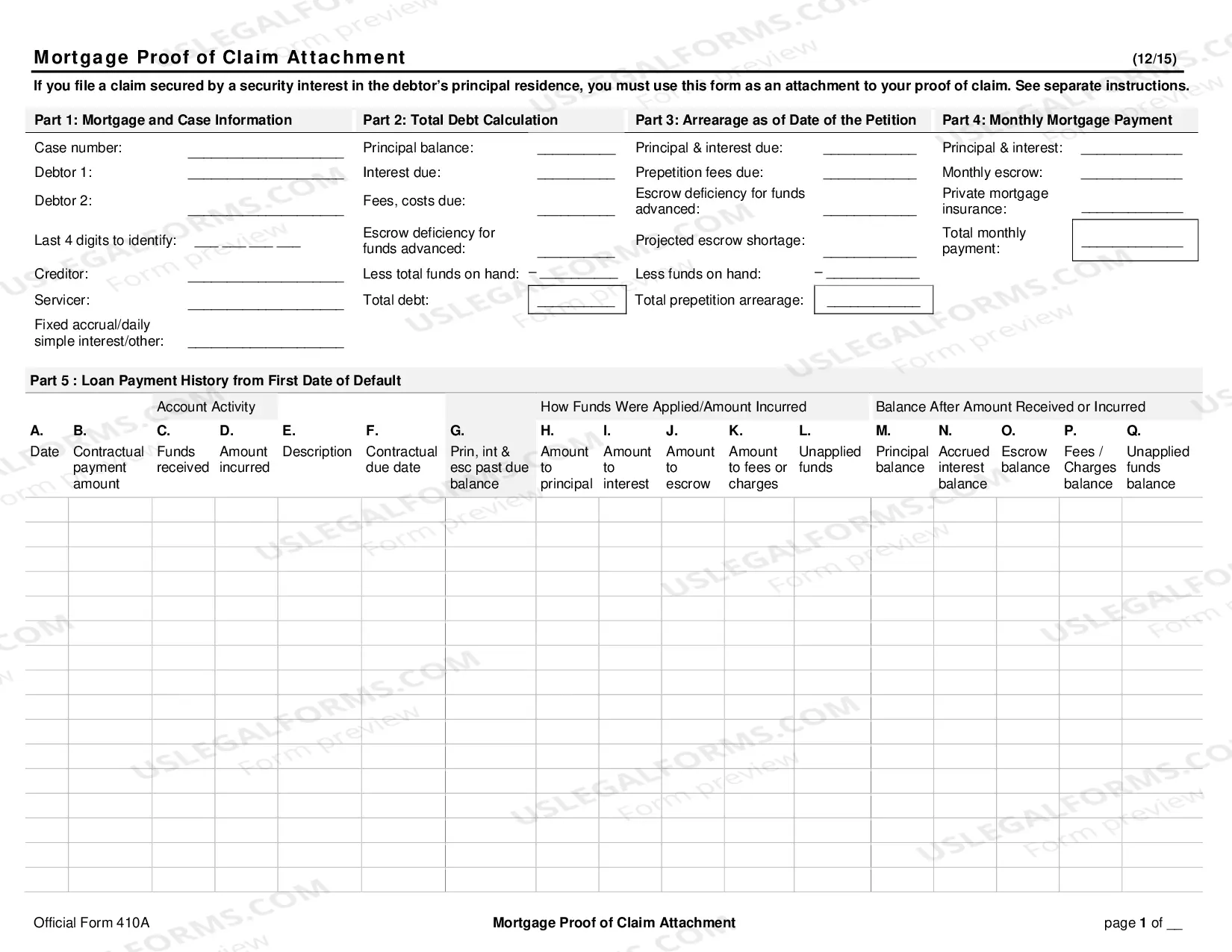
17.25 Copyright-Affirmative Defense-Implied License
Notarization requirements for this form
Notarization is generally not required for this form. However, certain states or situations might demand it. You can complete notarization online through US Legal Forms, powered by Notarize, using a verified video call available anytime.
Get your form ready online
Our built-in tools help you complete, sign, share, and store your documents in one place.
Make edits, fill in missing information, and update formatting in US Legal Forms—just like you would in MS Word.
Download a copy, print it, send it by email, or mail it via USPS—whatever works best for your next step.
Sign and collect signatures with our SignNow integration. Send to multiple recipients, set reminders, and more. Go Premium to unlock E-Sign.
If this form requires notarization, complete it online through a secure video call—no need to meet a notary in person or wait for an appointment.
We protect your documents and personal data by following strict security and privacy standards.

Make edits, fill in missing information, and update formatting in US Legal Forms—just like you would in MS Word.

Download a copy, print it, send it by email, or mail it via USPS—whatever works best for your next step.

Sign and collect signatures with our SignNow integration. Send to multiple recipients, set reminders, and more. Go Premium to unlock E-Sign.

If this form requires notarization, complete it online through a secure video call—no need to meet a notary in person or wait for an appointment.

We protect your documents and personal data by following strict security and privacy standards.
Looking for another form?
Form popularity
FAQ
At 361 (?To establish infringement, two elements must be proven: (1) ownership of a valid copyright, and (2) copying of constituent elements of the work that are original.?); see also Seven Arts Filmed Entm't Ltd. v.
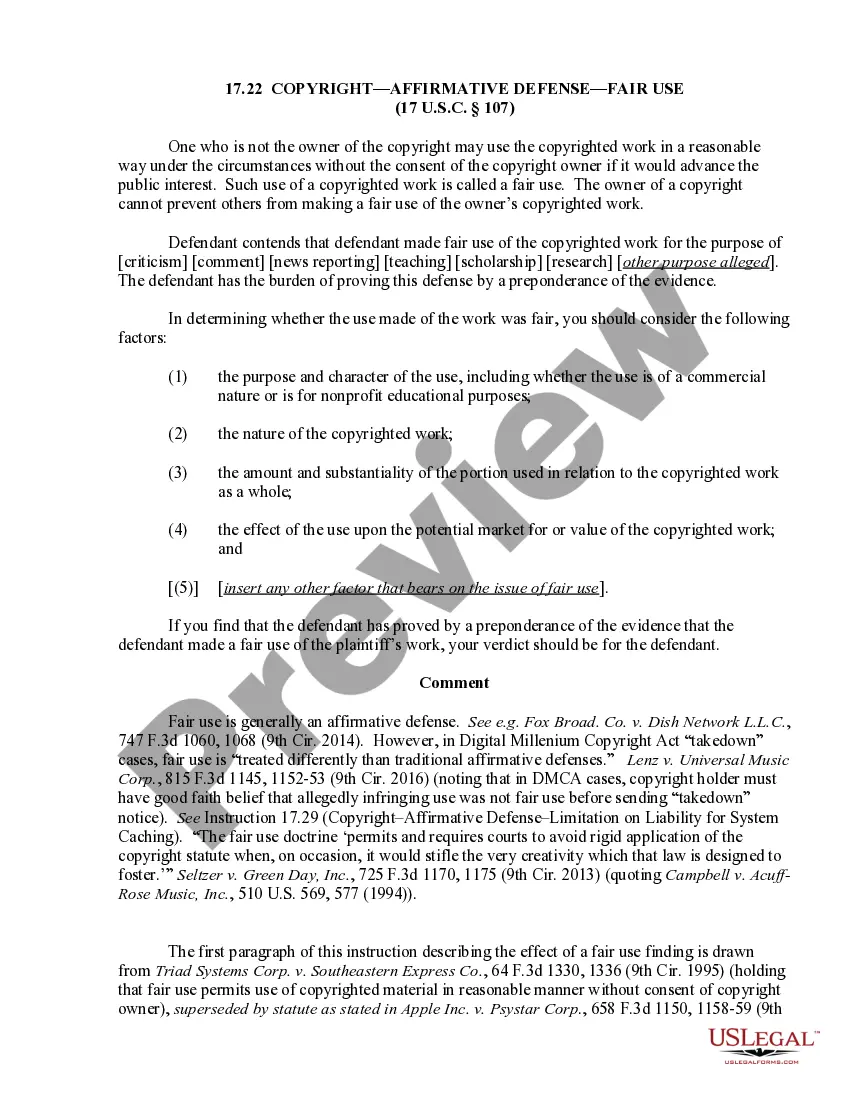
§ 107) One who is not the owner of the copyright may use the copyrighted work in a reasonable way under the circumstances without the consent of the copyright owner if it would advance the public interest. Such use of a copyrighted work is called a fair use.
An example of copyright licensing is when a musical artist licenses original work to a record company; the artist receives part of the profit when the recorded work is sold. In short, the purpose of copyright licensing is to profit from a copyrighted work.
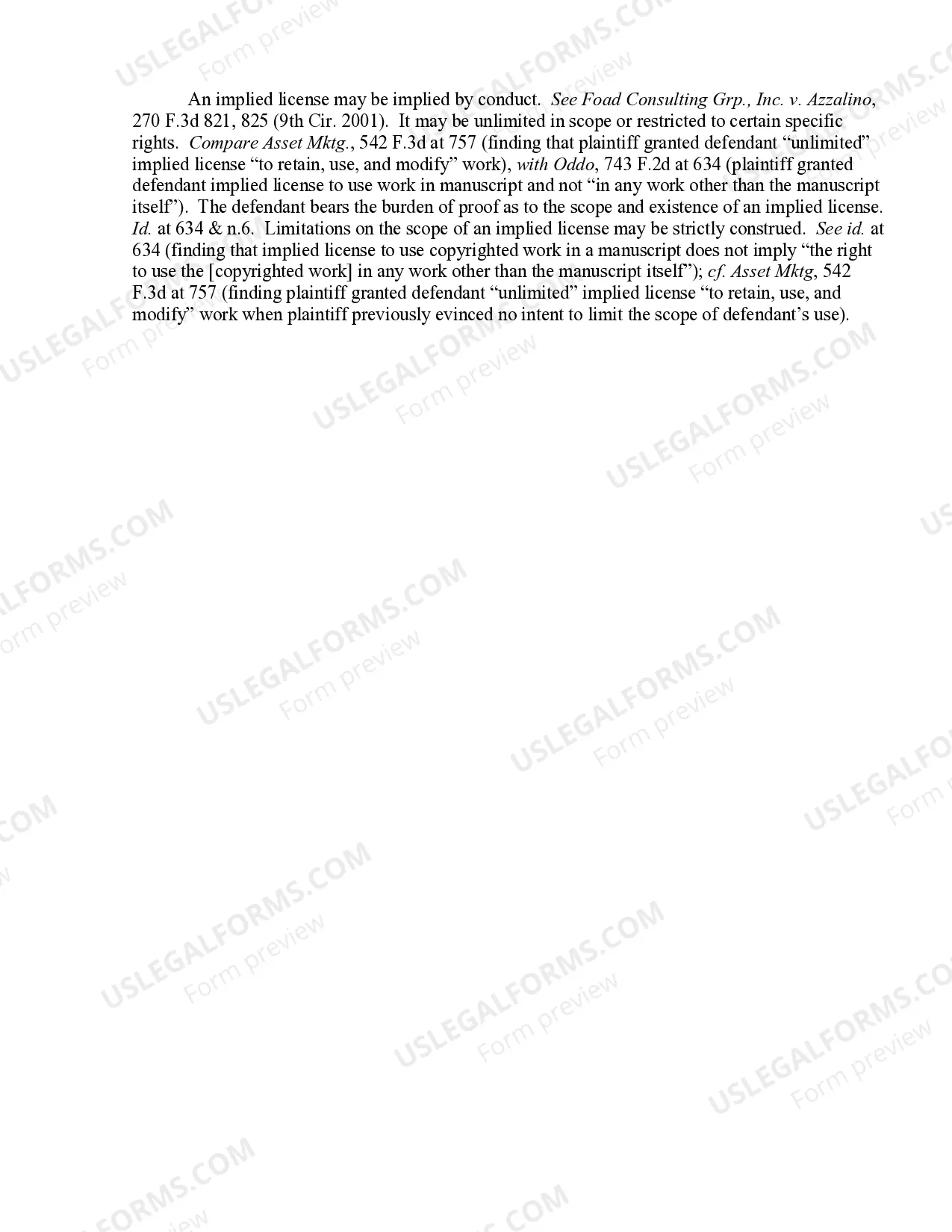
Implied Licenses The purpose of an implied license is to allow the licensee (the party who licenses the work from the copyright owner) some right to use the copyrighted work, but only to the extent that the copyright owner would have allowed had the parties negotiated an agreement.
Innocence (proving there was no reason to believe the work was copyrighted) The use is with a license agreement in place (this can shift liability to the licensor) Abandonment (a claim that the owner failed to enforce it's rights, thereby abandoning the right) Misuse of copyright by the copyright owner.
Examples. A person who purchases a record album does not explicitly purchase a right to perform that album by playing it on a record player, but this right is implied. A person who posts a lengthy comment to an internet forum may claim copyright to that post.
Creative Commons, Copyleft, and Other Licenses - Copyright and Intellectual Property Toolkit - Guides at University of Pittsburgh.
Generally, the difference between the two is that licenses allow a copyright owner to retain the rights while giving someone else a right to exercise some of them, whereas an assignment results in a copyright owner losing control over the work.