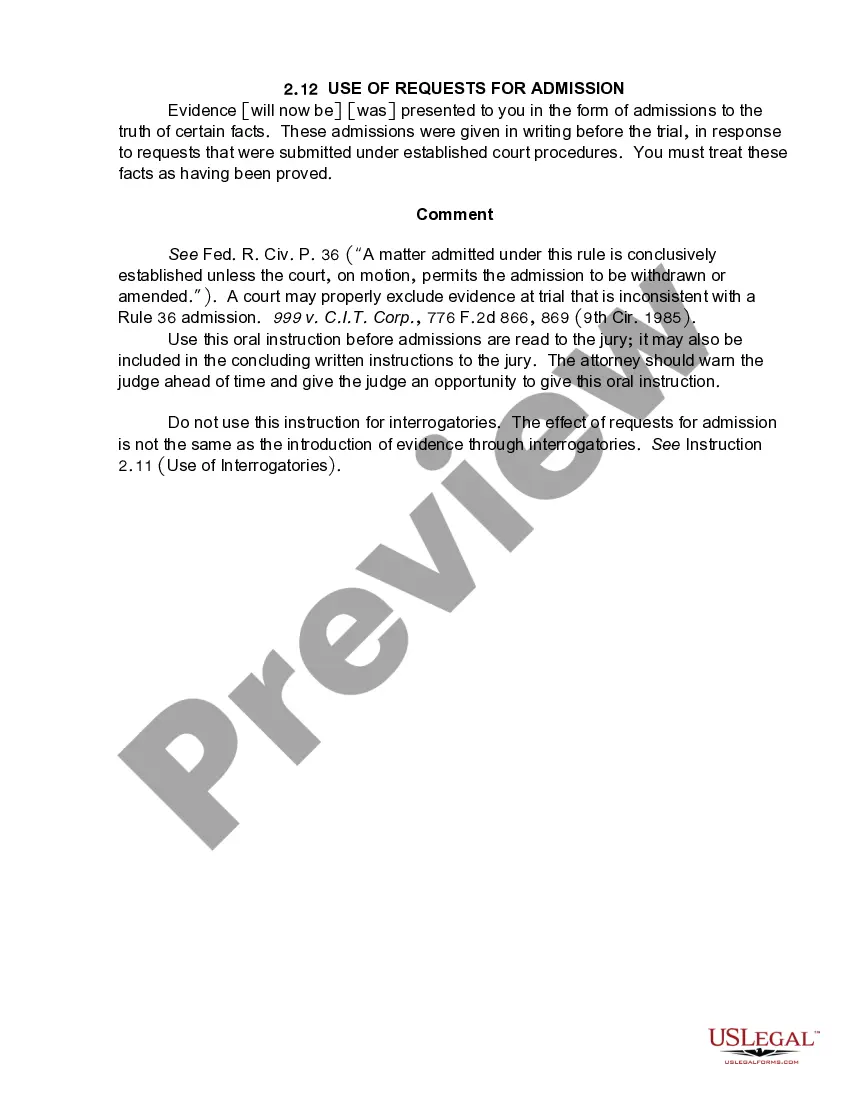
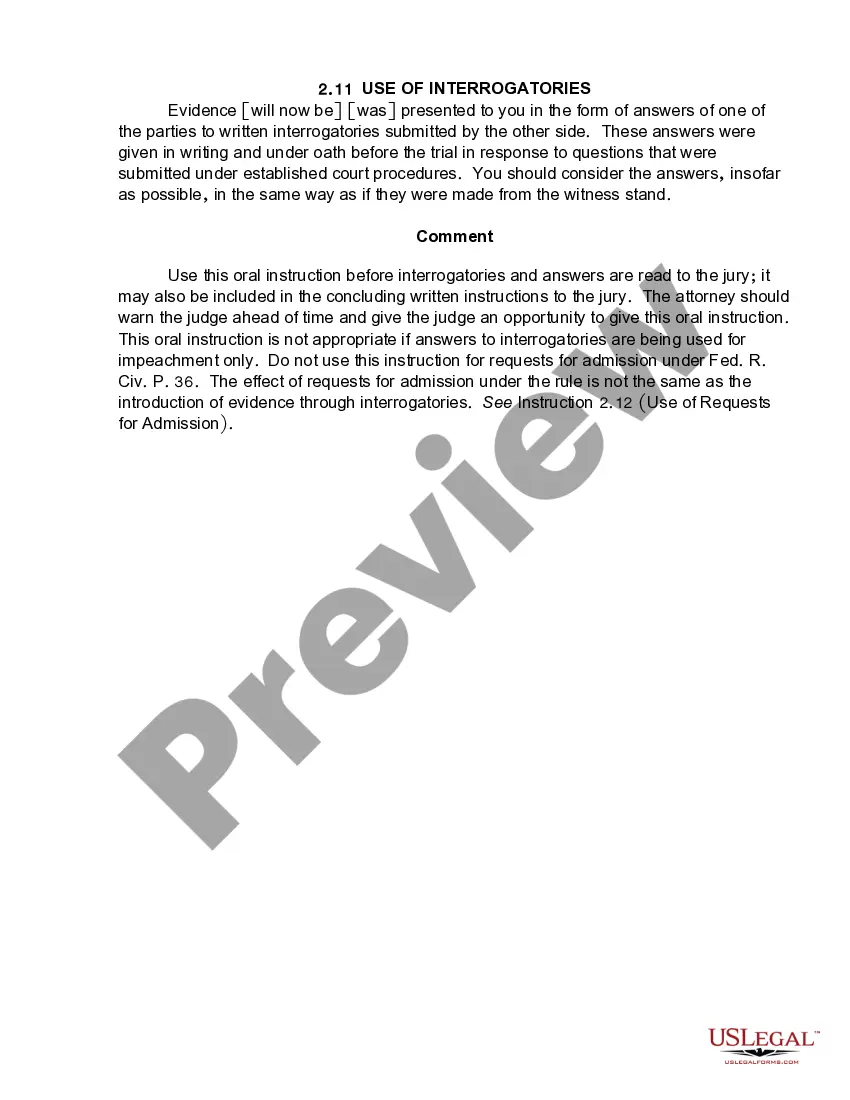
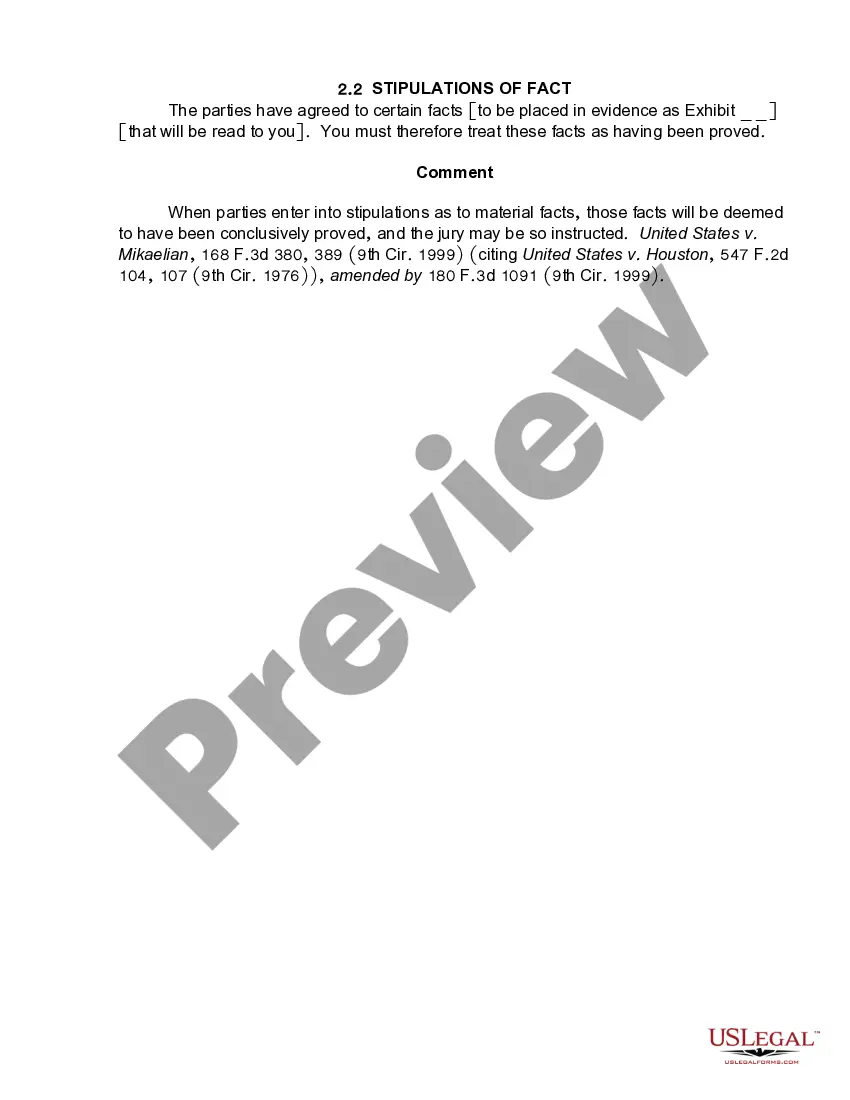
2.12 Use of Requests for Admission
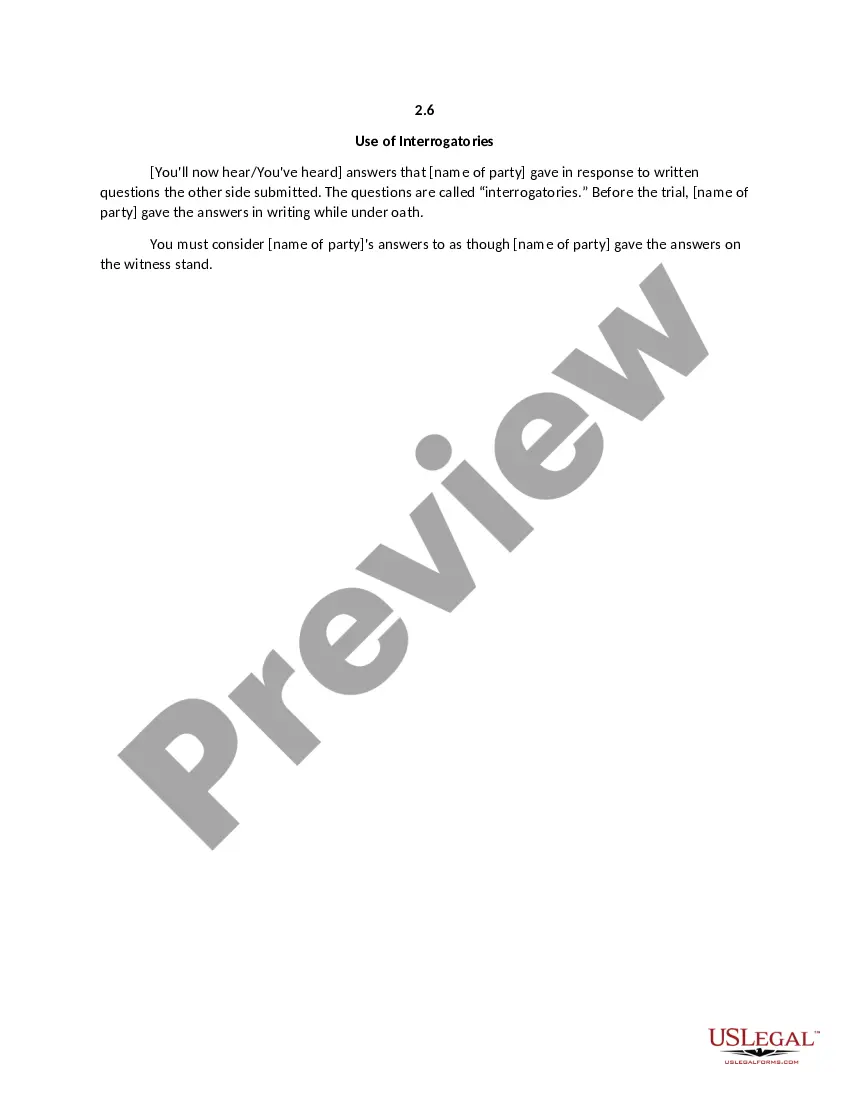
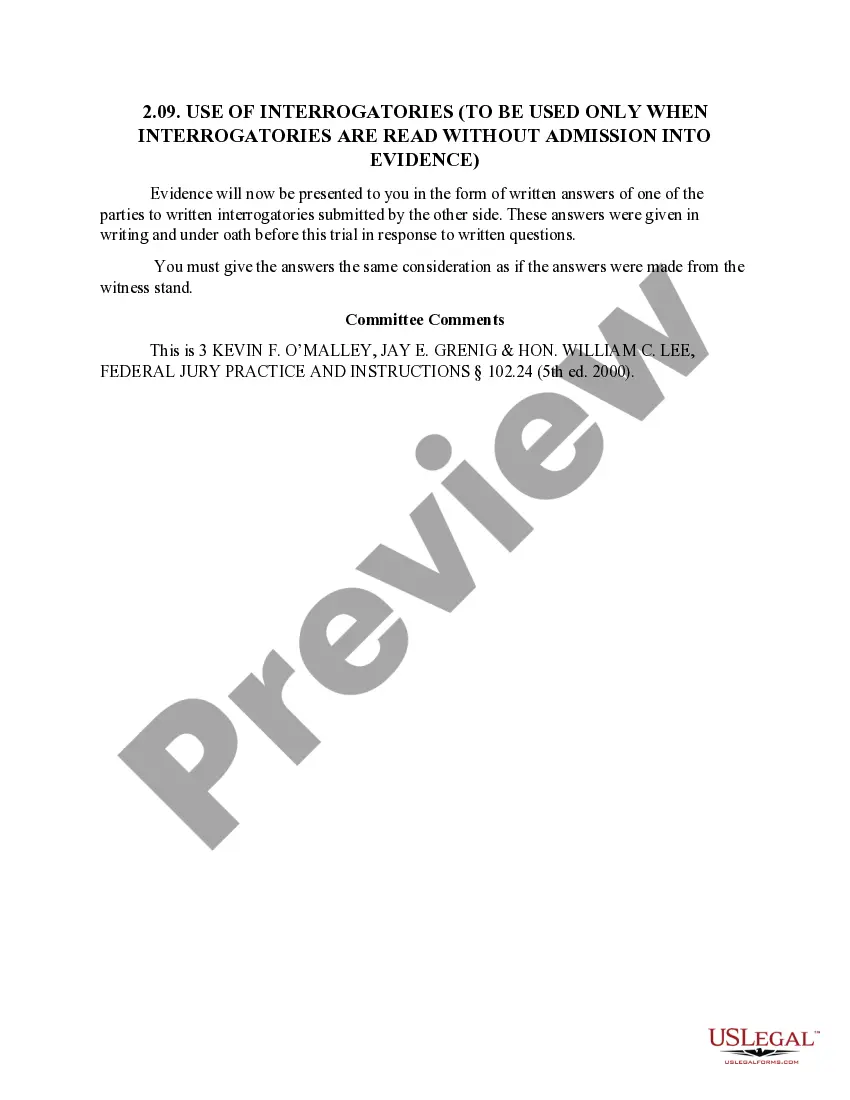
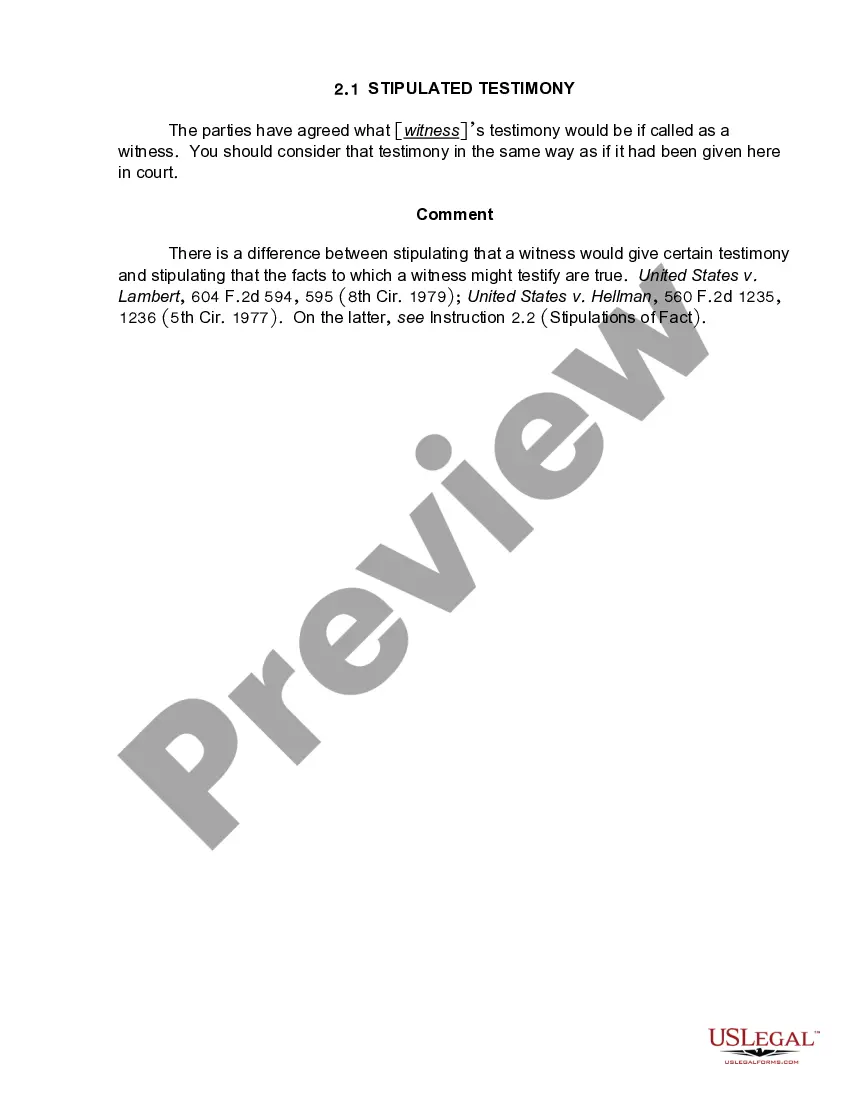
Does this form need to be notarized?
This form usually doesn’t need to be notarized. However, local laws or specific transactions may require it. Our online notarization service, powered by Notarize, lets you complete it remotely through a secure video session, available 24/7.
Get your form ready online
Our built-in tools help you complete, sign, share, and store your documents in one place.
Make edits, fill in missing information, and update formatting in US Legal Forms—just like you would in MS Word.
Download a copy, print it, send it by email, or mail it via USPS—whatever works best for your next step.
Sign and collect signatures with our SignNow integration. Send to multiple recipients, set reminders, and more. Go Premium to unlock E-Sign.
If this form requires notarization, complete it online through a secure video call—no need to meet a notary in person or wait for an appointment.
We protect your documents and personal data by following strict security and privacy standards.

Make edits, fill in missing information, and update formatting in US Legal Forms—just like you would in MS Word.

Download a copy, print it, send it by email, or mail it via USPS—whatever works best for your next step.

Sign and collect signatures with our SignNow integration. Send to multiple recipients, set reminders, and more. Go Premium to unlock E-Sign.

If this form requires notarization, complete it online through a secure video call—no need to meet a notary in person or wait for an appointment.

We protect your documents and personal data by following strict security and privacy standards.
Looking for another form?
Form popularity
FAQ
Similar to responses to Requests for Production, responses to Requests for Admissions do not have to be verified. It is critical to respond to Requests for Admissions because failure to respond results in the requests being deemed admitted without the need for a motion to have the responses established as admitted.
The request for admission is a petition filed by one party in a lawsuit on another party in that lawsuit asking the second party to admit to the truthfulness of some fact or opinion. A request may also ask the party to authenticate the genuineness of a document.
Use Requests for Admission. A Request for Admission asks the other side in your case to admit that a fact is true or that a document is authentic. If the other side admits that something is true or authentic, you will not need to prove that at trial. This can make your trial faster and less expensive.
Proper Scope of a Request for Admission ing to the Texas Supreme Court, the primary purpose of Requests for Admission is to simplify litigation by eliminating noncontroversial matters.
A Request for Admission asks the other side in your case to admit that a fact is true or that a document is authentic. If the other side admits that something is true or authentic, you will not need to prove that at trial. This can make your trial faster and less expensive.
Under Rule 36, you may respond to a request as follows: (1) object to the request, stating the grounds for the objection; (2) admit the subject matter of the request; (2) deny the request; (3) set forth in detail the reasons why you cannot truthfully admit or deny the request; or (4) specify that part of a request is
The requests for admission that you receive will include a list of statements or facts that the other party wishes you to admit are true. Your answers must be as complete and straightforward as possible (California Code of Civil Procedure (CCP) § 2033.220), and be accurate to the best of your knowledge.