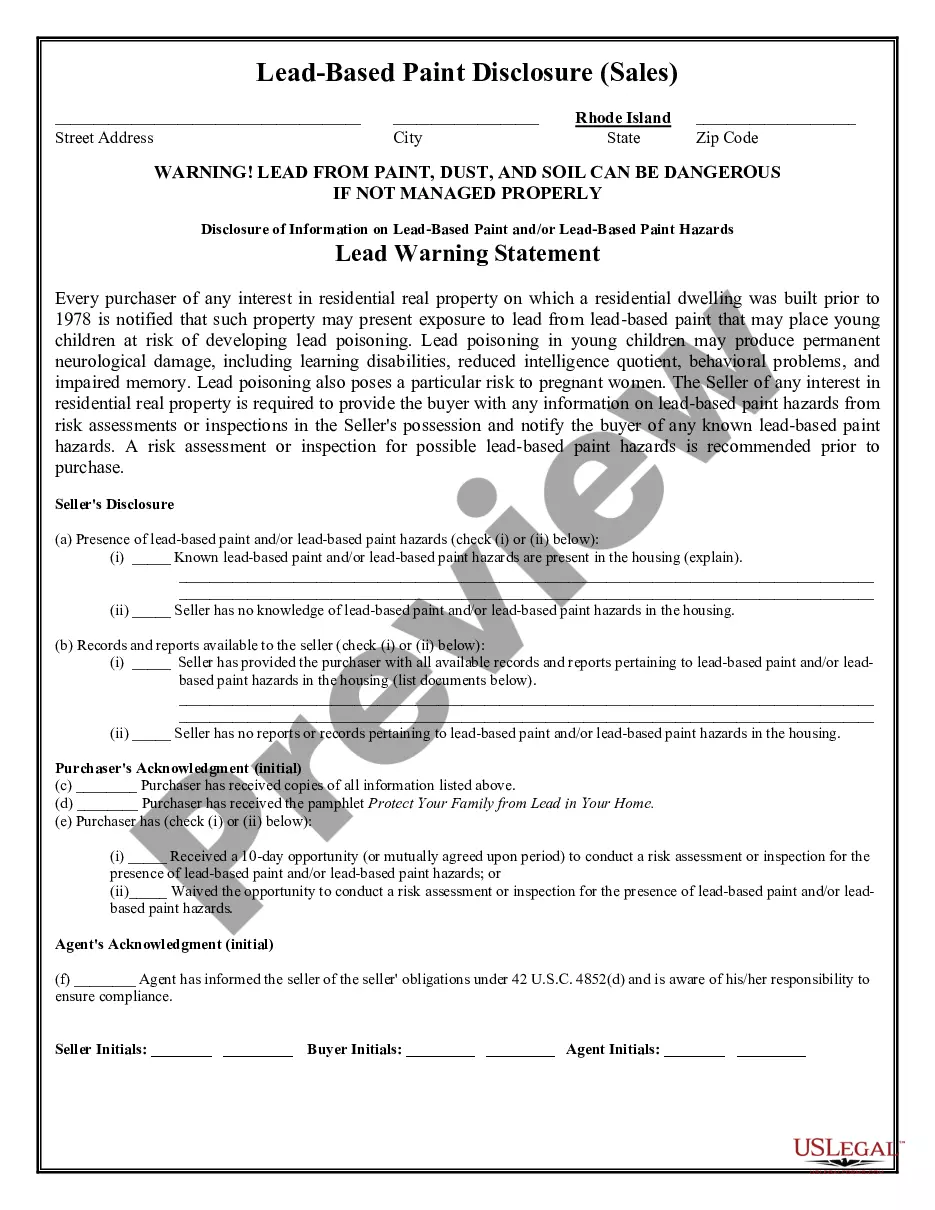
Real Estate Disclosure Agreement
What is this form?
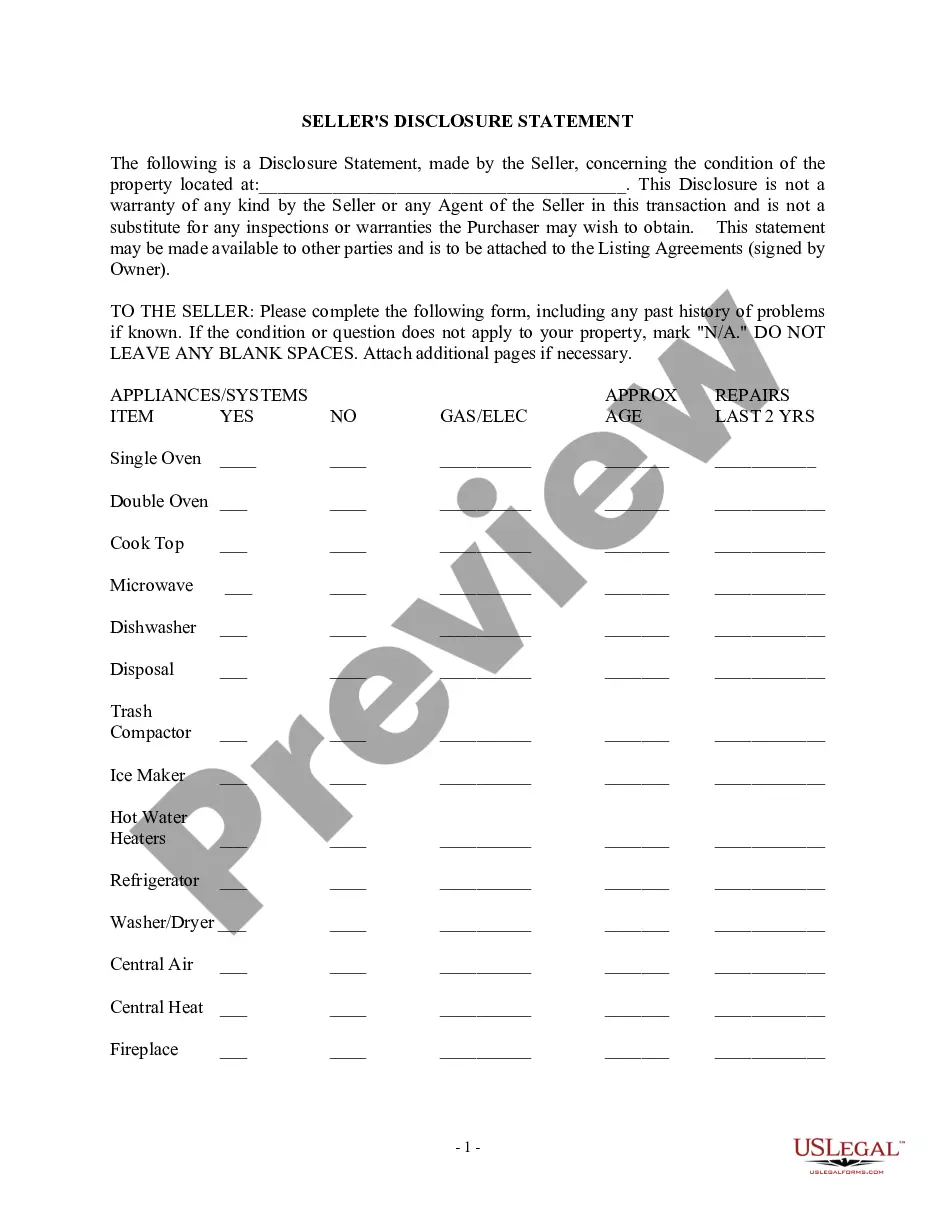
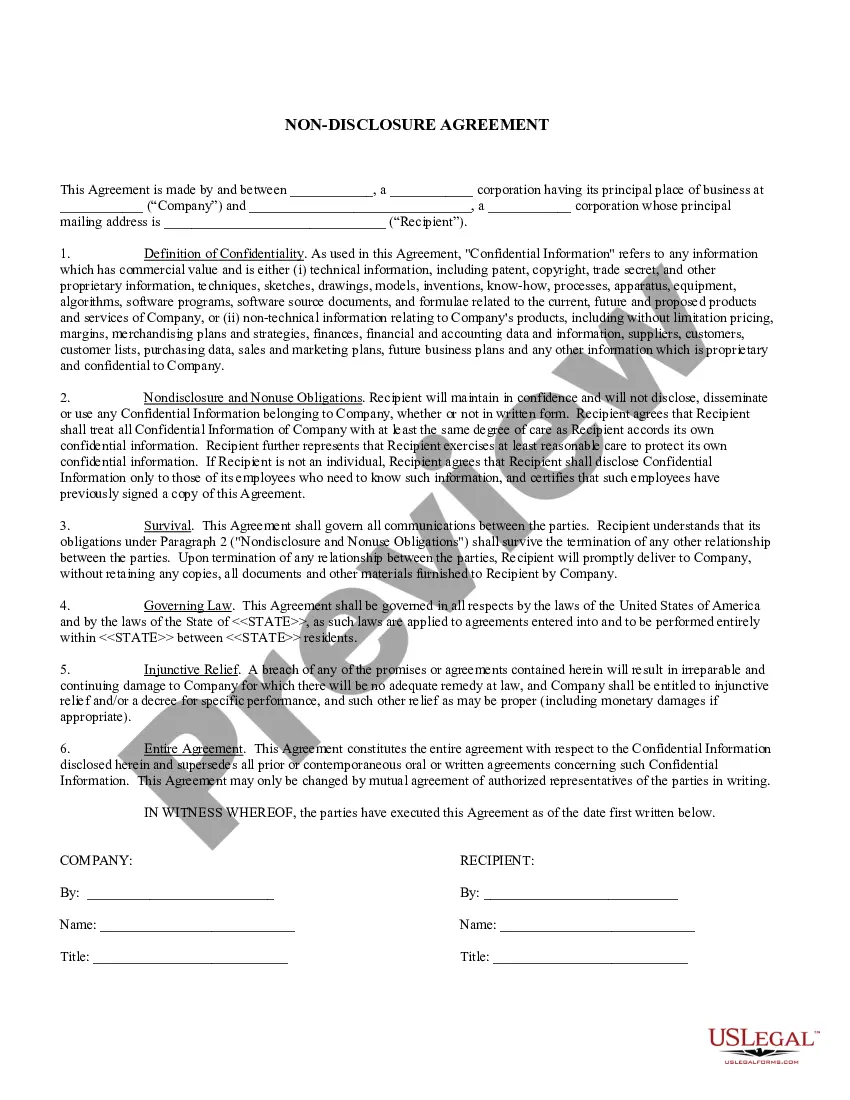
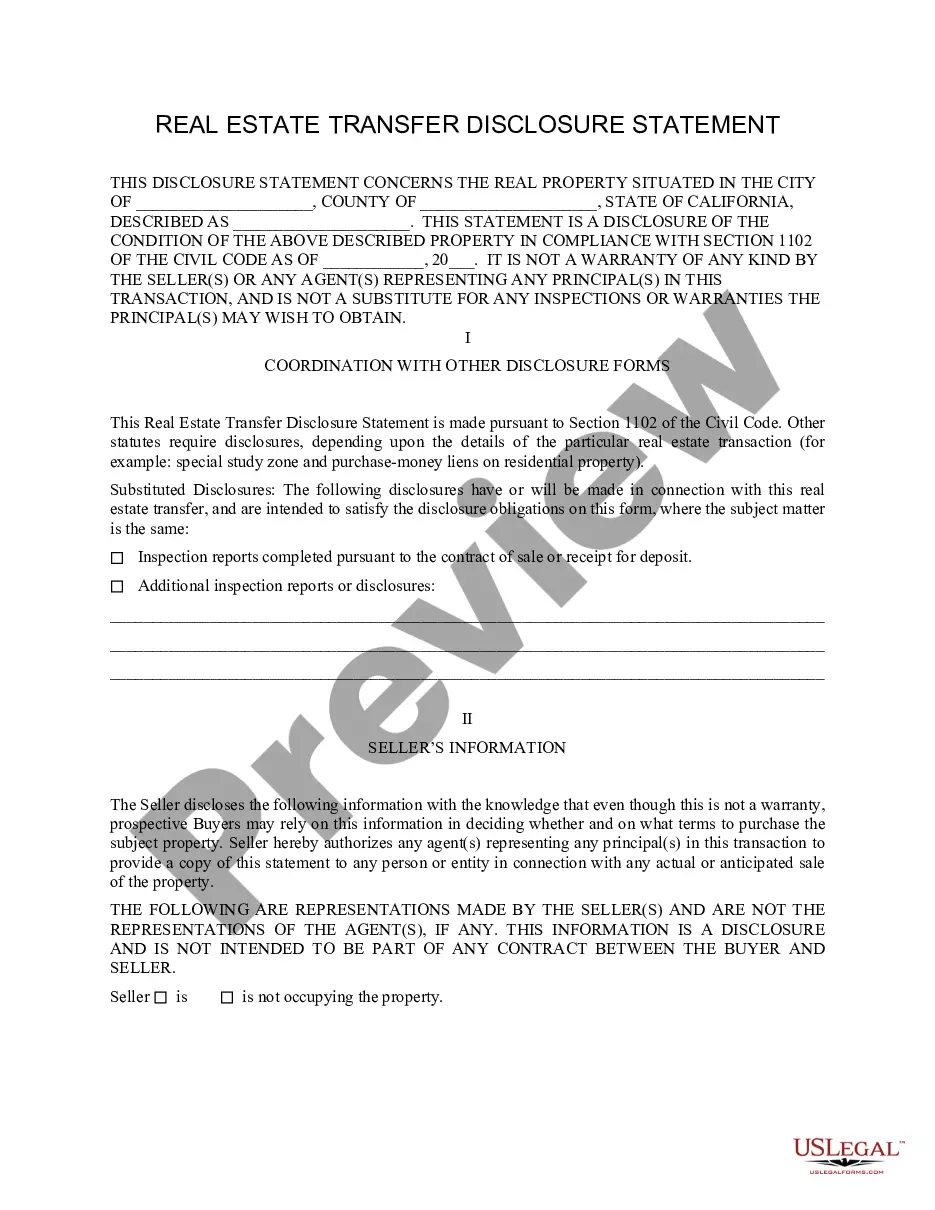
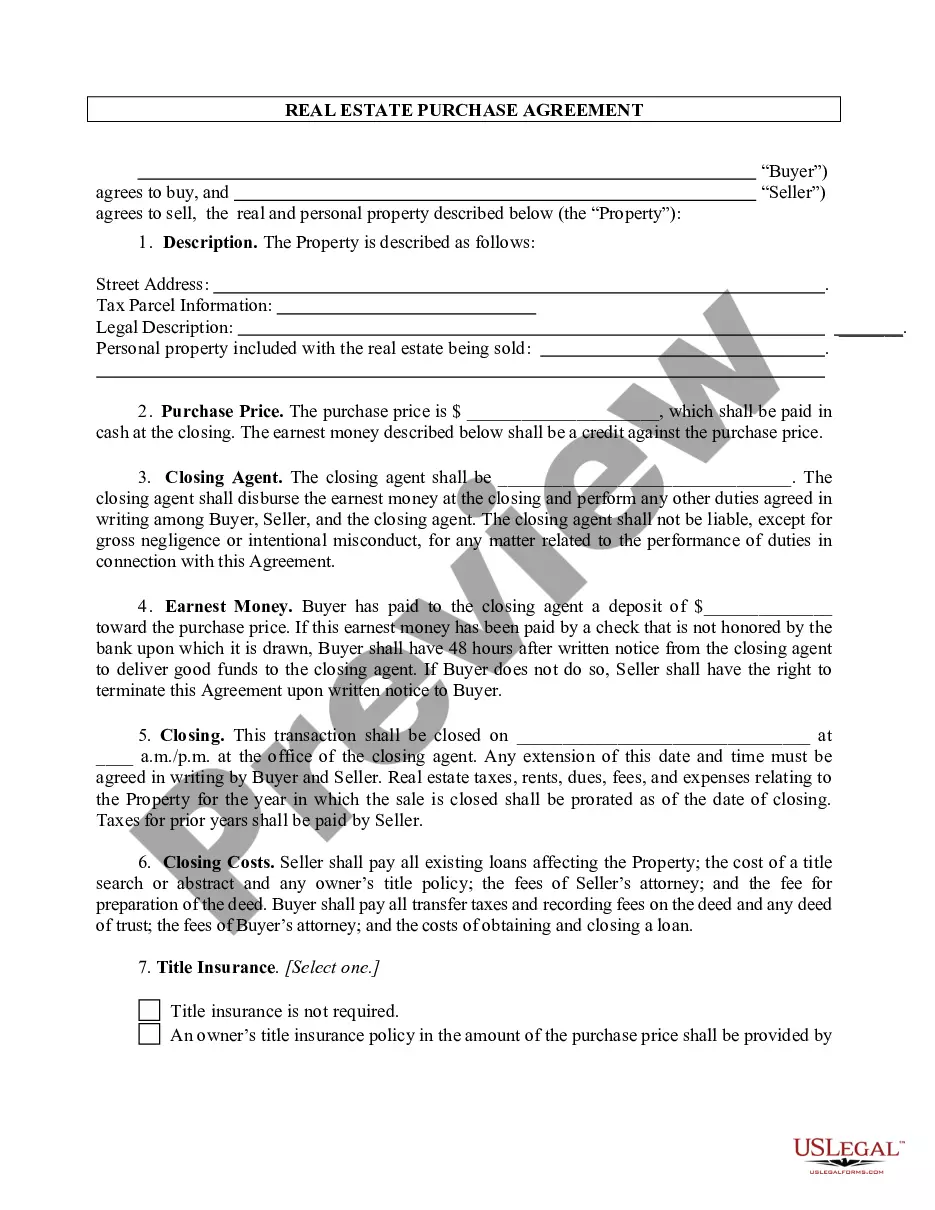
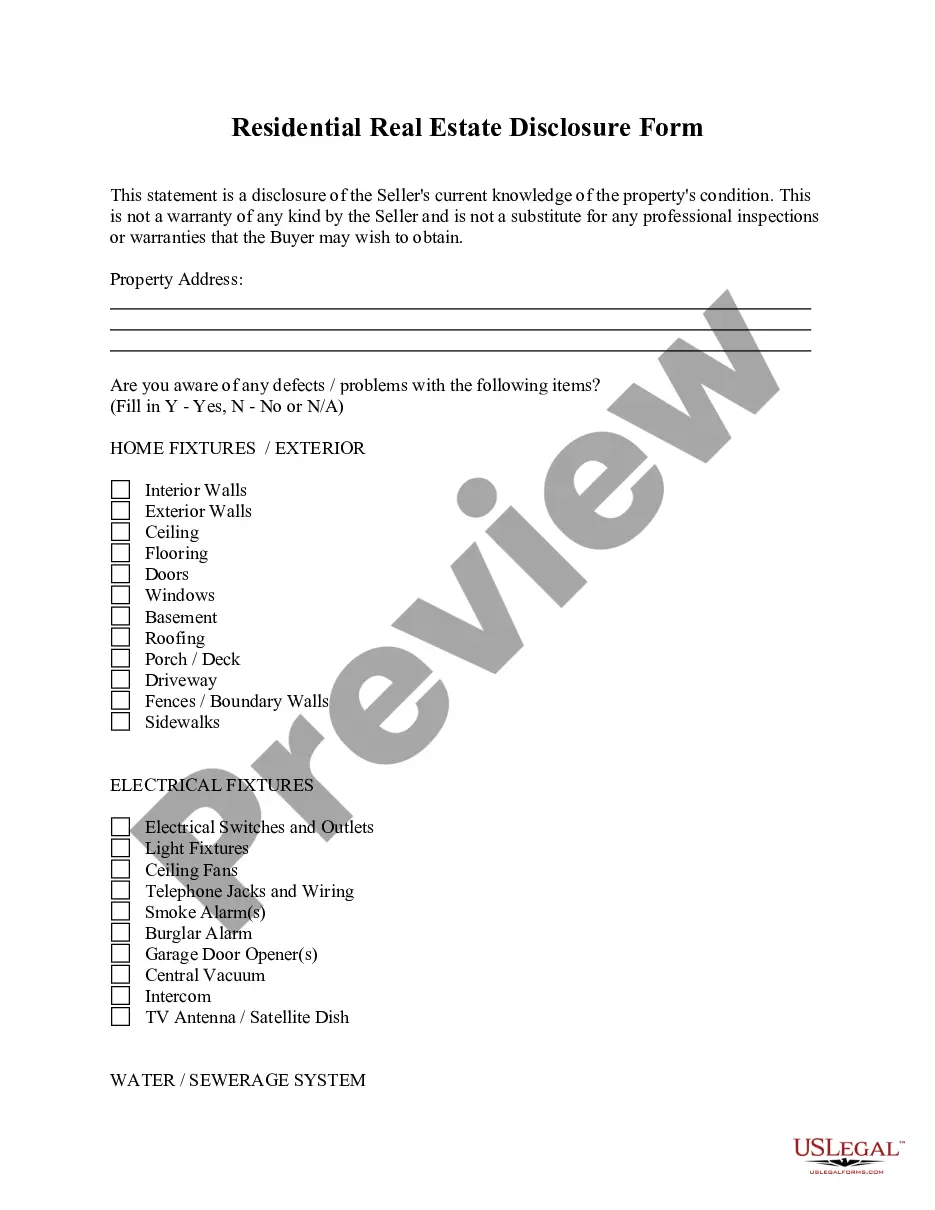
The Real Estate Disclosure Agreement is a crucial document intended to provide transparency regarding the condition and any defects of a property before a buyer commits to purchasing it. This form serves as an inventory of material facts that the seller is legally obliged to disclose to potential buyers, helping them make informed decisions. By utilizing this agreement, both parties can ensure clarity and uphold their legal rights throughout the transaction process.
Main sections of this form
- Identification of the real estate broker and parties involved in the agreement.
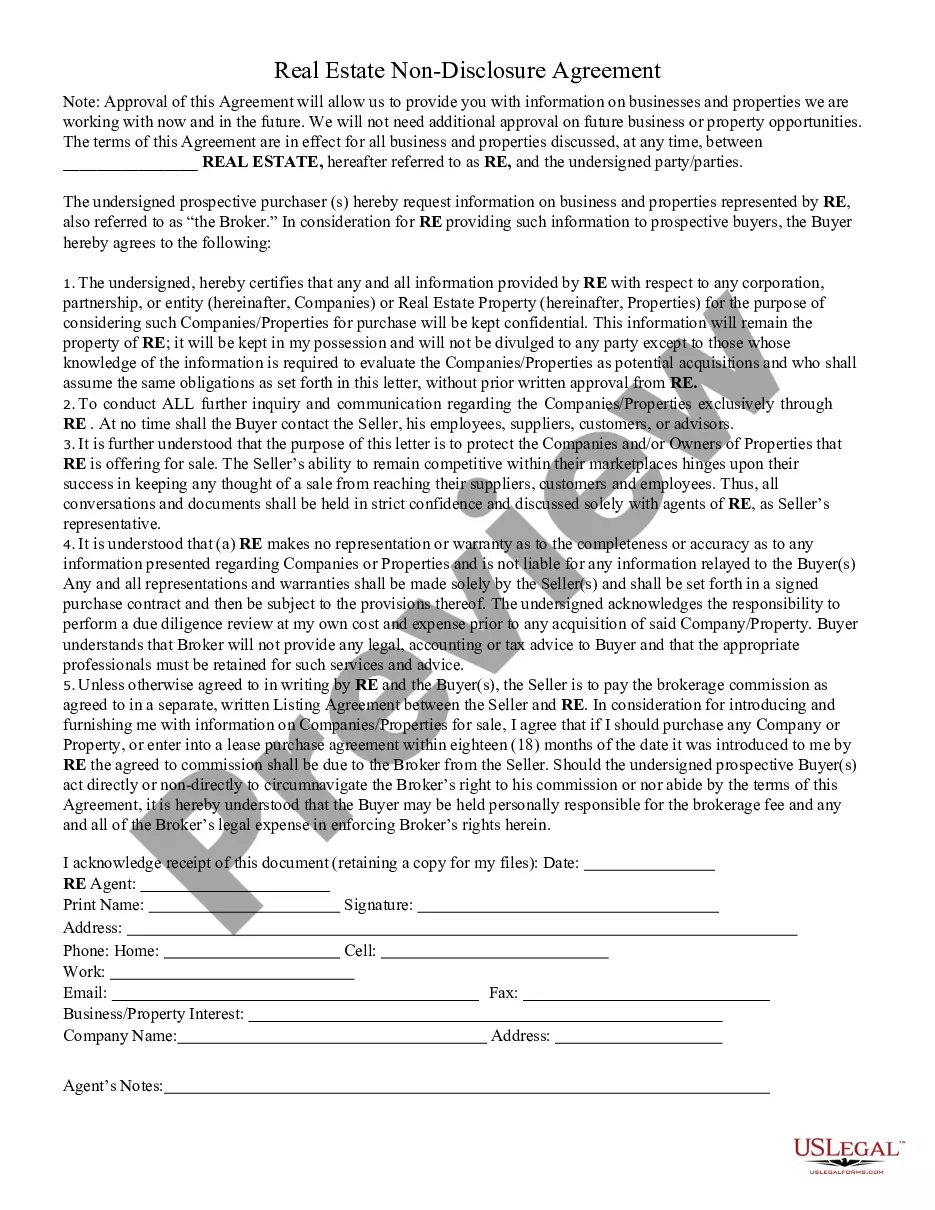
- Confidentiality clauses regarding the information provided about the properties.
- Conditions regarding the communication protocols between buyers and sellers.
- Provisions for brokerage commissions in case a property is purchased within a specified timeframe.
- Agreement to perform personal due diligence before making any acquisitions.
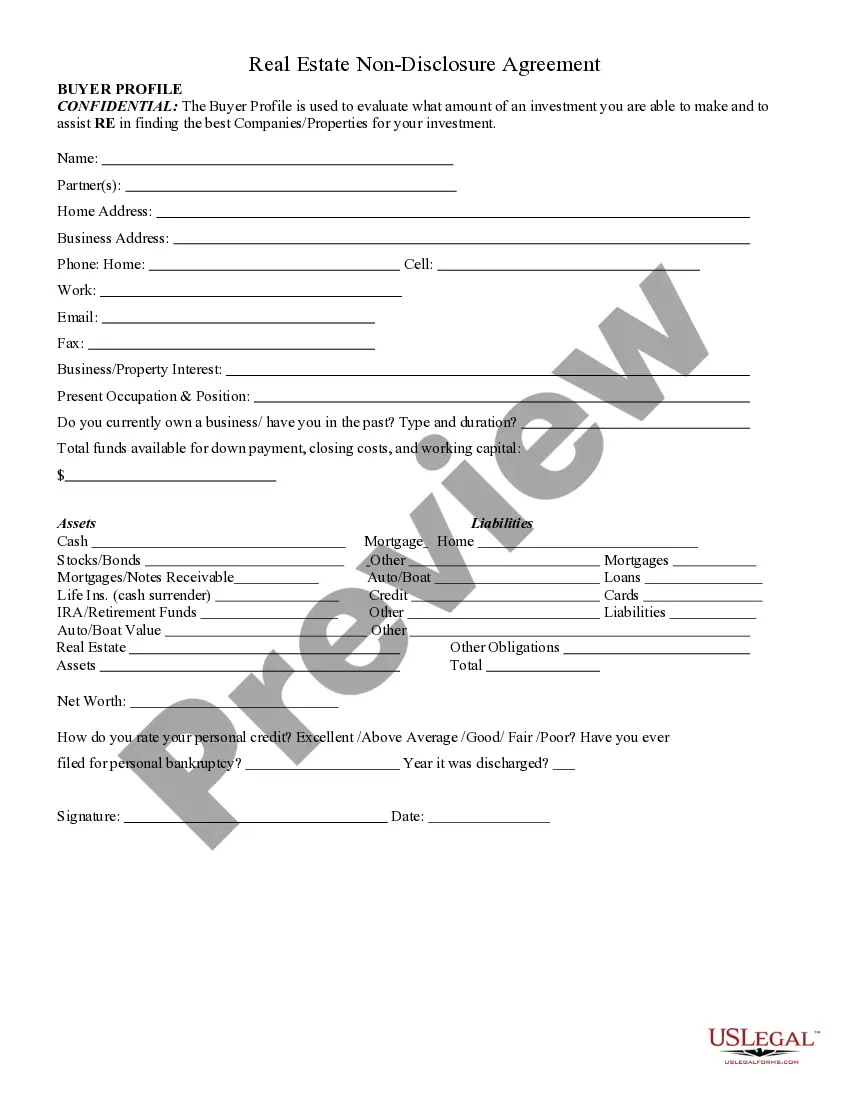
- Detailed buyer profile section to assess financial capacity and interests.
When to use this document
This form should be used when a buyer is seeking to gain access to critical information concerning properties listed for sale. It is particularly important in real estate transactions where the seller must disclose any adverse conditions or defects, ensuring that potential buyers have all necessary facts to make an informed decision before proceeding with a purchase agreement.
Who should use this form
- Real estate brokers who represent sellers and need a formal way to disclose information.
- Prospective buyers looking to gather detailed information about a property before making a purchase.
- Property owners selling their work and wishing to protect sensitive information regarding their property.
Completing this form step by step
- Identify the parties involved, including the real estate broker and buyer.
- Fill in the property details and any relevant identifiers.
- Enter the date of agreement and signatures for all parties involved.
- Complete the buyer profile section, detailing financial capabilities and interests.
- Ensure all confidentiality and communication protocols are clearly outlined and agreed upon.
Does this document require notarization?
This form does not typically require notarization unless specified by local law. However, ensuring proper execution according to state guidelines is crucial for its enforceability.
Get your form ready online
Our built-in tools help you complete, sign, share, and store your documents in one place.
Make edits, fill in missing information, and update formatting in US Legal Forms—just like you would in MS Word.
Download a copy, print it, send it by email, or mail it via USPS—whatever works best for your next step.
Sign and collect signatures with our SignNow integration. Send to multiple recipients, set reminders, and more. Go Premium to unlock E-Sign.
If this form requires notarization, complete it online through a secure video call—no need to meet a notary in person or wait for an appointment.
We protect your documents and personal data by following strict security and privacy standards.

Make edits, fill in missing information, and update formatting in US Legal Forms—just like you would in MS Word.

Download a copy, print it, send it by email, or mail it via USPS—whatever works best for your next step.

Sign and collect signatures with our SignNow integration. Send to multiple recipients, set reminders, and more. Go Premium to unlock E-Sign.

If this form requires notarization, complete it online through a secure video call—no need to meet a notary in person or wait for an appointment.

We protect your documents and personal data by following strict security and privacy standards.
Mistakes to watch out for
- Failing to disclose important property defects or issues.
- Not providing complete information in the buyer profile.
- Overlooking the need for all parties to sign and date the agreement.
- Ignoring state-specific legal requirements related to property disclosures.
Why use this form online
- Convenient access to legal templates that can be downloaded and customized immediately.
- Easy navigation and completion, ensuring all necessary information is captured.
- Reliable documents drafted by licensed attorneys, providing peace of mind with their validity.
- Speedy processing, allowing transactions to proceed without unnecessary delays.
Looking for another form?

Form popularity
FAQ
There are four different types of self-disclosures: deliberate, unavoidable, accidental and client initiated.
Ohio disclosure law requires sellers to disclose only those items they actually know about. This means that you aren't required to get an independent inspection to complete the form, only to list what you actually have learned and observed about the house through having lived there and taken care of it.
Most Common Disclosures in Real Estate Natural Hazards Disclosure. First on the list is the natural hazards disclosure.Market Conditions Advisory (MCA) Market Conditions Advisory, also known as MCA, covers items more financial in nature.State Transfer Disclosure.Local Transfer Disclosure.Megan's Law Disclosures.
Basic disclosure It is the most common and lowest level of disclosure available. It includes information on any 'unspent' convictions you have.
A Seller's Disclosure is a legal document that requires sellers to provide previously undisclosed details about the property's condition that prospective buyers may find unfavorable. This document is also known as a property disclosure, and it's important for both those buying a house and for those selling a house.
Here are some of the common types of disclosures sellers might be required to make to a prospective buyer. Property Repair History.Damage, Hazards And Faulty Systems.Death In The Home.HOA Governance.Liens On The Property.Items That Stay With The House Or Don't.Property Line Disputes.Nearby Nuisances.