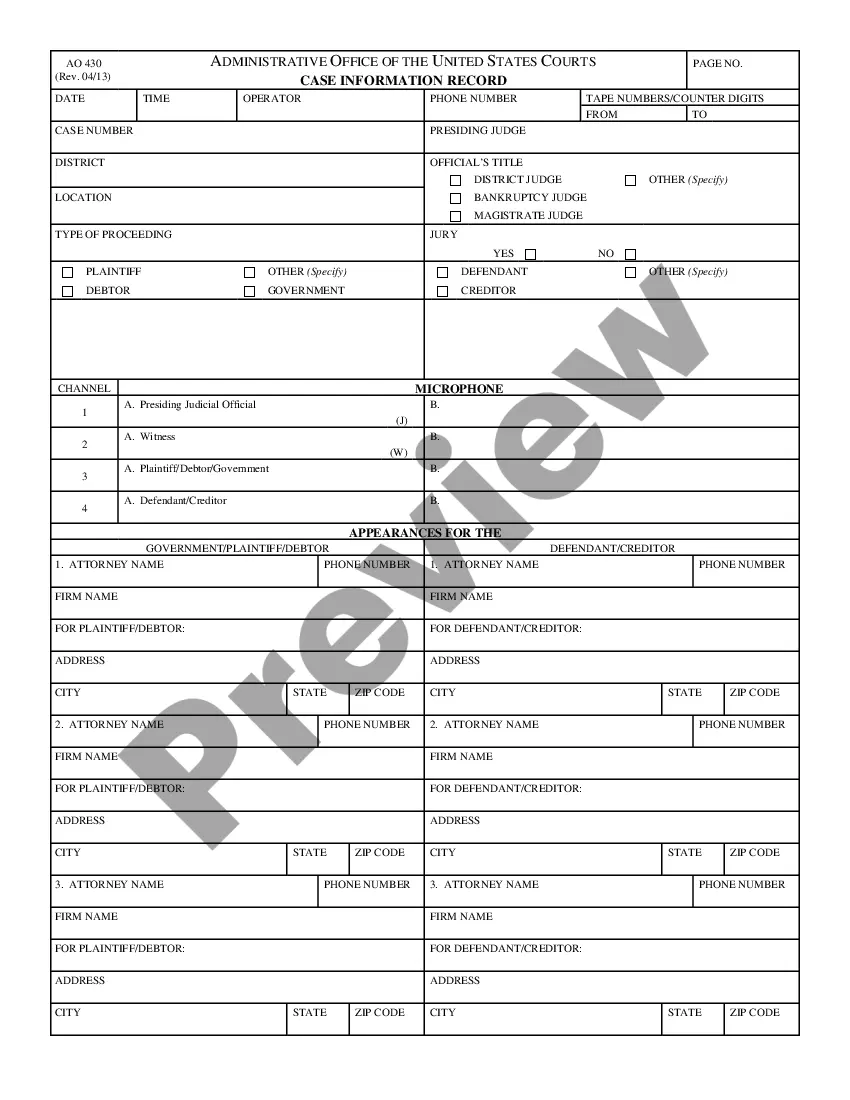
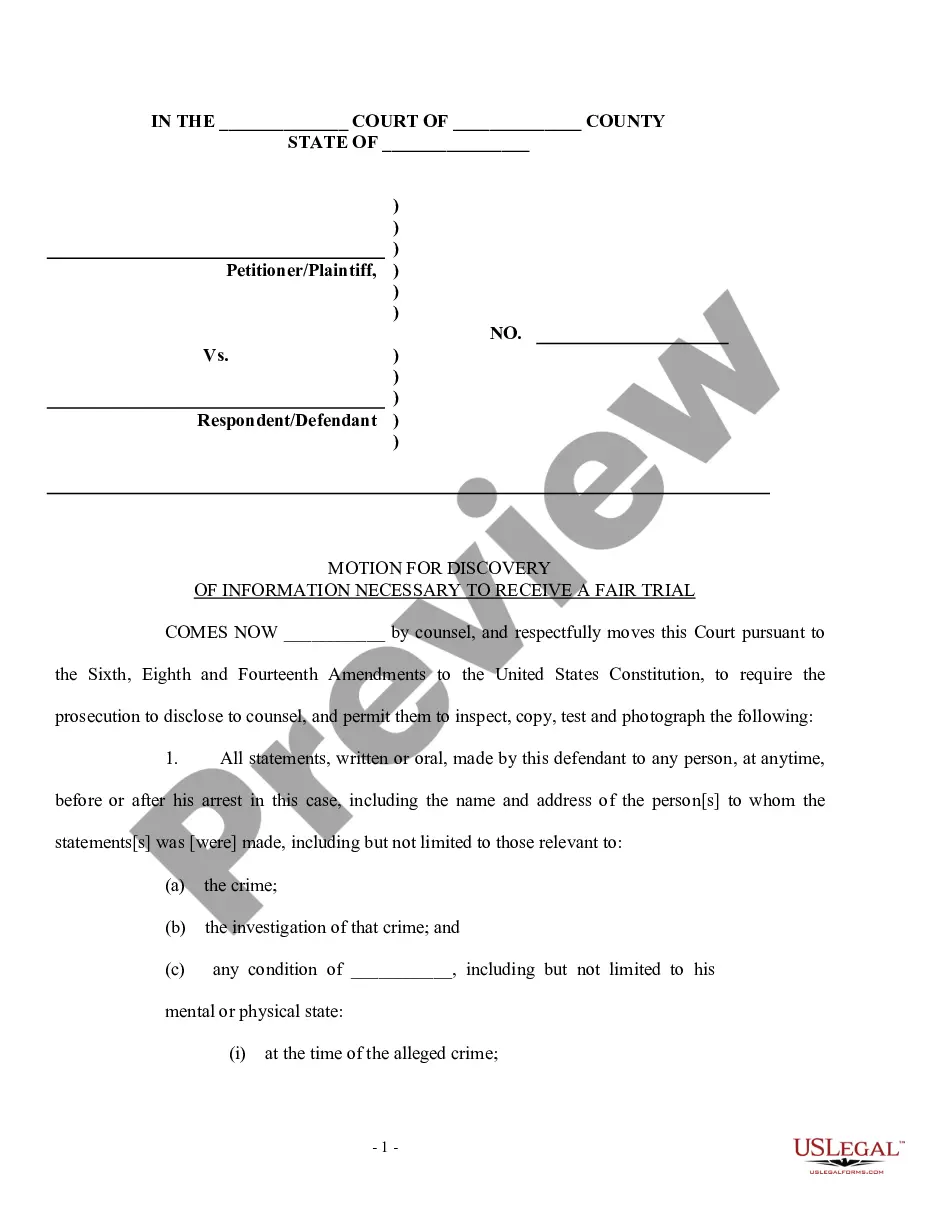
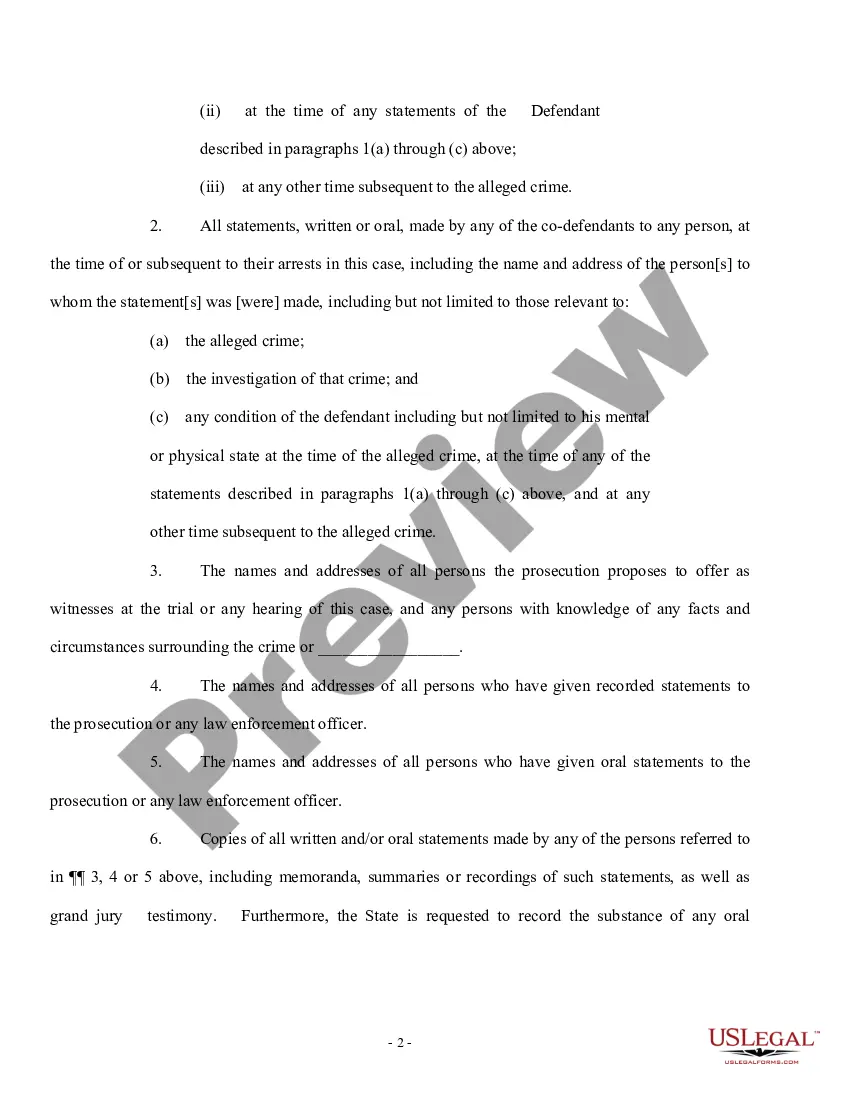
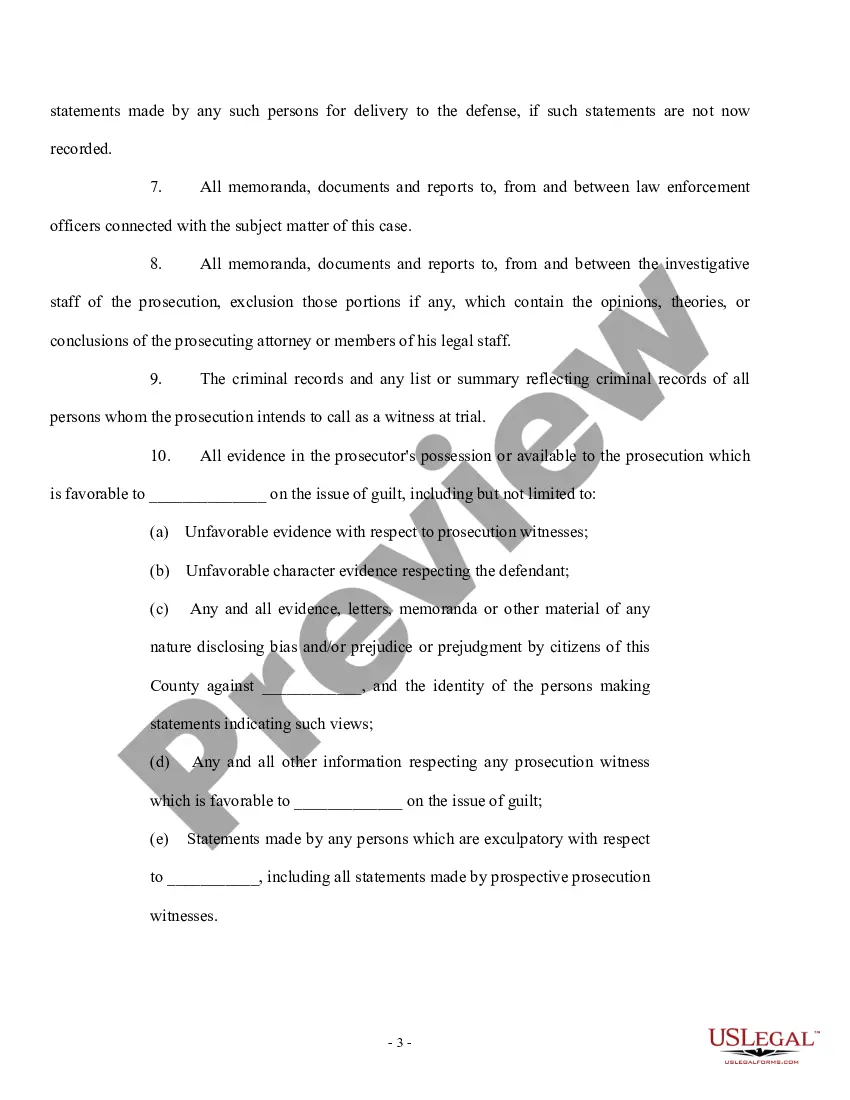
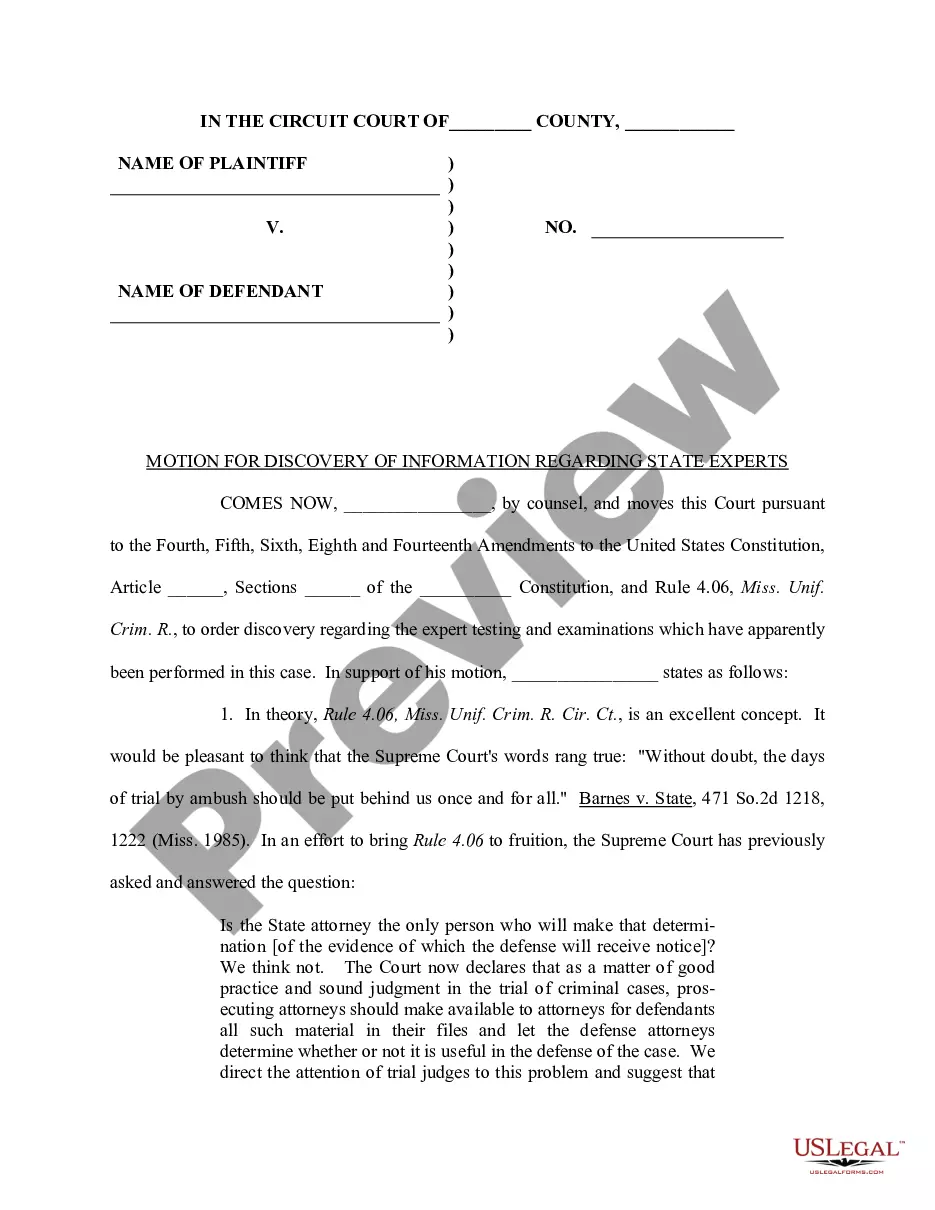
This form is a Motion for Discovery of Information Necessary to Receive a Fair Trial. Defendant's counsel requests that the prosecution disclose, and permit an inspection of all statements, written or oral, made by the defendant to any person, at anytime, before or after his arrest, including the name and address of the person(s) to whom the statement(s)were made.
Utah Motion for Discovery of Information Necessary to Receive a Fair Trial
Instant download
Description
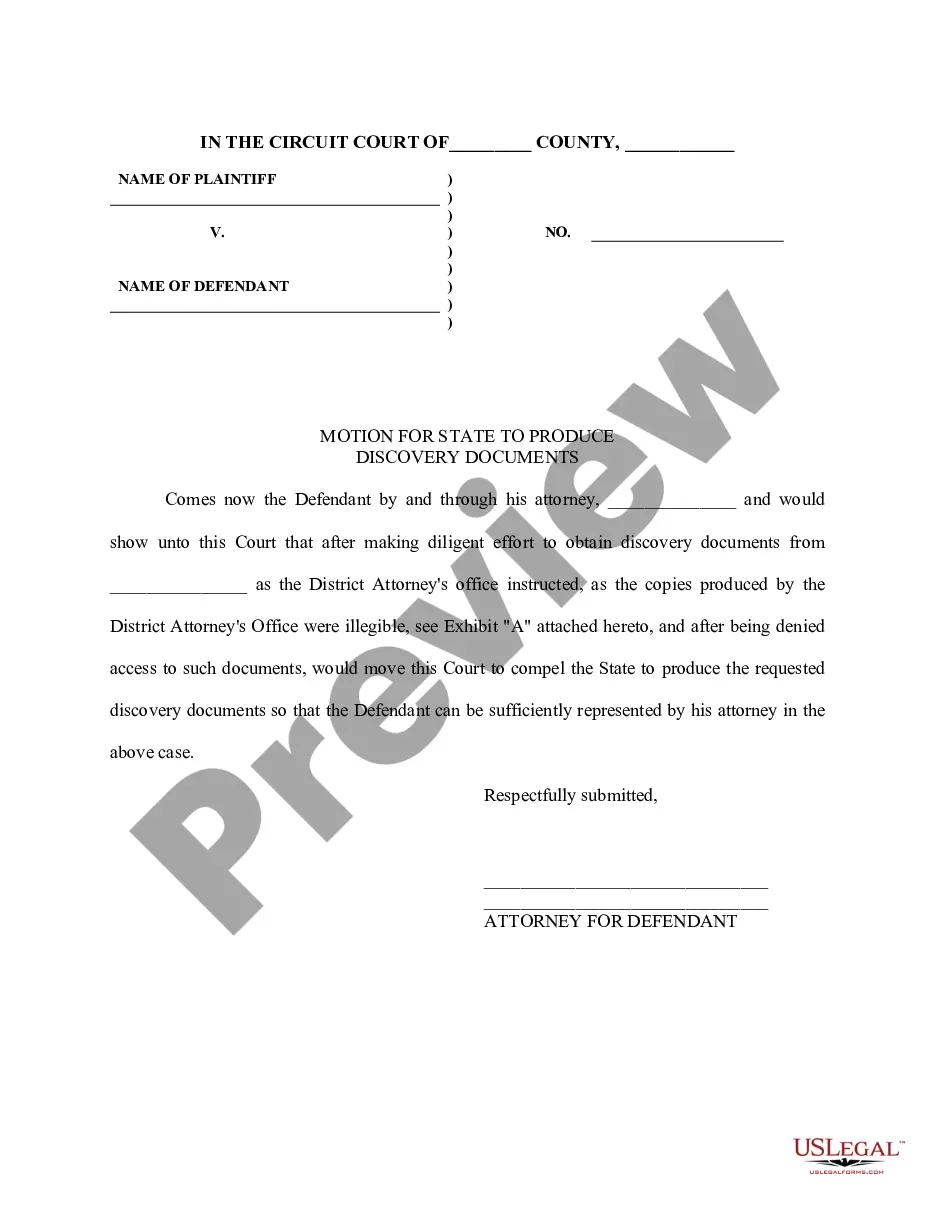
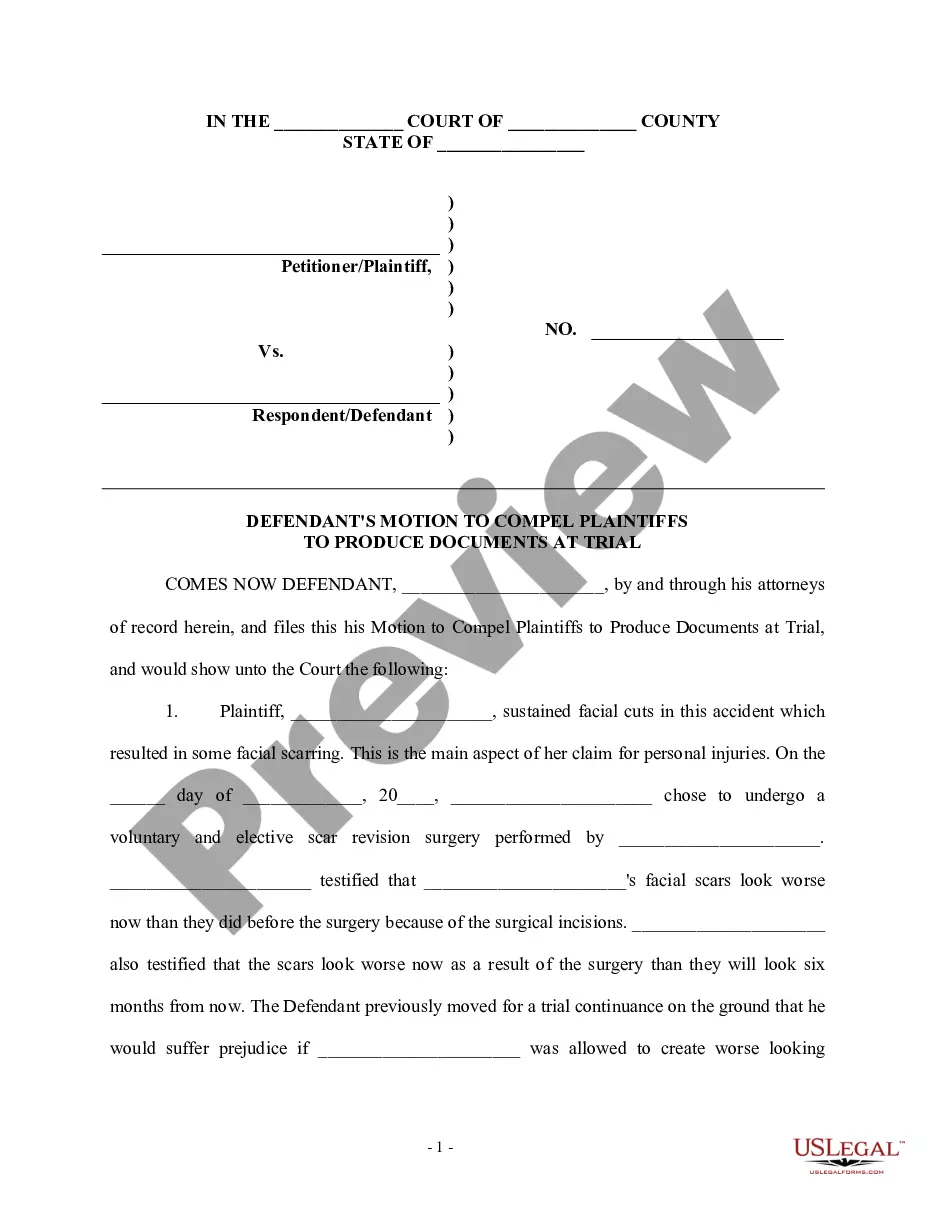
Free preview
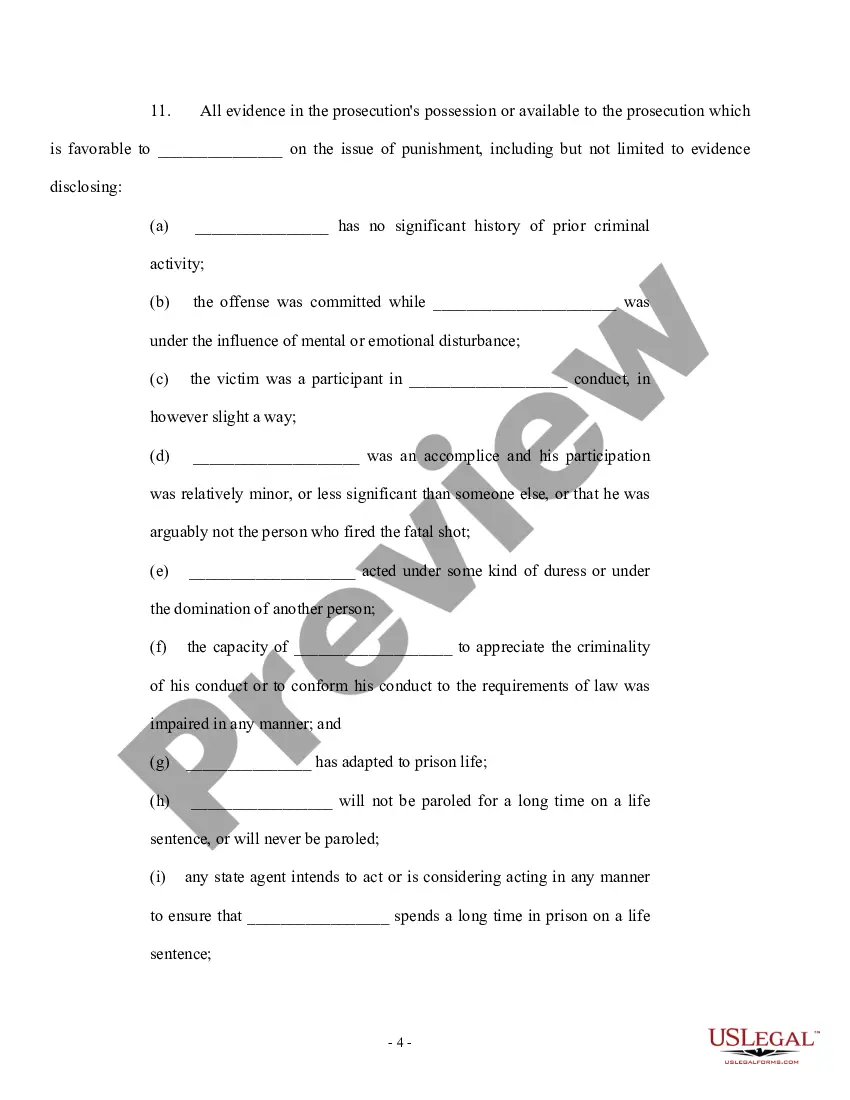
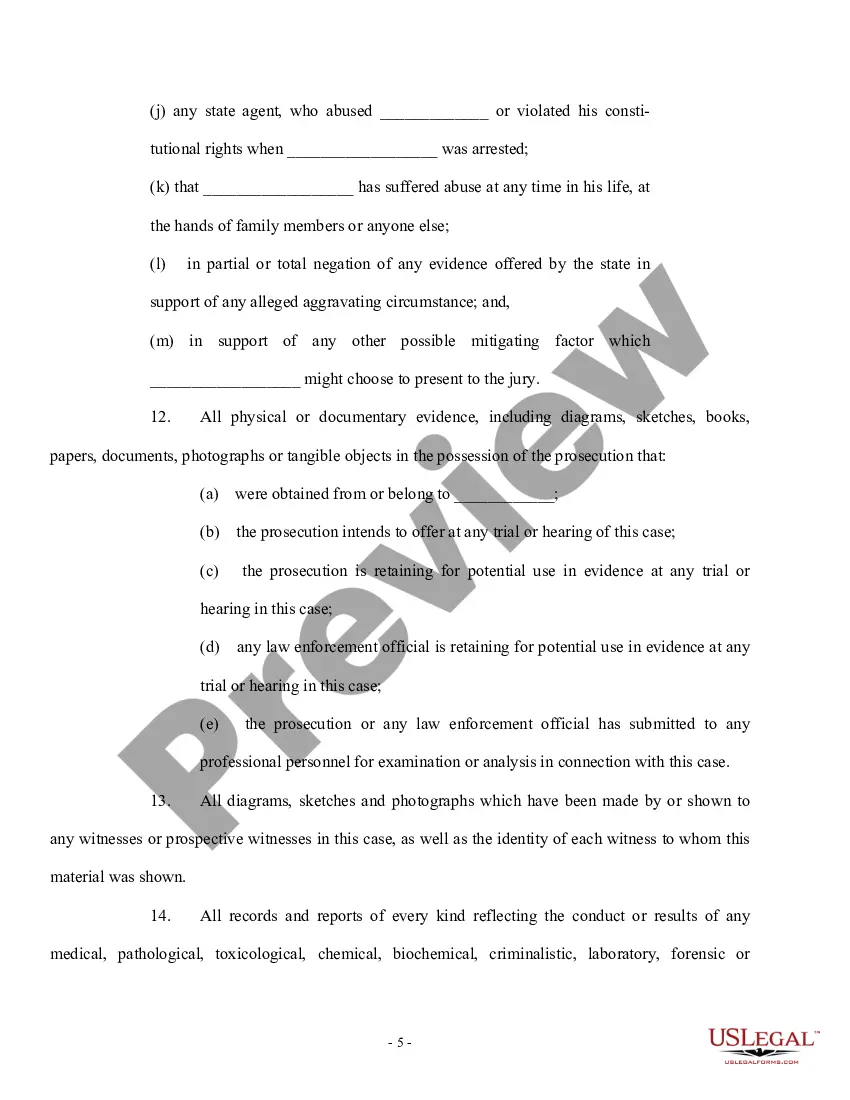
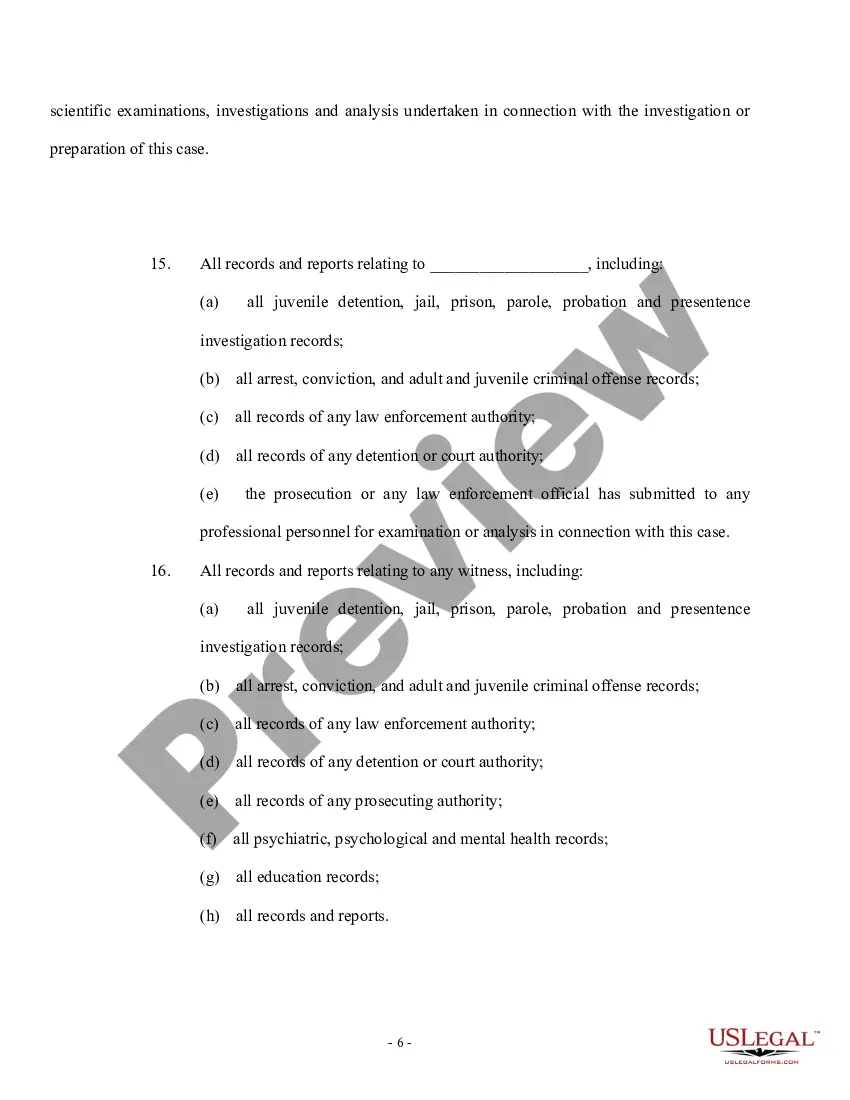
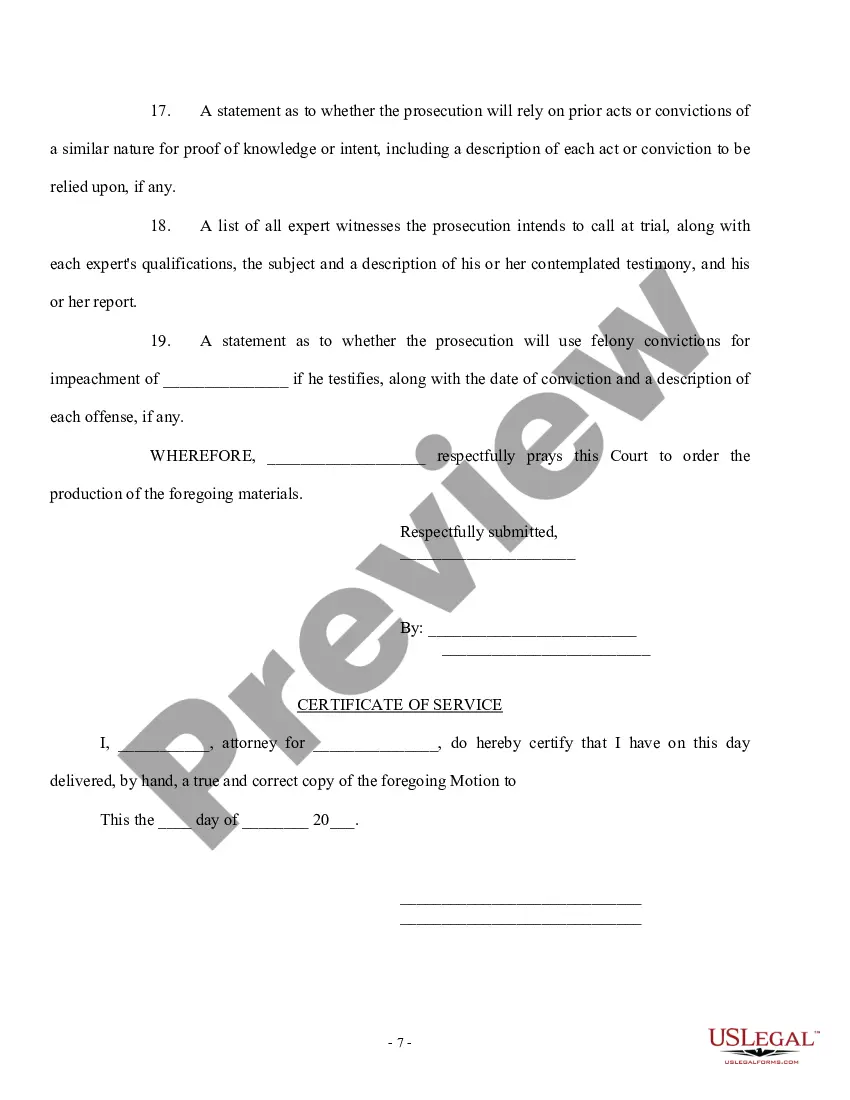
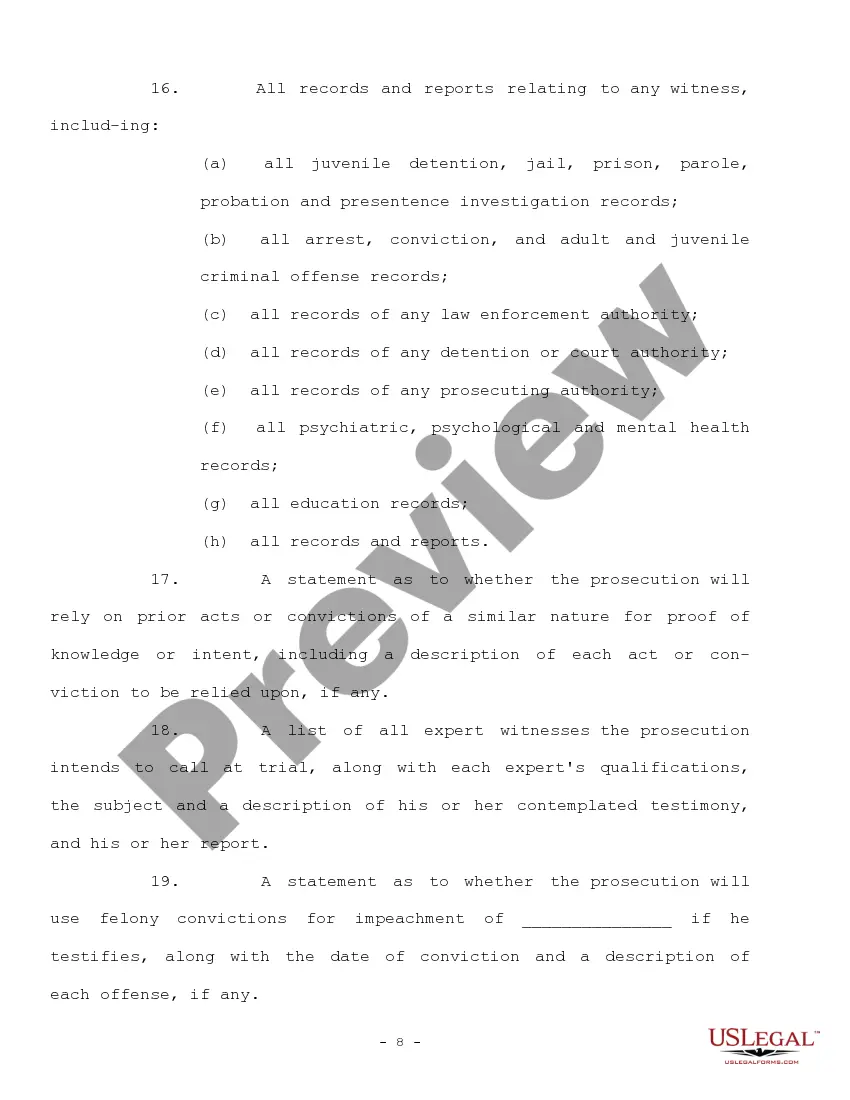
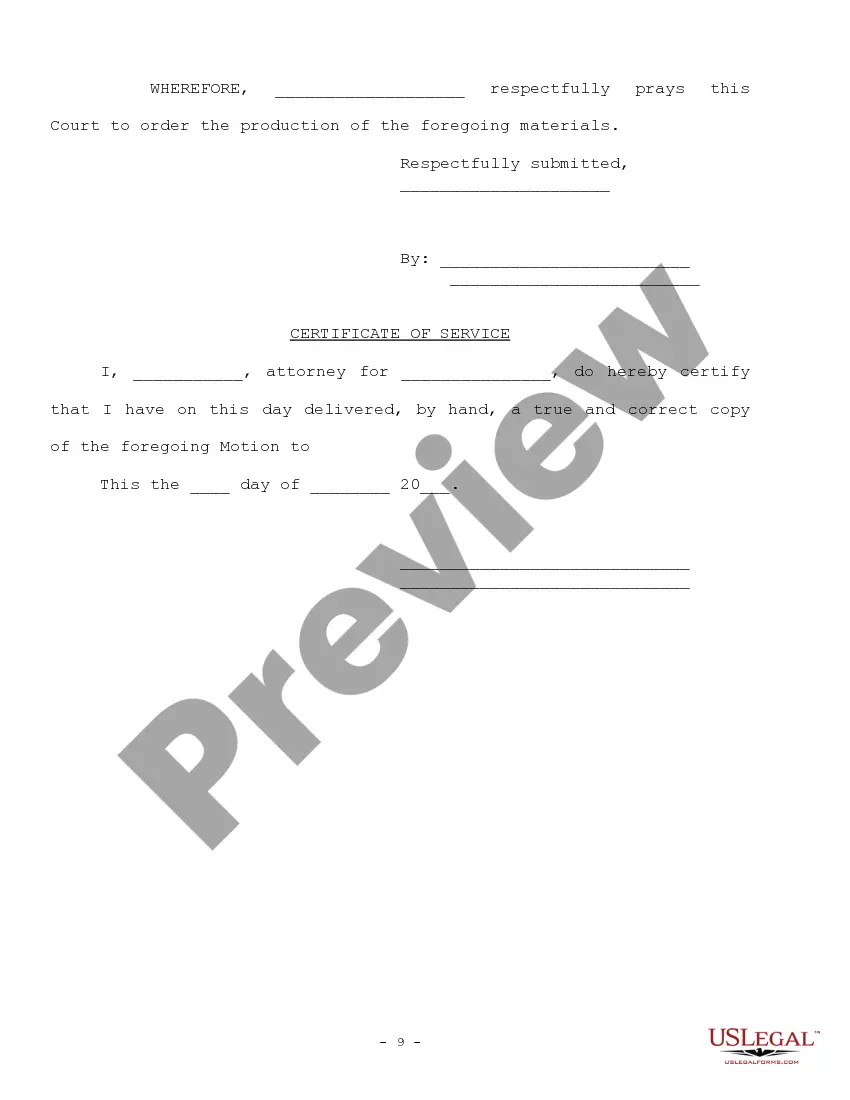
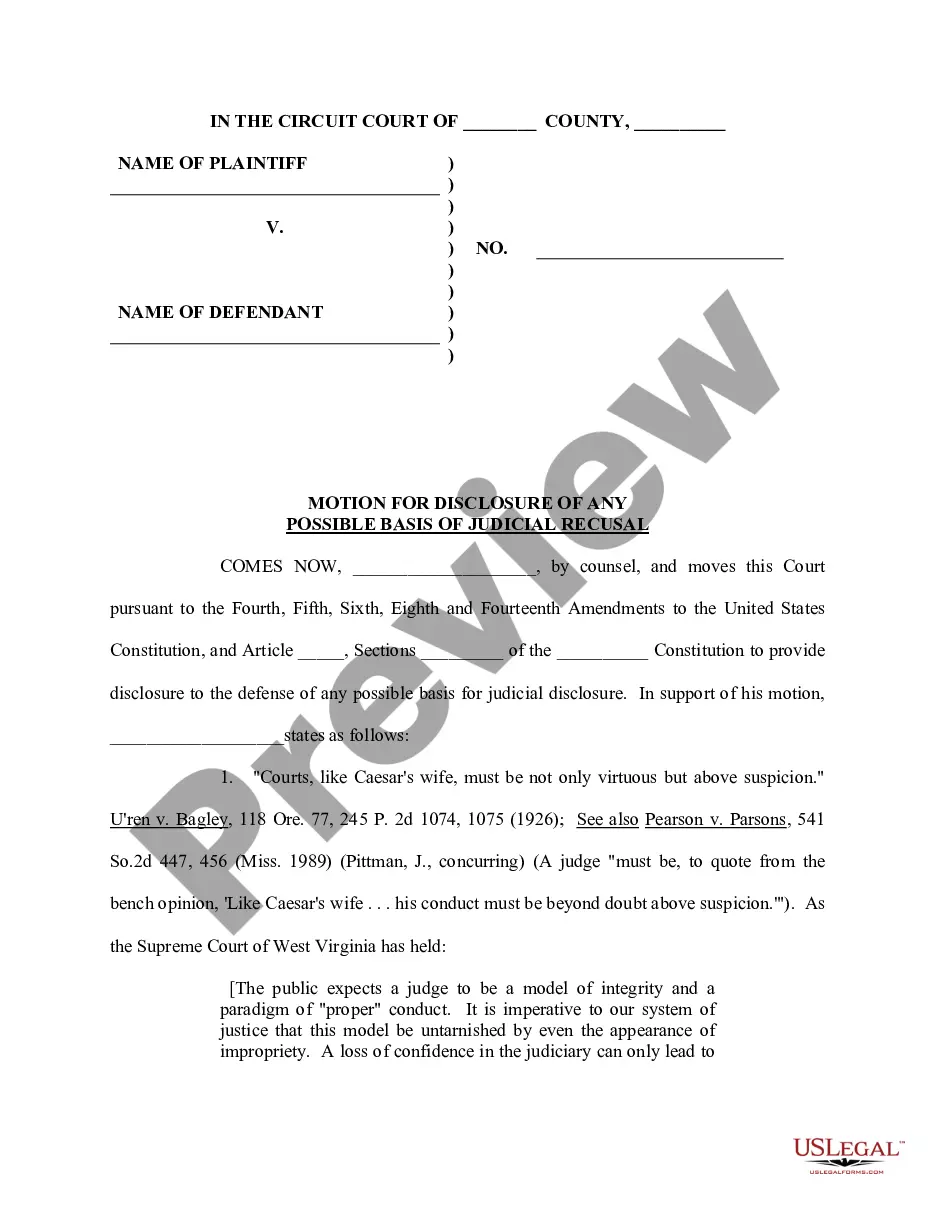
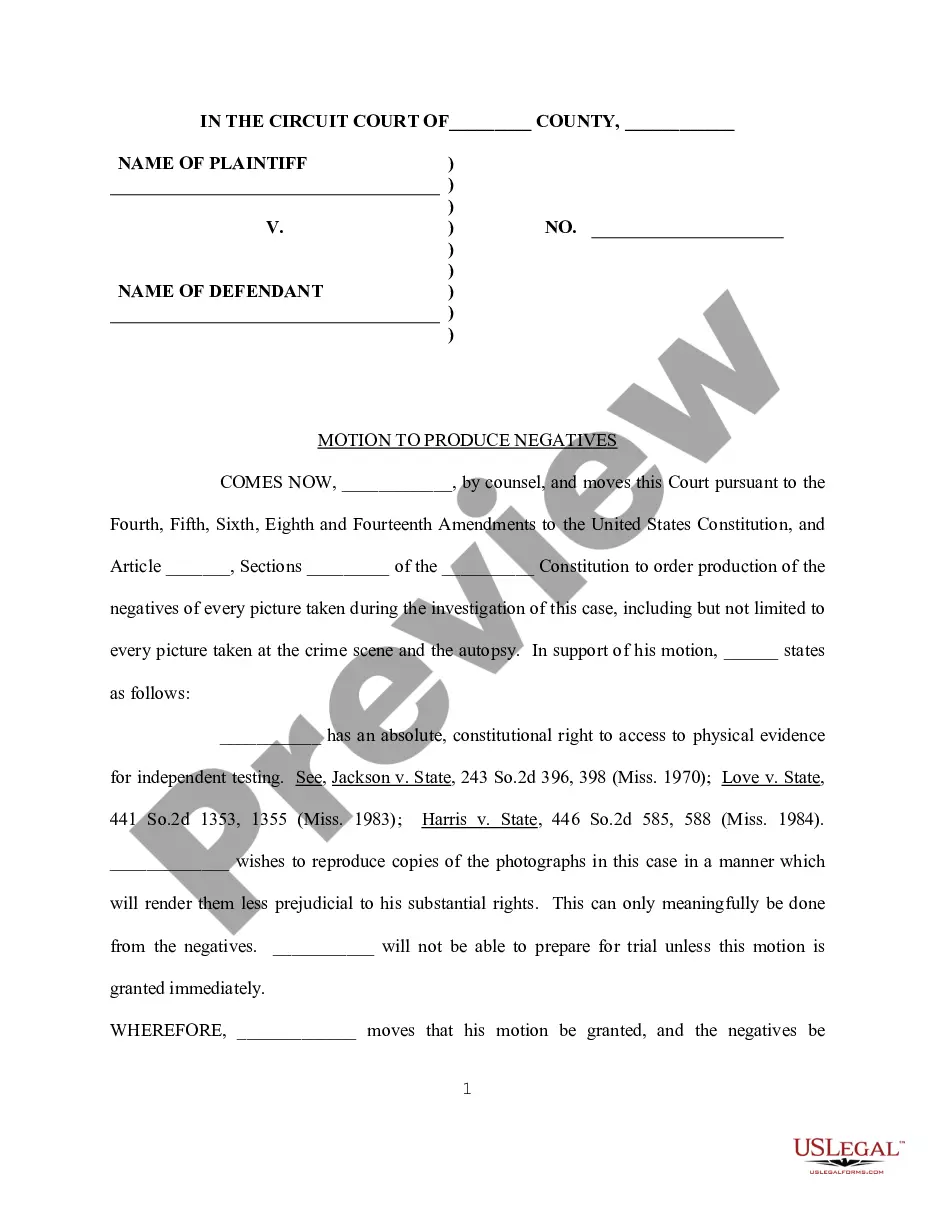
How to fill out Motion For Discovery Of Information Necessary To Receive A Fair Trial?
If you desire to total, obtain, or print legal document templates, utilize US Legal Forms, the largest collection of legal forms, which can be accessed online.
Employ the site's simple and user-friendly search to find the documents you need. Numerous templates for business and personal purposes are categorized by types and states, or keywords.
Utilize US Legal Forms to obtain the Utah Motion for Discovery of Information Necessary to Receive a Fair Trial within just a few clicks.
Step 5. Complete the transaction. You can use your credit card or PayPal account to finalize the payment.
Step 6. Select the format of the legal form and download it to your device. Step 7. Fill out, modify, and print or sign the Utah Motion for Discovery of Information Necessary to Receive a Fair Trial. Each legal document template you purchase is yours forever. You will have access to every form you saved in your account. Visit the My documents section and choose a form to print or download again. Stay competitive and obtain, and print the Utah Motion for Discovery of Information Necessary to Receive a Fair Trial using US Legal Forms. There are numerous professional and state-specific forms available for your business or personal needs.
- If you are already a US Legal Forms customer, sign in to your account and click on the Download button to retrieve the Utah Motion for Discovery of Information Necessary to Receive a Fair Trial.
- You can also access forms you previously saved from the My documents tab of your account.
- If you are using US Legal Forms for the first time, follow the steps below.
- Step 1. Ensure you have selected the form for the correct city/state.
- Step 2. Use the Preview feature to review the form's content. Don't forget to read the summary.
- Step 3. If you are not satisfied with the form, utilize the Search field at the top of the screen to find other versions of the legal form template.
- Step 4. Once you have found the form you want, click the Get now button. Choose the payment plan you prefer and enter your details to register for the account.
Form popularity
FAQ
We don't like Motions to Compel. Judges don't like them, and neither do the opposing parties we bring them against. But they are, sometimes, required to be brought in cases where you need information to make sure you know what facts, witnesses and documents are in a case prior to going to going to trial.
Rule 26(d). If a party fails to disclose or to supplement timely its discovery responses, that party cannot use the undisclosed witness, document, or material at any hearing or trial, absent proof that non-disclosure was harmless or justified by good cause.
Each party must attach to the Financial Declaration the following: (1) For every item and amount listed in the Financial Declaration, excluding monthly expenses, copies of statements verifying the amounts listed on the Financial Declaration that are reasonably available to the party.
A party may serve upon any other party a written request to admit the truth of any discoverable matter set forth in the request, including the genuineness of any document. The matter must relate to statements or opinions of fact or of the application of law to fact. Each matter must be separately stated and numbered.
Courts enforce their orders by imposing sanctions on a party who fails to comply. Sanctions can be monetary, such as requiring one party to pay the other parties attorneys' fees and/or imposing a monetary fine, or they can hamper a party's ability to put on their case.
If a party does not respond to a discovery request, the party seeking discovery can file a motion asking the judge to compel discovery and impose sanctions. The party seeking discovery must show the judge that the information is discoverable and that discovery is proportional to the case.
A motion to compel a response to discovery must include: the nature of the questions or request at issue; the response or objections of the party upon whom the request was served; arguments in support of the motion; and.
A Motion to Compel Discovery may be filed by any interested party to request the court order an opposing party or a third party to produce a response to a discovery request for documentation or information.