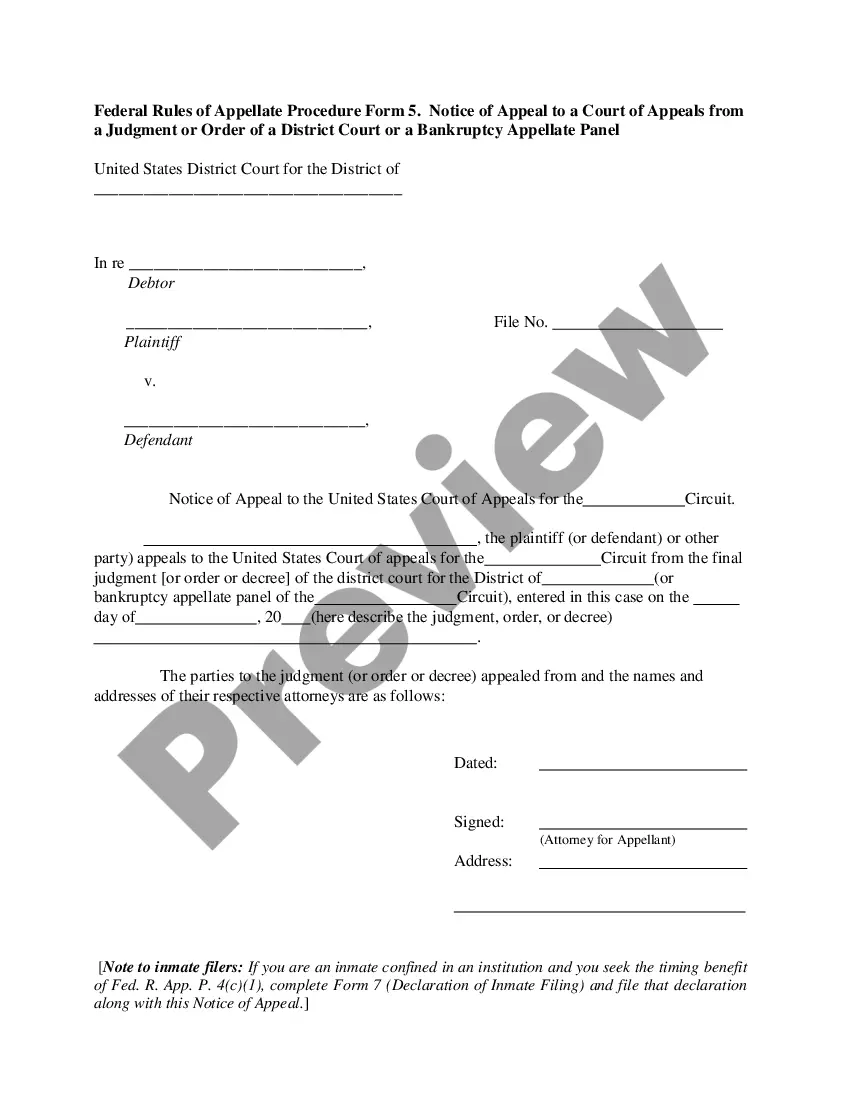
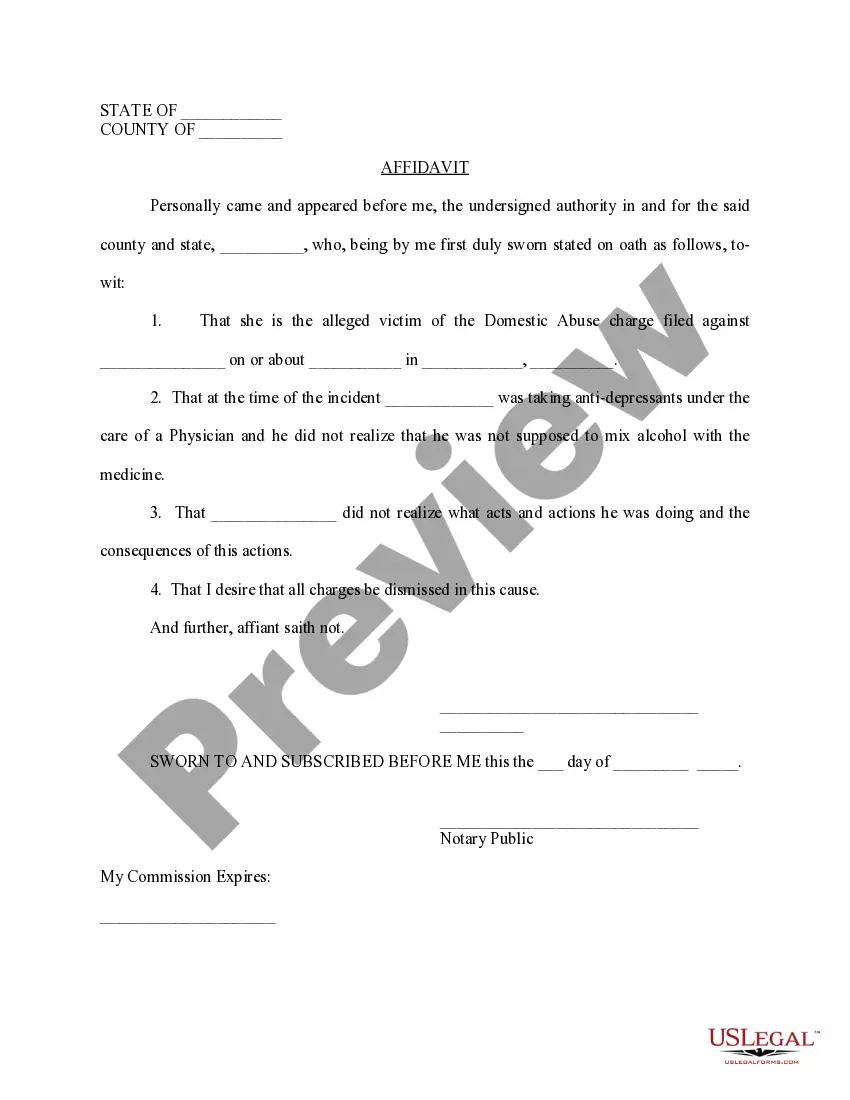
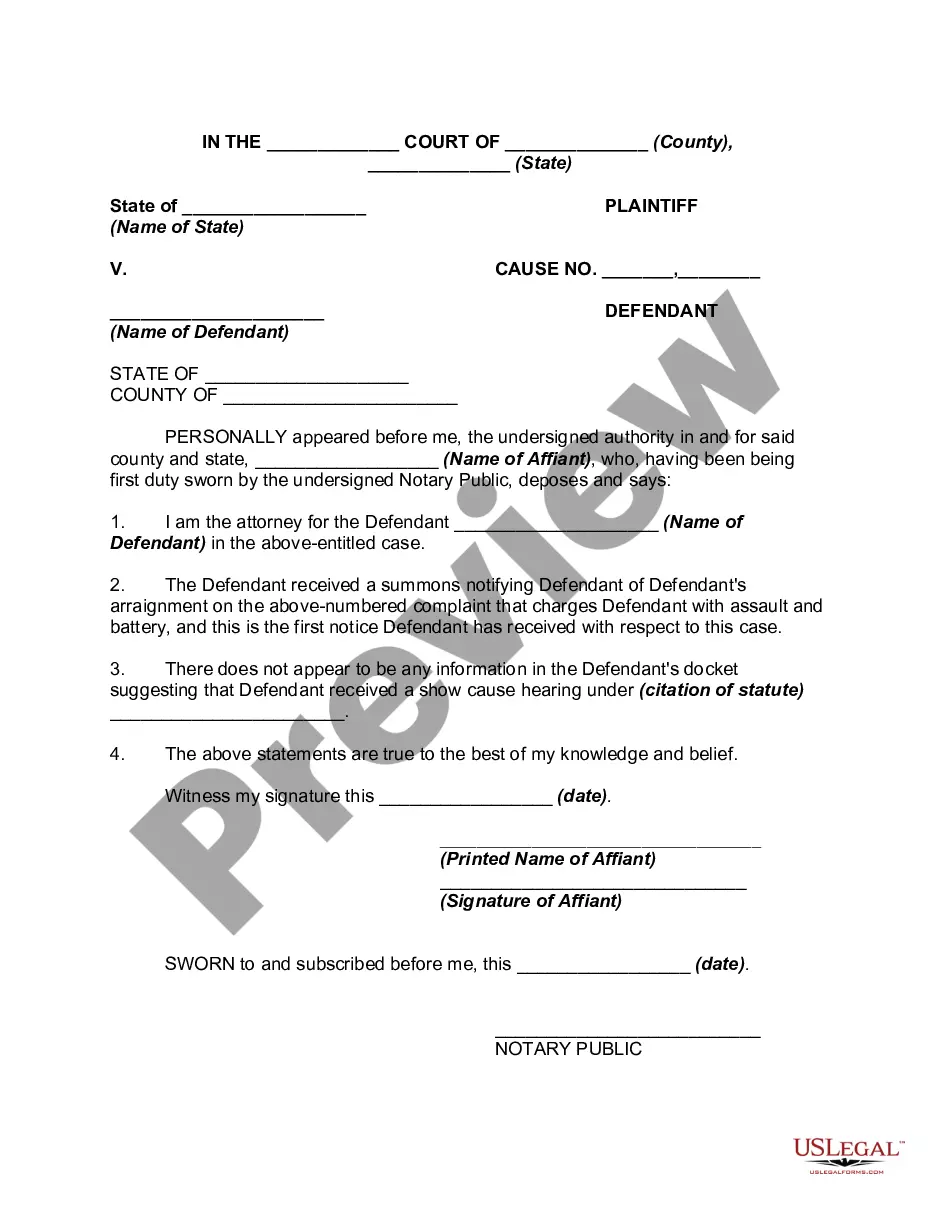
Utah Affidavit by Victim for Dismissal
Description
Get your form ready online
Our built-in tools help you complete, sign, share, and store your documents in one place.
Make edits, fill in missing information, and update formatting in US Legal Forms—just like you would in MS Word.
Download a copy, print it, send it by email, or mail it via USPS—whatever works best for your next step.
Sign and collect signatures with our SignNow integration. Send to multiple recipients, set reminders, and more. Go Premium to unlock E-Sign.
If this form requires notarization, complete it online through a secure video call—no need to meet a notary in person or wait for an appointment.
We protect your documents and personal data by following strict security and privacy standards.

Make edits, fill in missing information, and update formatting in US Legal Forms—just like you would in MS Word.

Download a copy, print it, send it by email, or mail it via USPS—whatever works best for your next step.

Sign and collect signatures with our SignNow integration. Send to multiple recipients, set reminders, and more. Go Premium to unlock E-Sign.

If this form requires notarization, complete it online through a secure video call—no need to meet a notary in person or wait for an appointment.

We protect your documents and personal data by following strict security and privacy standards.
Looking for another form?

How to fill out Affidavit By Victim For Dismissal?
Are you in a location where you need paperwork for business or particular purposes almost every day? There are numerous official document templates available online, but finding forms you can rely on is not easy. US Legal Forms provides a vast array of document templates, such as the Utah Affidavit by Victim for Dismissal, which can be tailored to meet state and federal requirements.
If you are already familiar with the US Legal Forms website and have an account, simply Log In. After that, you can download the Utah Affidavit by Victim for Dismissal template.
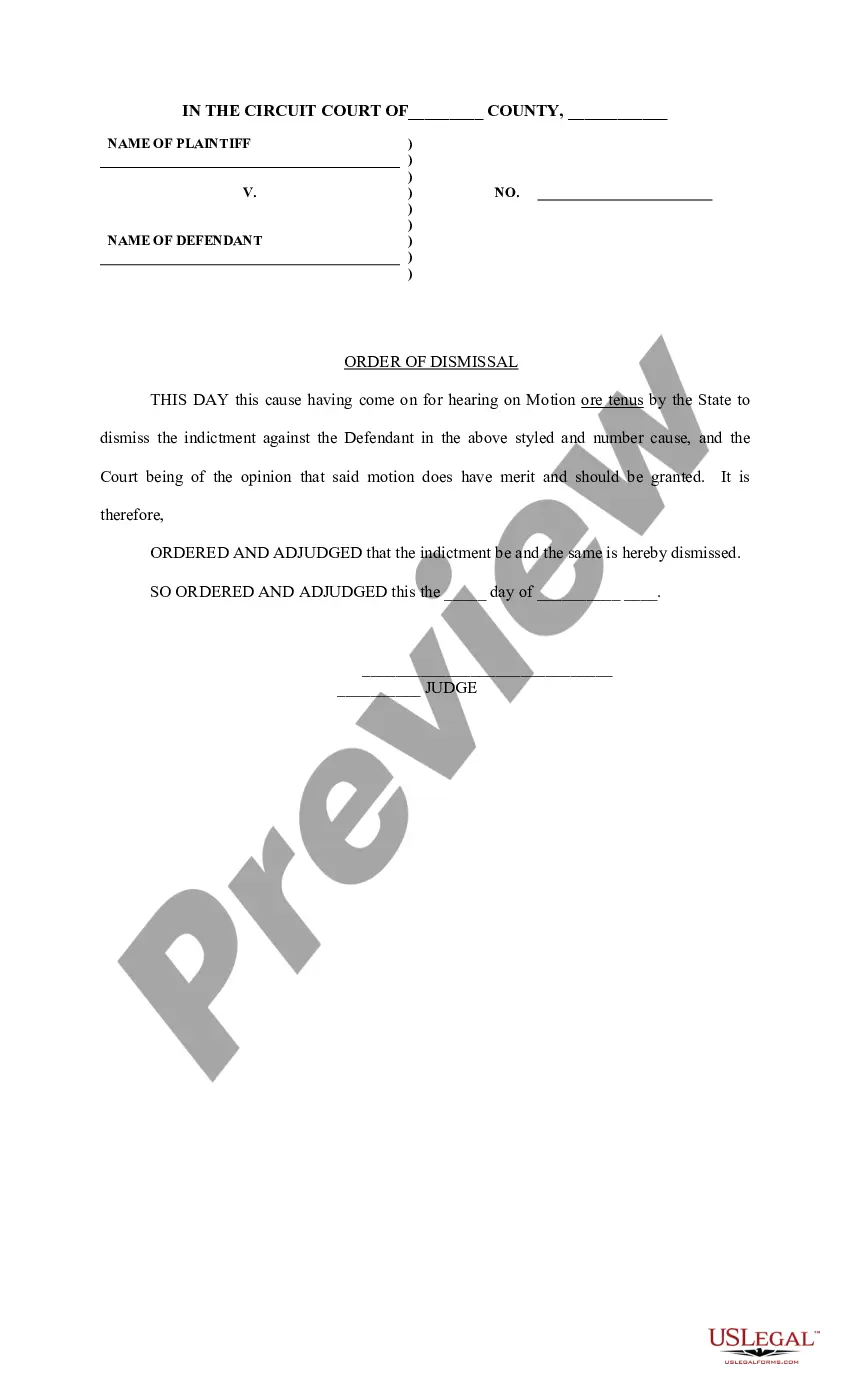
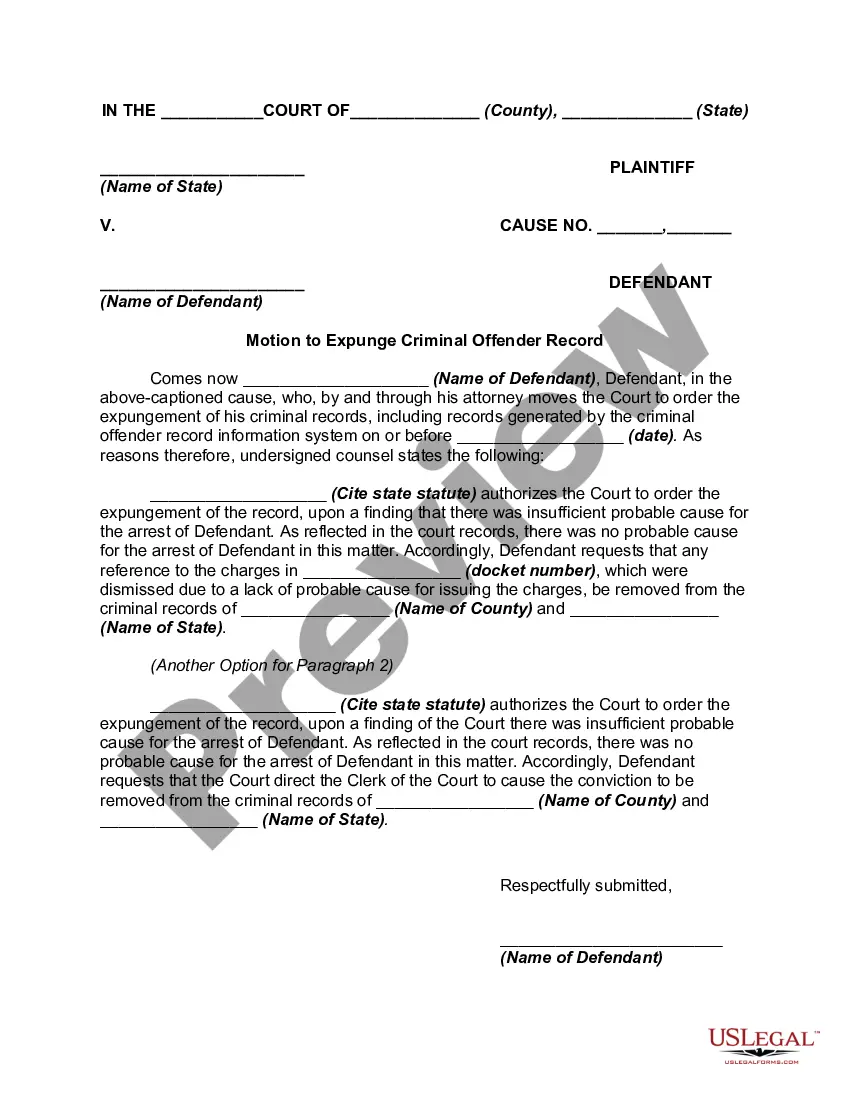
If you do not have an account and wish to start using US Legal Forms, follow these steps: Obtain the form you need and ensure it is for the correct city/state. Utilize the Preview button to review the form. Check the information to confirm you have selected the right form. If the form is not what you are looking for, use the Search box to find the form that meets your needs and requirements. Once you locate the correct form, click Buy now. Select the pricing plan you prefer, enter the required information to create your account, and complete the purchase using your PayPal or credit card. Choose a convenient document format and download your copy.
- Access all the document templates you have purchased in the My documents section. You can obtain another version of the Utah Affidavit by Victim for Dismissal anytime, if needed. Just click on the desired form to download or print the document template.
- Utilize US Legal Forms, one of the largest collections of official forms, to save time and avoid mistakes. The service provides professionally created legal document templates that you can use for various purposes.
- Create an account on US Legal Forms and start making your life a little easier.
Form popularity
FAQ
REQUEST FOR DISMISSAL Definition & Legal Meaning a term for asking the court to terminate or dismiss a case. usually asked for by the attorney for the defendant.
The basic meaning of 'without prejudice' is that statements made in the settlement of an existing dispute cannot be relied upon as evidence against the interests of the relevant party if negotiations fail and the parties then have to formally engage in a dispute resolution procedure.
For example, an employer might admit in a without prejudice communication that it had failed to carry out certain procedures which might otherwise render a dismissal unfair, but the employee would normally not be able to show that admission to an Employment Tribunal to try and prove their claim.
Utah law provides a two-year statute of limitations for most misdemeanors and a four-year statute of limitations for most felonies. If a case is dismissed without prejudice, it may be re-filed within the statute of limitations period.
A case dismissed with prejudice is considered a final ruling on the merits of that case. A case dismissed without prejudice is not considered a ruling on the merits and the plaintiff is free to file a new lawsuit on the same grounds if they wish to do so.
?With prejudice? means that you cannot re-file your case ever. ?Without prejudice? means that you can re-file your case at a later date (as long as you are still within the statute of limitations).
A: A judge can dismiss a case without prejudice if they detect legal errors that prevent the case from going forward. However, dismissing the case without prejudice allows the two sides to correct those errors and re-file the case.
Because the prosecutor filed the charge, they also have the discretion to dismiss it if they believe the facts and circumstances warrant it. Likewise, a judge can dismiss the case if they find no legal basis for the charge, if the defendant's rights have been violated, or if the state has failed to prove its case.