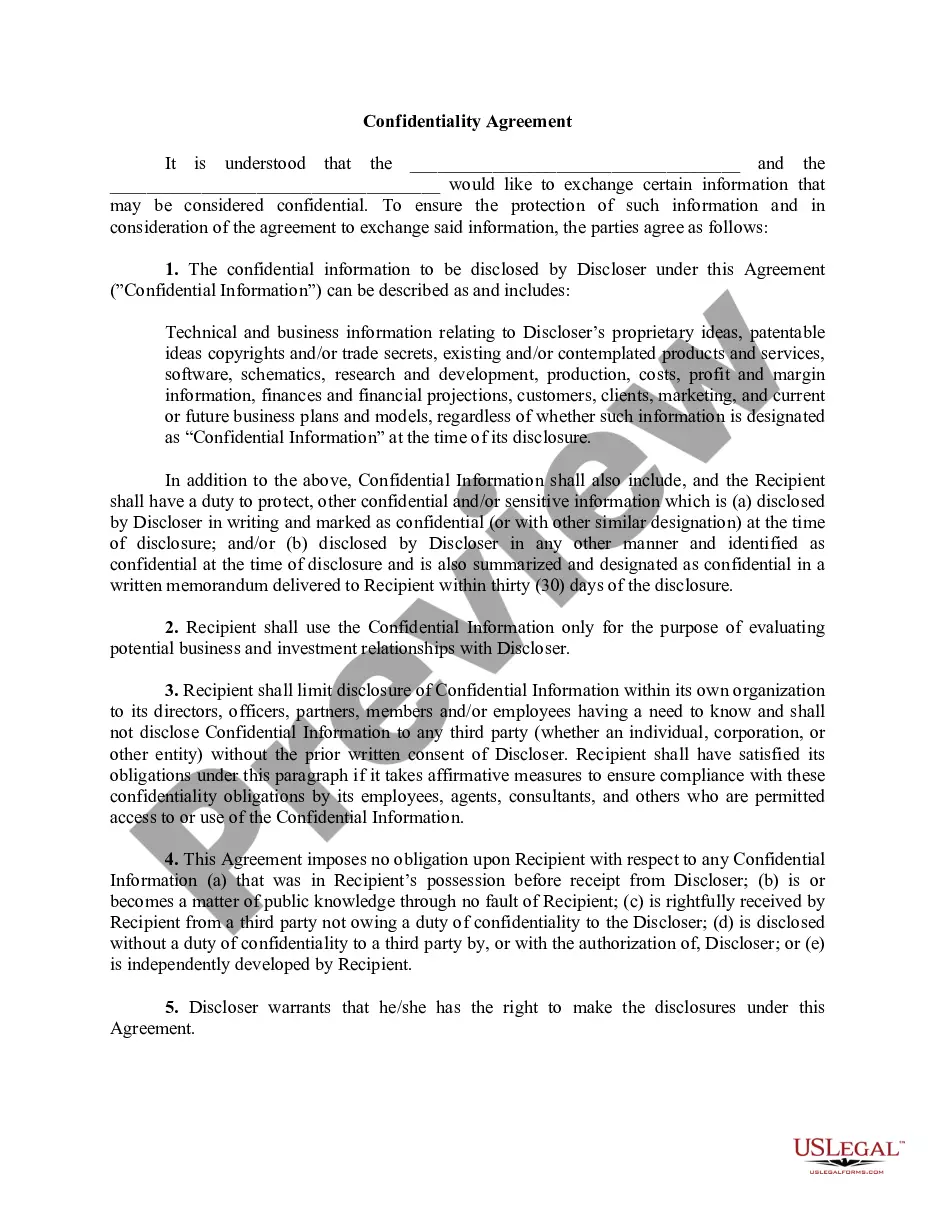
Virginia Assignment of Deed of Trust
What this document covers
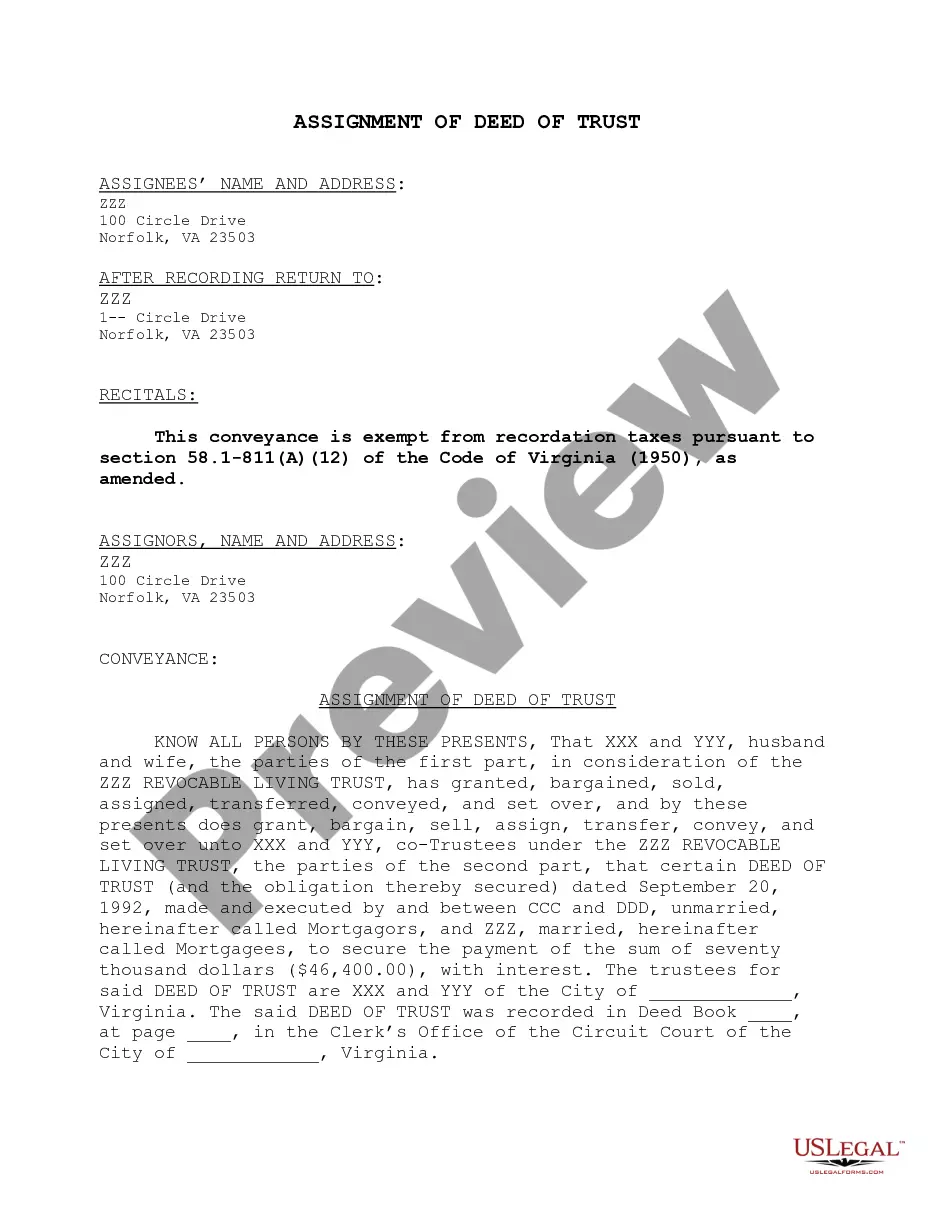
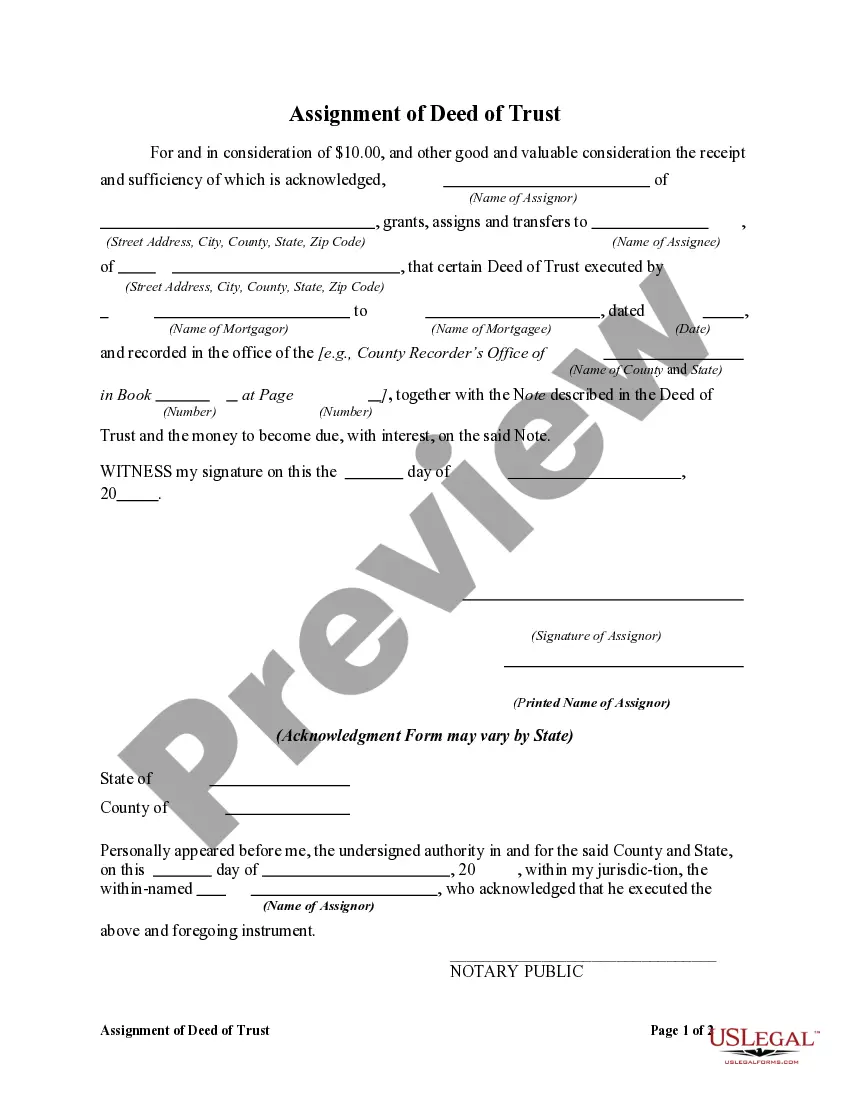
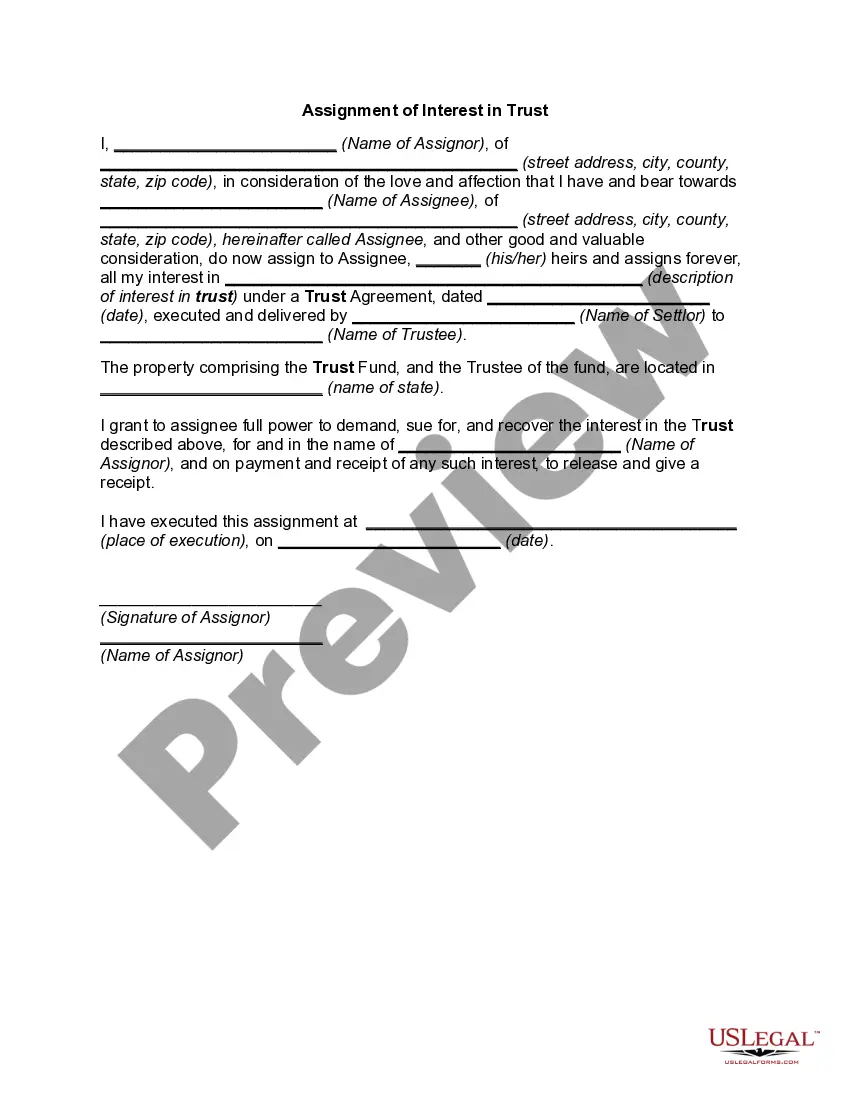
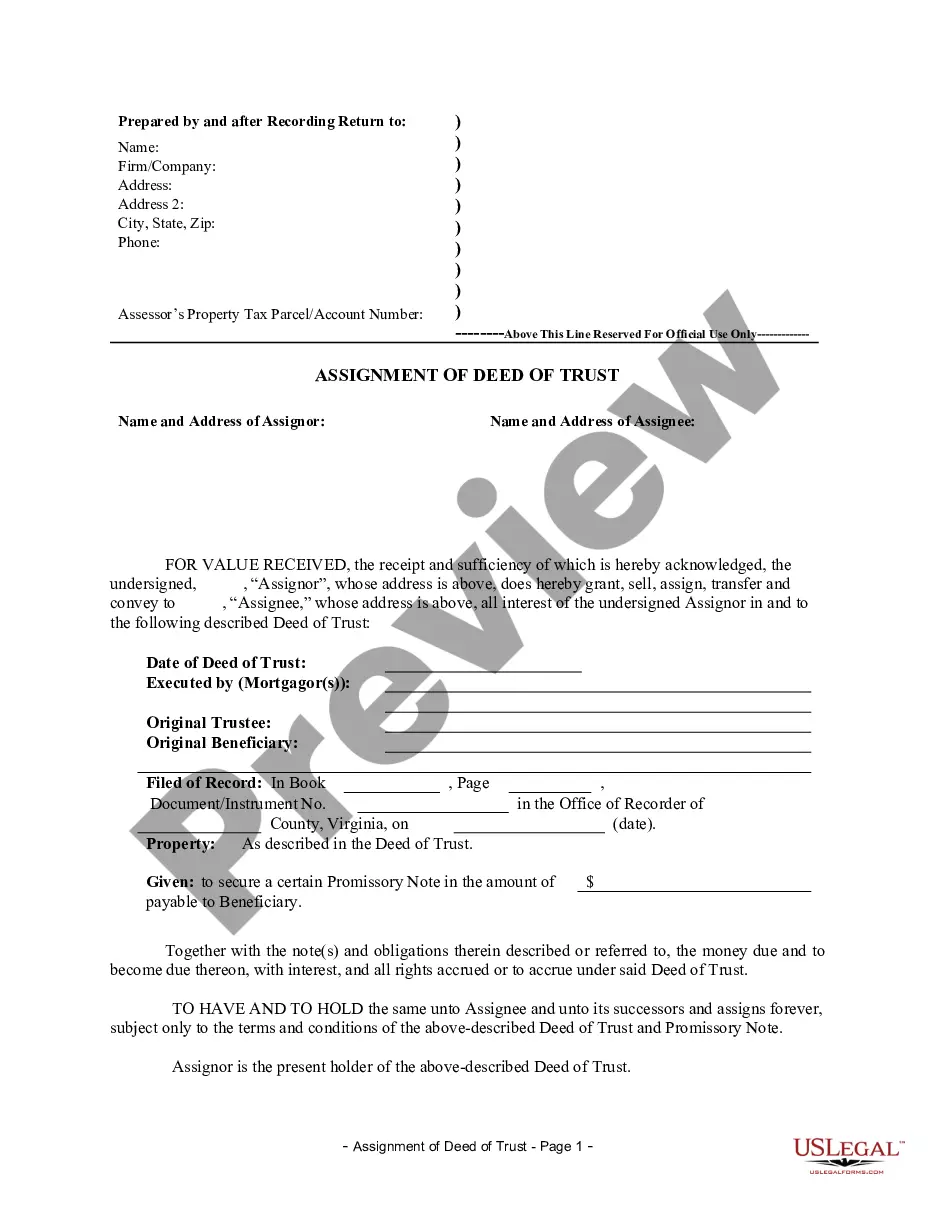
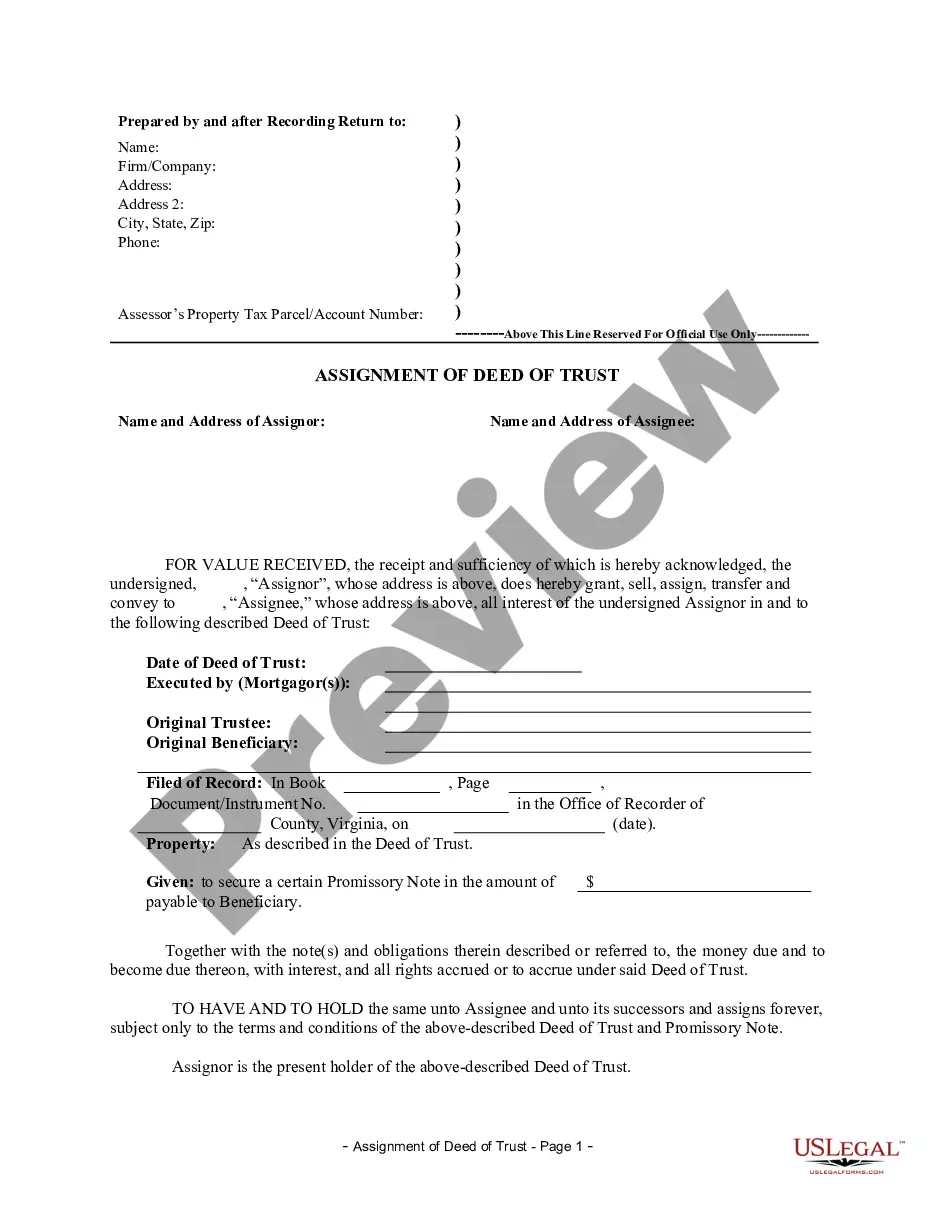
The Assignment of Deed of Trust is a legal document used to transfer the rights and obligations associated with an existing deed of trust from one party to another. This form serves as a formal record of the assignment, which may be necessary when the original lender or trustee sells or otherwise transfers their interest in the deed of trust. Unlike a traditional deed of trust, which secures a loan, this assignment specifically details the transfer of that security interest to new parties.
Key components of this form
- Assignee's name and address: Identifies the new holder of the deed of trust.
- Assignor's name and address: States who is transferring their interest in the deed of trust.
- Recitals: Provides context and legal basis for the assignment, including any relevant exemptions.
- Conveyance details: Outlines the specific deed of trust being assigned along with the original parties involved.
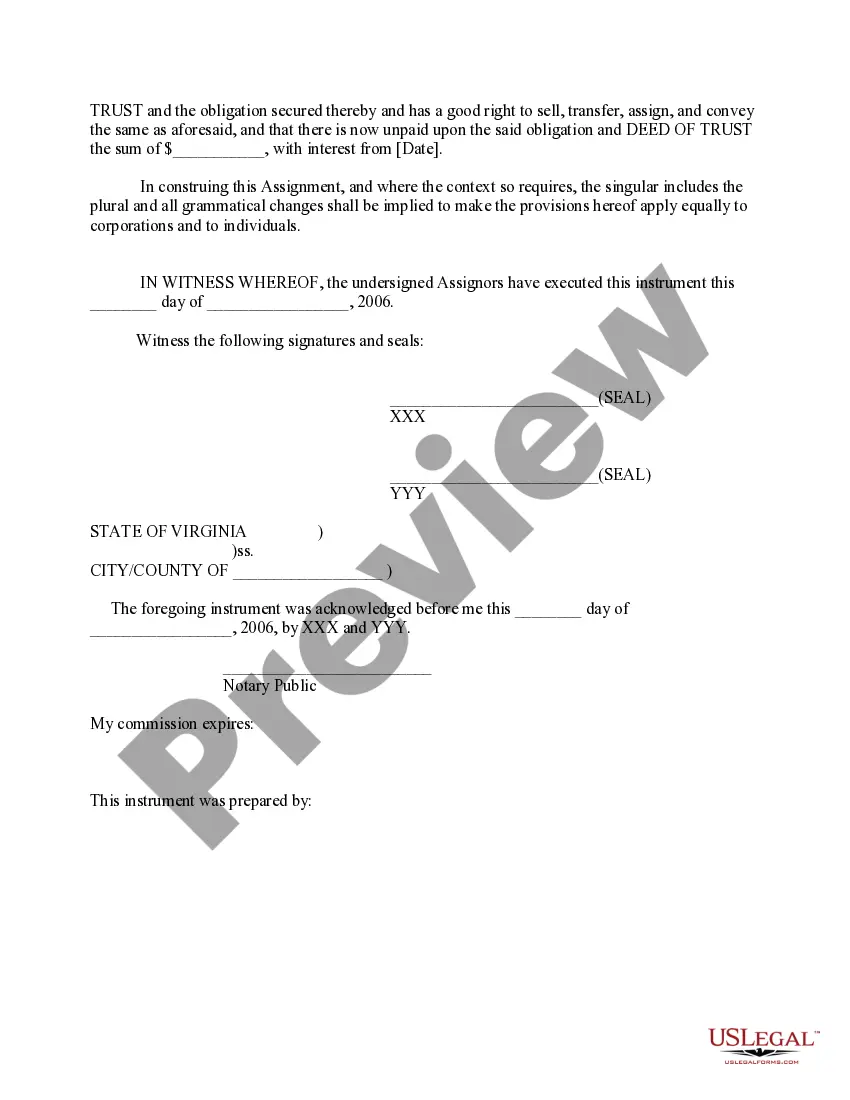
- Signatures and notarization: Requires the assignor's signature and may need notarization to be valid.

When this form is needed
This form is typically used when a lender or trustee wishes to assign their interest in a deed of trust to another party. Common scenarios for its use include the sale of the loan to another lending institution, the reorganization of a trust, or when refinancing a property and transferring existing trust obligations. It is essential whenever a change in ownership of the interest secured by the deed occurs.
Who needs this form
- Individuals or entities (such as a trust) transferring their interest in a deed of trust.
- Lenders and mortgage companies looking to sell or transfer their loan portfolios.
- Trustees handling the reassignment of interests in property held in trust.
- Borrowers who need to document a change in the lender or trustee associated with their deed of trust.
Completing this form step by step
- Identify the assignee and assignor: Enter the full names and addresses of both parties.
- Fill in the property details: Specify the property associated with the deed of trust.
- Include relevant legal descriptions: Clearly state the original deed of trust date and related information.
- Provide signatures: Ensure the assignor signs the form, and include witness and notary sections as needed.
- File the completed form: Submit it to the appropriate clerk's office to officially record the assignment.
Is notarization required?
This document requires notarization to meet legal standards. US Legal Forms provides secure online notarization powered by Notarize, allowing you to complete the process through a verified video call, available 24/7.
Get your form ready online
Our built-in tools help you complete, sign, share, and store your documents in one place.
Make edits, fill in missing information, and update formatting in US Legal Forms—just like you would in MS Word.
Download a copy, print it, send it by email, or mail it via USPS—whatever works best for your next step.
Sign and collect signatures with our SignNow integration. Send to multiple recipients, set reminders, and more. Go Premium to unlock E-Sign.
If this form requires notarization, complete it online through a secure video call—no need to meet a notary in person or wait for an appointment.
We protect your documents and personal data by following strict security and privacy standards.

Make edits, fill in missing information, and update formatting in US Legal Forms—just like you would in MS Word.

Download a copy, print it, send it by email, or mail it via USPS—whatever works best for your next step.

Sign and collect signatures with our SignNow integration. Send to multiple recipients, set reminders, and more. Go Premium to unlock E-Sign.

If this form requires notarization, complete it online through a secure video call—no need to meet a notary in person or wait for an appointment.

We protect your documents and personal data by following strict security and privacy standards.
Common mistakes to avoid
- Failing to properly identify the parties involved in the assignment.
- Omitting signatures or not having the document notarized when required.
- Incorrectly specifying the deed of trust details, such as dates or amounts.
- Neglecting to record the assignment with local authorities.
Advantages of online completion
- Convenience: Easily access and download the form from anywhere at any time.
- Editable: Fill out the form digitally and make necessary changes before finalizing.
- Reliability: Legal forms provided are drafted by licensed attorneys, ensuring compliance with current laws.
Key takeaways
- The Assignment of Deed of Trust is crucial for transferring security interests in real property.
- Completing this form correctly helps avoid legal disputes related to loan obligations.
- Notarization is essential to validate the assignment and protect all parties involved.
- Using this form ensures compliance with state-specific laws, particularly in Virginia.
Looking for another form?
Form popularity
FAQ
An assignment of trust deed is a document that lenders use when they sell loans secured by trust deeds. While they can freely sell the promissory notes between themselves, the trust deeds that give them the right to foreclose have to be assigned with a legal document.
Some owners are put off using solicitors duke to the deed of trust cost. Individuals can write out their own, and use someone else as a witness. However, this may have errors or not be a legally binding document. The investment of getting a deed of trust when buying a property is often worth it in the long term.
When your mortgage lender decides he wants to sell your mortgage loan to another lender, your mortgage lender will sign an assignment of deed of trust in favor of the new lender. This assignment gives the new lender the same lien on your property that your original lender had under the mortgage loan.
Giving the wrong legal address for the property or the wrong amount of the debt can render the deed unenforceable. In some cases, the error is easy to fix, and the court will rule the deed is enforceable.
Most states that use deeds of trust to secure home loans are title theory states.A few deed of trust states include West Virginia, Alaska, Virginia, Arizona, Texas, California, North Carolina, Colorado, New Mexico, Idaho, Montana, Illinois, Missouri and Mississippi.
A deed of trust the form used almost exclusively in Virginia and in many other states in place of a true mortgage is similar to a mortgage in that both create a lien on the property to secure repayment of a loan.In a mortgage, the lender holds title to your real property until the loan is repaid in full.
A deed of trust is a written instrument with three parties: The trustor, who is the borrower and homeowner. The beneficiary, who is the lender. The trustee, who is a third party such as an insurance company or escrow management agency that holds actual title to the property in trust for the beneficiary.
An assignment of a deed of trust is simply the movement of the deed of trust from one party to another, a party that was not originally involved in the deed creation when the property was bought. A corporate assignment is simply an assignment of the deed of trust between different businesses.