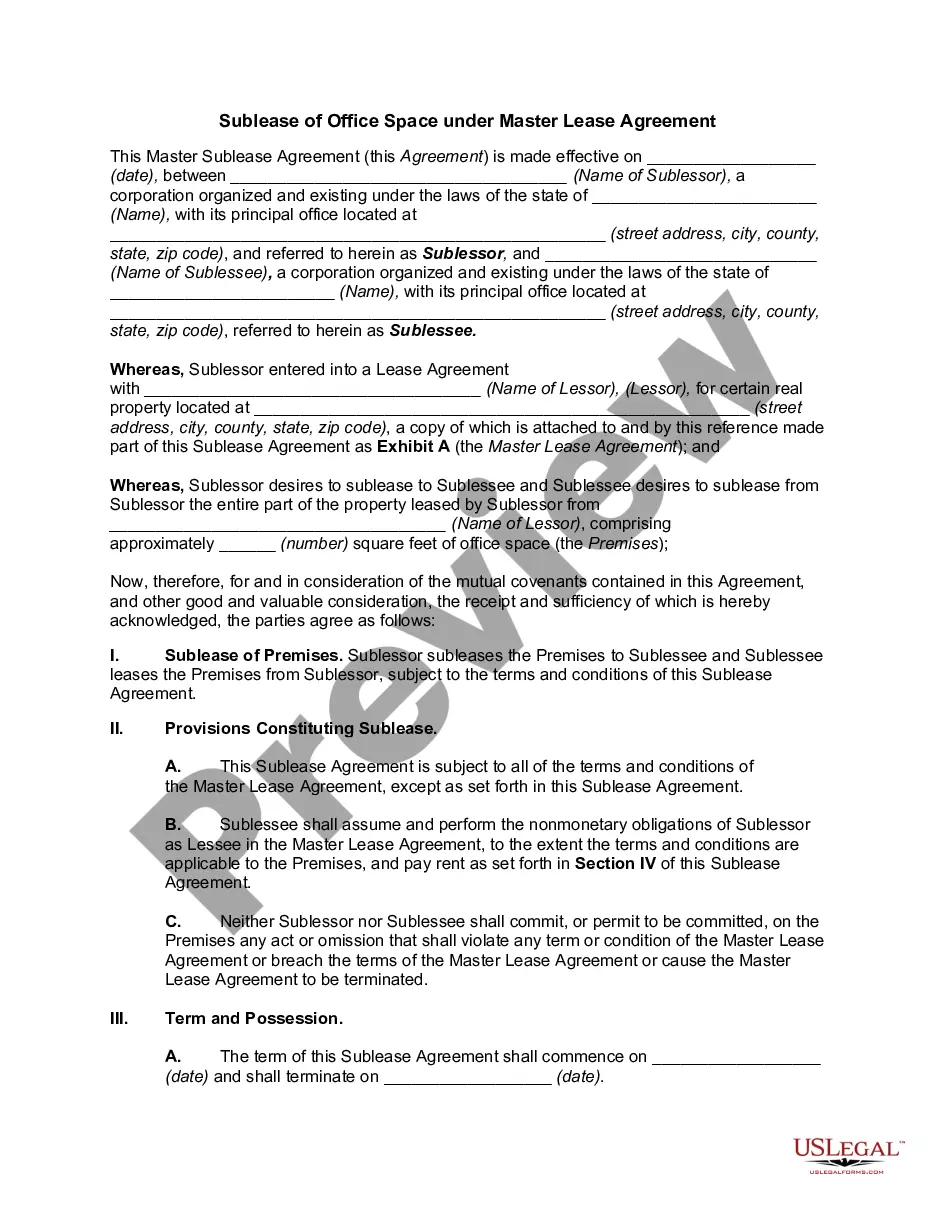
Virginia Tax Free Exchange Agreement Section 1031
Description
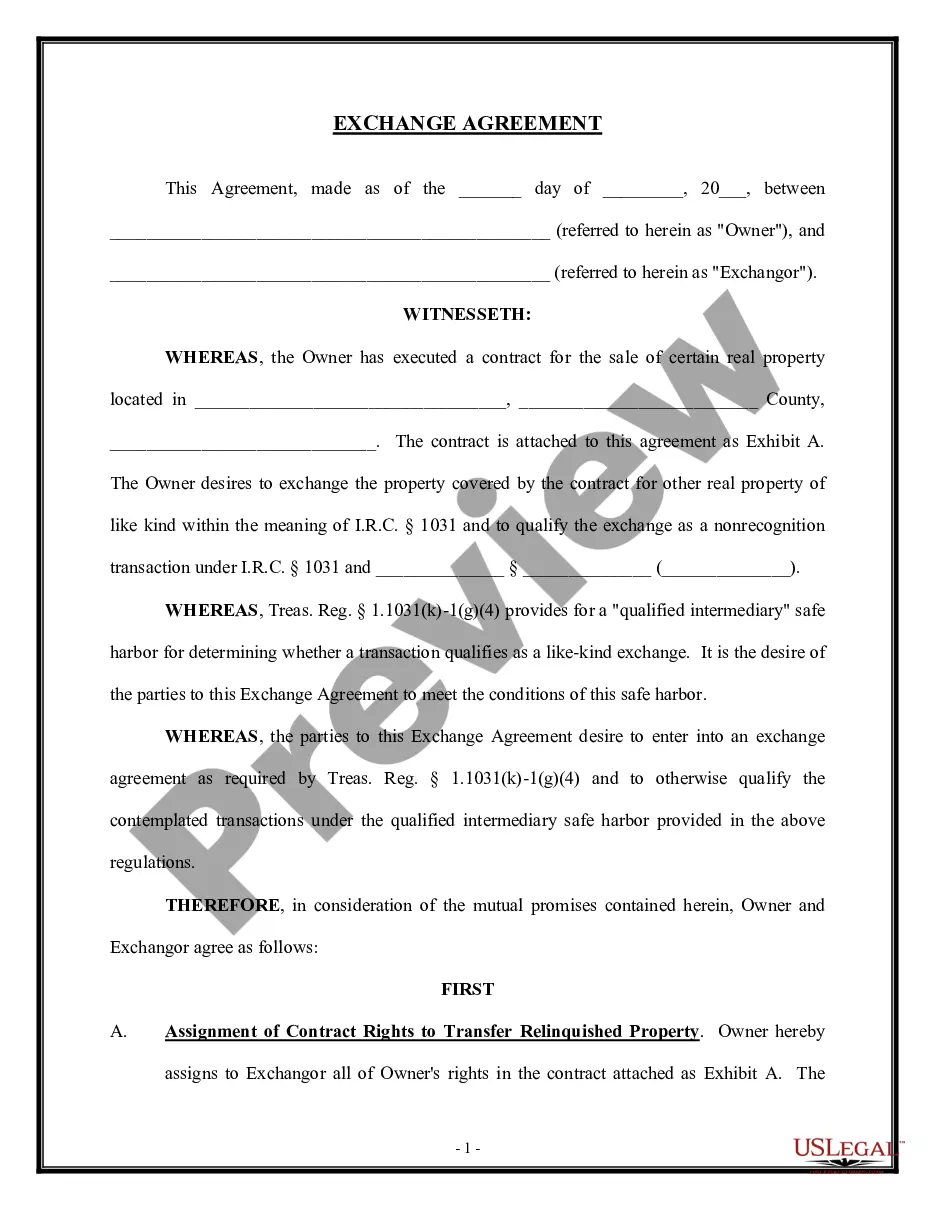
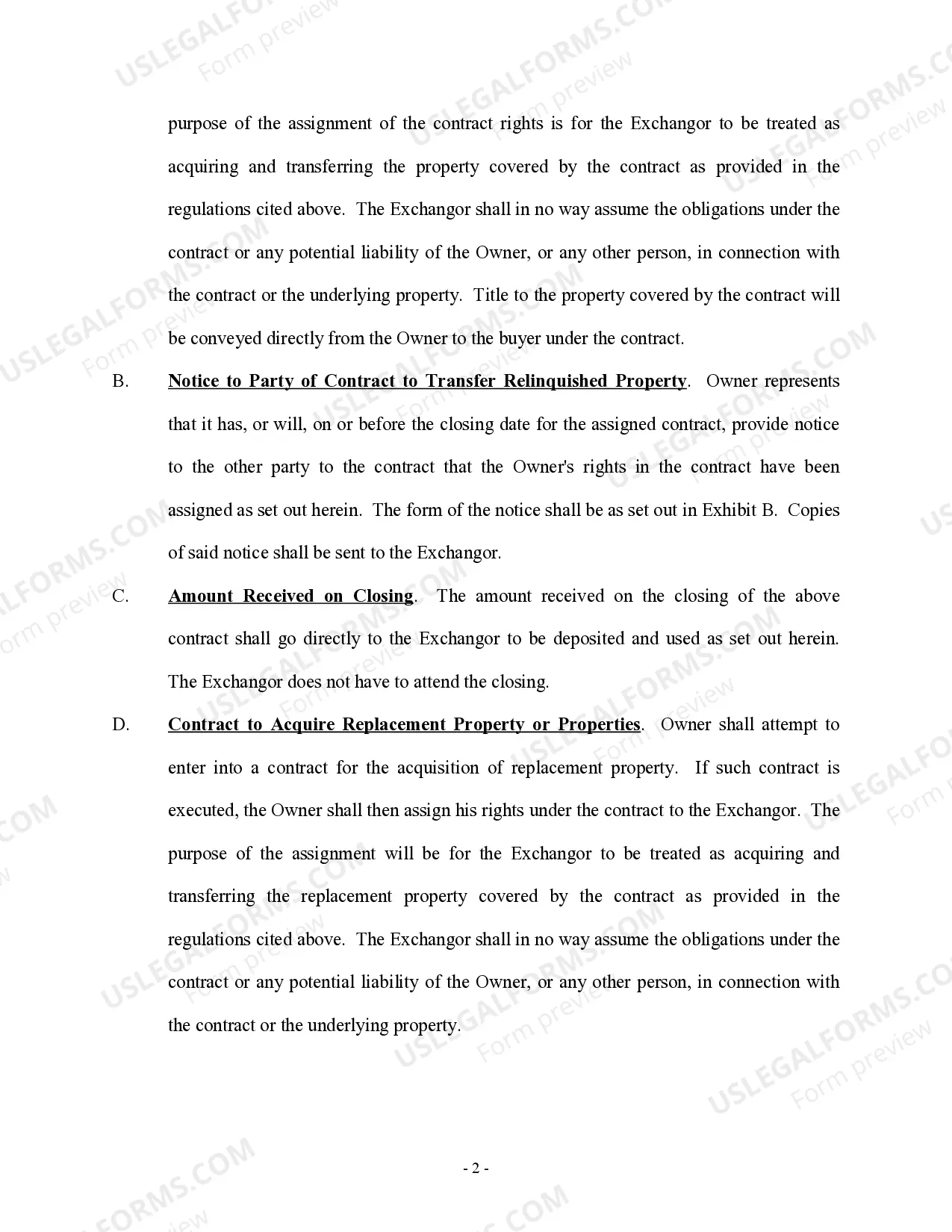
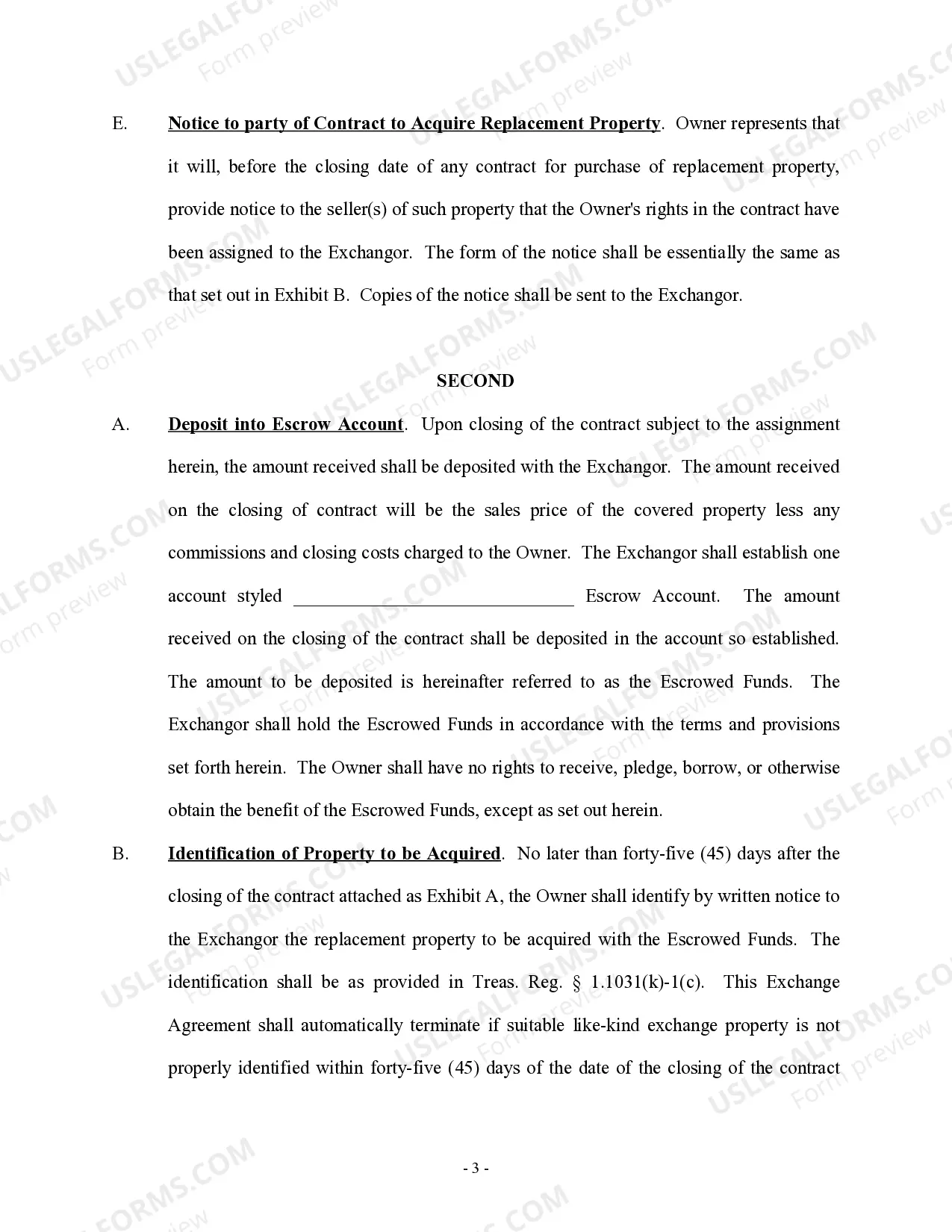
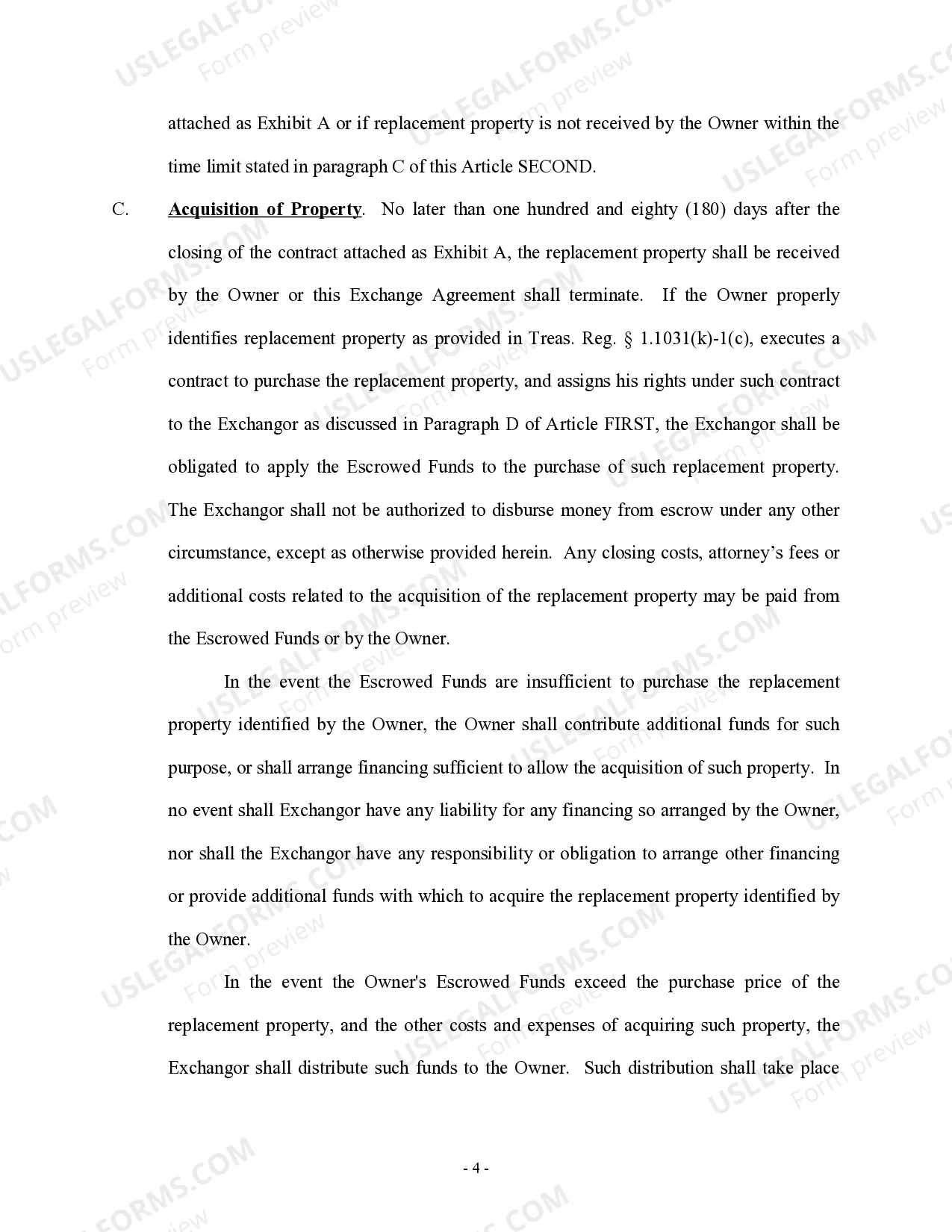
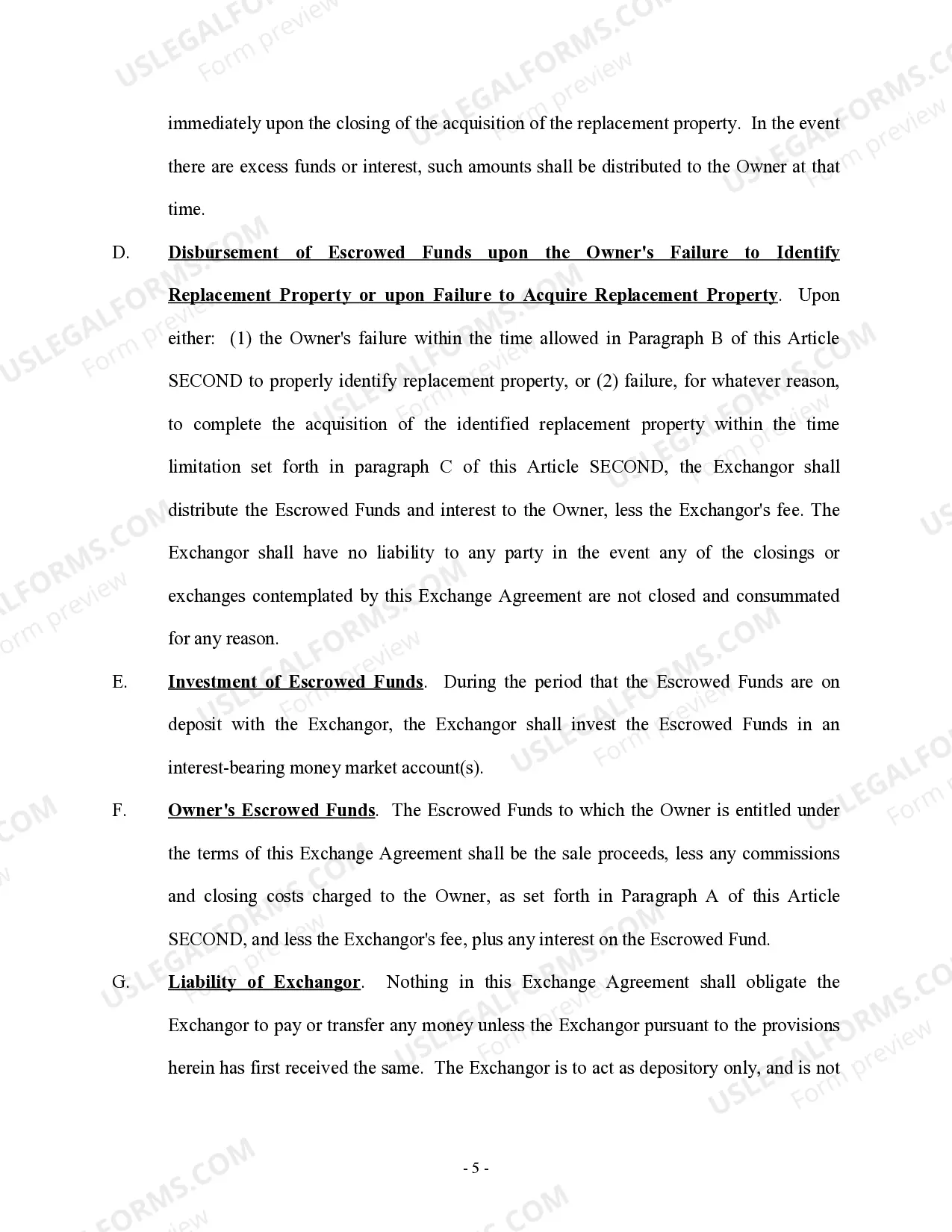
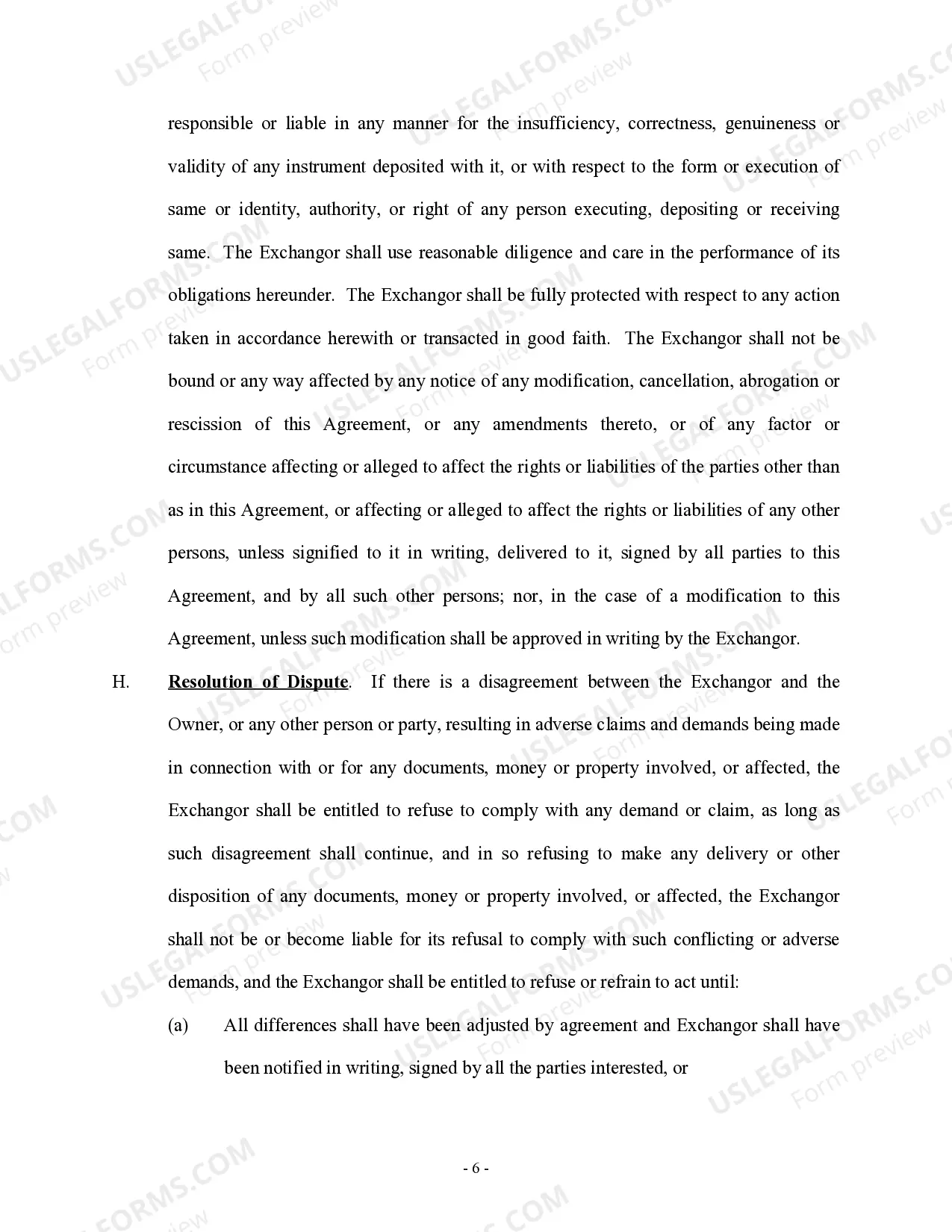
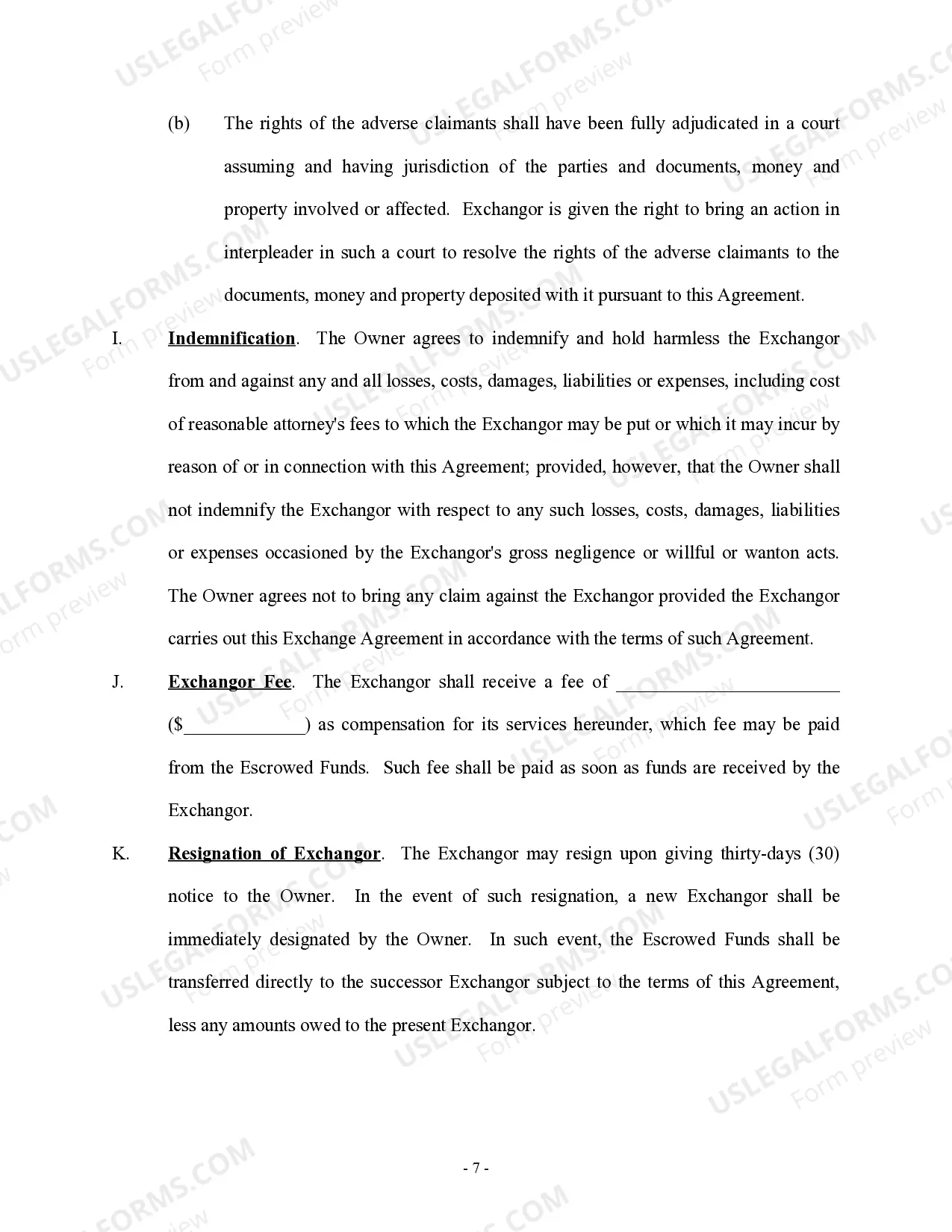

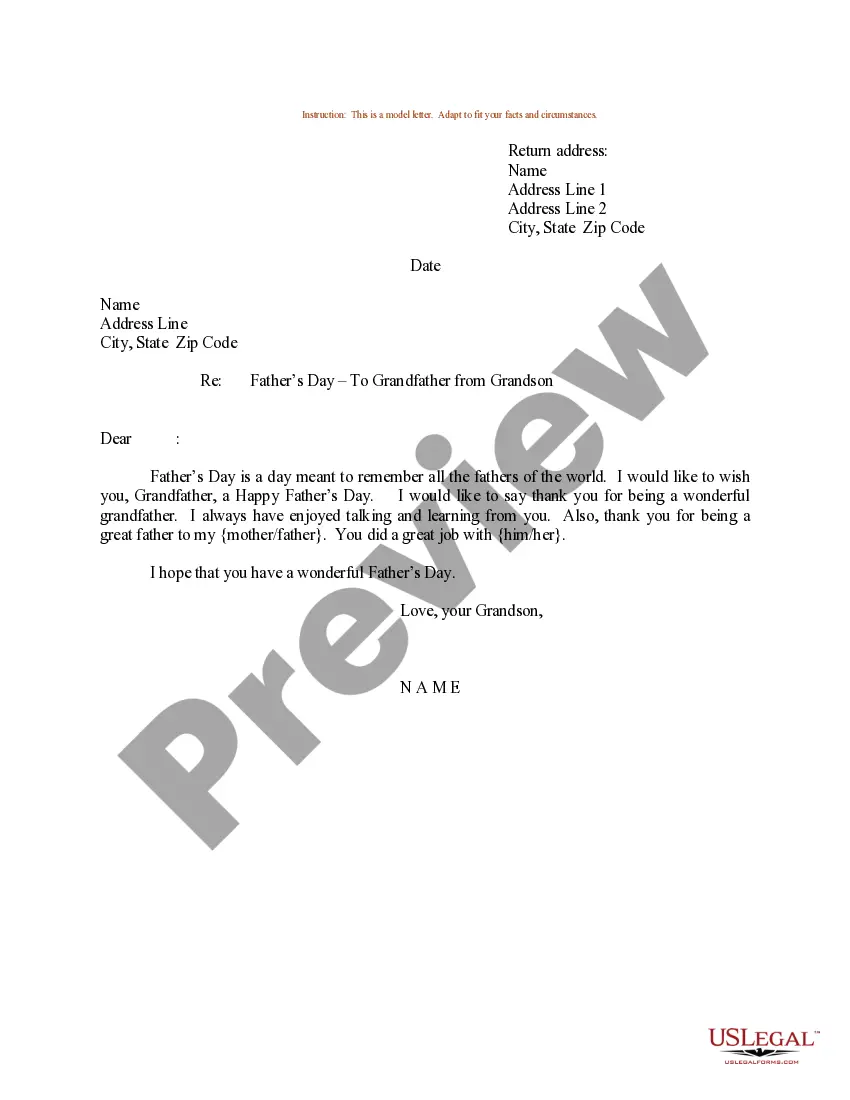
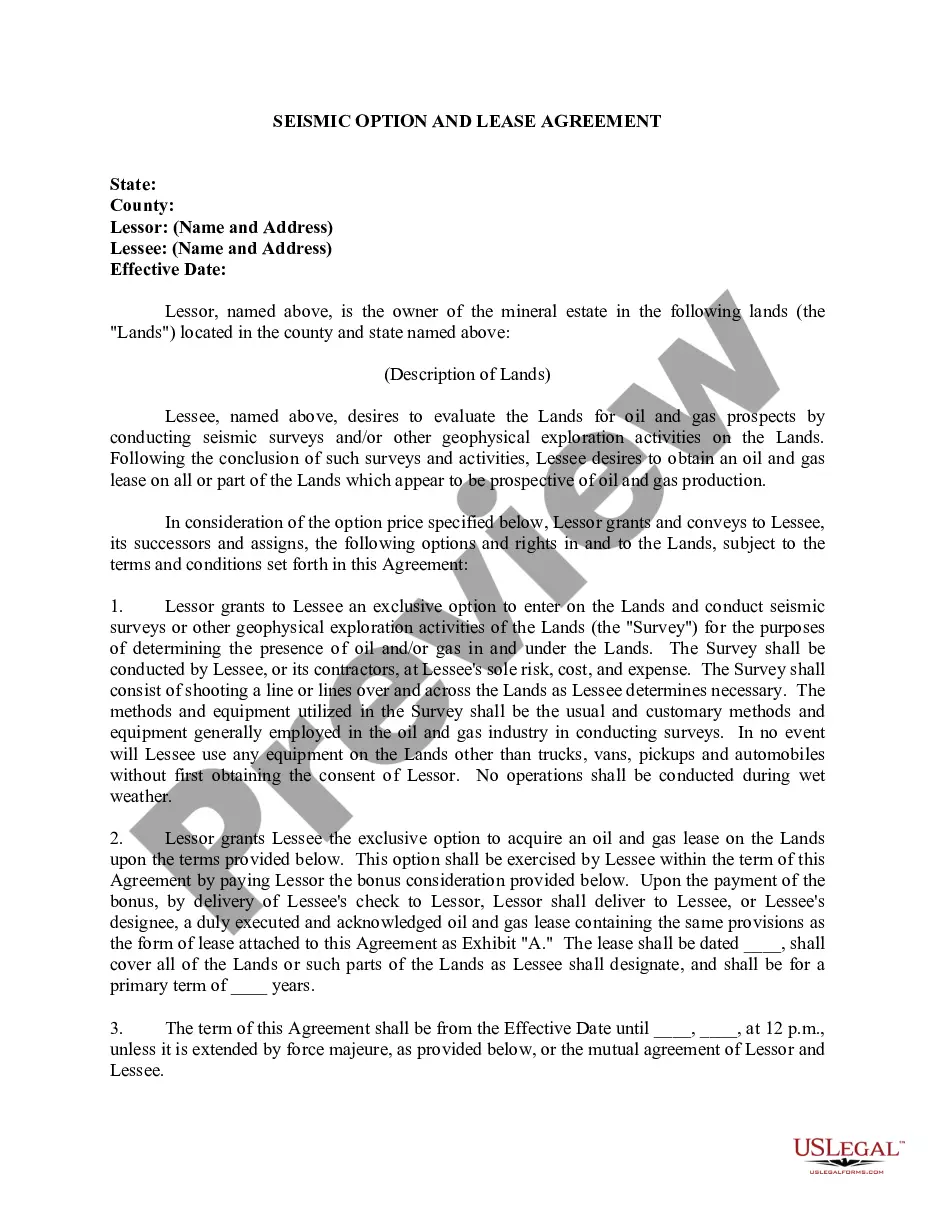
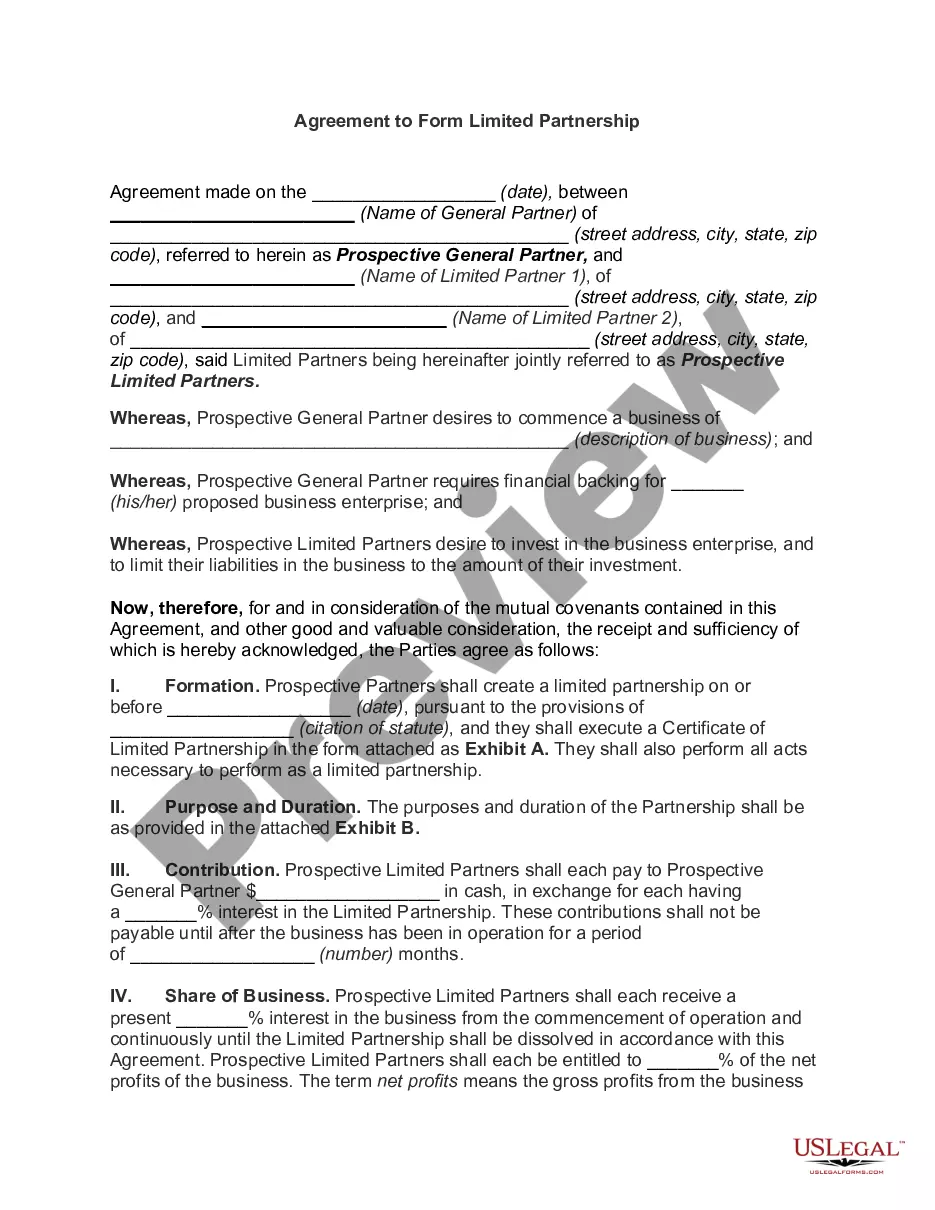
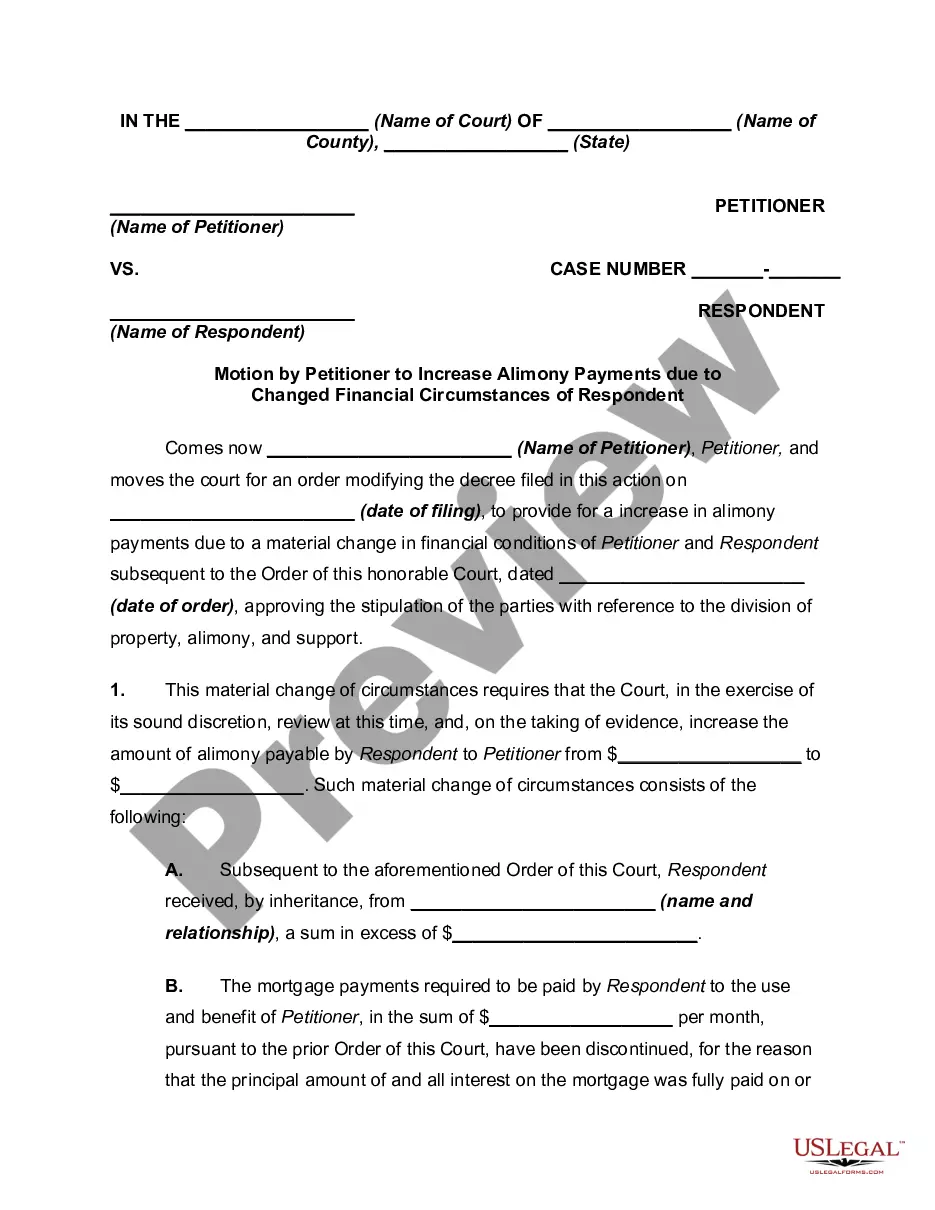
How to fill out Tax Free Exchange Agreement Section 1031?
US Legal Forms - one of the largest collections of legal forms in the United States - offers a wide range of legal document templates that you can download or print.
Through the website, you can access thousands of forms for business and personal purposes, organized by categories, states, or keywords. You can obtain the most recent versions of forms such as the Virginia Tax Free Exchange Agreement Section 1031 in moments.
If you already have a subscription, Log In to access the Virginia Tax Free Exchange Agreement Section 1031 in the US Legal Forms library. The Download button will appear on every form you view. You can find all previously downloaded forms in the My documents section of your account.
Complete the purchase. Use your Visa, Mastercard, or PayPal account to finalize the transaction.
Select the format and download the form to your device. Edit. Fill out, modify, print, and sign the downloaded Virginia Tax Free Exchange Agreement Section 1031. Each template added to your account has no expiration date and belongs to you indefinitely. Therefore, to download or print another copy, simply navigate to the My documents section and click on the form you need.
Access the Virginia Tax Free Exchange Agreement Section 1031 with US Legal Forms, one of the most comprehensive libraries of legal document templates. Utilize thousands of professional and state-specific templates that meet your business or personal needs.
- Ensure you have chosen the correct form for your city/state.
- Click the Review button to examine the form’s contents.
- Check the form details to confirm that you have selected the right document.
- If the form does not meet your requirements, use the Search box at the top of the screen to find one that does.
- Once you are satisfied with the form, confirm your selection by clicking the Get now button.
- Then, choose the pricing plan that you want and provide your details to register for an account.
Form popularity
FAQ
The short answer to this is yes. Because Section 1031 is a federal tax code, it is technically recognized in all states.
While you can't do a 1031 exchange directly into a personal residence -- exchanges are limited to real property that is held strictly for investment or business purposes -- you can convert an investment property into personal property so long as you follow the IRS' rules to the letter.
There are also states that have withholding requirements if the seller of a piece of property in these states is a non-resident of any of the following states: California, Colorado, Hawaii, Georgia, Maryland, New Jersey, Mississippi, New York, North Carolina, Oregon, West Virginia, Maine, South Carolina, Rhode Island,
Section 1031 of the Internal Revenue Code allows taxpayers to enter into an exchange of property instead of a traditional sale in order to defer the payment of capital gains taxes that would otherwise be due.
As mentioned, a 1031 exchange is reserved for property held for productive use in a trade or business or for investment. This means that any real property held for investment purposes can qualify for 1031 treatment, such as an apartment building, a vacant lot, a commercial building, or even a single-family residence.
In real estate, a 1031 exchange is a swap of one investment property for another that allows capital gains taxes to be deferred.
Gain deferred in a like-kind exchange under IRC Section 1031 is tax-deferred, but it is not tax-free. The exchange can include like-kind property exclusively or it can include like-kind property along with cash, liabilities and property that are not like-kind.
Internal Revenue Code Section 1031 allows individuals and entities to exchange investment property or other property that is held for productive use in a business or trade but not primarily for sale.