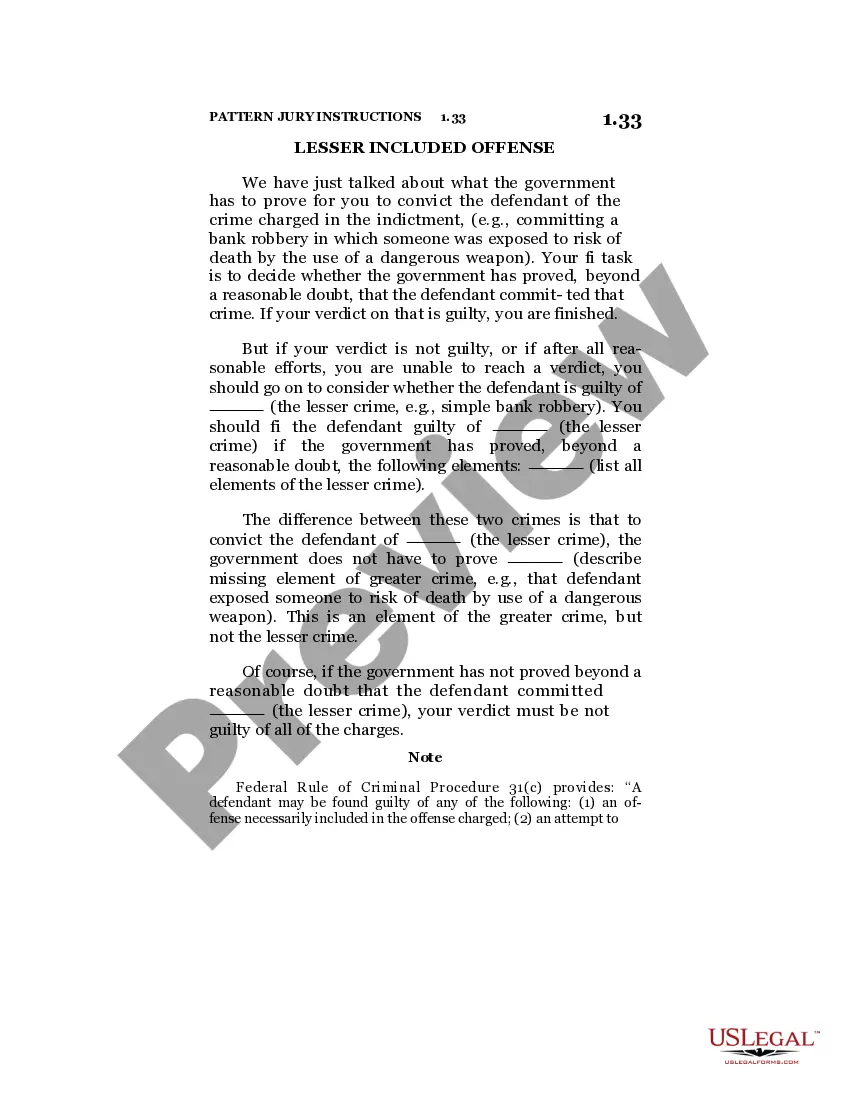
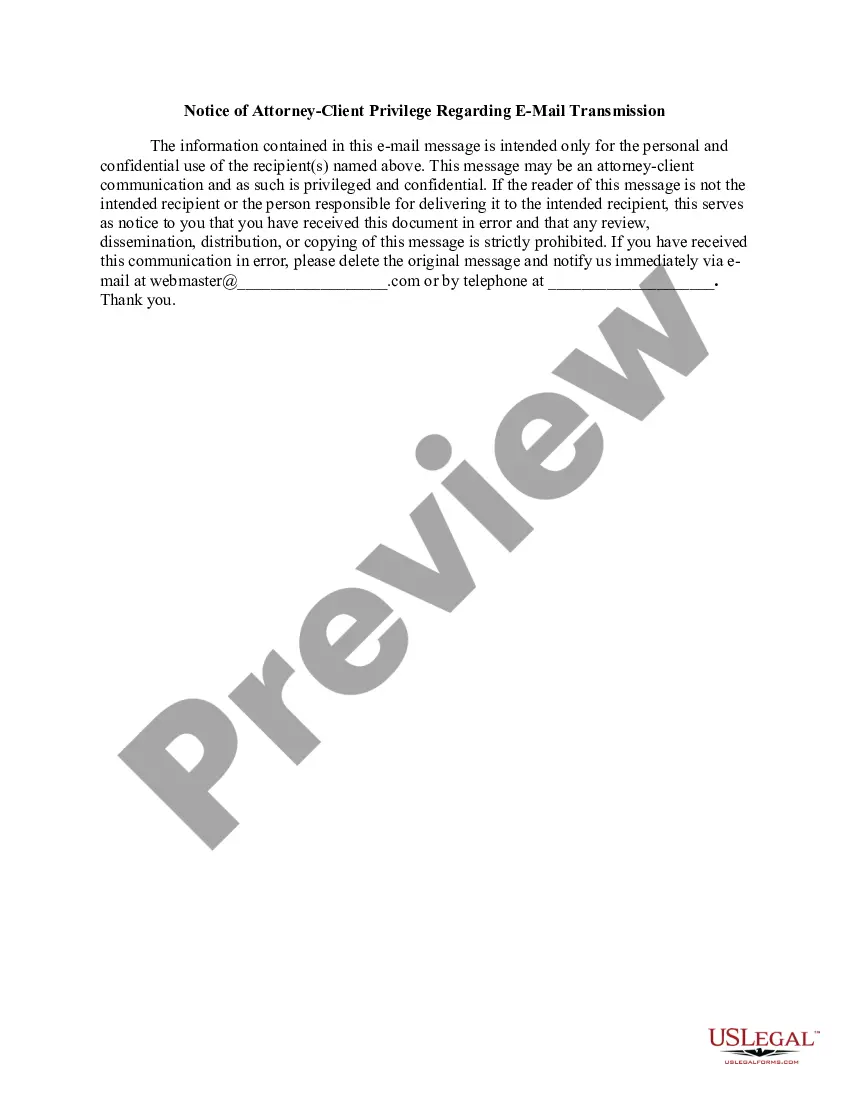
Virginia Notice of Attorney-Client Privilege Regarding E-Mail Transmission
Description
Get your form ready online
Our built-in tools help you complete, sign, share, and store your documents in one place.
Make edits, fill in missing information, and update formatting in US Legal Forms—just like you would in MS Word.
Download a copy, print it, send it by email, or mail it via USPS—whatever works best for your next step.
Sign and collect signatures with our SignNow integration. Send to multiple recipients, set reminders, and more. Go Premium to unlock E-Sign.
If this form requires notarization, complete it online through a secure video call—no need to meet a notary in person or wait for an appointment.
We protect your documents and personal data by following strict security and privacy standards.

Make edits, fill in missing information, and update formatting in US Legal Forms—just like you would in MS Word.

Download a copy, print it, send it by email, or mail it via USPS—whatever works best for your next step.

Sign and collect signatures with our SignNow integration. Send to multiple recipients, set reminders, and more. Go Premium to unlock E-Sign.

If this form requires notarization, complete it online through a secure video call—no need to meet a notary in person or wait for an appointment.

We protect your documents and personal data by following strict security and privacy standards.
Looking for another form?


How to fill out Notice Of Attorney-Client Privilege Regarding E-Mail Transmission?
Are you in a situation where you frequently require documentation for either business or personal activities almost every workday? There are numerous legal document templates available online, but finding reliable ones isn't simple. US Legal Forms offers a vast selection of form templates, including the Virginia Notice of Attorney-Client Privilege Regarding E-Mail Transmission, which are designed to comply with federal and state regulations.
If you are already familiar with the US Legal Forms website and have an account, simply Log In. After that, you can download the Virginia Notice of Attorney-Client Privilege Regarding E-Mail Transmission template.
If you do not have an account and wish to start using US Legal Forms, follow these instructions: Obtain the form you need and verify it is for the correct city/county. Utilize the Preview feature to review the form. Read the description to ensure you have selected the right form. If the form isn't what you're looking for, use the Search field to find the form that meets your needs and requirements. Once you find the correct form, click on Buy now. Select the pricing plan you prefer, complete the required details to create your account, and finalize the purchase using your PayPal or credit card. Choose a suitable document format and download your copy.
- Access all the document templates you have purchased in the My documents section. You can obtain an additional copy of the Virginia Notice of Attorney-Client Privilege Regarding E-Mail Transmission at any time, if needed. Just click the necessary form to download or print the document template.
- Utilize US Legal Forms, the most extensive collection of legal forms, to save time and prevent errors. The service provides professionally crafted legal document templates that can be used for a variety of purposes.
- Create an account on US Legal Forms and start making your life easier.
Form popularity
FAQ
In fact, simply adding an attorney to an email does not invoke the attorney-client privilege at all. Rather, the privilege extends only to communications with counsel for the purpose of obtaining legal advice.
Privilege May Not Extend to Attachments Rather, if the ?attachment contains facts and not communications, the Court must evaluate whether the disclosure of the facts would somehow reveal a request for, or the content of, legal advice.? (See Townhouse Rest.
Some of the most common exceptions to the privilege include: Death of a Client. ... Fiduciary Duty. ... Crime or Fraud Exception. ... Common Interest Exception.
The attorney-client privilege does not apply to every communication with an attorney. For the privilege to exist, the communication must be to, from, or with an attorney, and intended to be confidential. In addition, the communication must be for the purpose of requesting or receiving legal advice.
Attorney-client privilege covers communications (oral, written, emails, Zoom conferences, WhatsApp, etc.) back and forth between a client and the lawyer. It may also cover lateral or downstream communications among clients and other service providers in furtherance of a lawyer's handling of the case.
You also must maintain the confidentiality of a communication. If you share the communication with a third party ? for example, by forwarding an email to someone outside of your business ? you can lose the protection of attorney-client privilege.
Crime or Fraud Exception. If a client seeks advice from an attorney to assist with the furtherance of a crime or fraud or the post-commission concealment of the crime or fraud, then the communication is not privileged.