Vermont Seller's Information for Appraiser provided to Buyer
Overview of this form
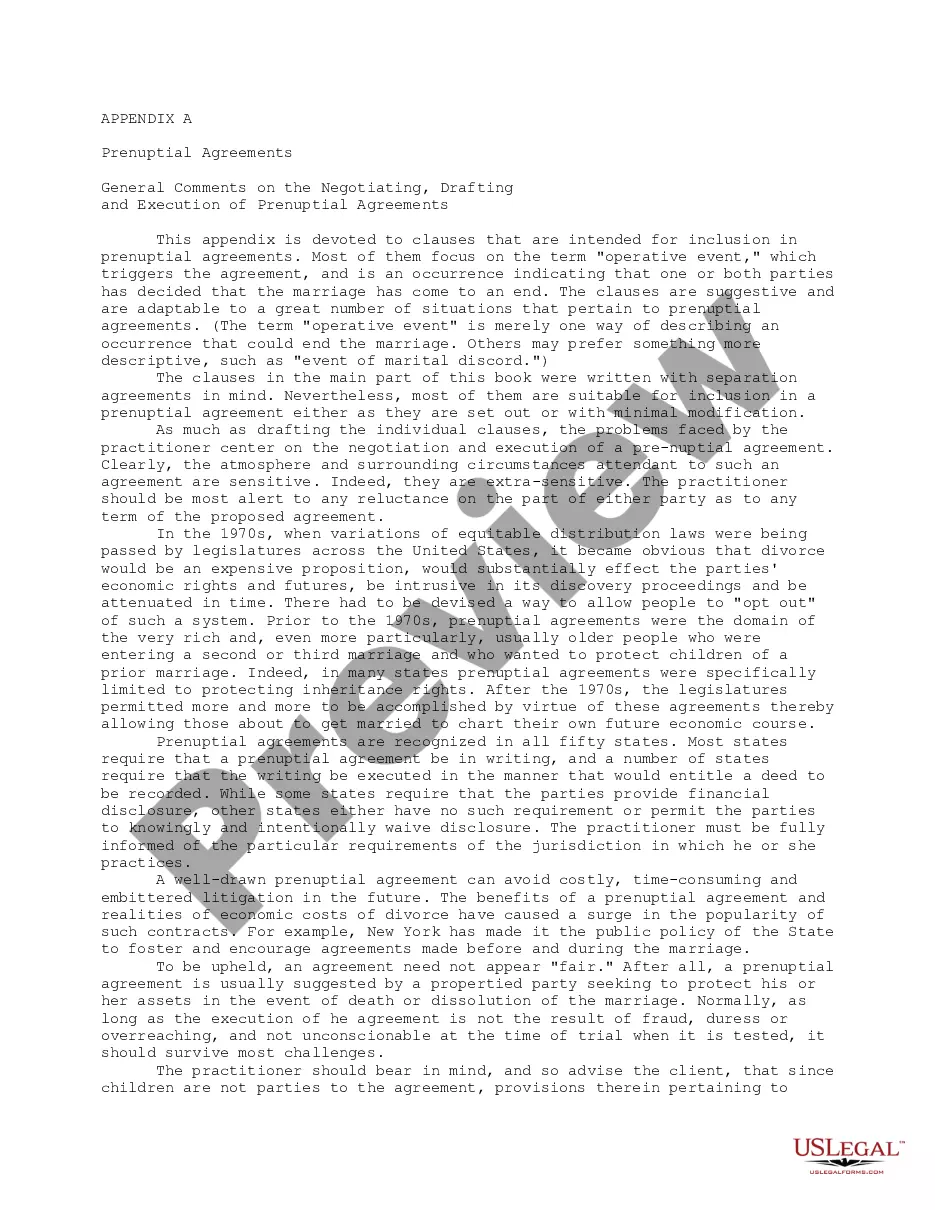
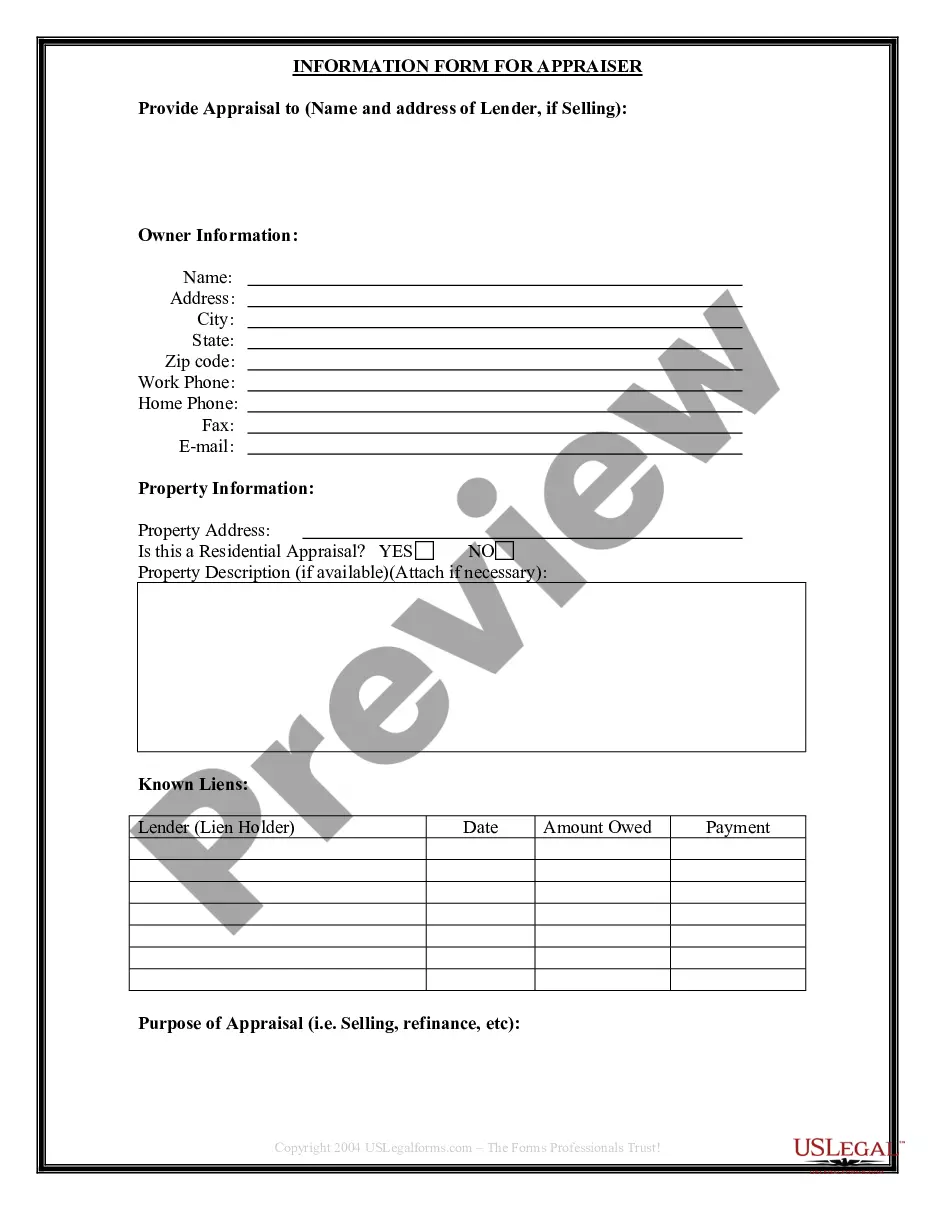
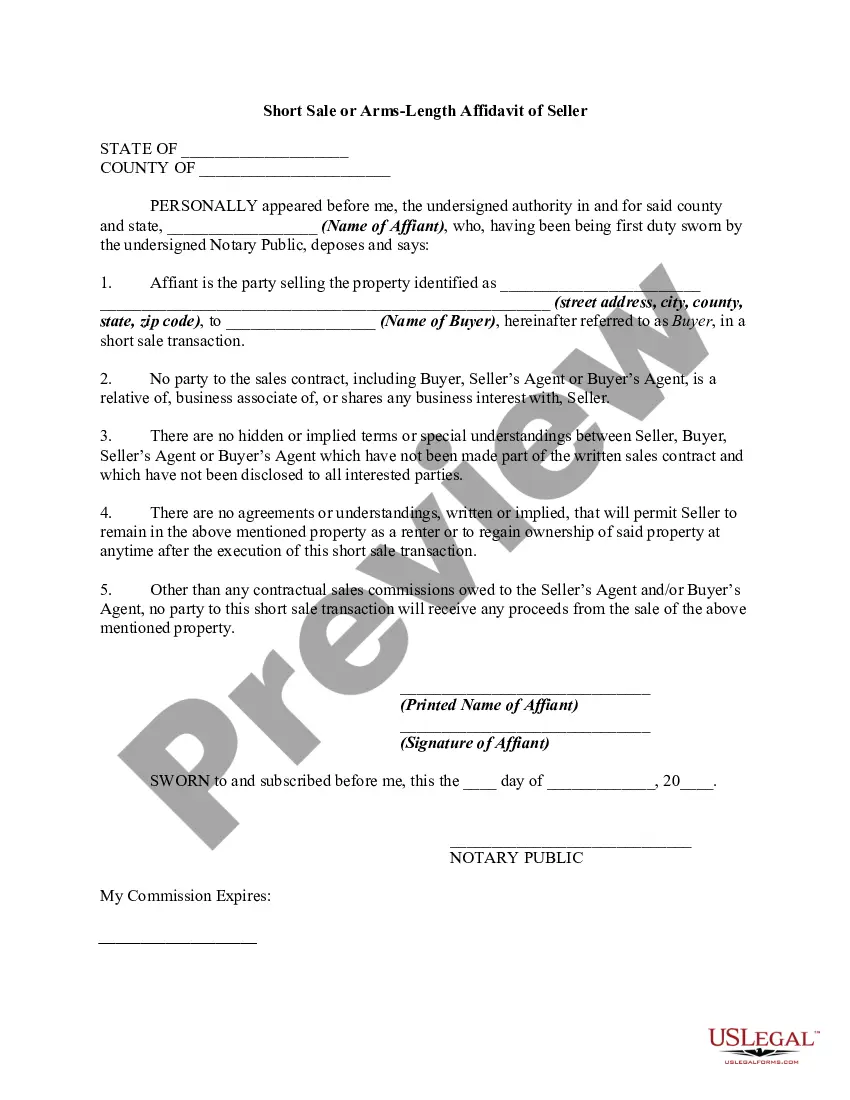
The Seller's Information for Appraiser provided to Buyer form is a crucial document used in Vermont real estate transactions. This form enables the seller to supply necessary information about the property to the buyer, which is then passed on to the appraiser responsible for assessing the property's value. Unlike other forms in the real estate purchase process, this form specifically focuses on providing detailed information to facilitate the appraisal, making the transaction smoother and more efficient.
What’s included in this form
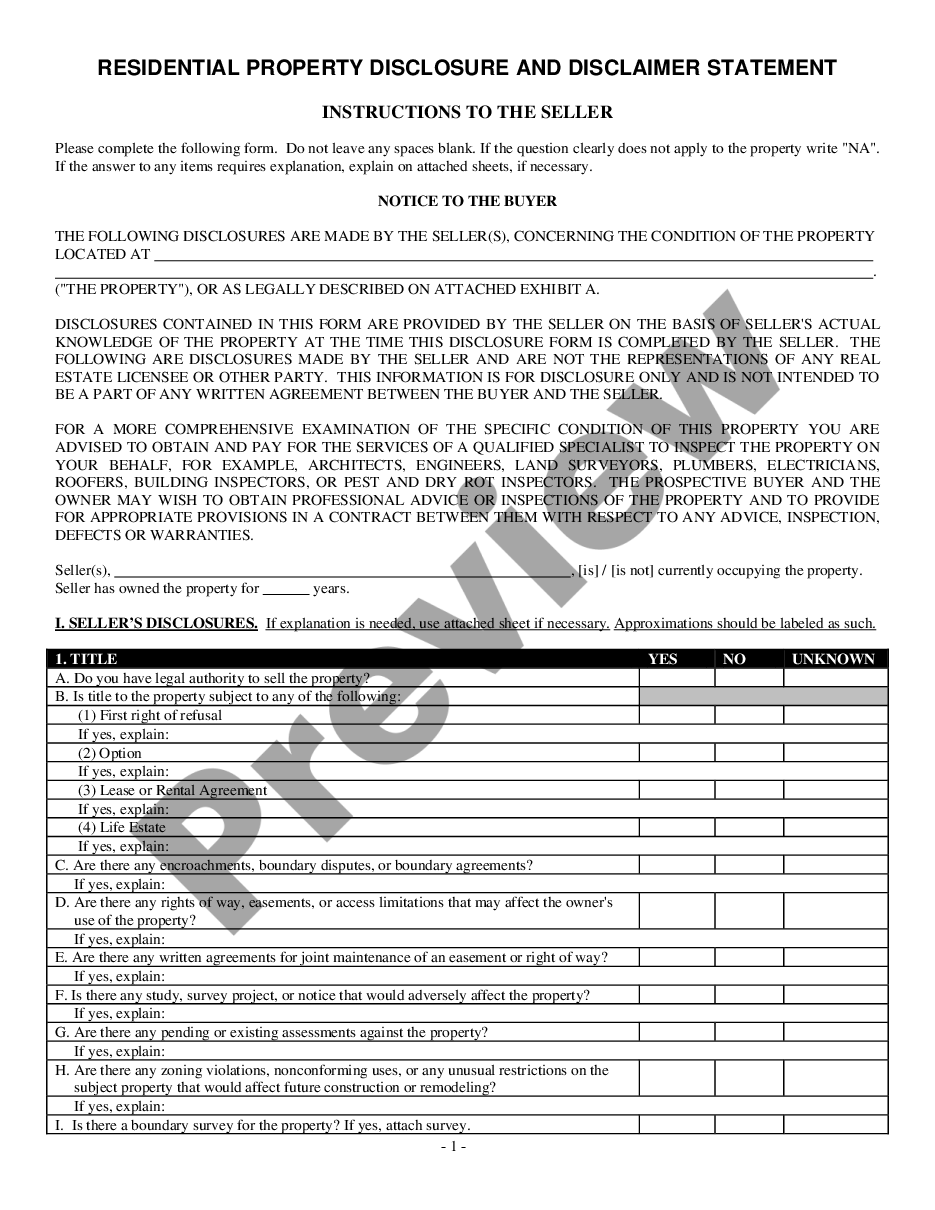
- Property details: Information about the property being appraised, including address, type, and layout.
- Sellerâs disclosure: Relevant disclosures regarding the condition of the property that may impact its value.
- Listing history: Information about the selling price and listing periods, which can inform the appraiser's assessment.
- Seller's contact information: Essential for the appraiser or buyer to reach out for clarifications or additional inquiries.


Situations where this form applies
This form should be used whenever a buyer in Vermont intends to have a property appraised prior to purchase. It is particularly important in scenarios involving financing, where banks or lenders require an appraisal to determine the fair market value of the property. Utilizing this form streamlines the process, ensuring that the appraiser has all the necessary information upfront.
Intended users of this form
- Property sellers who are preparing for a sale and need to provide information to potential buyers.
- Buyers whose offers depend on a property appraisal, particularly if financing is involved.
- Real estate agents acting on behalf of their clients to facilitate the appraisal process.
How to prepare this document
- Identify the property: Enter the address and any identifying features of the property.
- Fill out seller information: Provide the sellerâs contact details and any other required disclosures.
- List the property details: Include pertinent facts about the type and condition of the property.
- Review and verify: Ensure all information is accurate and complete before submission.
- Submit the form: Hand over the completed form to the buyer for them to provide to the appraiser.
Does this form need to be notarized?
This form usually doesn’t need to be notarized. However, local laws or specific transactions may require it. Our online notarization service, powered by Notarize, lets you complete it remotely through a secure video session, available 24/7.
Get your form ready online
Our built-in tools help you complete, sign, share, and store your documents in one place.
Make edits, fill in missing information, and update formatting in US Legal Forms—just like you would in MS Word.
Download a copy, print it, send it by email, or mail it via USPS—whatever works best for your next step.
Sign and collect signatures with our SignNow integration. Send to multiple recipients, set reminders, and more. Go Premium to unlock E-Sign.
If this form requires notarization, complete it online through a secure video call—no need to meet a notary in person or wait for an appointment.
We protect your documents and personal data by following strict security and privacy standards.
Make edits, fill in missing information, and update formatting in US Legal Forms—just like you would in MS Word.
Download a copy, print it, send it by email, or mail it via USPS—whatever works best for your next step.
Sign and collect signatures with our SignNow integration. Send to multiple recipients, set reminders, and more. Go Premium to unlock E-Sign.

If this form requires notarization, complete it online through a secure video call—no need to meet a notary in person or wait for an appointment.
We protect your documents and personal data by following strict security and privacy standards.
Common mistakes to avoid
- Failing to include complete and accurate property details, which can delay the appraisal process.
- Omitting seller disclosures that may be relevant to the appraiserâs assessment.
- Not verifying contact information, which can lead to communication issues with the appraiser.
Why complete this form online
- Convenience: Easily download and complete the form from home without needing to visit an office.
- Editability: Modify the form as needed to reflect accurate and up-to-date information.
- Reliability: Ensure that you are using an attorney-drafted template that complies with Vermont's legal standards.
Looking for another form?



Form popularity
FAQ
Home sellers aren't entitled to copies of the appraisals mortgage lenders conduct on behalf of their borrowers. If a home seller wants a copy of an appraisal, she should consider asking for a copy from the buyer.However, a copy may come in handy if the appraisal comes in low and price negotiations must ensue.
Any unrepaired or ongoing structural damage can hurt your appraisal. Home appraisers are training to look for telltale signs of structural damage, such as cracks in the walls or flooring.
Home sellers aren't entitled to copies of the appraisals mortgage lenders conduct on behalf of their borrowers. If a home seller wants a copy of an appraisal, she should consider asking for a copy from the buyer.However, a copy may come in handy if the appraisal comes in low and price negotiations must ensue.
A home that appraises for higher than the purchase price is a benefit to buyers as it means instant equity. Its impact on sellers is subject to how motivated they are. Still, offering something for sale only to find out that it's worth much more may be enough to make a seller reconsider.
What home appraisers look for: What's the general condition of the house? An appraiser will evaluate and comment on: The materials and conditions of the foundation and exterior walls, the roof surface, screens, gutters and downspouts. The materials and conditions of the floors, walls, and trim.
Typically, the buyer pays for a home appraisal. The buyer can pay up front at the time of the appraisal or the appraiser's fee can be included in closing costs. Yet while the buyer usually pays for the appraisal, he or she doesn't order the appraisal.
If you're a seller, you almost never see the appraisal, unless the buyer wants to show it to you. If the home appraised for more than sale price, the buyer might be a little reluctant to show the appraisal to you!
A: An appraisal is generally considered a professional opinion of the market value of a property, not a fact. Although it's both legally and ethically necessary to disclose a material fact, the same requirement doesn't apply to an opinion.
Will the homebuyer receive a copy of the appraisal? A. Yes! Regulations allow real estate agents, or other persons with an interest in the real estate transaction, to communicate with the appraiser and provide additional property information, including a copy of the sales contract.