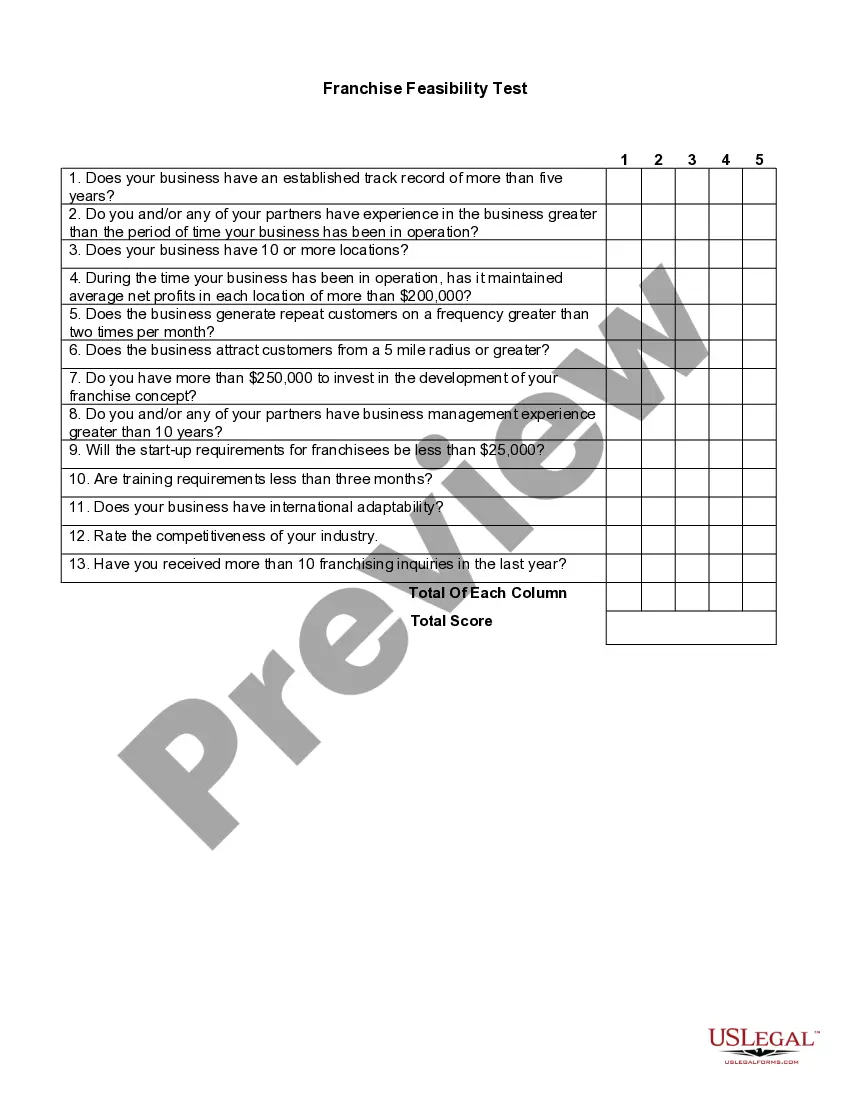
Vermont Franchise Feasibility Test
Description

How to fill out Franchise Feasibility Test?
Are you currently in a situation where you require documents for both business or personal purposes on a daily basis.
There are numerous legal document templates available online, but finding reliable ones can be challenging.
US Legal Forms provides thousands of template documents, including the Vermont Franchise Feasibility Test, which are designed to comply with federal and state regulations.
Once you acquire the correct form, click Purchase now.
Select your desired pricing plan, provide the necessary information to create your account, and pay for your order using your PayPal or credit card.
- If you are already familiar with the US Legal Forms website and have an account, simply Log In.
- After that, you can download the Vermont Franchise Feasibility Test template.
- If you do not have an account and wish to start using US Legal Forms, follow these steps.
- Find the form you need and ensure it is for the correct city/area.
- Use the Preview button to check the form.
- Review the description to confirm that you have selected the right form.
- If the form is not what you are looking for, use the Search field to find the form that meets your requirements.
Form popularity
FAQ
The four Ps of franchising are similar to the general business model, focusing specifically on Product, Process, Profit, and People. Each element plays a pivotal role in building a successful franchise system. When conducting a Vermont Franchise Feasibility Test, evaluating these aspects will help you determine the viability and potential success of your franchise. Leveraging resources from US Legal Forms can assist you in understanding how to optimize these four Ps in your franchise strategy.
The basic requirements of the franchise rule include providing a Franchise Disclosure Document (FDD) and ensuring full transparency about the business opportunity. This document should outline essential details such as initial fees, ongoing costs, and the support you can expect. Understanding these rules is crucial when undergoing a Vermont Franchise Feasibility Test, as they ensure you are well-informed and protected in your franchise journey. Tools like US Legal Forms can help you navigate these requirements effectively.
Vermont does have a Pass-Through Entity (PTE) tax, which applies to businesses structured as partnerships, S corporations, or LLCs. This tax is assessed based on the income distributed to the owners of the business. When planning your franchise, be sure to include PTE tax considerations in your Vermont Franchise Feasibility Test, as it can affect your overall financial outlook.
Yes, Vermont does impose personal property tax on tangible personal property like equipment and furniture used in business. Businesses must file a report with their local town to assess this tax. Including personal property tax in your Vermont Franchise Feasibility Test is crucial to fully understanding the financial obligations associated with your franchise.
In Vermont, certain items are exempt from taxation, including some food products, prescription medications, and certain services. These exemptions can significantly impact your business’s operational costs. A thorough Vermont Franchise Feasibility Test will evaluate what is not taxed, helping you optimize your franchise investment.
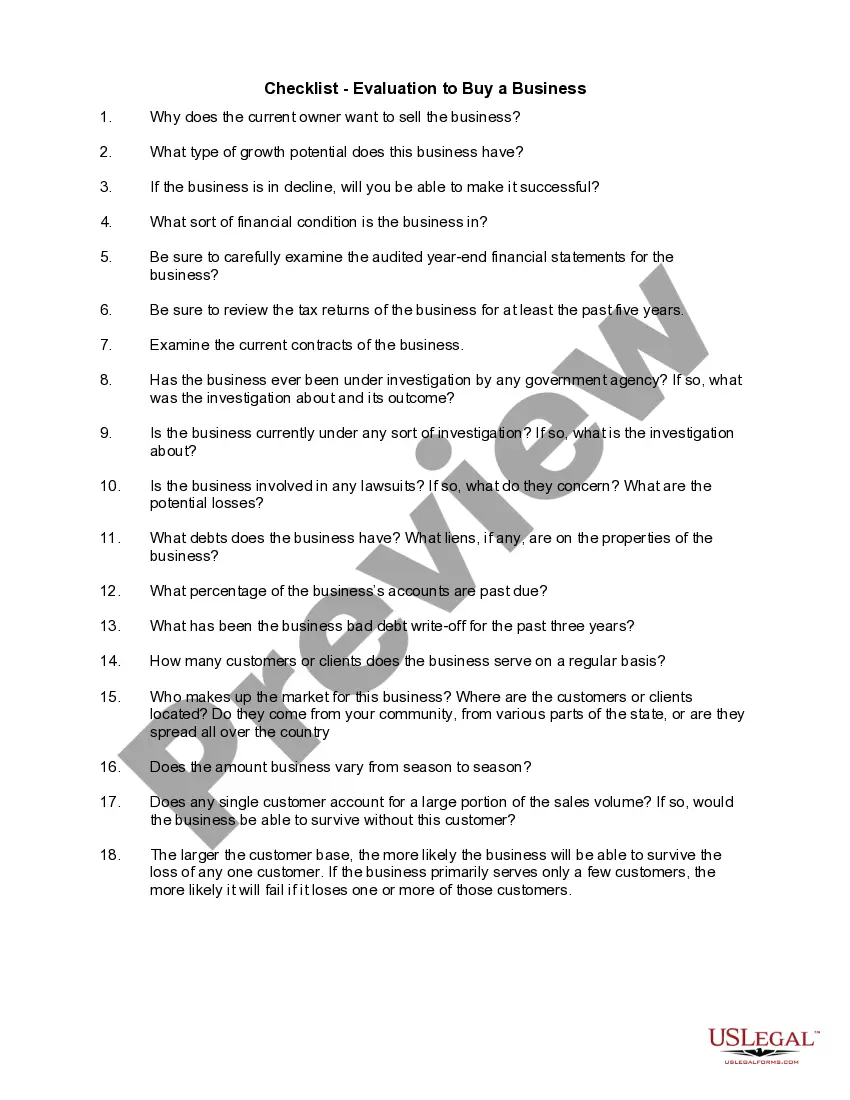
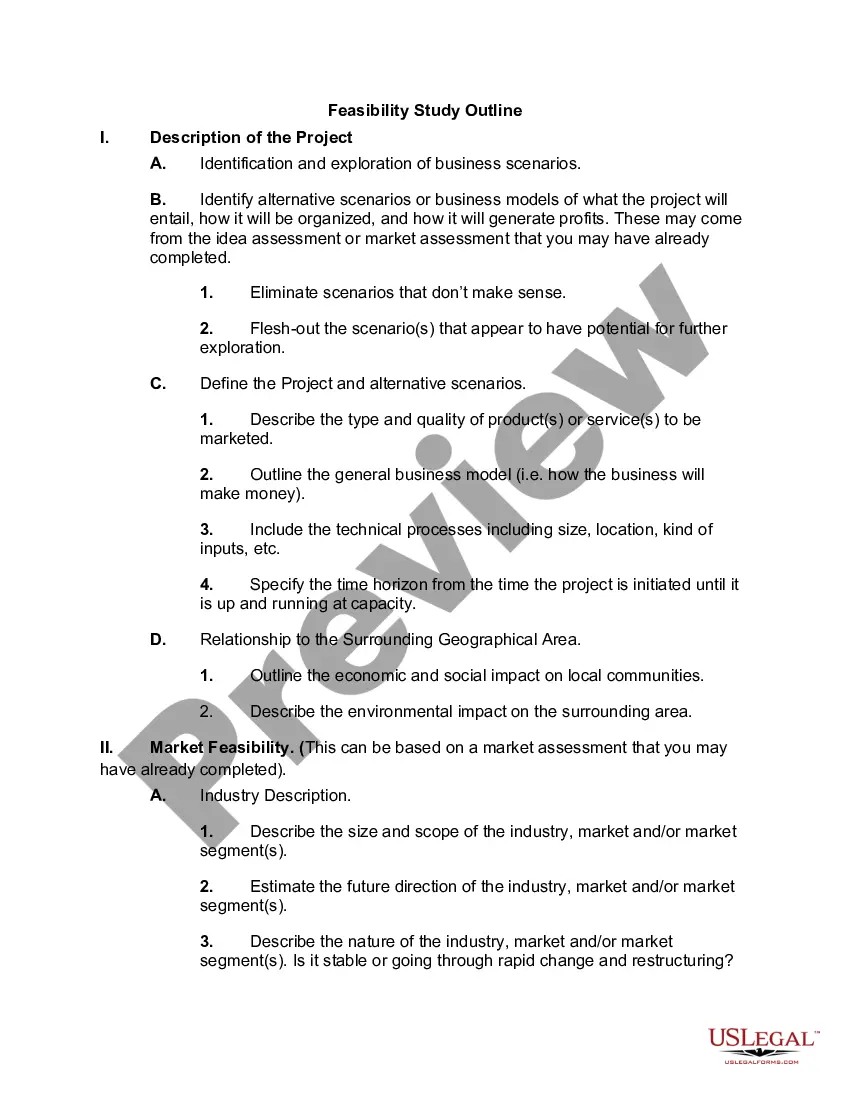
Franchise feasibility refers to the process of evaluating whether a franchise opportunity is viable in a specific market. It involves assessing the potential success based on market conditions, demand for the franchise, and local regulations. Conducting a Vermont Franchise Feasibility Test can provide insights into how well your franchise could perform in Vermont.
The approval process for a franchise typically takes anywhere from a few weeks to several months, depending on the franchisor and your preparedness. Providing detailed documentation and understanding the franchise’s requirements can speed up this process. A Vermont Franchise Feasibility Test will ensure you have all necessary information ready, which can facilitate quicker approval.
Becoming a franchisee can be challenging, as it requires adherence to the franchisor's rules and standards. However, the support and training provided by the franchisor often help smooth the transition into ownership. A Vermont Franchise Feasibility Test can clarify the steps and guide you toward successful franchising.
A franchising feasibility study evaluates the potential for establishing a franchise based on various factors like market demand, competition, and financial requirements. This study helps prospective franchisees make informed decisions. Utilizing a Vermont Franchise Feasibility Test can provide a structured analysis to determine if a franchise opportunity is viable.
While different franchisors have varying requirements, a credit score of 680 or higher is often recommended to secure financing for a franchise. A strong credit score demonstrates your financial responsibility and ability to manage business expenses. If you’re considering a franchise, a Vermont Franchise Feasibility Test can assess your readiness and funding options.