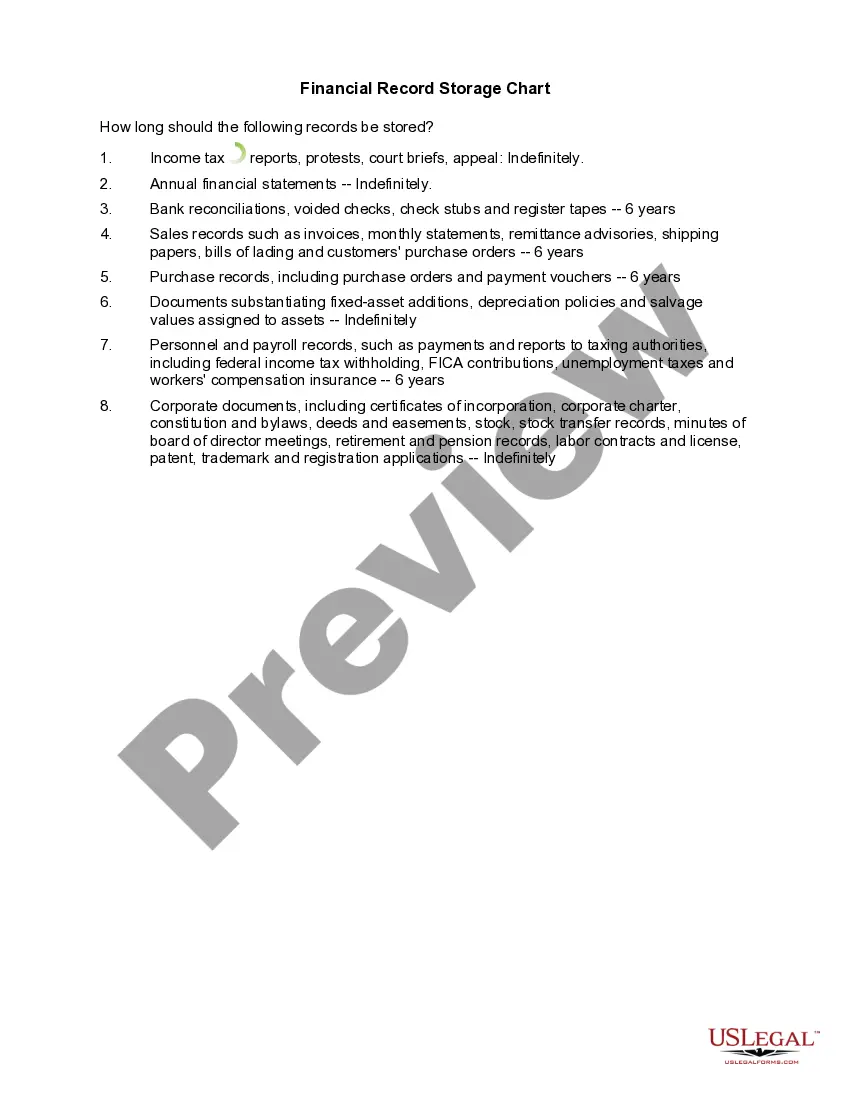
Vermont Financial Record Storage Chart
Description
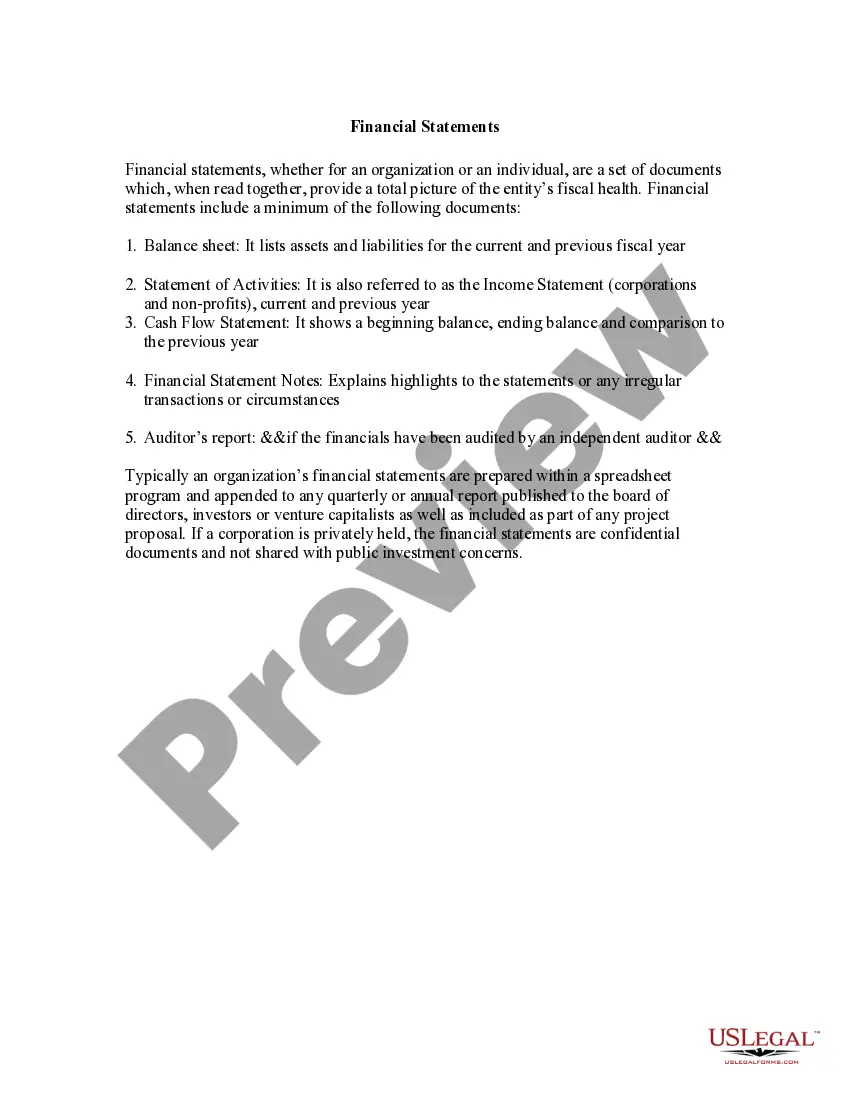
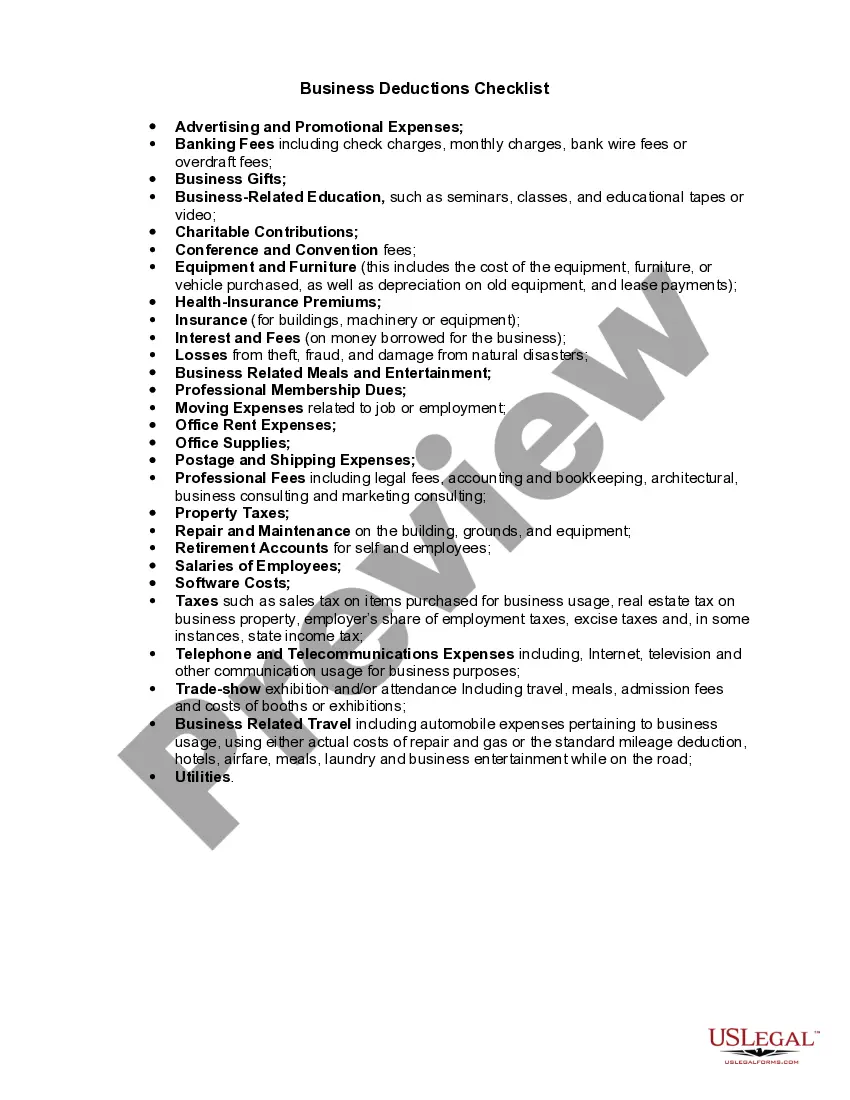
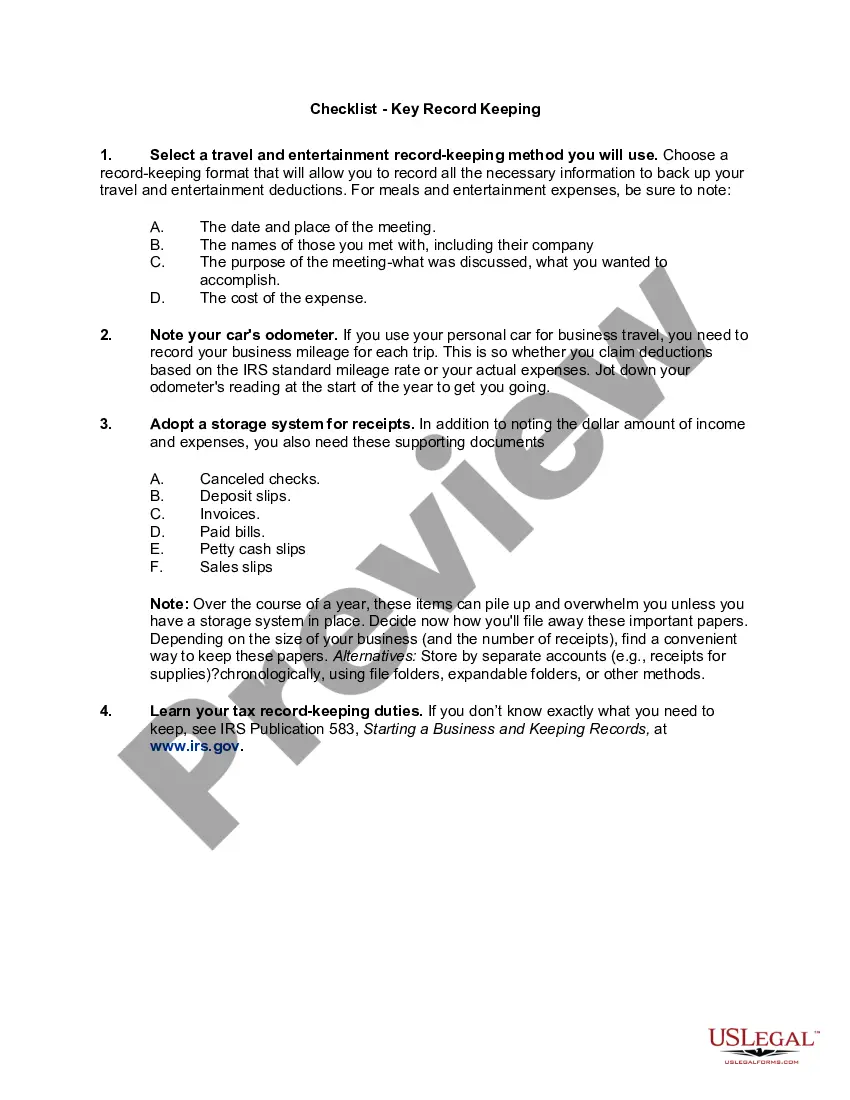




How to fill out Financial Record Storage Chart?
US Legal Forms - one of the most important collections of legal documents in the United States - presents a diverse selection of legal document templates that you can download or create.
By utilizing the website, you can access thousands of documents for professional and personal needs, organized by categories, states, or keywords. You can find the most recent versions of documents like the Vermont Financial Record Storage Chart in just a few minutes.
If you have a subscription already, Log In and download the Vermont Financial Record Storage Chart from the US Legal Forms library. The Download button will appear on each document you explore. You have access to all previously saved forms via the My documents section of your profile.
Make modifications. Complete, edit, print, and sign the saved Vermont Financial Record Storage Chart.
Every template you add to your account has no expiration date and belongs to you permanently. Thus, if you wish to download or print another copy, simply navigate to the My documents section and click on the document you need. Access the Vermont Financial Record Storage Chart with US Legal Forms, the most extensive collection of legal document templates. Utilize thousands of professional and state-specific templates that meet your business or personal needs and requirements.
- To use US Legal Forms for the first time, here are simple steps to help you get started.
- Make sure you have selected the correct form for your locality/state. Click the Review button to check the document's content. Review the form summary to ensure you have chosen the appropriate document.
- If the document does not meet your needs, take advantage of the Search feature at the top of the screen to find one that does.
- Once you are satisfied with the document, confirm your selection by clicking the Buy now button. Then, choose your preferred payment plan and provide your details to sign up for an account.
- Process the transaction. Use your credit card or PayPal account to complete the transaction.
- Select the format and download the document onto your device.
Form popularity
FAQ
Typically, nonprofits should keep most financial records for seven years. This includes everything from accounting books to tax documents, ensuring compliance and transparency in operations. The Vermont Financial Record Storage Chart is an excellent tool that can help nonprofits structure their record-keeping according to best practices.
Nonprofits generally need to retain financial records for a minimum of seven years. This retention period allows for adequate record-keeping in case of audits and provides a clear financial history for stakeholders. The Vermont Financial Record Storage Chart serves as a handy reference to help nonprofits manage their record retention policies effectively.
501c3 organizations must adhere to specific financial rules, including maintaining accurate financial statements and ensuring transparency in filing annual returns. These requirements help protect the tax-exempt status while promoting accountability. Incorporating the Vermont Financial Record Storage Chart can assist these organizations in meeting their obligations efficiently.
You should keep certain financial records, such as tax returns, bank statements, and receipts, for three to seven years. The Vermont Financial Record Storage Chart provides a helpful overview of which documents fall into this category, ensuring you preserve essential information without unnecessary clutter.
Generally, you should keep financial records for at least seven years. This duration aligns with the IRS guidelines and reflects the need to retain documents in case of an audit. Utilizing the Vermont Financial Record Storage Chart can help you track these timelines effectively, ensuring you maintain compliance and accessibility.
Old financial documents should be kept for at least 7 years, especially if they are related to taxes or significant financial transactions. This practice helps in safeguarding against audits and claims. For a clearer understanding of your specific needs, explore the Vermont Financial Record Storage Chart.
Companies are generally required to keep financial records for a minimum of 7 years. This retention period ensures compliance with tax regulations and prepares the company for potential audits. Refer to the Vermont Financial Record Storage Chart to understand the nuances of record-keeping obligations.
Certain financial documents warrant permanent retention. These include your tax returns, property records, and incorporation documents. Using the Vermont Financial Record Storage Chart can help you identify which important records need to be stored indefinitely.
Generally, financial records should be retained for at least 7 years. This timeframe aligns with IRS requirements for audit purposes. Referencing the Vermont Financial Record Storage Chart can provide clarity on additional specific requirements for different types of records.
In Vermont, medical records are typically kept for at least 6 years from the date of the last patient encounter. If the patient is a minor, records must be kept for 6 years after the patient reaches the age of majority. It's important to refer to the Vermont Financial Record Storage Chart for any specific guidelines that may apply.