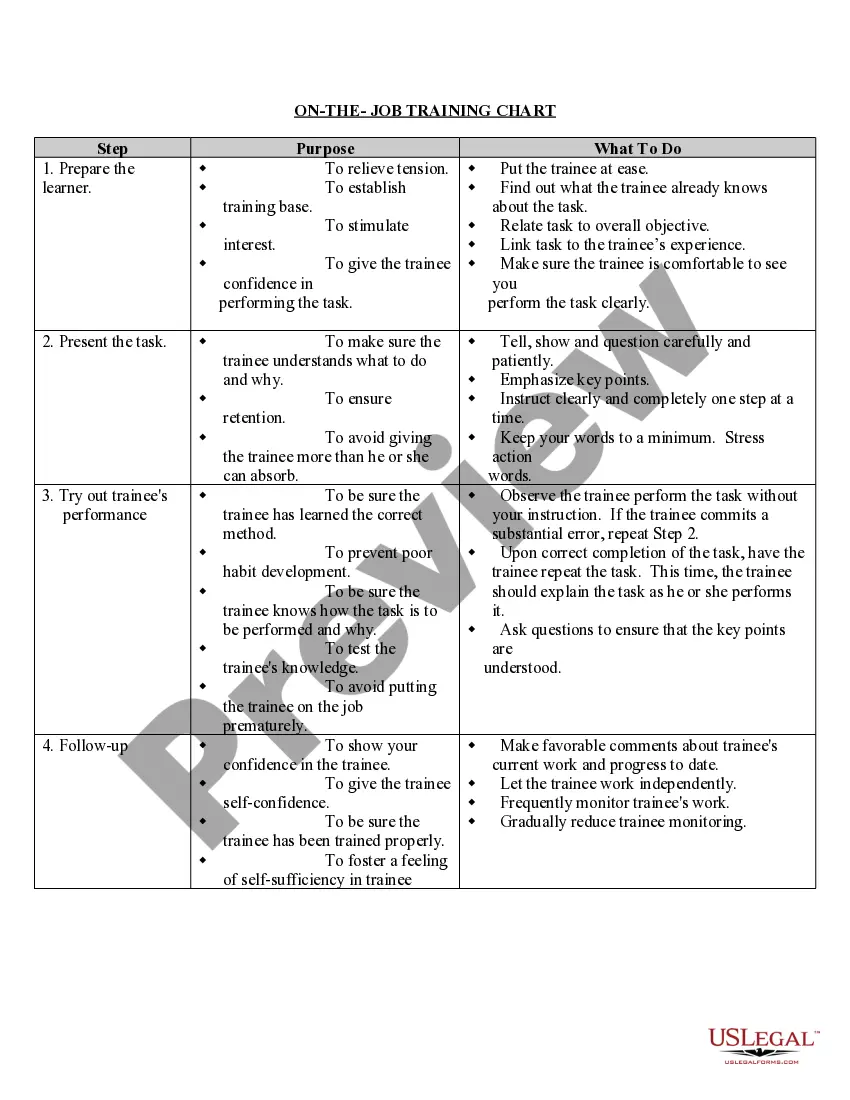
Vermont On-the-Job Training Chart
Description
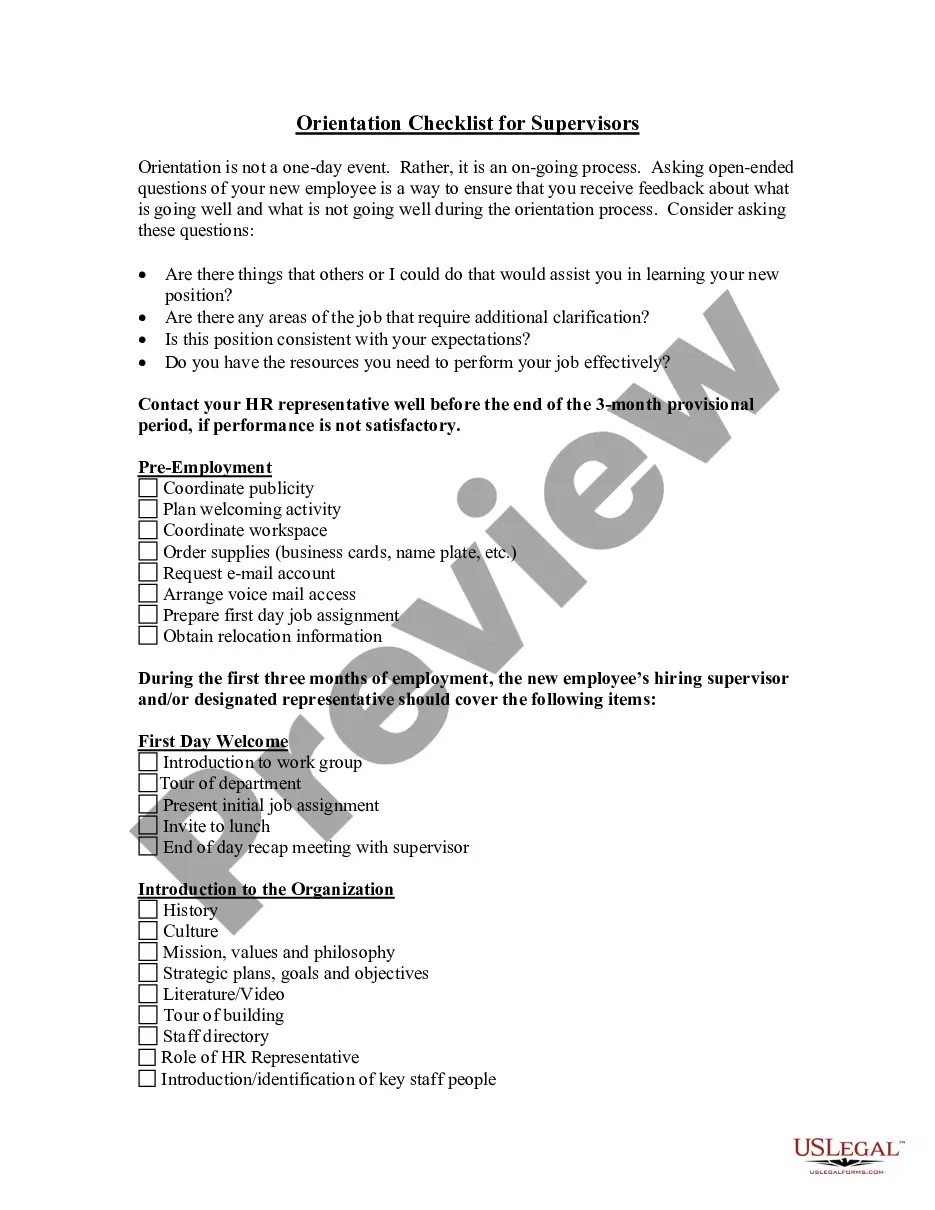
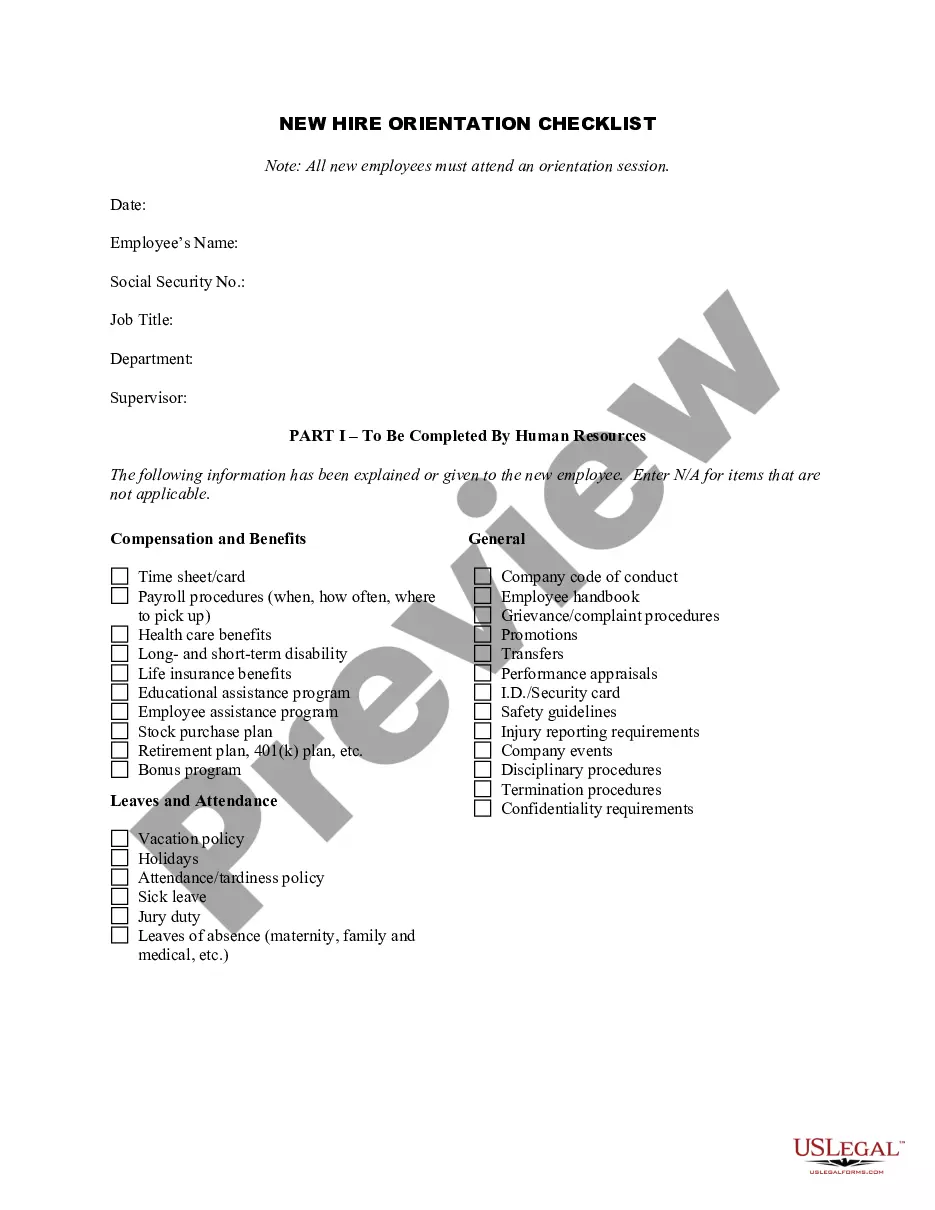
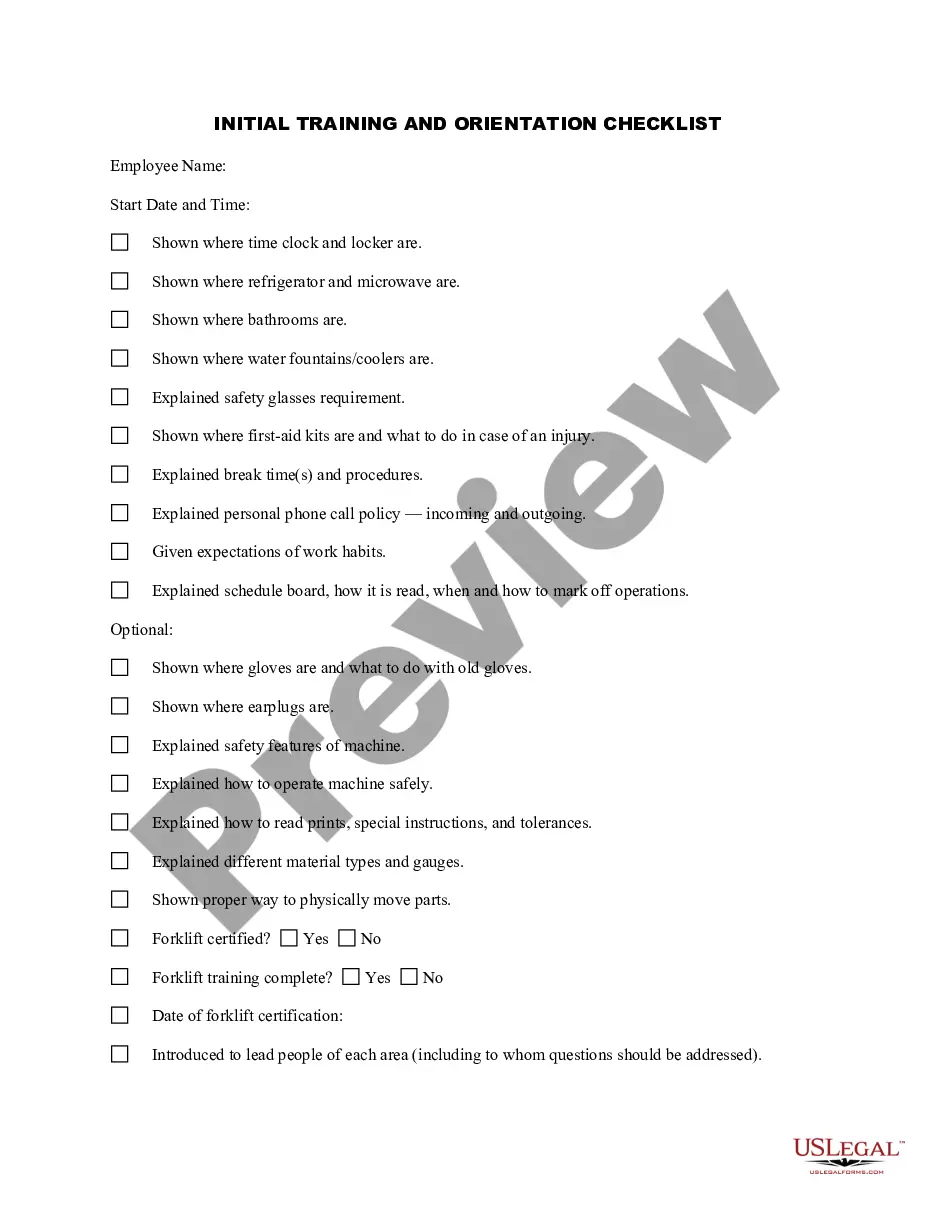
Get your form ready online
Our built-in tools help you complete, sign, share, and store your documents in one place.
Make edits, fill in missing information, and update formatting in US Legal Forms—just like you would in MS Word.
Download a copy, print it, send it by email, or mail it via USPS—whatever works best for your next step.
Sign and collect signatures with our SignNow integration. Send to multiple recipients, set reminders, and more. Go Premium to unlock E-Sign.
If this form requires notarization, complete it online through a secure video call—no need to meet a notary in person or wait for an appointment.
We protect your documents and personal data by following strict security and privacy standards.

Make edits, fill in missing information, and update formatting in US Legal Forms—just like you would in MS Word.

Download a copy, print it, send it by email, or mail it via USPS—whatever works best for your next step.

Sign and collect signatures with our SignNow integration. Send to multiple recipients, set reminders, and more. Go Premium to unlock E-Sign.

If this form requires notarization, complete it online through a secure video call—no need to meet a notary in person or wait for an appointment.

We protect your documents and personal data by following strict security and privacy standards.
Looking for another form?
How to fill out On-the-Job Training Chart?
Have you ever found yourself in a situation where you require documents for either business or personal purposes almost every day.
There are numerous legal document templates available online, yet finding ones you can trust is challenging.
US Legal Forms provides an extensive selection of templates, including the Vermont On-the-Job Training Chart, which are designed to comply with state and federal regulations.
Once you acquire the correct form, click on Purchase now.
Select the pricing plan you prefer, fill in the necessary information to create your account, and make the payment using your PayPal or credit card.
- If you are already familiar with the US Legal Forms website and have an account, simply Log In.
- After that, you can download the Vermont On-the-Job Training Chart template.
- If you don’t have an account and wish to start using US Legal Forms, follow these steps.
- Obtain the form you need and ensure it is for the correct city/county.
- Use the Preview button to examine the form.
- Verify the details to confirm that you have selected the correct form.
- If the form is not what you’re looking for, utilize the Search field to find the form that meets your needs.
Form popularity
FAQ
1. Assess Your Employees & the Skills Needed for the JobKnow what you want over the long-term.Know what each specific job requires.Identify necessary tools and systems.Decide how often the training will occur.Use an outline.Look for improvement in employee work.
On-the-job training is cost-effective. For employees, on-the-job training is beneficial because it allows them to learn a new skill or qualification within their field of work in a timely matter. During on-the-job training, they are engaged in the real production process instead of the simulated learning process.
On-the-Job Training Methods 6 Most Popular Training Methods: Job Instruction, Coaching, Mentoring, Job Rotation, Apprenticeship, and Committee Assignments.
The length of training depends on the skills required for the job. It generally does not exceed 6 months.
The Bottom LineOn-the-job training is normally the most effective approach to training employees. Many of these training options emphasize the role of coworkers and managers in training fellow employees.
Behavior, Coaching, Delegating, Empowering staff, Motivating others, Developing staff, Identifying and recruiting talent.
On-the-job training examples you may see in the workplace include the following:Orientation. Orientation is a type of training most commonly used for new employees.Self-instruction.Internship.Shadowing.Co-worker.Delegation.Practice simulation.Refreshers.More items...?
On-the-job training is when employees observe the processes and procedures that their employer uses to create an efficient and effective workplace. Whether that is learning how to operate specialized machinery and equipment or observing methods that facilitate the employee to perform specific jobs.
When there is no training, employees do not understand how to do their jobs and none of these goals are possible. This leads to low morale among workers, which results in employee turnover. A company with a reputation for high employee turnover is also unattractive to potential job candidates.
On-the-job training refers to training that employees receive while working....We have compiled a list of on-the-job training examples for you.Self-instruction training. Self-instruction training is as the name suggests.Orientation.Co-worker training.Shadowing.Internship.Job rotation.Practice Simulations.Delegation.More items...?