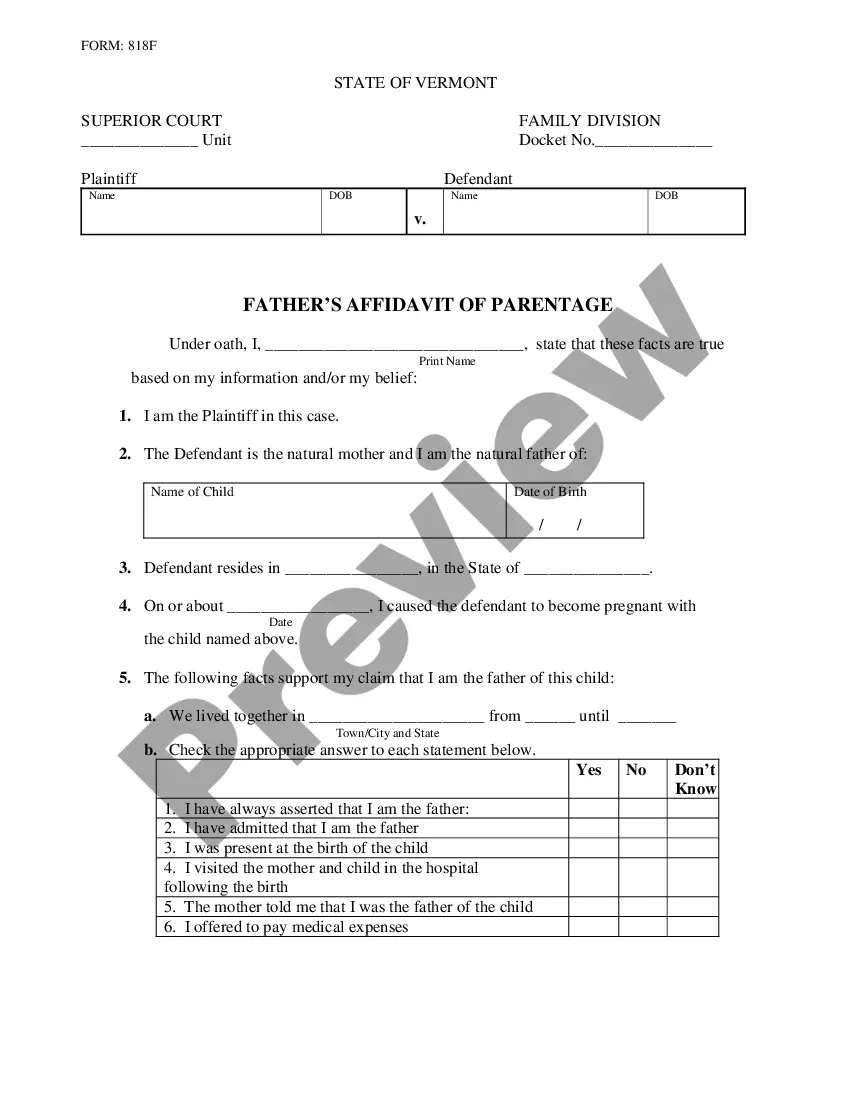
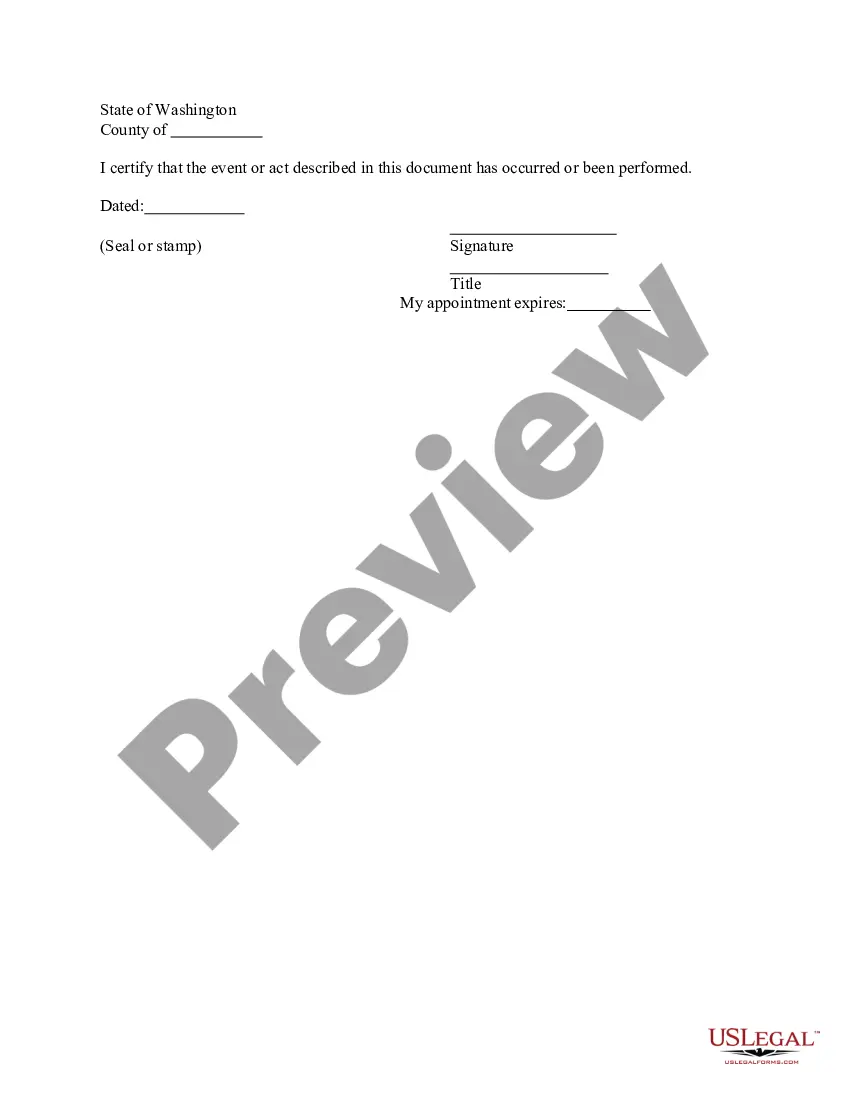
Washington Acknowlegment for Certifying the Occurrence of an Event or the Performance of an Act
What this document covers
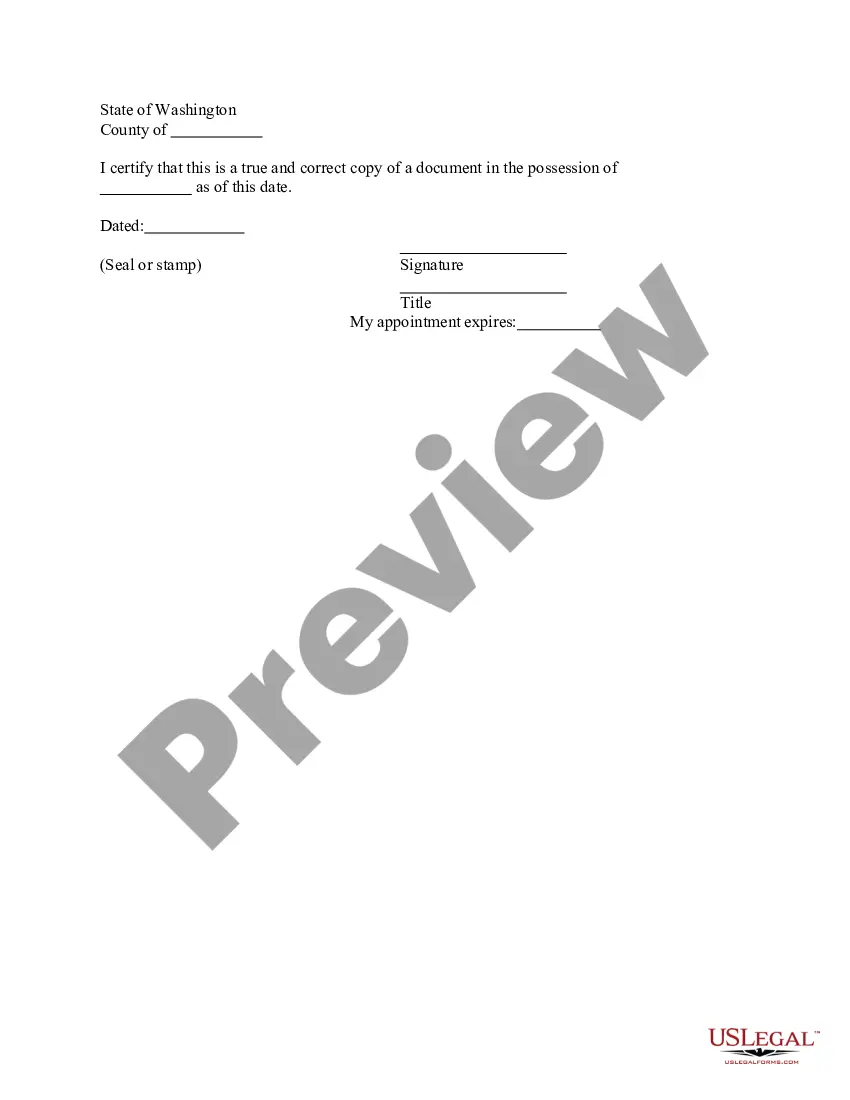
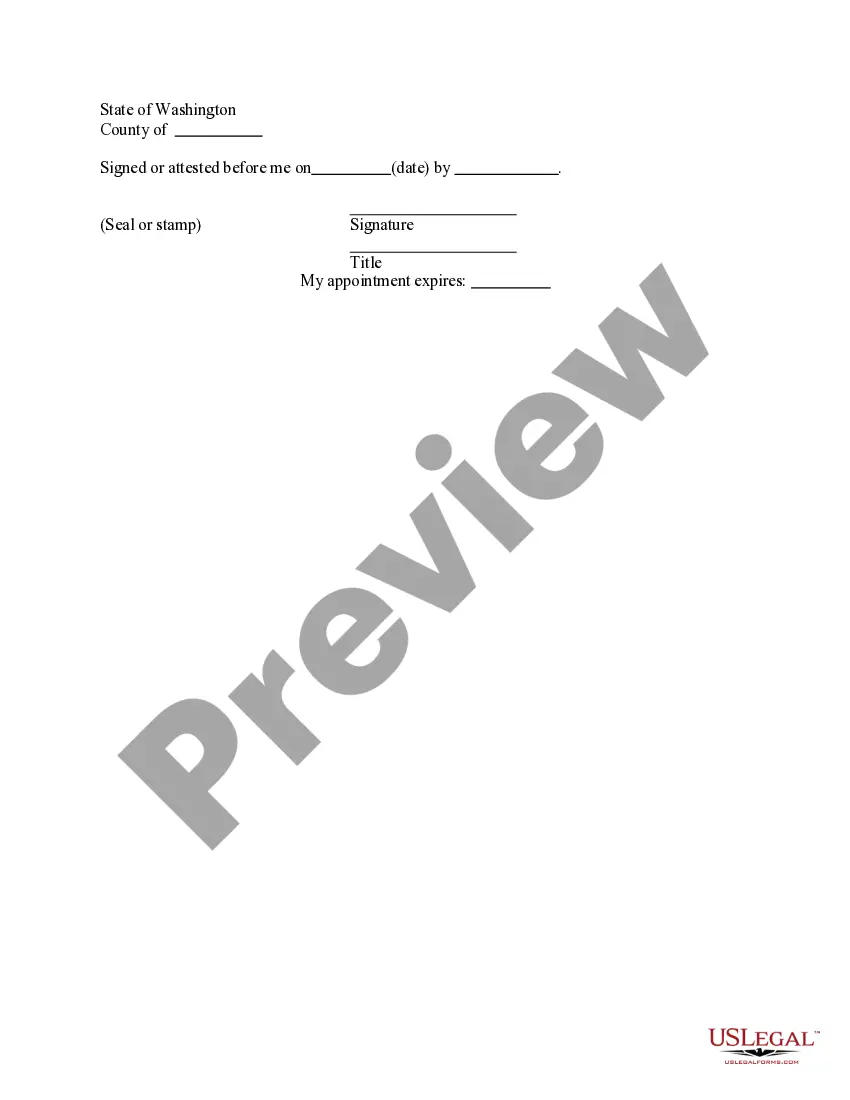
The Acknowledgment for Certifying the Occurrence of an Event or the Performance of an Act is a legal document used to formally confirm that a specific event or action has taken place. This form serves as tangible proof of the occurrence, which can be crucial in various legal contexts such as property transactions, contract completions, or verification of events. Unlike other certificates or affidavits, this acknowledgment focuses specifically on certifying the fact of an event or act rather than serving as a declaration or assertion of other claims.
Key parts of this document
- Date of occurrence of the event or act
- Detailed description of the event or act being certified
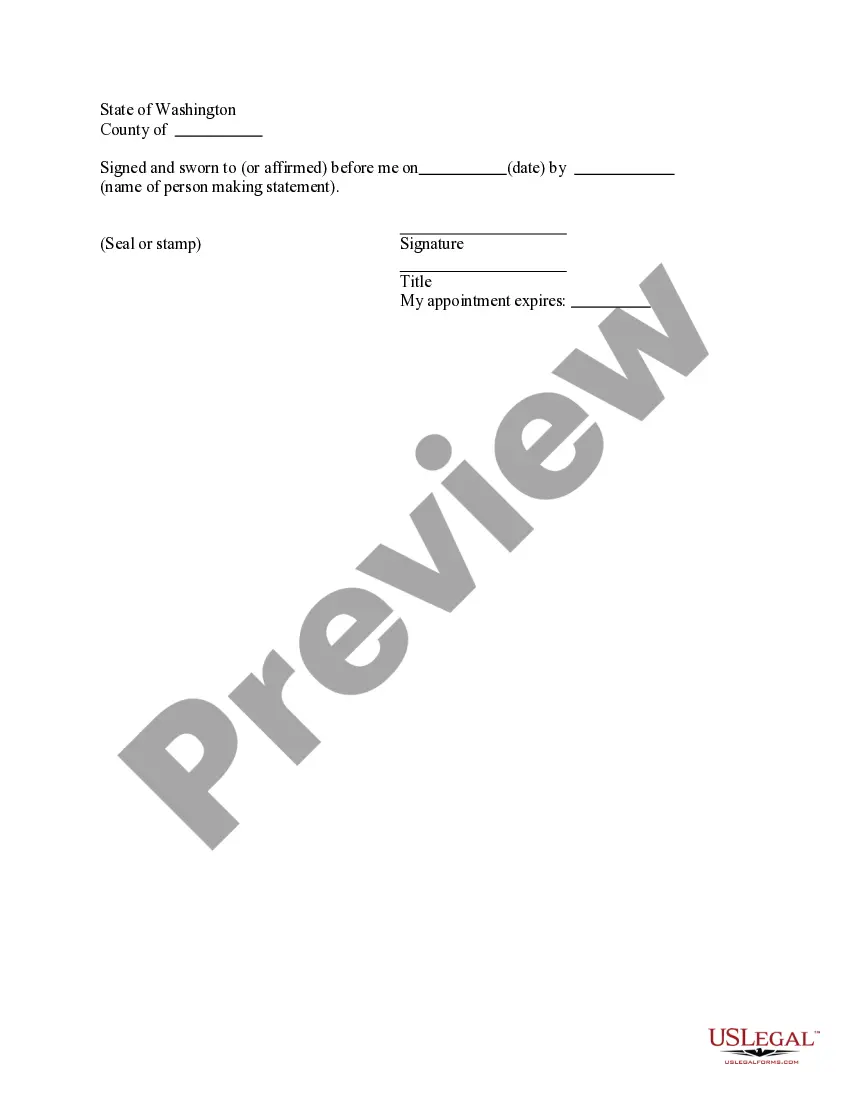
- Signature of the certifying individual
- Title or position of the certifying individual, if applicable
- Space for a seal or stamp, if required
When this form is needed
This form is commonly used in situations where an individual or organization needs to provide official confirmation of an event or act that has transpired. Examples include certifying the completion of a real estate transaction, confirming attendance at an event, or verifying that a contractual obligation has been fulfilled. By using this acknowledgment form, parties can establish a clear record of the event, which can be referenced in future legal matters if necessary.
Who should use this form
- Individuals certifying personal achievements or events
- Business professionals confirming the completion of tasks or contracts
- Legal representatives requiring documentation of specific acts
- Property owners involved in real estate transactions
- Anyone needing to provide official confirmation for legal or administrative purposes
Completing this form step by step
- Enter the date when the event or act occurred.
- Provide a clear and detailed description of the event or act.
- Sign the form in the designated signature area.
- If applicable, include your title or position next to your signature.
- Add a seal or stamp if required by your specific situation or local regulations.
Does this form need to be notarized?
Notarization is not commonly needed for this form. However, certain documents or local rules may make it necessary. Our notarization service, powered by Notarize, allows you to finalize it securely online anytime, day or night.
Get your form ready online
Our built-in tools help you complete, sign, share, and store your documents in one place.
Make edits, fill in missing information, and update formatting in US Legal Forms—just like you would in MS Word.
Download a copy, print it, send it by email, or mail it via USPS—whatever works best for your next step.
Sign and collect signatures with our SignNow integration. Send to multiple recipients, set reminders, and more. Go Premium to unlock E-Sign.
If this form requires notarization, complete it online through a secure video call—no need to meet a notary in person or wait for an appointment.
We protect your documents and personal data by following strict security and privacy standards.

Make edits, fill in missing information, and update formatting in US Legal Forms—just like you would in MS Word.

Download a copy, print it, send it by email, or mail it via USPS—whatever works best for your next step.

Sign and collect signatures with our SignNow integration. Send to multiple recipients, set reminders, and more. Go Premium to unlock E-Sign.

If this form requires notarization, complete it online through a secure video call—no need to meet a notary in person or wait for an appointment.

We protect your documents and personal data by following strict security and privacy standards.
Mistakes to watch out for
- Leaving the date field blank, which can render the certification void.
- Providing an unclear description of the event or act.
- Failing to sign the document, which is necessary for it to be valid.
- Not including a seal or stamp if it is required by local law.
- Incorrectly filling out the title or position that may invalidate the certifier's authority.
Benefits of completing this form online
- Convenience of instant access and download from anywhere.
- Editability allows users to customize the form to fit specific needs.
- Reliable templates drafted by licensed attorneys help ensure legal compliance.
- Easy navigation that guides users through the completion process.
- Time-saving as it can be completed and filed without the need for a physical visit to an office.
Looking for another form?
Form popularity
FAQ
Notarial Act: Title of Document: Identity of Signer. Date and Time: Notary Fee: The Fee column cannot be left blank. Signature of Signer: Every signer must sign/mark the notary's journal. Thumbprint:
Unlike jurats, an acknowledgment does not need to be signed in the presence of a notary. However, the affiant does need to swear or affirm that they signed under their own free will.
No, in Washington, you do not need to notarize your will to make it legal. However, Washington allows you to make your will "self-proving" and you'll need to go to a notary if you want to do that. A self-proving will speeds up probate because the court can accept the will without contacting the witnesses who signed it.
What should a notarial certificate have? The signature of individual and notary, a statement that document was signed before a notary, the seal of the notary.
If the document has already been signed, the signer can sign his or her name again above or next to the first signature. You can then proceed with the notarization. You may want to notate in your journal that the signer was instructed to sign again in your presence.
Yes. If the document is dated in the future, there is nothing in the law that prohibits you from notarizing it as long as you clearly indicate the date you notarized the signature of the signer on the notarial certificate.
The certificate of a notary public, justice of the peace, or other authorized officer, attached to a deed, mortgage, or other instrument, setting forth that the parties thereto personally appeared before him on such a date and acknowledged the instrument to be their free and voluntary act and deed. Read v.
The preparer of the document adds both acknowledgment certificates for the notary public to decide and execute the acknowledgment certificate most appropriate to the situation. However, most documents that name two principal signers will generally include two notarial certificatesone for each signer.