Wisconsin Land Covenant
Description
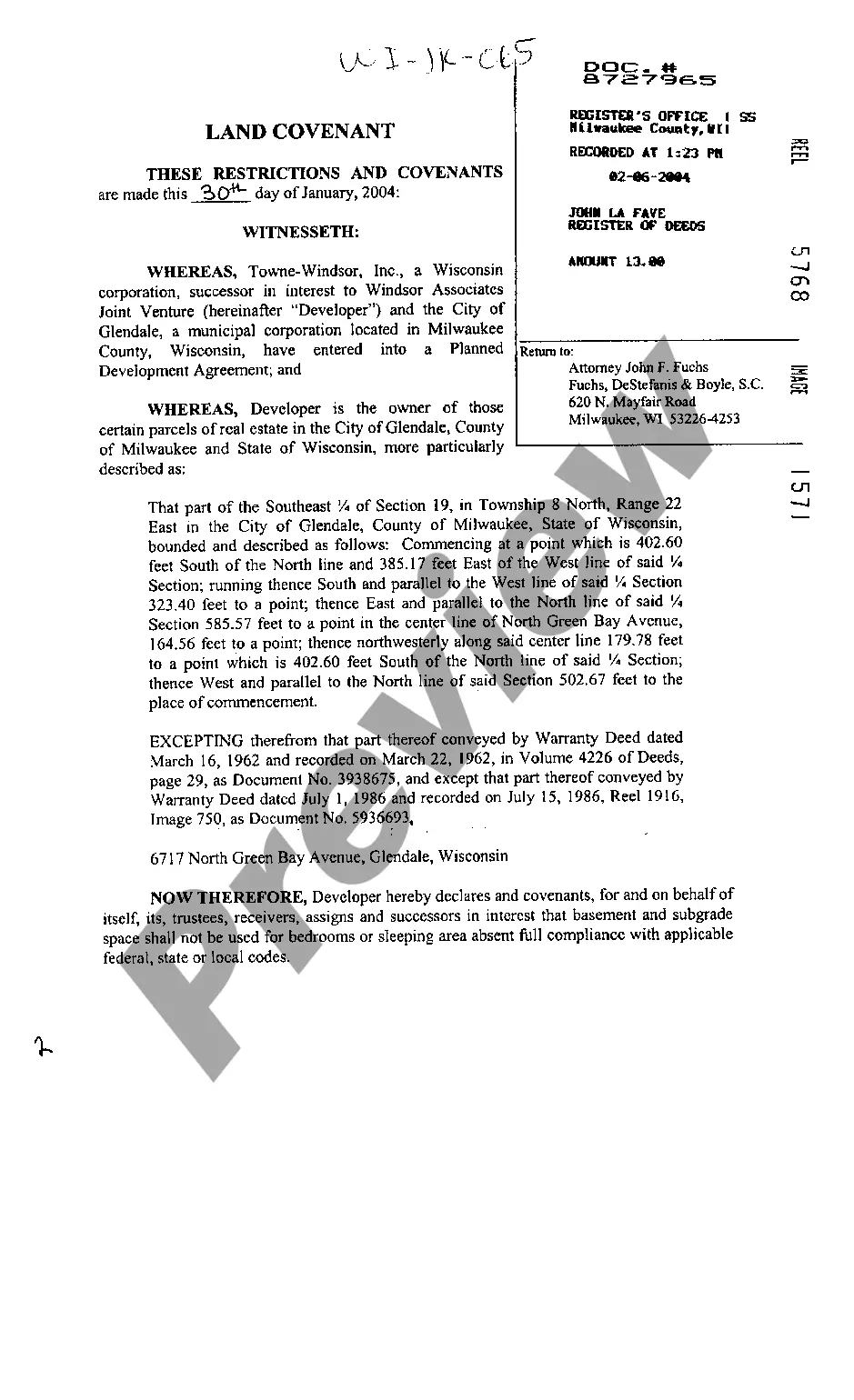
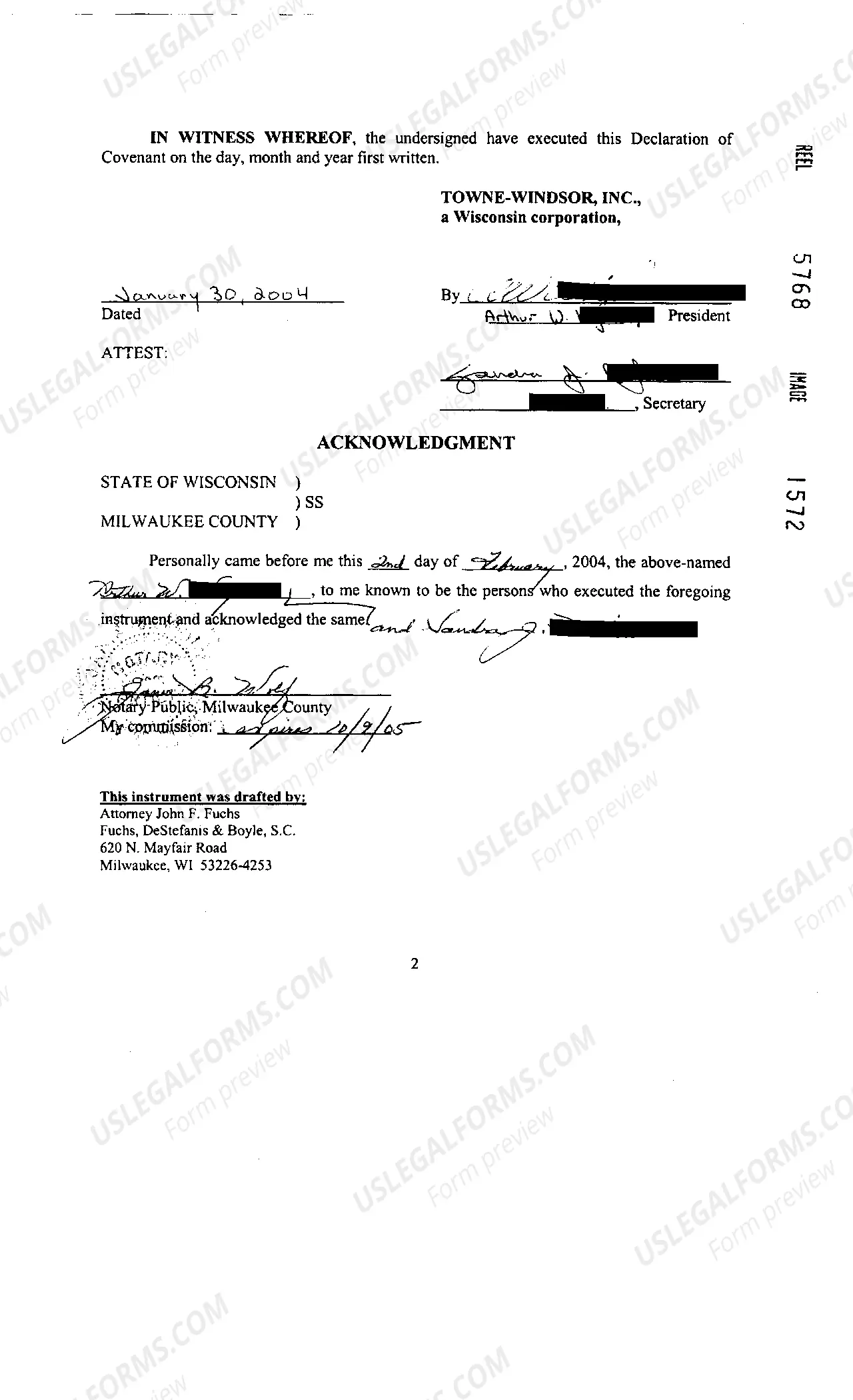
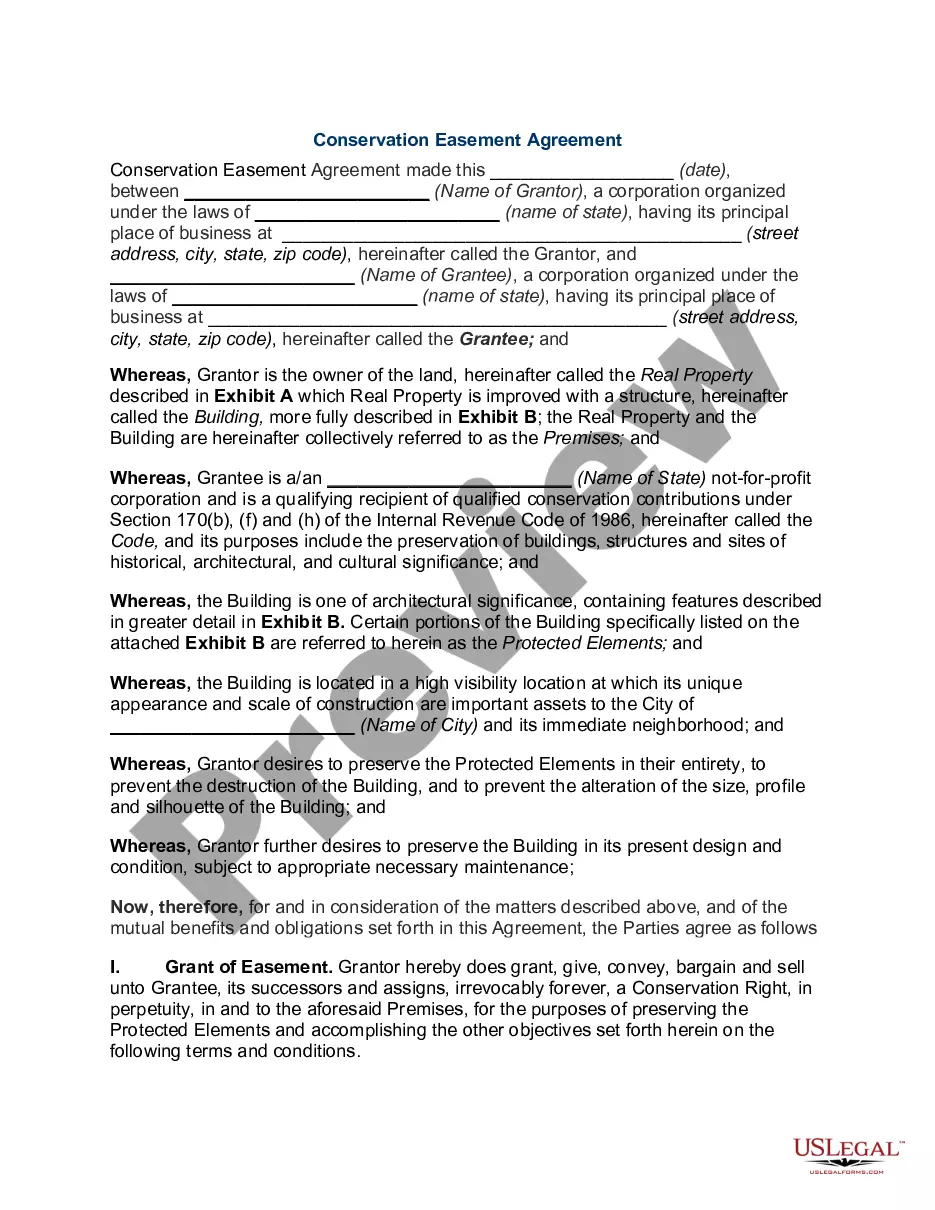
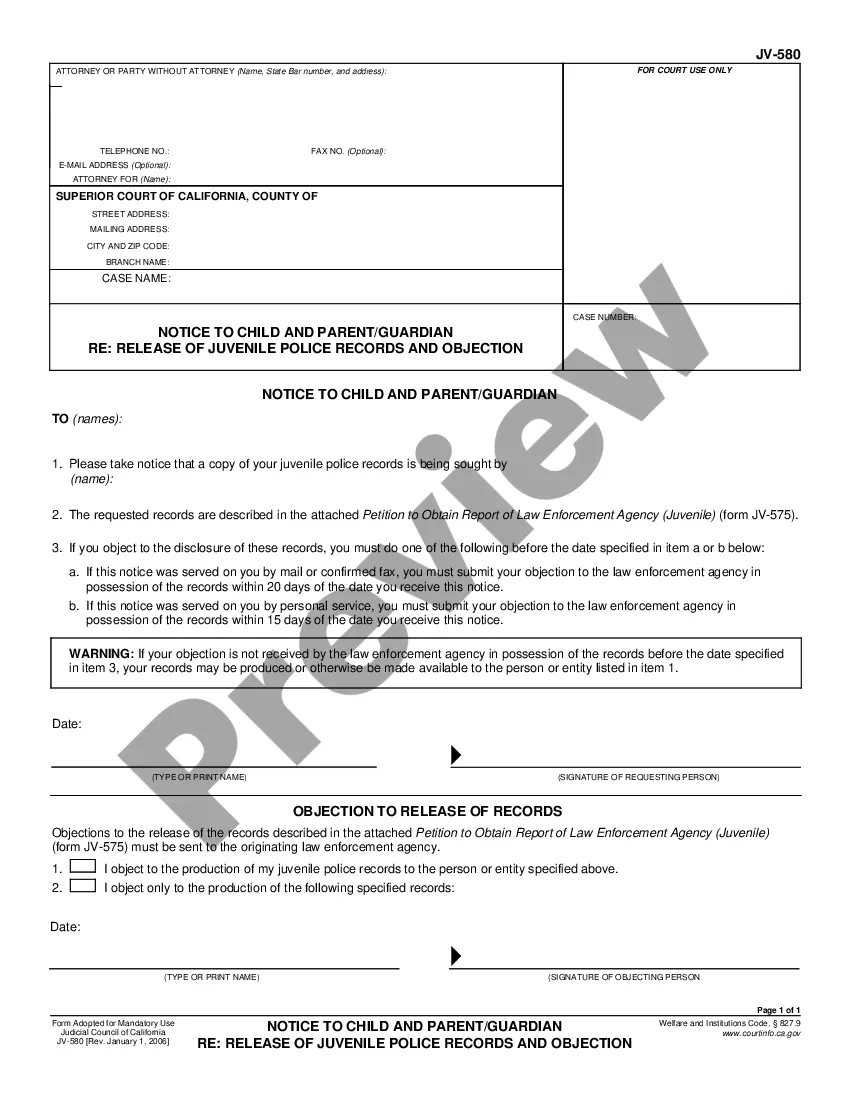
How to fill out Wisconsin Land Covenant?
Out of the great number of services that offer legal templates, US Legal Forms provides the most user-friendly experience and customer journey when previewing templates before buying them. Its complete catalogue of 85,000 samples is grouped by state and use for simplicity. All the forms on the platform have been drafted to meet individual state requirements by certified lawyers.
If you already have a US Legal Forms subscription, just log in, search for the form, hit Download and obtain access to your Form name in the My Forms; the My Forms tab keeps your downloaded forms.
Stick to the tips listed below to get the document:
- Once you see a Form name, ensure it is the one for the state you really need it to file in.
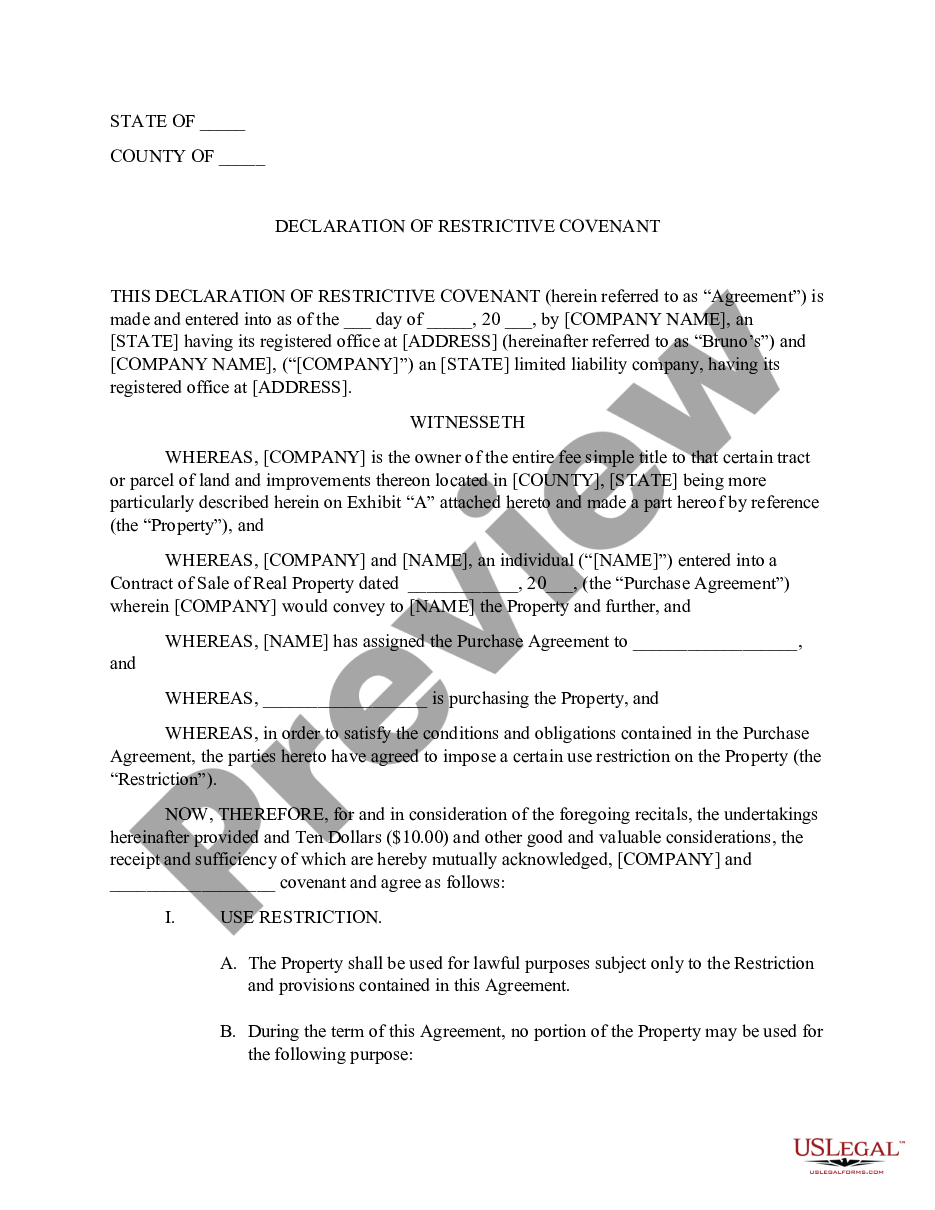
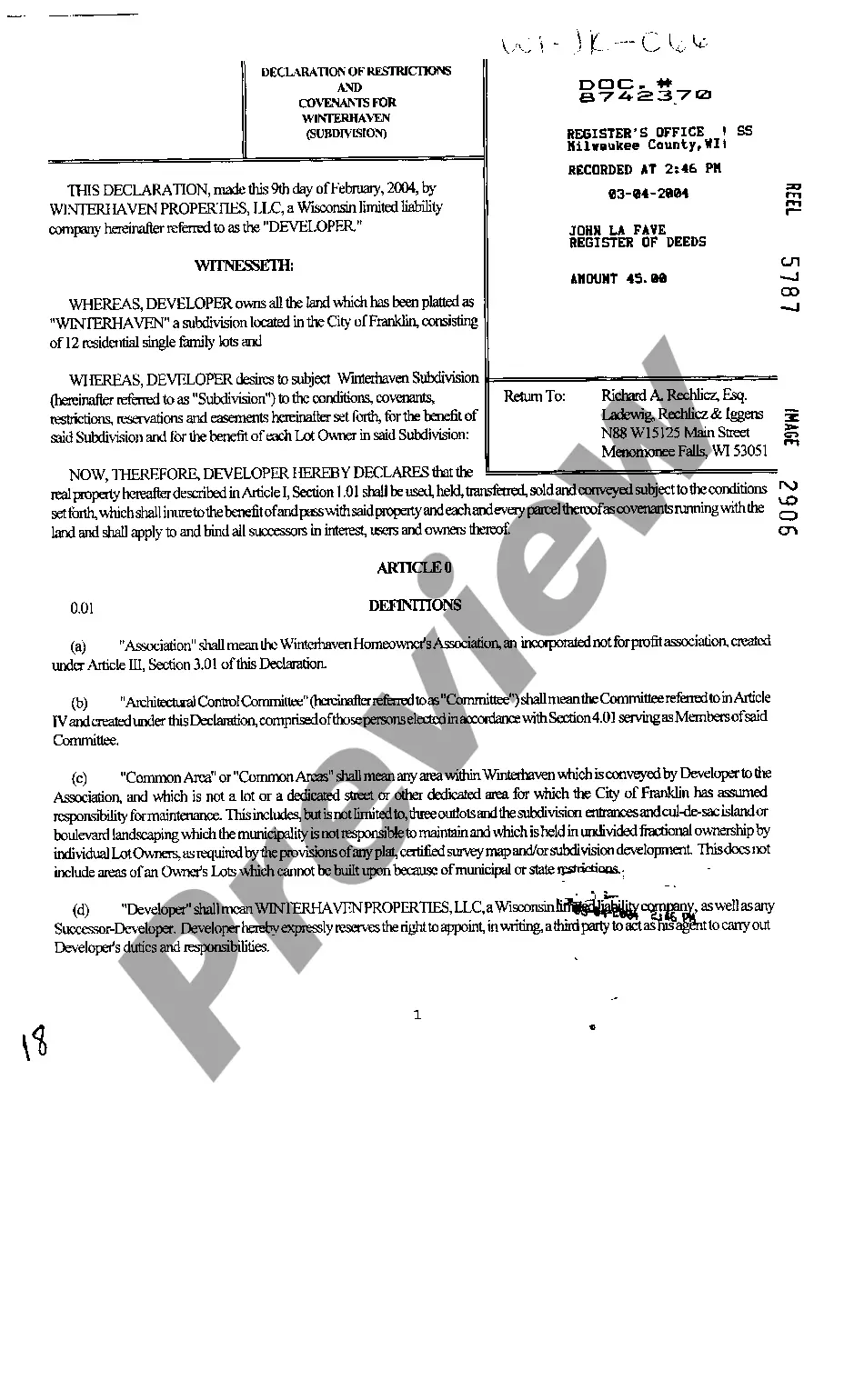
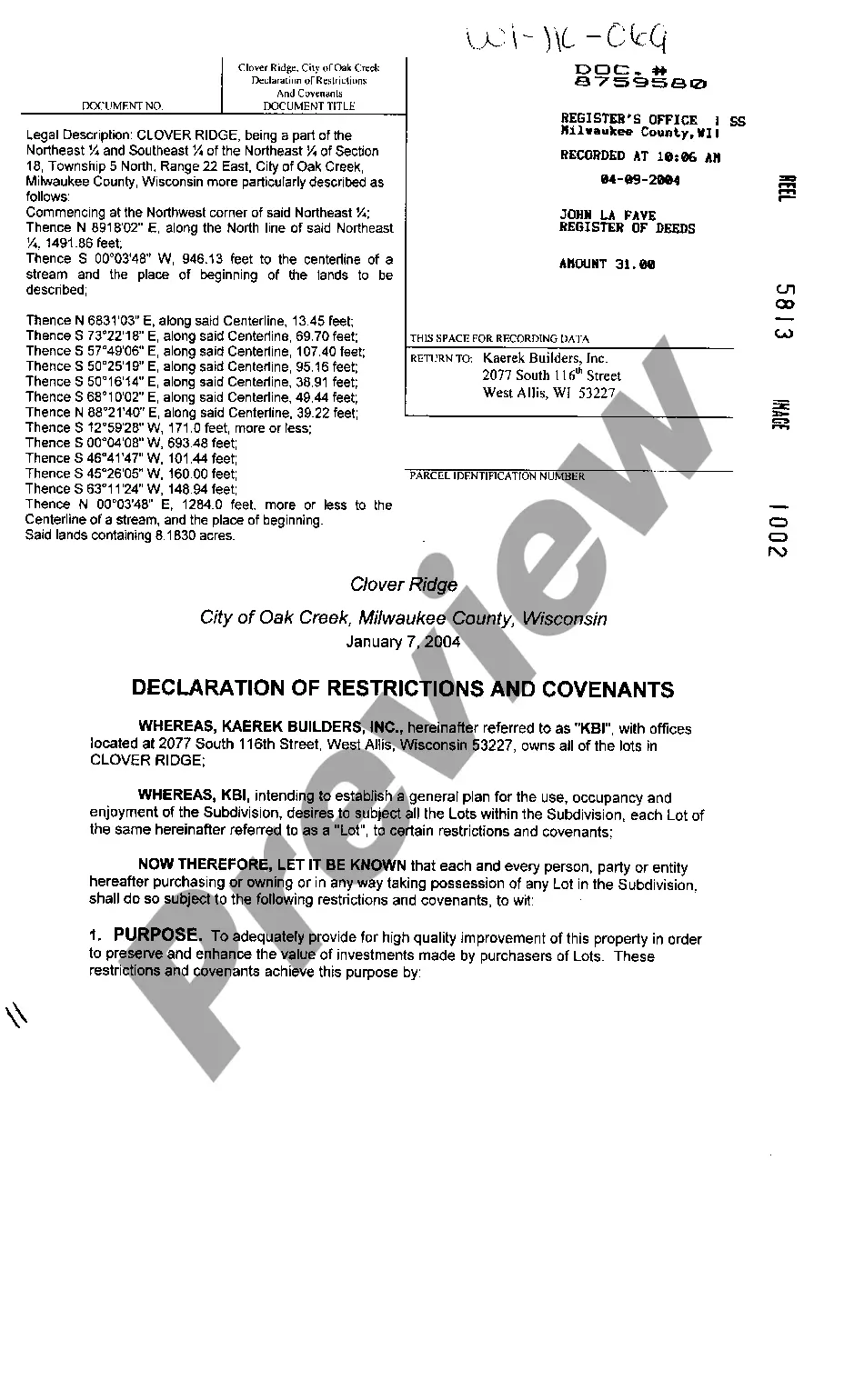
- Preview the form and read the document description just before downloading the template.
- Search for a new sample using the Search field if the one you have already found isn’t proper.
- Simply click Buy Now and select a subscription plan.
- Create your own account.
- Pay with a card or PayPal and download the template.
When you’ve downloaded your Form name, it is possible to edit it, fill it out and sign it in an web-based editor that you pick. Any form you add to your My Forms tab can be reused many times, or for as long as it remains to be the most updated version in your state. Our service offers quick and simple access to samples that fit both lawyers as well as their clients.
Form popularity
FAQ
The restrictions and affirmative obligations included in a set of restrictive covenants may be enforced by (i) any individual owner or (ii) in a condominium or planned community, the owners association.However, most enforcement of restrictive covenants is now carried out by the appropriate owners association.
The restrictive covenants imposed by the scheme must be registered against the seller by each buyer. In the case of unregistered land the covenants are registered as D(ii) land charges.
However before taking legal action it is important to establish that you do have the right to enforce the covenant. Generally only the owner of land which was, or was part of, the land intended to be benefited by the covenant, can enforce it.
If a neighbour threatens to breach a restrictive covenant binding on them you will probably want to obtain an injunction to prevent breach rather than simply claim monetary compensation.Generally only the owner of land which was, or was part of, the land intended to be benefited by the covenant, can enforce it.
Covenants, conditions, and restrictions (CCRs) are privately created rules between parties regarding the use and improvement of real property.Covenants are either personal, restricting only the party who signs the agreement, or they "run with the land," passing the burden along to subsequent property owners.
How long do covenants last and who enforces them? It is the responsibility of the developer to monitor and enforce the property covenants they have set in place, and they last as long as the developer enforces them or up to 10 years.
Creating a Covenant Typically they will be imposed by the developer when a property is built or by a seller who is selling part of his land and retaining the remainder but can be imposed at any time. A covenant can be created by separate deed (a Deed of Covenant).
Put your full name, as shown on your original deed, and your current address. Fill in the grantee section of the deed. The grantee is the recipient, so enter your full name and the name of your spouse, followed by your addresses. Put "as husband and wife" after your names.
A land covenant binds future owners and will remain on a title until all affected landowners and interest-holders agree to its removal, or the court orders its extinguishment.