• US Legal Forms

West Virginia Letter from Landlord to Tenant Returning security deposit less deductions

State:
West Virginia
Control #:
WV-1065LT
Format:
Word; 
Rich Text
Instant download

Description

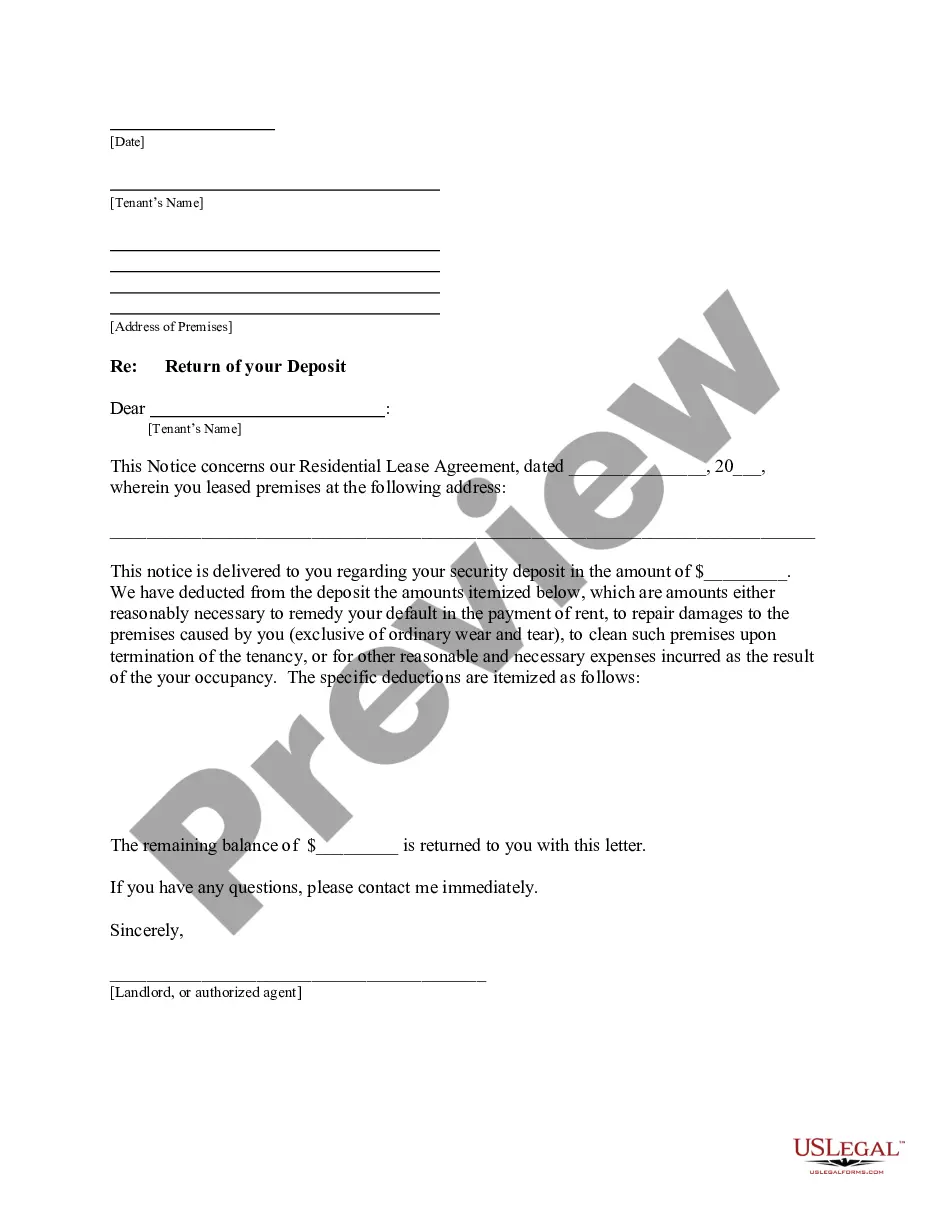
This is a letter informing Tenant that Landlord has deducted from the deposit the amounts itemized which are amounts either reasonably necessary to remedy default in the payment of rent, to repair damages to the premises caused by tenant, to clean such premises upon termination of the tenancy, or for other reasonable and necessary expenses incurred as the result of the tenant's occupancy.


A security deposit is a payment required by a landlord from a tenant to cover the expenses of any repairs of damages to the premises greater than normal "wear and tear." Everyday usage is normal wear and tear, but excess damage is a debated definition. A security deposit is not the same as rent. It is money that actually belongs to the tenant but is held by the landlord for tenant-caused damages and sometimes past-due rent. Without the agreement of the landlord, a security deposit may not legally be used as the last month's rent.


Laws vary by state, but some states place a limit on the amount of a security deposit that a landlord may charge. Some states also regulate where residential security deposits must be kept and when interest payments on the security deposits must be made to the tenant. State laws also define the time period after the tenant vacates within which the deposit must be returned to the tenant.
Free preview
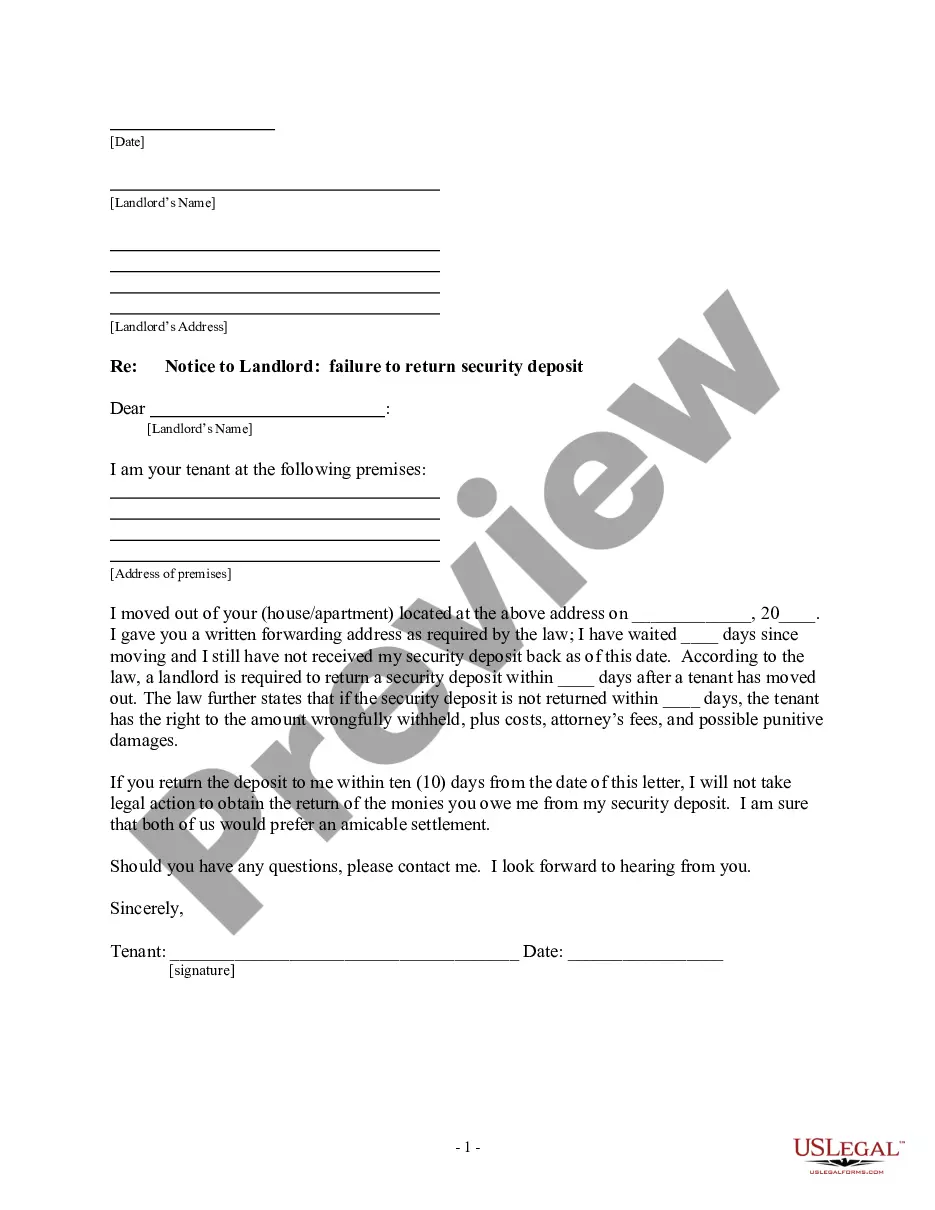
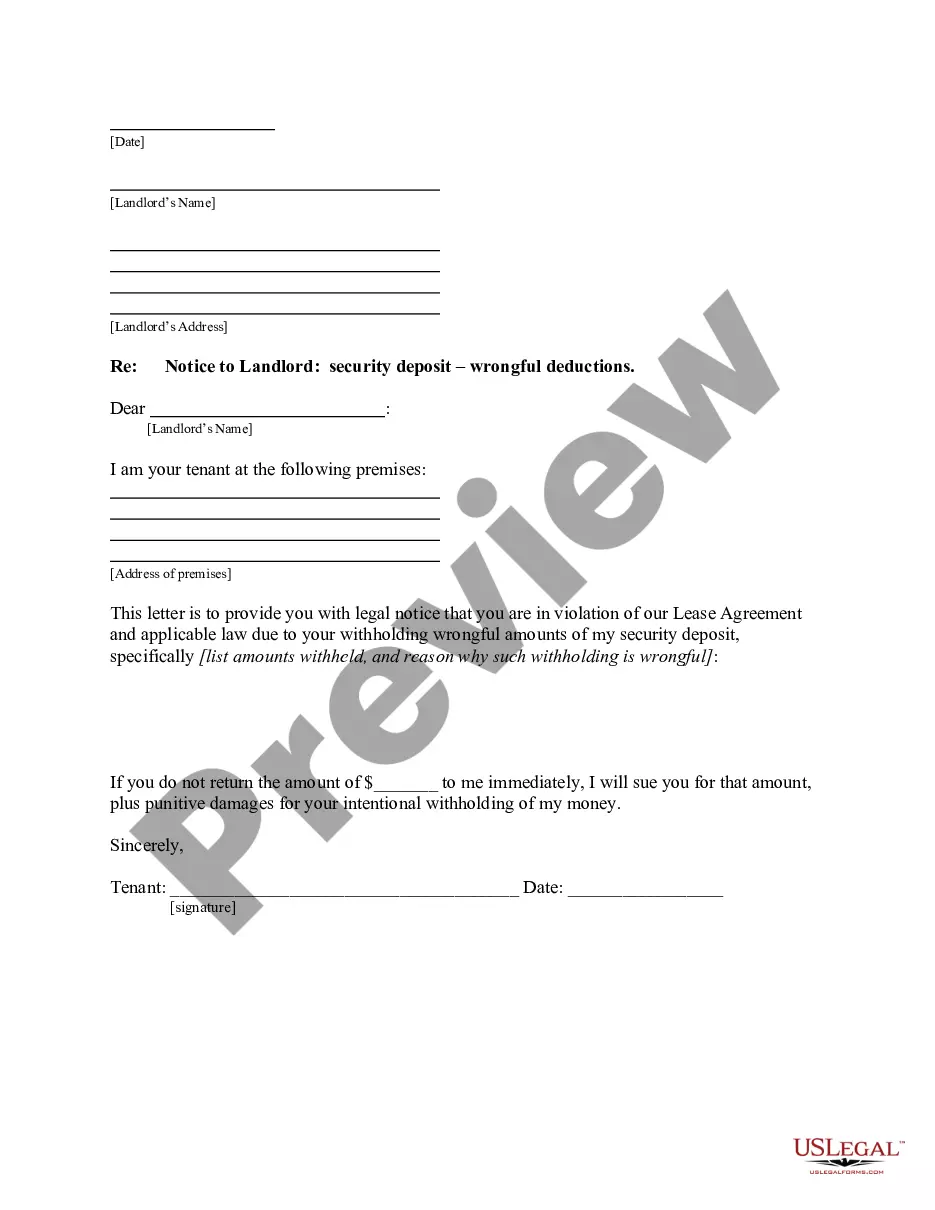
  • Preview Letter from Landlord to Tenant Returning security deposit less deductions
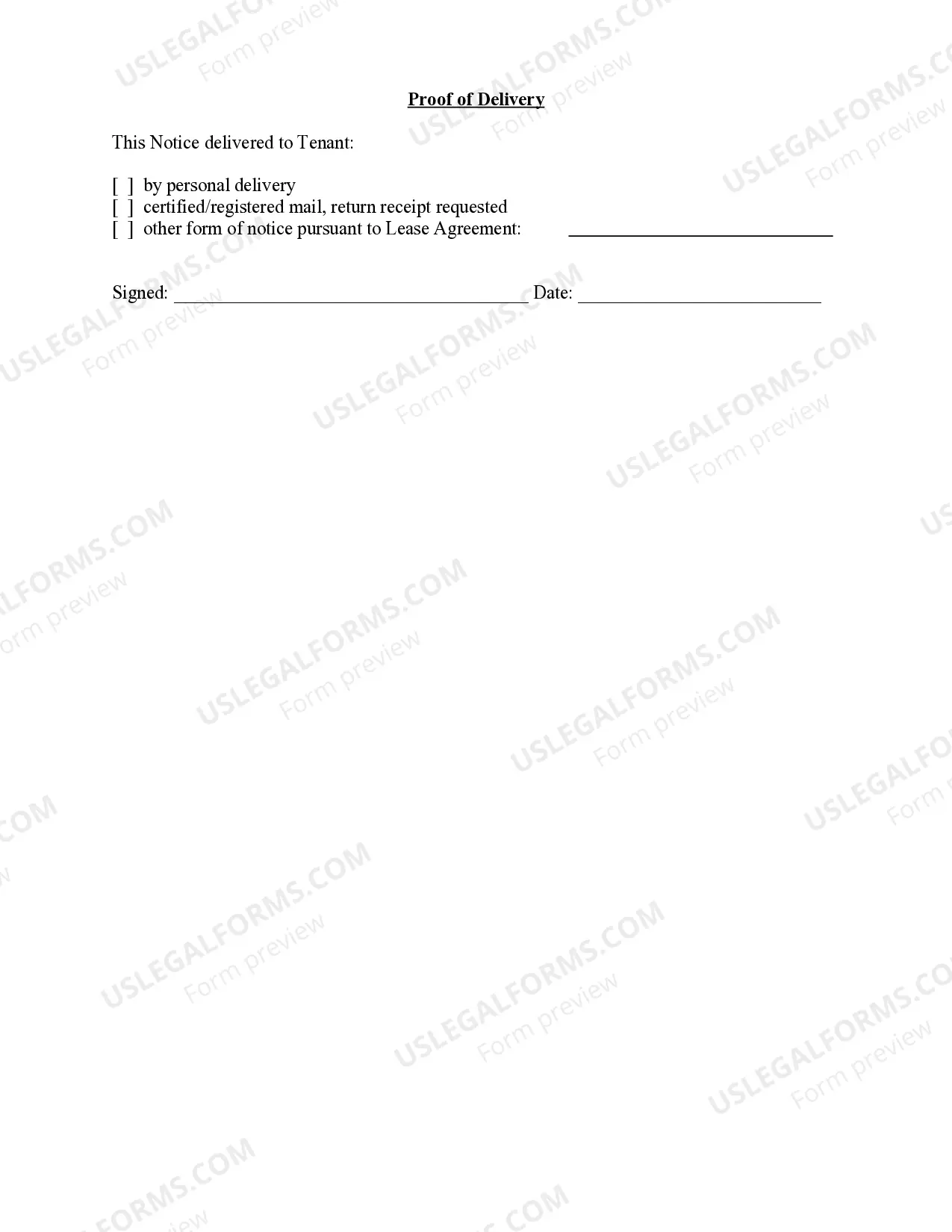
  • Preview Letter from Landlord to Tenant Returning security deposit less deductions

How to fill out West Virginia Letter From Landlord To Tenant Returning Security Deposit Less Deductions?

Out of the large number of platforms that provide legal samples, US Legal Forms provides the most user-friendly experience and customer journey when previewing templates prior to buying them. Its comprehensive library of 85,000 templates is categorized by state and use for simplicity. All the forms available on the service have been drafted to meet individual state requirements by certified legal professionals.

If you have a US Legal Forms subscription, just log in, look for the template, press Download and gain access to your Form name in the My Forms; the My Forms tab keeps all of your saved forms.

Stick to the tips listed below to get the form:

  1. Once you find a Form name, make certain it’s the one for the state you really need it to file in.
  2. Preview the form and read the document description before downloading the sample.
  3. Search for a new template via the Search field in case the one you’ve already found isn’t proper.
  4. Click on Buy Now and select a subscription plan.
  5. Create your own account.
  6. Pay using a card or PayPal and download the document.

After you’ve downloaded your Form name, you can edit it, fill it out and sign it in an web-based editor that you pick. Any document you add to your My Forms tab can be reused many times, or for as long as it remains to be the most up-to-date version in your state. Our service offers easy and fast access to templates that suit both lawyers and their clients.

Form popularity

FAQ

Generally, a landlord may retain all or part of the security deposit to pay for damages to the unit that occurred during the tenants' occupancy, except for those resulting from normal wear and tear. Usually, the landlord can deduct other costs, such as late fees, unpaid rent, and unpaid utility bills.

What is the deadline to return a security deposit in West Virginia? The security deposit (minus any costs incurred for cleaning or repairs, if applicable) must be returned to the renter no later than 60 days from the date the tenancy is terminated.

Concisely review the main facts and lay out the reasons your landlord owes you money. Include copies of relevant letters and agreements, such as your notice to move out. Ask for exactly what you want, such as the full amount of your deposit within ten days. Cite state security deposit law.

Unpaid rent at the end of the tenancy. Unpaid bills at the end of the tenancy. Stolen or missing belongings that are property of the landlord. Direct damage to the property and it's contents (owned by the landlord) Indirect damage due to negligence and lack of maintenance.

Your landlord can still deduct from your deposit to cover the cleaning bill if the property is not cleaned to the level it was at and can prove it, though. So, it's still important to clean the property thoroughly before you move out.

The landlord is entitled to deduct from the rental deposit any expenses incurred repairing any damage to the property which occurred during the tenancy. The remainder of the money must then be refunded to the tenant no later than 14 days after the restoration of the property as dictated by the Act.

5 Times a Landlord Does Not Have to Return a Tenant's Security Deposit. Breaking or Terminating a Lease Early. Nonpayment of Rent. Damage to the Property. Cleaning Costs. Unpaid Utilities.

First, let's define our terms. Normal wear and tear is any damage that occurs in on a property due to aging. Typically this kind of damage is merely the result of a tenant(s) living in the property and is considered a part of normal depreciation. Its cause is neither neglect or abuse of the property by the tenant(s).

Virginia Landlord Tenant Law Security Deposits The landlord can withhold the amount of money equal to the cost of repairs for damages to the premises caused by the tenant. Virginia Landlord Tenant Law forbids a landlord from withholding any portion of the security deposit for normal wear and tear to the property.

Trusted and secure by over 3 million people of the world’s leading companies

West Virginia Letter from Landlord to Tenant Returning security deposit less deductions