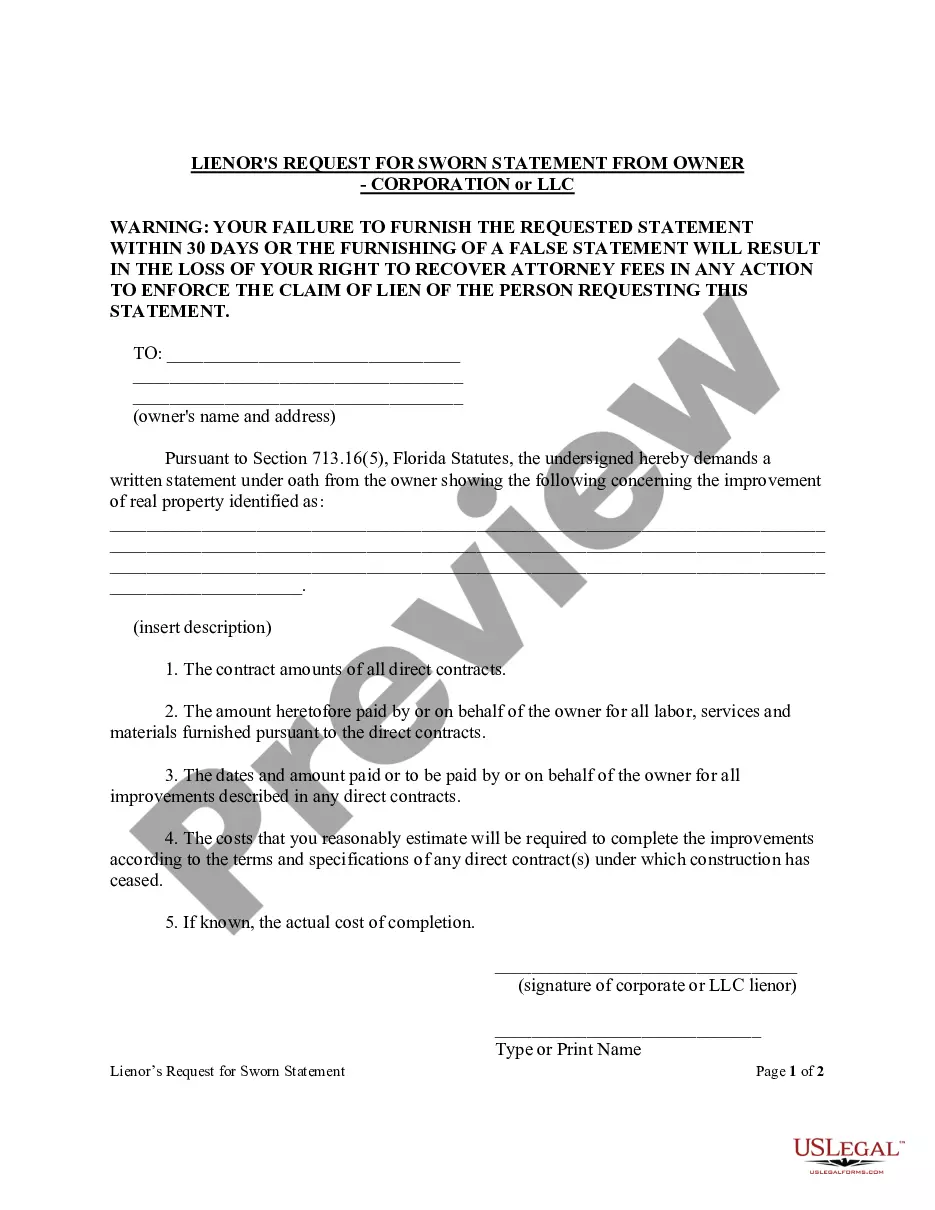
West Virginia Marital Domestic Separation and Property Settlement Agreement Adult Children
Understanding this form
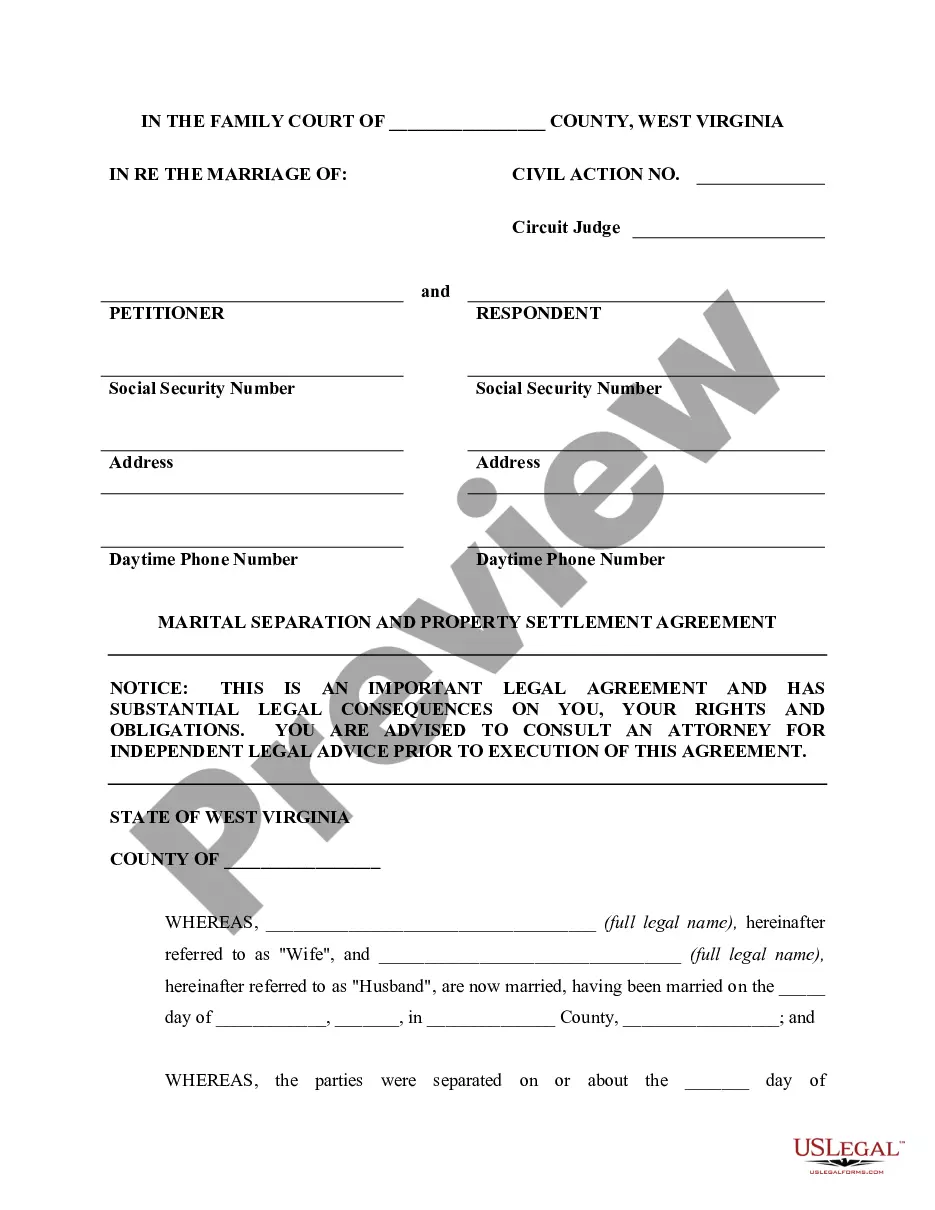
The Marital Domestic Separation and Property Settlement Agreement for Adult Children is a legal document that outlines the distribution of assets and debts between spouses who are separating but do not have minor children. This agreement is essential for defining each party's responsibilities and rights regarding property and liabilities, making it distinct from general marital separation agreements, particularly because it specifically addresses arrangements for adult children.
Main sections of this form
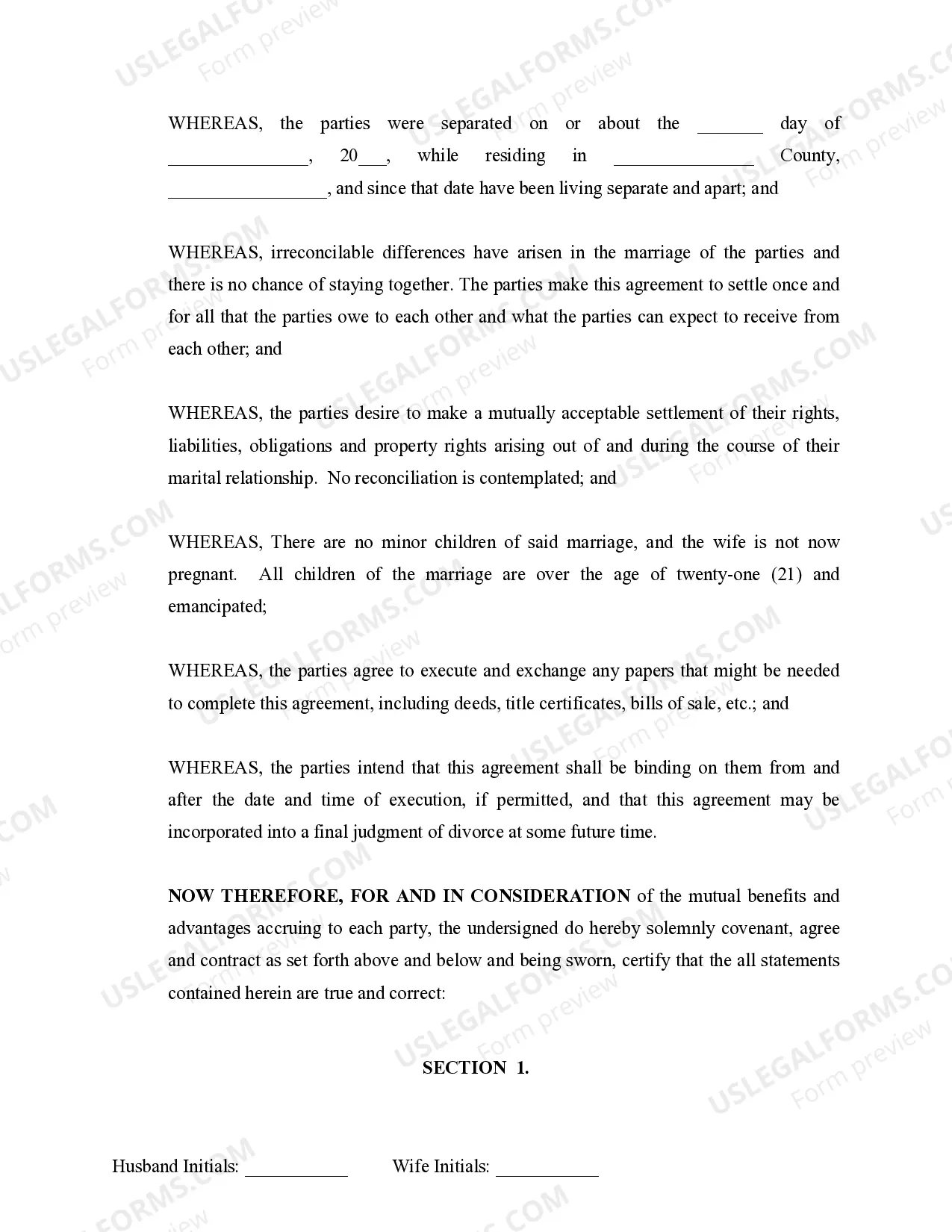
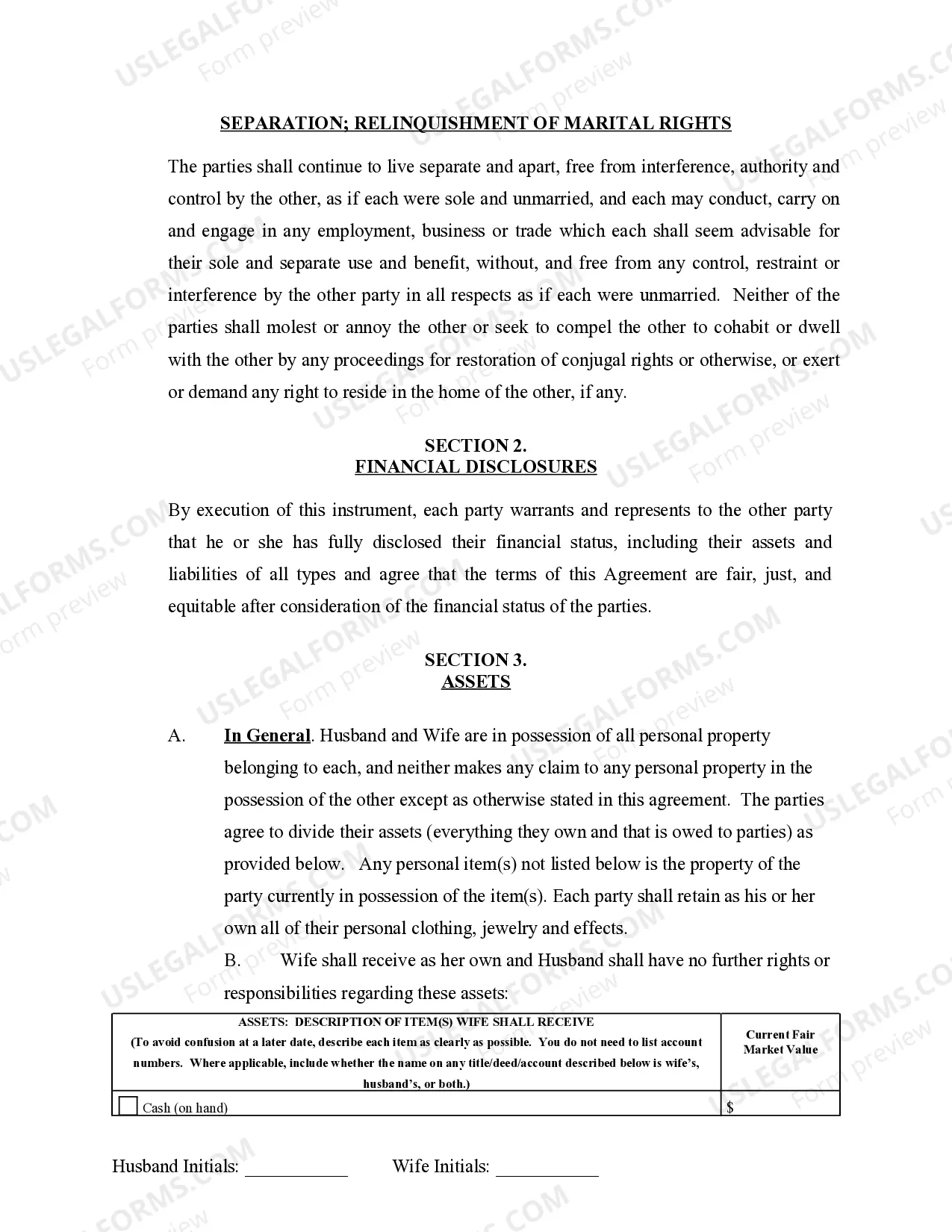
- Separation Relinquishment of Marital Rights: Defines each party's right to live independently without interference.
- Financial Disclosures: Ensures that both parties have fully disclosed their financial status.
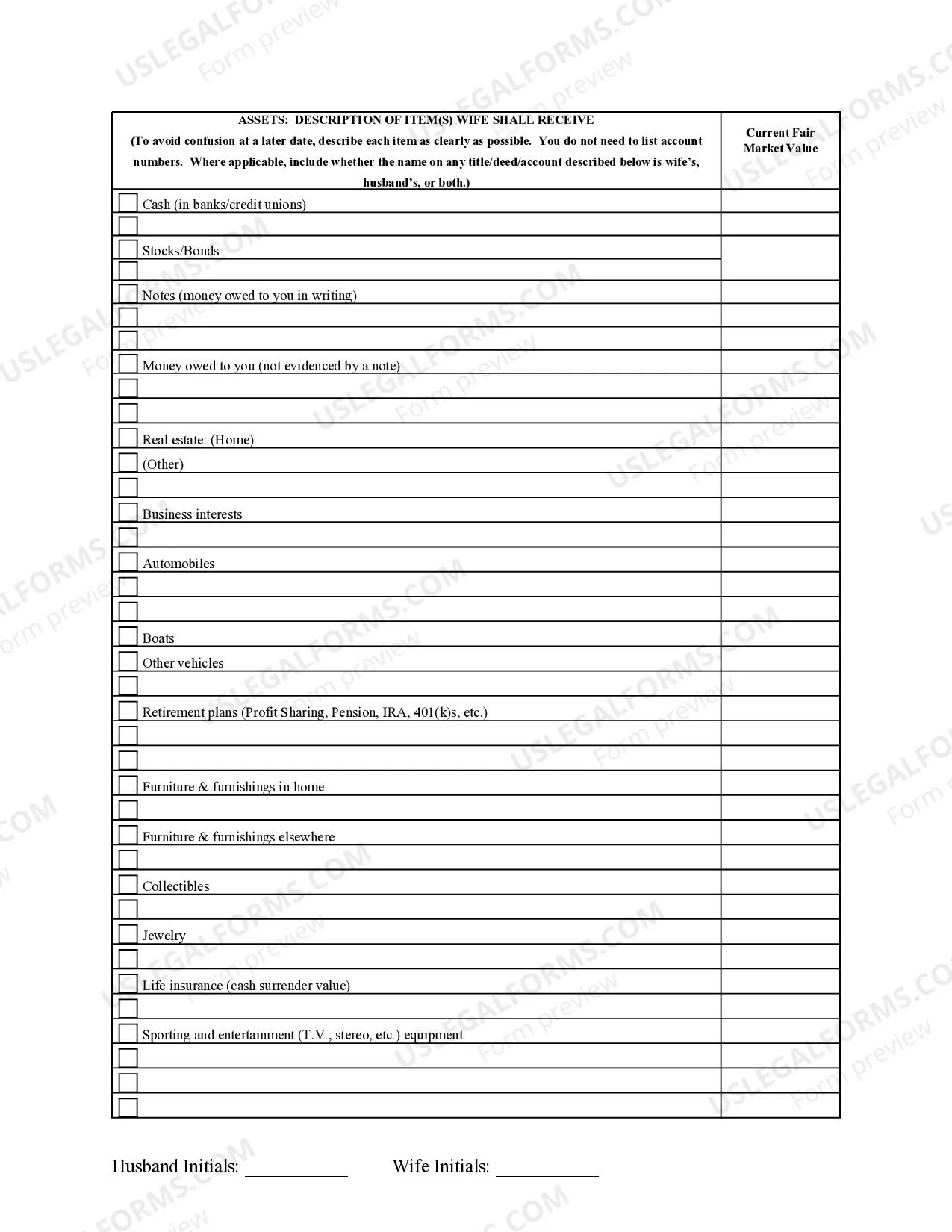
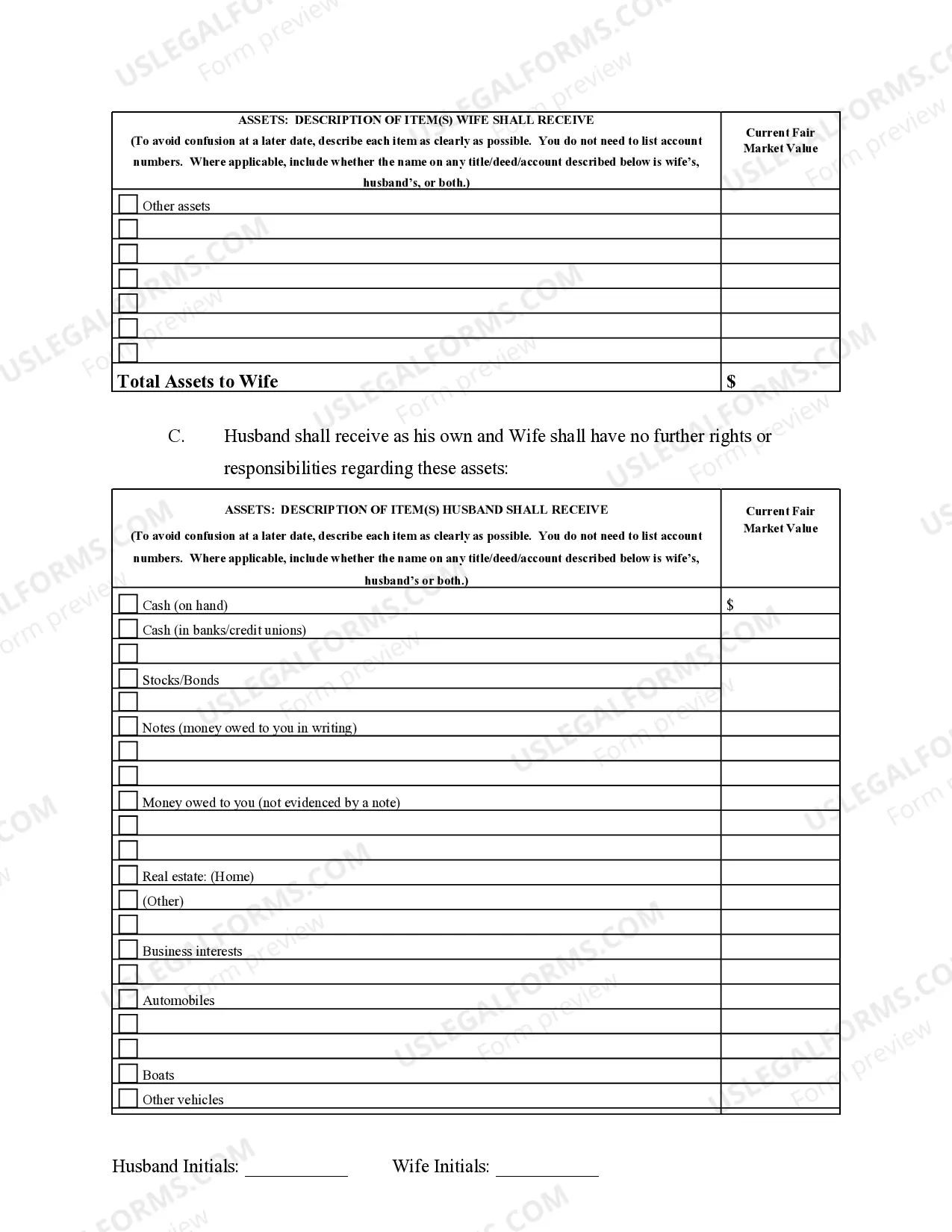
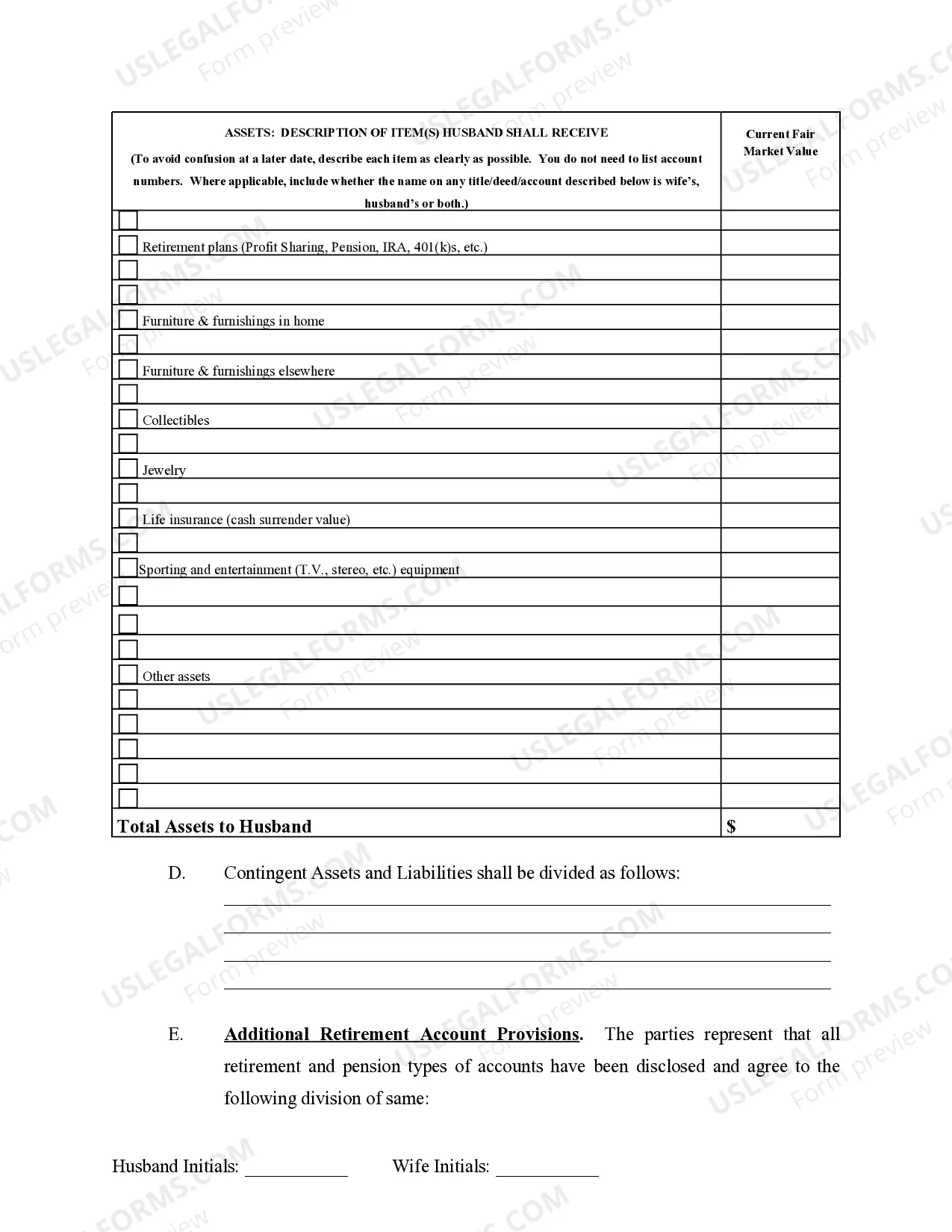
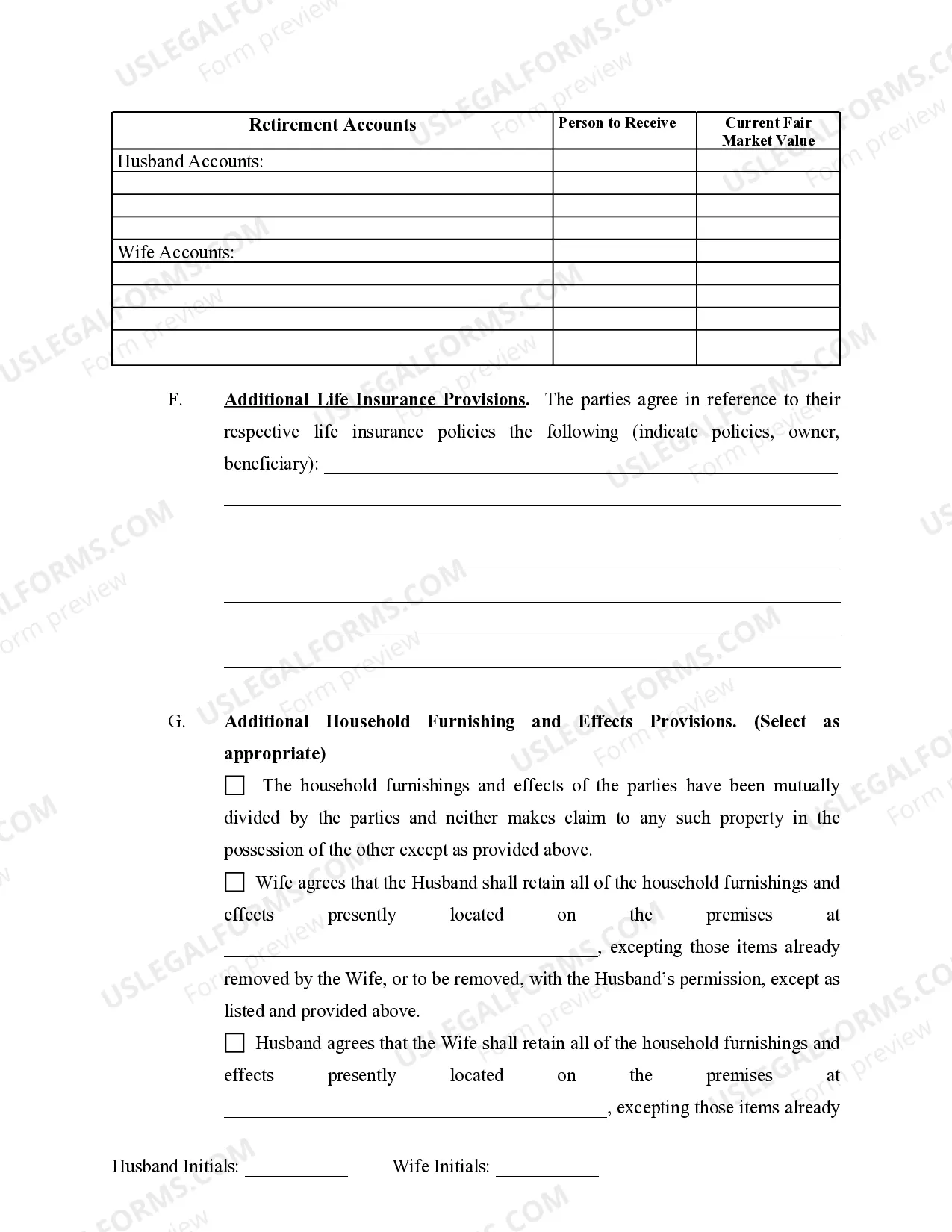
- Assets Division: Details the distribution of personal property and financial assets.
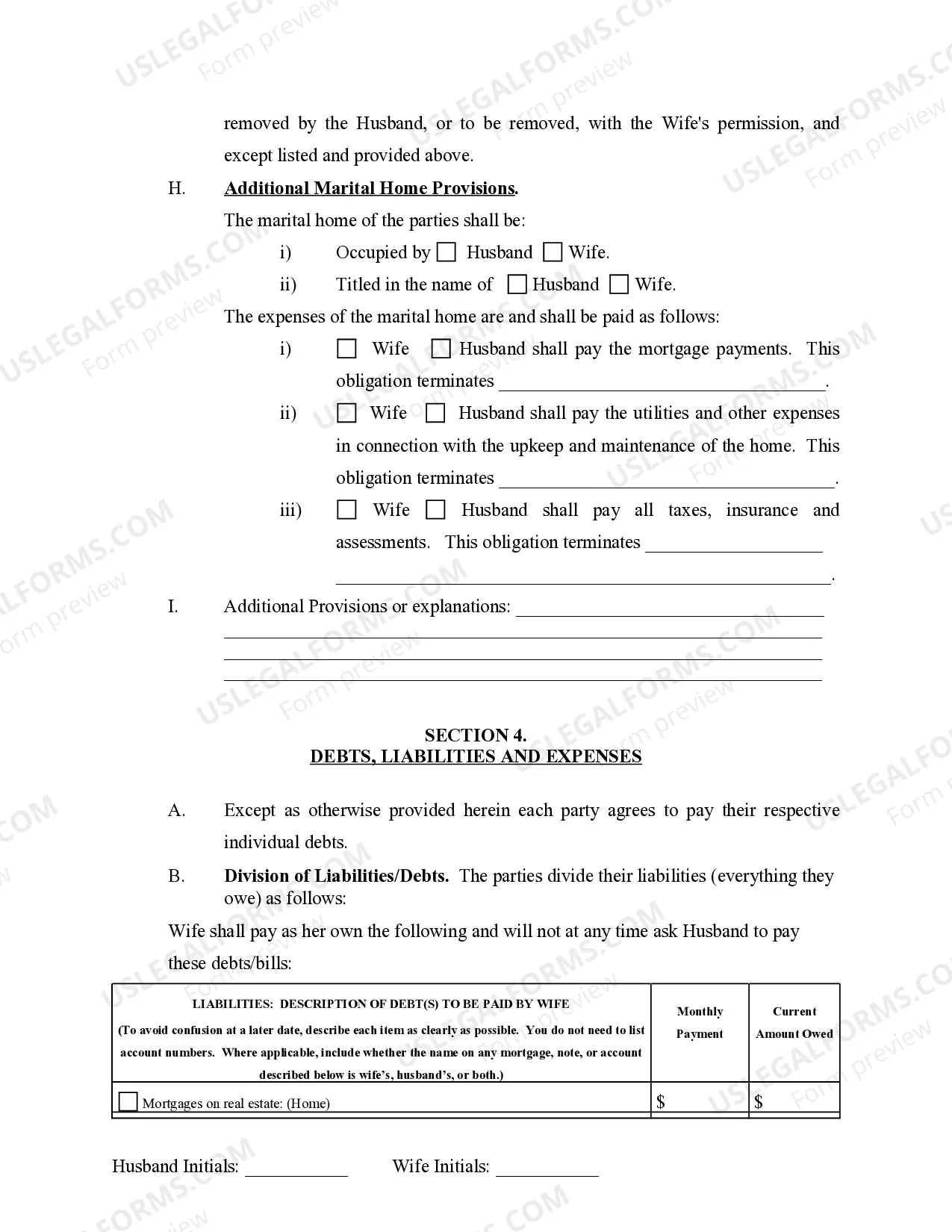
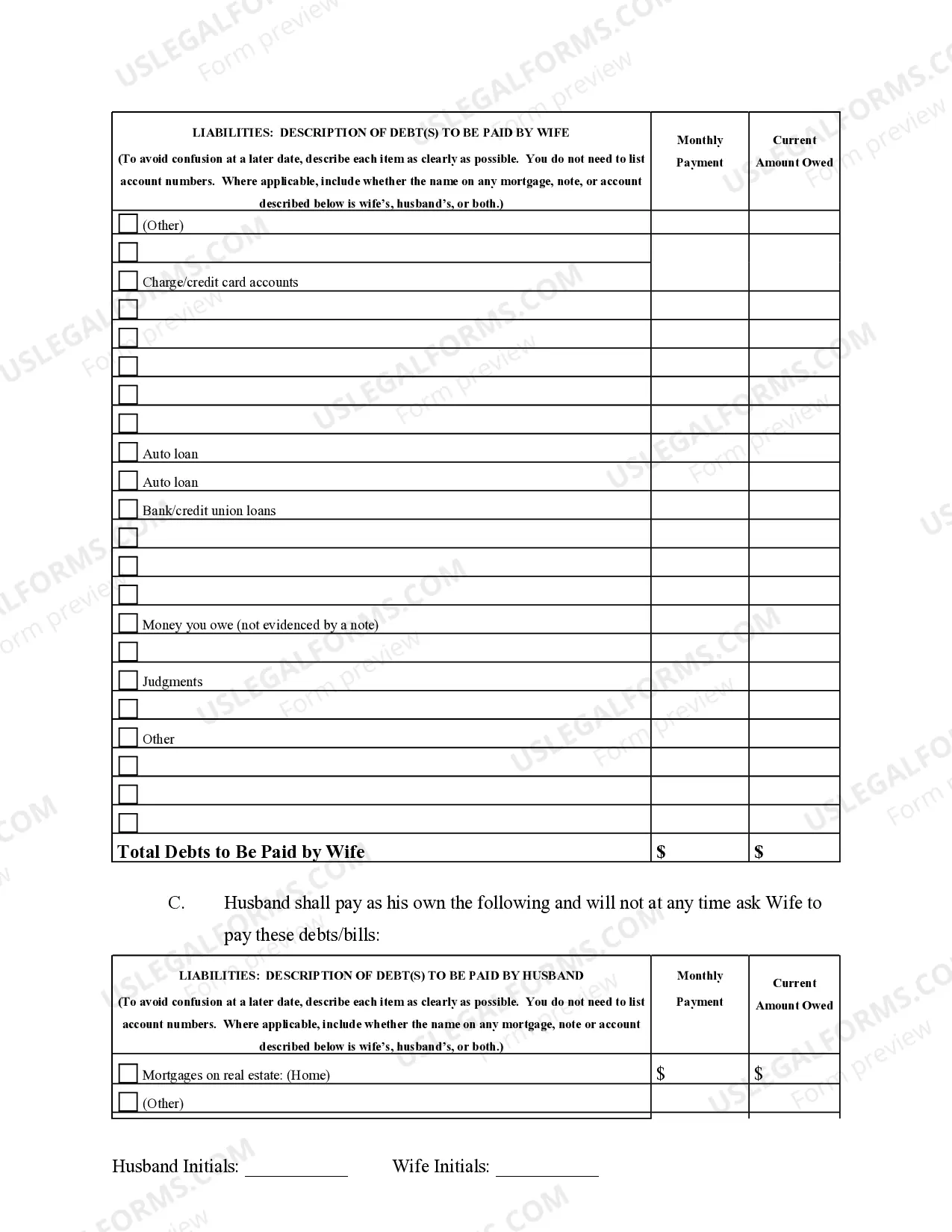
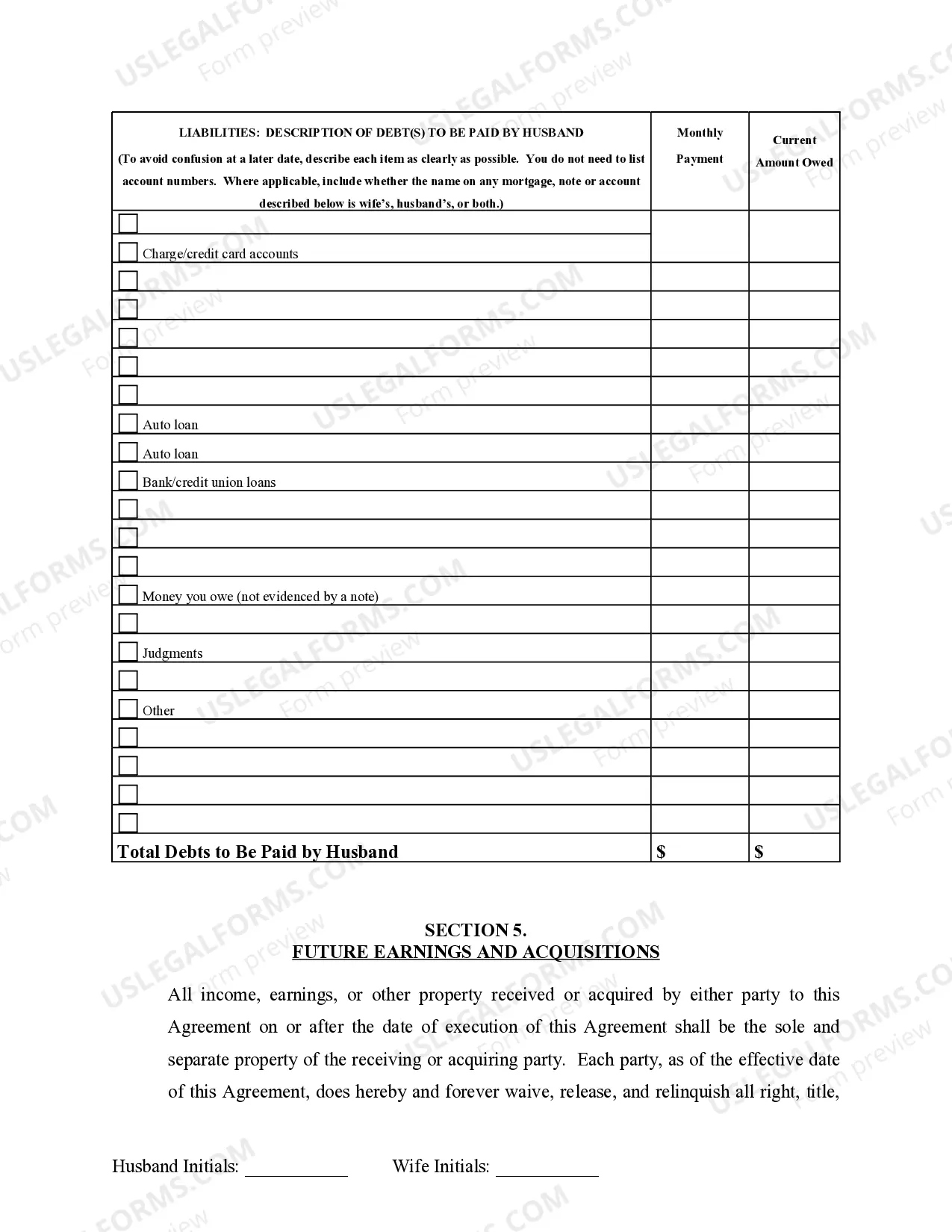
- Debts and Liabilities: Specifies how debts will be divided between the parties.
- Future Earnings and Acquisitions: Outlines any agreements regarding spousal support and expenses for adult children.
- Indemnity Clause: Protects each party from the other's debts and liabilities.

When this form is needed
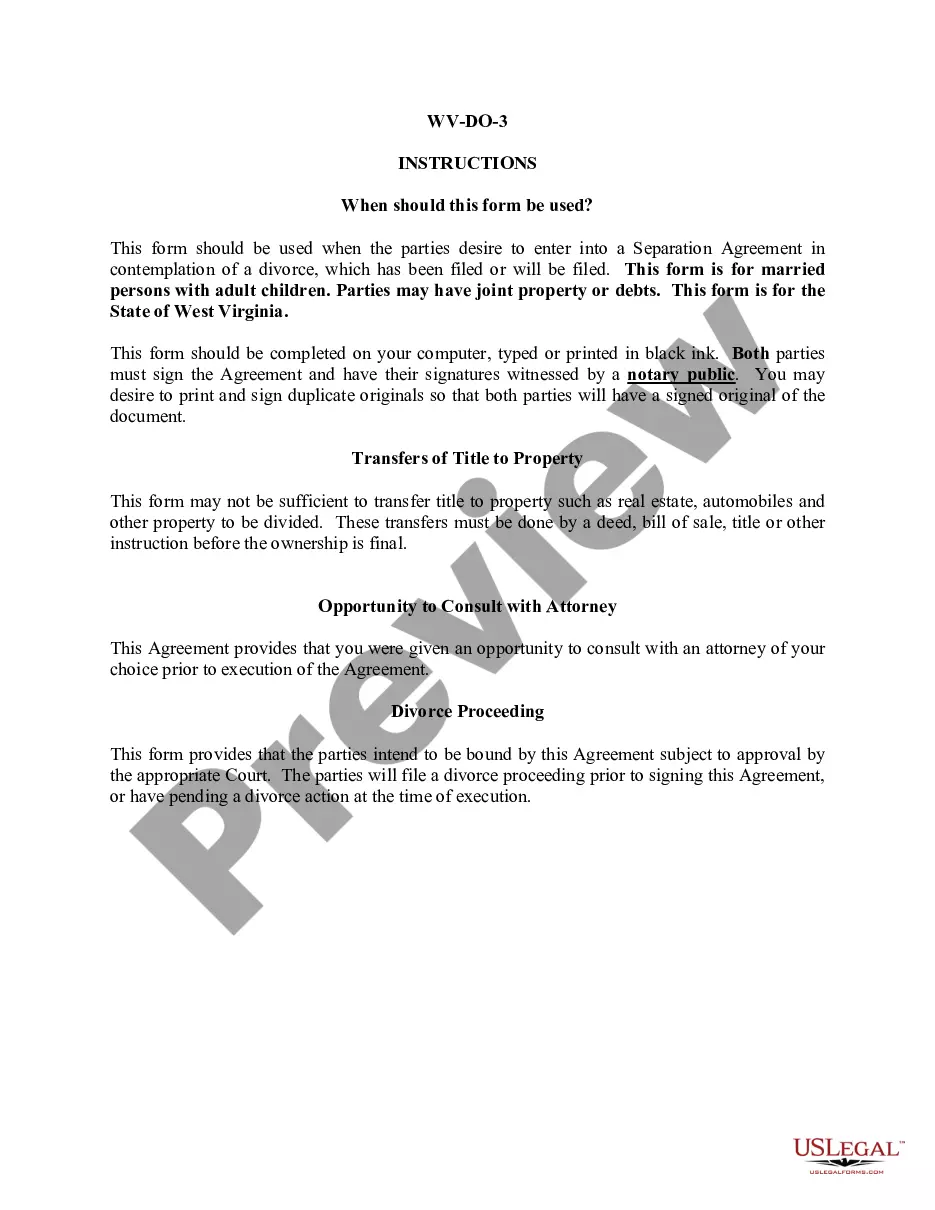
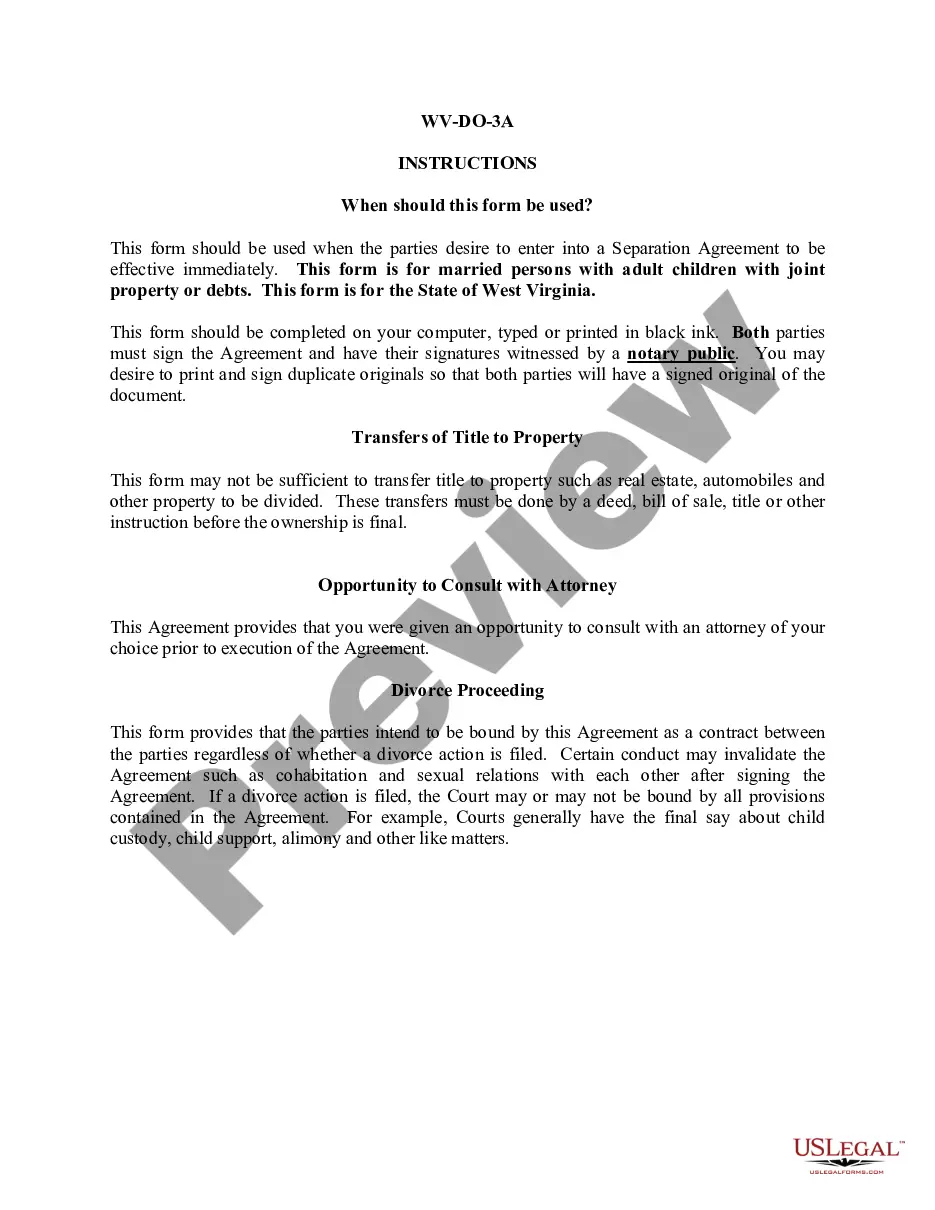
This form should be used when a married couple with adult children decides to separate and wants to outline the final distribution of their assets and liabilities. It is particularly useful when there are no minor children involved, and both parties seek to have a clear understanding of their individual rights regarding property and financial obligations.
Who needs this form
- Spouses who are legally married and wish to separate amicably.
- Couples without minor children who want to finalize their property and debt arrangements.
- Parties seeking a legally binding agreement that can aid in future divorce proceedings.
Steps to complete this form
- Identify the parties: Enter the full legal names of both the husband and wife.
- Specify the assets: Clearly describe the assets to be divided, including their respective values.
- Detail the debts: List and allocate debts between the parties to clarify financial responsibilities.
- Determine spousal support: Include any agreements regarding financial support if applicable.
- Sign and notarize the agreement: Ensure both parties sign the document in the presence of a notary public.
Does this document require notarization?
Yes, this form must be notarized to be legally valid. US Legal Forms provides integrated online notarization, allowing you to complete the process via a secure video call, ensuring legal equivalence without the need for in-person visits.
Get your form ready online
Our built-in tools help you complete, sign, share, and store your documents in one place.
Make edits, fill in missing information, and update formatting in US Legal Forms—just like you would in MS Word.
Download a copy, print it, send it by email, or mail it via USPS—whatever works best for your next step.
Sign and collect signatures with our SignNow integration. Send to multiple recipients, set reminders, and more. Go Premium to unlock E-Sign.
If this form requires notarization, complete it online through a secure video call—no need to meet a notary in person or wait for an appointment.
We protect your documents and personal data by following strict security and privacy standards.

Make edits, fill in missing information, and update formatting in US Legal Forms—just like you would in MS Word.

Download a copy, print it, send it by email, or mail it via USPS—whatever works best for your next step.

Sign and collect signatures with our SignNow integration. Send to multiple recipients, set reminders, and more. Go Premium to unlock E-Sign.

If this form requires notarization, complete it online through a secure video call—no need to meet a notary in person or wait for an appointment.

We protect your documents and personal data by following strict security and privacy standards.
Common mistakes to avoid
- Failing to disclose all financial assets and liabilities.
- Not specifying the distribution method or values of certain assets.
- Overlooking spousal support terms or failing to include them clearly.
- Not getting the document notarized, which may affect enforceability.
Why use this form online
- Convenience of accessing and completing the form from home.
- Editability allows for adjustments before finalizing the agreement.
- Access to professionally drafted templates ensures legal reliability.
- This agreement is legally binding once signed and notarized, protecting the rights and obligations of both parties.
- It is recommended to consult with an attorney for legal advice tailored to individual situations.
- The agreementâs provisions can be enforced in court, helping to resolve any disputes that may arise later.
- The Marital Domestic Separation and Property Settlement Agreement is crucial for legally formalizing a separation without immediate divorce.
- It outlines how assets and debts will be divided between the parties.
- Both parties must disclose their financial situations completely and sign the document in front of a notary.
- It provides clarity and prevents misunderstandings regarding financial responsibilities post-separation.
Looking for another form?
Form popularity
FAQ
West Virginia is one of a minority of states that not only divide marital or community property acquired during the course of a marriage, but may also divide assets earned prior to the marriage regardless of which spouse is the title owner.
Your divorce settlement agreement should cover everything that is important to you, including custody of your children, child support payments, alimony, and the separation of your property, such as your family home, vehicles, and other assets.
Although the law specifically permits children at least 14-years-old to express an opinion, there is no specific age when a judge will listen to a child's opinion. California statutes also permit a child younger than 14 years old to testify regarding a custodial preference, unless the court decides it's not in the
#1. Start with the Basics. #2. Include the Details. #3. Confirm Your Agreement. #4. Identify and Divide Assets and Debts. #5. Create a Parenting Plan for Custody and Visitation. #6. Agree on Child Support and Spousal Support (Alimony) #7. Polishing Your Agreement. Conclusion.
West Virginia custody laws generally consider the preferences of children 14 and older to be well-reasoned and sufficiently mature. Children younger than 14 can have their preferences heard as well, but it will be up to a judge to decide how much weight to give a younger child's preference.
There are many factors to consider, including assets, incomes, living expenses, inflation, alimony, child support, taxes, retirement plans, investments, medical expenses and health insurance costs, and child-related expenses such as education.
Marital Settlement Agreements, reached between the parties in writing and signed by the parties, become legally binding when approved by the court at the time of the final court hearing.Once approved by the court, such post judgment stipulations do become legally binding and enforceable between the parties.
What Rights do Spouses Have During Separation? In a legal separation proceeding, a court can decide matters such as child custody and support, alimony and property division. However, as stated above, the spouses will remain legally married and cannot remarry unless and until they get a divorce.
A fair settlement should include ample parenting time for each parent. An equitable visitation agreement may not give parents equal custodial time, but it should provide for frequent and continuing contact with each parent.