West Virginia Paid Up Lease Pooling Provision
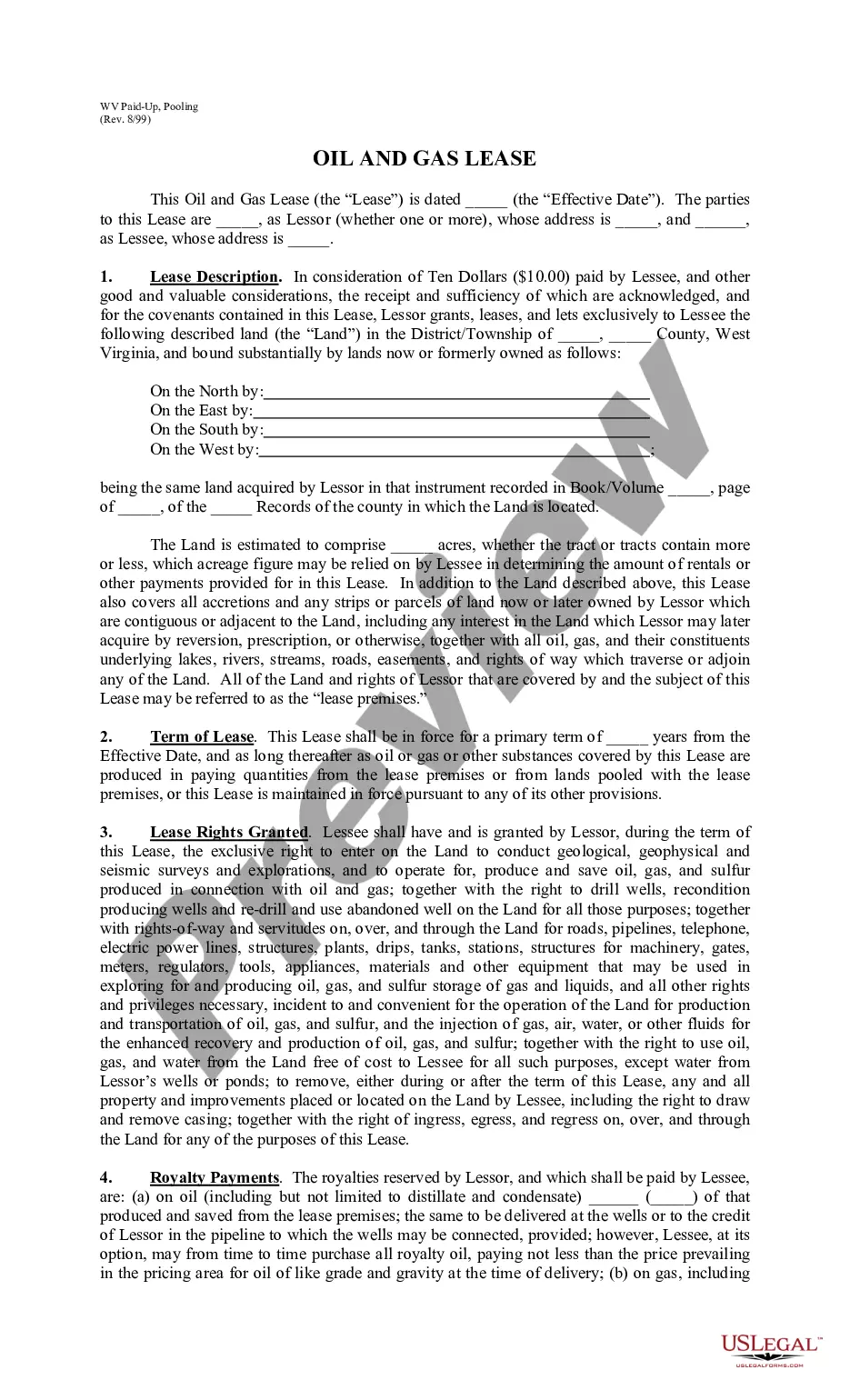
The Paid Up Lease Pooling Provision is a legal document used in West Virginia that establishes a lease agreement between a lessor and lessee for the exploration and extraction of oil, gas, and other minerals. This form is unique in that it is a 'paid up' lease, which means that the lessee has prepaid for the rights to use the land for specific operations without the obligation to commence activities within a defined time frame. This lease also allows for pooling rights, meaning that the lessee can combine lands for more efficient resource extraction.
- Parties Involved: Details the lessor and lessee, including their addresses.
- Lease Description: Description of the land involved and its boundaries.
- Term of Lease: Length of time the lease is effective and conditions for renewal.
- Rights Granted: Specifies the rights given to the lessee regarding drilling and production activities.
- Royalty Payments: Establishes the terms for payments made to the lessor on produced resources.
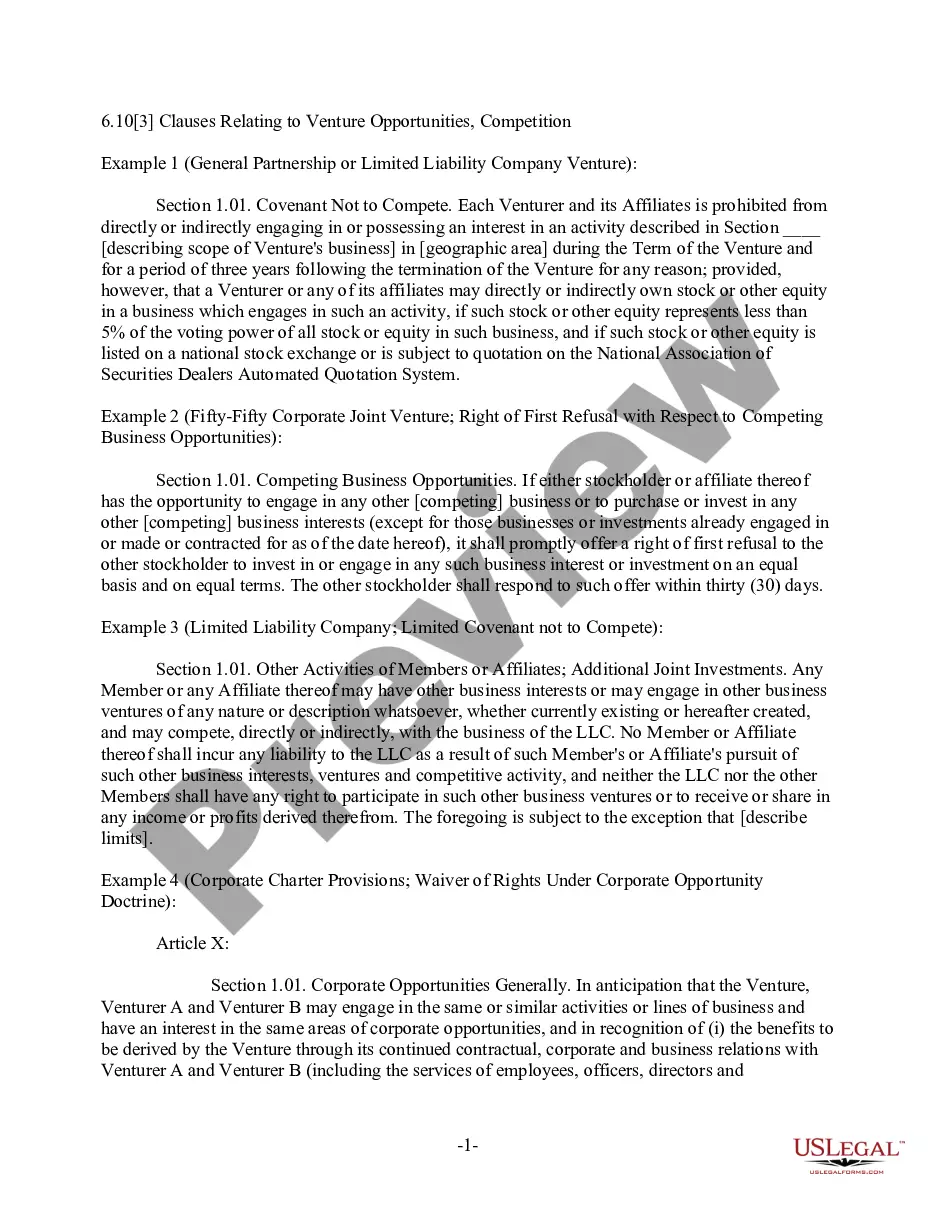
- Pooling Provision: Allows the lessee to pool lease premises with adjacent lands for operational efficiencies.
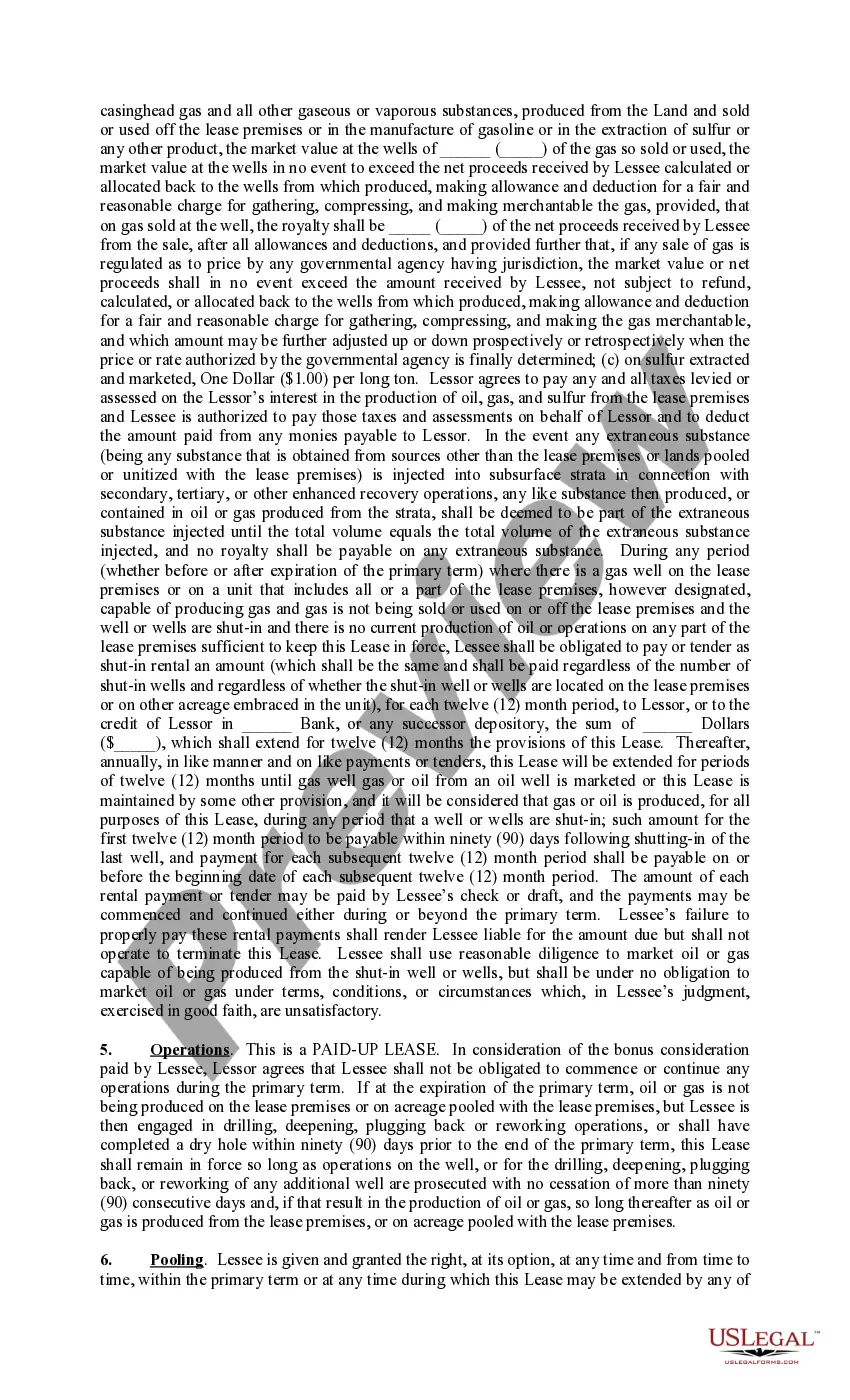
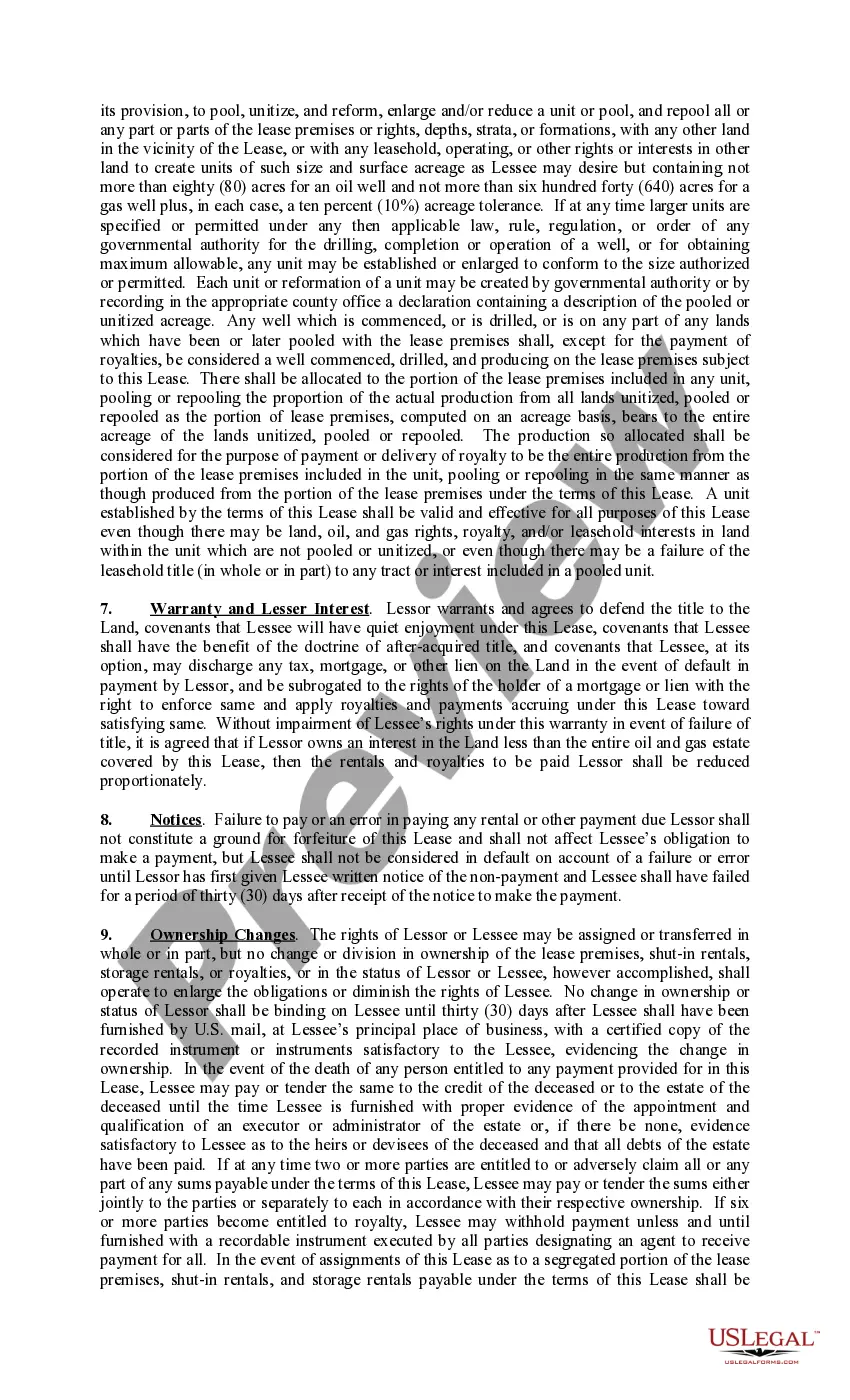
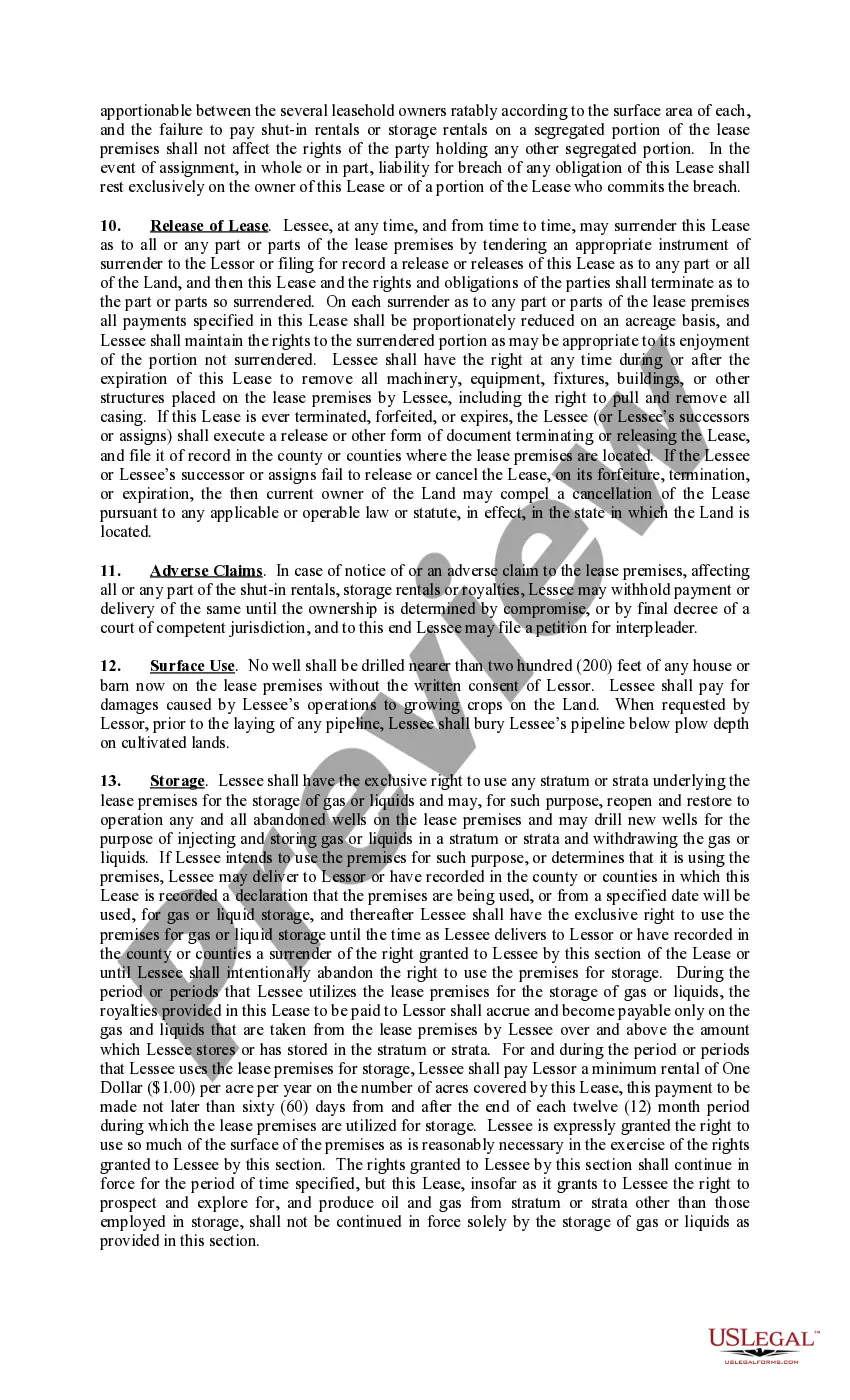
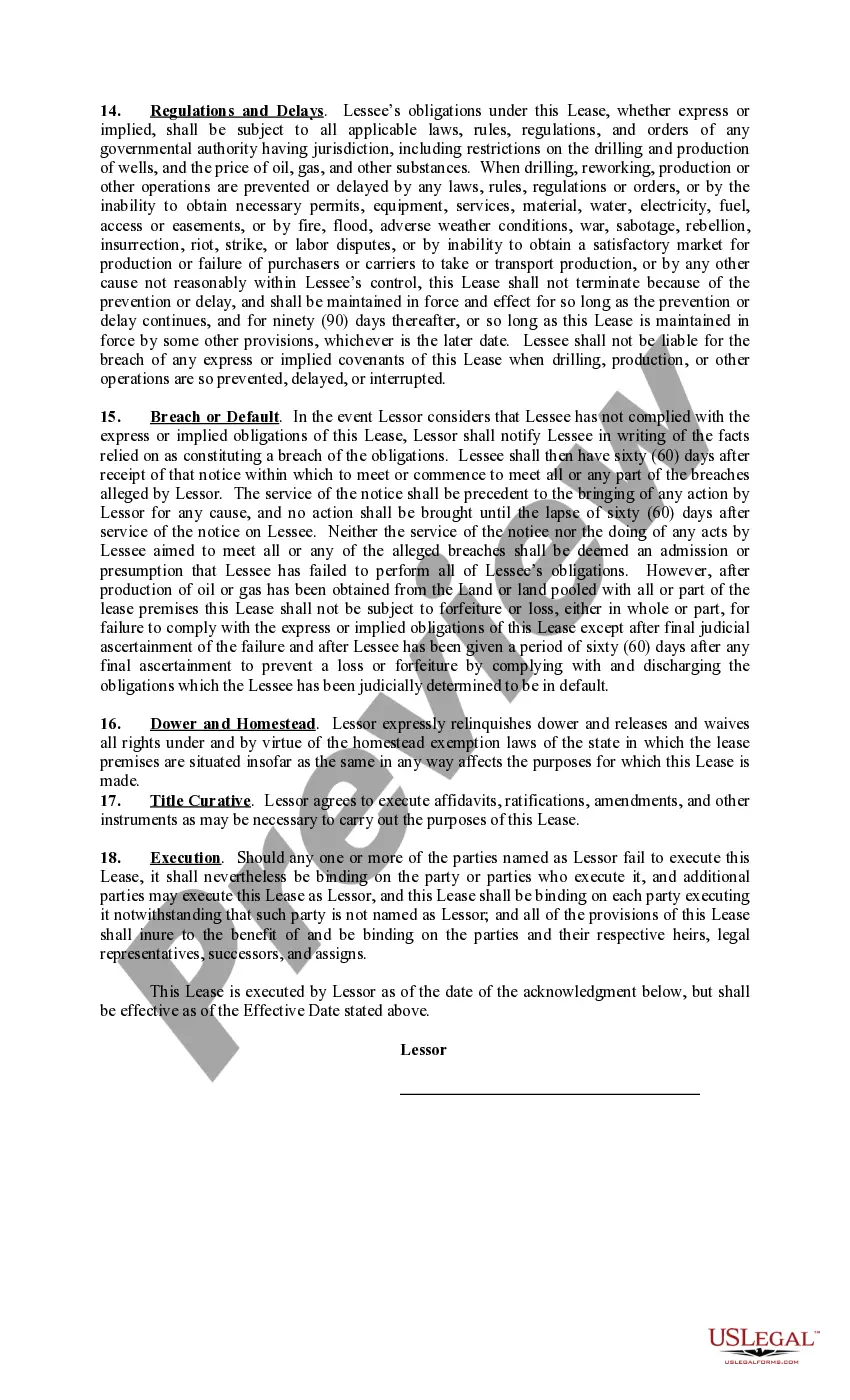
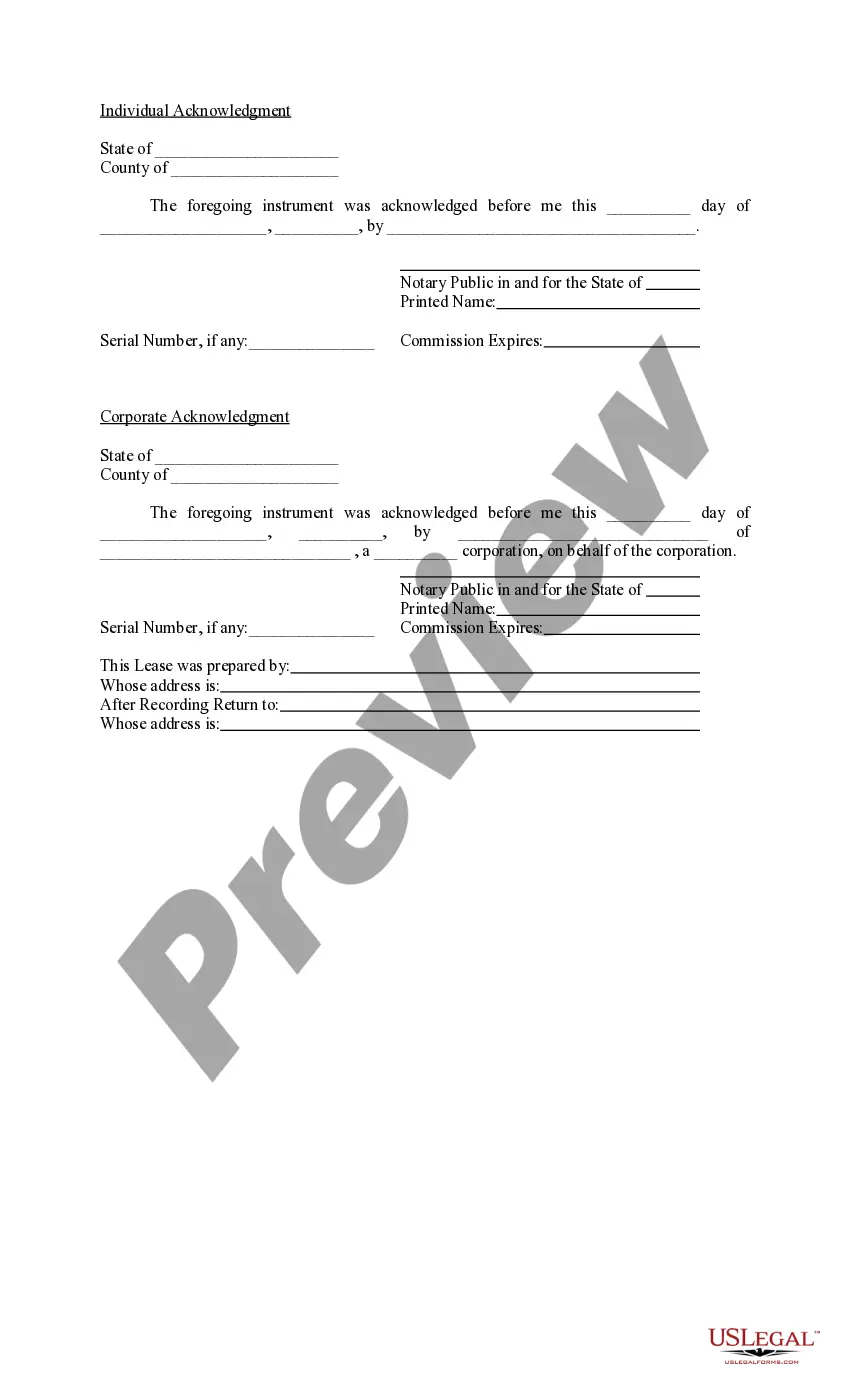
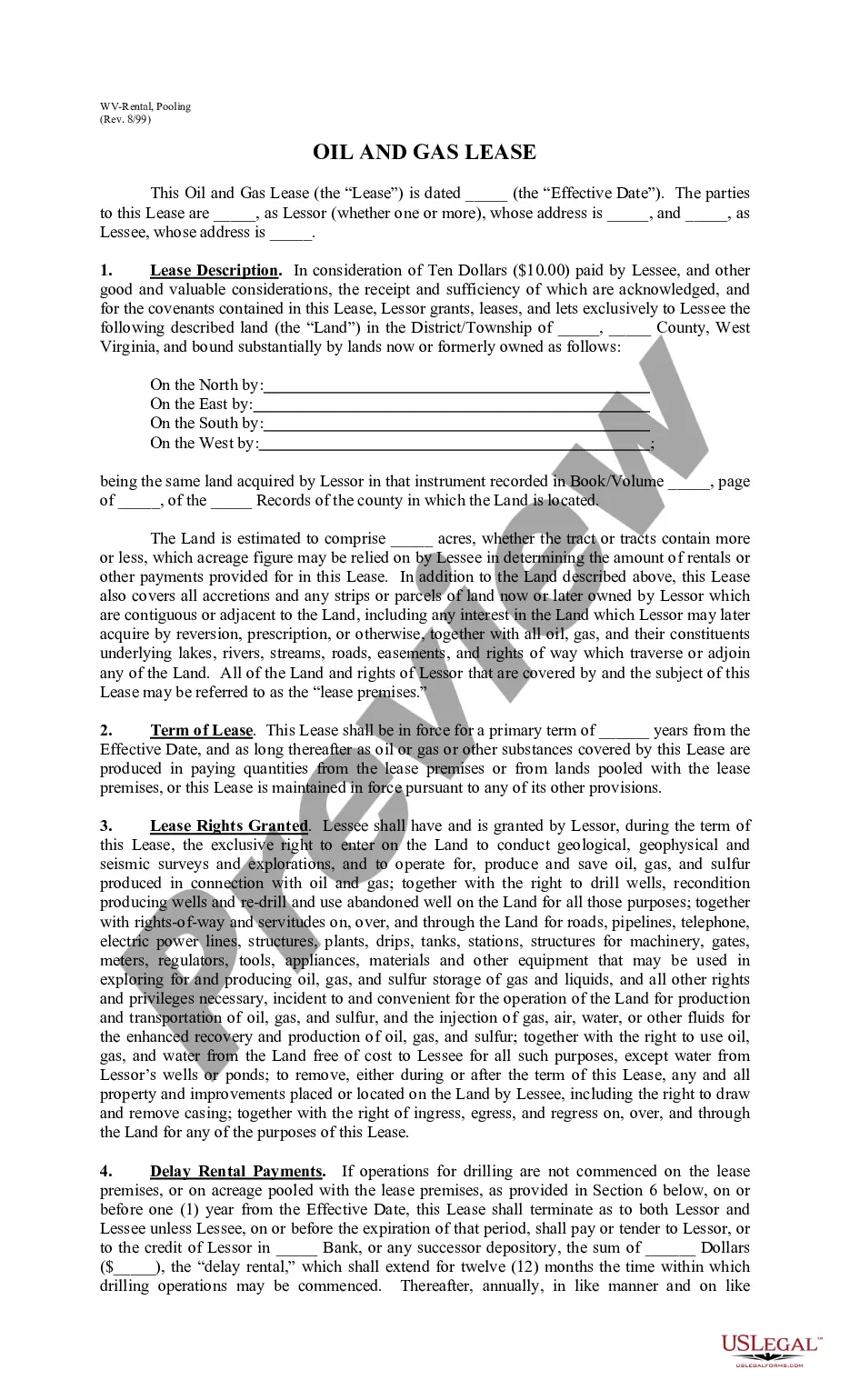
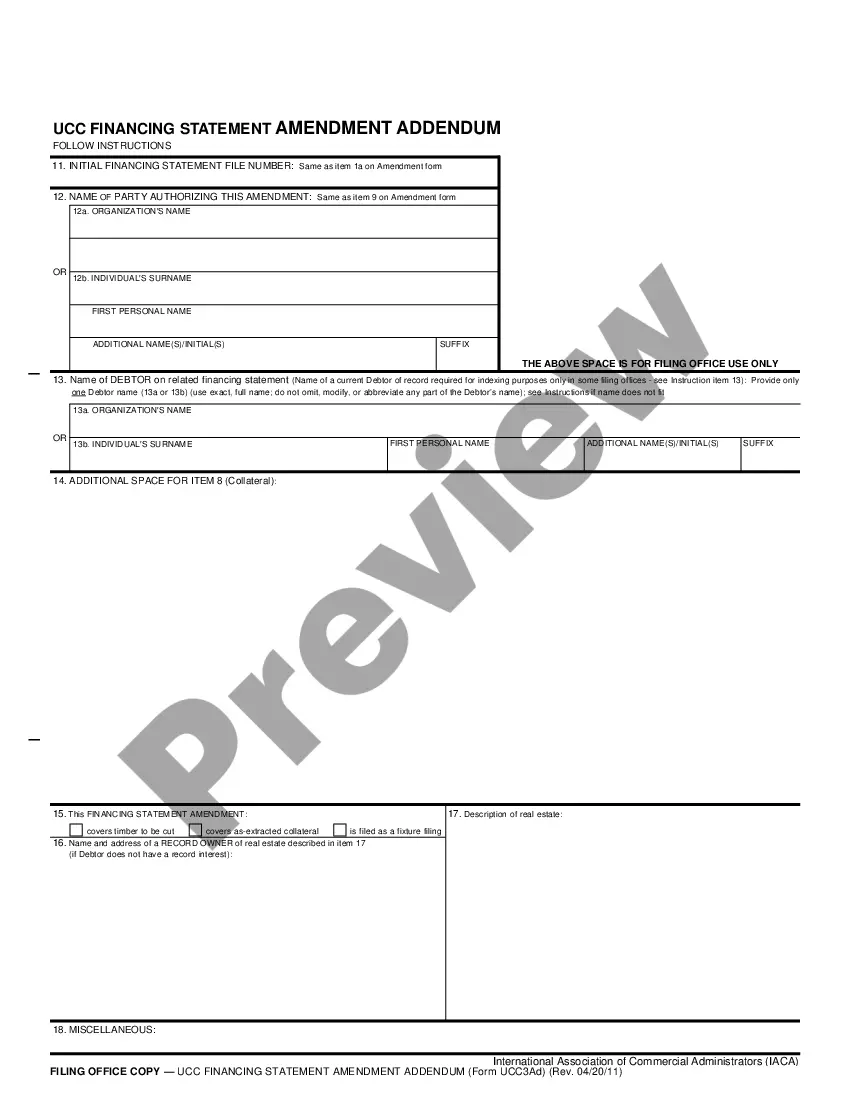
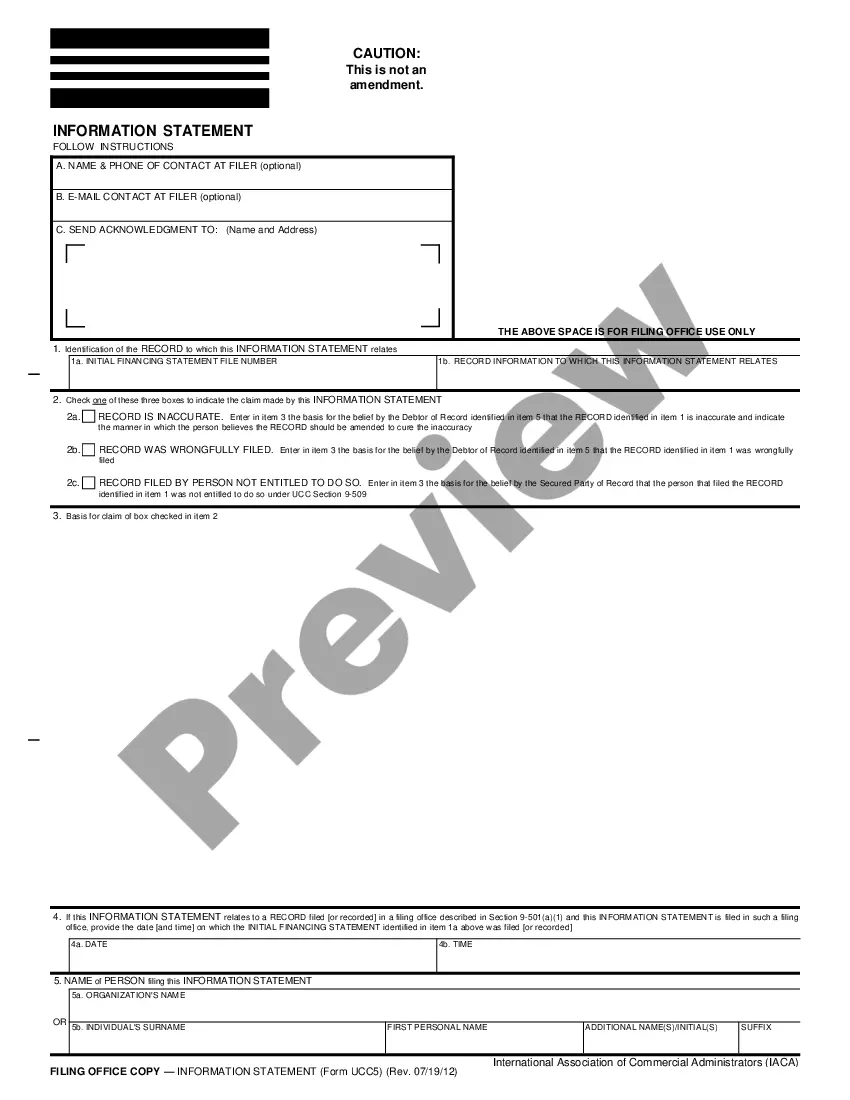
This form is typically used when landowners wish to lease their property for oil and gas exploration and production. It is particularly relevant for landowners who prefer receiving upfront payments rather than royalties based on production, enabling them to secure immediate financial benefits. It is also useful in scenarios where pooling with adjacent lands is advantageous for maximizing resource extraction.
Eligible users of this form include:
- Landowners looking to lease their land for oil and gas exploration.
- Energy companies seeking to secure leasing rights for mineral extraction.
- Legal professionals drafting or reviewing lease agreements in the energy sector.
To successfully fill out this form, follow these steps:
- Identify the parties: Fill in the names and addresses of the lessor and lessee.
- Specify the property: Clearly define the land description and boundaries included in the lease.
- Enter the term: Set the duration of the lease and conditions for extension.
- Detail royalty payments: Include the percentage for oil, gas, and other minerals along with payment conditions.
- Sign the document: Ensure that all parties sign where required, potentially in the presence of witnesses or a notary.
Notarization requirements for this form
To make this form legally binding, it must be notarized. Our online notarization service, powered by Notarize, lets you verify and sign documents remotely through an encrypted video session.
Get your form ready online
Our built-in tools help you complete, sign, share, and store your documents in one place.
Make edits, fill in missing information, and update formatting in US Legal Forms—just like you would in MS Word.
Download a copy, print it, send it by email, or mail it via USPS—whatever works best for your next step.
Sign and collect signatures with our SignNow integration. Send to multiple recipients, set reminders, and more. Go Premium to unlock E-Sign.
If this form requires notarization, complete it online through a secure video call—no need to meet a notary in person or wait for an appointment.
We protect your documents and personal data by following strict security and privacy standards.
Make edits, fill in missing information, and update formatting in US Legal Forms—just like you would in MS Word.
Download a copy, print it, send it by email, or mail it via USPS—whatever works best for your next step.
Sign and collect signatures with our SignNow integration. Send to multiple recipients, set reminders, and more. Go Premium to unlock E-Sign.

If this form requires notarization, complete it online through a secure video call—no need to meet a notary in person or wait for an appointment.
We protect your documents and personal data by following strict security and privacy standards.
- Failing to accurately define property boundaries can lead to disputes.
- Not specifying the amount of royalty payments, which can result in unclear financial terms.
- Omitting necessary signatures or not notarizing the document when required.
- The form is easily downloadable and customizable for specific needs.
- Legal templates provide clarity on the terms and conditions of the lease.
- Pre-executed legal agreements reduce time and costs associated with drafting legal documents.
Looking for another form?




Form popularity
FAQ
Indiana. Indiana laws allow landlords to hold on to security deposits for 45 days to give them time to determine any damages caused by tenants. Colorado. Colorado is one of few states that allow landlords to access the rental property without an advance notice requirement. Georgia.
Yes, West Virginia is an extremely landlord-friendly state because there are virtually no restrictions on evictions and there are no limits on rental pricing or increases.
State law prohibits landlords from entering rental housing without either the consent of the tenant or providing reasonable notice in advance, unless circumstances require the landlord to perform emergency repairs.
West Virginia Eviction Process Timeline Initial Notice Period 30-90 days, but only required for no lease/end of lease evictions. Issuance/Service of Summons and Complaint Within 10 days before the hearing; but if not served within 120 days, the eviction case may be dismissed.
Notice to Terminate Tenancy Month to Month Lease: For any lease under the term of one year, either party can terminate the lease by providing the other party written notice prior to the end of the lease. For a month to month lease, 30 days must be given. pursuant to §37-6-5.