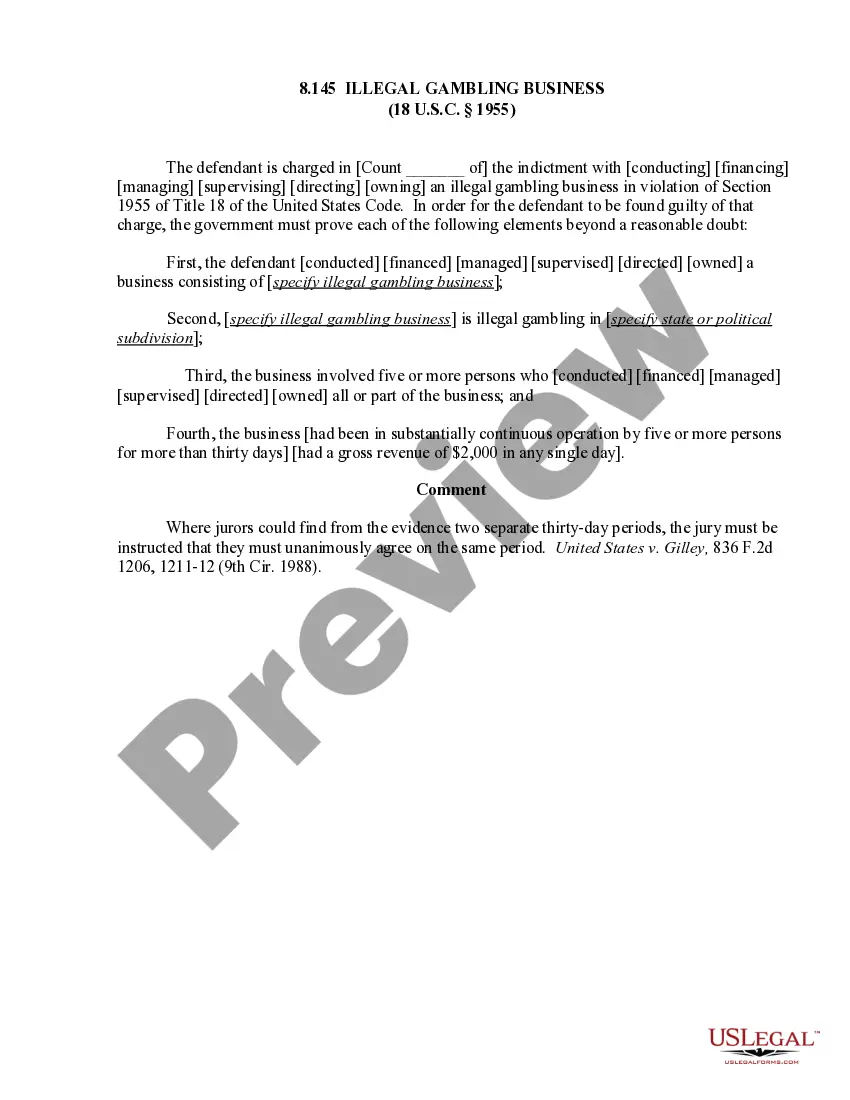
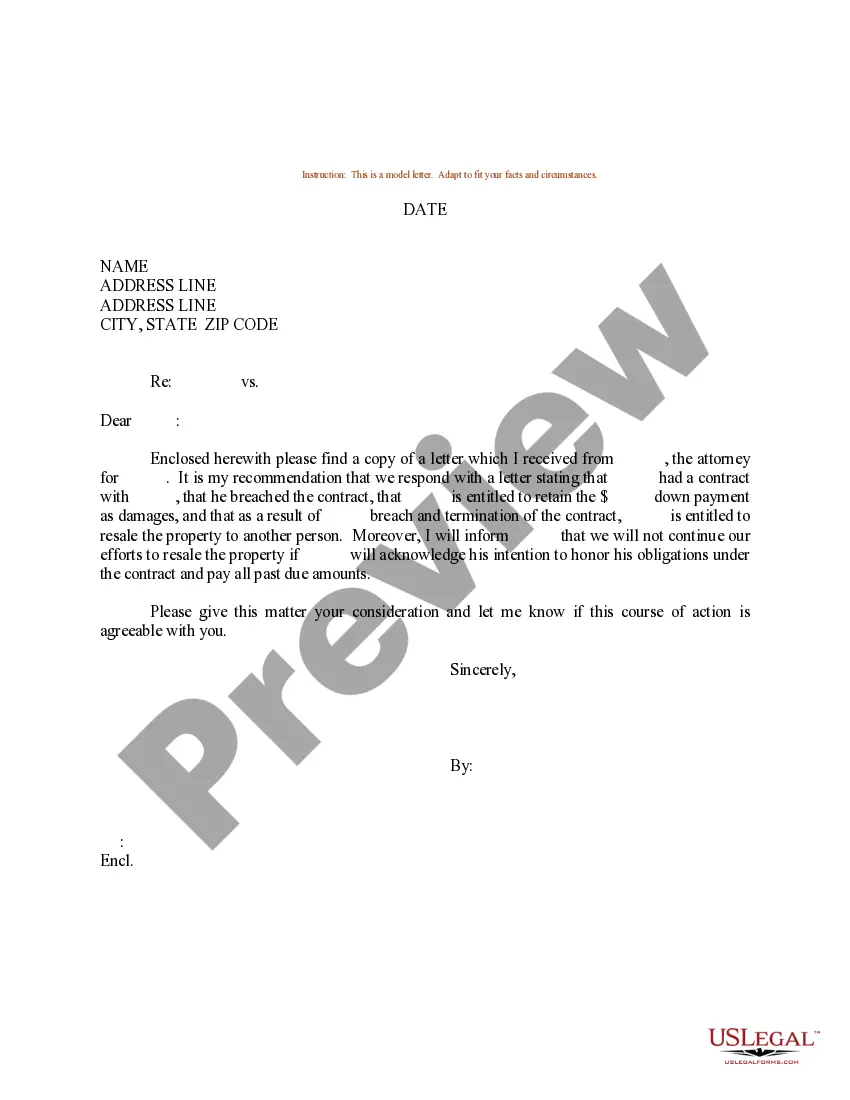
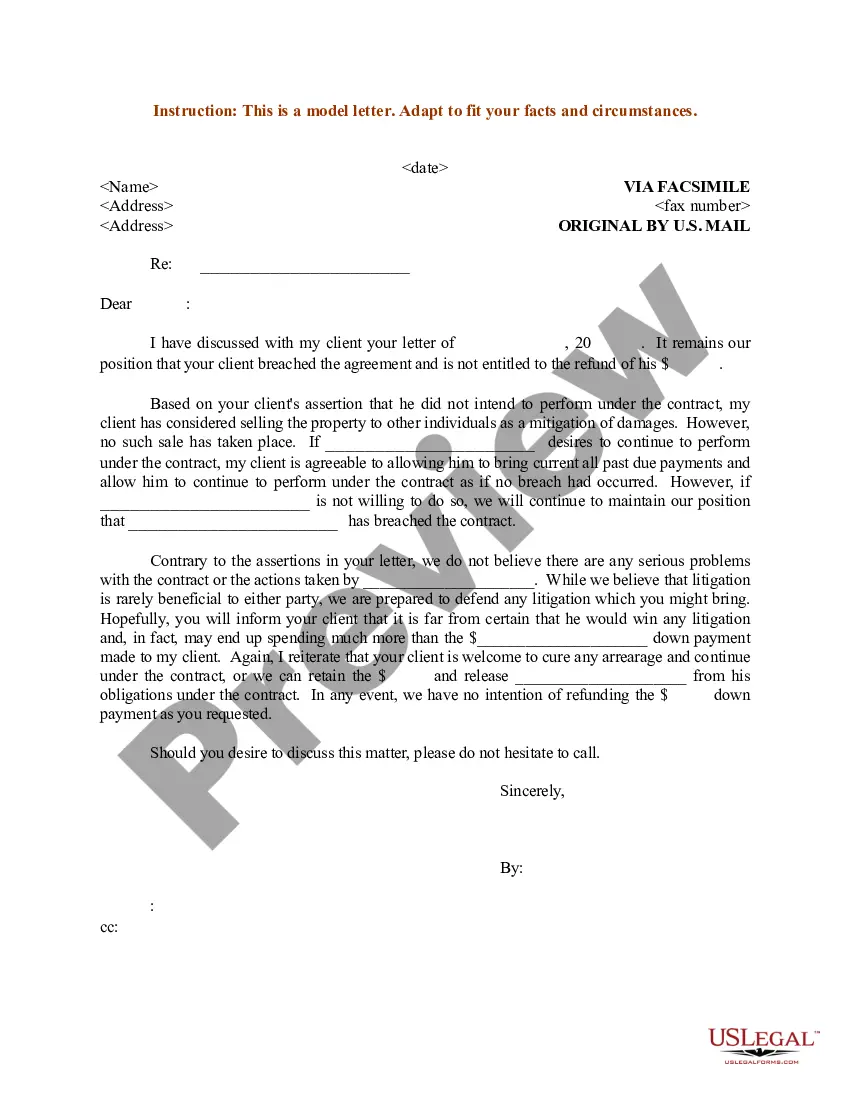
Wyoming Sample Letter to Client with Case Update - Breach of Contract Litigation
Description
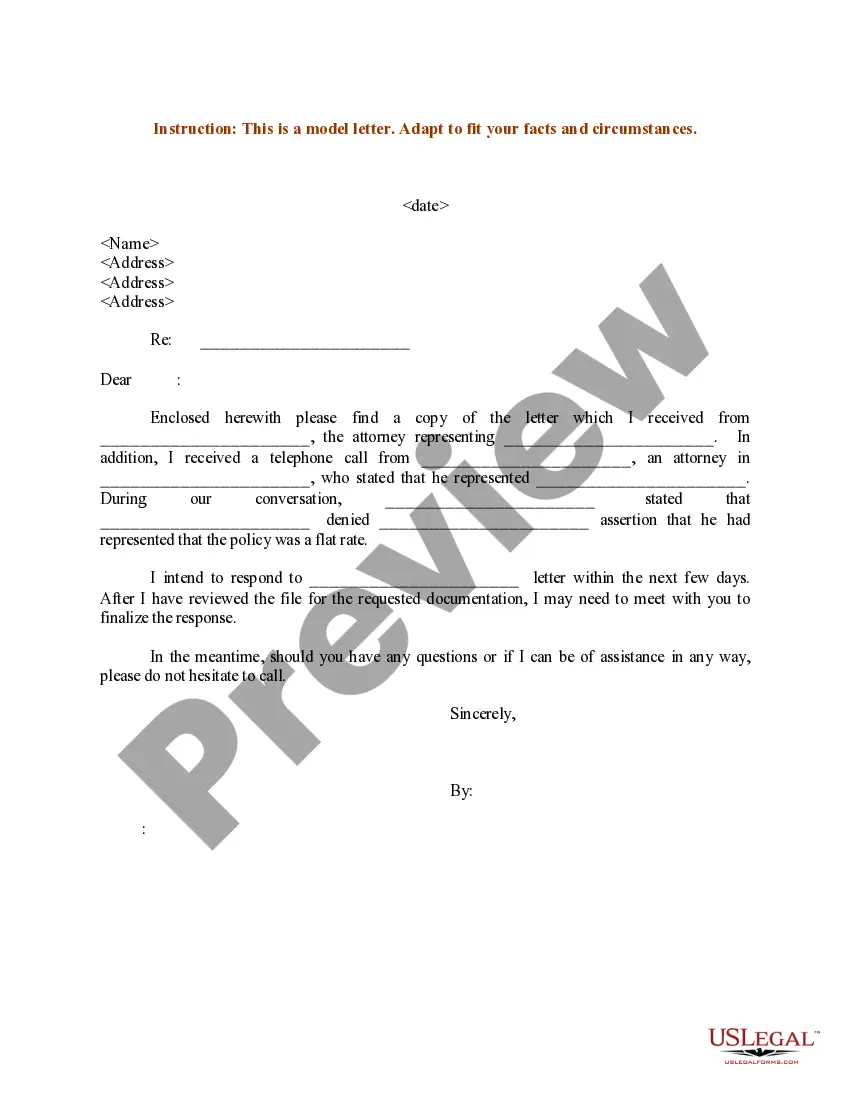
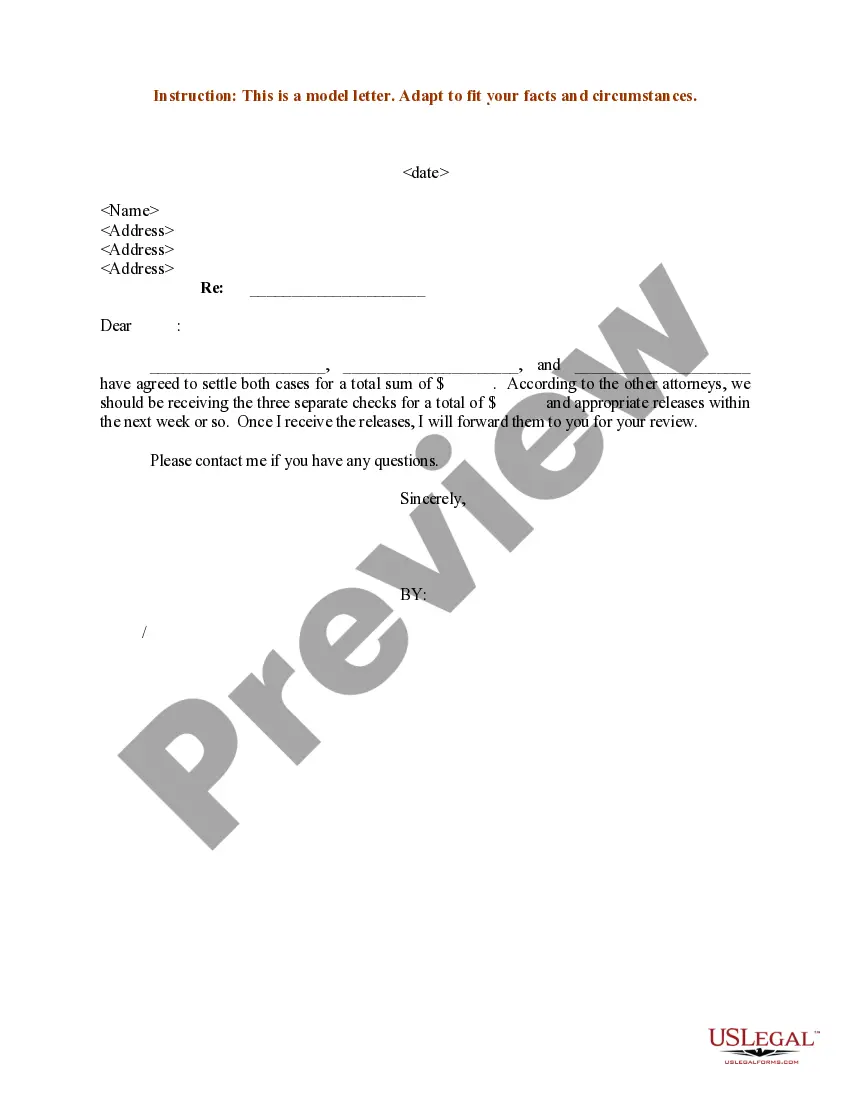
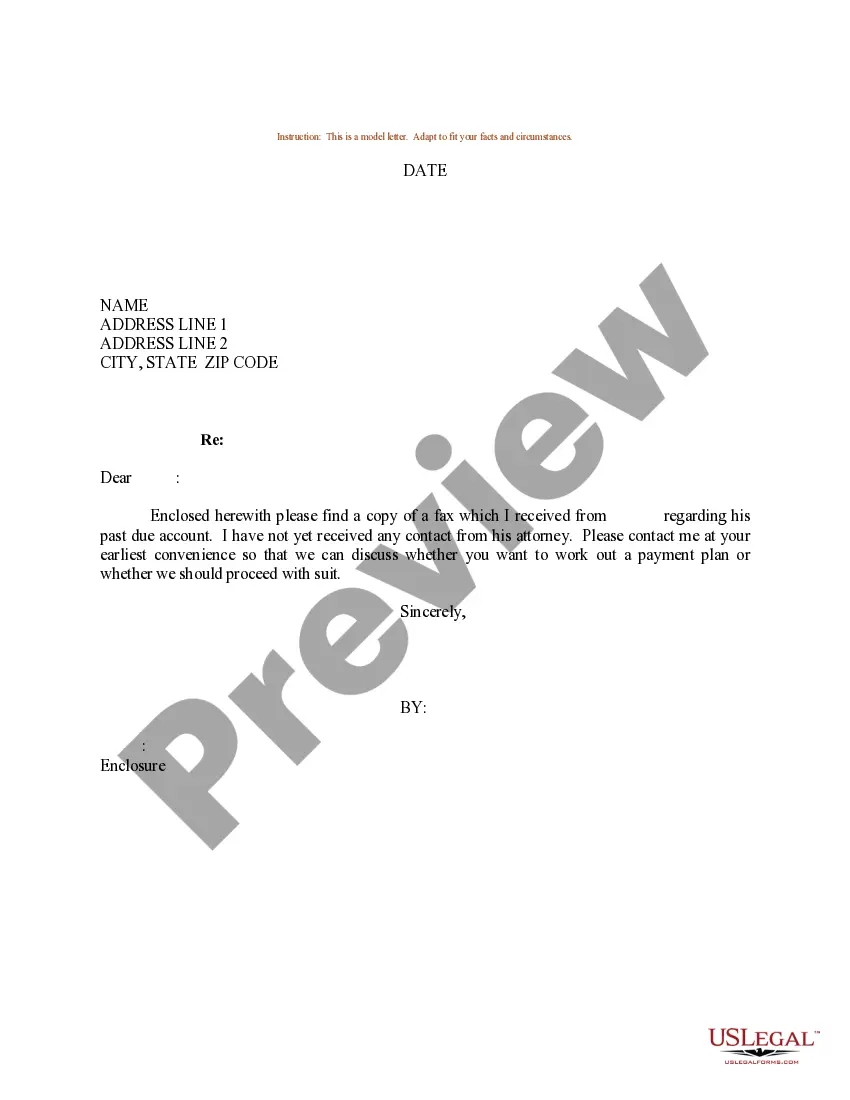
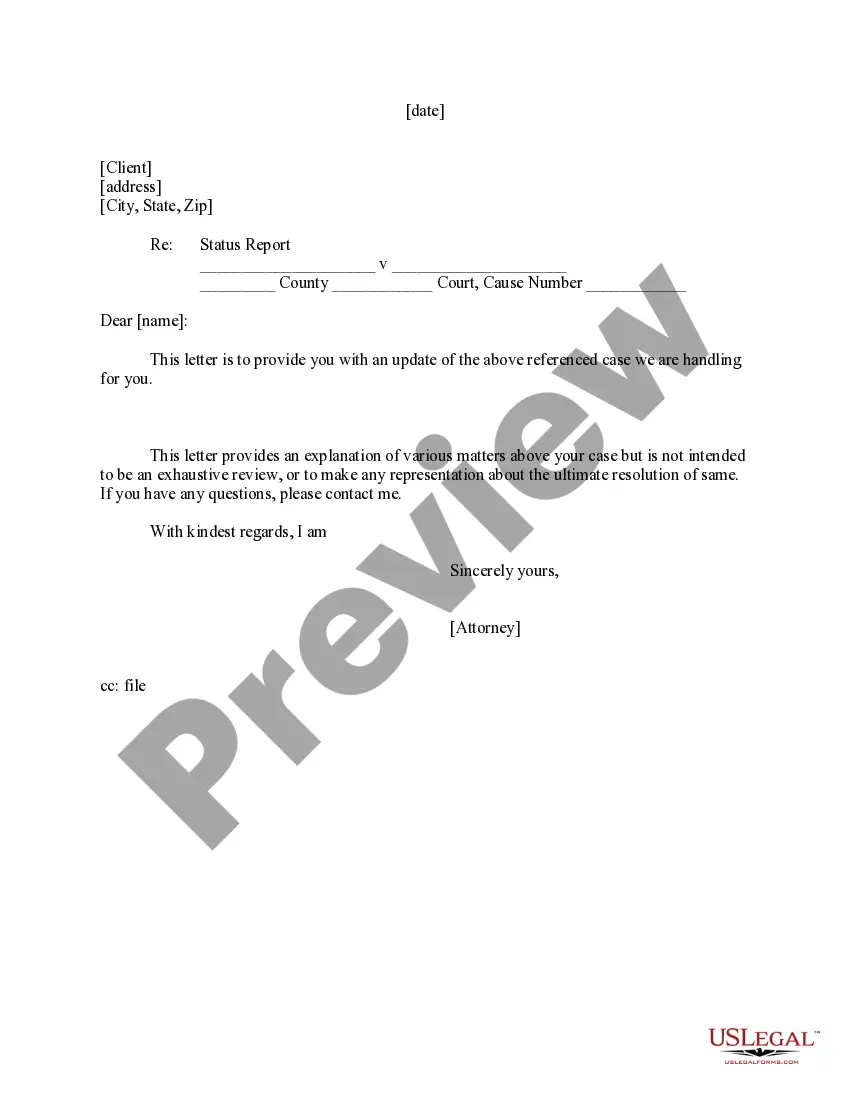
How to fill out Sample Letter To Client With Case Update - Breach Of Contract Litigation?
Finding the appropriate sanctioned document template can be challenging. Clearly, there are numerous templates accessible online, but how do you obtain the sanctioned form you need? Utilize the US Legal Forms website. The service offers thousands of templates, such as the Wyoming Sample Letter to Client with Case Update - Breach of Contract Litigation, which you can use for business and personal purposes. All of the documents are reviewed by experts and meet federal and state requirements.
If you are already registered, Log In to your account and click the Download button to acquire the Wyoming Sample Letter to Client with Case Update - Breach of Contract Litigation. Use your account to review the legal documents you have obtained in the past. Proceed to the My documents section of your account and download another copy of the document you need.
If you are a new user of US Legal Forms, here are simple steps you can follow: First, ensure you have selected the correct form for your state/region. You can review the form using the Review option and read the form details to ensure this is indeed the right one for you. If the form does not meet your requirements, use the Search field to find the appropriate form. When you are confident the form will work, select the Get now button to obtain the form. Choose the pricing plan you desire and enter the necessary information. Create your account and pay for the transaction using your PayPal account or credit card. Select the file format and download the sanctioned document template to your device. Complete, modify, and print and sign the received Wyoming Sample Letter to Client with Case Update - Breach of Contract Litigation.
By using US Legal Forms, you can streamline the process of finding and obtaining the legal documents you need.
- US Legal Forms is the largest repository of legal documents where you can explore various document templates.
- Utilize the service to obtain professionally-crafted documents that comply with state regulations.
- The templates are suitable for both personal and business use.
- All forms are validated by professionals to ensure compliance.
- The platform provides easy navigation for both new and existing users.
- You can manage your downloads directly from your account.
Form popularity
FAQ
When writing a letter of breach of contract, start by clearly stating the nature of the breach and the relevant contract details. It’s important to articulate the specific terms that were violated and express your expectations for resolution. Using a Wyoming Sample Letter to Client with Case Update - Breach of Contract Litigation can streamline this process and enhance the letter’s impact.
A letter of response to a breach of contract addresses claims made by the other party. In this letter, you can provide your perspective, dispute inaccuracies, and outline your next steps. Crafting this response carefully is important, and referencing a Wyoming Sample Letter to Client with Case Update - Breach of Contract Litigation can help ensure your response is effective.
To prove a breach of contract, you must show that a valid contract existed, that the other party failed to meet their obligations, and that you suffered damages as a result. Gathering evidence such as emails, agreements, and communications will strengthen your case. A Wyoming Sample Letter to Client with Case Update - Breach of Contract Litigation can guide you through this process.
Deciding whether to sue for breach of contract depends on several factors, including the potential damages and likelihood of success. Legal action can be costly and time-consuming, so weighing the benefits is crucial. A Wyoming Sample Letter to Client with Case Update - Breach of Contract Litigation can assist you in understanding your position before making this decision.
A letter of intent for breach of contract outlines your intentions regarding the breach. This document serves as a preliminary communication, indicating your desire to resolve the issue before taking further legal steps. It's useful to refer to a Wyoming Sample Letter to Client with Case Update - Breach of Contract Litigation to ensure clarity and professionalism in your communication.
Writing a letter for breach of contract involves clearly stating the facts of the situation. Begin by identifying the parties involved, describe the contract terms, and outline the breach. It’s effective to include any attempts at resolution, and using a Wyoming Sample Letter to Client with Case Update - Breach of Contract Litigation can provide a helpful framework.
In Wyoming, the statute of limitations for breach of contract is generally ten years. This means you have ten years from the date of the breach to file a lawsuit. Understanding this timeframe is essential for your case. Utilizing a Wyoming Sample Letter to Client with Case Update - Breach of Contract Litigation can help you stay informed about your legal options.
A letter of claim for breach of contract serves as a formal notification to a party that they have not fulfilled their obligations under a contract. This letter outlines the details of the breach, the impact it has had, and the remedies sought. When considering a Wyoming Sample Letter to Client with Case Update - Breach of Contract Litigation, it is essential to clearly communicate the issues to support your case. Utilizing services like US Legal Forms can help you draft an effective letter that adheres to legal standards.