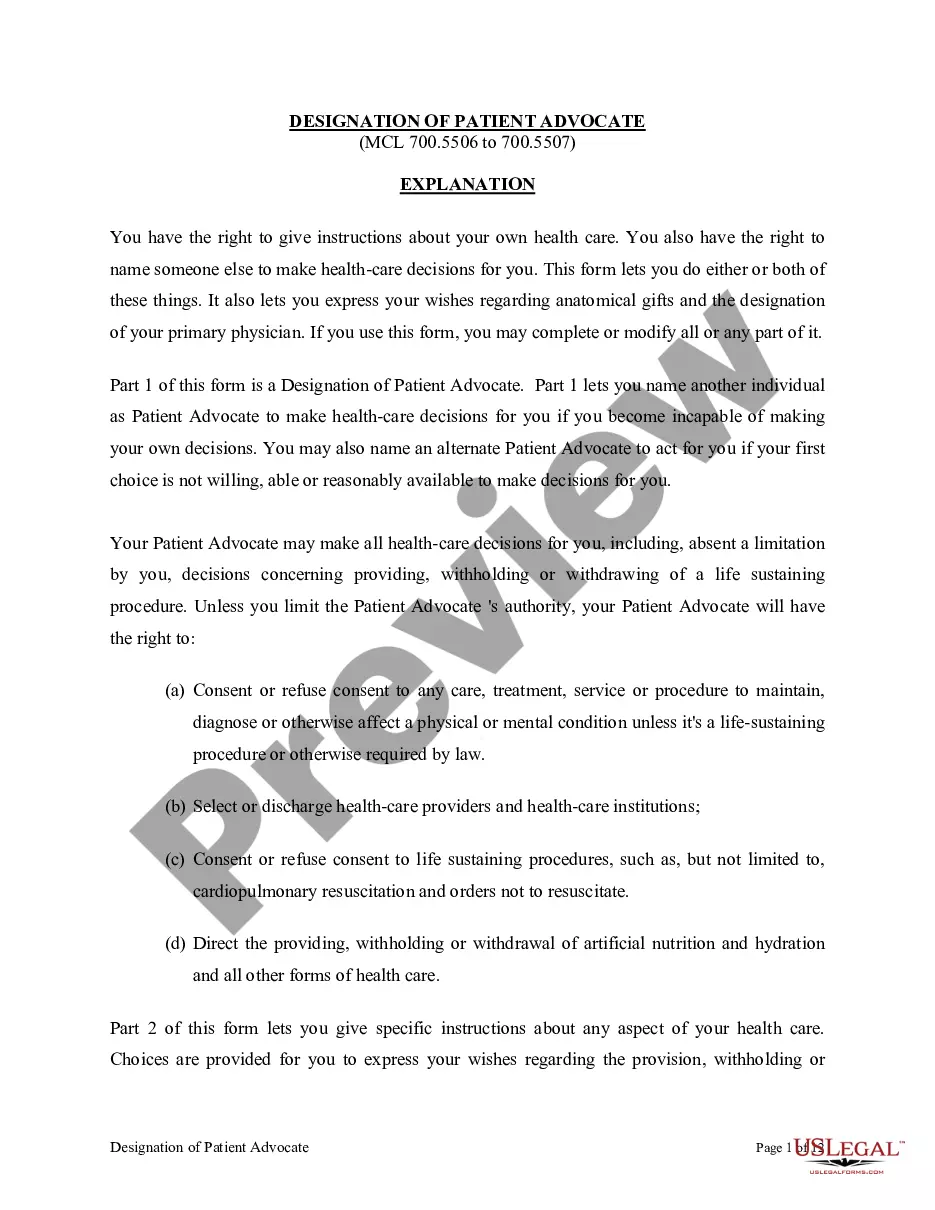
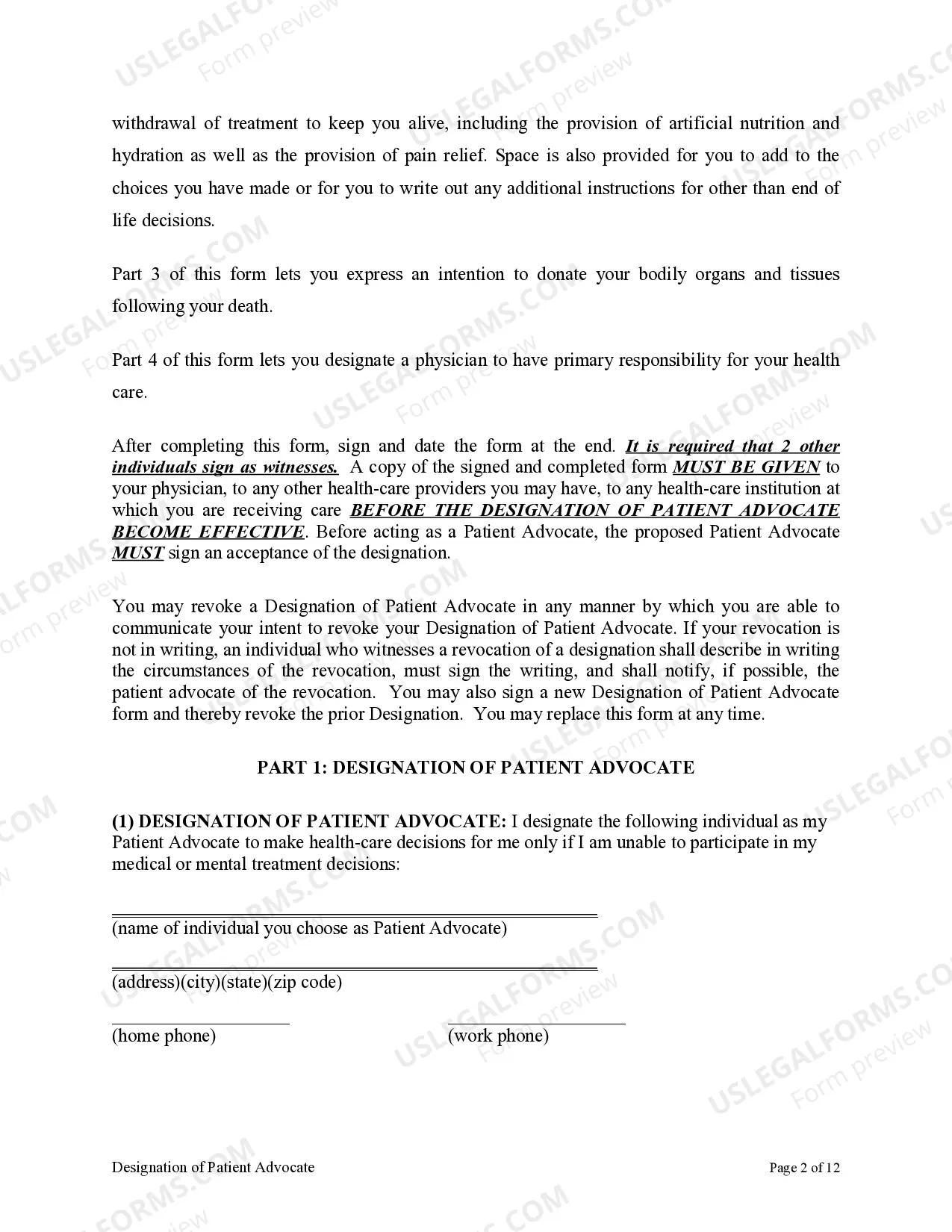
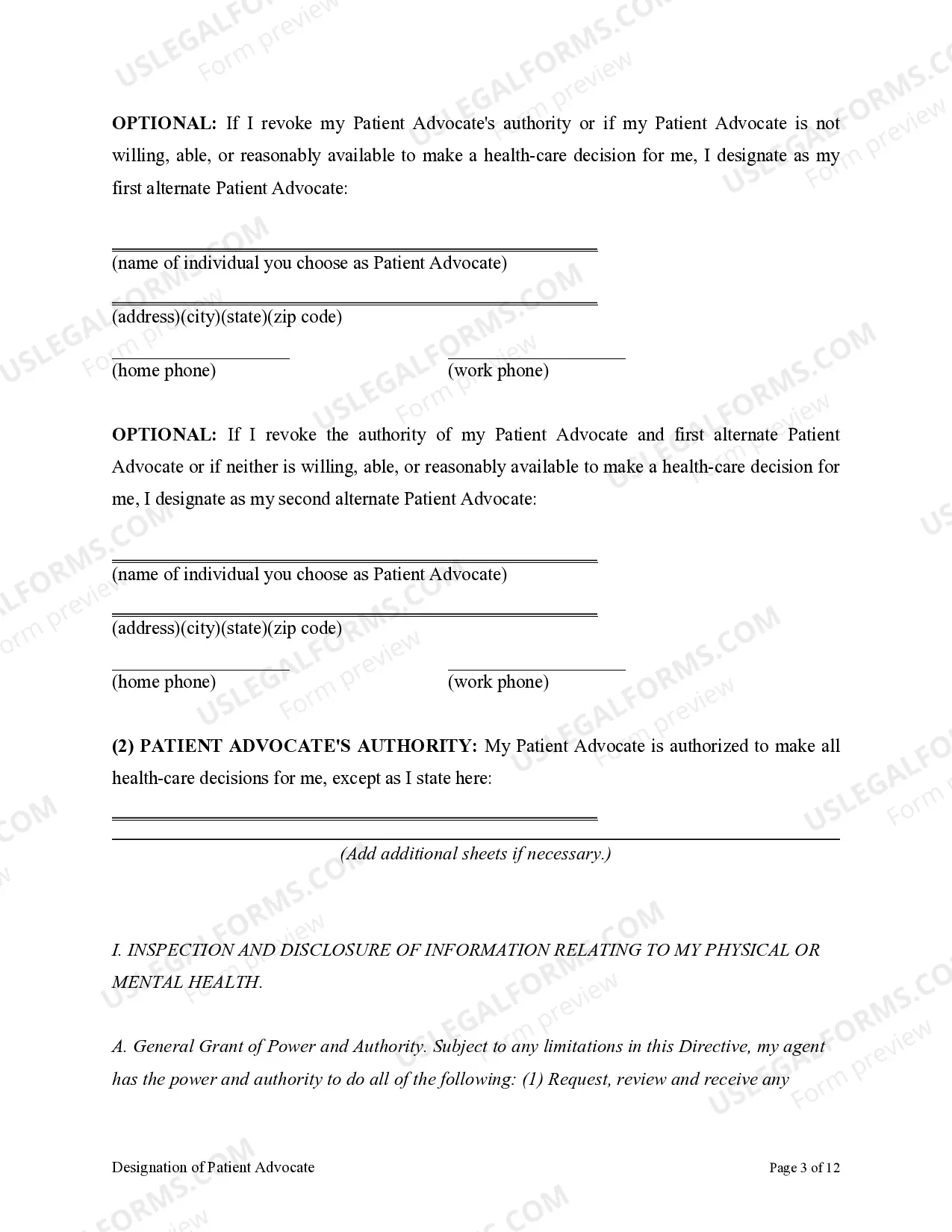
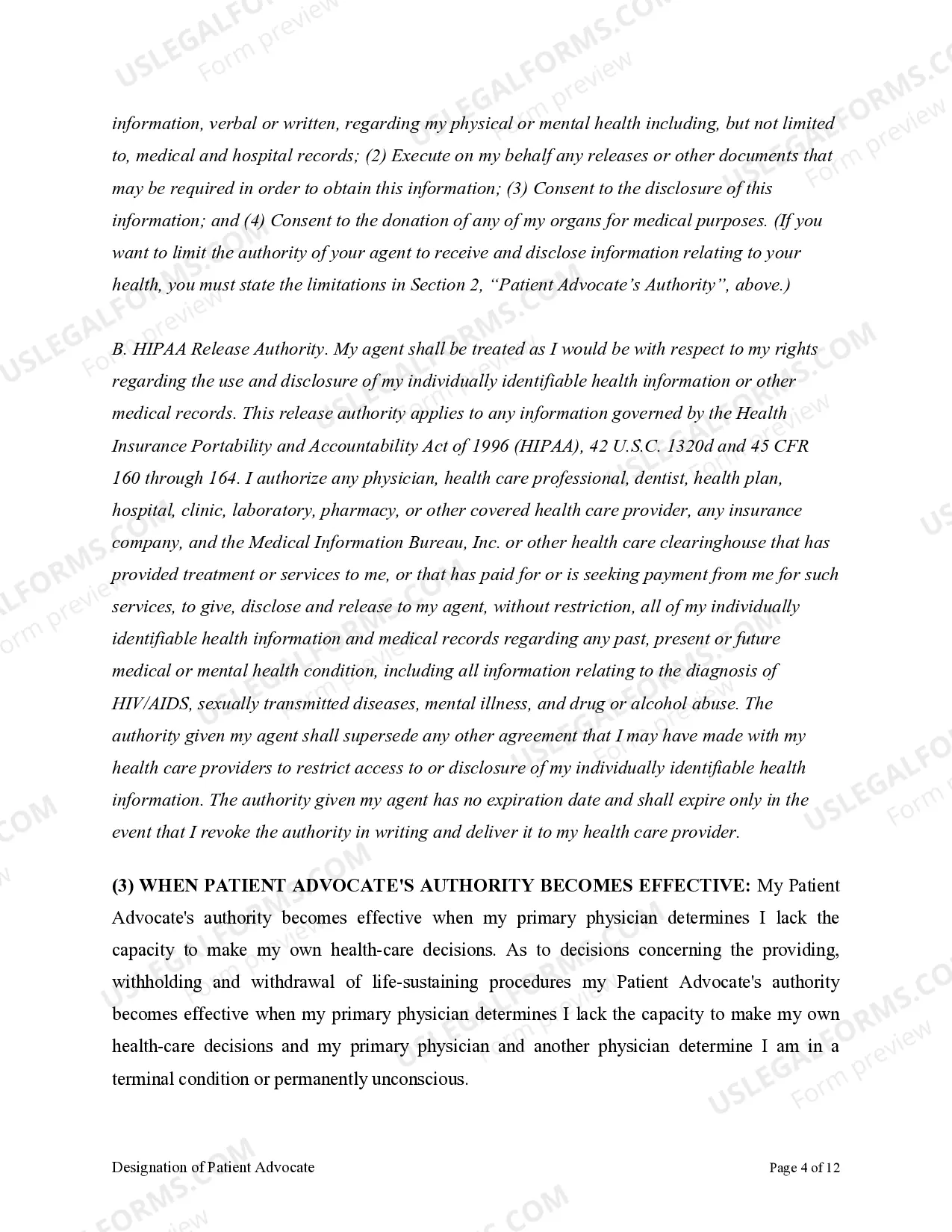
Detroit Michigan Health Care Proxy as Living Will with Designation of Patient Advocate
Description


Get your form ready online
Our built-in tools help you complete, sign, share, and store your documents in one place.
Make edits, fill in missing information, and update formatting in US Legal Forms—just like you would in MS Word.
Download a copy, print it, send it by email, or mail it via USPS—whatever works best for your next step.
Sign and collect signatures with our SignNow integration. Send to multiple recipients, set reminders, and more. Go Premium to unlock E-Sign.
If this form requires notarization, complete it online through a secure video call—no need to meet a notary in person or wait for an appointment.
We protect your documents and personal data by following strict security and privacy standards.

Make edits, fill in missing information, and update formatting in US Legal Forms—just like you would in MS Word.

Download a copy, print it, send it by email, or mail it via USPS—whatever works best for your next step.

Sign and collect signatures with our SignNow integration. Send to multiple recipients, set reminders, and more. Go Premium to unlock E-Sign.

If this form requires notarization, complete it online through a secure video call—no need to meet a notary in person or wait for an appointment.

We protect your documents and personal data by following strict security and privacy standards.
Looking for another form?
How to fill out Michigan Health Care Proxy As Living Will With Designation Of Patient Advocate?
Utilize the US Legal Forms to gain immediate access to any document you need.
Our advantageous platform with thousands of document templates simplifies the process of locating and acquiring nearly any document sample you desire.
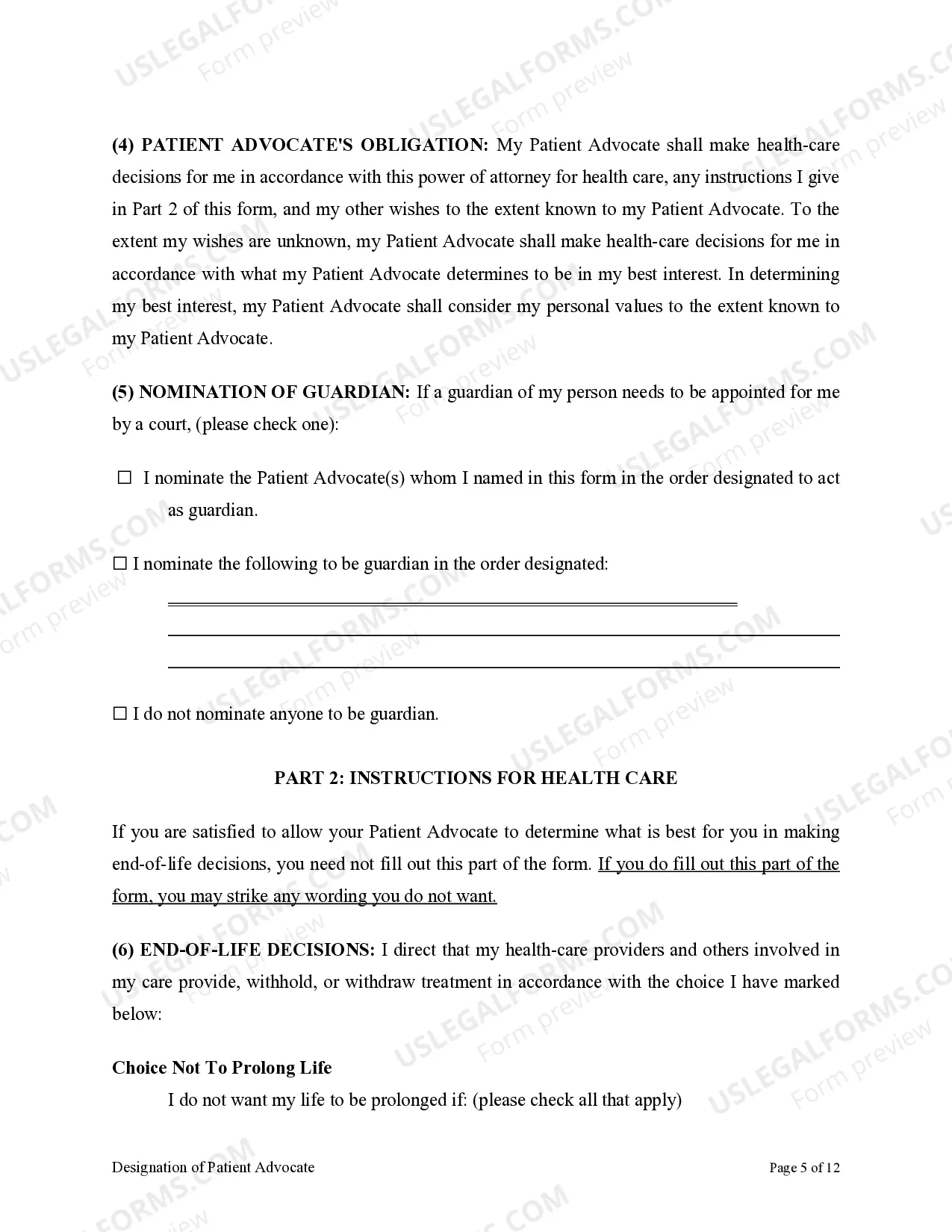
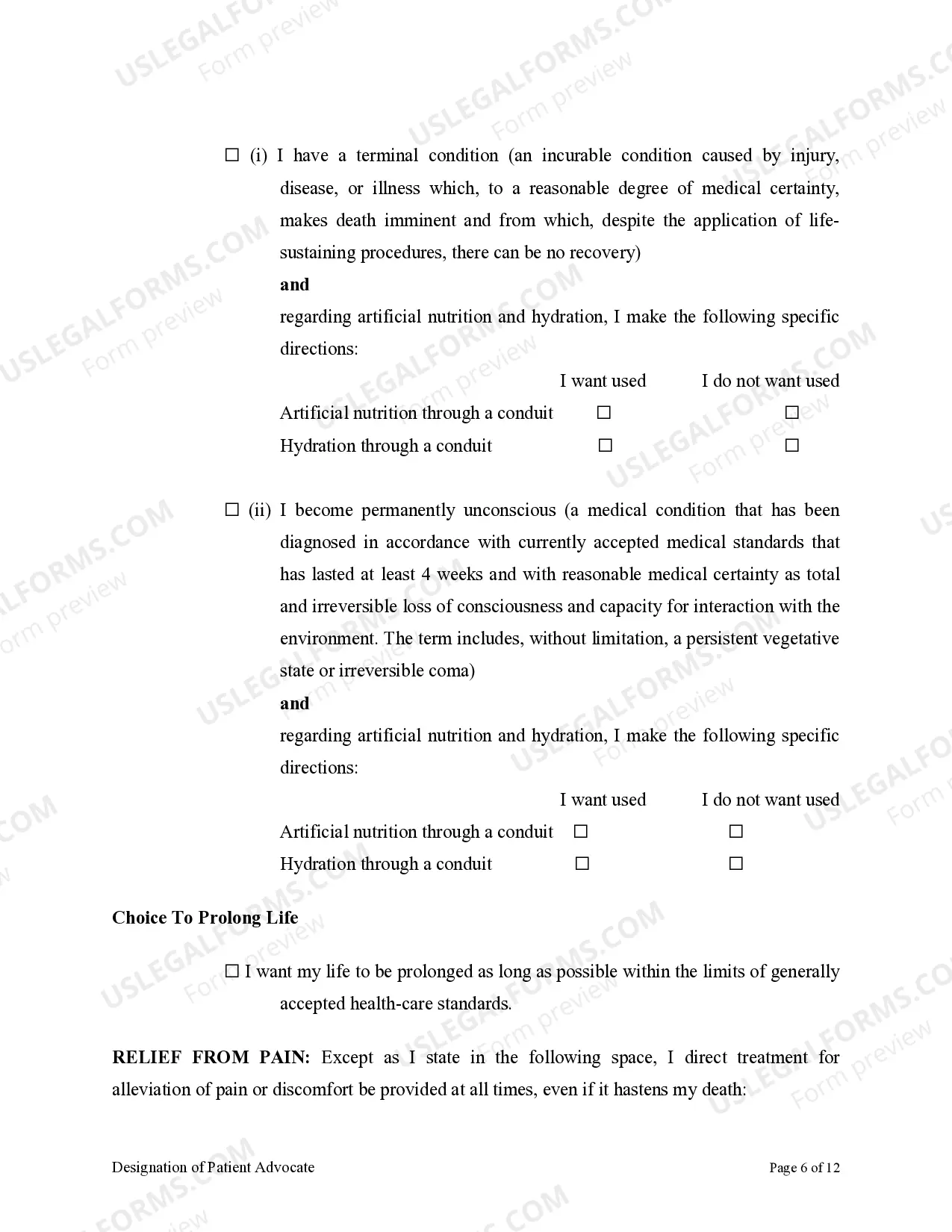
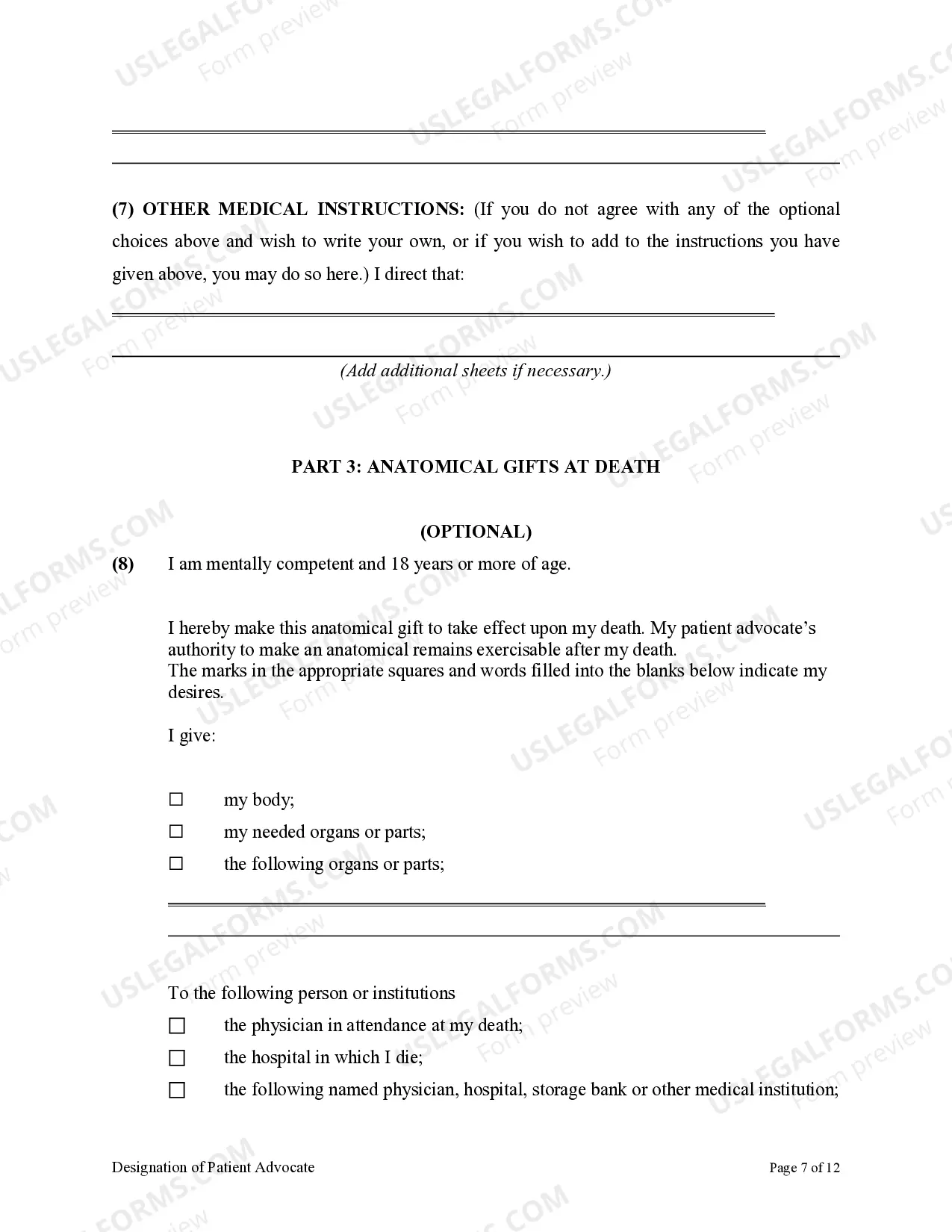
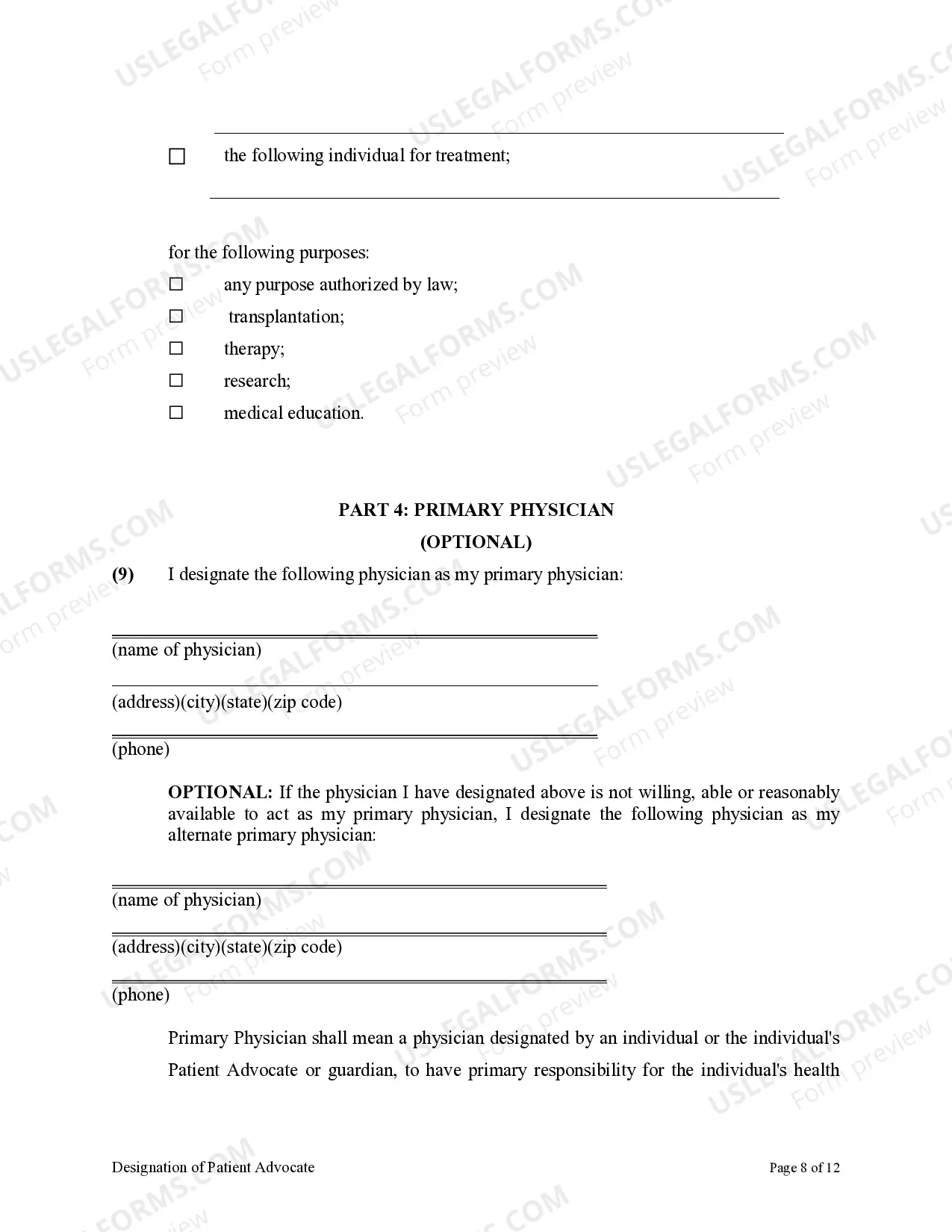
You can download, fill out, and validate the Detroit Michigan Health Care Proxy as Living Will with Designation of Patient Advocate in just a few minutes, rather than spending hours online searching for the appropriate template.
Leveraging our collection is an excellent way to enhance the security of your document submissions.
The Download option will be visible on all the samples you view. Additionally, you can access all previously saved files in the My documents section.
If you do not yet possess a profile, follow these steps.
- Our skilled attorneys routinely review all documents to ensure that the forms are suitable for a specific jurisdiction and adhere to updated laws and regulations.
- How can you acquire the Detroit Michigan Health Care Proxy as Living Will with Designation of Patient Advocate.
- If you already hold a subscription, simply Log In to your account.
Form popularity
FAQ
10 ways to advocate for patients Educate the patient. Teach your patient about their injury, illness or condition, including any improvements or setbacks and how to manage them.Update the entire team.Be present.Ensure safety.Double-check documentation.Give proper care.Offer resources.Listen to your patient.
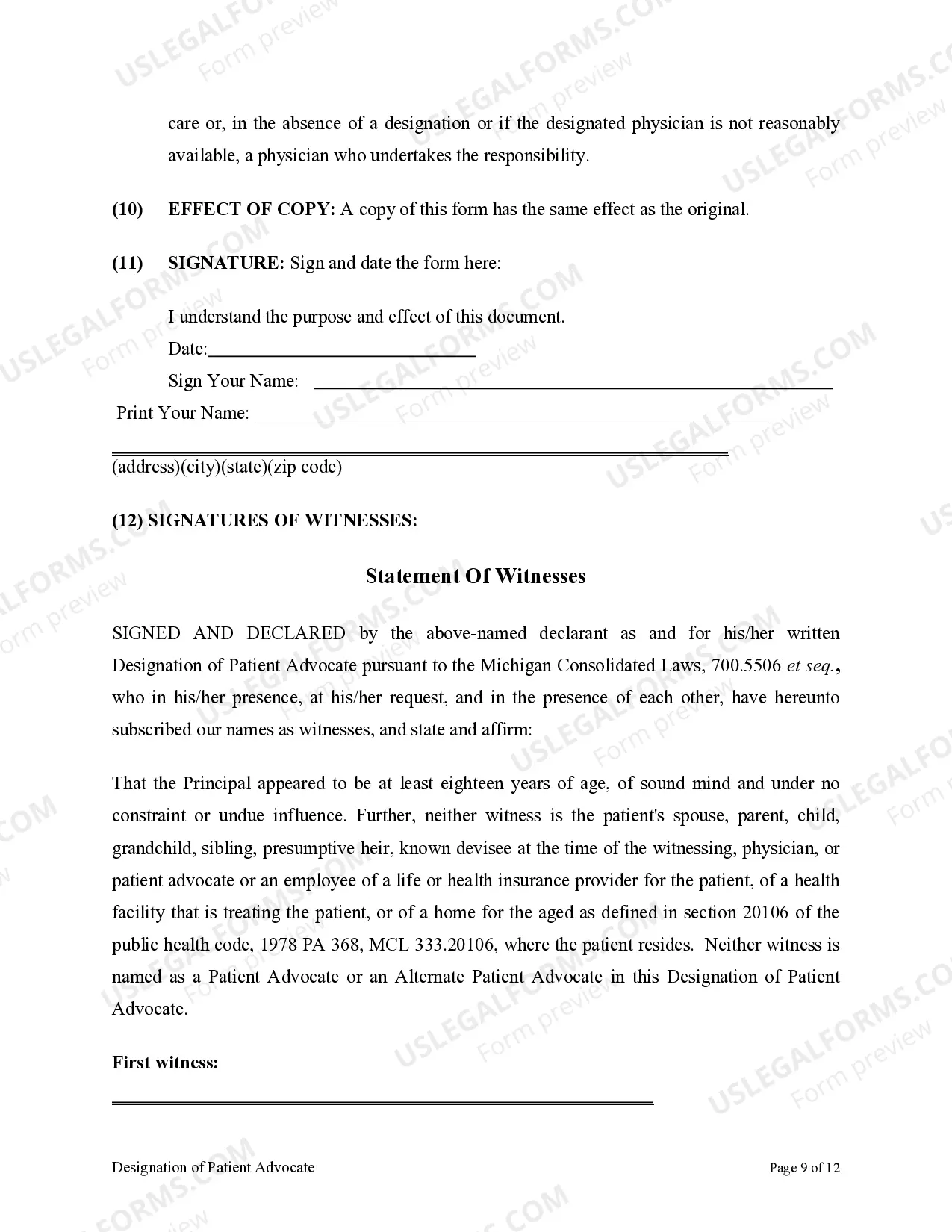
You must be of sound mind and age 18 or older. The witnesses are agreeing that you appear to be of sound mind, that you are signing the document of your free will, and that you are not being pressured by others to sign the document. A witness cannot be your spouse, parent, child, grandchild, sibling, or possible heir.
You can give a patient advocate power to make those personal care decisions you normally make for yourself. For example, you can give your patient advocate power to consent to or refuse medical treatment, or arrange for care in a hospital or nursing home.
It is a written statement that you share with your doctors and family members telling them the type of care you want if you become terminally ill or permanently unconscious and if you are unable to make decisions about your continued care. However, Living wills are not recognized in Michigan law.
How to become a patient advocate Pursue an education. Search for open positions for patient advocates in your area and determine the level of education required for the role.Obtain your certification: Consider becoming a board-certified patient advocate.Obtain relevant experience.Update your resume.Apply for a job.
Patient Advocate Responsibilities: Helping patients understand their insurance coverage. Working with medical facilities to create payment plans. Informing patients of their legal rights. Documenting patient complaints and taking necessary steps to resolve them. Reviewing patient paperwork for accuracy and completeness.
In the event of medical incapacitation, usually a family member will be called upon to make any important decisions in the absence of a power of attorney. In this situation, difficulties can arise if there is more than one family member and they differ on the course of medical action.
In Michigan, you can designate someone to be your ?patient advocate? in the event that you lose the mental capacity to make healthcare decisions for yourself. You can designate any adult over the age of 18, but it is important to choose this person wisely.
The duties of a patient advocate include explaining financial information, taking complaints from patients and helping patients understand their medical rights.