This Uniform Anatomical Gift Act Donation form pursuant to state statutes designates the specific body parts and organs an individual wishes to donate at the time of death.
This form must be witnessed and the signature notarized. Any adult of sound mind may give all or any part of his body for any purpose specified by statute.
Broken Arrow Oklahoma Uniform Anatomical Gift Act Donation
State:
Oklahoma
City:
Broken Arrow
Control #:
OK-P025
Format:
Word;
Rich Text
Instant download
Description
Free preview

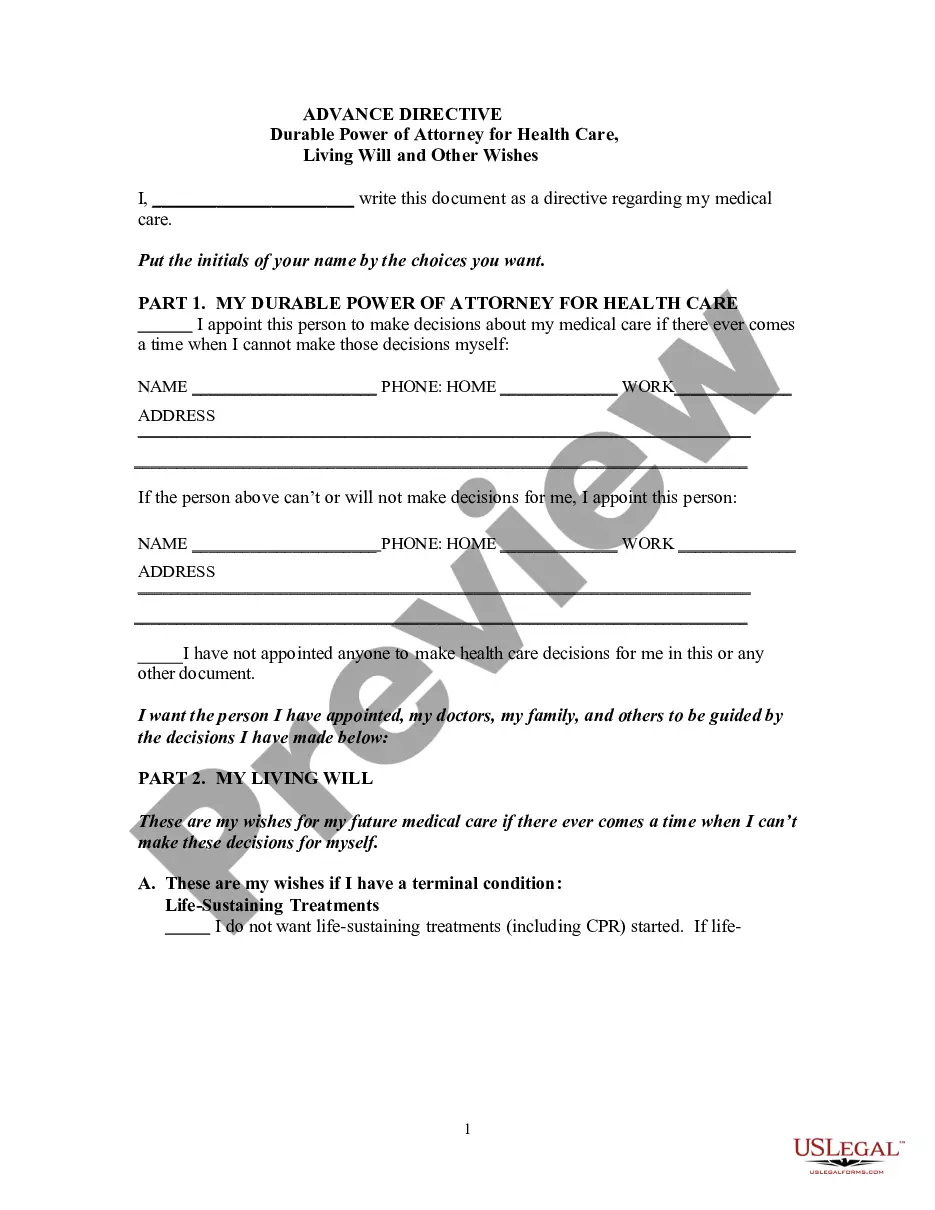
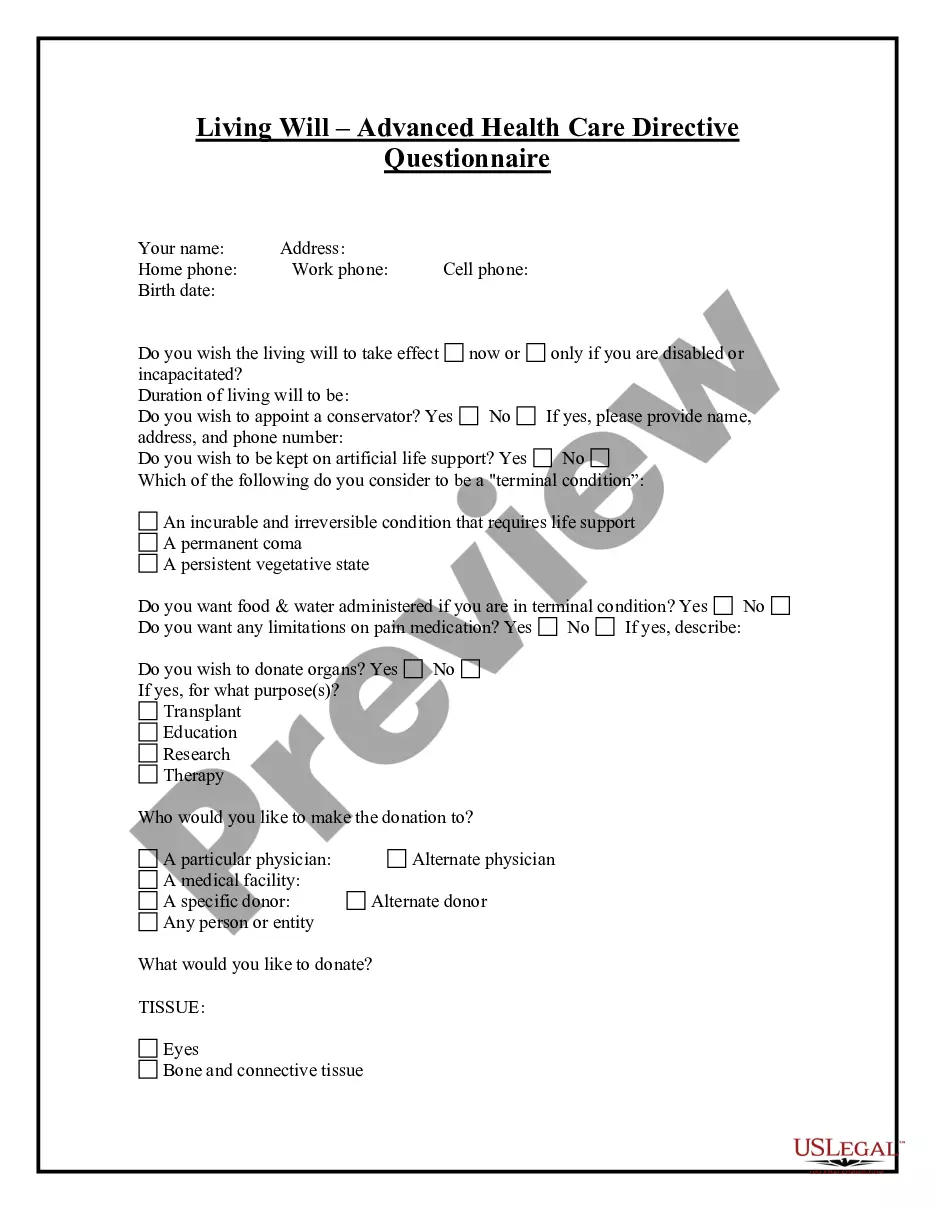



How to fill out Oklahoma Uniform Anatomical Gift Act Donation?
Are you searching for a reliable and cost-effective provider of legal forms to obtain the Broken Arrow Oklahoma Uniform Anatomical Gift Act Donation? US Legal Forms is your ideal choice.
Whether you need a straightforward agreement to establish guidelines for living together with your partner or a set of documents to navigate your divorce through the court system, we’ve got you covered. Our platform offers over 85,000 current legal document templates for personal and business use. All templates available are not generic and are structured to meet the demands of particular states and regions.
To download the document, you must Log In to your account, locate the desired template, and click the Download button next to it. Keep in mind that you can access and download your previously acquired form templates anytime from the My documents section.
Is this your first visit to our site? No problem. You can create an account in moments, but first, ensure you do the following: Check that the Broken Arrow Oklahoma Uniform Anatomical Gift Act Donation meets the regulations of your state and local jurisdiction. Review the details of the form (if available) to understand for whom and what the document is designed. If the template does not suit your legal circumstances, start the search again.
Finding current legal documents has never been simpler. Try US Legal Forms today, and eliminate the hours spent searching for legal papers online once and for all.
- Now you can create your account.
- Select the subscription plan and continue to payment.
- Once the payment is successfully processed, download the Broken Arrow Oklahoma Uniform Anatomical Gift Act Donation in any format offered.
- You can return to the site at any moment and redownload the document at no extra cost.
Form popularity
FAQ
Making an anatomical gift means voluntarily donating your body or specific body parts for medical education and research after your death. This act can significantly contribute to the advancement of medical science and healthcare. The Broken Arrow Oklahoma Uniform Anatomical Gift Act Donation outlines how to properly document your wishes to ensure they are followed and honored.
DBD stands for Donation after Brain Death, while DCD refers to Donation after Cardiac Death. DBD occurs when a donor is declared brain dead but has a functioning heart, allowing for organ retrieval. DCD occurs when a patient’s heart stops beating, and organ recovery happens shortly after. Understanding these differences can help you navigate the discussions surrounding the Broken Arrow Oklahoma Uniform Anatomical Gift Act Donation.
Several factors can disqualify a person from donating organs, including certain medical conditions, infections, or diseases that could impact the viability of the organs. Moreover, a person's age and lifestyle choices may also be considered in the evaluation process. Learning about these criteria can help you understand your options regarding the Broken Arrow Oklahoma Uniform Anatomical Gift Act Donation.
Anatomical body donation is the process where individuals donate their entire body after death for scientific study and educational purposes. This act helps medical students and professionals gain hands-on experience, which is vital for their training. The Broken Arrow Oklahoma Uniform Anatomical Gift Act Donation provides the necessary legal framework for making such donations, ensuring that they are honored and respected.
Organ donation involves the transfer of specific organs, like the heart, liver, or kidneys, to those in need of transplants. On the other hand, body donation typically refers to donating the whole body for medical research, education, or training purposes. Understanding these distinctions is essential, especially under the Broken Arrow Oklahoma Uniform Anatomical Gift Act Donation, which governs how gifts are made for anatomical purposes.
The organ donor program operates under the Broken Arrow Oklahoma Uniform Anatomical Gift Act Donation, allowing individuals to donate their organs after death. When a donor passes away, medical professionals assess the viability of the organs for transplantation. The donated organs are then matched with individuals on waiting lists, ensuring that they reach those in need promptly. Understanding this program empowers you to make informed decisions about organ donation and how it can save lives.
To remove yourself from the organ donor list in Oklahoma, you need to contact the Oklahoma Department of Vital Records or your local DMV. You can request forms to officially revoke your consent regarding the Broken Arrow Oklahoma Uniform Anatomical Gift Act Donation. It’s important to follow the proper procedures to ensure your wishes are documented. Additionally, you can use platforms like USLegalForms to help navigate this process smoothly.
You can no longer be an organ donor if you revoke your donation status or if your health conditions prevent safe donation. Additionally, once an individual has passed away, the status typically adheres to their expressed wishes. To stay informed, engage with the guidelines of the Broken Arrow Oklahoma Uniform Anatomical Gift Act Donation for clarity.
The Uniform Anatomical Gift Act in Oklahoma establishes the legal framework for the donation of organs and tissues. It empowers individuals to make decisions regarding organ donation and outlines the protocols for those donations. Understanding this act is vital for effective engagement in the Broken Arrow Oklahoma Uniform Anatomical Gift Act Donation process.
If you wish to stop being an organ donor, you can do so by updating your organ donor designation at the DMV. It’s a straightforward process, and you will need to provide the required documentation. This action ensures that your decision is in accordance with the Broken Arrow Oklahoma Uniform Anatomical Gift Act Donation policy.