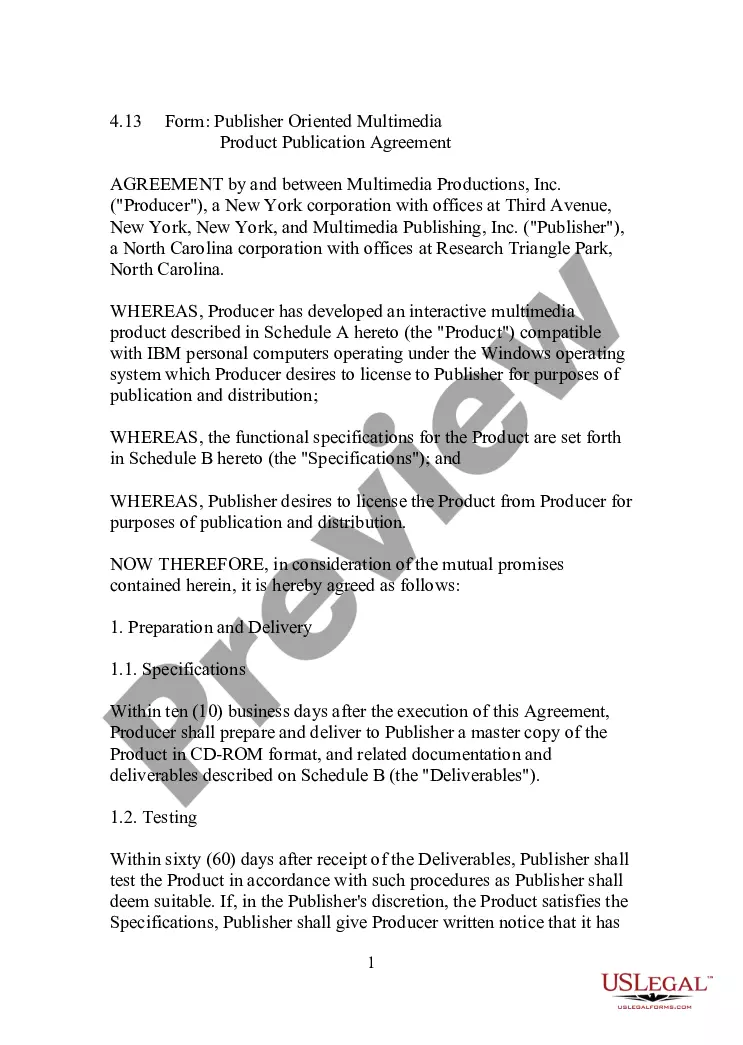
Nashville Tennessee Motion for New Trial
Description
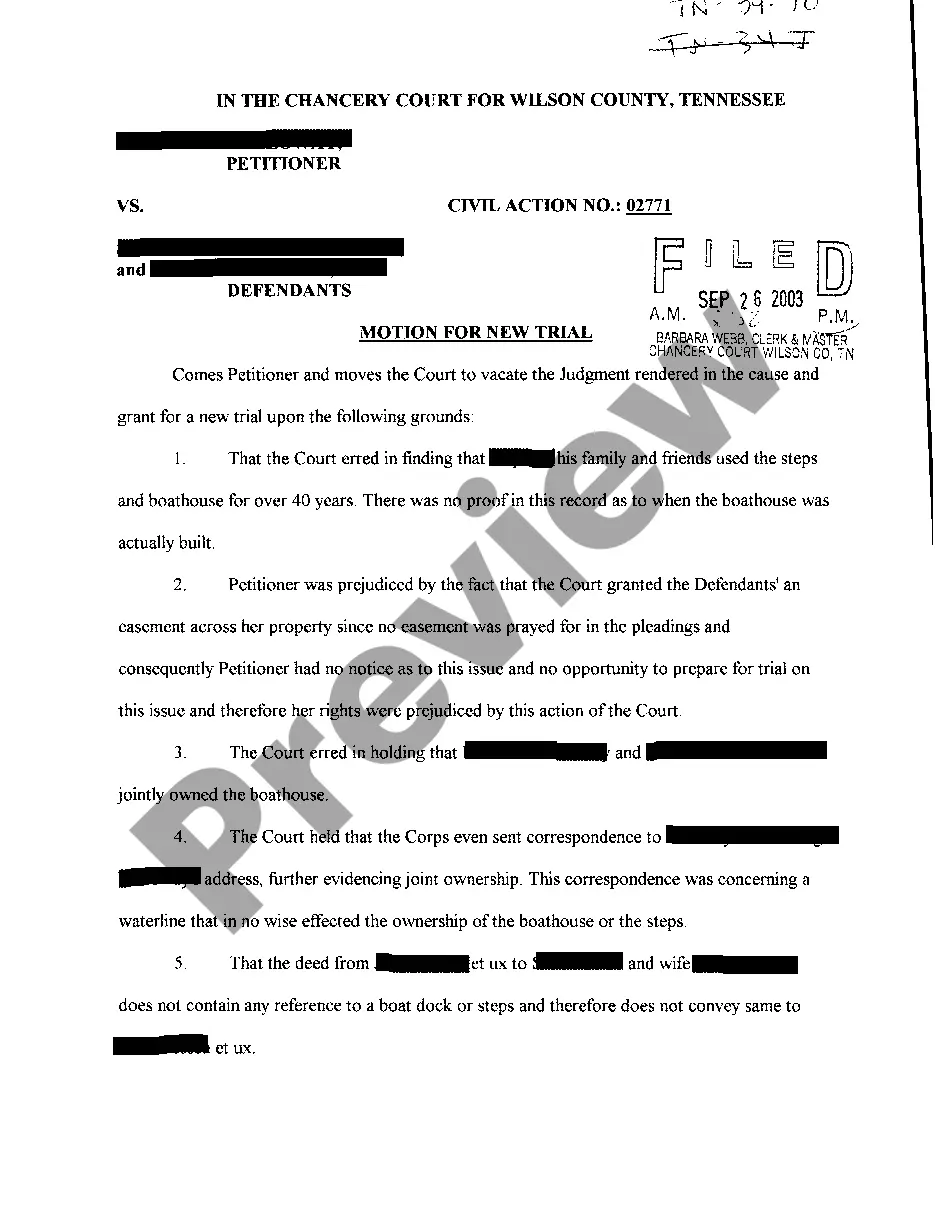
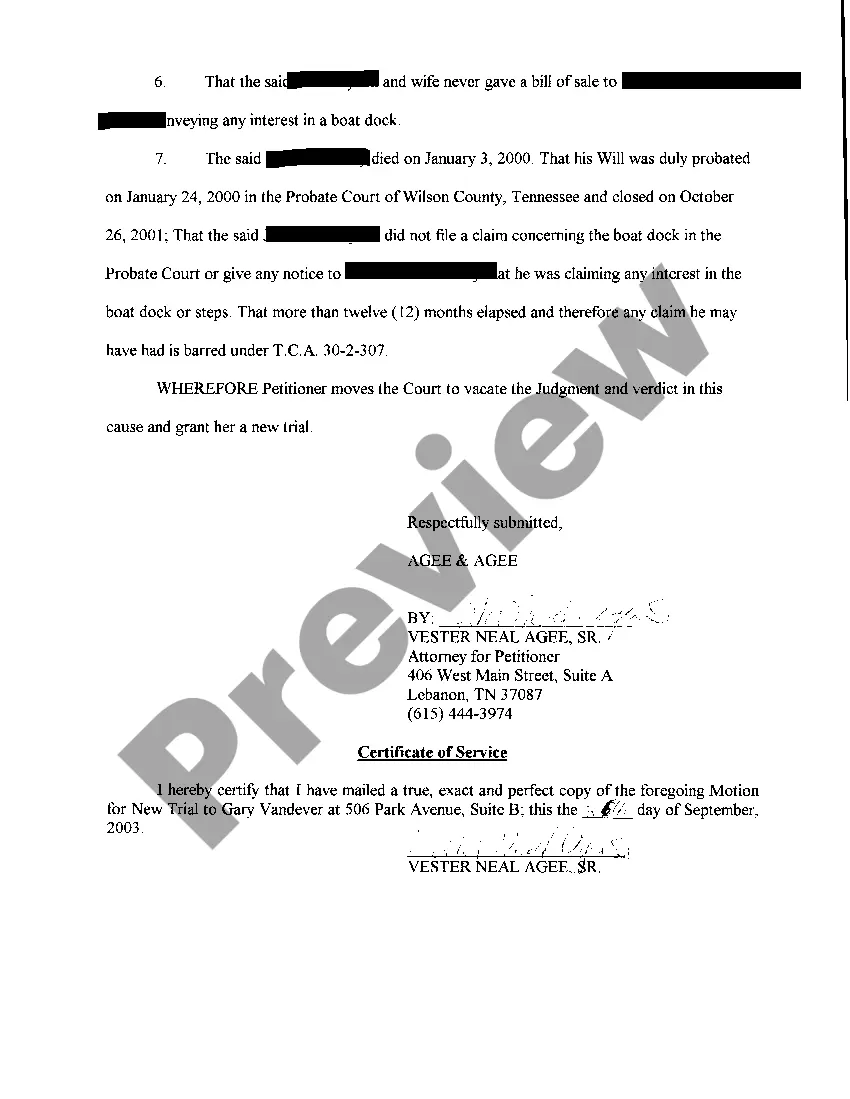
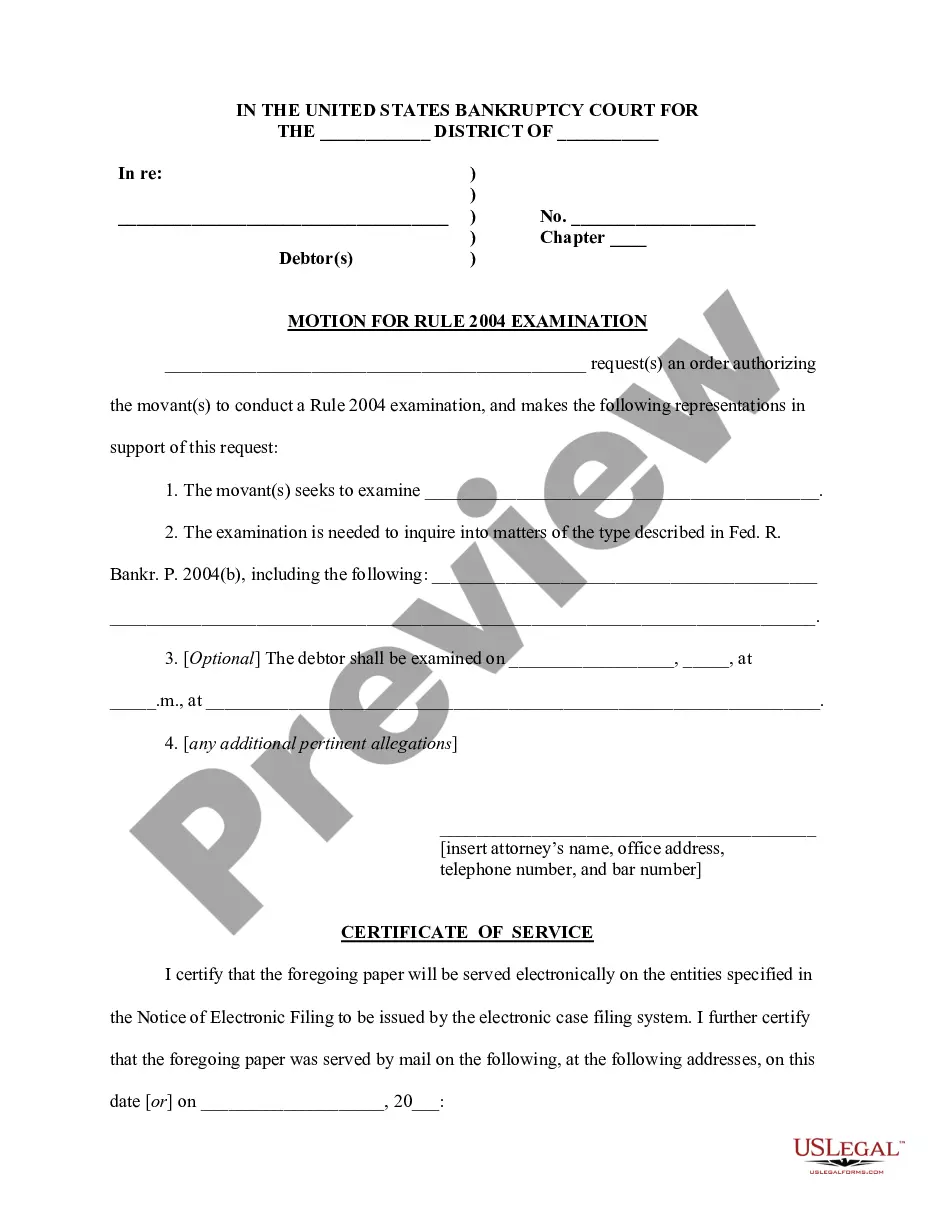

How to fill out Tennessee Motion For New Trial?
Leverage the US Legal Forms and gain instant access to any document you need. Our beneficial website featuring thousands of templates simplifies the process of locating and acquiring nearly any document sample you require.
You can save, complete, and sign the Nashville Tennessee Motion for New Trial in mere minutes, rather than spending hours browsing the web for the correct template.
Using our collection is an excellent method to enhance the security of your record submission. Our expert attorneys routinely review all documents to ensure that the templates are suitable for a specific jurisdiction and adhere to new regulations and statutes.
How can you obtain the Nashville Tennessee Motion for New Trial? If you already have a membership, simply Log In to your account. The Download option will be visible on all documents you view. Moreover, you can access all previously saved records in the My documents section.
US Legal Forms is one of the largest and most trustworthy form repositories online. We are always glad to support you in any legal procedure, even if it is merely downloading the Nashville Tennessee Motion for New Trial.
Feel free to utilize our platform and make your document experience as streamlined as possible!
- Locate the template you require. Ensure that it is the document you were looking for: verify its title and description, and utilize the Preview feature if it is available. Alternatively, use the Search box to find the suitable one.
- Initiate the saving process. Click Buy Now and select the pricing plan that suits you. Then, create an account and process your order payment with a credit card or PayPal.
- Download the document. Choose the format to receive the Nashville Tennessee Motion for New Trial and modify and finalize it or sign it according to your preferences.
Form popularity
FAQ
Under Section 1, Rule 37 of the Rules of Court, the requisites for newly discovered evidence as a ground for a new trial are: (a) the evidence was discovered after the trial; (b) such evidence could not have been discovered and produced at the trial with reasonable diligence; and (c) that it is material, not merely
A ?Rule 29 Motion,? based on Federal Rule of Criminal Procedure 29, is typically made twice during a federal trial ? first, at the close of the Government's case, and again at the close of the entire case. These motions allow the judge to dismiss the case as a matter of law.
From the foregoing, it can be seen that the rules allow the filing of a motion for new trial on the grounds of fraud, accident, mistake or excusable negligence; or of newly discovered evidence, in the manner provided for proof of motions.
(1) An application to the court for an order shall be by motion which, unless made during a hearing or trial, shall be made in writing, shall state with particularity the grounds therefor, and shall set forth the relief or order sought.
After a criminal trial ends in a conviction, the defendant can file a motion for a new trial. Courts grant these?though rarely?to correct significant errors that happened during trial or if substantial new evidence of innocence comes to light.
The grounds for granting a motion for a new trial include a significant error of law, verdict going against the weight of evidence, irregularity in the court proceeding, jury misconduct, newly discovered material evidence, and improper damages.
(1) A judgment becomes final at the expiration of thirty days after its entry if no timely authorized after-trial motion is filed. (B) If all motions have been ruled, then the date of ruling of the last motion to be ruled or thirty days after entry of judgment, whichever is later.
The most common post-trial motions include: Motion to dismiss. Motion for judgment of acquittal. Motion for a trial order of dismissal.
If you receive a Motion to Dismiss or a Motion for Summary Judgment, you must respond no later than five business days before the motion is set for a hearing. The judge will hold a hearing to dismiss or for summary judgment over the phone.
A point in a motion for new trial is a prerequisite to the following complaints on appeal: (1) A complaint on which evidence must be heard such as one of jury misconduct or newly discovered evidence or failure to set aside a judgment by default; (2) A complaint of factual insufficiency of the evidence to support a jury