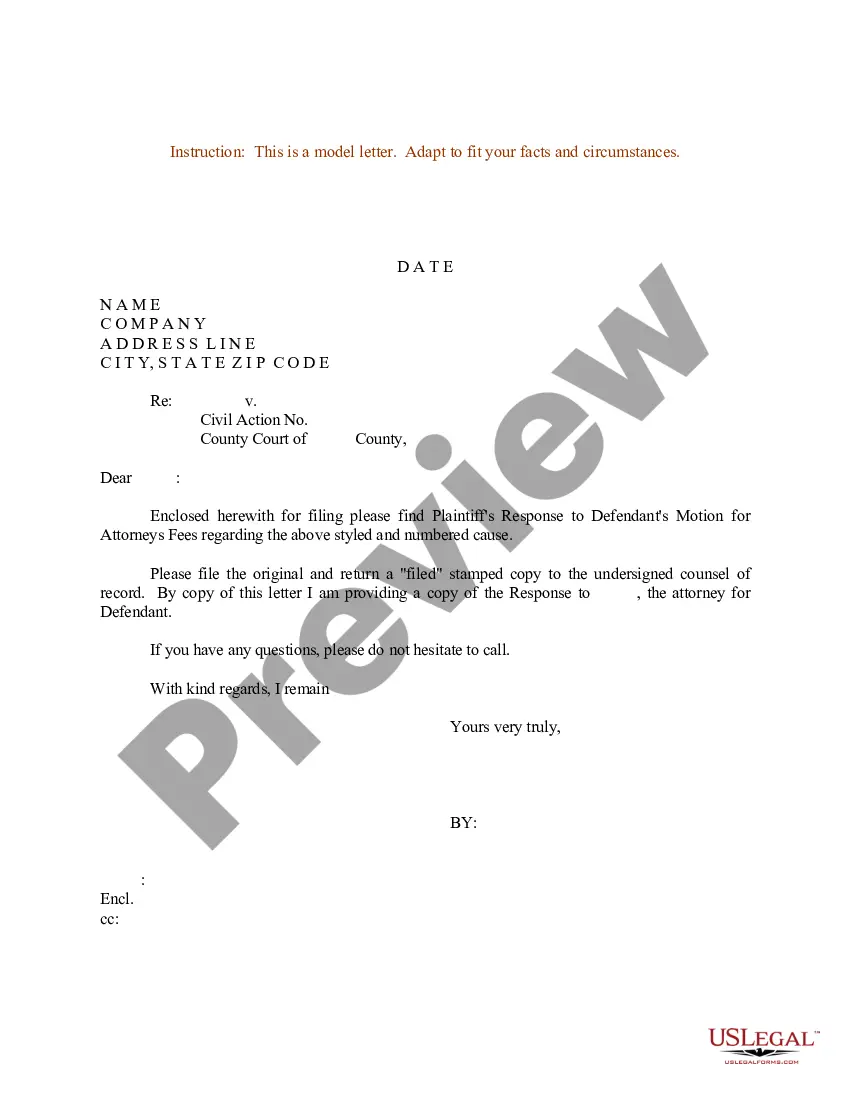
Franklin Ohio Sample Letter for Plaintiff's Response to Defendant's Motion for Attorneys Fees
Description
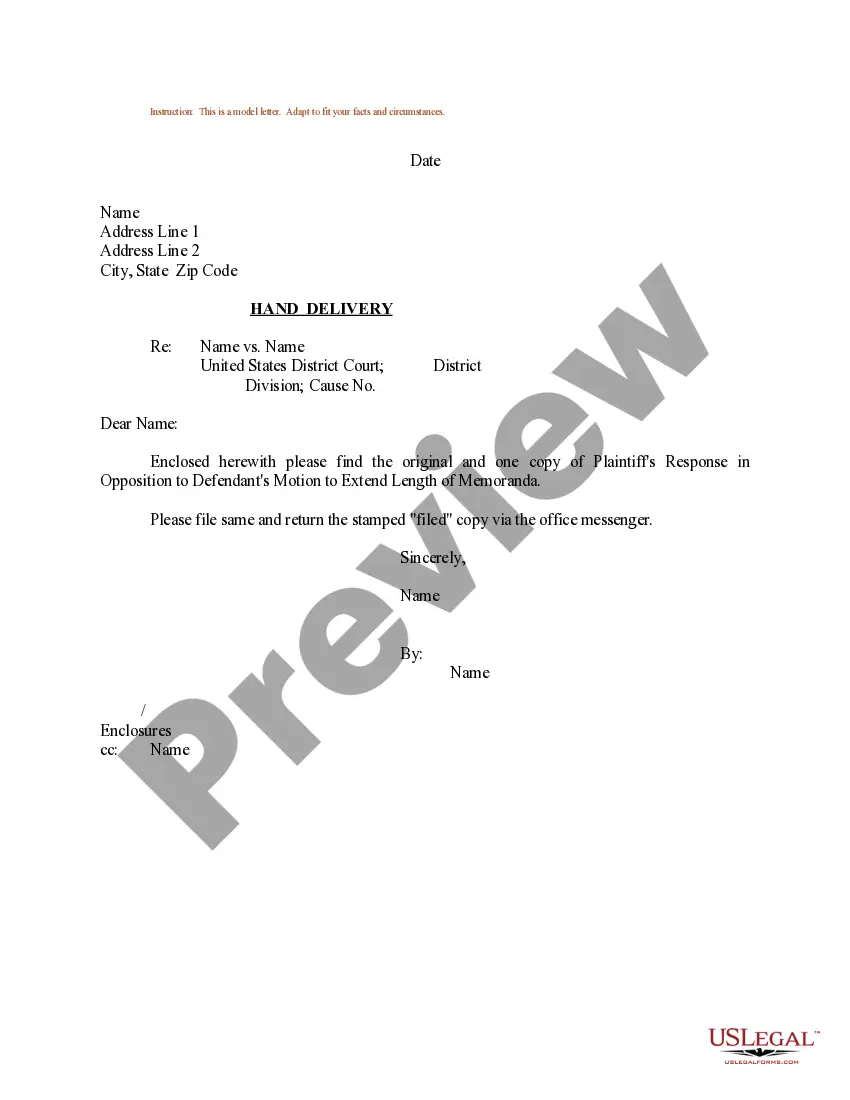
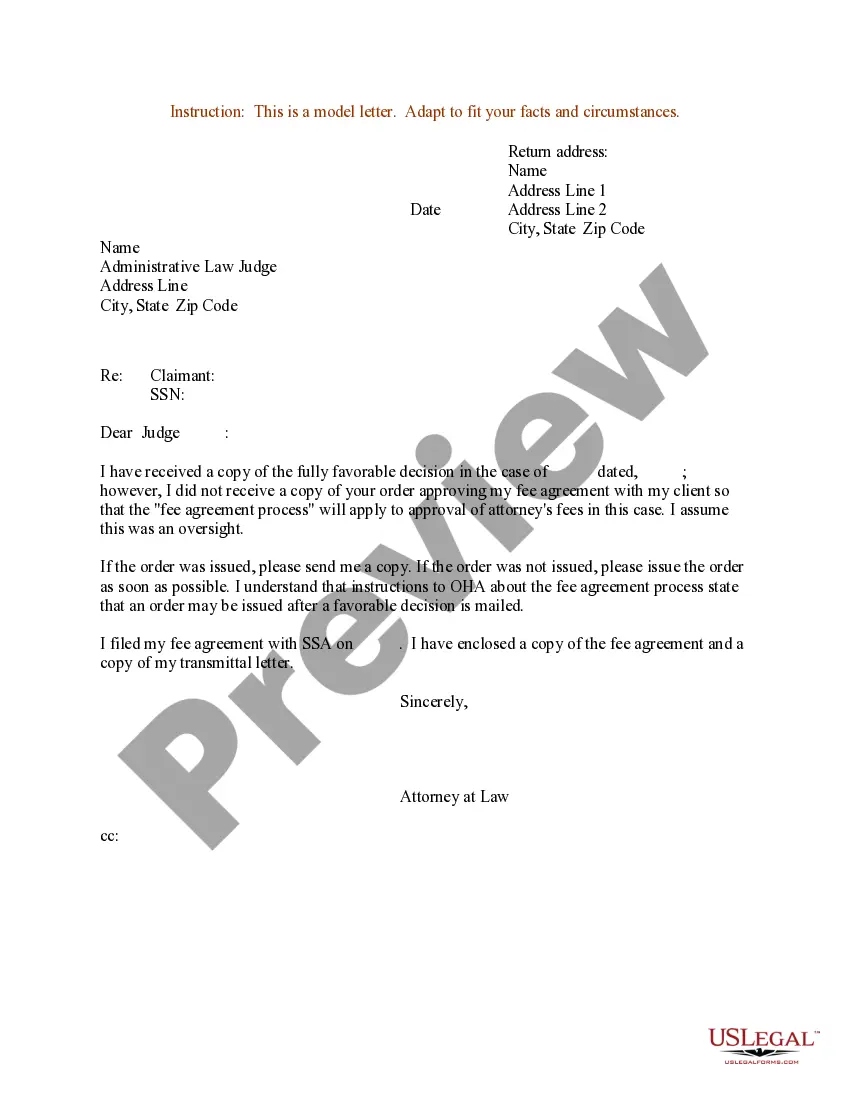
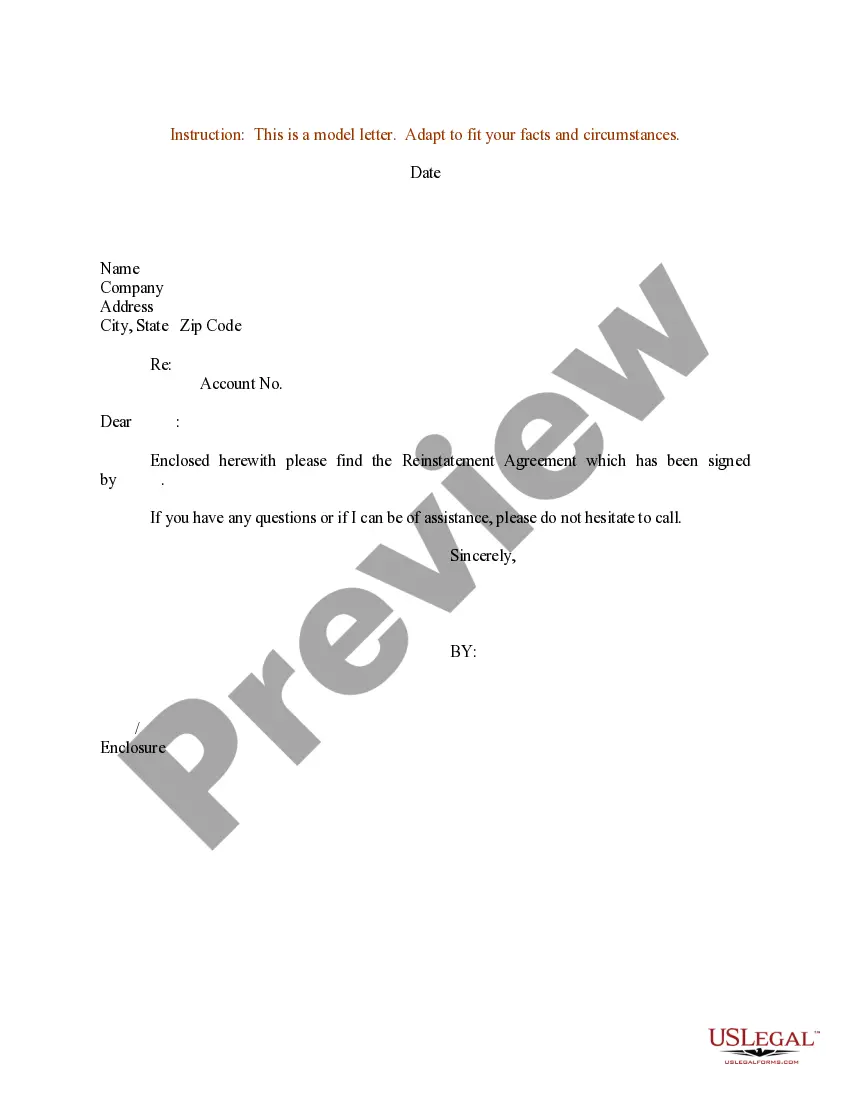
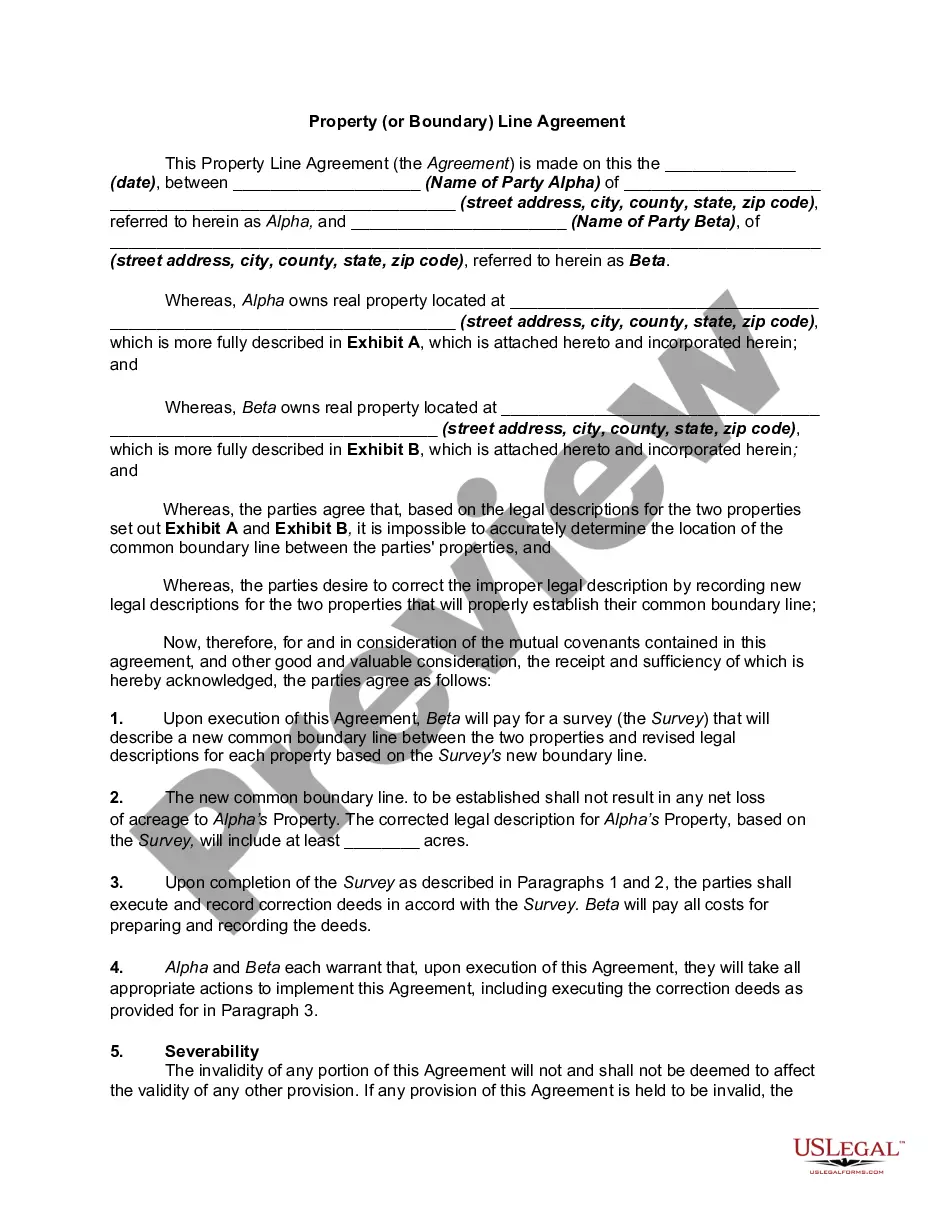
How to fill out Sample Letter For Plaintiff's Response To Defendant's Motion For Attorneys Fees?
Preparing documents for business or personal requirements is consistently a significant obligation.
When drafting an agreement, a public service application, or a power of attorney, it is crucial to consider all federal and state laws and ordinances pertinent to the specific area.
Nevertheless, minor counties and even towns also possess legislative provisions that you must take into account.
Utilize the search tab in the page header to find the one that meets your requirements.
- All these elements contribute to the stress and time involved in generating a Franklin Sample Letter for Plaintiff's Response to Defendant's Motion for Attorneys Fees without professional help.
- It's straightforward to circumvent expenses associated with lawyers drafting your paperwork and create a legally acceptable Franklin Sample Letter for Plaintiff's Response to Defendant's Motion for Attorneys Fees independently, utilizing the US Legal Forms online library.
- It is the largest virtual collection of state-specific legal templates that have been professionally verified, ensuring their legitimacy when choosing a sample for your county.
- Previous subscribers need only to Log In to their accounts to retrieve the necessary form.
- If you do not have a subscription yet, follow the step-by-step instructions below to obtain the Franklin Sample Letter for Plaintiff's Response to Defendant's Motion for Attorneys Fees.
- Review the page you have opened and confirm that it contains the sample you are looking for.
- To achieve this, utilize the form description and preview if these options are available.
Form popularity
FAQ
The respondent is the party against whom a petition is filed, especially one on appeal. The respondent can be either the plaintiff or the defendant from the court below, as either party can appeal the decision thereby making themselves the petitioner and their adversary the respondent.
One way to remember the difference between these two words is to use the spelling of each as a mnemonic device. Plaintiff starts with the same letters as end the word complaint: plaint. This is no coincidence, since the words are related.
The defendant in a lawsuit is the person against whom the action is brought, by the plaintiff. A defendant in an arbitration case or a divorce case is called the "respondent." U.S. Law has two kinds of court cases which involve defendants: Criminal cases, which involve a defendant who is accused of a crime.
All State and Territory courts in Australia offer a small claims division of their local court or tribunal that provides a simple debt recovery procedure. Advantages are that the process is relatively informal, and that costs awarded against an unsuccessful party are limited.
If you are an individual and want to file a lawsuit for $10,000 or less, you have the option of filing a small claims case or a limited civil case. If you are a business, you can file in small claims court for $5,000 or less.
Proceedings are commenced in the Small Claims division of the Local Court by filing a Statement of Claim which outlines the basis of the claim. The current fee for filing a Statement of Claim is $101.00 or $202.00 if you are filing on behalf of a company with an annual turnover of more than $200,000.
= Names of the parties in the case. (In the trial court, the first name listed is the plaintiff, the party bringing the suit. The name following the "v" is the defendant.
Give the answer in your own words, and if a question can't be truthfully answered with a yes or no answer, explain the answer. If an attorney demands a yes or no answer and you can not give one, let the judge know that, and explain that to do so would be misleading to the court or inaccurate.
Provide the name of the court at the top of the Answer. You can find the information on the summons.List the name of the plaintiff on the left side.Write the case number on the right side of the Answer.Address the Judge and discuss your side of the case.Ask the judge to dismiss the case.
If both parties cannot agree on a settlement, then you go to a small claims court hearing carried out by a county judge. You'll be walked through the process, throughout. The judge will decide on a settlement based on your claim and evidence, taking into account any rebuttals by the defendant.