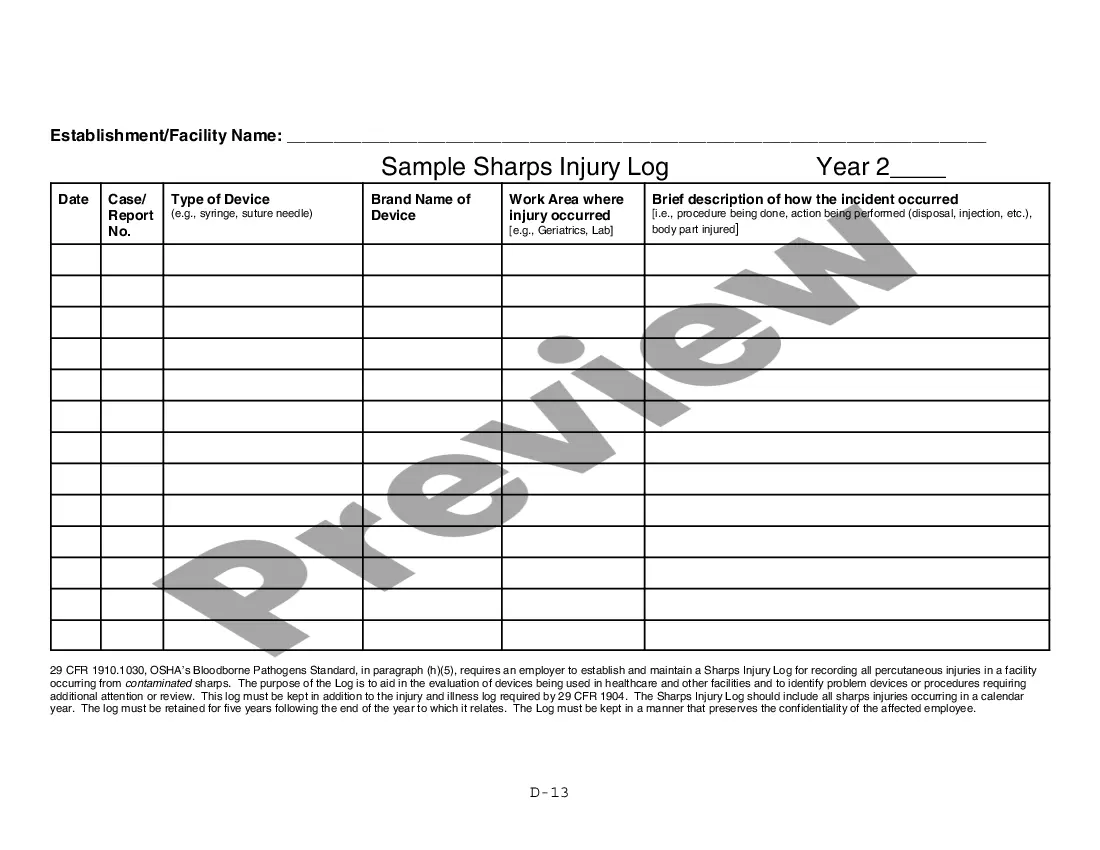
Hillsborough Florida Sample Sharps Injury Log
Description
How to fill out Sample Sharps Injury Log?
Are you in search of a prompt way to create a legally-enforceable Hillsborough Sample Sharps Injury Log or perhaps any other document to handle your personal or business affairs? You have two choices: enlist a legal consultant to produce an appropriate document for you or compose it entirely by yourself. Fortunately, there's another alternative - US Legal Forms. It will assist you in acquiring well-crafted legal documents without incurring exorbitant fees for legal services.
US Legal Forms presents an extensive assortment of over 85,000 state-compliant document models, including the Hillsborough Sample Sharps Injury Log and various form packages. We provide paperwork for a wide range of life situations: from divorce documentation to real estate document templates. We have been operational for over 25 years and have a pristine reputation among our clientele. Here’s how you can join them and obtain the essential template without unnecessary complications.
If you have already created an account, you can simply Log In, locate the Hillsborough Sample Sharps Injury Log template, and download it. To re-download the document, just navigate to the My documents tab.
It's straightforward to purchase and download legal documents when using our services. Additionally, the templates we provide are examined by industry specialists, which enhances your confidence when dealing with legal matters. Experience US Legal Forms today and witness the benefits for yourself!
- Firstly, thoroughly check if the Hillsborough Sample Sharps Injury Log is compliant with your state's or county's regulations.
- If the form includes a description, ensure to review its intended use.
- Restart the search if the document does not meet your needs using the search bar in the header.
- Choose the subscription that best aligns with your requirements and proceed with the payment.
- Select the format you prefer to receive your document in and download it.
- Print it out, complete it, and sign on the indicated line.
Form popularity
FAQ
A sharps injury log must accurately document each incident where a sharp object causes an injury. According to OSHA guidelines, it should include details like the date of the incident, location, type of safety device involved, and the name of the injured worker. Maintaining a comprehensive Hillsborough Florida Sample Sharps Injury Log helps organizations meet these requirements while ensuring the safety of their employees.
The Sharps Injury Log should include all sharps injuries occurring in a calendar year. The log must be retained for five years following the end of the year to which it relates. The Log must be kept in a manner that preserves the confidentiality of the affected employee.
What to do if you receive a sharps injury Encourage the wound to gently bleed, ideally holding it under running water. Wash the wound using running water and plenty of soap. Don't scrub the wound while you are washing it. Don't suck the wound. Dry the wound and cover it with a waterproof plaster or dressing.
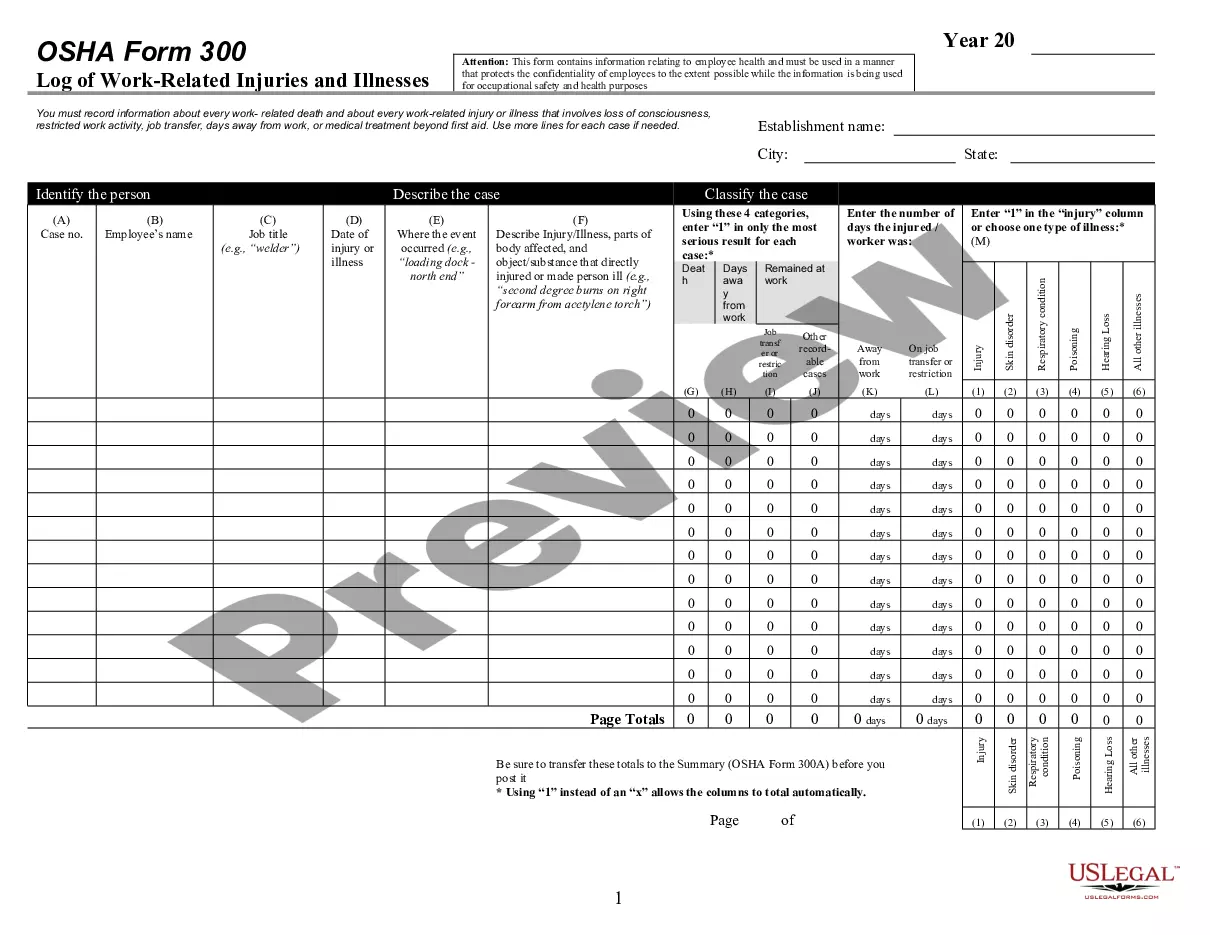
To be recordable, the needlestick injury must be work-related and result in either (a) a fatality or (b) lost workdays, or (c) the need for medical treatment beyond first aid, loss of consciousness, restriction of work or motion, or transfer to another job.
Speaker Notes: CDC estimates that approximately 385,000 injuries with contaminated needles and other sharps devices occur annually among hospital-based healthcare personnel. That's over 1,000 injuries a day! Many more occur in other healthcare settings, such as emergency services, home care, and nursing homes.
If you experienced a sharps injury during your work, immediately follow these steps: Wash wound with soap and water. Flush out mouth, nose, or skin with water. Irrigate eyes with water, saline, or sterile irrigants.
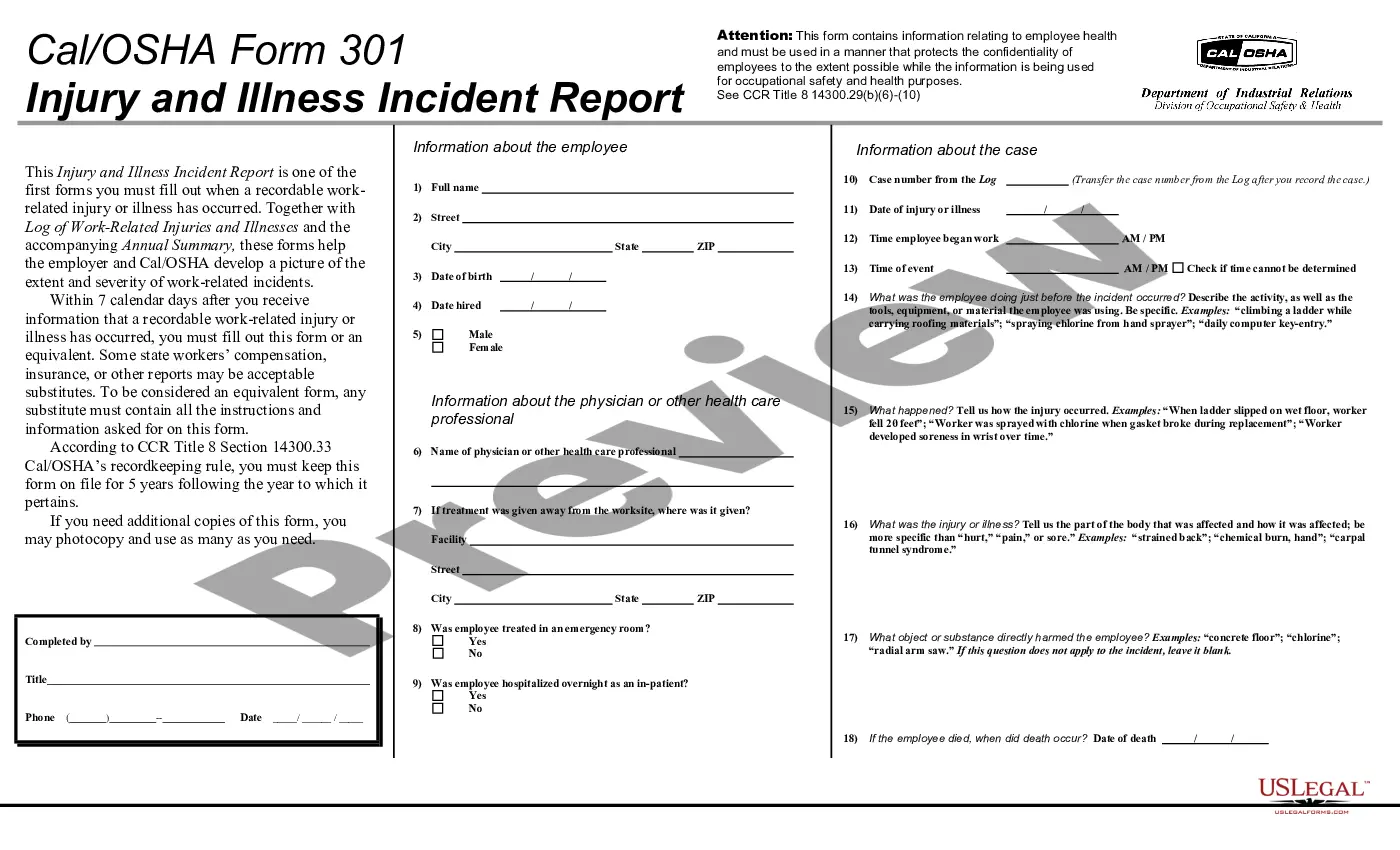
The sharps injury log must contain, at a minimum, the type and brand of device involved in the injury (if known), the department or work area where the exposure incident occurred, and an explanation of how the incident occurred.
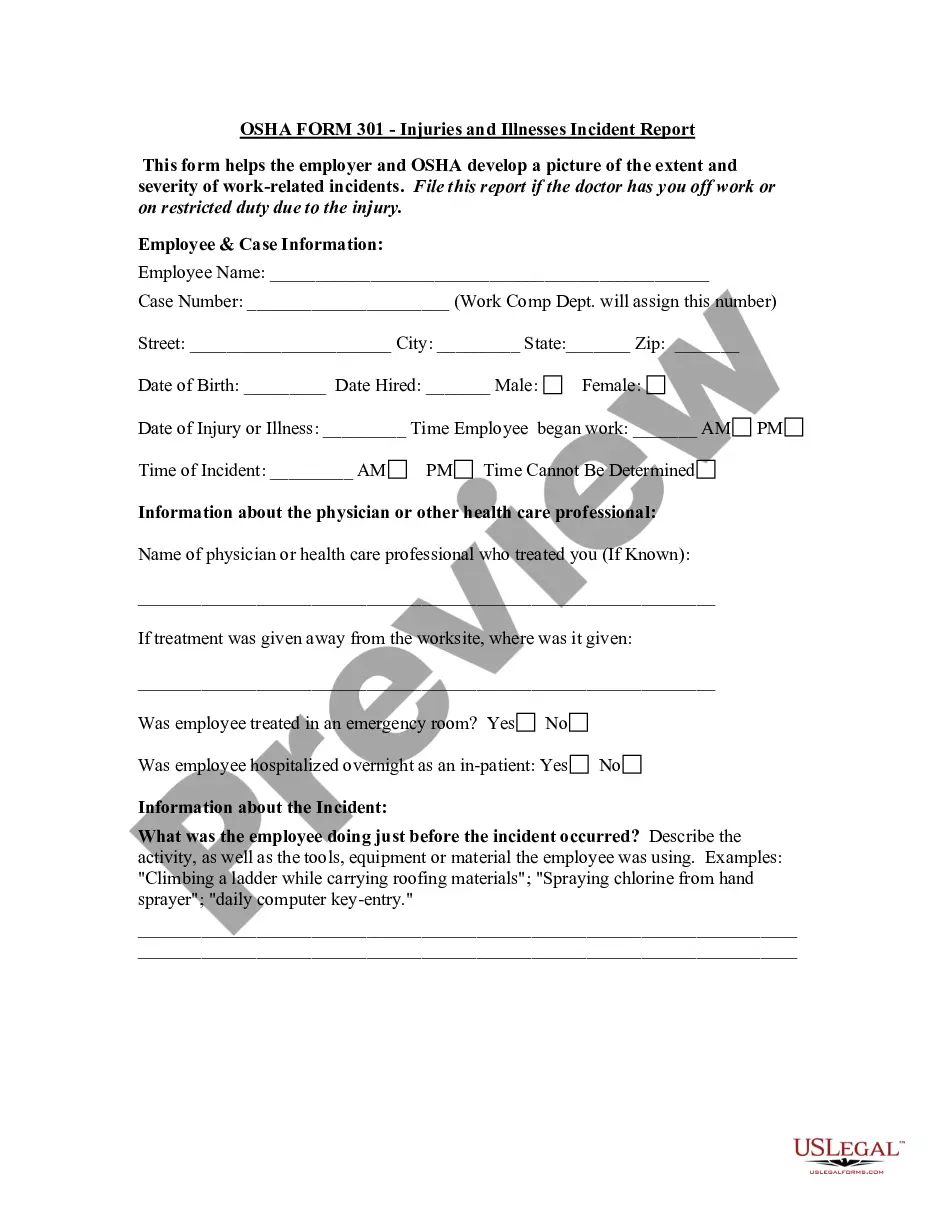
How are needlestick and sharps injuries recorded? All wounds caused by contaminated or potentially contaminated sharp objects must initially be recorded on the OSHA log as injuries. If the worker did not miss any time from work or require job restrictions or a job transfer, then the other recordable category is used.
There are 5 steps to a sharps risk assessment, these are: Identify the hazards. Decide who might be harmed and how. Evaluate the risks and decide on precautions.
What is a sharps injury? Encourage the wound to gently bleed, ideally holding it under running water. Wash the wound using running water and plenty of soap. Don't scrub the wound while you are washing it. Don't suck the wound. Dry the wound and cover it with a waterproof plaster or dressing.