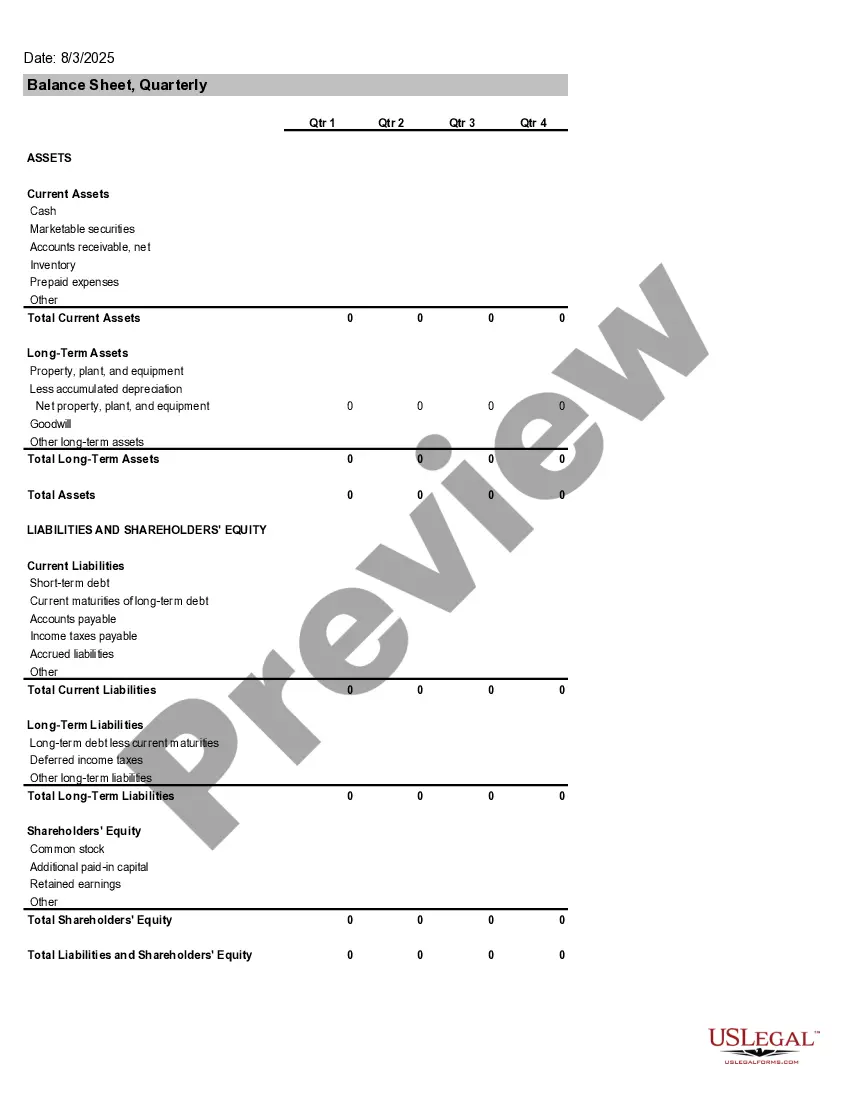
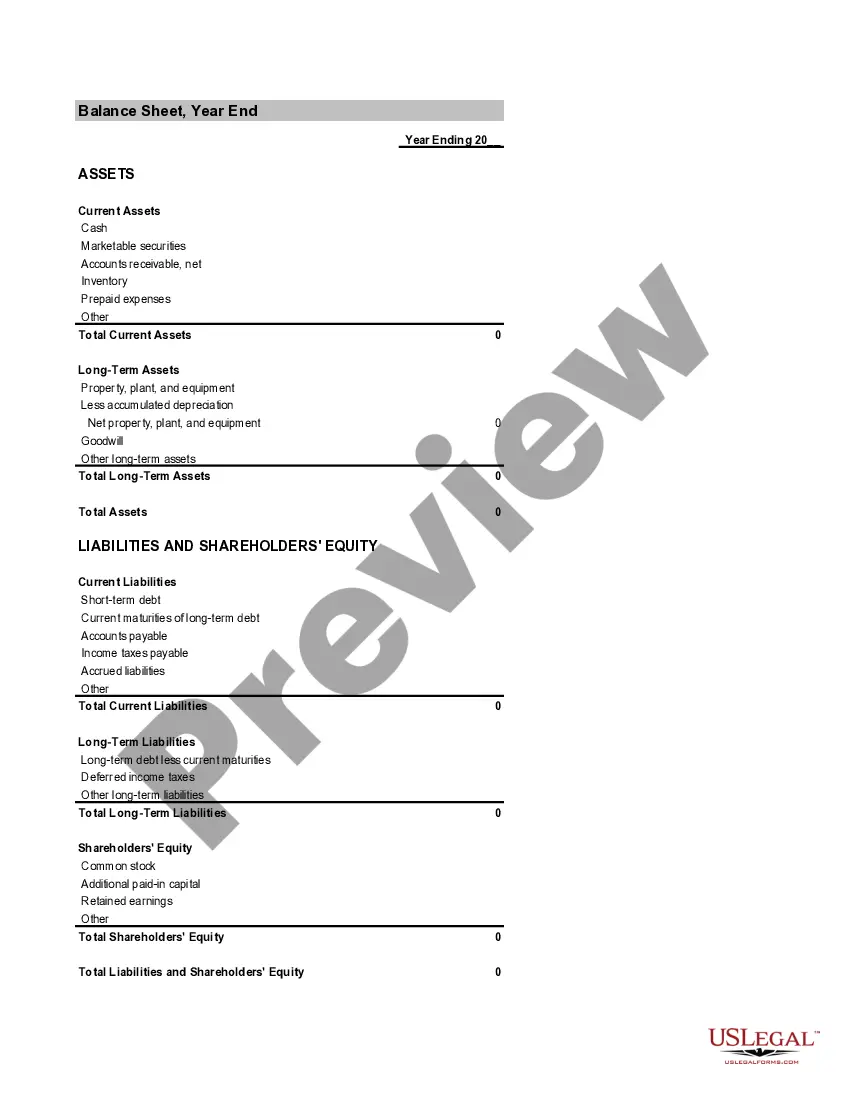
The community can learn about the city's financial priorities and its ability to fund services. It’s like a flashlight, shining a light on how well the city is planning for the future and serving its residents.
The balance sheet is typically updated at the end of each fiscal year, sort of like a yearly health check-up to see how the city's finances are doing.
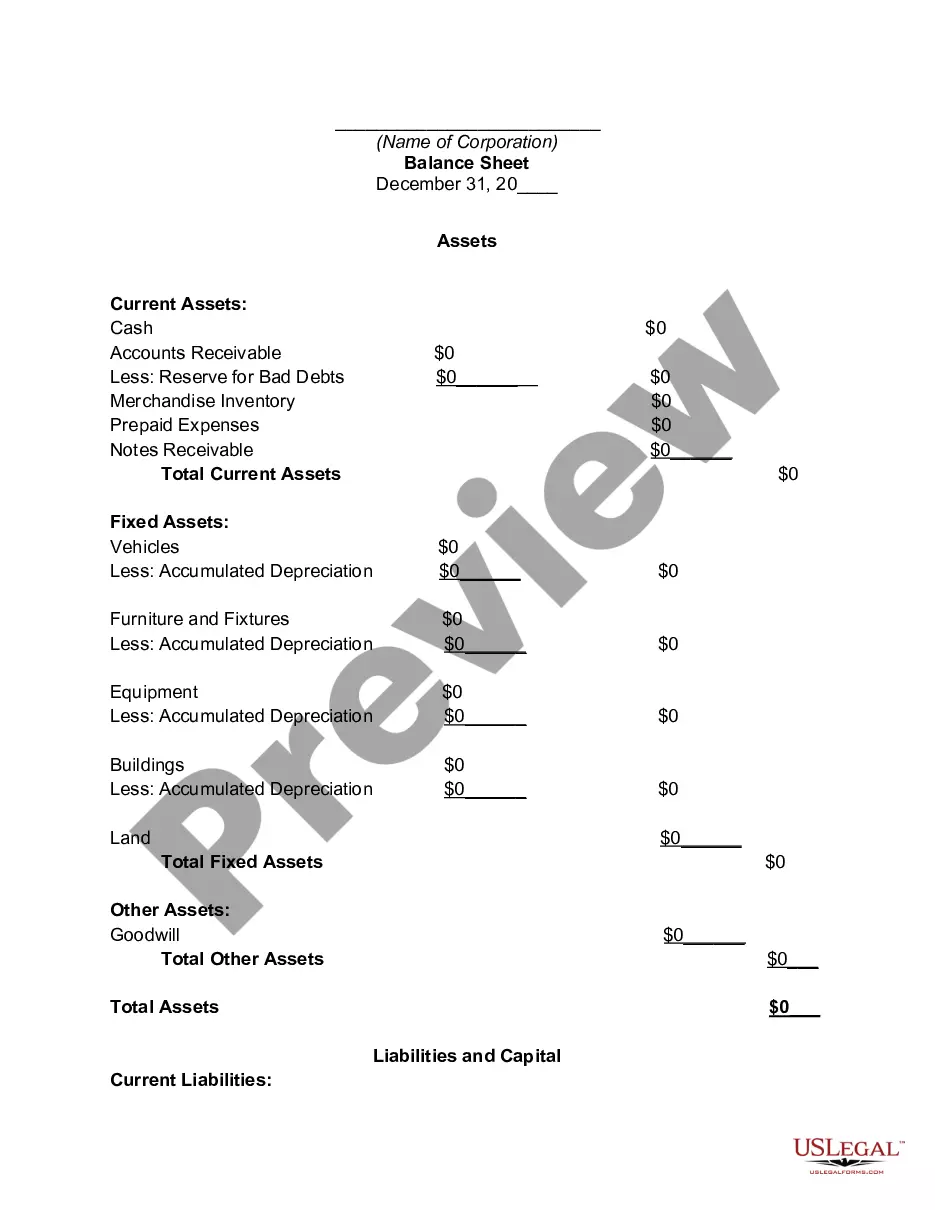
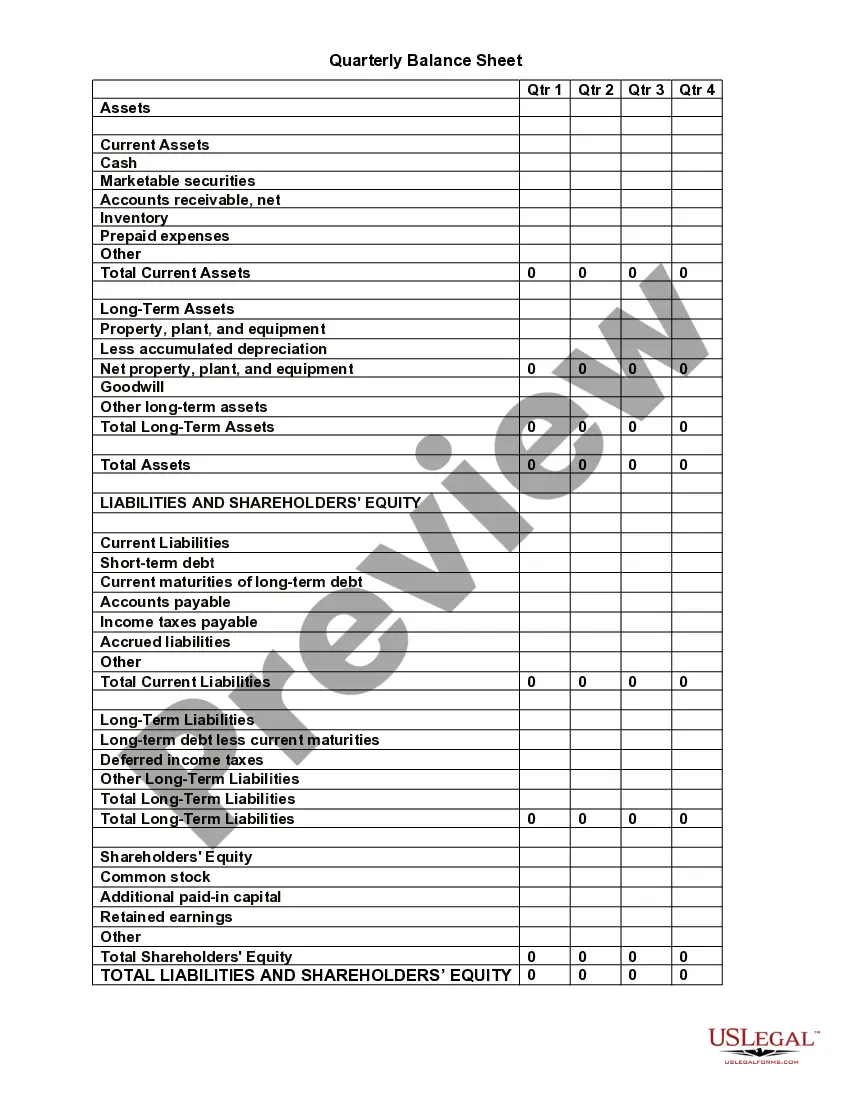
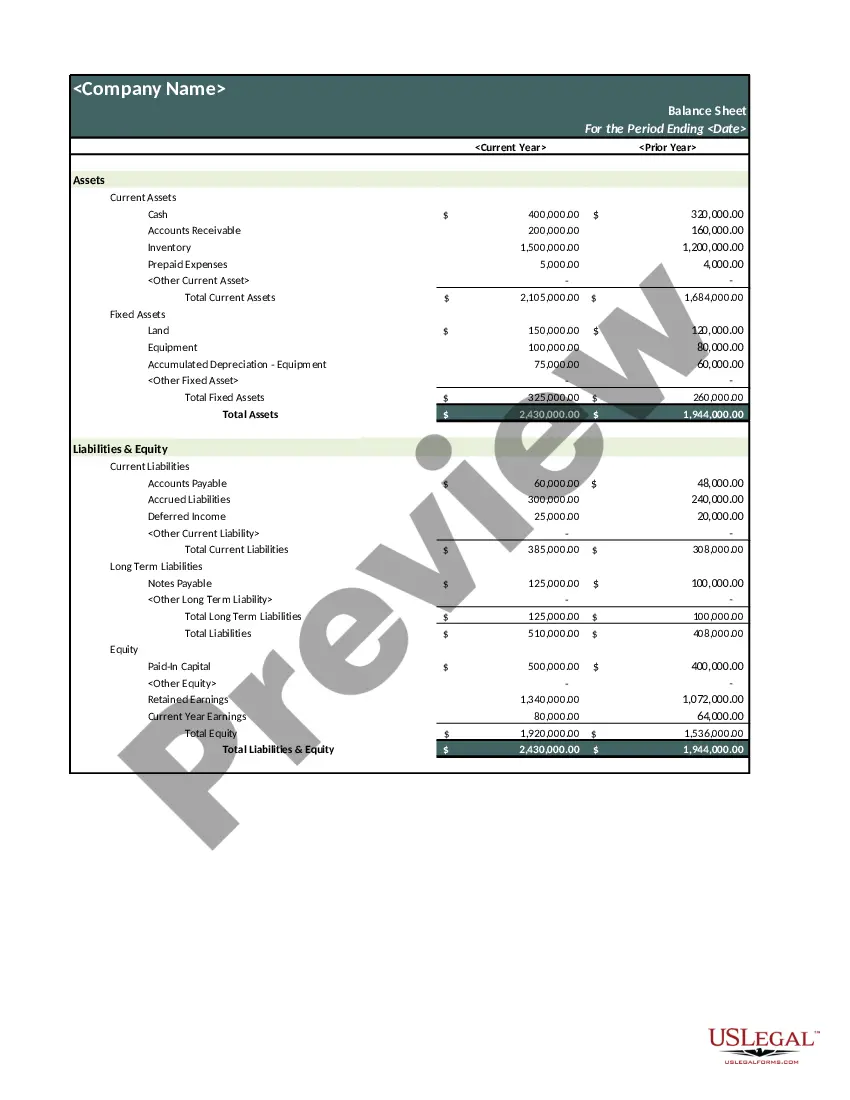
A healthy balance sheet would have more assets than liabilities, kind of like a good financial cushion. This means the city is in a strong position to take on new projects without stretching its budget too thin.
Reading the balance sheet is like looking at a recipe. You start with assets, see what ingredients are needed for each service, and check the liabilities to make sure everything balances out just right.
Liabilities are like the city's IOUs. They represent what the city owes to others, like loans or unpaid bills. It's important to keep an eye on these to ensure the city isn't biting off more than it can chew.