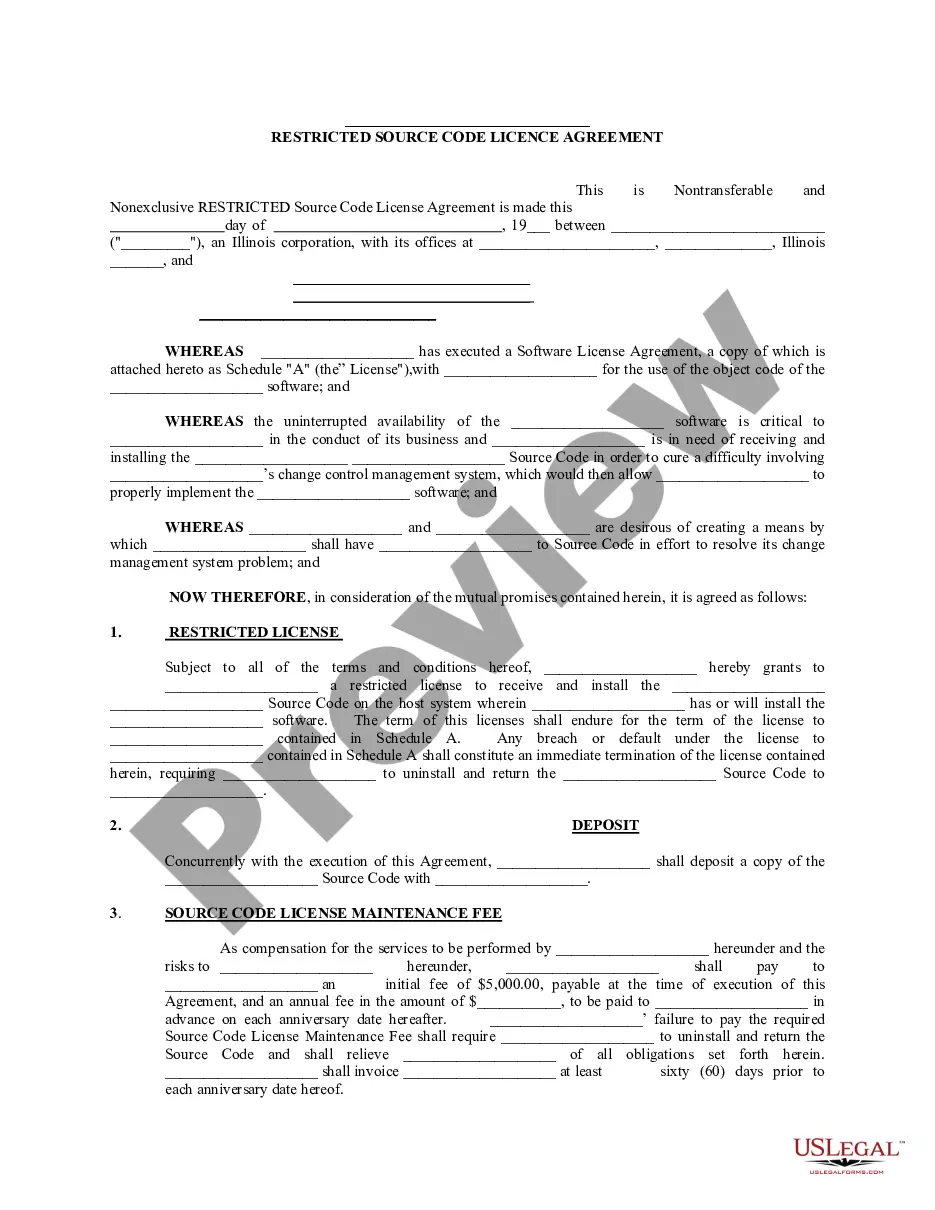
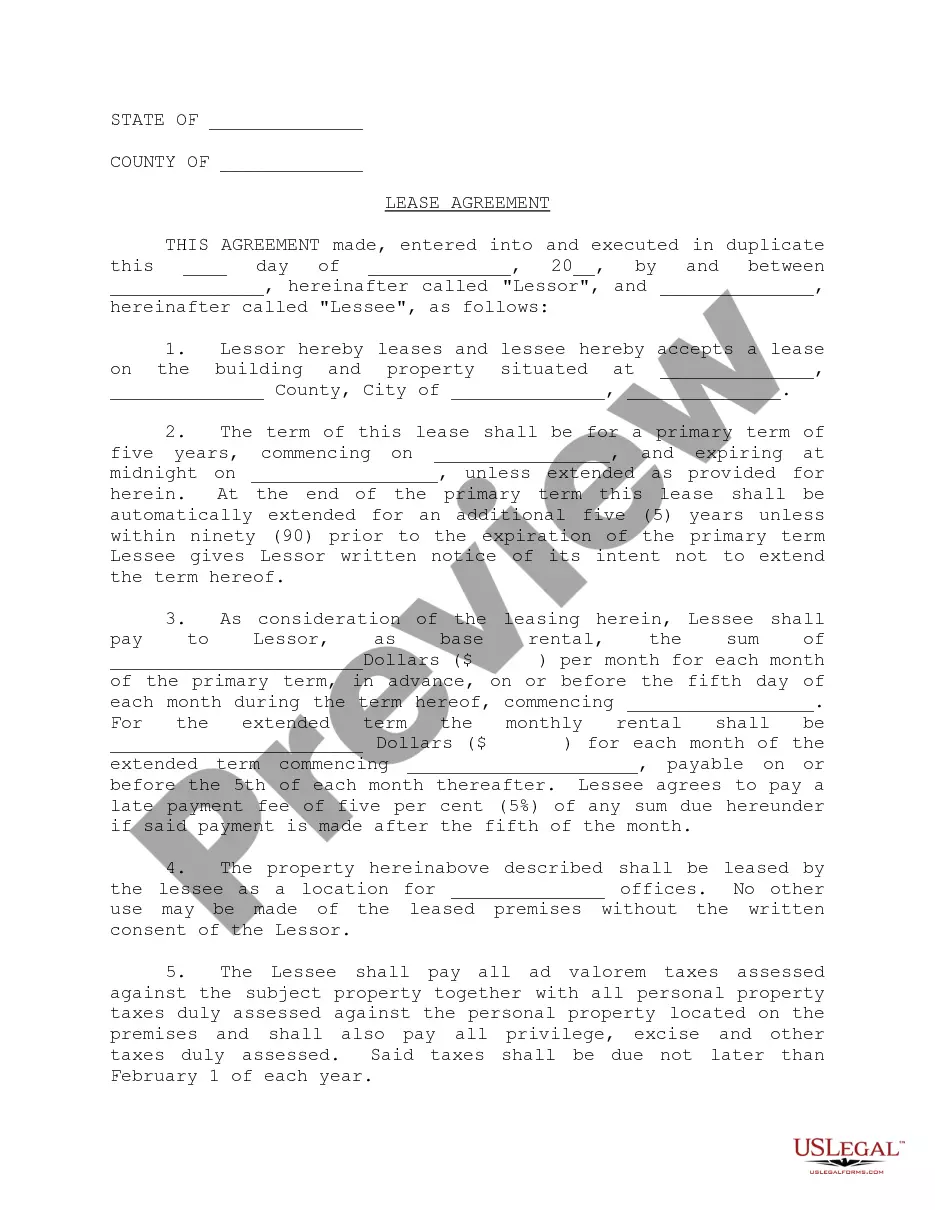
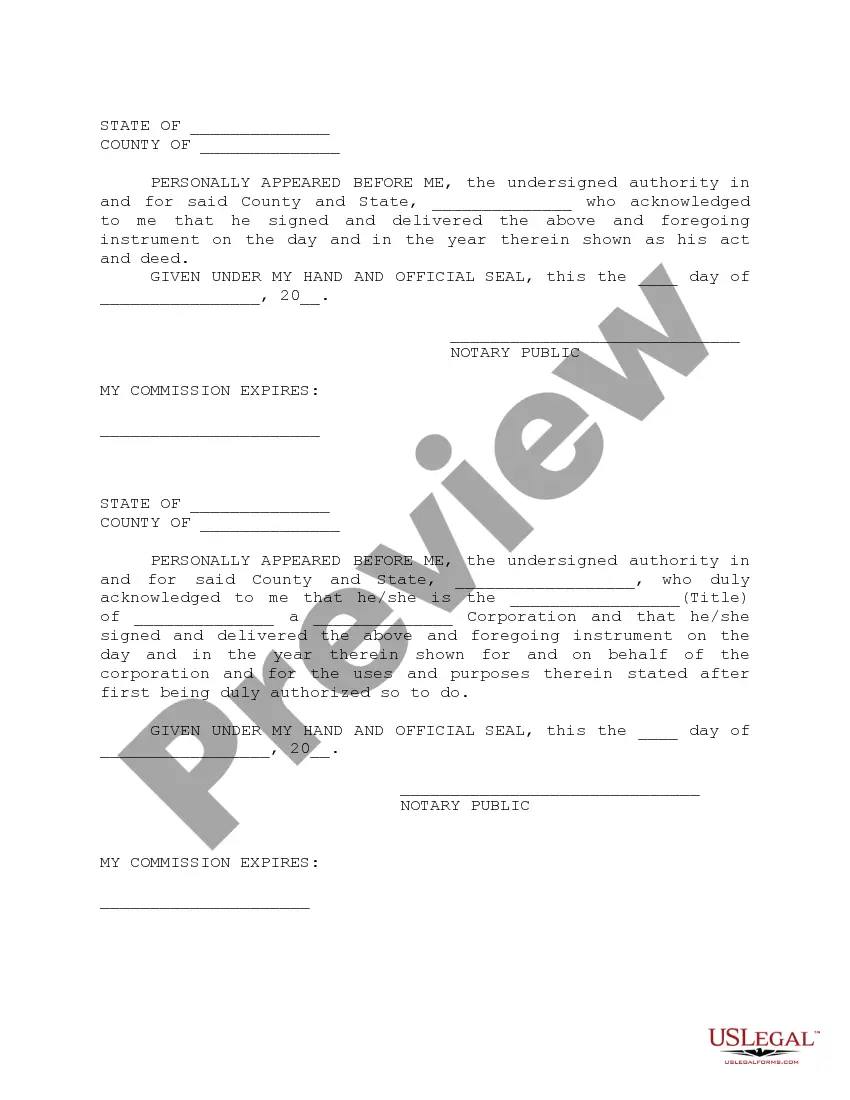
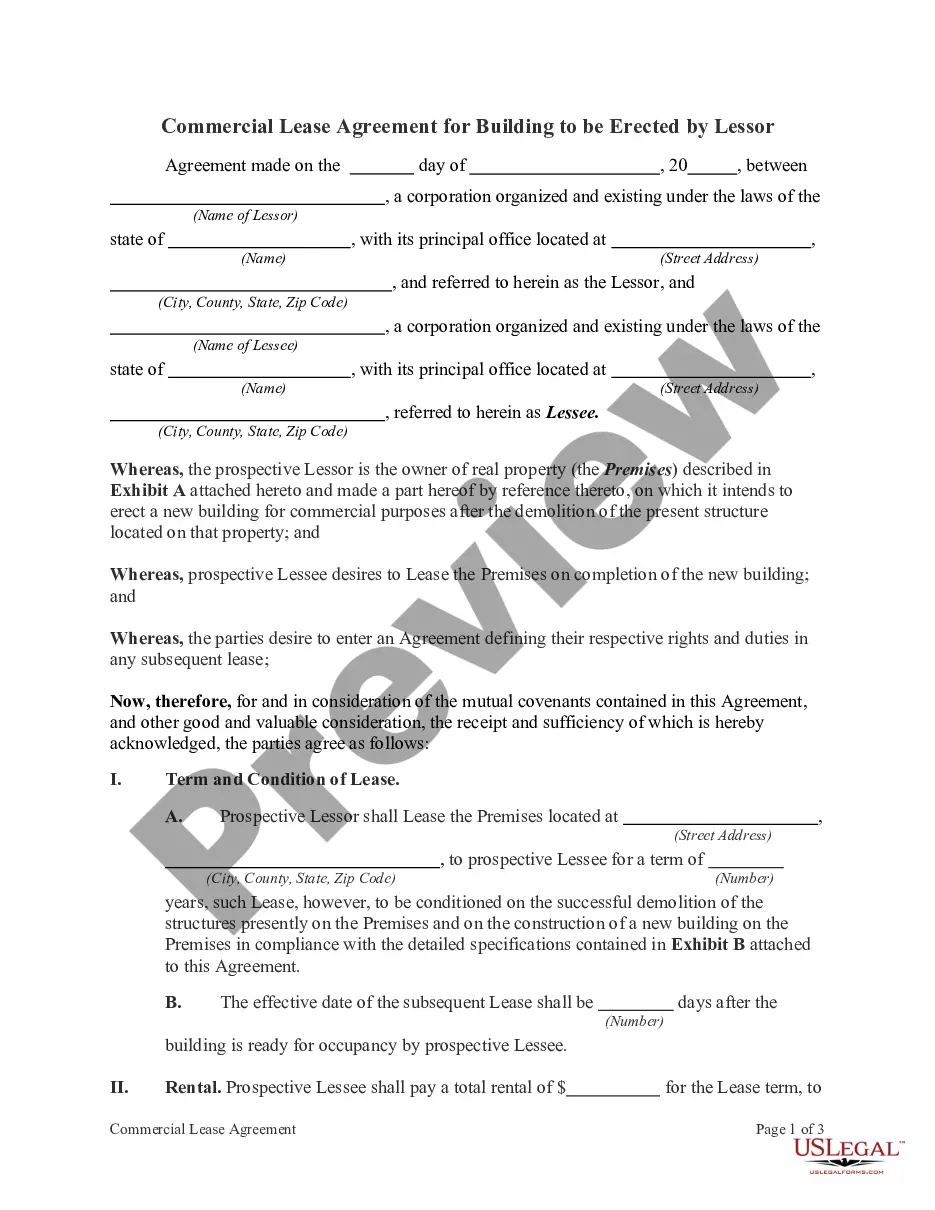
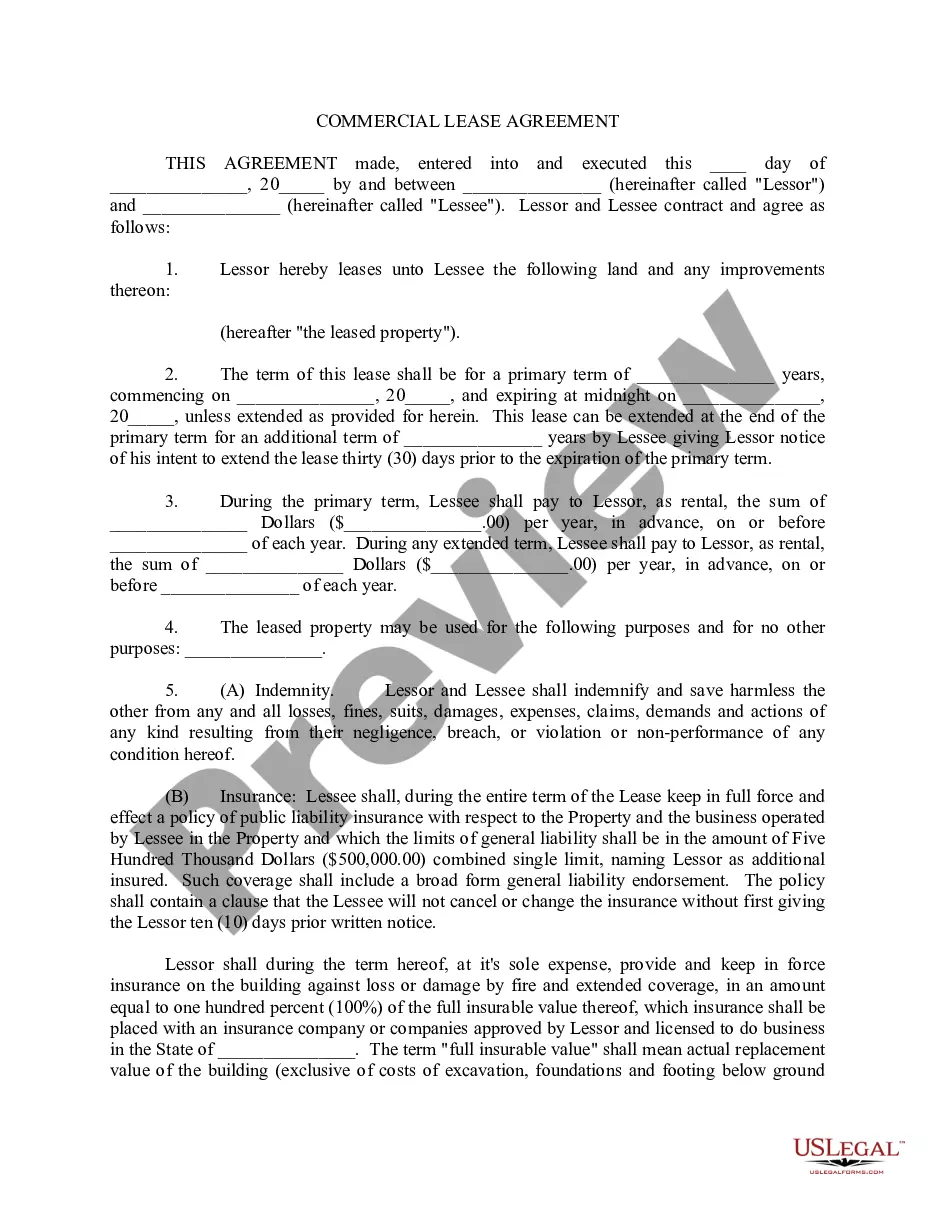
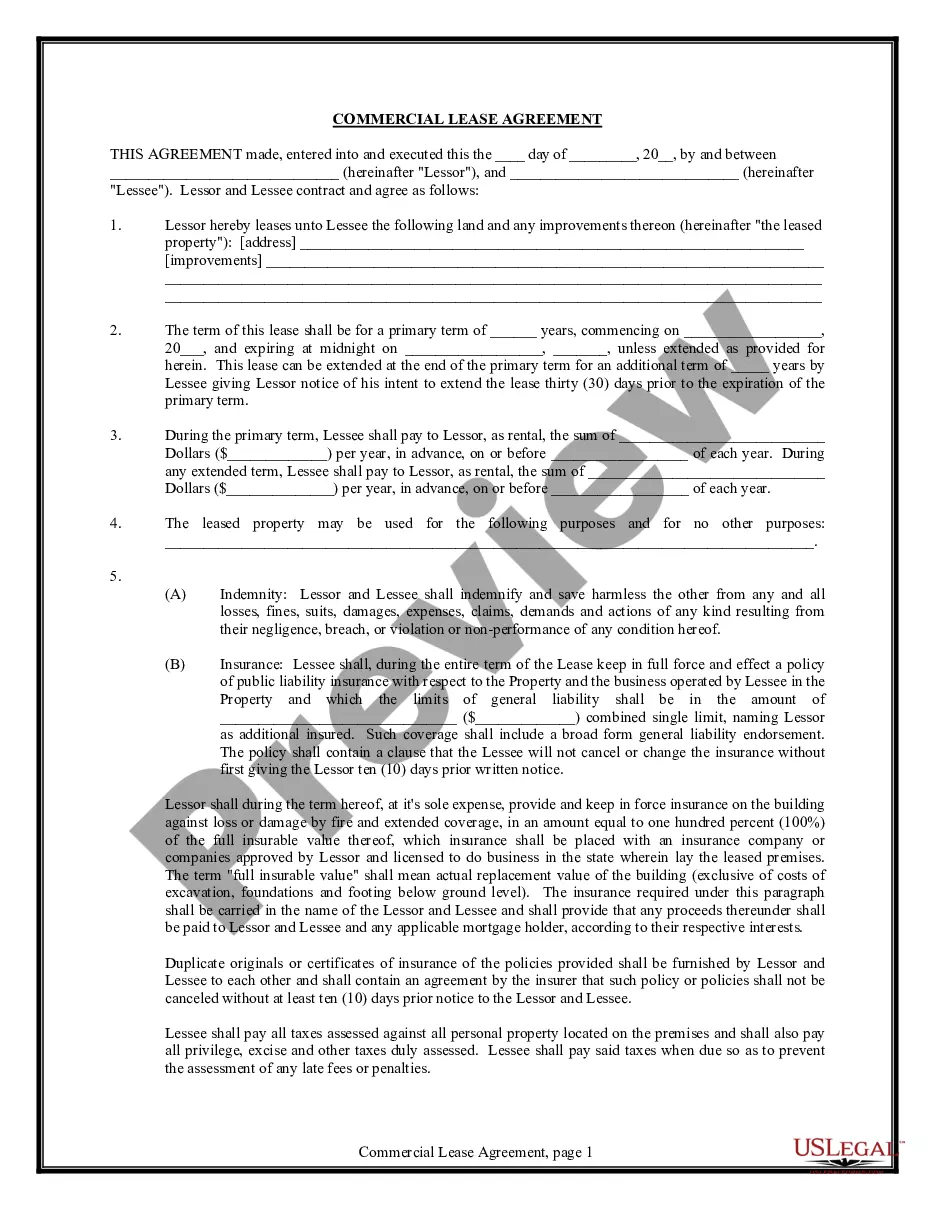
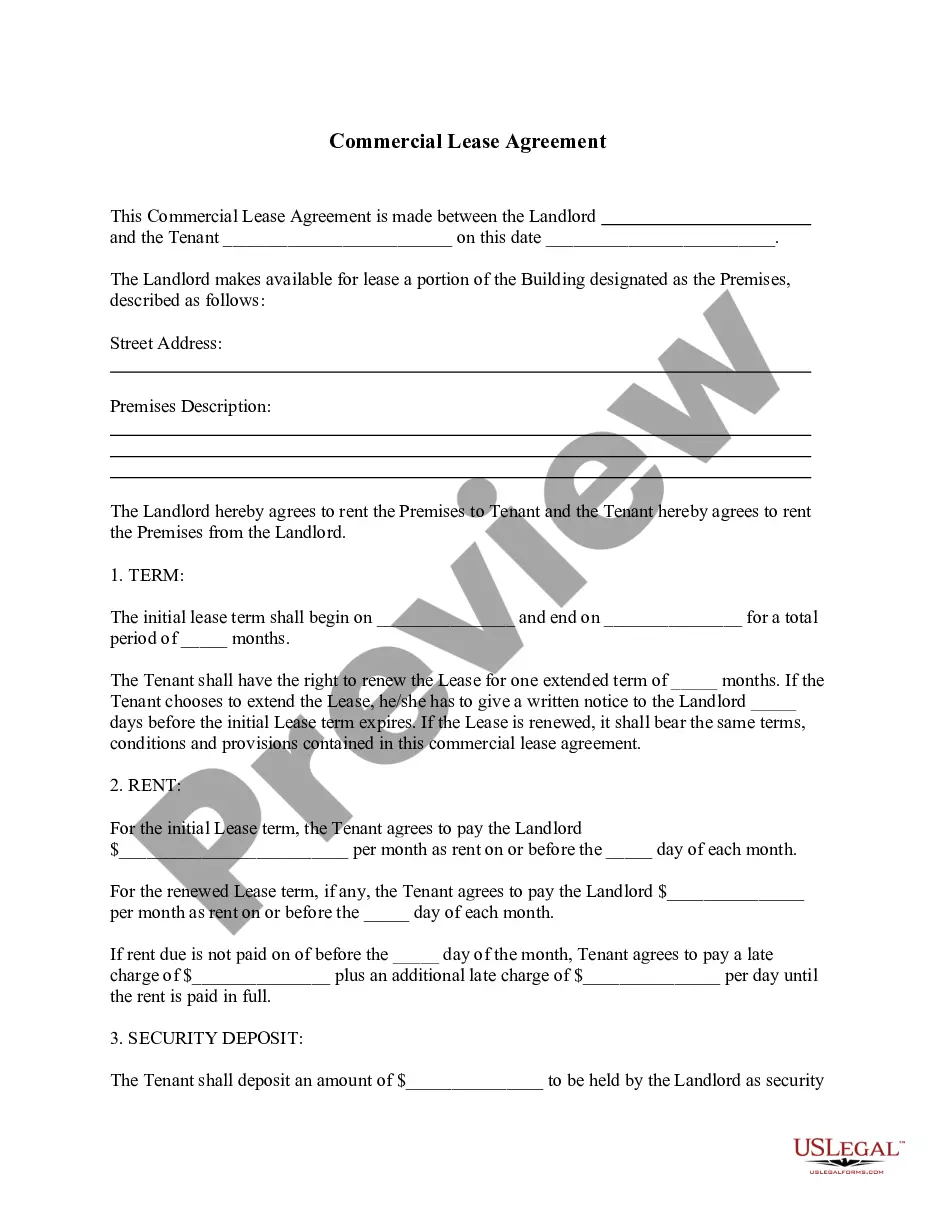
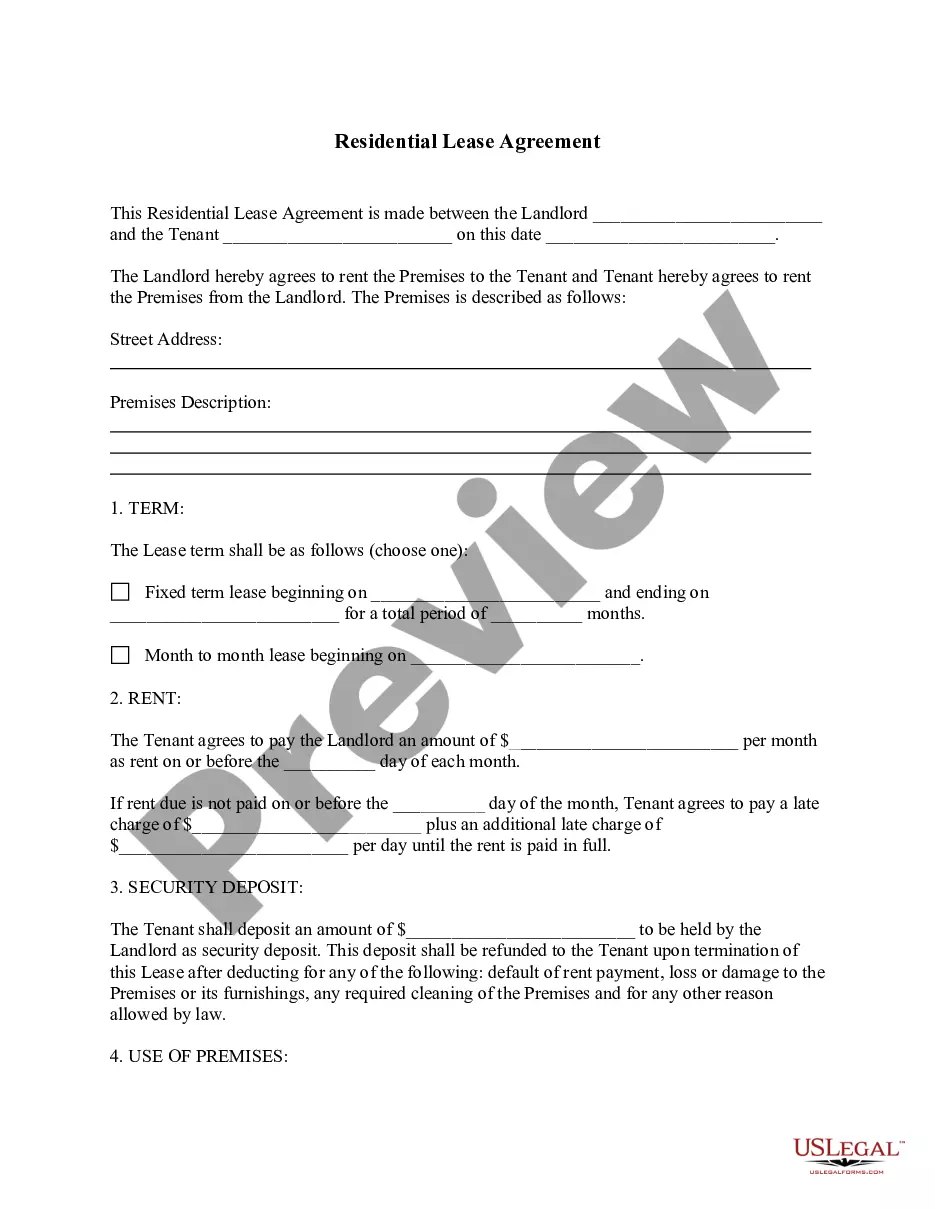
This form is a lease agreement. The lessee shall pay all ad valorem taxes assessed against the subject property together with all personal property taxes duly assessed against the personal property located on the premises and shall also pay all privilege, excise and other taxes duly assessed.
Kings New York Five-Year Building Lease Agreement
Category:
State:
Multi-State
County:
Kings
Control #:
US-60950
Format:
Word;
Rich Text
Instant download
Description
Free preview

How to fill out Five-Year Building Lease Agreement?
Organizing documentation for business or personal requirements is always a significant obligation.
When creating a contract, a government service request, or a power of attorney, it is crucial to take into account all federal and state statutes and regulations of the specific area.
However, smaller counties and even municipalities have legislative stipulations that must also be factored in.
The remarkable aspect of the US Legal Forms library is that all the documents you have ever acquired are not lost - they can be accessed in your profile under the My documents tab anytime. Sign up for the platform and effortlessly obtain verified legal templates for any circumstance with just a few clicks!
- All these factors contribute to the anxiety and duration involved in producing the Kings Five-Year Building Lease Agreement without professional assistance.
- It's simple to prevent unnecessary expenses on legal advisors by drafting your paperwork and producing a legally acceptable Kings Five-Year Building Lease Agreement independently, utilizing the US Legal Forms online library.
- It is the largest web collection of state-specific legal documents that are expertly verified, ensuring their legitimacy when selecting a template for your county.
- Previous subscribers just need to Log In to their accounts to retrieve the necessary document.
- If you still lack a subscription, follow the step-by-step instructions below to obtain the Kings Five-Year Building Lease Agreement.
- Review the page you’ve accessed and confirm if it contains the required document.
- To achieve this, use the form description and preview if these features are accessible.
Form popularity
FAQ
An assignment and assumption of lease is a legal real estate document that allows one party to transfer rights and obligations of a lease to another party. Often used in real estate transactions and mortgage lending, the assignment and assumption of lease agreement requires the landlord to consent to move forward.
The landlord must consent to the assignment of the lease prior to the assignment. For example, Jake is renting a commercial property for his business from Paul for two years beginning January 2013 up until January 2015.
Different Types of Lease Financial Lease or Capital Lease. Operating Lease. Conveyance Type Lease. Leveraged and Non-Leveraged Lease. Tax-Oriented Lease. Non-Payout and Full Lease. Sales Aid Lease. Net and Non-net Lease.
A lease is classified as a finance lease if it transfers the ownership of assets to the lessee. The example of finance lease may be the car lease in which lessee makes periodic payments to the lessor and after a specific period of time say after five years, the possession of car is transferred to the lessee.
A ground lease is an agreement in which a tenant can develop property during the lease period, after which it is turned over to the property owner. Ground leases commonly take place between commercial landlords, who typically lease land for 50 to 99 years to tenants who construct buildings on the property.
The three main types of leasing are finance leasing, operating leasing and contract hire. Finance leasing.Operating leasing.Contract hire.
The leases covered by the Uniform Commercial Code (UCC) are for personal property, or what the Code calls "goods," such as machinery, equipment, and vehicles. The UCC does not cover real estate leases. Most of the rules for commercial lease contracts are in Article 2A, which has nearly 80 individual sections.
There are different types of leases, but the most common types are absolute net lease, triple net lease, modified gross lease, and full-service lease. Tenants and proprietors need to understand them fully before signing a lease agreement.
An assignment is when the tenant transfers their lease interest to a new tenant using a Lease Assignment. The assignee takes the assignor's place in the landlord-tenant relationship, although the assignor may remain liable for damages, missed rent payments, and other lease violations.
The two most common types of leases are operating leases and financing leases (also called capital leases).