San Diego California Custody Agreement
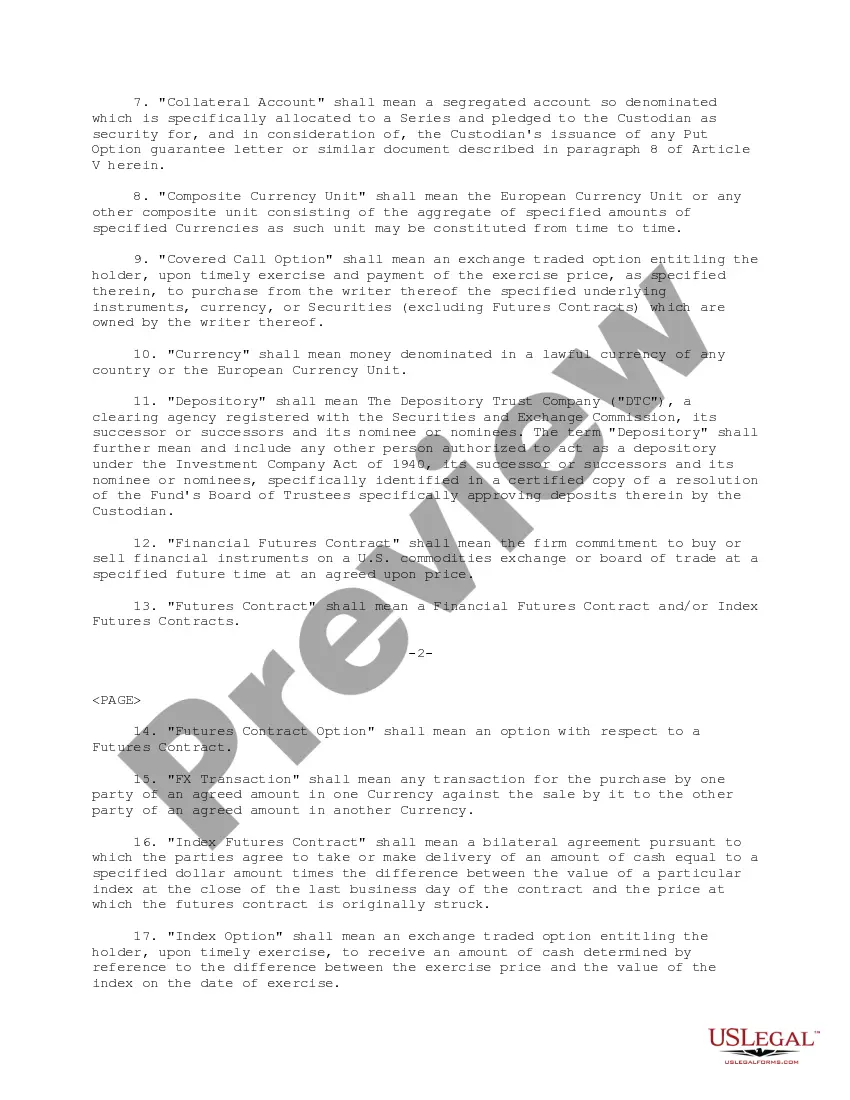
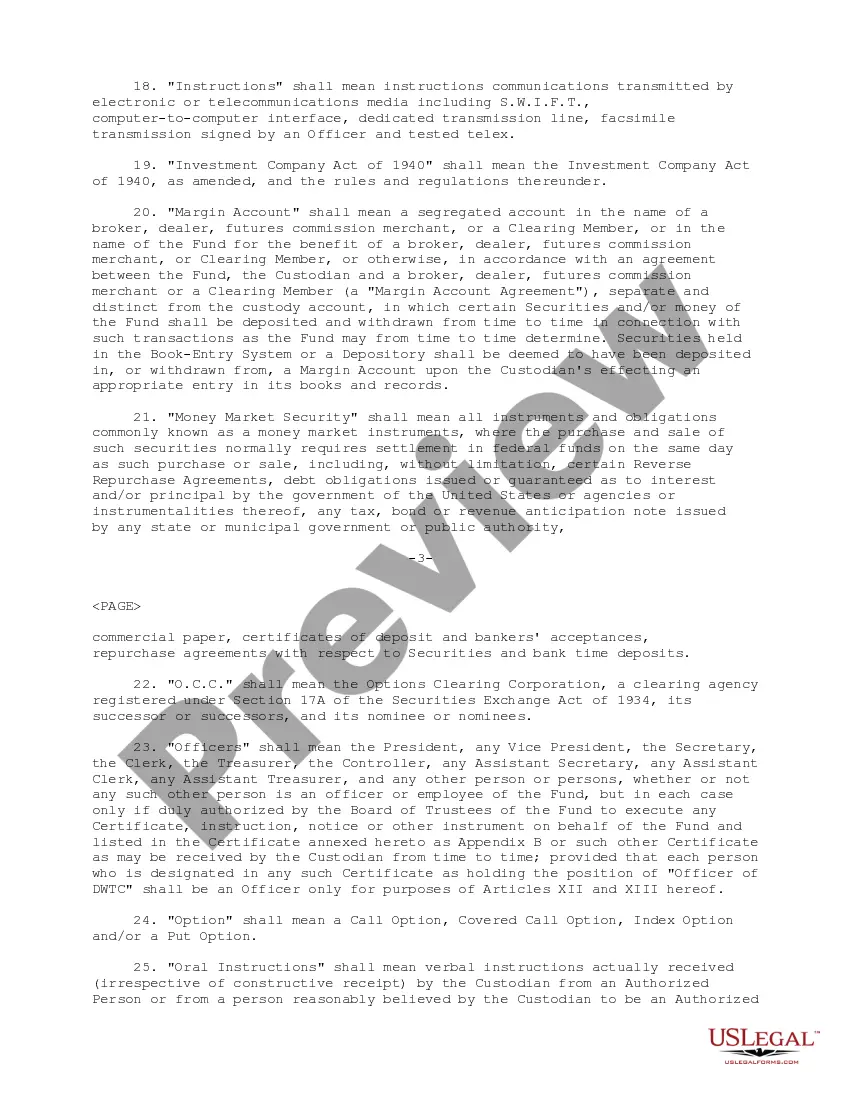
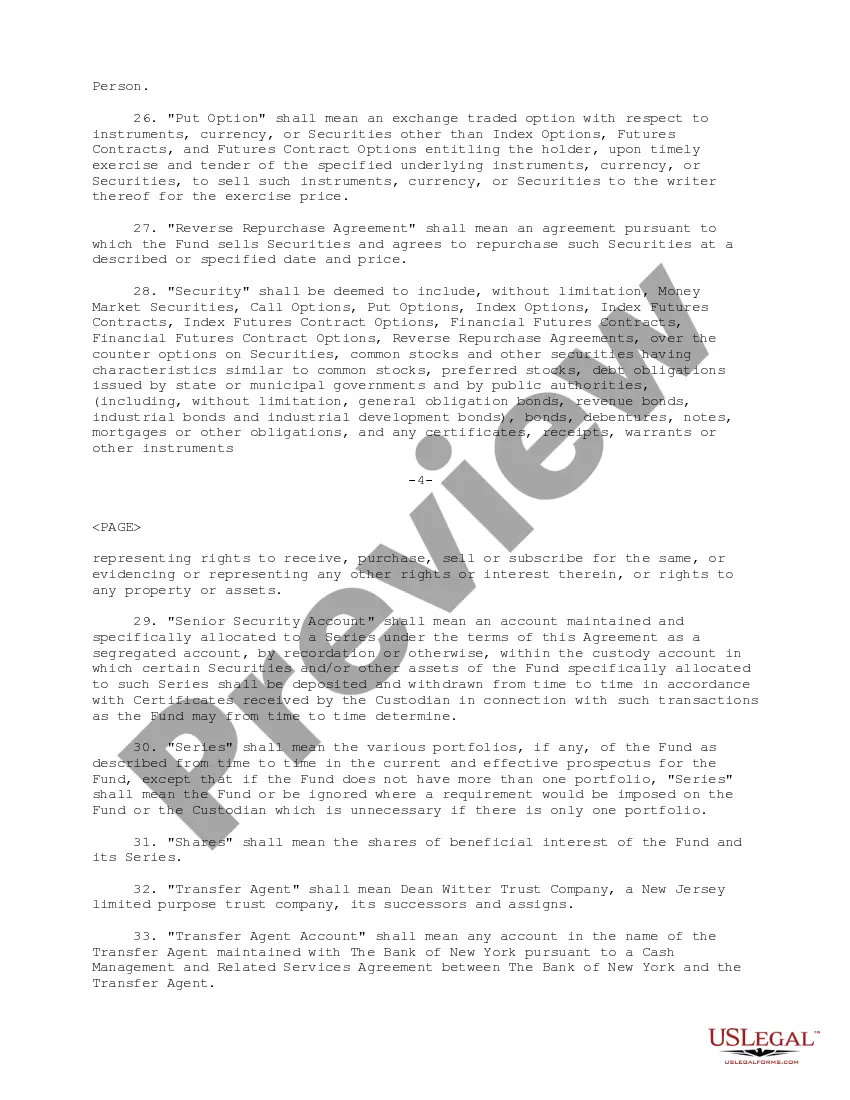
Description
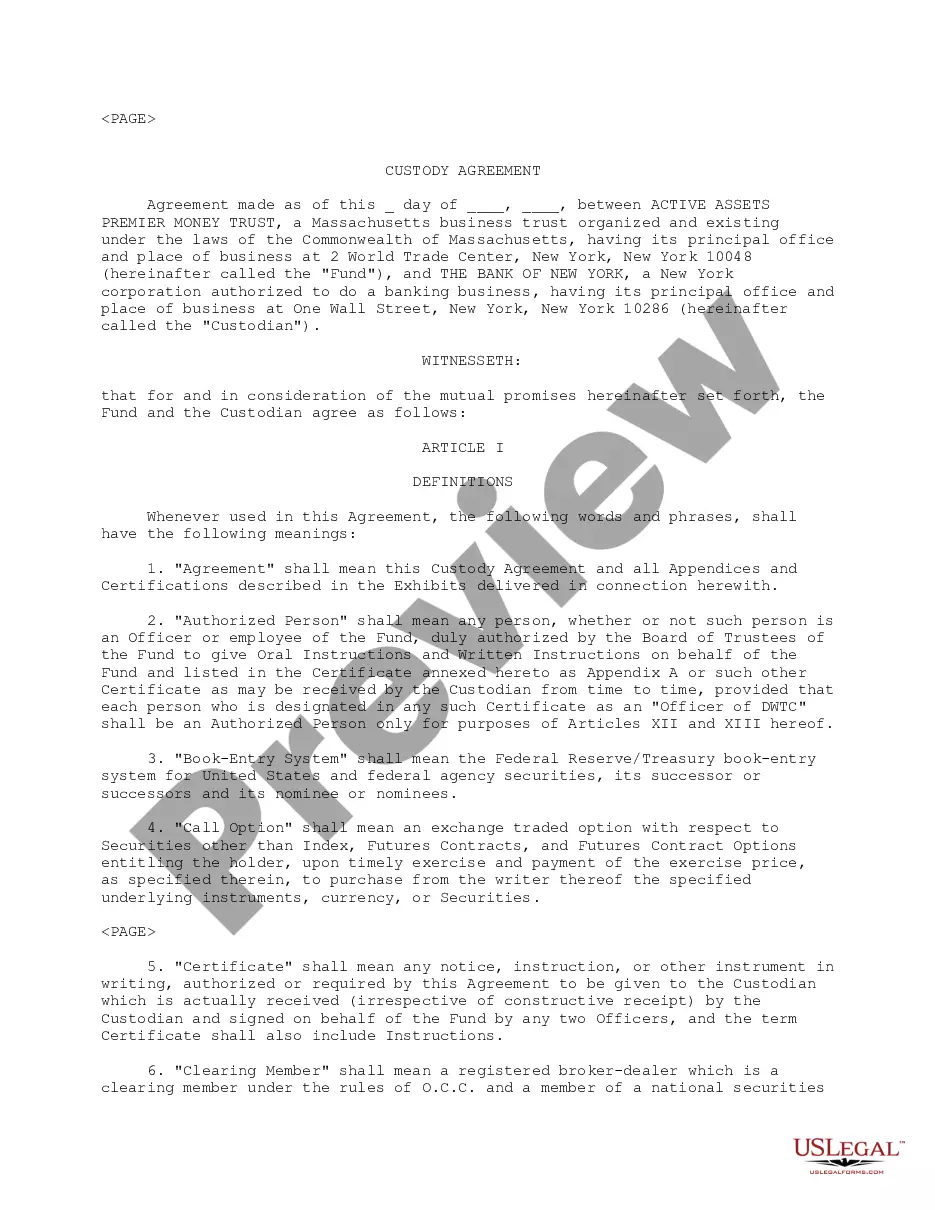
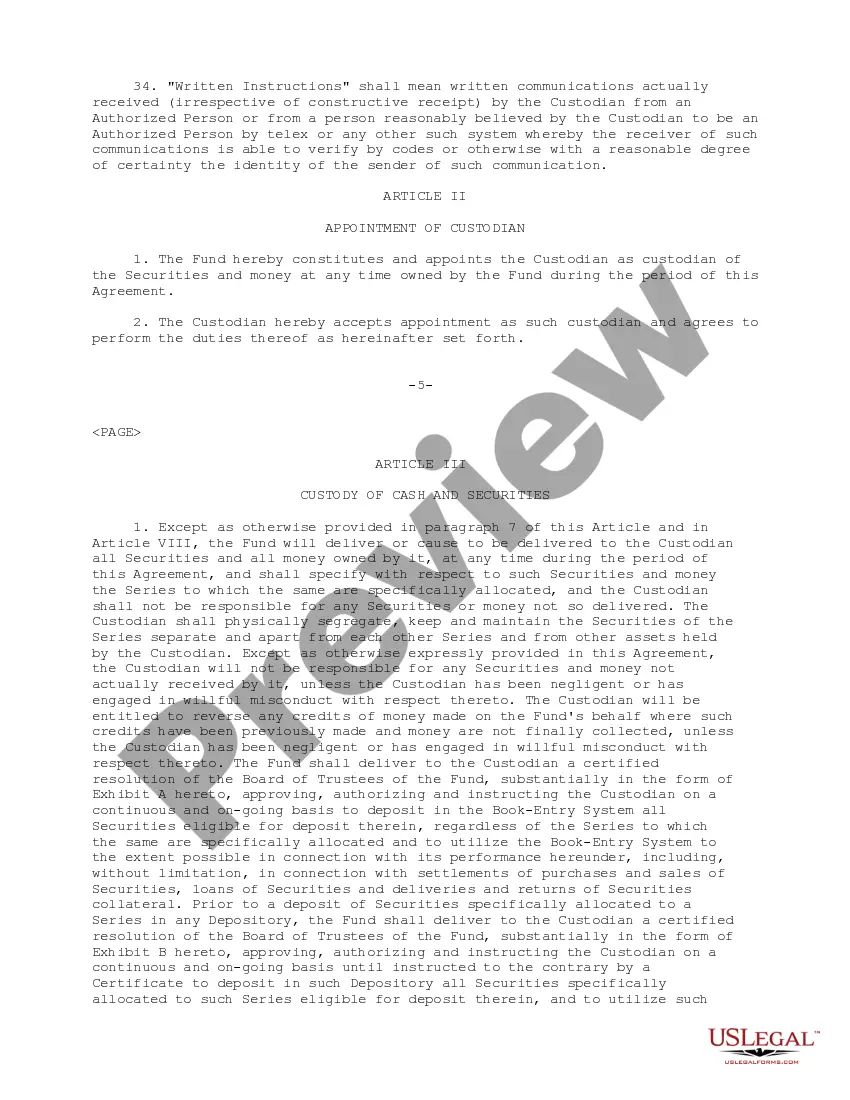
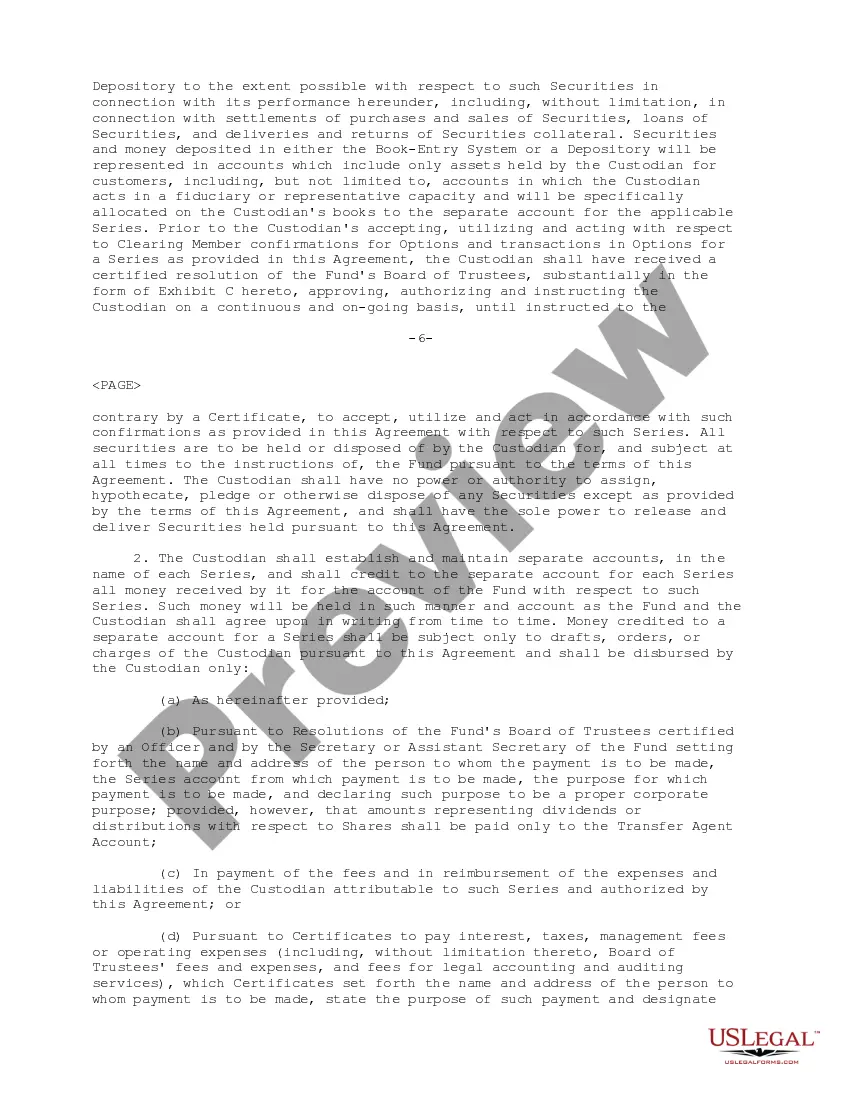
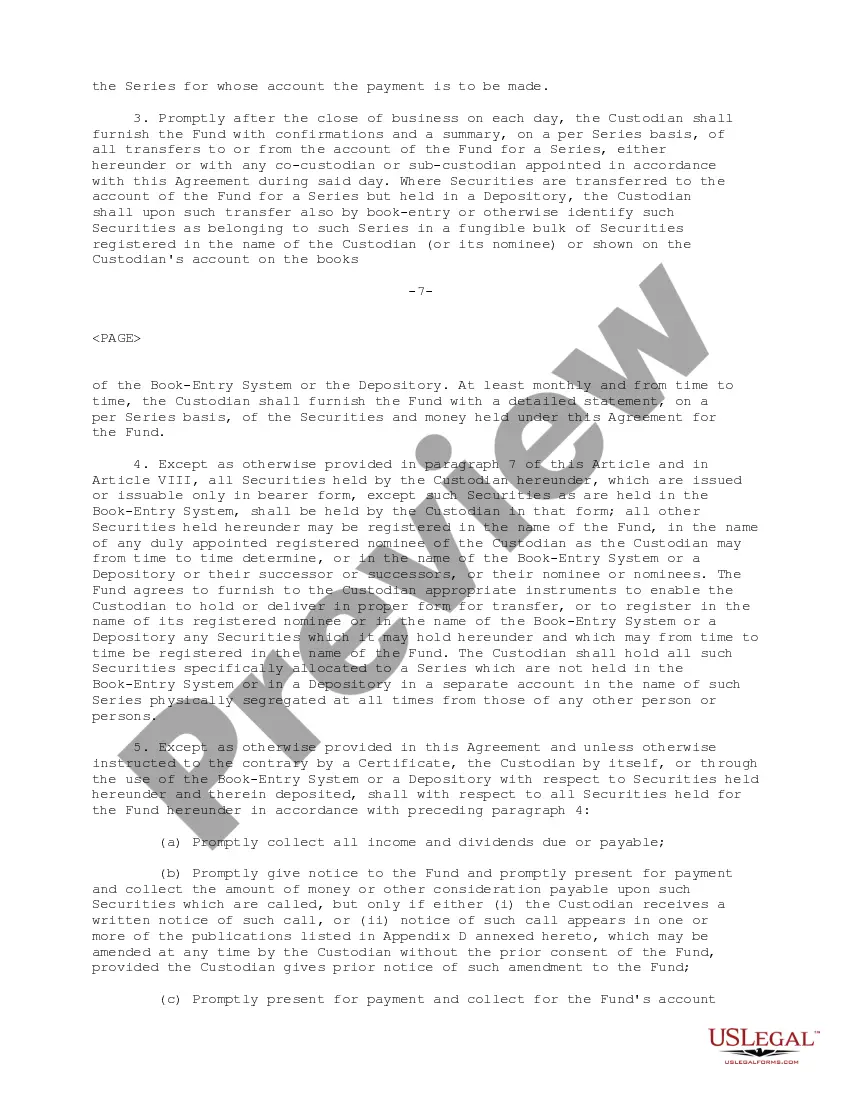
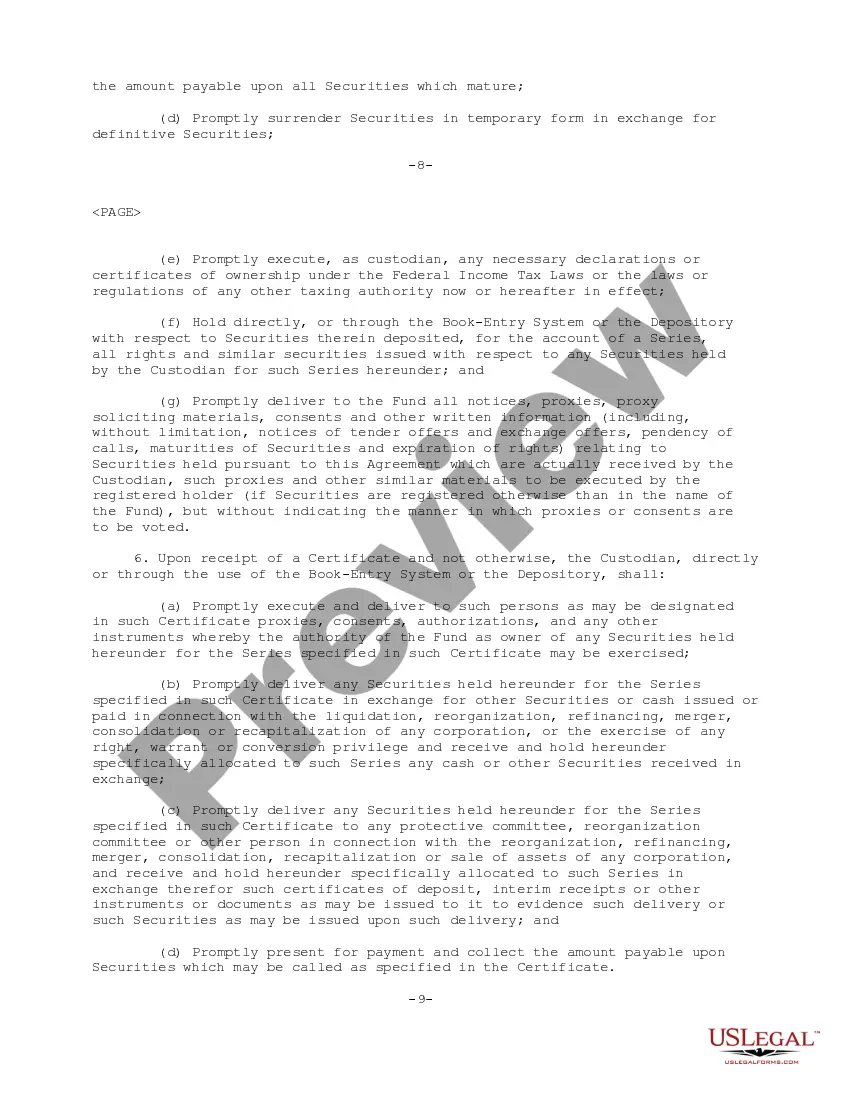

Get your form ready online
Our built-in tools help you complete, sign, share, and store your documents in one place.
Make edits, fill in missing information, and update formatting in US Legal Forms—just like you would in MS Word.
Download a copy, print it, send it by email, or mail it via USPS—whatever works best for your next step.
Sign and collect signatures with our SignNow integration. Send to multiple recipients, set reminders, and more. Go Premium to unlock E-Sign.
If this form requires notarization, complete it online through a secure video call—no need to meet a notary in person or wait for an appointment.
We protect your documents and personal data by following strict security and privacy standards.

Make edits, fill in missing information, and update formatting in US Legal Forms—just like you would in MS Word.

Download a copy, print it, send it by email, or mail it via USPS—whatever works best for your next step.

Sign and collect signatures with our SignNow integration. Send to multiple recipients, set reminders, and more. Go Premium to unlock E-Sign.

If this form requires notarization, complete it online through a secure video call—no need to meet a notary in person or wait for an appointment.

We protect your documents and personal data by following strict security and privacy standards.
Looking for another form?

How to fill out Custody Agreement?
A document process consistently accompanies any legal obligation you undertake.
Starting a business, applying for or accepting a job proposal, transferring property, and numerous other life situations necessitate that you prepare formal documentation that varies across the nation.
This is why having everything gathered in one location is incredibly beneficial.
US Legal Forms represents the largest online database of current federal and state-specific legal templates.
This is the easiest and most reliable method to secure legal documentation. All samples offered by our library are expertly crafted and verified for compliance with local laws and regulations. Prepare your documents and manage your legal matters effectively with US Legal Forms!
- Here, you can effortlessly discover and procure a document for any personal or business purpose utilized in your area, including the San Diego Custody Agreement.
- Finding forms on the platform is exceptionally simple.
- If you already possess a subscription to our service, Log In to your account, locate the sample via the search field, and click Download to save it on your device.
- Subsequently, the San Diego Custody Agreement will be accessible for additional use in the My documents section of your profile.
- If you are utilizing US Legal Forms for the first time, follow this straightforward guide to acquire the San Diego Custody Agreement.
- Ensure that you have accessed the correct page with your localized form.
- Utilize the Preview mode (if available) and scroll through the sample.
- Read the description (if any) to confirm the template aligns with your needs.
- Search for another document using the search tab if the sample does not suit you.
- Click Buy Now once you identify the necessary template.
- Choose the appropriate subscription plan, then sign in or register for an account.
- Select the payment method (via credit card or PayPal) to proceed.
- Choose the file format and download the San Diego Custody Agreement onto your device.
- Use it as required: print it or complete it electronically, sign it, and send it where necessary.
Form popularity
FAQ
Before you can request custody, you must open a family law case with your county's superior court; this can be a divorce, a request for a domestic violence restraining order, a paternity case or a petition for custody. Then you file a request for a custody order, which can be done by either parent.
The answer is usually no, a parent cannot stop a child from seeing the other parent unless a court order states otherwise. This question often comes up in the following situations. The parents (whether married or unmarried) are no longer together and the child resides with one of the parents.
With that being said, most experts recommend a 50/50 schedule when possible, because it provides your child with substantial amounts of time with both parents. A 50/50 co-parenting plan also helps children feel like both parents care about them and really love them.
The most common joint custody arrangements include the 2-2-3 plan and the 2-2-5 plan. Both involve spending alternate sets of days with either parent. Also common is the alternate week plan, where the child spends one week with a parent and the next week with the other.
Factors Considered for Granting Full Custody A parent looking to win full custody should be prepared to state clear reasons why joint custody would not serve the child's best interests, such as if the other parent has issues with substance misuse or a history of leaving the child home alone for extended periods.
50/50 schedules can benefit a child because the child spends substantial time living with both parents. This allows him or her to build a close relationship with both parents, and to feel cared for by both parents. 50/50 schedules work best when: The parents live fairly close to each other, so exchanges are easier.
Any parent who is requesting full custody in California has to be prepared to submit convincing evidence to the family court. The court will require valid reasons that are consistent with the children's best interest to order full custody to one parent.
The most common way to ask for a court date on custody issues is: Fill out your court forms.Have your forms reviewed.Make at least 2 copies of all your forms.File your forms with the court clerk.Get your court date or mediation date.Serve your papers on the other parent.File your Proof of Service.
In order to gain custody of a child, a parent must make a request with the court, called a petition for child custody. This request must be filed with the Family Law Court of the Superior Court of California in San Diego.
The courts can award sole custody to one parent or award joint custody to both parents. The court can also award temporary custody of a child if necessary during the custody and dispute process.