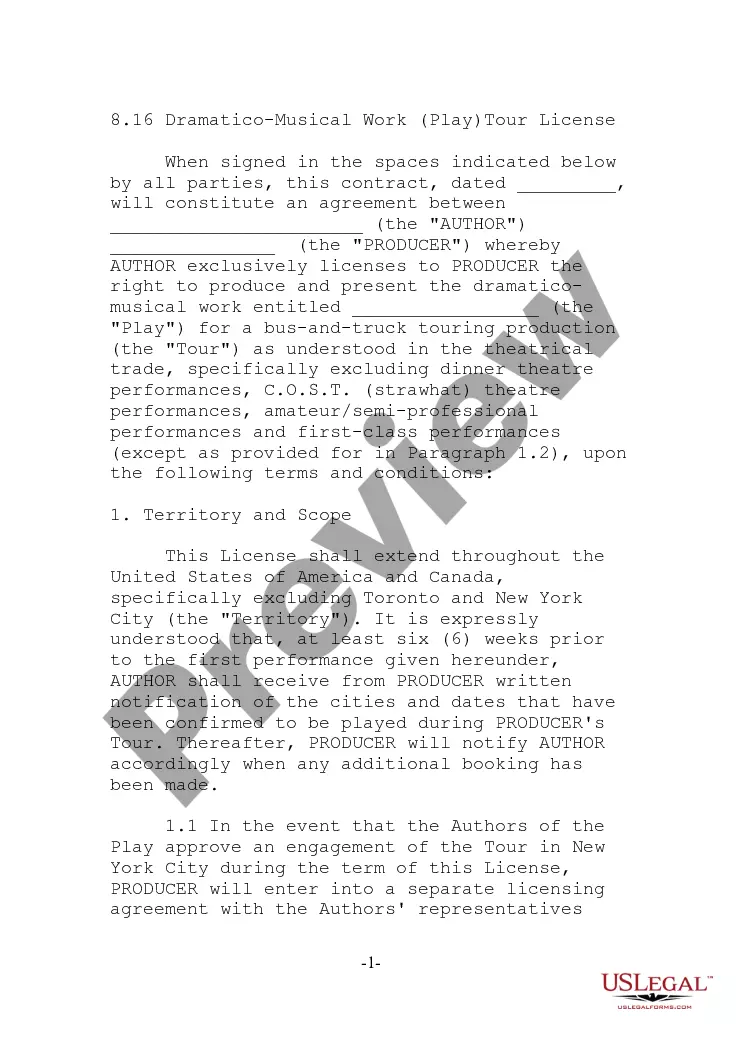
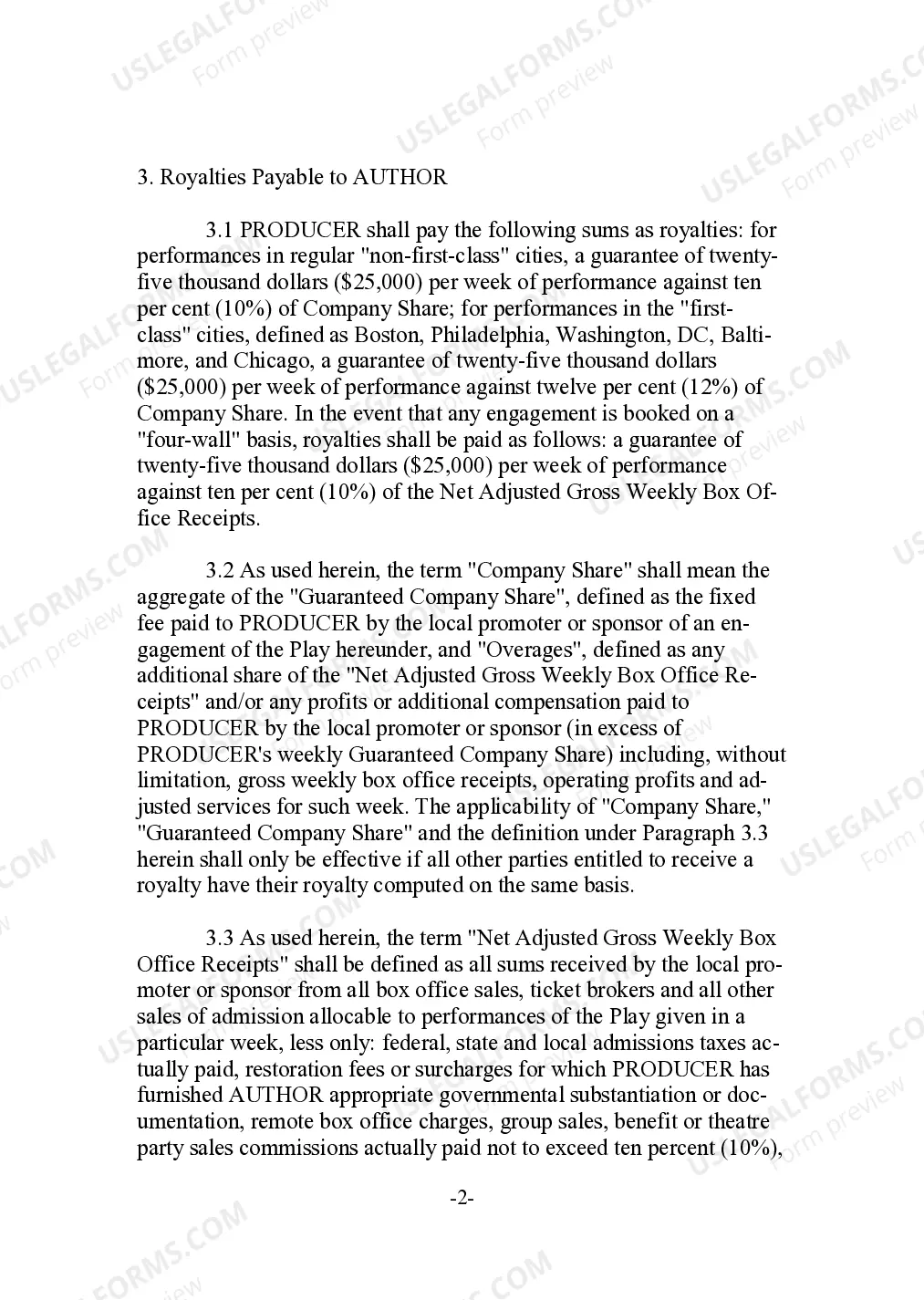
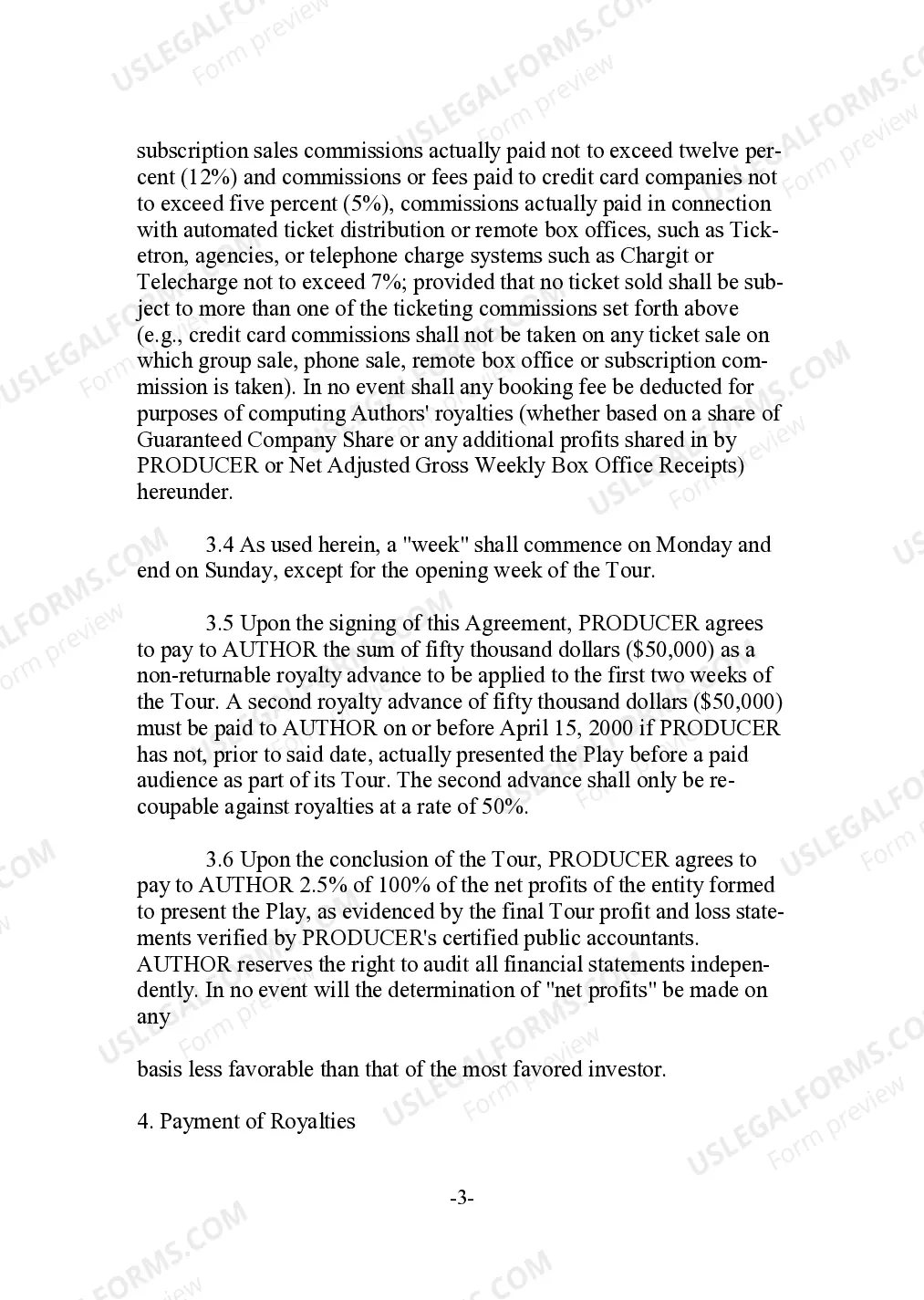
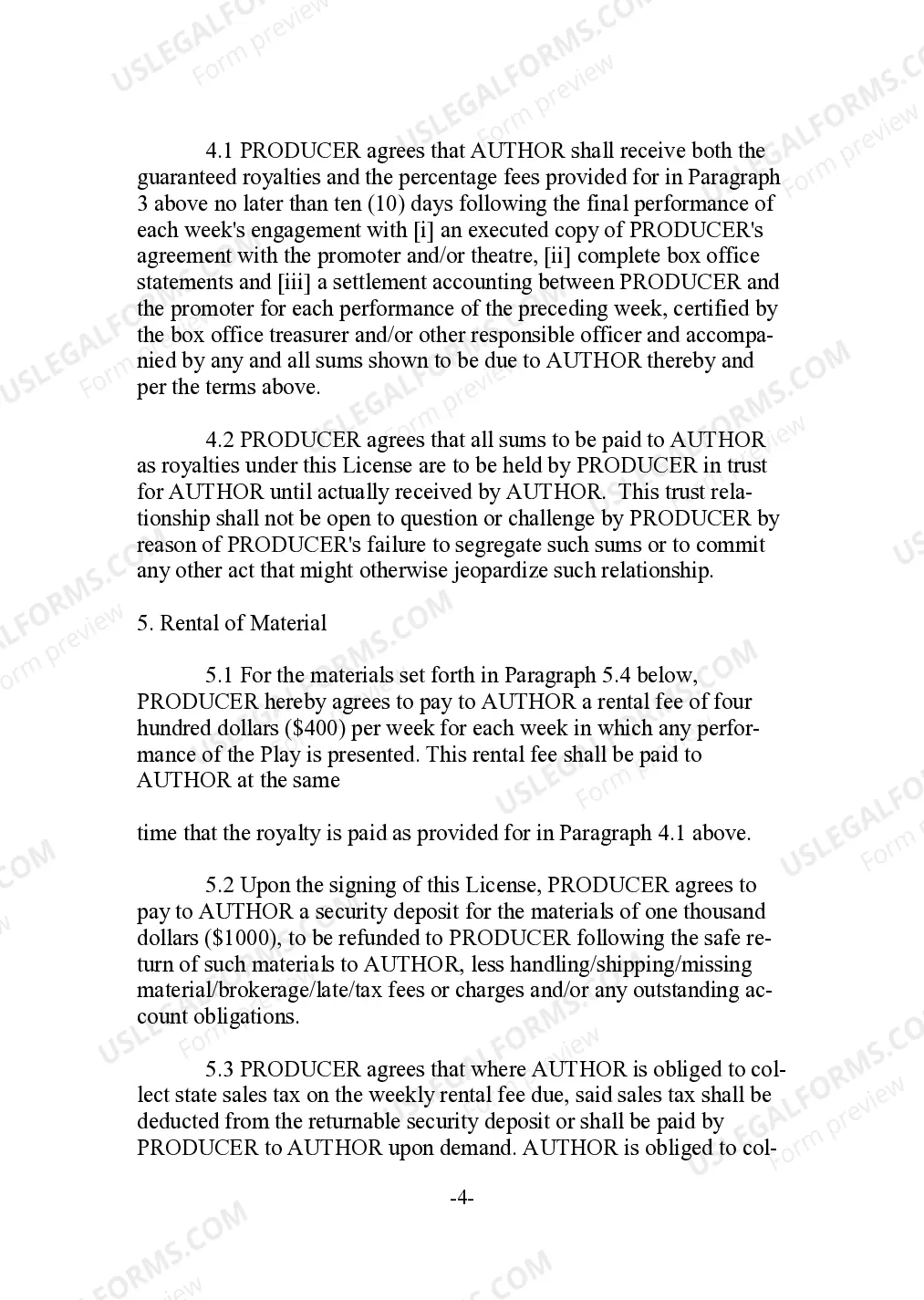
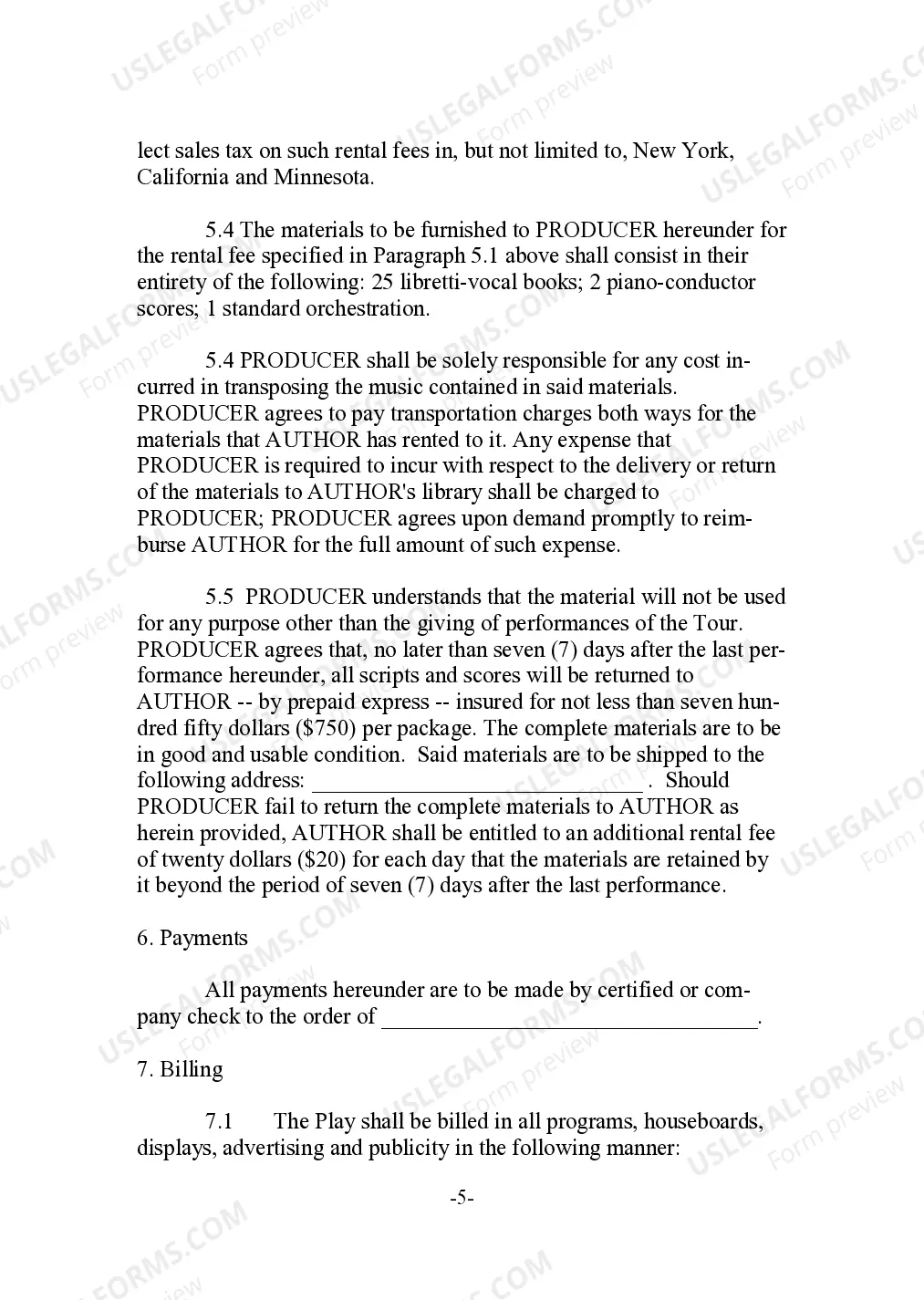
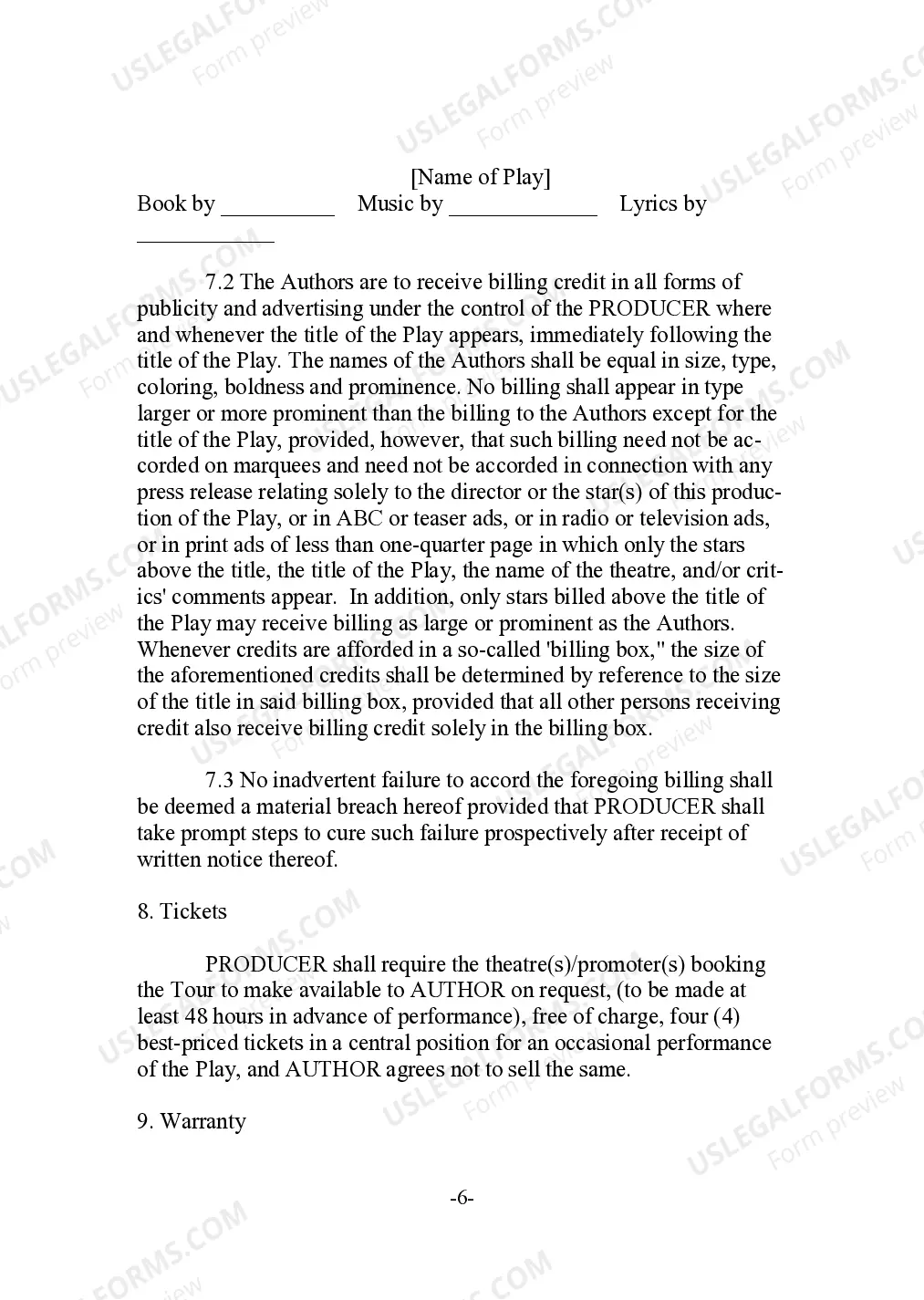
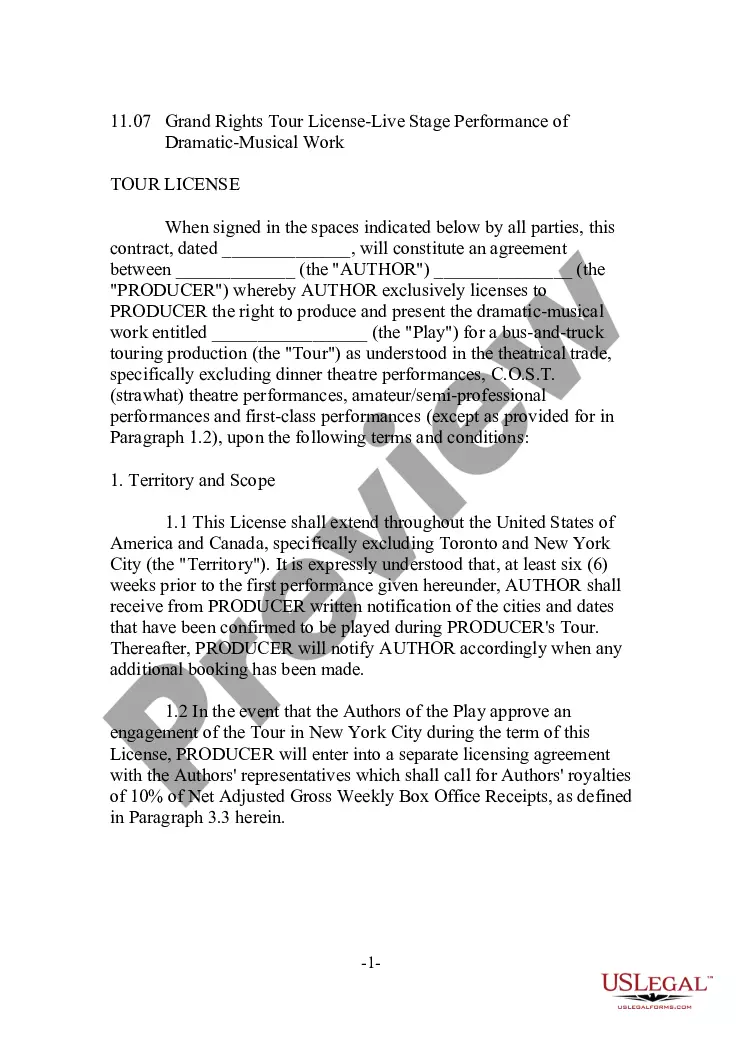
Fairfax Virginia Dramatic or Musical Work or Play Tour License
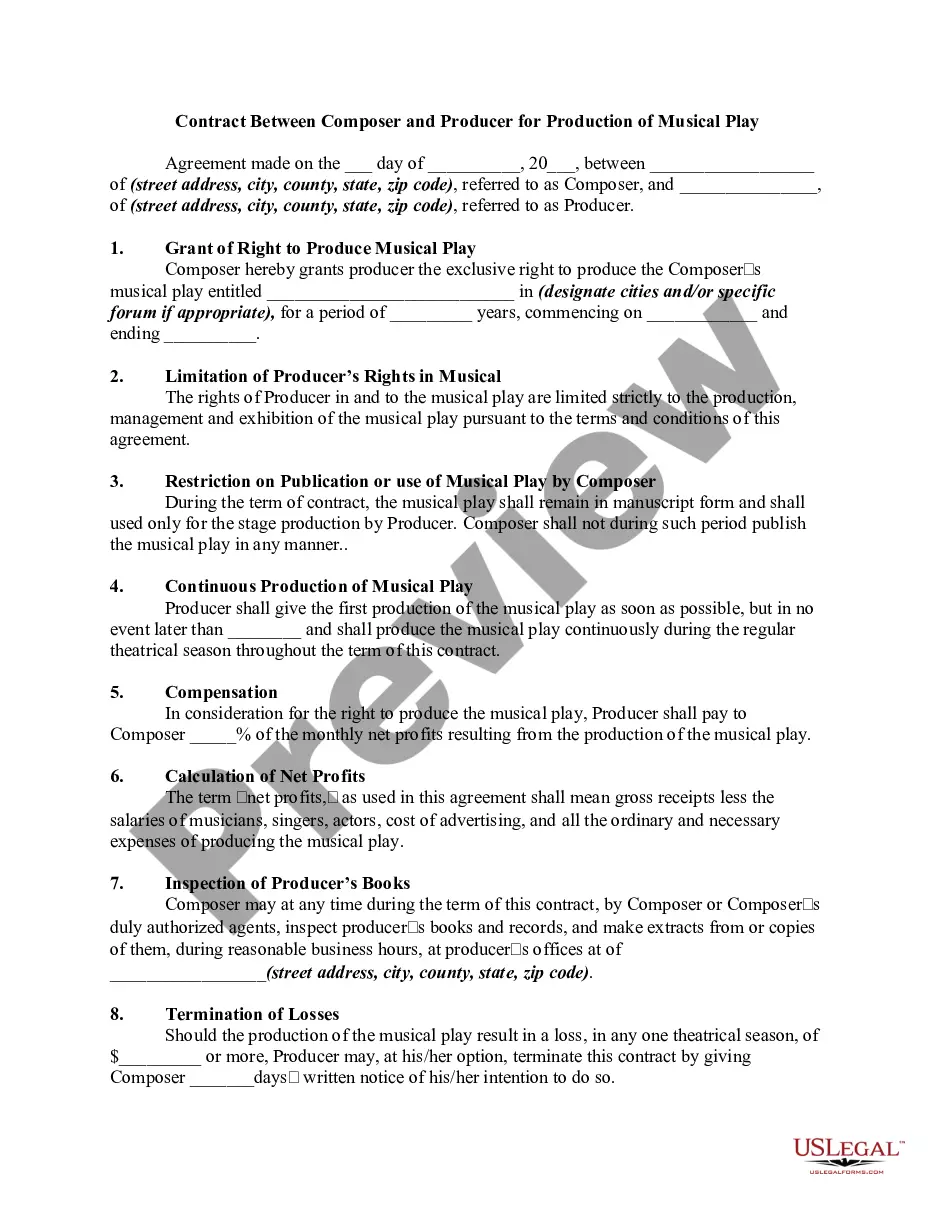
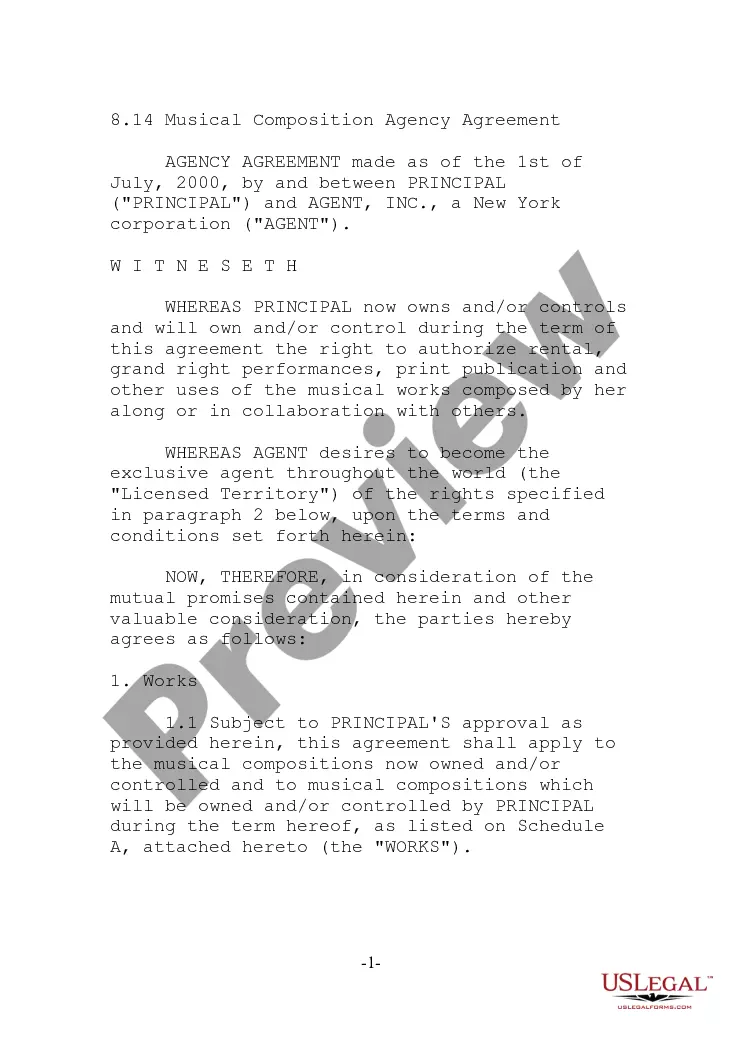
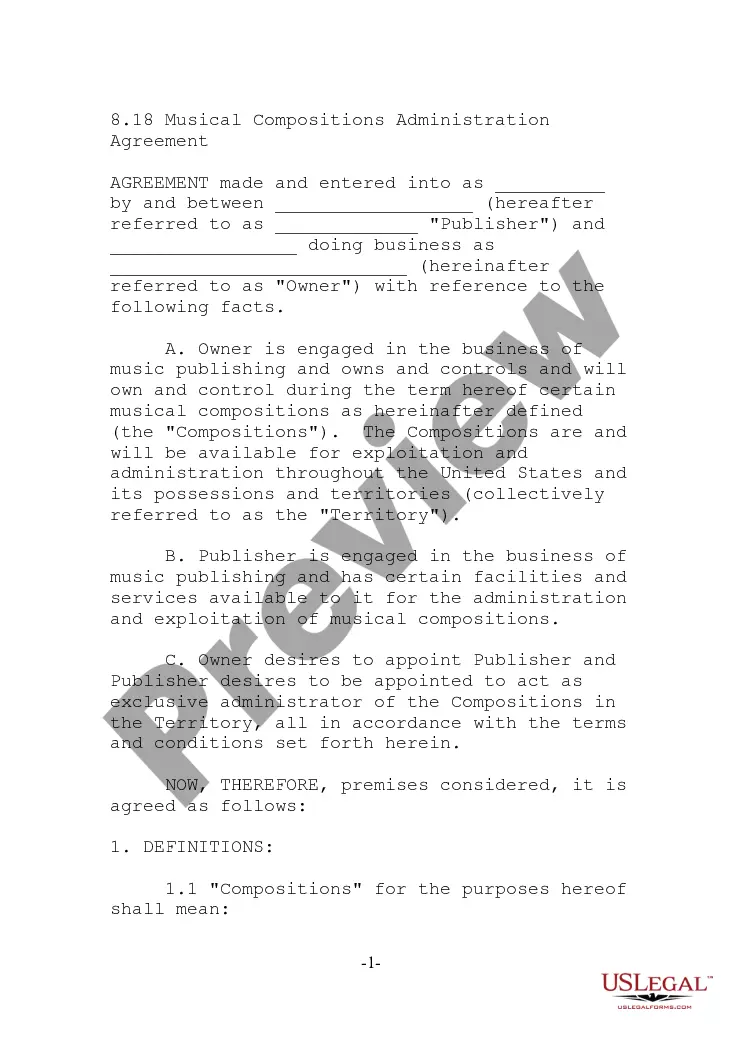
Description
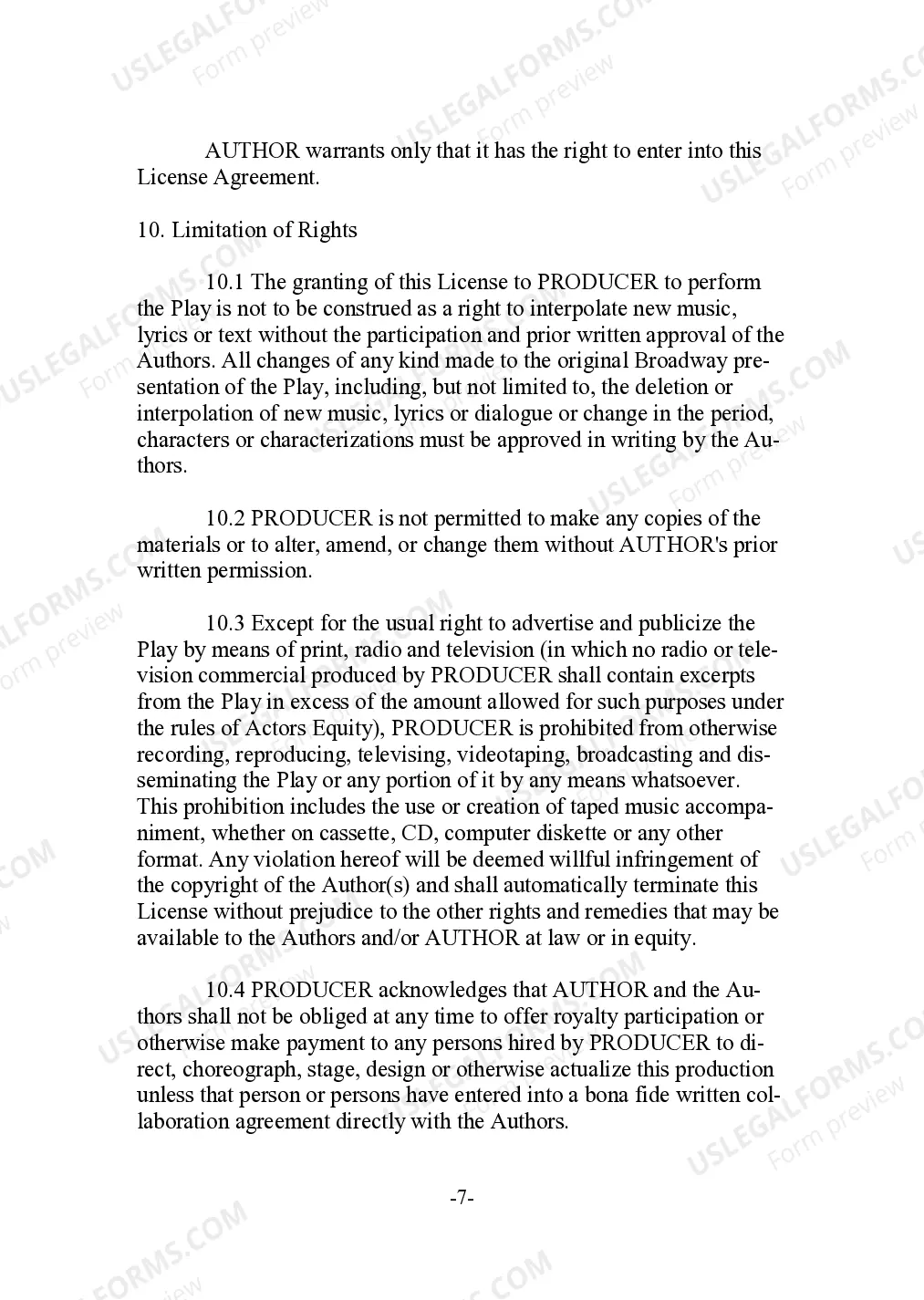
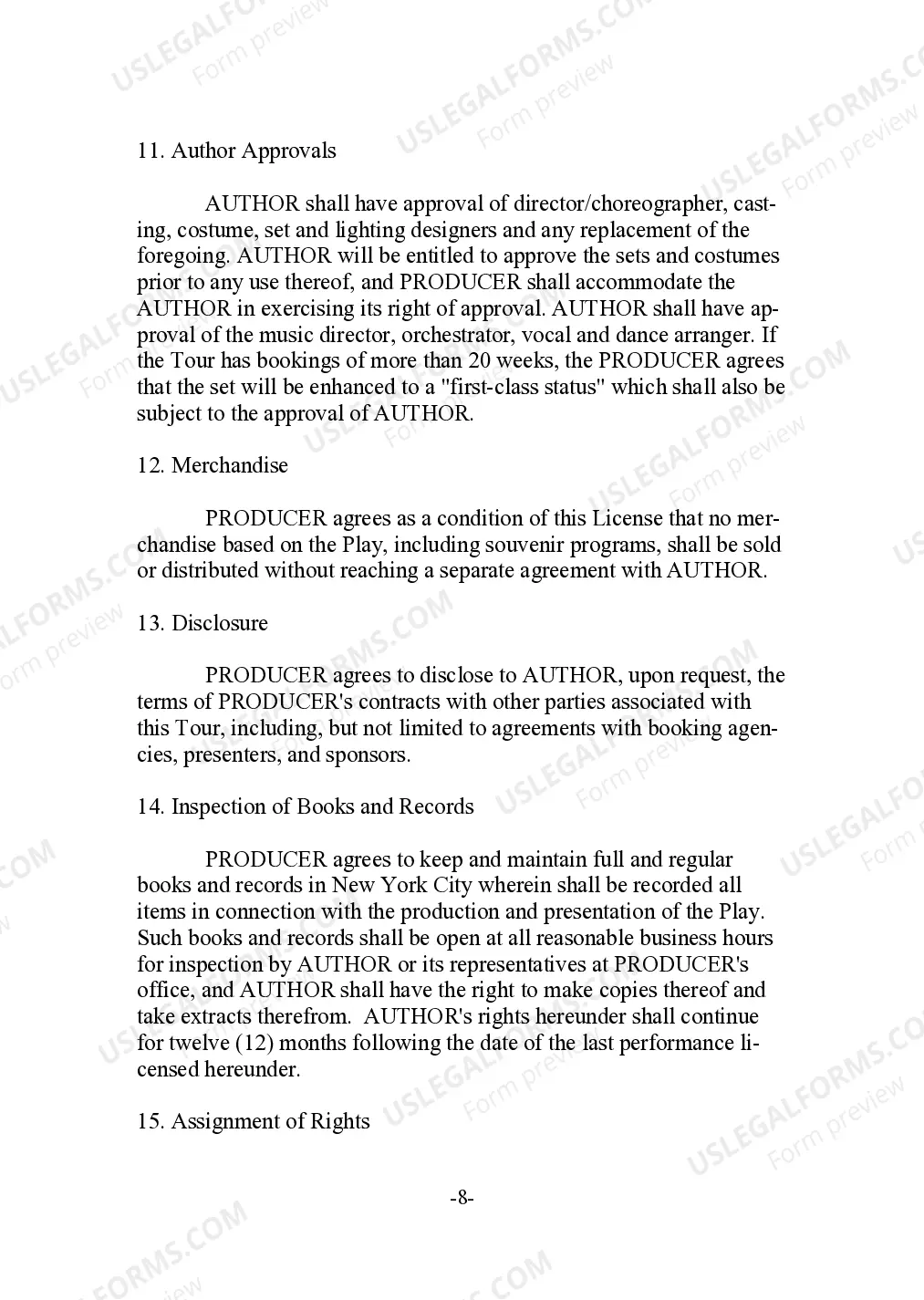
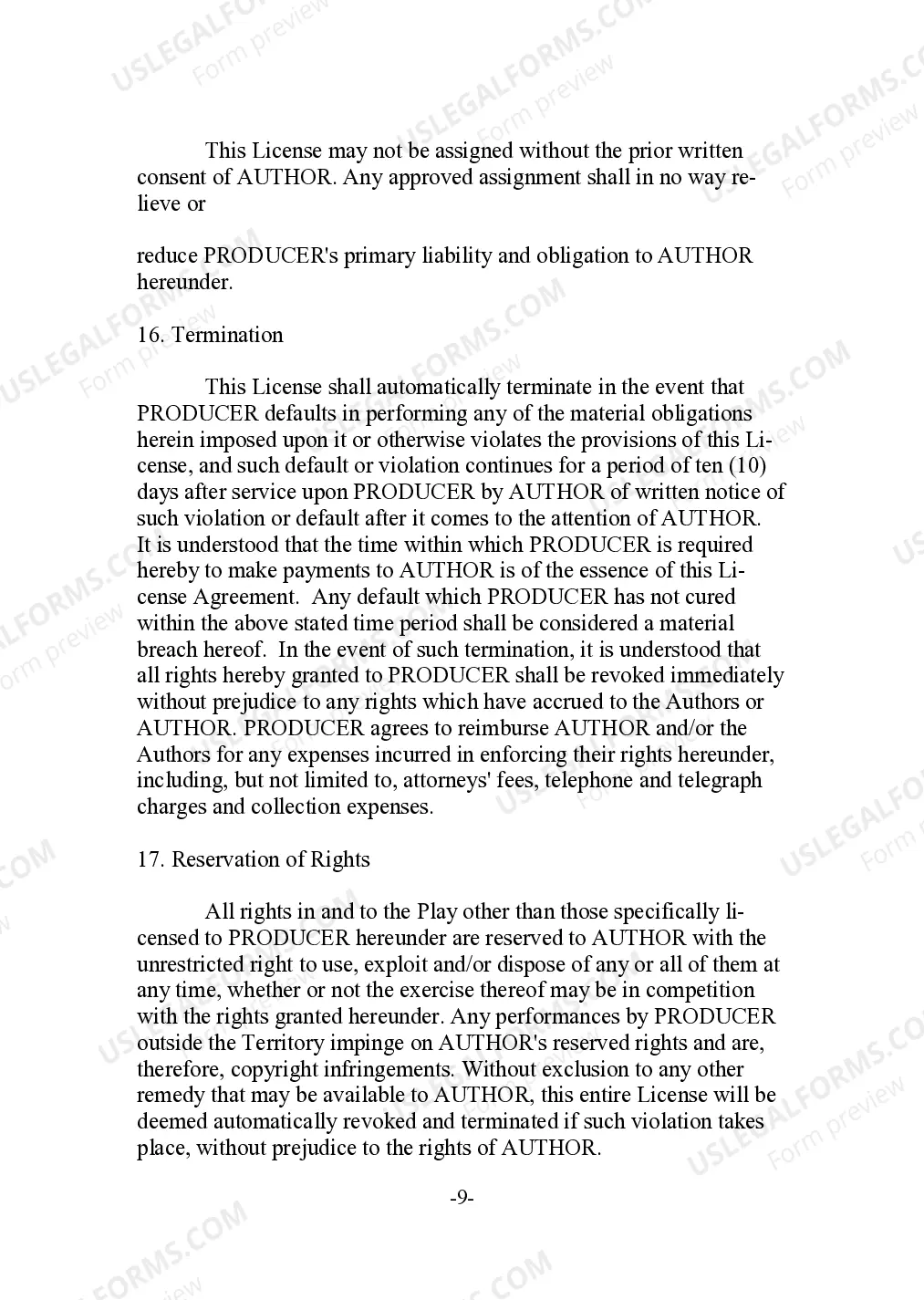
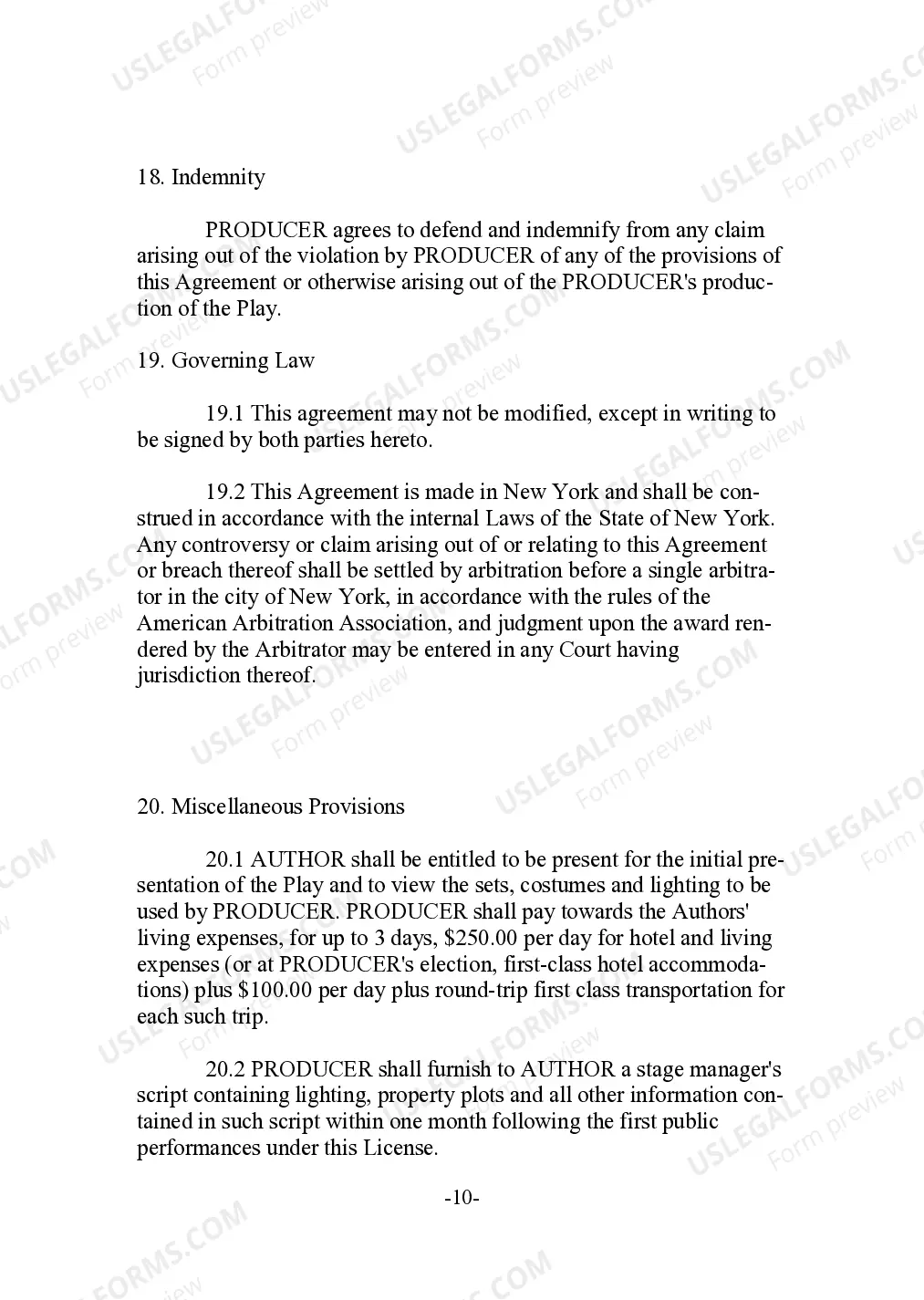

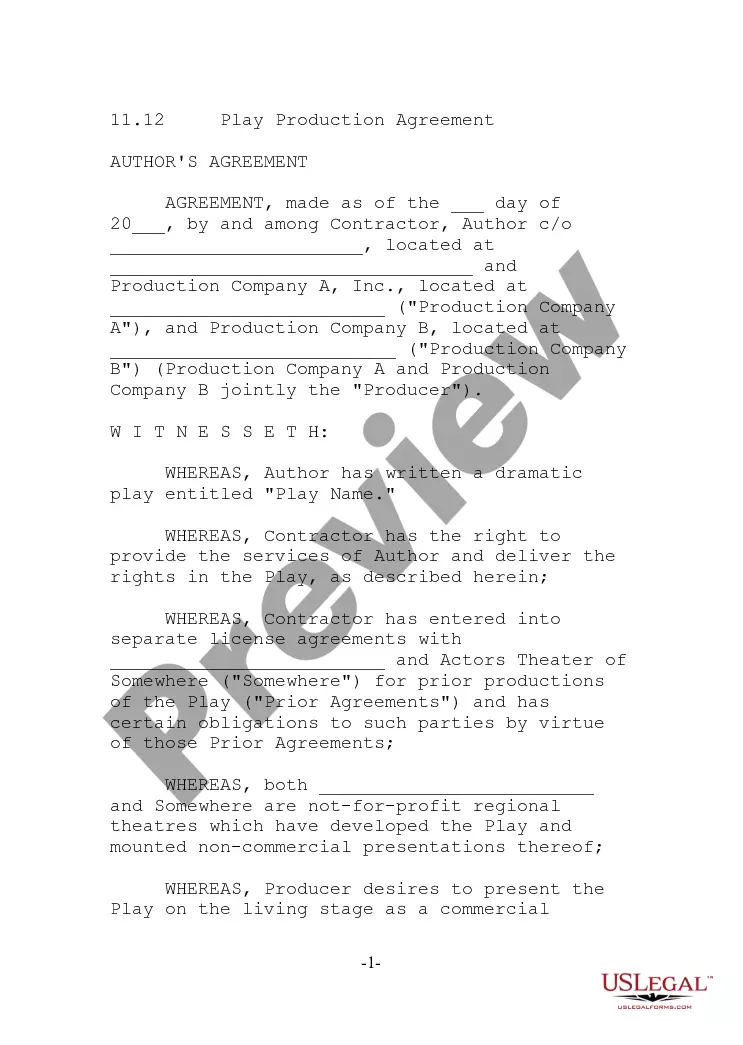




How to fill out Dramatic Or Musical Work Or Play Tour License?
A documentation procedure always accompanies any legal endeavor you undertake.
Launching a company, applying for or accepting a job proposal, shifting ownership, and numerous other life situations necessitate you to prepare formal paperwork that varies from state to state.
That is why having everything consolidated in one location is incredibly advantageous.
US Legal Forms is the largest online repository of current federal and state-oriented legal documents.
Utilize it as necessary: print it or complete it electronically, sign it, and file it where required. This is the easiest and most reliable way to obtain legal documents. All the templates available in our library are professionally drafted and verified for compliance with local laws and regulations. Organize your documentation and manage your legal matters effectively with US Legal Forms!
- Here, you can effortlessly find and acquire a document for any personal or business intention utilized in your locality, including the Fairfax Dramatic or Musical Work or Play Tour License.
- Finding templates on the platform is exceedingly straightforward.
- If you already possess a subscription to our collection, Log In to your account, search for the template using the search feature, and click Download to store it on your device.
- After that, the Fairfax Dramatic or Musical Work or Play Tour License will be available for subsequent use in the My documents section of your account.
- If you are using US Legal Forms for the first time, follow this simple guide to acquire the Fairfax Dramatic or Musical Work or Play Tour License.
- Ensure you have accessed the correct page with your regional document.
- Use the Preview mode (if accessible) and navigate through the example.
- Examine the description (if provided) to confirm the template meets your requirements.
- Search for another document via the search option if the example doesn't suit you.
- Click Buy Now once you find the required template.
- Choose the appropriate subscription plan, then Log In or create an account.
- Select the preferred payment method (via credit card or PayPal) to proceed.
- Choose file format and save the Fairfax Dramatic or Musical Work or Play Tour License on your device.
Form popularity
FAQ
Simply stating 'I don't own the rights to this music' does not legally protect you from copyright infringement. This phrase is often misunderstood and does not grant permission to use a copyrighted work. To avoid issues, secure a proper license, such as the Fairfax Virginia Dramatic or Musical Work or Play Tour License. This ensures that you can use the music without facing legal consequences.
Putting on a copyrighted play without permission can result in significant legal penalties. Federal copyright law establishes statutory fines for each act of copyright infringement, ranging from a minimum of $500 for "innocent" infringements to a maximum of $100,000 for "willful" infringements.
Performing a work, whether a play script or musical score, is prohibited without receiving permission from the copyright holder, and in most cases paying a licensing fee and/or royalties.
In general, professional theaters pay at least $75 per performance of a full-length play or musical, and at most 8-12% of actual box office revenue. The up-front royalty guarantee is most regularly between $75 per performance and $250 per performance. These rates vary from one license to another.
You must legally obtain the rights to any sheet music or other music materials used from an authorized source. As a rule of thumb, no more than three songs should be used from any one title or any one composer. The revue must be the work of multiple composers.
Who's Exempt from Music Licensing Regulations? play recorded music in public or at your business (including background music on a CD, radio or music channel) stage live music events in public (for example, a concert or festival) play live or recorded music in a theatre.
You need a Public Performance License (PPL) to play music in public places, including your customers and employees.
You do not need a licence to play royalty-free music. Check if your business or organisation needs a licence on the PPL PRS website. The way you get a licence to play live or recorded music has changed. You now need a single licence from PPL PRS, instead of separate licences from PRS for Music and PPL.
It is possible to have a small rights performance of a work from a grand right presentation, for example a song from a musical may be performed on the radio or in a live concert with no visual reference to the original show. This would be a small rights performance and therefore would be controlled by us.