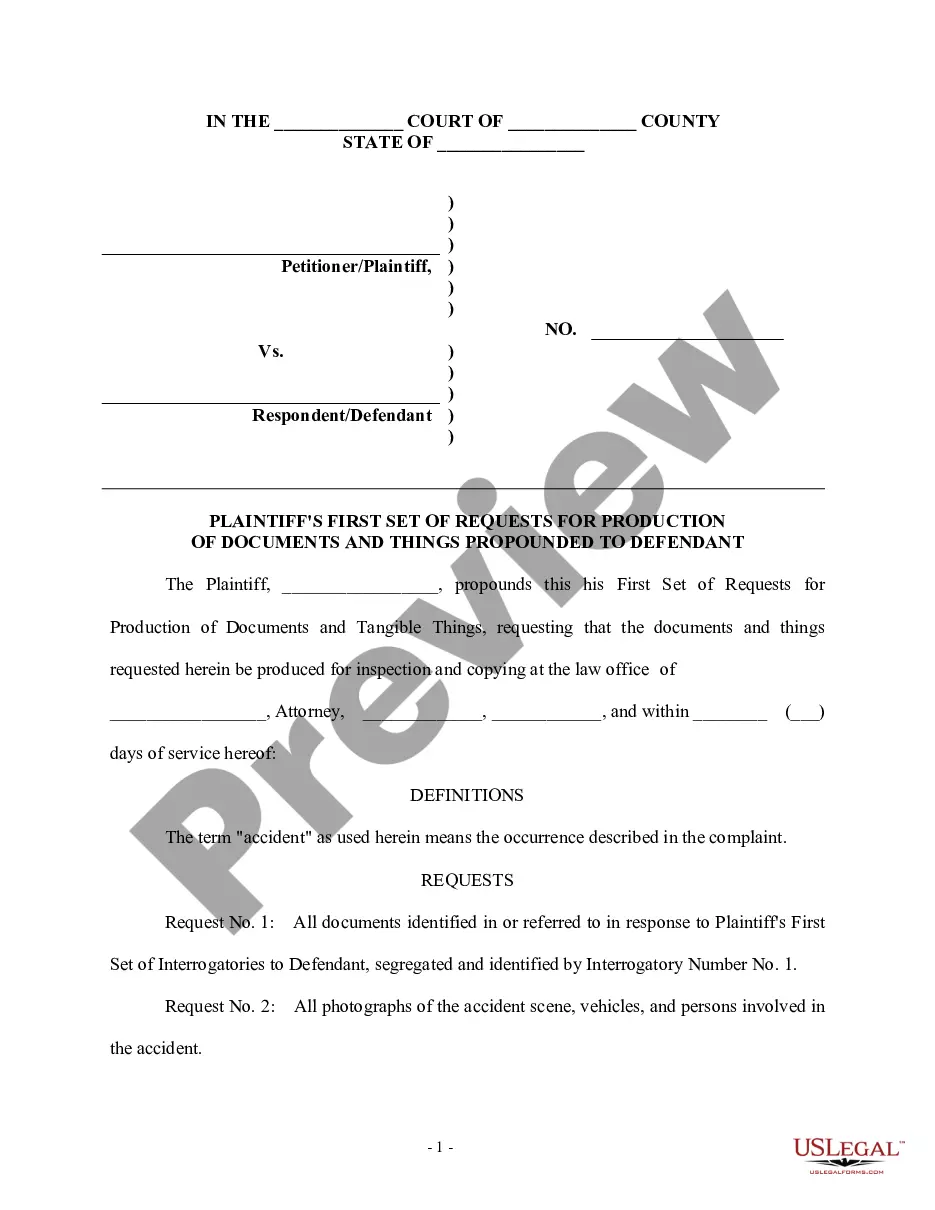
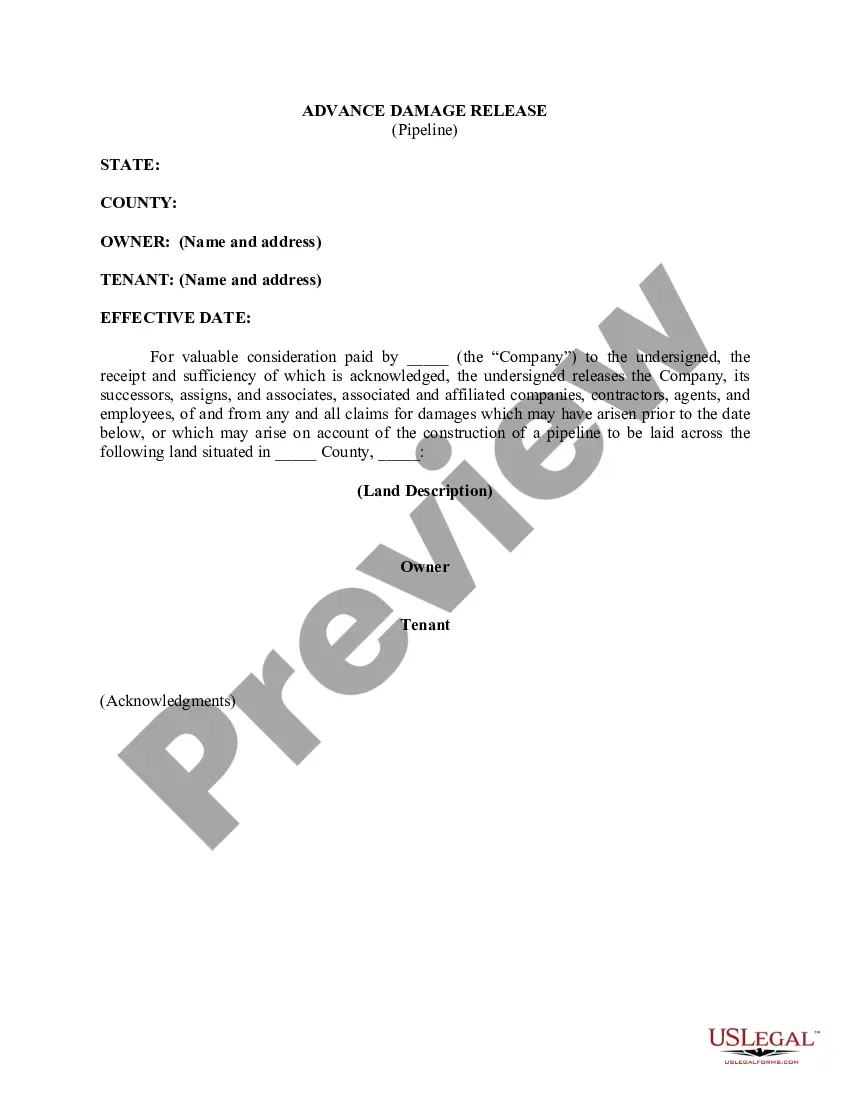
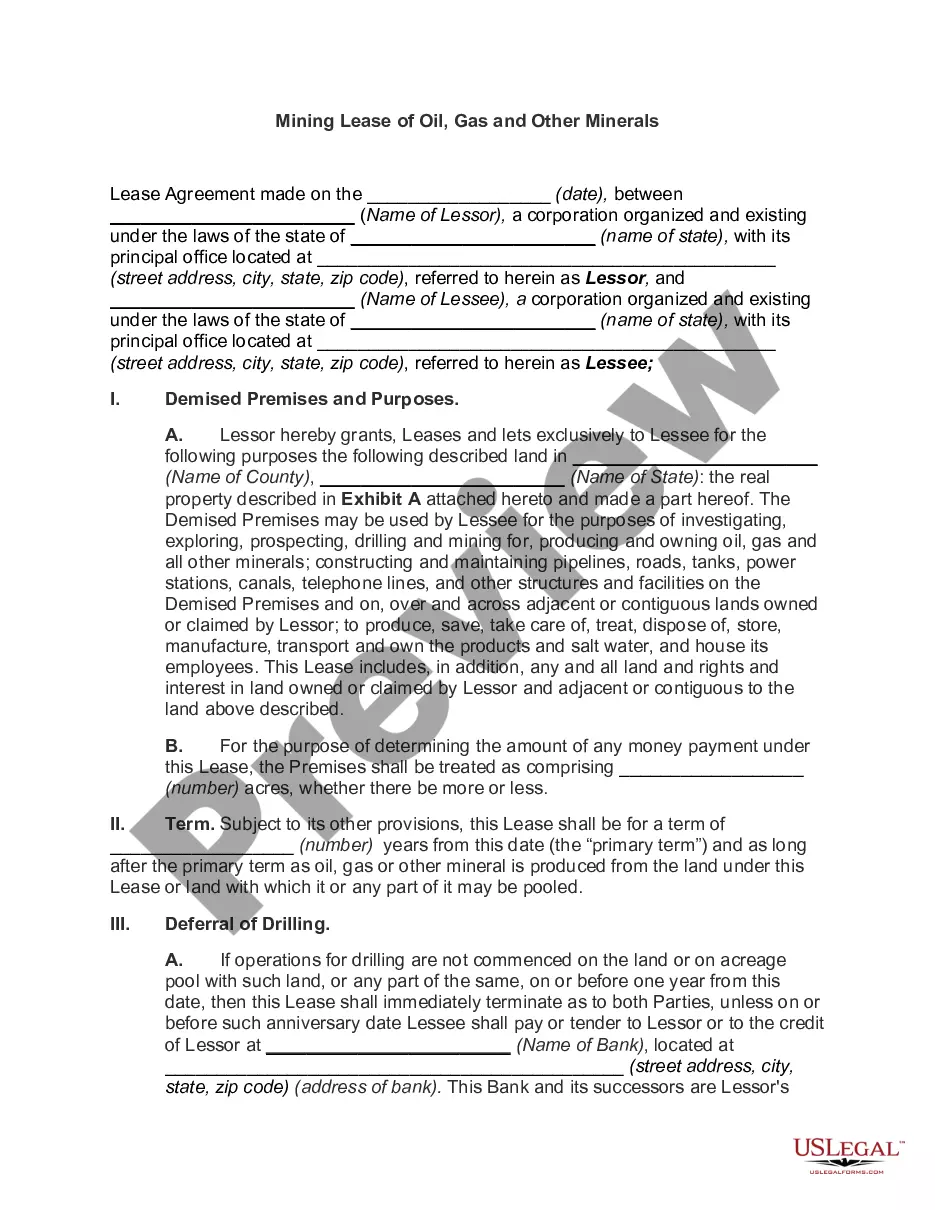
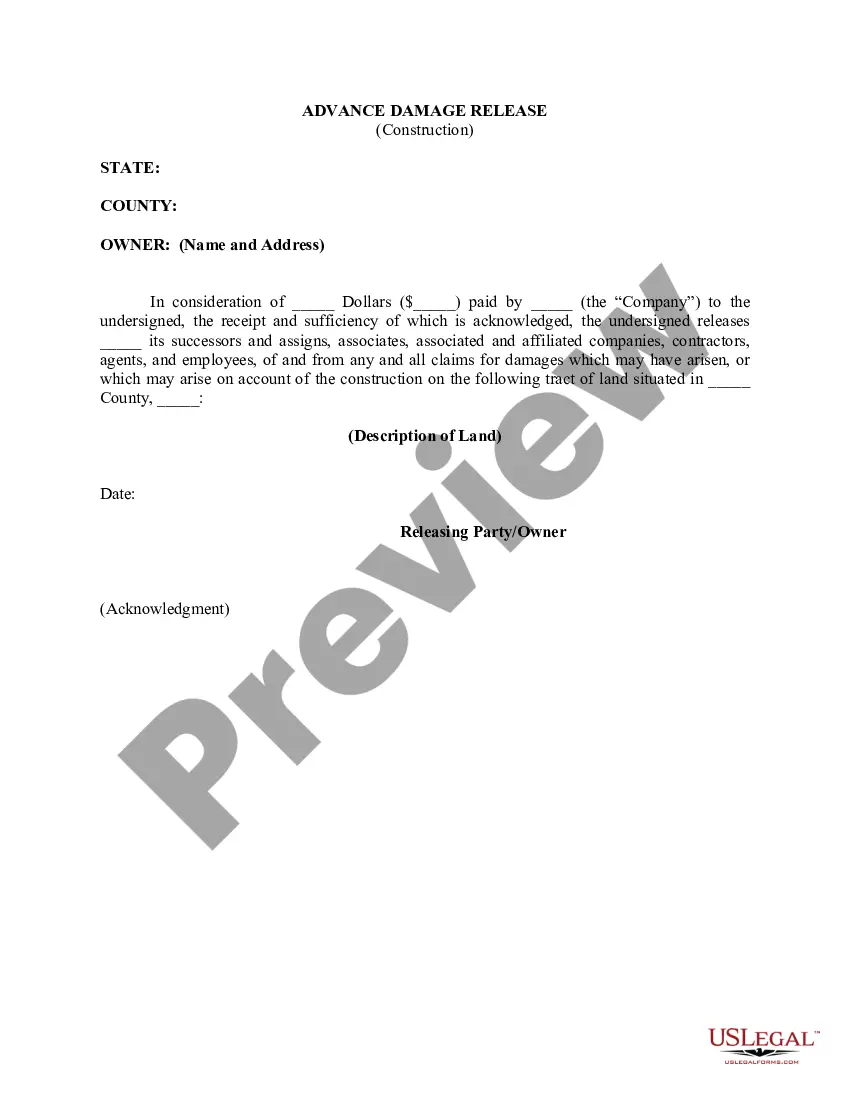
Salt Lake Utah Advance Damage Release (Pipeline)
Description
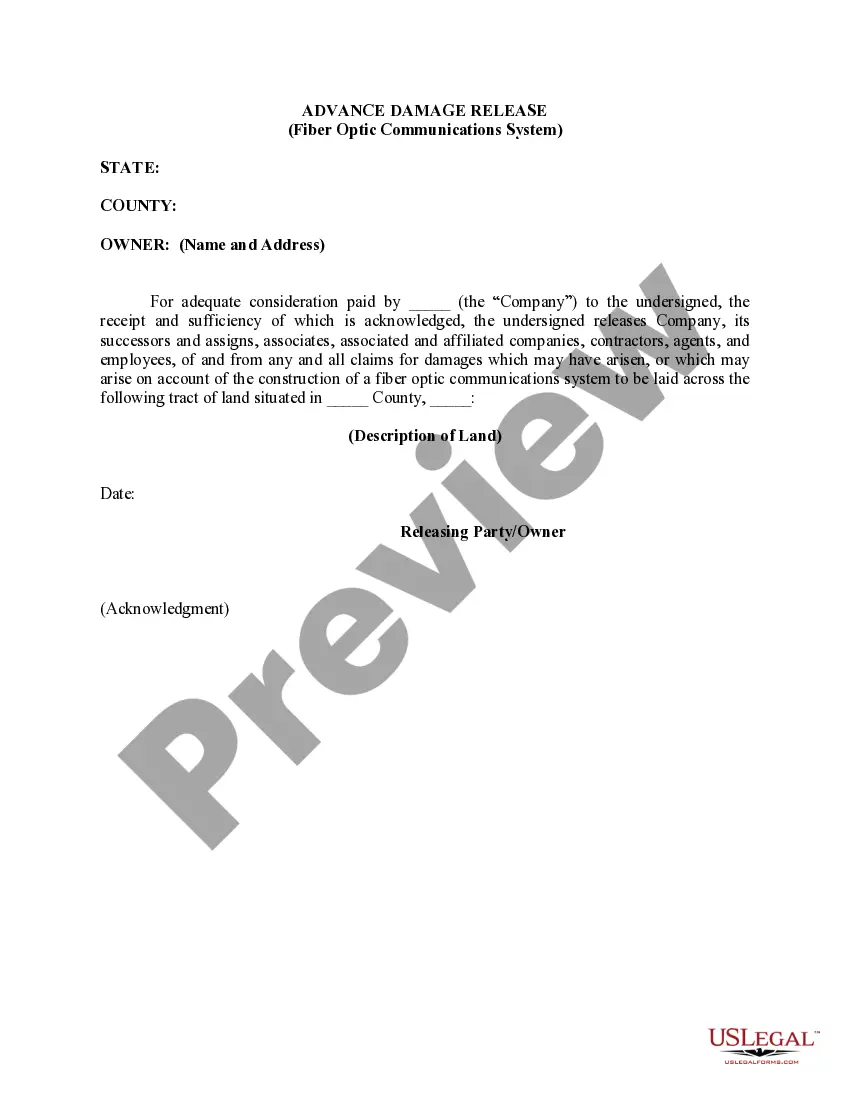
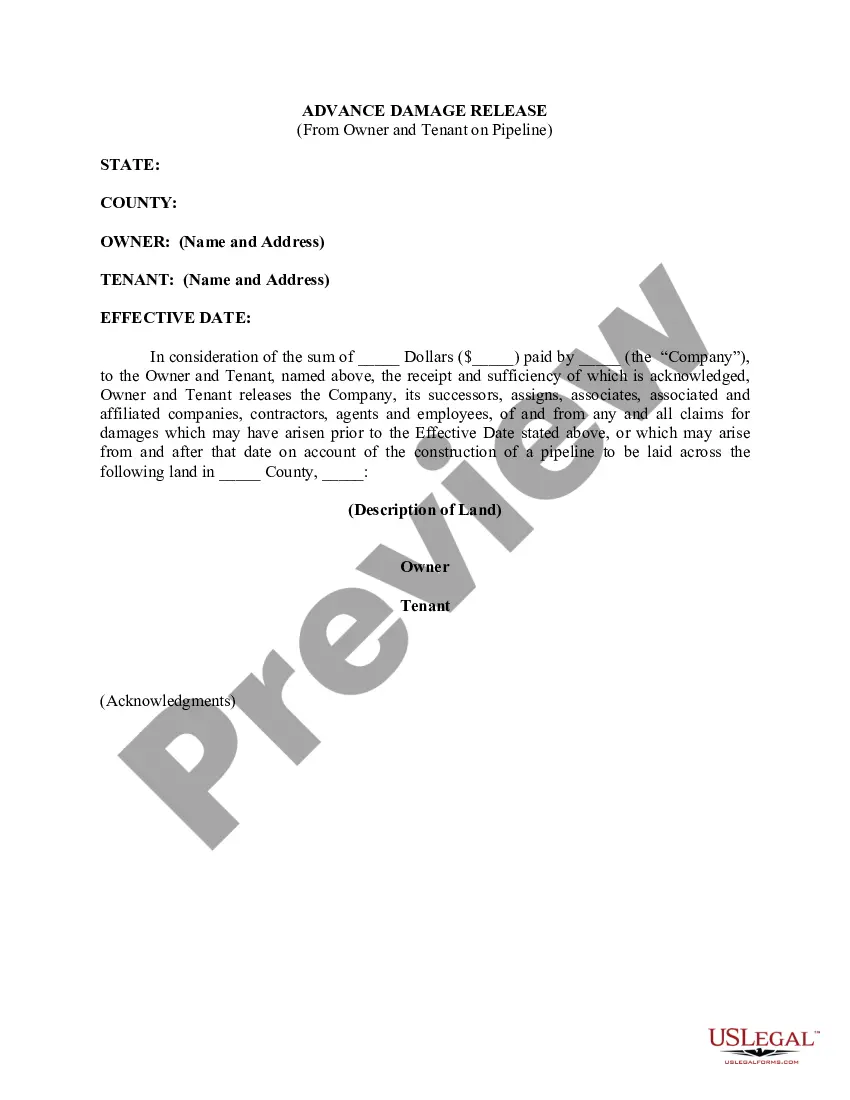
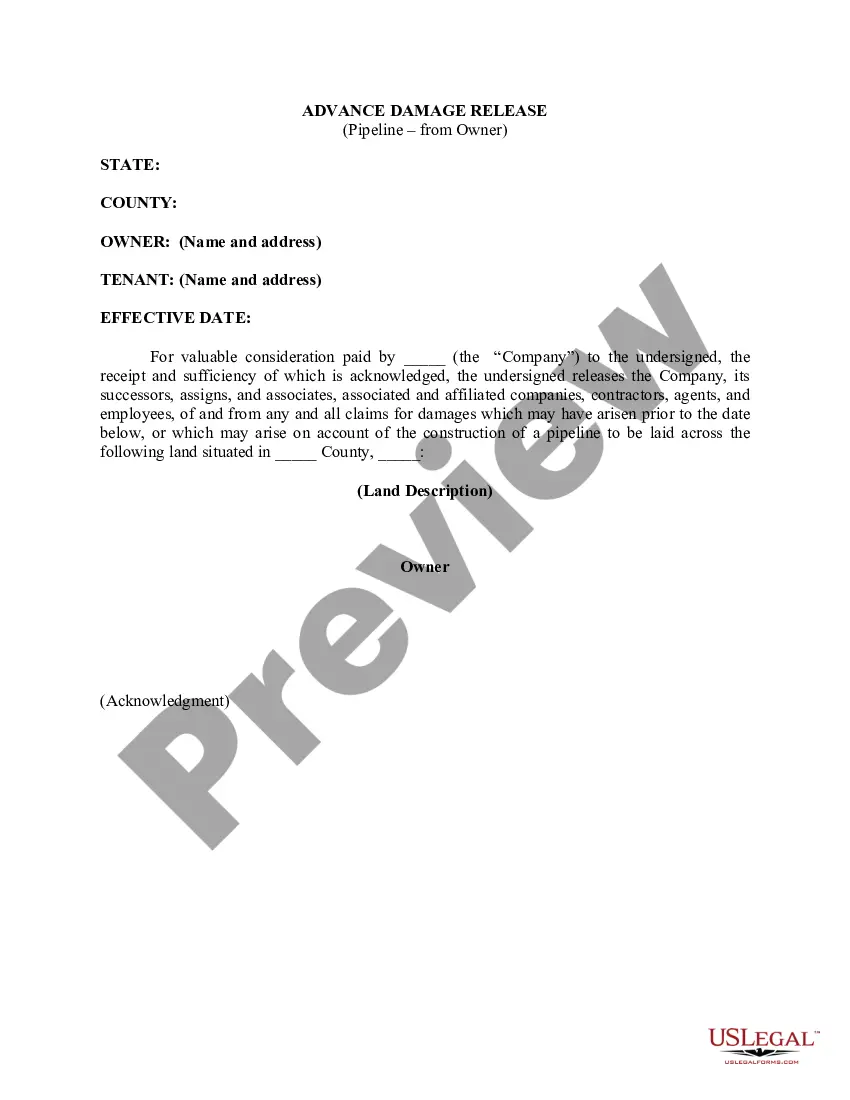




How to fill out Advance Damage Release (Pipeline)?
Laws and statutes in every area vary from jurisdiction to jurisdiction.
If you are not an attorney, it’s simple to become confused by numerous regulations when it comes to creating legal documents.
To prevent costly legal services when preparing the Salt Lake Advance Damage Release (Pipeline), you require a validated template suitable for your area.
Use the Preview feature or review the form description if available.
- That's where utilizing the US Legal Forms platform becomes advantageous.
- US Legal Forms is a reliable online repository trusted by millions, offering over 85,000 legal forms tailored to specific states.
- It's a great option for both professionals and individuals looking for self-service templates for various personal and business situations.
- All documents are reusable: once you download a template, it stays available in your account for future reference.
- Thus, if you own an account with an active subscription, you can just sign in and re-download the Salt Lake Advance Damage Release (Pipeline) from the My documents section.
- For newcomers, it's essential to follow a few additional steps to acquire the Salt Lake Advance Damage Release (Pipeline).
- Examine the page content to ensure you’ve located the correct sample.
Form popularity
FAQ
200bPipeline accident investigations typically refer to investigations involving accidents occurring during the transport of natural gas or other hazardous liquids, such as gasoline or propane, through pipeline systems and accidents in which public safety is threatened by the release of hazardous substances.
Negligence, carelessness, and violations of Occupational Safety and Health Administration (OSHA) workplace safety regulations are among the common causes of pipeline explosions. Pipeline explosions can also occur when heavy equipment performing excavation work, such as backhoes, strikes a pipeline.
Negligence, carelessness, and violations of Occupational Safety and Health Administration (OSHA) workplace safety regulations are among the common causes of pipeline explosions. Pipeline explosions can also occur when heavy equipment performing excavation work, such as backhoes, strikes a pipeline.
200b200b200b200bThe Office of Railroad, Pipeline and Hazardous Materials Investigations investigates accidents involving railroads, pipelines, and the transportation of hazardous materials.
Published estimates of risk of pipeline failure are typically in the range 1.2 × 1022124 to 6.1 × 1022124 per km yr. Risk of pipeline failure differs significantly with diameter, with fatality rates of 4.6 × 1022126 per km yr for larger pipelines and 2.4 × 1022126 per km yr for smaller transmission pipelines.
The U.S. Department of Transportation's Pipeline and Hazardous Materials Safety Administration (PHMSA) provides online maps to help you locate pipelines in or near your community through the National Pipeline Mapping System (NPMS).
How to Recognize a Pipeline Leak Sight. Liquid pools, discolored or abnormally dry soil/vegetation, continuous bubbling in wet or flooded areas, an oily sheen on water surfaces, and vaporous fogs or blowing dirt around a pipeline area can all be indicative of a pipeline leak.Sound.Smell.
How to Recognize a Pipeline Leak Sight. Liquid pools, discolored or abnormally dry soil/vegetation, continuous bubbling in wet or flooded areas, an oily sheen on water surfaces, and vaporous fogs or blowing dirt around a pipeline area can all be indicative of a pipeline leak.Sound.Smell.
There are a number of causes of pipeline incidents including corrosion, excavation damage, incorrect operation, material/weld/equipment failure, and natural force damage (i.e., Hurricane Katrina).
Eventually, the pipe will burst, sending gallons of water onto the floor, damaging walls, flooring and ceilings. If your pipe bursts, the first thing you want to do is turn off the main water supply to stop the flow of water into the space if you're at home.